• Global CNC market projected to reach $128B by 2028 • New EU trade regulations for precision tooling components • Aerospace deman
NYSE: CNC +1.2%LME: STEEL -0.4%

China Becomes Key Source of CNC Lathes for Indonesia

The timing of this development is not specified in the source input, but the latest export data and market signals point to a trade and execution shift that deserves attention from equipment exporters, industrial buyers, supply-chain service providers, and after-sales operators. Rather than being treated as a simple rise in shipments, this development is more relevant as an indication that procurement priorities, delivery expectations, and local service requirements in Indonesia’s manufacturing build-out are becoming more important in actual market competition.
What the Confirmed Trade Data Shows
According to the latest statistics cited from China’s General Administration of Customs, China exported 81,314 CNC lathes to Indonesia from January to October 2025, with a total value of US$647 million, up 1.07% year on year.
The same input states that Indonesia is accelerating the construction of an ASEAN automotive manufacturing center and an electronics contract manufacturing cluster. Against that backdrop, demand for high-precision CNC turning equipment is described as structurally firm.
It is also confirmed that Chinese brands have established localized technical support centers in Jakarta and Surabaya, and that their delivery cycles and after-sales response are outperforming European and US competitors.
Why Procurement and Delivery Rules Are Becoming More Visible
For equipment exporters, market access now depends on more than price
From an industry perspective, exporters may be affected because procurement decisions in industrial equipment are closely tied to delivery reliability, technical documentation, and service responsiveness. In practical terms, what deserves closer attention is whether suppliers can meet buyer expectations on specification alignment, installation support, spare-parts coordination, and post-delivery response, not only shipment volume.
For Indonesian buyers, execution risk becomes part of supplier selection
Analysis shows that buyers in automotive and electronics-related manufacturing are likely to pay closer attention to whether a machine supplier can support stable production schedules. The impact may appear in tender reviews, technical comparisons, service commitments, and contract execution. Buyers should therefore pay attention to documentation completeness, technical file consistency, service terms, and delivery commitments when evaluating suppliers.
For supply-chain and service providers, local support becomes a competitive factor
Observably, companies involved in logistics coordination, installation support, maintenance, and spare-parts service may be affected because localized technical support is already part of the confirmed market picture. This means the operational value chain around imported CNC equipment may increasingly depend on how quickly service requests, commissioning needs, and replacement requirements can be handled after delivery.
What Companies Should Watch in Current Execution
Check compliance and technical documentation readiness
Analysis shows that exporters and suppliers should pay close attention to the completeness and consistency of technical documents, product specifications, transaction paperwork, and any buyer-required compliance materials. The current information does not define a new formal regulatory requirement, so this should be understood as a practical compliance checkpoint rather than a confirmed rule change.
Track shifts in tender language and procurement criteria
What deserves closer attention is whether purchasing documents, technical bid requirements, or supplier qualification standards begin to place greater weight on local support capability, response time, or delivery assurance. The input does not confirm such a rule has already been formalized, but the market signal suggests these factors may become more visible in procurement execution.
Reassess delivery planning and after-sales commitments
For companies already serving Indonesia, delivery schedules and after-sales capacity may become more commercially sensitive. Observably, where Chinese suppliers are already performing better in lead time and service response, competing vendors may need to review how they structure installation support, maintenance turnaround, and customer communication in order to remain viable in project-based or production-critical procurement.
Watch for follow-up signals in market practice
It is more appropriate to understand this development as a signal to monitor how trade performance translates into procurement practice. Companies should continue watching for changes in buyer expectations, qualification reviews, service commitments, and execution standards rather than assuming that shipment growth alone settles long-term market positioning.
How This Signal Should Be Interpreted
As an editorial observation, this development is better understood as an execution signal than as proof of a newly published formal regulation. The confirmed facts show strong Chinese participation in Indonesia’s CNC lathe imports and a clear service advantage in local response. Analysis shows that the more important issue for industry participants is how this affects practical trade rules in operation: supplier selection, documentation discipline, service localization, and delivery certainty.
Observably, the market is not only comparing machines; it is also comparing the reliability of compliance handling, technical support, and fulfillment capability. That is why companies across the equipment trade chain should continue to watch not just customs data, but also how procurement language and project execution standards evolve.
A Measured Reading of the Current Development
The reported rise in Indonesia-bound CNC lathe exports from China points to a concrete shift in competitive positioning within industrial equipment trade. At the same time, the current input does not confirm a new regulation, policy number, or binding certification framework. For that reason, it is more appropriate to understand this case as a market-backed indicator of changing procurement and execution expectations, with compliance, service responsiveness, and delivery capability becoming more important in actual buying decisions.
Basis of This Article and What Still Needs Verification
This article is generated from the user-provided news title, event timing, and event summary. The specific official source link was not provided in the input and still needs to be verified on an ongoing basis.
For developments of this kind, commonly relevant source types include official announcements, regulator releases, customs or trade authority information, industry association updates, standards-related documents, and reporting by authoritative media. Further observation is still needed on any policy detail, certification interpretation, procurement document changes, market feedback, and how companies implement related trade and service requirements in practice.
Recommended for You
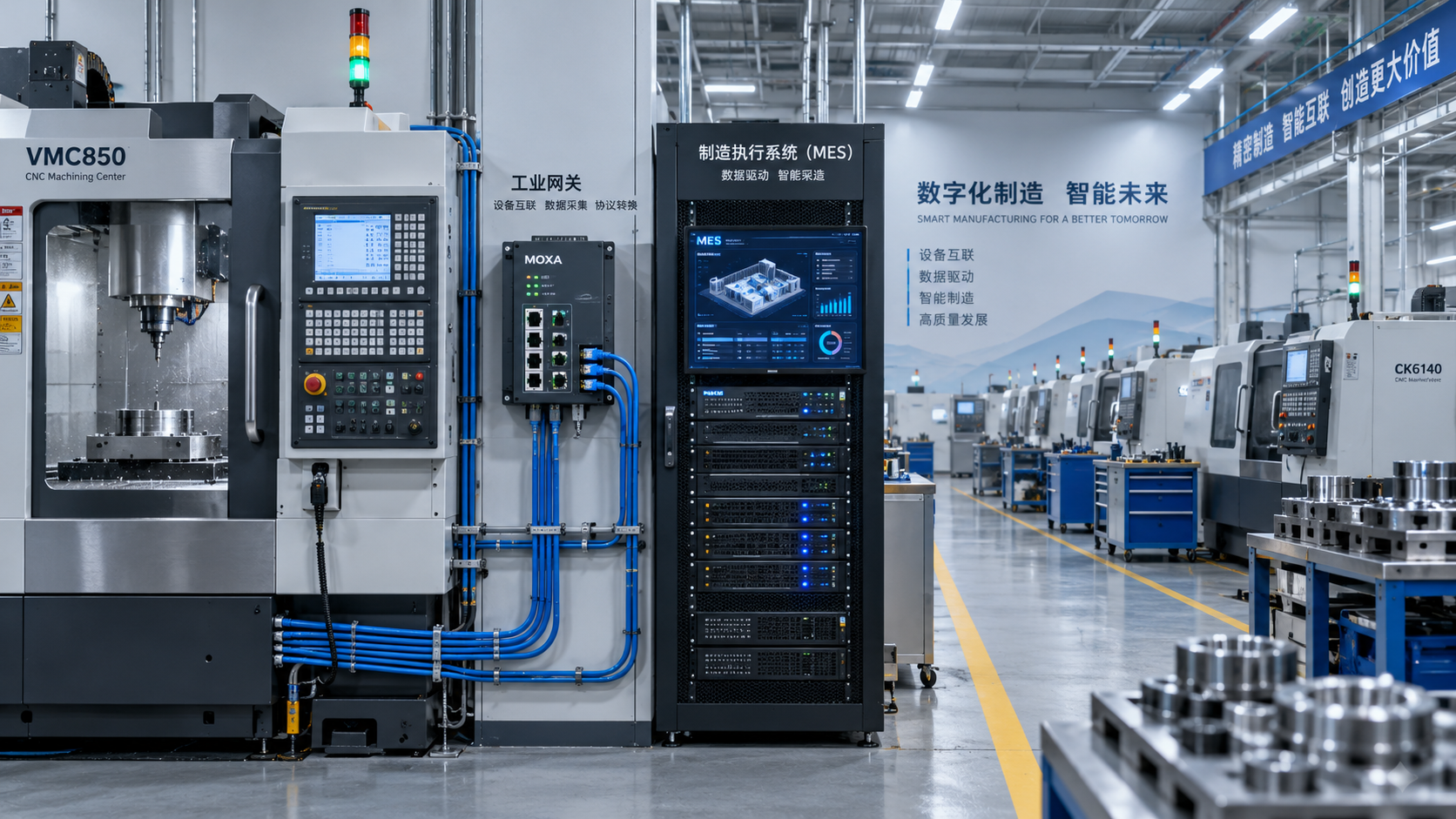
 Digital Manufacturing for Smart Factories: Connecting Legacy Machines to MESMachine Tool Industry Editorial Team
 How to Select a CNC Metal Lathe for Tight-Tolerance Shaft and Sleeve PartsCNC Machining Technology Center
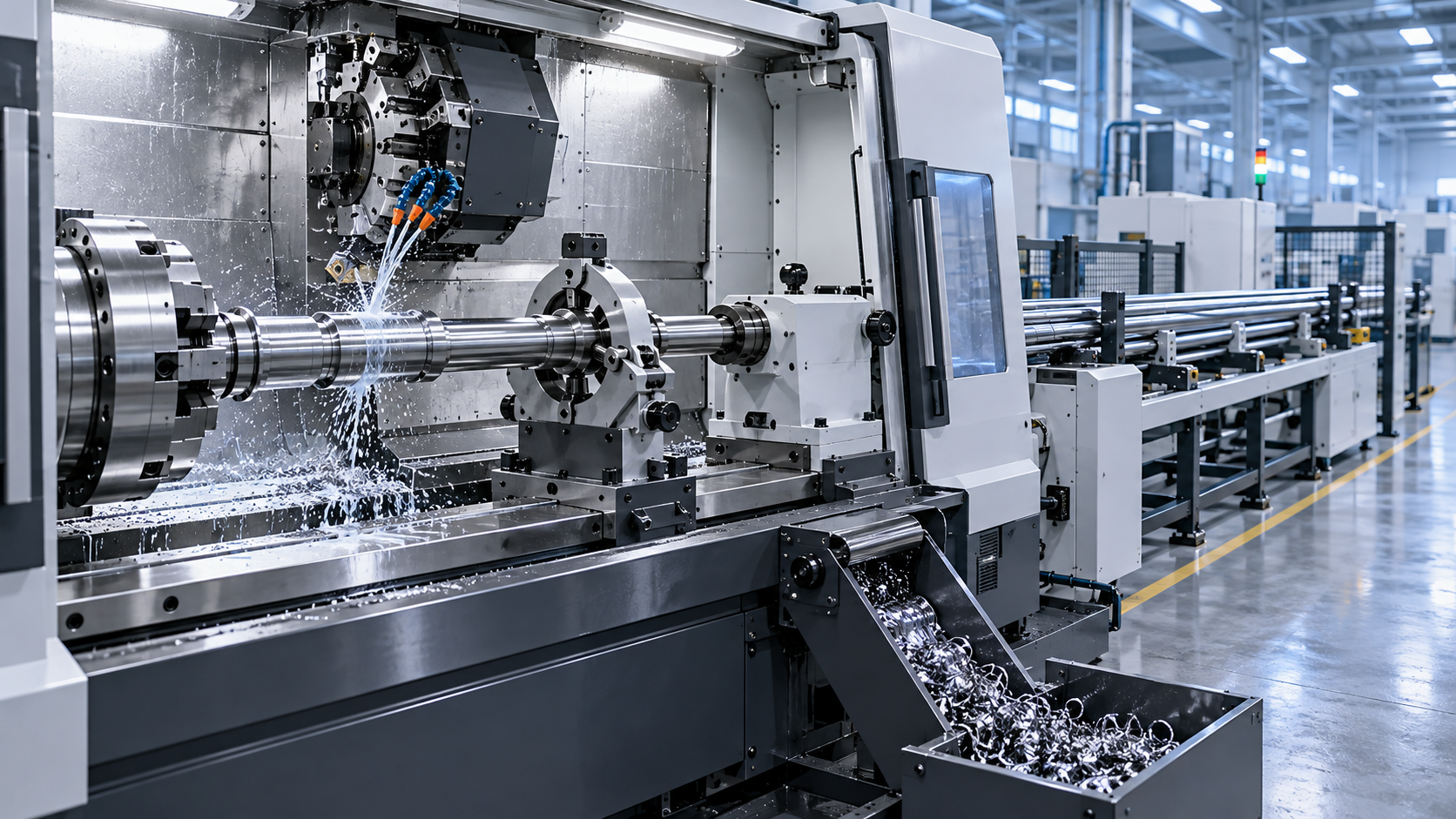
 How to Select an Industrial Lathe for High-Volume Shaft ProductionMachine Tool Industry Editorial Team
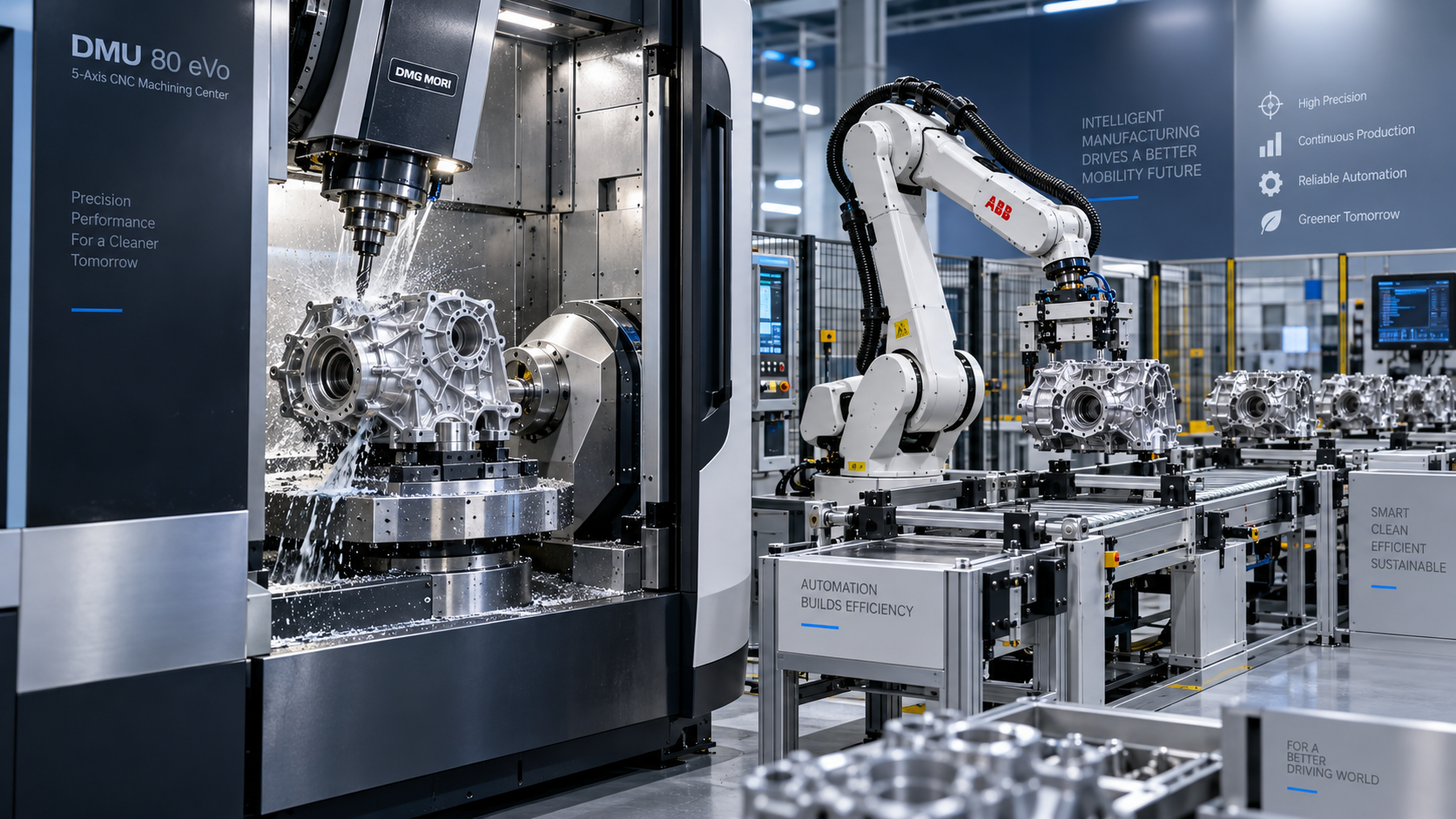
 Selecting Machine Tools for Automotive Parts: Accuracy, Throughput, and AutomationMachine Tool Industry Editorial Team
 Industrial Machining: Selecting Processes for Tight-Tolerance Metal PartsCNC Machining Technology Center
 Manufacturing Technology Trends That Improve Throughput and Quality ControlManufacturing Market Research Center


Aris Katos
Future of Carbide Coatings
15+ years in precision manufacturing systems. Specialized in high-speed milling and aerospace grade alloy processing.
▶
日本高端机床出口管制生效,五轴CNC审批趋严Global Machine Tool Trade Research Center▶
Japan Tightens Controls on High-End Machine Tool ExportsGlobal Machine Tool Trade Research Center▶
US Proposes 25% Tariff on China CNC Servo DrivesGlobal Machine Tool Trade Research Center▶
US Adds 37 Chinese Machine Tool Firms to Export ListGlobal Machine Tool Trade Research Center▶
US Tightens CNC Export Curbs, Adds 52 China EntitiesGlobal Machine Tool Trade Research Center
Mastering 5-Axis Workholding Strategies
Join our technical panel on Nov 15th to learn about reducing vibrations in thin-wall components.

Providing you with integrated sanding solutions
Before-sales and after-sales services
Comprehensive technical support