• Global CNC market projected to reach $128B by 2028 • New EU trade regulations for precision tooling components • Aerospace deman
NYSE: CNC +1.2%LME: STEEL -0.4%

China’s Five-Axis Machine Tool Export Prices Jump 40.2%

Full-year 2025 data released in June 2026 show a clear shift in how China’s high-end machine tools are being received in cross-border trade. The change is not a new statute or formal regulation by itself, but it is a strong market signal that procurement rules, supplier review standards, delivery expectations, and technical compliance checks around advanced CNC five-axis equipment may be tightening in practice. That matters to exporters, importers, distributors, service providers, and procurement teams because the move from price-led buying toward value-led selection usually changes how bids are evaluated, how technical documents are reviewed, and how delivery reliability is judged.
What the 2025 export data confirms
The confirmed facts are limited but significant. In 2025, China’s exports of metal-cutting machine tools reached USD 6.25 billion, up 11.5% year on year. Over the same period, export volume declined by 18.2%, while the average export price increased by 40.19%. High-value CNC five-axis machine tools became a main driver of export performance. Based on the same annual data, China reached a 21.6% share of global machine tool exports and moved ahead of Germany to rank first worldwide.
The published signal behind these figures is that overseas buyers are showing greater acceptance of Chinese high-end machine tools on the basis of value, not only price. For importers, this provides a reference point when assessing the technical maturity and delivery dependability of Chinese suppliers.
Where trade practice may start to shift
Supplier qualification may face closer technical scrutiny
From an industry perspective, exporters of higher-end machine tools may see more attention on technical capability reviews rather than only commercial comparison. When average export prices rise while volumes fall, buyers often place greater weight on specification alignment, application fit, and delivery assurance. What deserves closer attention is whether procurement files, bid documents, technical descriptions, and quality records are sufficient to support a value-based purchase decision.
Import-side procurement teams may revise evaluation logic
For importers and direct buyers, the practical effect may appear in supplier selection, tender scoring, and contract review. Analysis shows that when higher-value equipment becomes a larger share of trade, procurement teams typically need clearer evidence on machine performance, documentation completeness, service response, and traceability across the delivery process. This does not prove that any single rule has already changed, but it does suggest a stronger execution signal around how suppliers are screened in practice.
Distribution and after-sales links may carry more compliance weight
Channel partners, service providers, and after-sales operators may also be affected because higher-end equipment usually brings stricter expectations for installation support, technical file handover, spare-parts coordination, and service continuity. Observably, once buyers pay more per unit, documentation quality and delivery consistency become more important in commercial acceptance and ongoing supplier evaluation.
What companies should check now
Keep technical and trade documents consistent
Companies involved in export or import of five-axis machine tools should pay close attention to whether technical specifications, quotations, contract terms, inspection records, and delivery documents present a consistent picture. Analysis shows that a value-recognition market tends to reward suppliers whose written documentation matches actual capability and delivery performance.
Watch for changes in bid language and buyer qualification demands
What deserves closer attention is not only price movement, but also whether future tender documents, buyer questionnaires, or procurement checklists start asking for more detailed proof of technical maturity, delivery reliability, or service support. The input information does not confirm specific new requirements, so this should be treated as an area to monitor rather than an established execution outcome.
Review delivery assurance and service readiness
For higher-value machine tool transactions, delivery credibility may matter more than before. Exporters, distributors, and service partners should therefore watch the completeness of delivery schedules, acceptance materials, installation coordination, and post-delivery support arrangements. This is especially relevant when buyers are moving from price comparison to broader value assessment.
Prepare for stricter supplier due diligence
Importers and procurement teams may need to strengthen due diligence on supplier stability, technical readiness, and document traceability. It is more appropriate to understand this as a practical procurement adjustment signal, not as proof of a newly issued mandatory rule. Even so, companies that treat higher-value exports as requiring stronger compliance preparation may be better positioned in future negotiations.
Why this looks more like an execution signal than a formal rule change
Analysis shows that the most important meaning of this development lies in market execution behavior. The confirmed data do not establish a newly published regulation, certification rule, or trade control measure. Instead, they indicate that international purchasing behavior around advanced Chinese machine tools may be changing in a way that affects compliance expectations, document quality, technical review depth, and delivery standards.
Observably, this is better understood as a signal that trade practice and buyer-side thresholds may be evolving. For that reason, the industry still needs to watch how future procurement language, certification expectations, technical review criteria, and market feedback develop before drawing stronger conclusions.
How the market should read this stage
The main industry significance of this update is not simply that China exported more value and reached the top global share position, but that the structure of demand appears to be shifting toward higher-value equipment. From an industry perspective, that can influence how suppliers are assessed across compliance, procurement, documentation, delivery, and service links.
At the current stage, it is more appropriate to understand this as a confirmed trade-performance fact combined with a meaningful execution signal. It does not, on its own, confirm a fully defined new rule set. The more rational reading is that companies should prepare for closer technical and delivery scrutiny while continuing to observe how market rules, buyer requirements, and implementation standards develop.
Basis of this article and what still needs verification
This article is generated based on the user-provided news title, event timing, and event summary. For events of this kind, commonly relevant source types may include official notices, regulator releases, customs or trade authority information, industry association materials, standards organization documents, and reporting by authoritative media. No specific official source link was provided in the input, so that point still requires ongoing verification.
Further observation is also needed on any later policy detail, certification interpretation, tender document changes, procurement criteria, market feedback, and enterprise-level implementation responses that may develop after the publication of the 2025 full-year data in June 2026.
PREVIOUS ARTICLE
NEXT ARTICLE
Recommended for You
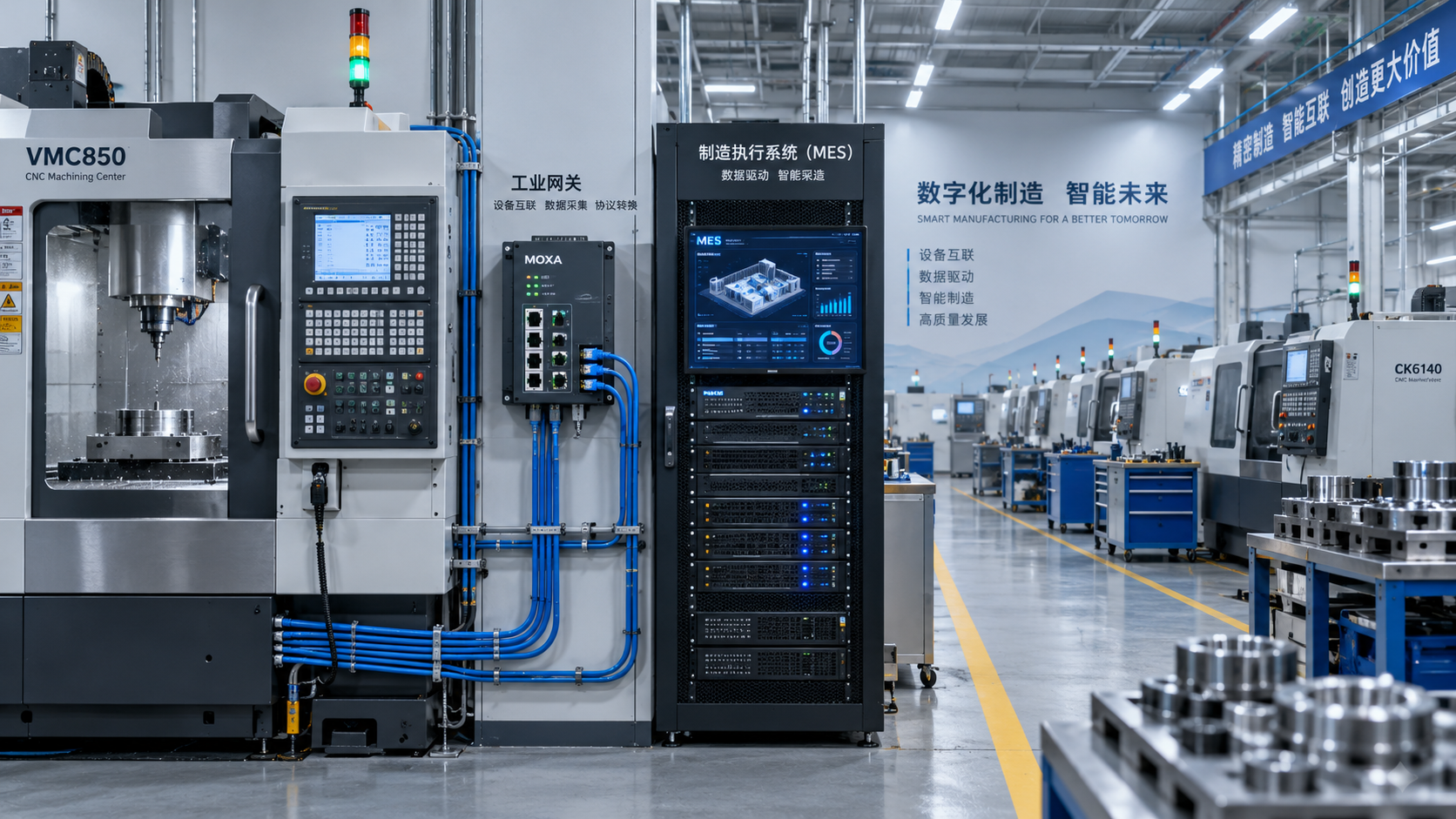
 Digital Manufacturing for Smart Factories: Connecting Legacy Machines to MESMachine Tool Industry Editorial Team
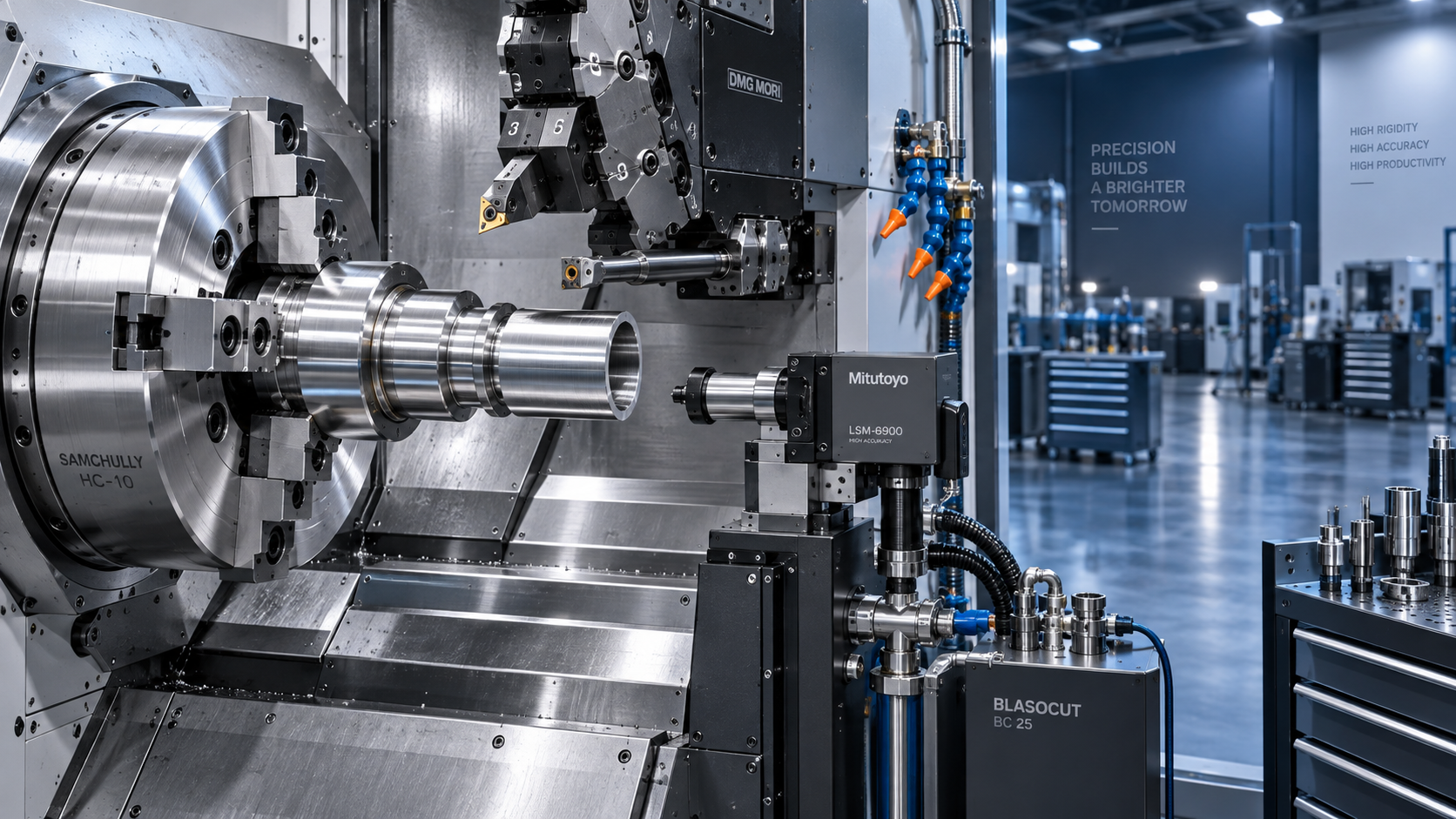
 How to Select a CNC Metal Lathe for Tight-Tolerance Shaft and Sleeve PartsCNC Machining Technology Center
 How to Select an Industrial Lathe for High-Volume Shaft ProductionMachine Tool Industry Editorial Team
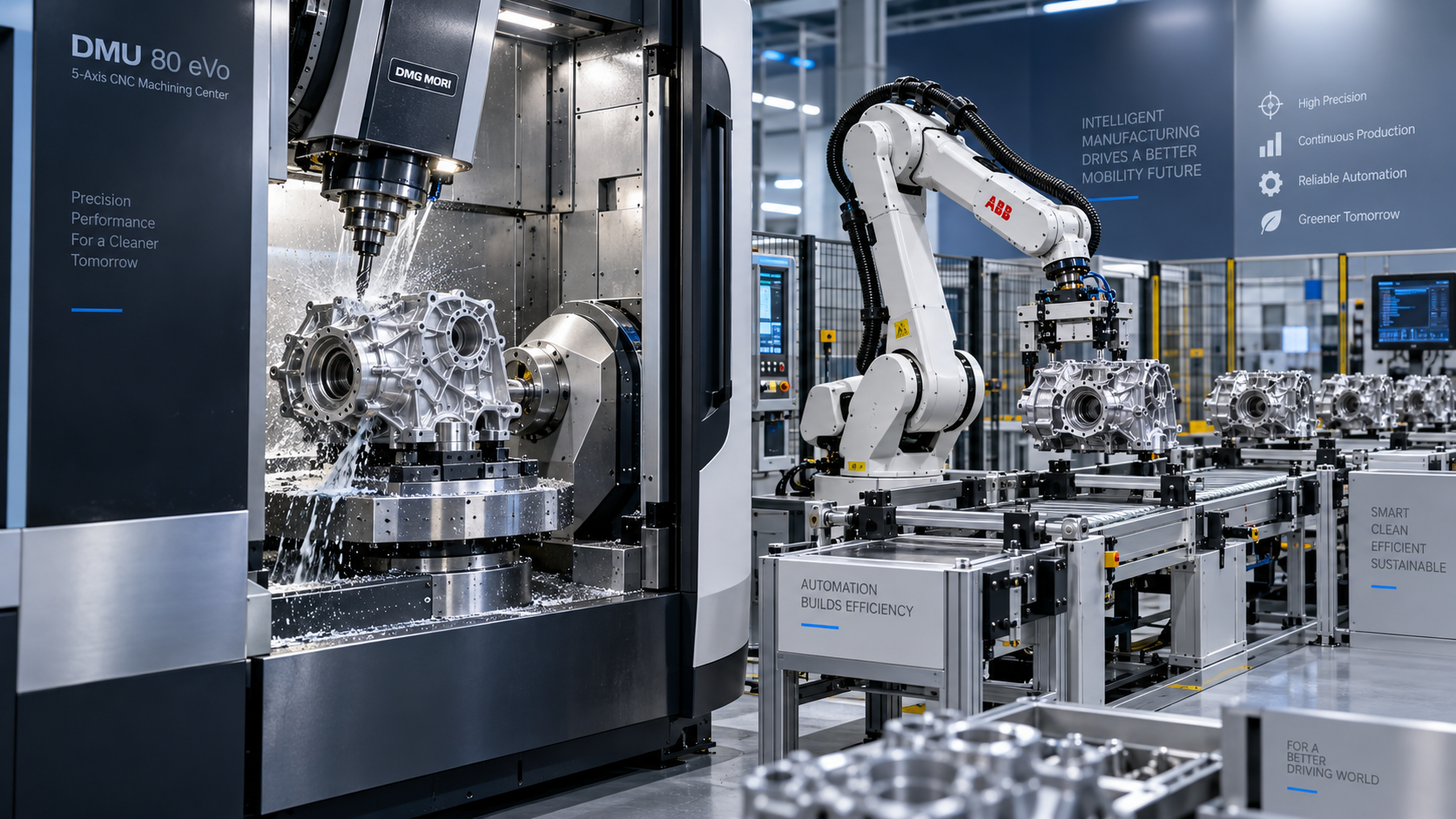
 Selecting Machine Tools for Automotive Parts: Accuracy, Throughput, and AutomationMachine Tool Industry Editorial Team
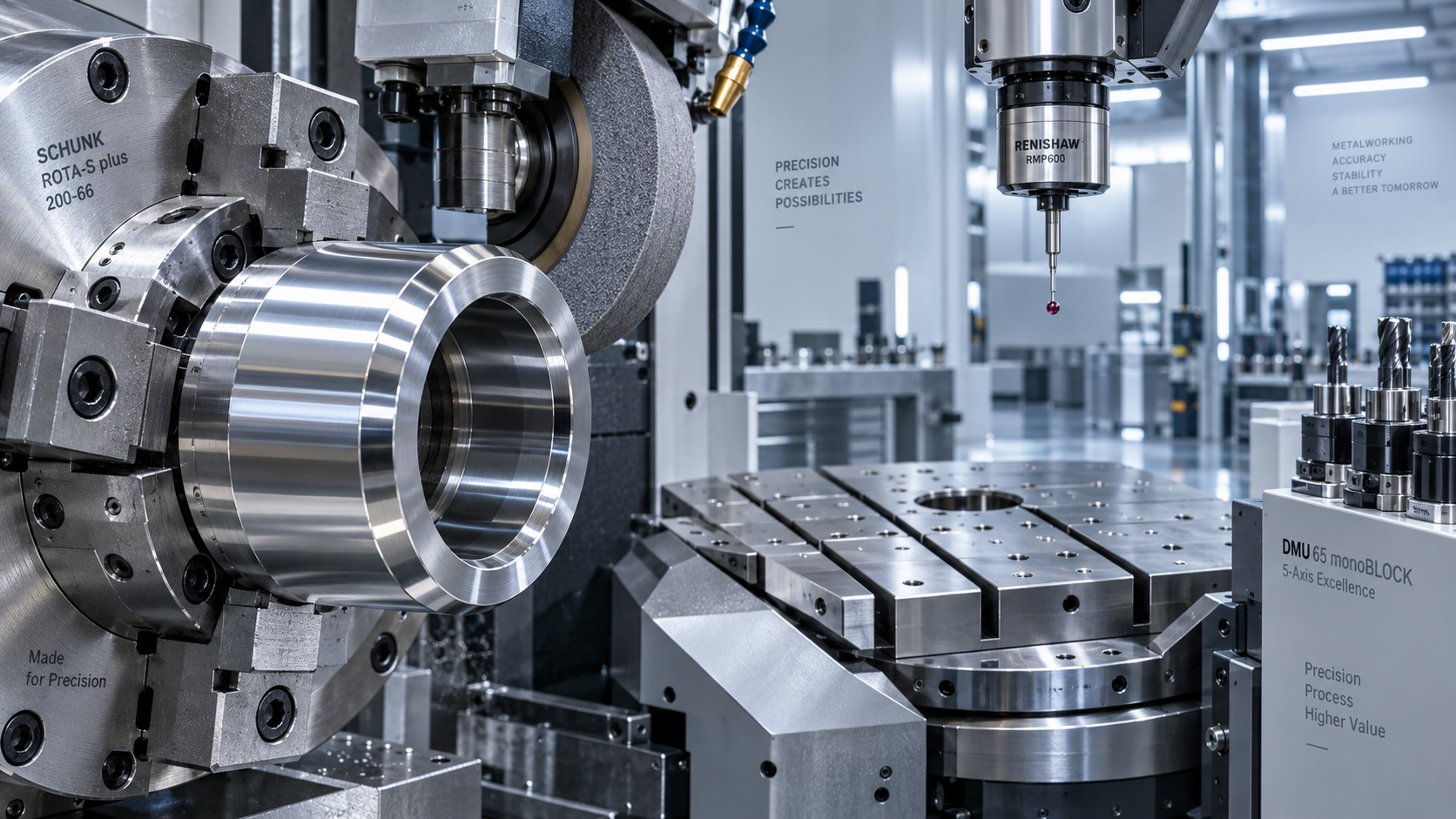
 Industrial Machining: Selecting Processes for Tight-Tolerance Metal PartsCNC Machining Technology Center
 Manufacturing Technology Trends That Improve Throughput and Quality ControlManufacturing Market Research Center



Aris Katos
Future of Carbide Coatings
15+ years in precision manufacturing systems. Specialized in high-speed milling and aerospace grade alloy processing.
▶
日本高端机床出口管制生效,五轴CNC审批趋严Global Machine Tool Trade Research Center▶
Japan Tightens Controls on High-End Machine Tool ExportsGlobal Machine Tool Trade Research Center▶
US Proposes 25% Tariff on China CNC Servo DrivesGlobal Machine Tool Trade Research Center▶
US Adds 37 Chinese Machine Tool Firms to Export ListGlobal Machine Tool Trade Research Center▶
US Tightens CNC Export Curbs, Adds 52 China EntitiesGlobal Machine Tool Trade Research Center
Mastering 5-Axis Workholding Strategies
Join our technical panel on Nov 15th to learn about reducing vibrations in thin-wall components.

Providing you with integrated sanding solutions
Before-sales and after-sales services
Comprehensive technical support