• Global CNC market projected to reach $128B by 2028 • New EU trade regulations for precision tooling components • Aerospace deman
NYSE: CNC +1.2%LME: STEEL -0.4%

China-Europe Railway Express Surpasses 130,000 Trains

On May 9, 2026, the China-Europe Railway Express (CERX) exceeded 130,000 cumulative departures, with total cargo value surpassing USD 520 billion. This milestone signals strengthened logistical reliability for机电 equipment exporters — particularly CNC machine tools and automated production lines — serving markets in Germany, Poland, and Hungary.
Event Overview
On May 9, 2026, the China-Europe Railway Express reached a cumulative total of over 130,000 train departures. Public data indicates total shipped cargo value exceeds USD 520 billion. For key hub stations — Zhengzhou, Xi’an, and Chongqing — average transit time for dedicated ‘mechanical and electrical equipment trains’ bound for Germany, Poland, and Hungary has shortened to 14.2 days (a reduction of 1.6 days compared to 2025), with booking assurance rate rising to 92%.
Impact on Specific Industry Segments
Direct Exporters of Capital Goods
Manufacturers exporting CNC machine tools, automated assembly lines, and other large-scale electromechanical equipment are directly affected. The improved transit time and higher booking assurance reduce delivery uncertainty — especially when balancing cost-sensitive ocean freight and high-cost air freight.
Contract Manufacturers & OEMs
OEMs relying on Chinese contract manufacturers for integrated equipment systems benefit from tighter lead-time predictability. Shorter and more reliable rail transit supports just-in-sequence delivery models for European industrial customers, reducing buffer inventory requirements.
Logistics Service Providers Specializing in Heavy Equipment
Firms offering end-to-end rail-based heavy cargo solutions face increased demand for documentation handling, cross-border customs coordination, and last-mile integration in Central/Eastern Europe. The 92% booking assurance rate implies greater schedule visibility — but also raises expectations for service consistency.
Distribution & Channel Partners in EU Industrial Markets
EU-based distributors of Chinese industrial machinery gain stronger commercial leverage when quoting delivery timelines to end users. A 14.2-day median transit window enables more precise project planning — particularly for turnkey automation installations tied to factory commissioning schedules.
What Relevant Enterprises or Practitioners Should Monitor and Do Now
Track official updates on capacity allocation for electromechanical cargo
The 92% booking assurance rate reflects current operational practice — not a guaranteed policy. Enterprises should monitor announcements from national CERX coordinating offices (e.g., China State Railway Group) regarding quota adjustments, seasonal surcharges, or priority-category expansions beyond current ‘electromechanical’ designation.
Validate transit time performance per origin-destination pair and equipment type
The 14.2-day average applies specifically to Zhengzhou/Xi’an/Chongqing → Germany/Poland/Hungary routes for electromechanical equipment. Transit duration may vary significantly for oversized loads, non-standard packaging, or alternative terminals (e.g., Duisburg vs. Łódź). Shippers should request route-specific benchmarking from carriers before committing to customer delivery dates.
Distinguish between published metrics and actual service execution
While average transit time and booking assurance are improving, real-world variability remains — including border clearance delays at Małaszewicze or Brest, temporary terminal congestion, or ad hoc safety inspections. Companies should treat these figures as directional indicators, not contractual SLAs, and retain contingency buffers in logistics planning.
Prepare documentation and compliance workflows for rail-specific requirements
Rail shipments across multiple jurisdictions require harmonized customs declarations (e.g., CIM consignment notes), EU CE marking verification, and pre-arrival notification to destination customs authorities. Firms lacking internal rail logistics expertise should audit existing documentation protocols and align with certified forwarders experienced in CERX electromechanical cargo.
Editorial Perspective / Industry Observation
Observably, this milestone reflects maturation — not acceleration — of CERX as a middle-ground logistics channel. The 1.6-day reduction in transit time and 92% booking assurance suggest incremental operational refinement rather than structural transformation. Analysis shows this development is best understood as a signal of increasing institutionalization: standardized procedures, better inter-agency coordination, and growing carrier familiarity with high-value industrial cargo. It does not yet indicate full parity with air freight in responsiveness or ocean freight in cost scalability — but it strengthens CERX’s role as a predictable, mid-tier option for time-sensitive capital goods. Continued monitoring is warranted, particularly around whether capacity gains extend beyond the three named hubs and three destination countries.
This milestone confirms that the China-Europe Railway Express has evolved into a functionally reliable channel for electromechanical exports — not merely a symbolic infrastructure project. Its significance lies less in headline volume and more in measurable improvements in scheduling precision and booking stability. For industry stakeholders, it is more accurate to interpret this as evidence of gradual system optimization than as an inflection point demanding immediate strategic shifts.
Information Source: Official statistics released by China State Railway Group Co., Ltd. on May 9, 2026. Note: Ongoing observation is recommended regarding expansion of the ‘electromechanical equipment train’ designation to additional origin/destination pairs and cargo categories beyond current scope.
PREVIOUS ARTICLE
Recommended for You
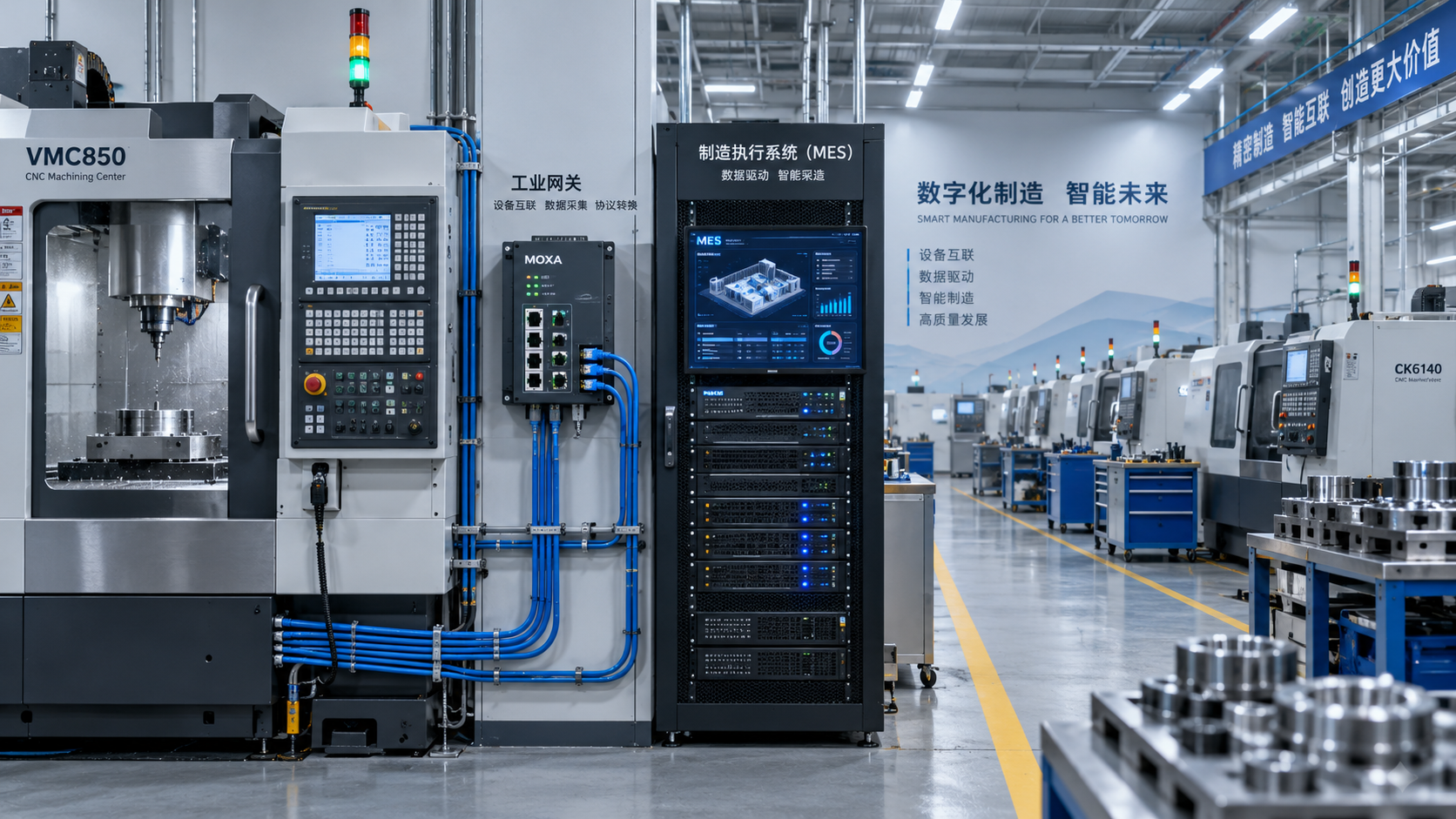
 Digital Manufacturing for Smart Factories: Connecting Legacy Machines to MESMachine Tool Industry Editorial Team
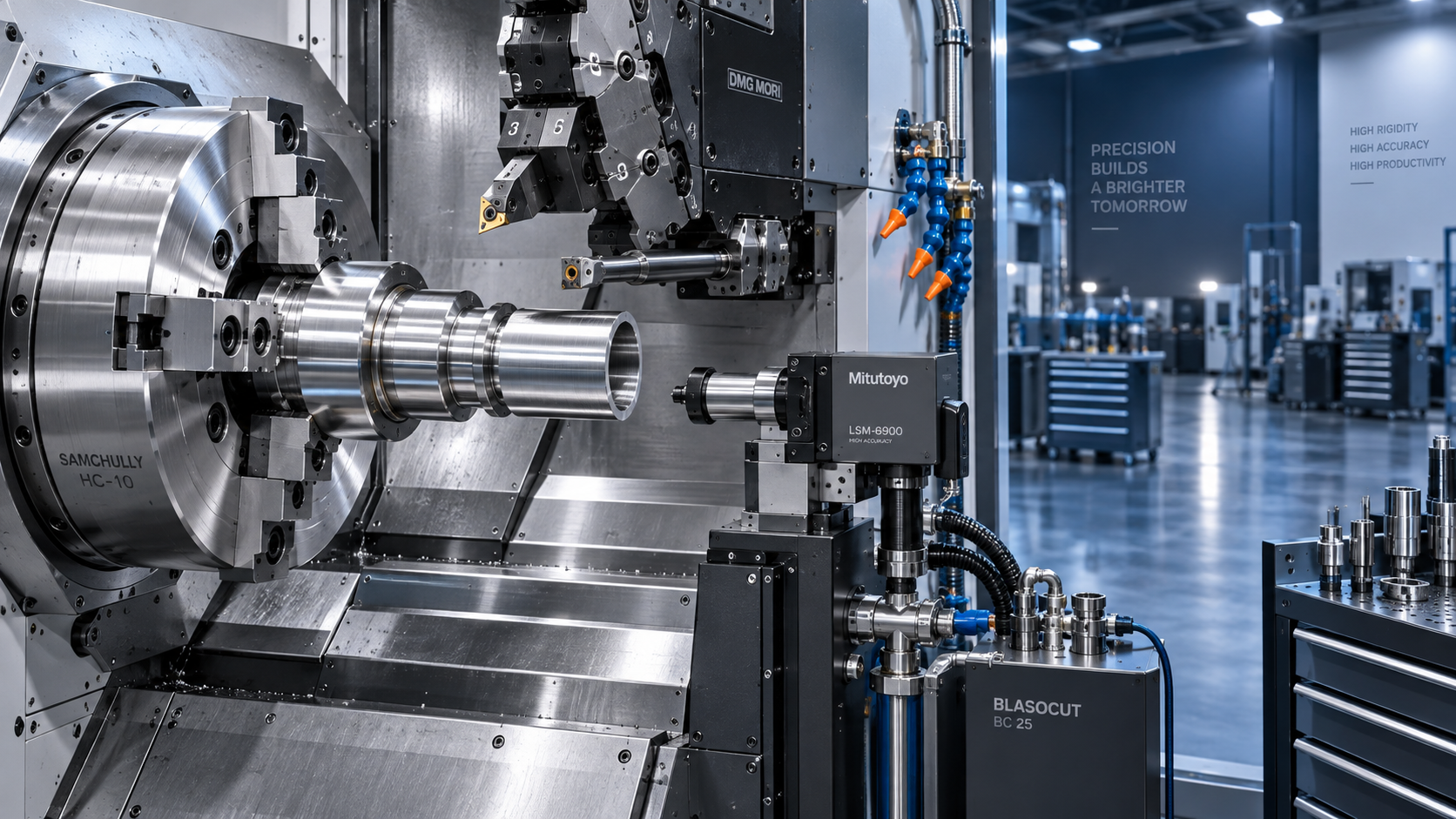
 How to Select a CNC Metal Lathe for Tight-Tolerance Shaft and Sleeve PartsCNC Machining Technology Center
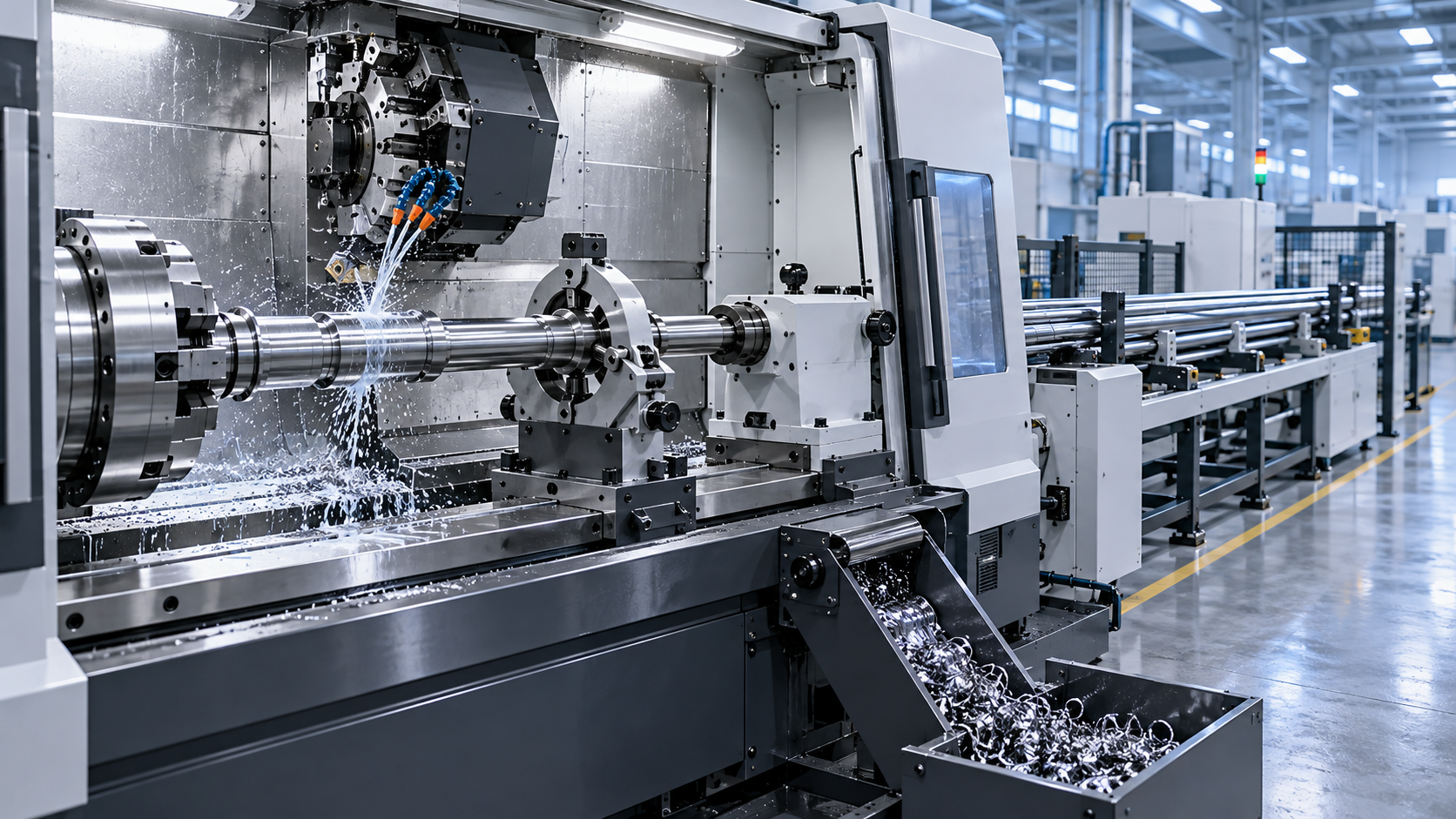
 How to Select an Industrial Lathe for High-Volume Shaft ProductionMachine Tool Industry Editorial Team
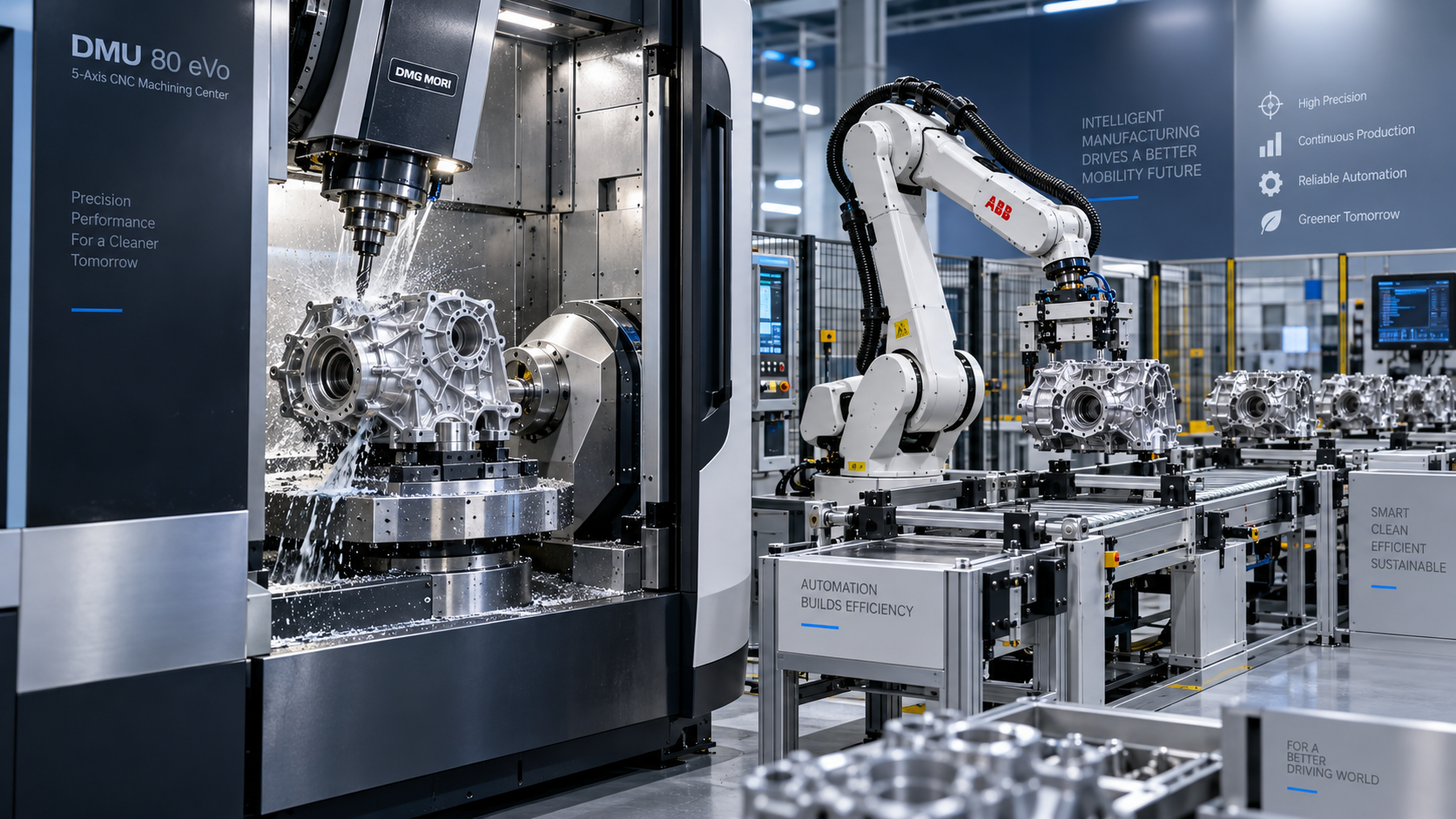
 Selecting Machine Tools for Automotive Parts: Accuracy, Throughput, and AutomationMachine Tool Industry Editorial Team
 Industrial Machining: Selecting Processes for Tight-Tolerance Metal PartsCNC Machining Technology Center
 Manufacturing Technology Trends That Improve Throughput and Quality ControlManufacturing Market Research Center

Aris Katos
Future of Carbide Coatings
15+ years in precision manufacturing systems. Specialized in high-speed milling and aerospace grade alloy processing.
▶
Shenzhen Port Launches Green Shipping Corridor, Raising Carbon Compliance for CNC ExportsGlobal Machine Tool Trade Research Center▶
China, UAE Launch Direct Sea Route for CNC Equipment ExportsGlobal Machine Tool Trade Research Center▶
China Rolls Out Nationwide Cross-Border Cash Pooling for Multinationals on Sept. 14Global Machine Tool Trade Research Center▶
Turkey Customs Launches AI HS Tool for CNC ImportsGlobal Machine Tool Trade Research Center▶
Maersk Launches CNC Priority Lane to EuropeGlobal Machine Tool Trade Research Center
Mastering 5-Axis Workholding Strategies
Join our technical panel on Nov 15th to learn about reducing vibrations in thin-wall components.

Providing you with integrated sanding solutions
Before-sales and after-sales services
Comprehensive technical support