• Global CNC market projected to reach $128B by 2028 • New EU trade regulations for precision tooling components • Aerospace deman
NYSE: CNC +1.2%LME: STEEL -0.4%

Automation Line for Electronics Production can pay off
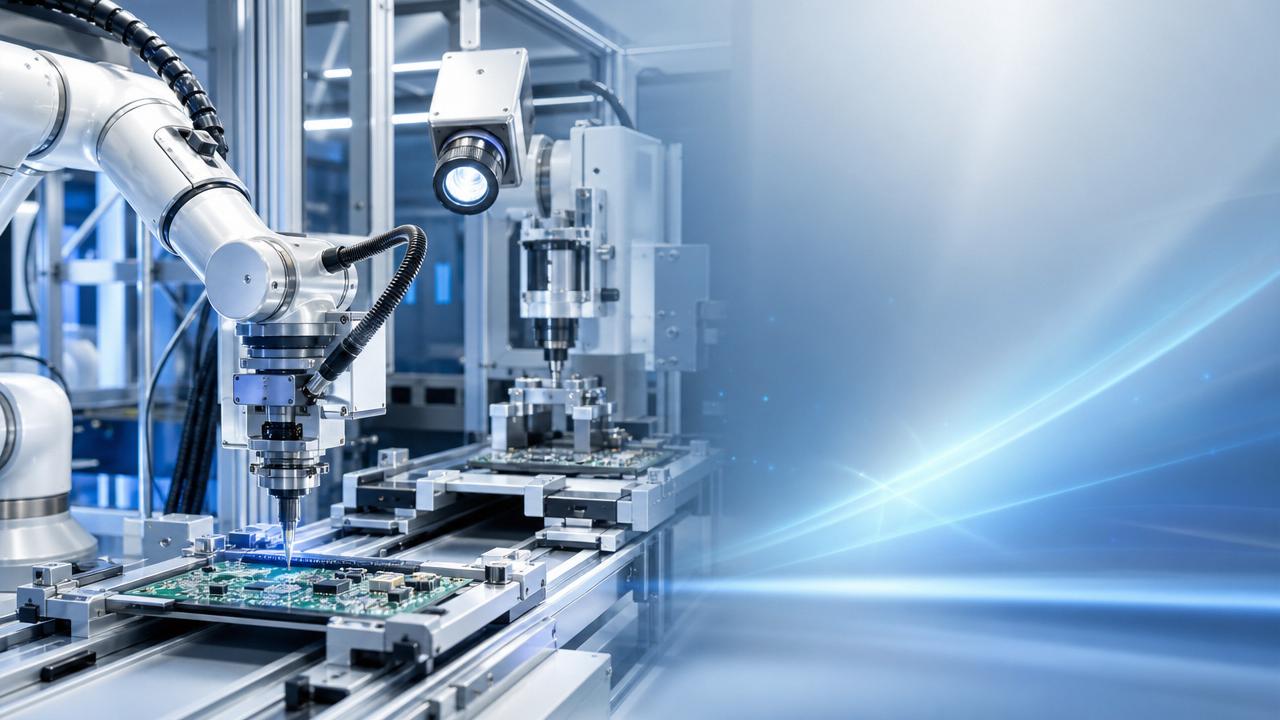
Automation Line for Electronics Production Can Pay Off When ROI Is Measured Correctly
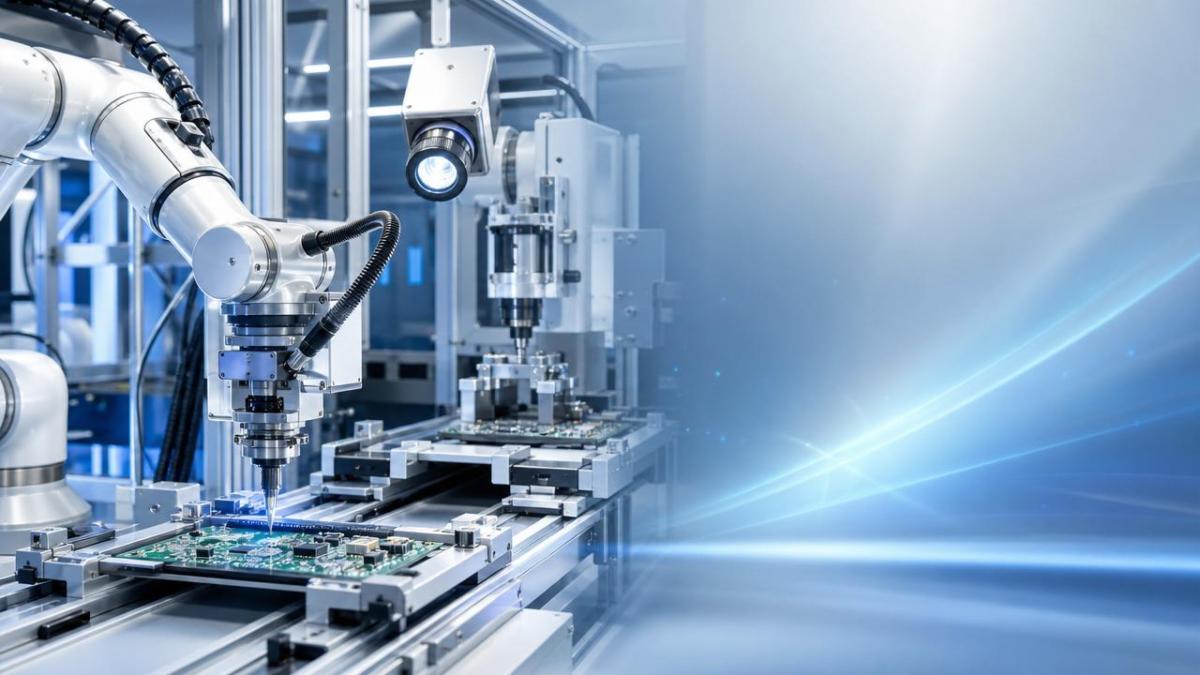
For financial decision-makers, investing in an Automation Line for Electronics Production is not only about upgrading equipment.
It is about improving cost control, production stability, and long-term return on investment.
Electronics manufacturing now faces tighter quality standards, shorter delivery cycles, and rising labor costs.
Automated production lines supported by CNC machining, precision tools, and smart factory systems can reduce waste and increase throughput.
Understanding how an Automation Line for Electronics Production pays off is essential before approving capital expenditure.
The payback is rarely created by one saving alone. It usually comes from many measurable gains working together.
Electronics Manufacturing Is Moving Toward Faster, Cleaner, and More Traceable Production
The electronics sector is changing under pressure from miniaturization, customization, and global delivery expectations.
Products are becoming smaller, more complex, and more sensitive to process variation.
This shift increases the value of an Automation Line for Electronics Production in high-volume and mixed-product environments.
Manual assembly can still support flexible operations, but it struggles with consistent micro-scale accuracy.
Automated handling, machine vision, robotic loading, and CNC-based precision preparation reduce random process deviations.
The result is not only faster production. It is a more predictable financial model for electronics operations.
Current Trend Signals Are Already Visible
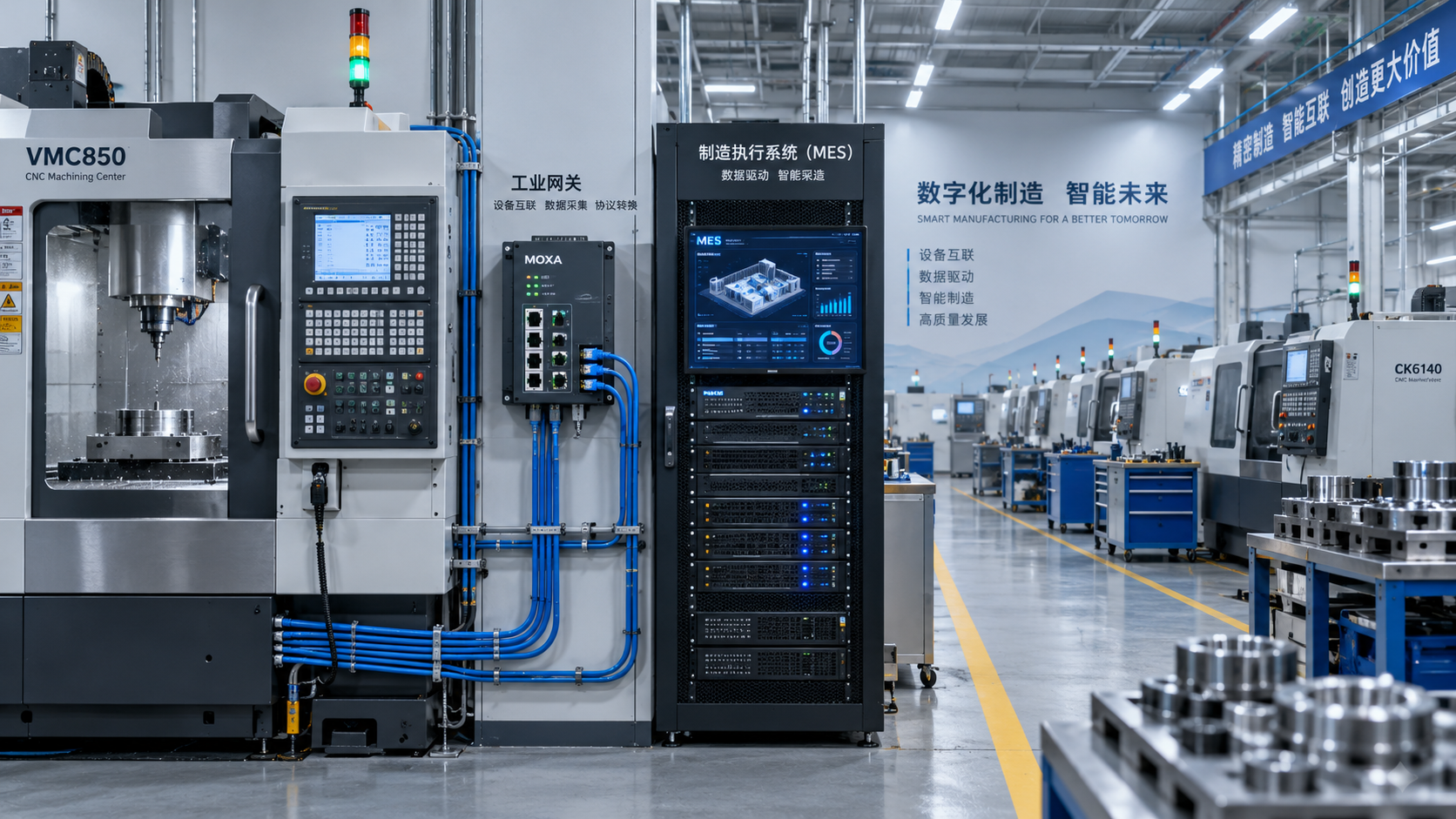
- More factories are connecting CNC equipment, robots, inspection systems, and MES platforms.
- Electronics production lines increasingly use real-time quality data instead of delayed inspection reports.
- Flexible automation is replacing fixed, single-purpose lines in many product categories.
- Global supply chains are favoring suppliers with stable capacity and documented process control.
These signals show why an Automation Line for Electronics Production is becoming a strategic asset.
Why the Payoff Is Becoming Easier to Justify
The business case is improving because several cost pressures are rising at the same time.
Labor shortages, quality penalties, energy costs, and delivery risks all affect operating margins.
An Automation Line for Electronics Production can address these pressures through measurable process control.
The strongest payback appears when automation is linked with precision machining and digital monitoring.
CNC machines produce accurate fixtures, housings, connectors, and structural components for reliable automated assembly.
Precision tooling also reduces hidden losses caused by unstable clamping, wear, and positioning errors.
The Real ROI Comes From Fewer Hidden Losses
Many investment reviews focus on labor replacement. That view is often too narrow.
An Automation Line for Electronics Production creates value by removing hidden losses across the whole process.
These losses may not appear clearly in monthly financial statements, but they reduce profitability every day.
- Micro-stoppages caused by manual handling delays.
- Material waste from inconsistent placement or soldering errors.
- Extra inspection time after unstable manual operations.
- Production schedule changes caused by quality holds.
- Inventory buffers required to cover uncertain output.
When these losses are measured, the payback period often becomes shorter than expected.
A well-designed Automation Line for Electronics Production can improve yield, line balance, and delivery reliability together.
This combined impact is more important than a single equipment-speed comparison.
How CNC Precision Strengthens Automation Payback
CNC machining supports automation by creating accurate mechanical foundations for repeatable production.
Fixtures, positioning plates, test carriers, and robotic end-effectors must maintain tight tolerances.
If these parts are inaccurate, even advanced robots cannot deliver stable output.
That is why precision machine tools and automated electronics lines are increasingly planned together.
Impact Across Production, Quality, Finance, and Supply Chain
The effect of an Automation Line for Electronics Production spreads beyond the production floor.
It changes how planning, quality assurance, maintenance, and customer delivery are managed.
In production, automation improves takt time stability and reduces variation between shifts.
In quality control, connected inspection data helps identify process drift before defects expand.
In finance, predictable throughput makes unit cost forecasting more reliable.
In supply chain operations, stable output supports shorter lead times and lower safety stock.
The Main Business Effects
- Higher capacity without proportional headcount growth.
- More consistent process quality across long production runs.
- Faster ramp-up for repeated product families.
- Better data for cost analysis and production improvement.
- Stronger customer confidence during audits and qualification reviews.
These effects make an Automation Line for Electronics Production relevant to both operational and strategic planning.
The investment supports competitiveness when product lifecycles are short and quality expectations keep rising.
What Should Be Evaluated Before Investment Approval
A strong automation decision starts with a realistic baseline, not supplier promises.
Before selecting an Automation Line for Electronics Production, the current production economics should be mapped carefully.
- Current labor hours per unit and overtime dependence.
- Scrap rates, rework rates, and defect categories.
- Line downtime, micro-stoppages, and maintenance interruptions.
- Changeover frequency and product mix complexity.
- Floor space utilization and expansion constraints.
- Traceability requirements from customers or regulations.
The best automation plan identifies where precision, speed, and data create the highest financial return.
It should also consider CNC tooling capacity, fixture maintenance, software integration, and operator training.
Key Questions for a Practical ROI Model
How to Reduce Risk During Automation Deployment
An Automation Line for Electronics Production should not be treated as a one-time equipment purchase.
It is a production system involving machines, software, tooling, people, and maintenance routines.
Deployment risk can be reduced by using a phased approach.
- Start with bottleneck analysis and measurable improvement targets.
- Validate the process with pilot cells or semi-automated modules.
- Standardize tooling, fixtures, and machine interfaces.
- Connect quality inspection data with production records.
- Train operators for troubleshooting, adjustment, and preventive maintenance.
This approach limits disruption while building confidence in technical and financial assumptions.
It also makes later expansion easier when demand increases or product designs change.
Future Direction: Flexible Automation Will Matter More Than Simple Speed
The next stage of electronics production will favor adaptable systems rather than rigid high-speed lines.
An Automation Line for Electronics Production must support faster changeovers, modular upgrades, and data-based optimization.
This is especially important for consumer electronics, power modules, sensors, and industrial control products.
Demand can shift quickly, and production systems must adjust without excessive downtime.
Smart factory technologies will strengthen this direction through predictive maintenance and real-time process analytics.
CNC machine tools will remain important because automation still depends on accurate mechanical components.
The strongest factories will combine precision machining, robotics, inspection, and digital manufacturing management.
Practical Next Steps for a Confident Payback Decision
The decision to invest should begin with evidence from the current operation.
Measure actual downtime, defect costs, changeover losses, labor variation, and missed delivery impact.
Then compare these costs with the expected gains from an Automation Line for Electronics Production.
The most reliable ROI model includes direct savings and strategic advantages.
- Direct savings from labor efficiency, lower scrap, and reduced rework.
- Capacity gains from better line balance and continuous operation.
- Risk reduction through traceability and stable quality records.
- Long-term value from modular upgrades and flexible production planning.
An Automation Line for Electronics Production can pay off when it is planned around measurable business problems.
The best results come from connecting automation with CNC precision, inspection data, and disciplined process management.
Before committing capital, define the target losses, expected gains, and integration requirements clearly.
That turns automation from a cost item into a controlled investment in productivity, quality, and future competitiveness.
PREVIOUS ARTICLE
NEXT ARTICLE
Recommended for You
 Digital Manufacturing for Smart Factories: Connecting Legacy Machines to MESMachine Tool Industry Editorial Team
 How to Select a CNC Metal Lathe for Tight-Tolerance Shaft and Sleeve PartsCNC Machining Technology Center
 How to Select an Industrial Lathe for High-Volume Shaft ProductionMachine Tool Industry Editorial Team
 Selecting Machine Tools for Automotive Parts: Accuracy, Throughput, and AutomationMachine Tool Industry Editorial Team
 Industrial Machining: Selecting Processes for Tight-Tolerance Metal PartsCNC Machining Technology Center
 Manufacturing Technology Trends That Improve Throughput and Quality ControlManufacturing Market Research Center

Aris Katos
Future of Carbide Coatings
15+ years in precision manufacturing systems. Specialized in high-speed milling and aerospace grade alloy processing.
▶
Digital Manufacturing for Smart Factories: Connecting Legacy Machines to MESMachine Tool Industry Editorial Team▶
Selecting Machine Tools for Automotive Parts: Accuracy, Throughput, and AutomationMachine Tool Industry Editorial Team▶
Smart Manufacturing for Small Businesses: Where Automation Delivers the Fastest ROIMachine Tool Industry Editorial Team▶
How Smart Manufacturing Technology Improves OEE Across Industry 4.0 Production LinesMachine Tool Industry Editorial Team▶
How to Evaluate an Automation Line for Electronics Production Before InvestmentMachine Tool Industry Editorial Team
Mastering 5-Axis Workholding Strategies
Join our technical panel on Nov 15th to learn about reducing vibrations in thin-wall components.

Providing you with integrated sanding solutions
Before-sales and after-sales services
Comprehensive technical support