• Global CNC market projected to reach $128B by 2028 • New EU trade regulations for precision tooling components • Aerospace deman
NYSE: CNC +1.2%LME: STEEL -0.4%

When a Modular Tooling System Improves Flexible Manufacturing
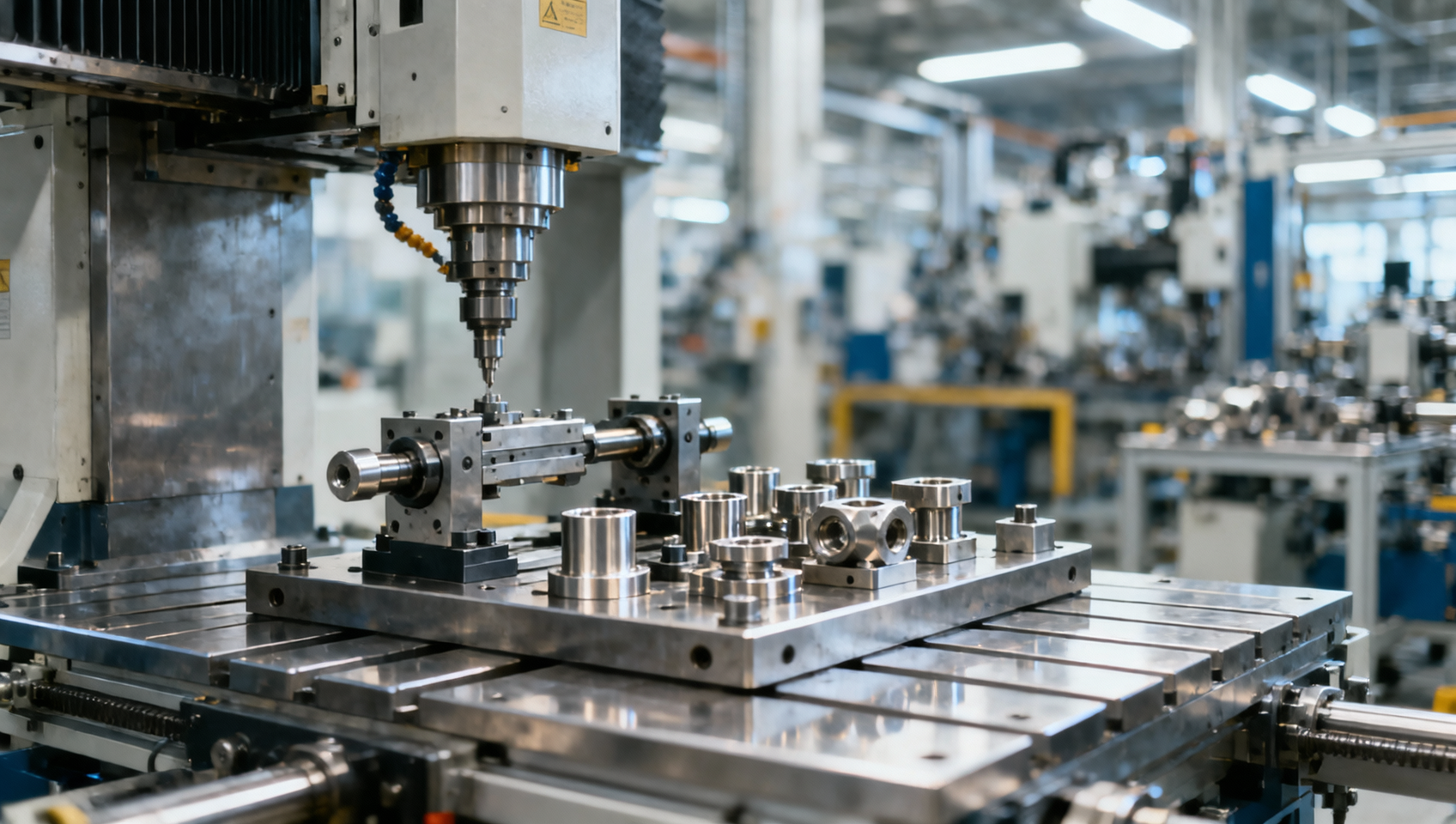
In today’s fast-changing production environment, a Modular Tooling System for flexible manufacturing helps every CNC manufacturing factory improve quick setup CNC manufacturing, reduce downtime, and support high precision CNC manufacturing across automotive, aerospace, electronics, and energy equipment. For buyers, operators, and decision-makers, it is a practical path to more automated CNC manufacturing, lower costs, and stronger competitiveness.
Why does a modular tooling system matter in flexible manufacturing?
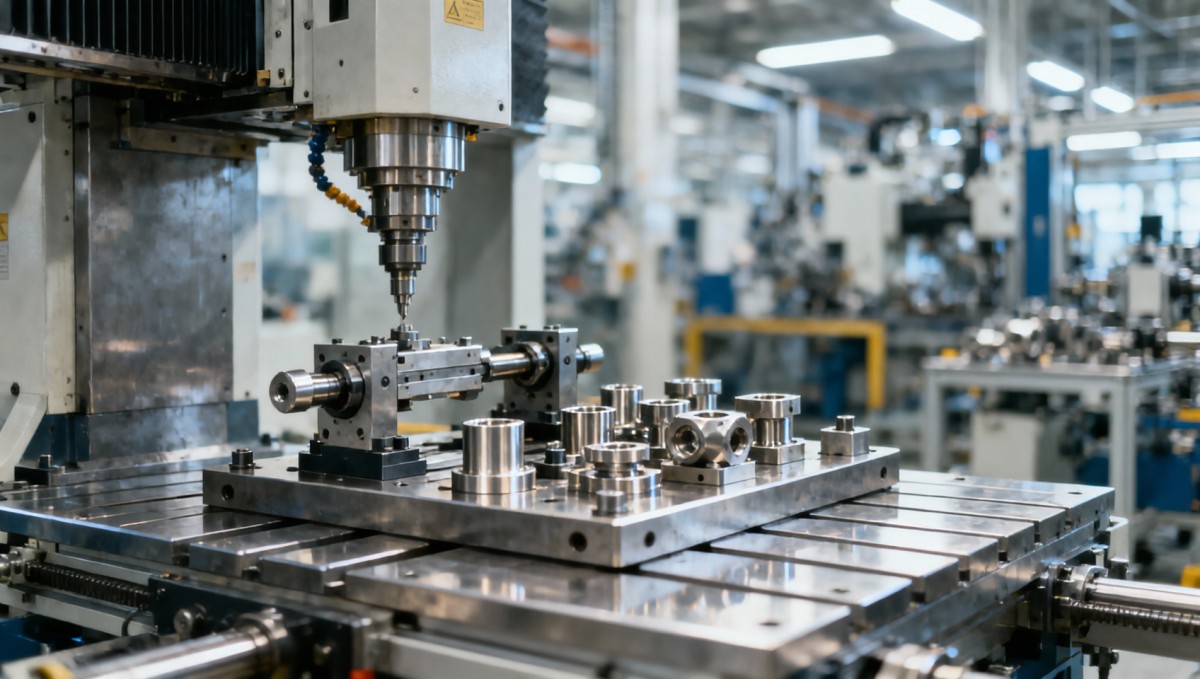
Flexible manufacturing depends on one core ability: switching from one part family to another without losing too much time, accuracy, or machine availability. In CNC machining, that challenge often appears in fixture changeover, tool presetting, clamping consistency, and repeatable alignment. A modular tooling system improves these points by replacing one-off setups with standardized interfaces, reusable components, and predictable assembly logic.
For operators, this means fewer manual adjustments during short production runs. For procurement teams, it means better asset utilization across 3 to 5 machine platforms instead of buying separate dedicated fixtures for every project. For plant managers, it supports quicker response to fluctuating order volumes, especially when batch sizes move from prototype to small batch, or from medium batch back to mixed production.
In industries such as automotive, aerospace, energy equipment, and electronics, setup time can influence overall equipment effectiveness as much as spindle power or axis speed. A modular tooling system is not only a fixture strategy. It is also a process-control strategy that helps reduce setup variation, improve first-part approval speed, and support digitalized manufacturing workflows over 2 to 4 production shifts per day.
When companies move toward automated CNC manufacturing, modularity becomes even more valuable. Robots, pallet systems, and unattended machining cells require stable and repeatable interfaces. If the tooling foundation is inconsistent, automation performance drops quickly. That is why many CNC manufacturing factories now review tooling architecture at the same time as machine, software, and production line planning.
Key functions that support quick setup CNC manufacturing
- Standardized base elements allow repeatable fixture building without creating a new structure for every part.
- Interchangeable clamps, locators, and support blocks help adapt to different geometries within the same product family.
- Preset tooling and indexed mounting points reduce operator dependence and shorten setup verification time.
- Compatibility with CNC lathes, machining centers, and multi-axis systems improves cross-line flexibility.
Which production scenarios benefit most from modular tooling?
Not every factory needs the same level of modularity. The strongest benefits usually appear where product mix is high, engineering changes are frequent, and lead times are tight. A plant producing 20 to 50 part numbers per month typically sees more value from flexible workholding than a line running one stable component for 12 months without revision. The more variation in shape, size, or clamping position, the more modular tooling can protect throughput.
Automotive suppliers often use modular tooling when machining families of brackets, housings, shafts, and transmission-related parts. Aerospace workshops value it when low-volume, high-mix components require traceable setup control. Electronics and precision equipment plants use it to support smaller parts that demand high repeatability and careful handling. Energy equipment manufacturers benefit when larger structural parts need staged machining across several operations.
The decision becomes especially practical in three situations: when changeovers occur several times per shift, when first-part inspection delays create bottlenecks, or when dedicated fixtures occupy too much storage space. In these cases, modular tooling supports both floor-level efficiency and management-level planning because reusable hardware can be reassigned in 1 to 3 days instead of waiting weeks for a new custom fixture build.
Another important scenario is global production transfer. When one plant in Asia, Europe, or North America needs to reproduce a validated setup from another site, standardized modular tooling simplifies documentation, spare part planning, and process replication. This matters for multinational suppliers that must maintain process consistency while expanding capacity across different industrial clusters.
Typical applications by manufacturing environment
The following table helps compare where a modular tooling system delivers the most operational advantage in flexible manufacturing.
The table shows that modular tooling is most effective when setup flexibility, repeatability, and transferability matter at the same time. If production is stable and dedicated for long runs, a fully custom fixture may still be justified. But once product variation rises, modularity usually creates stronger long-term value.
Modular tooling vs dedicated fixtures: how should buyers compare them?
Procurement teams often face a practical question: should they invest in a modular tooling system or continue buying dedicated fixtures for each project? The right answer depends on part stability, annual volume, tolerance requirements, setup frequency, and how often engineering changes occur. In many CNC manufacturing factories, the comparison is not about which option is universally better, but which option fits a specific production mix over the next 6 to 24 months.
Dedicated fixtures can offer excellent rigidity and optimized cycle support for mature, high-volume parts. However, they usually require a longer design-and-build cycle and are less adaptable when dimensions or locating schemes change. Modular tooling is usually stronger where the factory needs short lead time, reusable components, and lower fixture inventory risk. It also helps when capital budgets must be spread across several machine groups.
For operators, modular fixtures may simplify setup but require discipline in assembly standards, cleanliness, and verification routines. For decision-makers, the total cost picture should include storage, maintenance, redesign frequency, and line stoppage exposure. A lower purchase price per custom fixture does not always mean lower lifecycle cost if frequent changes keep forcing rebuilds and delayed launches.
The comparison below is useful during sourcing, especially when buyers need a clear framework for RFQ discussions, technical reviews, and internal approval meetings.
Comparison table for sourcing and investment review
Use this side-by-side view to evaluate how modular tooling and dedicated fixtures perform under common manufacturing conditions.
A balanced sourcing strategy is common. Many factories use dedicated fixtures for a few stable, high-volume parts and modular tooling for new launches, spare-part production, and variable-demand programs. This hybrid approach helps control cost while preserving flexibility.
Three purchasing signals that modular tooling may be the better fit
- Your plant handles frequent engineering changes and cannot afford a 2 to 6 week delay for every fixture redesign.
- The same machine group processes several component families with different clamping points and reference surfaces.
- You want better standardization for automation, operator training, or multi-site manufacturing transfer.
What technical and operational points should you verify before implementation?
A modular tooling system only improves flexible manufacturing when technical details match the actual process window. Buyers and process engineers should first check machine type, part envelope, clamping force range, access for cutting tools, and repeatability expectations. In precision applications, even a small mismatch between locator layout and machining sequence can reduce first-pass success or create unstable cutting conditions.
Operationally, the system should fit the factory’s workflow from fixture preparation to in-machine validation. If operators need 20 extra minutes to find missing components or reassemble inconsistent stacks, the flexibility benefit disappears. That is why mature implementations usually include standard assembly maps, component coding, storage rules, and verification checklists. A 4-step setup procedure often brings more benefit than adding more hardware without process control.
For high precision CNC manufacturing, interface cleanliness and datum integrity are critical. Factories commonly define inspection frequency by shift or by batch, especially when repeated assembly is part of daily operation. In automated CNC manufacturing cells, compatibility with zero-point clamping, pallet systems, tool probing, or in-process inspection should be reviewed before purchase, not after installation.
Documentation also matters. Procurement decisions are stronger when suppliers can explain configuration logic, replacement intervals for wear items, and the expected support model for spare modules. In global manufacturing, documentation in a usable technical format can reduce onboarding time from several days to a more manageable 1 to 2 shifts for trained staff.
A practical implementation checklist
- Confirm part family range, including size variation, reference surfaces, and batch pattern from prototype to medium-volume production.
- Match the tooling interface to machine type, axis travel, spindle access, and chip evacuation requirements.
- Define repeatability targets, inspection method, and maintenance frequency for clamping and locating elements.
- Review training, storage, and digital documentation so operators can execute repeatable setups every shift.
Common standards and compliance considerations
While tooling choices vary by application, buyers often ask for compatibility with general quality management and industrial documentation practices. In export-oriented manufacturing, it is also common to review drawing control, traceability, calibration routines, and machine safety procedures alongside tooling selection. These are not optional details when the final parts go into regulated sectors such as aerospace, energy equipment, or critical automotive assemblies.
No universal compliance package fits every project, but a disciplined supplier should be able to discuss tolerance control, maintenance records, material traceability for key fixture elements where relevant, and integration with the customer’s internal validation process. That level of preparation reduces risk during PPAP-style reviews, pilot runs, and customer audits.
How can companies evaluate cost, risk, and return without oversimplifying?
The cost discussion around modular tooling often becomes too narrow. Some teams compare only purchase price, while others focus only on setup-time savings. In reality, the business case should consider at least 5 dimensions: initial investment, fixture reuse, engineering change cost, downtime exposure, and storage or maintenance burden. This broader view is especially important in B2B procurement, where tooling decisions influence delivery reliability and capacity planning.
A modular tooling system usually requires a higher early commitment to standardized bases, clamps, and accessories. However, that cost can be distributed across multiple programs over 12 to 36 months if the plant has recurring mixed production. Dedicated fixtures may look simpler for a single launch, but the hidden cost appears later when product updates, customer revisions, and line transfers require new designs or urgent rework.
Risk should also be reviewed from a supply continuity perspective. If a factory depends on many unique fixtures, spare management becomes harder and restart lead times may increase when a part program returns after months of inactivity. Standardized modular components reduce this problem because maintenance and replacement planning become more predictable. For operations teams, that predictability is often just as valuable as direct setup reduction.
The most practical approach is to evaluate return by scenario rather than by theory. Compare a low-mix stable line with a high-mix fluctuating line. Compare a manual cell with a robotic cell. Compare a local single-site program with a globally replicated program. Once buyers frame the decision this way, the investment logic becomes much clearer.
Questions buyers and engineers often ask
How quickly can a modular tooling system be put into use?
For standard configurations, deployment may take a few days for planning and assembly, followed by proving and process validation. More complex applications involving multi-axis access, large parts, or automated cells can take 2 to 4 weeks depending on engineering depth, component availability, and internal approval steps.
Is modular tooling suitable for high precision CNC manufacturing?
Yes, when the system is engineered correctly and used within the right process conditions. Precision depends on repeatable datum control, rigid support, clean interfaces, and disciplined verification. Modular design does not automatically reduce accuracy, but weak assembly practice can. That is why process documentation and operator training are essential.
What are the most common selection mistakes?
The biggest mistakes are buying only on price, ignoring machine accessibility, assuming one layout fits all parts, and underestimating operator workflow. Another common issue is failing to define whether the goal is faster changeover, better automation compatibility, lower fixture inventory, or improved quality stability. Clear objectives lead to better selection.
When is a dedicated fixture still the smarter option?
A dedicated fixture may be the better choice for very stable, high-volume production where one geometry runs continuously and process optimization is tightly tied to a fixed layout. In these cases, the lowest unit cost may come from a purpose-built design rather than a flexible one.
Why choose us when evaluating modular tooling for CNC manufacturing?
We focus on the global CNC machining and precision manufacturing industry, with practical attention to machine tools, fixtures, cutting processes, automation trends, and cross-border industrial supply. That perspective helps us discuss modular tooling not as an isolated product topic, but as part of a broader flexible manufacturing strategy covering machining centers, CNC lathes, multi-axis systems, and automated production lines.
For information researchers, we help clarify terminology, application boundaries, and market logic. For operators and users, we focus on setup practicality, process stability, and shop-floor execution. For procurement teams, we help compare solutions, identify hidden lifecycle costs, and narrow selection criteria. For business decision-makers, we support evaluation around flexibility, scalability, and delivery risk over real production cycles.
You can contact us for specific support on 6 key topics: parameter confirmation, product selection, typical delivery windows, customized tooling concepts, compliance and documentation expectations, and quotation communication. If you are planning a new flexible machining cell, reviewing fixture standardization, or comparing modular tooling against dedicated fixtures, we can help structure the decision and reduce trial-and-error before purchase.
A useful starting point is to share your machine type, part family, batch pattern, accuracy target, and changeover frequency. With that information, the discussion becomes concrete. Instead of a generic recommendation, you can move toward a tooling strategy that fits your actual production environment, budget rhythm, and expansion plan.
PREVIOUS ARTICLE
Recommended for You
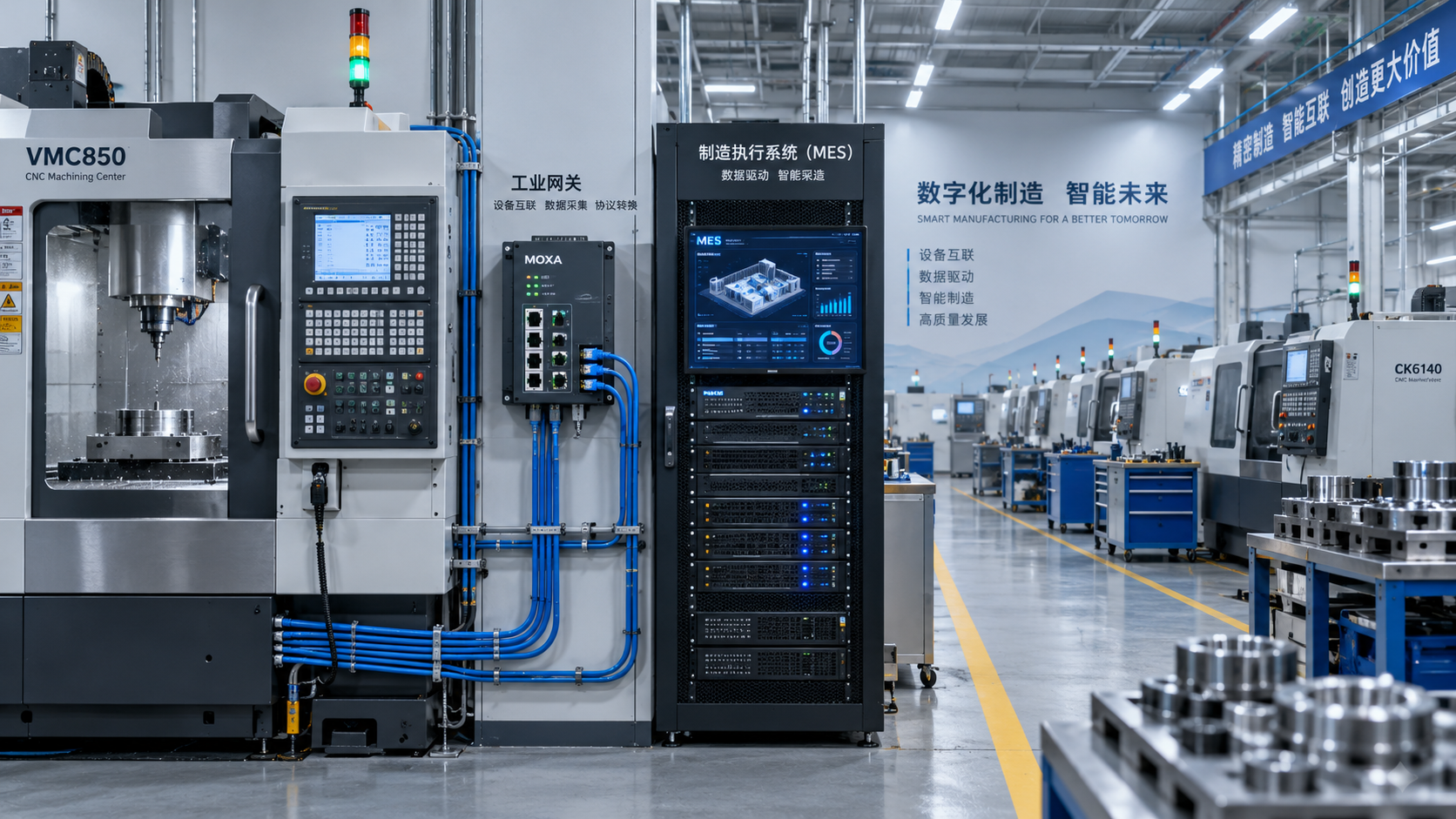
 Digital Manufacturing for Smart Factories: Connecting Legacy Machines to MESMachine Tool Industry Editorial Team
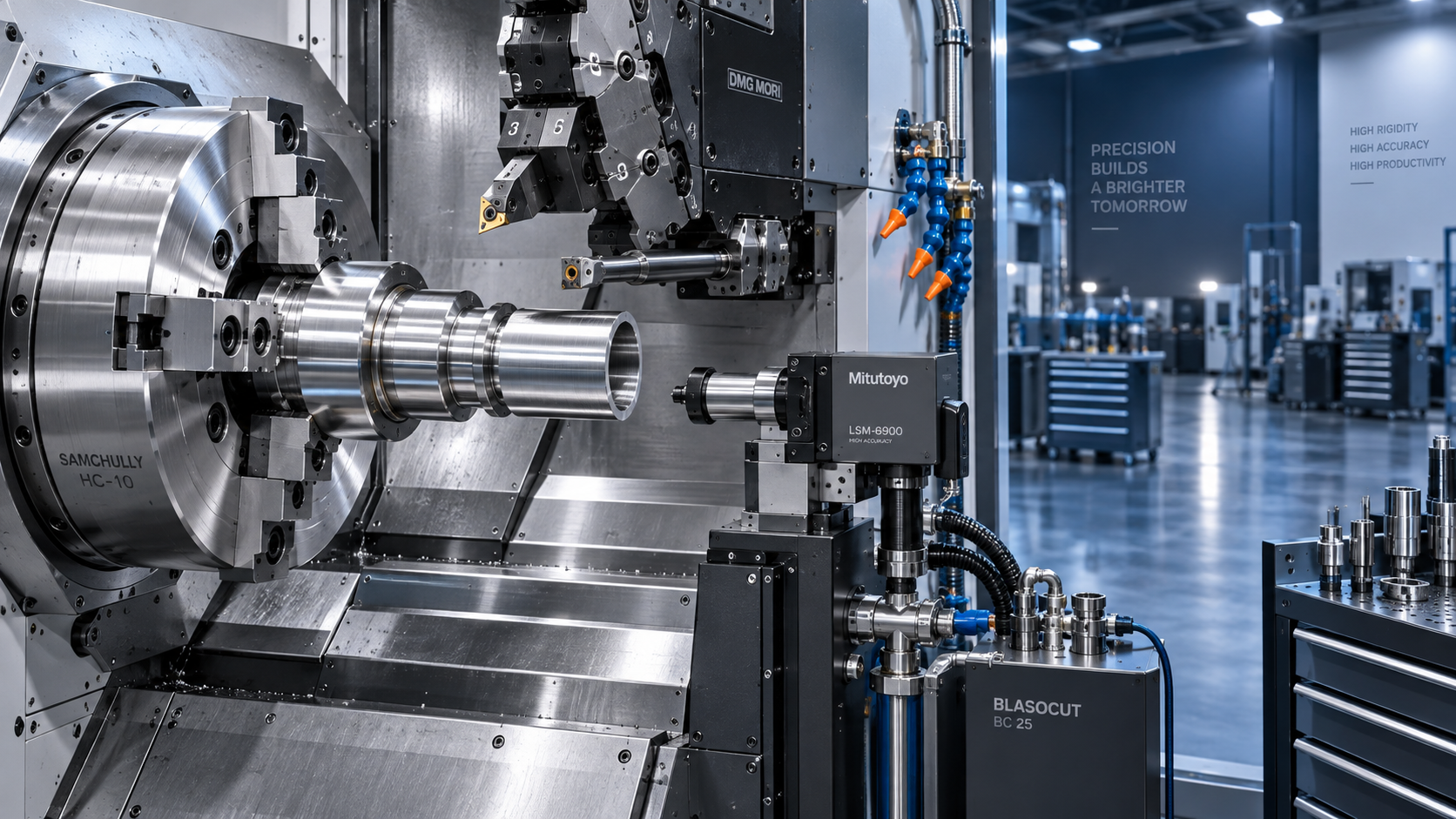
 How to Select a CNC Metal Lathe for Tight-Tolerance Shaft and Sleeve PartsCNC Machining Technology Center
 How to Select an Industrial Lathe for High-Volume Shaft ProductionMachine Tool Industry Editorial Team
 Selecting Machine Tools for Automotive Parts: Accuracy, Throughput, and AutomationMachine Tool Industry Editorial Team
 Industrial Machining: Selecting Processes for Tight-Tolerance Metal PartsCNC Machining Technology Center
 Manufacturing Technology Trends That Improve Throughput and Quality ControlManufacturing Market Research Center

Aris Katos
Future of Carbide Coatings
15+ years in precision manufacturing systems. Specialized in high-speed milling and aerospace grade alloy processing.
▶
KATS Expands CE Recognition for CNC Clamping SystemsMachine Tool Industry Editorial Team▶
How to Evaluate a Tooling System for Precision Machining: 7 Key Specs That MatterMachine Tool Industry Editorial Team▶
ITC Opens 337 Probe Into Chinese CNC Tool CoatingsMachine Tool Industry Editorial Team▶
Vietnam Ends 5% Tariff on Chinese CNC Tool ImportsMachine Tool Industry Editorial Team▶
Japan Ends Import License Rule for Chinese Cutting ToolsMachine Tool Industry Editorial Team
Mastering 5-Axis Workholding Strategies
Join our technical panel on Nov 15th to learn about reducing vibrations in thin-wall components.

Providing you with integrated sanding solutions
Before-sales and after-sales services
Comprehensive technical support