• Global CNC market projected to reach $128B by 2028 • New EU trade regulations for precision tooling components • Aerospace deman
NYSE: CNC +1.2%LME: STEEL -0.4%

Global Manufacturing is moving faster than many firms expect
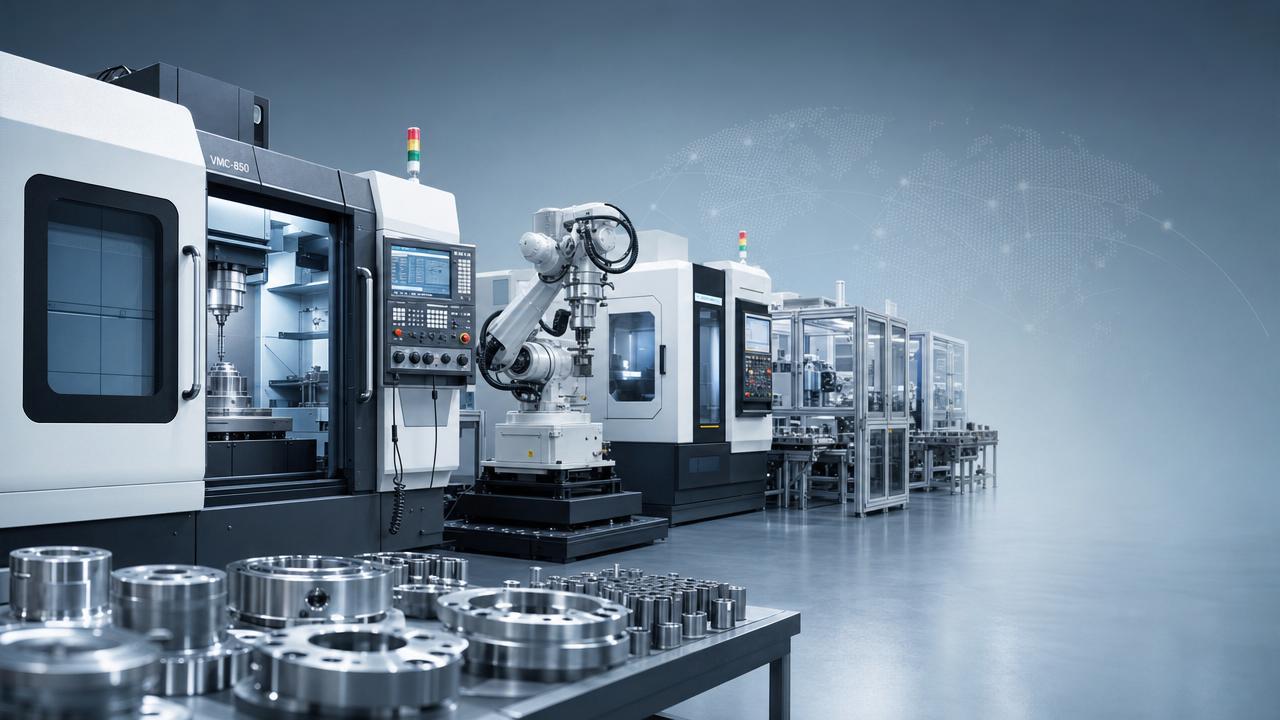
Global Manufacturing is moving faster than many firms expect, reshaping how distributors, agents, and channel partners identify growth opportunities across CNC machine tools, automation, and precision production. As demand rises for smarter, higher-precision equipment in automotive, aerospace, energy, and electronics, staying ahead of technology shifts and cross-border market trends is becoming essential for building stronger supply networks and expanding competitive advantage.
Why Global Manufacturing speed matters for distributors and agents
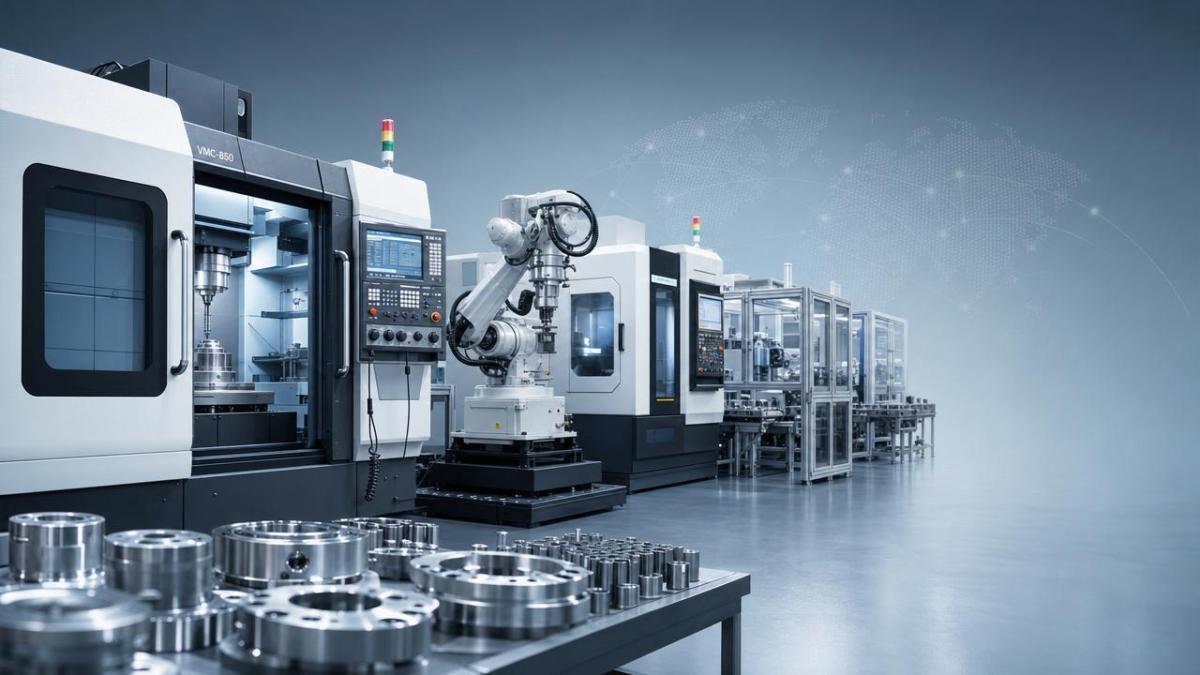
For channel partners, Global Manufacturing is no longer a distant macro trend. It directly affects inventory planning, supplier selection, lead-time management, after-sales capability, and market positioning. A distributor that still evaluates machine tools only by purchase price may lose opportunities to competitors that understand automation readiness, digital compatibility, and application-specific precision.
The CNC machine tool sector sits at the center of this shift. CNC lathes, machining centers, multi-axis systems, cutting tools, fixtures, and automated production units now serve customers that expect shorter production cycles, tighter tolerances, and better traceability. This means distributors must move from simple product reselling to solution-based selling.
In practice, buyers across automotive, aerospace, energy equipment, and electronics are asking different questions than they did a few years ago. They want to know whether a machine can integrate with robots, whether spare parts are available across regions, whether training can be provided quickly, and whether the system can support future production upgrades.
- Distributors face increasing pressure to balance stock depth with the risk of holding slow-moving equipment or accessories.
- Agents must explain technical differences clearly, especially when customers compare standard CNC units with smart or automated production systems.
- Regional partners need stronger compliance awareness because cross-border sales may involve electrical, safety, and documentation requirements.
- After-sales service is becoming a sales factor, not just a support task, because downtime risk influences every procurement decision.
Where Global Manufacturing demand is growing fastest
The next question for channel partners is simple: where is demand strongest, and what does each segment actually need? Global Manufacturing growth is not uniform. End users in different sectors buy for different production goals, and that affects machine type, configuration, and service requirements.
The table below helps distributors map major application sectors to common equipment priorities and channel opportunities in the CNC and precision manufacturing market.
This comparison shows why Global Manufacturing rewards channel partners that segment the market correctly. A generic sales approach often fails because each application requires different language, proof points, and support resources. The more precisely a distributor aligns stock and technical advice with sector demand, the easier it becomes to improve conversion and customer retention.
What buyers now expect from channel partners
Customers increasingly expect practical guidance, not product brochures. They want a partner who can compare machine structure, spindle options, tooling compatibility, automation interfaces, and delivery risk. They also expect quicker responses on accessories, consumables, and replacement components that affect machine availability.
This is especially important when buyers are expanding capacity in unfamiliar categories, such as moving from standalone machining to flexible production lines or adding robot-assisted loading systems. In these cases, channel value comes from interpretation and planning, not just from quoting a machine.
How to evaluate CNC machine tool opportunities in a faster Global Manufacturing cycle
When Global Manufacturing accelerates, procurement errors become more expensive. A machine that looks attractive on paper may create long-term problems if it lacks local support, application fit, or digital integration capability. Distributors and agents should therefore evaluate opportunities through a structured framework rather than a price-first lens.
Core evaluation criteria
- Application match: confirm part type, material, tolerance range, production volume, and changeover frequency before discussing machine category.
- Technical configuration: review axis count, spindle performance, control system compatibility, tooling ecosystem, and automation interface options.
- Supply reliability: check manufacturing lead time, shipping route stability, spare parts access, and documentation quality.
- Service readiness: assess remote support, commissioning planning, operator training, and maintenance response expectations.
- Commercial fit: compare gross margin, payment terms, installation cost, and long-term consumable or accessory revenue potential.
This structured approach helps prevent a common mistake in Global Manufacturing distribution: winning the initial order but losing the account because the installed solution cannot support the customer’s production target.
Selection guide for common channel scenarios
The following table is useful when customers request quick recommendations but their requirements are still evolving. It gives a practical starting point for product selection and channel planning.
For many distributors, the strongest position is not the cheapest machine, but the clearest selection logic. Buyers trust partners who can translate Global Manufacturing trends into concrete decisions on machine architecture, tooling, automation scope, and service planning.
What procurement teams often overlook in Global Manufacturing projects
A recurring issue in international equipment sourcing is that teams focus heavily on machine specifications while underestimating the full implementation chain. For distributors and agents, identifying these blind spots early can protect project outcomes and strengthen customer confidence.
Common blind spots
- Tooling and fixture strategy is defined too late, which delays setup and reduces the expected performance of the machine itself.
- Local power, foundation, coolant, chip removal, or space constraints are checked after the order, creating avoidable installation friction.
- Digital connectivity requirements are vague, even though many smart manufacturing projects depend on data exchange and production visibility.
- Spare parts planning is reactive rather than preventive, increasing downtime risk during the first year of operation.
- Compliance documents are requested too late, especially for cross-border shipments involving safety or electrical review.
These details matter because Global Manufacturing favors businesses that can move from inquiry to production quickly. The more uncertainty that remains after purchase, the more fragile the project becomes. Smart channel partners reduce uncertainty before the quotation is finalized.
Cost, alternatives, and margin planning for channel partners
Price pressure is real, but low headline cost does not always create the best business result. In the CNC and precision manufacturing market, cost should be viewed across equipment value, setup complexity, service demand, operating stability, and resale potential. This is especially important for distributors building a sustainable product portfolio.
How to compare cost beyond the quotation
The table below highlights typical cost dimensions that influence actual profitability in Global Manufacturing channel operations.
For channel partners, the best alternative is often a balanced configuration with clear service boundaries and a visible upgrade path. This supports customer confidence while protecting margin. In Global Manufacturing, long-term usability often wins over aggressive low-price positioning.
Standards, documentation, and cross-border compliance questions
International machine tool trade increasingly depends on documentation discipline. While exact requirements vary by market and machine type, distributors and agents should prepare for common questions related to electrical safety, operating manuals, parts lists, installation guidance, and origin or shipping documents.
A practical compliance checklist
- Confirm destination-market expectations for machine safety and electrical documentation before shipment.
- Verify that manuals, maintenance instructions, and key operating records are available in a usable language for the end customer.
- Check whether accessories, guarding, control units, or automation modules affect the documentation package.
- Align packing, inspection, and delivery terms with the actual installation plan to avoid disputes upon arrival.
Even when customers focus mainly on machine performance, strong documentation support can shorten decision cycles. It signals that the supplier chain understands real project execution, not just equipment sales.
FAQ: what channel partners ask about Global Manufacturing and CNC sourcing
How should a distributor choose between standard CNC machines and more automated solutions?
Start with output stability, labor availability, and part change frequency. Standard CNC machines may suit customers with moderate volume and simpler processes. Automated cells or flexible lines become more attractive when labor cost is rising, shift coverage is difficult, or consistency across batches is critical. The decision should be tied to workflow, not trend pressure alone.
Which customers are the best fit for multi-axis machining systems?
Customers producing complex structural parts, precision discs, impeller-like geometries, or high-value aerospace and energy components are usually stronger candidates. The key is whether fewer setups, tighter positional control, or more complex surfaces create measurable process value. If not, a simpler setup may remain commercially smarter.
What should agents confirm before quoting lead time in Global Manufacturing projects?
Lead time should include machine assembly, optional configuration confirmation, tooling readiness, document preparation, shipping arrangement, customs handling, installation scheduling, and training planning. Quoting only factory completion time is risky. Buyers usually judge delivery by production readiness, not by shipment date.
What are the most common sourcing mistakes in CNC machine tool projects?
The most common mistakes are selecting by price alone, failing to define the real application, underestimating tooling and fixture needs, ignoring future automation compatibility, and treating after-sales support as optional. These mistakes are expensive because they slow startup and reduce machine utilization after installation.
Why informed channel partners gain more from Global Manufacturing shifts
Global Manufacturing is accelerating the move toward higher precision, stronger automation, and deeper digital integration. For distributors, agents, and resellers, this is not only a challenge. It is also a profitable opportunity to reposition as a more technical, more reliable, and more strategic supply partner.
A strong market position now depends on understanding machine capability, process fit, industry-specific demand, compliance expectations, and service execution. Channel partners that can combine these elements are better prepared to support customers in automotive, aerospace, energy equipment, electronics production, and other precision manufacturing segments.
Why choose us for CNC market insight and sourcing support
We focus on the global CNC machining and precision manufacturing industry, with practical attention to machine tools, automation systems, production trends, and international trade developments. This helps distributors, agents, and channel partners evaluate opportunities with more context and fewer blind spots.
You can contact us for support on parameter confirmation, product selection, application matching, estimated delivery cycles, tooling and fixture coordination, customization direction, documentation and certification questions, sample-based discussion, and quotation communication. If your team is reviewing new suppliers, expanding into new regions, or comparing machine solutions for specific industries, we can help structure the decision process more effectively.
PREVIOUS ARTICLE
Recommended for You
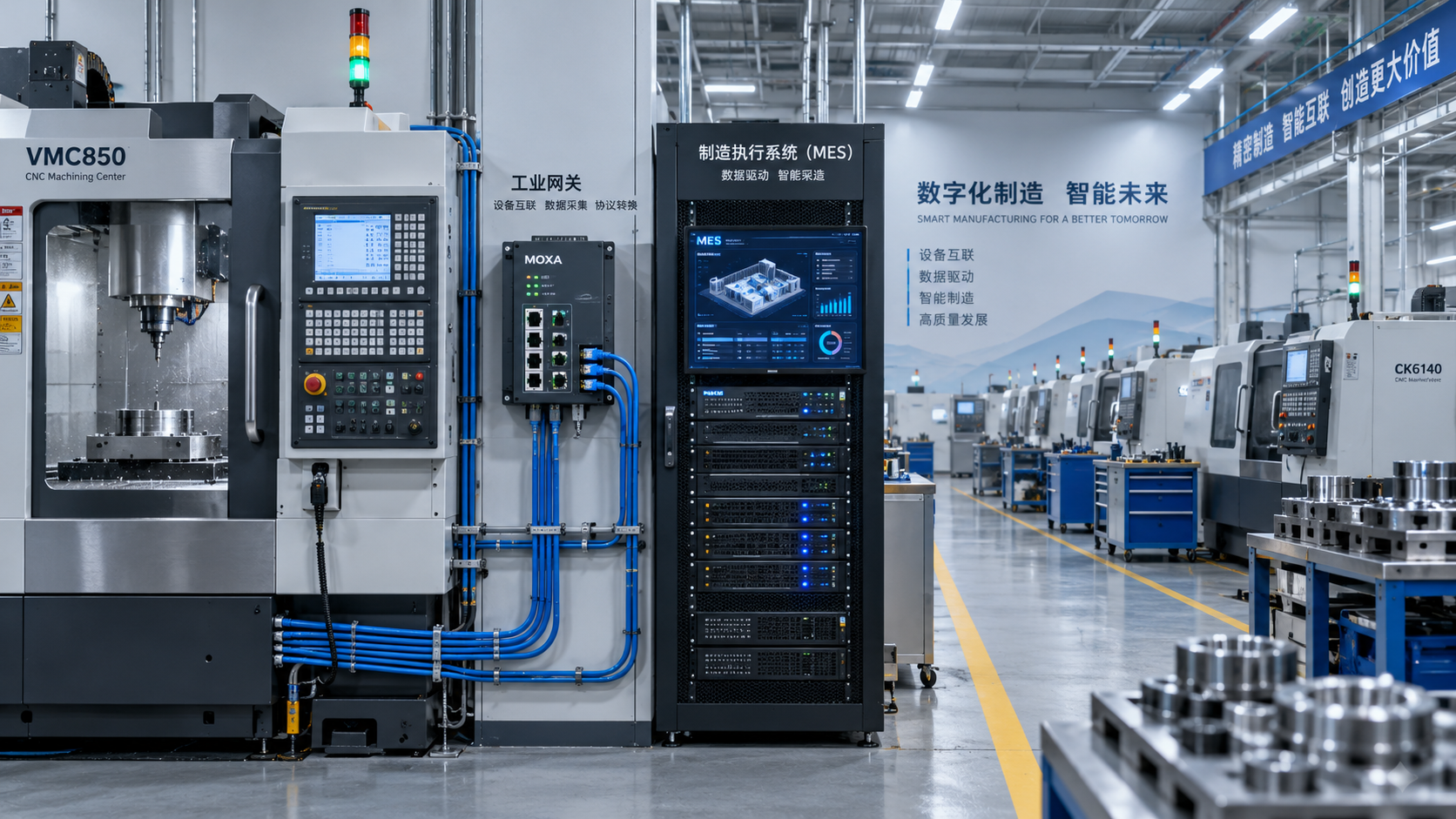
 Digital Manufacturing for Smart Factories: Connecting Legacy Machines to MESMachine Tool Industry Editorial Team
 How to Select a CNC Metal Lathe for Tight-Tolerance Shaft and Sleeve PartsCNC Machining Technology Center
 How to Select an Industrial Lathe for High-Volume Shaft ProductionMachine Tool Industry Editorial Team
 Selecting Machine Tools for Automotive Parts: Accuracy, Throughput, and AutomationMachine Tool Industry Editorial Team
 Industrial Machining: Selecting Processes for Tight-Tolerance Metal PartsCNC Machining Technology Center
 Manufacturing Technology Trends That Improve Throughput and Quality ControlManufacturing Market Research Center

Aris Katos
Future of Carbide Coatings
15+ years in precision manufacturing systems. Specialized in high-speed milling and aerospace grade alloy processing.
▶
Manufacturing Technology Trends That Improve Throughput and Quality ControlManufacturing Market Research Center▶
Global Manufacturing Trends: How Supply Chains and Regional Shifts Affect SourcingManufacturing Market Research Center▶
Small-Batch Production and Smart Manufacturing for Small Businesses: Where to Start FirstManufacturing Market Research Center▶
What Smart Manufacturing Technology for Industry 4.0 Means for Mid-Sized FactoriesManufacturing Market Research Center▶
How Smart Manufacturing Benefits Reduce Downtime and Scrap in Metal Parts ProductionManufacturing Market Research Center
Mastering 5-Axis Workholding Strategies
Join our technical panel on Nov 15th to learn about reducing vibrations in thin-wall components.

Providing you with integrated sanding solutions
Before-sales and after-sales services
Comprehensive technical support