• Global CNC market projected to reach $128B by 2028 • New EU trade regulations for precision tooling components • Aerospace deman
NYSE: CNC +1.2%LME: STEEL -0.4%

Manufacturing Industry trends that reshape sourcing

The Manufacturing Industry is undergoing a rapid transformation that is reshaping how distributors, agents, and sourcing professionals evaluate suppliers worldwide. From CNC machine tools and precision machining to smart factories and automated production lines, new technologies are driving higher efficiency, accuracy, and global competitiveness. Understanding these trends is essential for identifying reliable partners, reducing sourcing risks, and capturing new market opportunities in modern manufacturing.
Why the Manufacturing Industry is changing sourcing decisions faster than before

For distributors and agents, the Manufacturing Industry is no longer judged only by price, origin, or basic machine specifications. Buyers now compare production flexibility, digital readiness, lead time stability, spare parts support, and the supplier’s ability to serve multiple industrial sectors.
This matters especially in CNC machine tools and precision manufacturing. Automotive, aerospace, electronics, and energy equipment customers demand tighter tolerances, shorter project cycles, and stronger documentation. A supplier that cannot support these expectations may still offer attractive pricing, but it can create downstream warranty, installation, and reputation risks for channel partners.
What is pushing this shift?
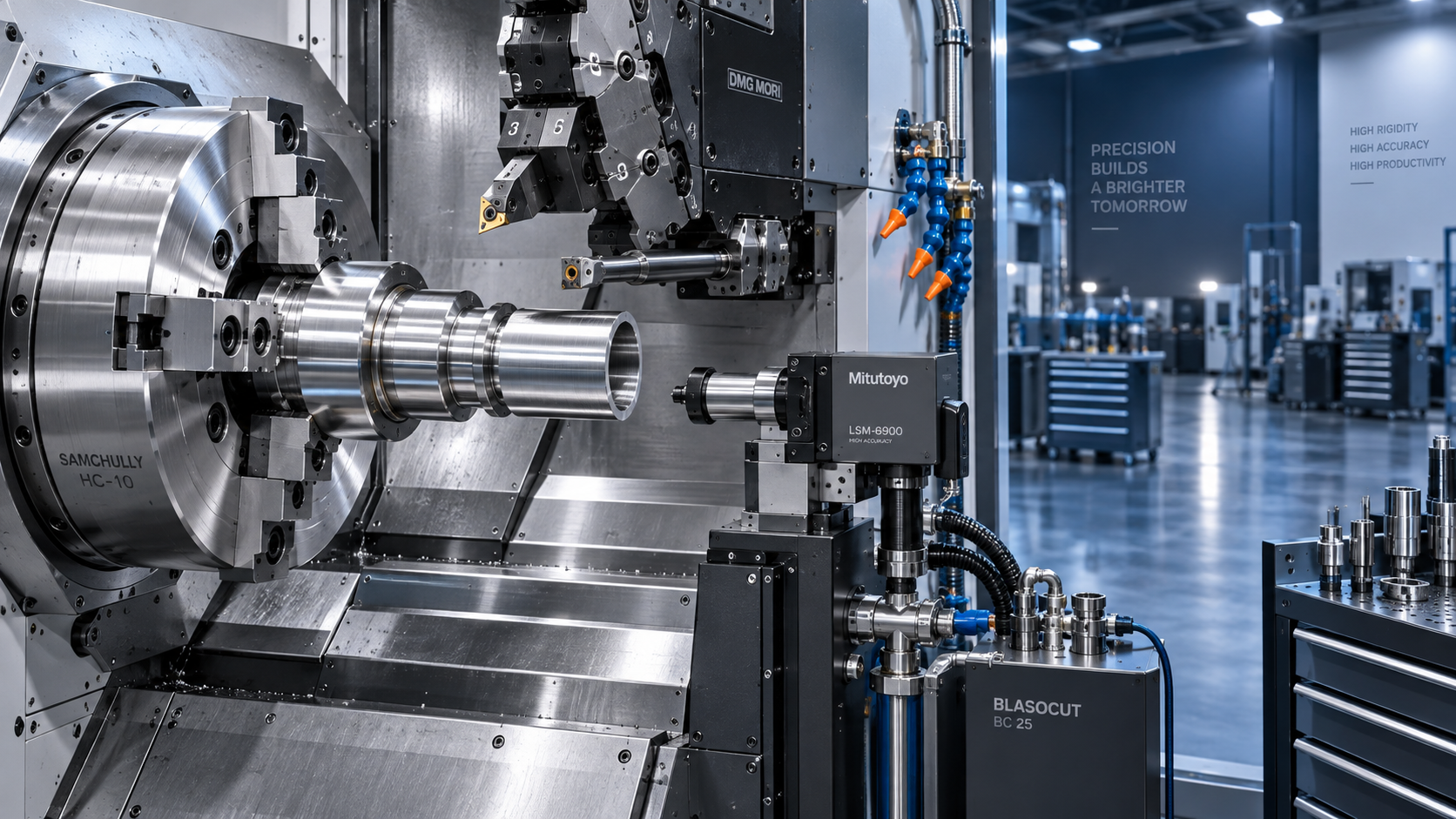
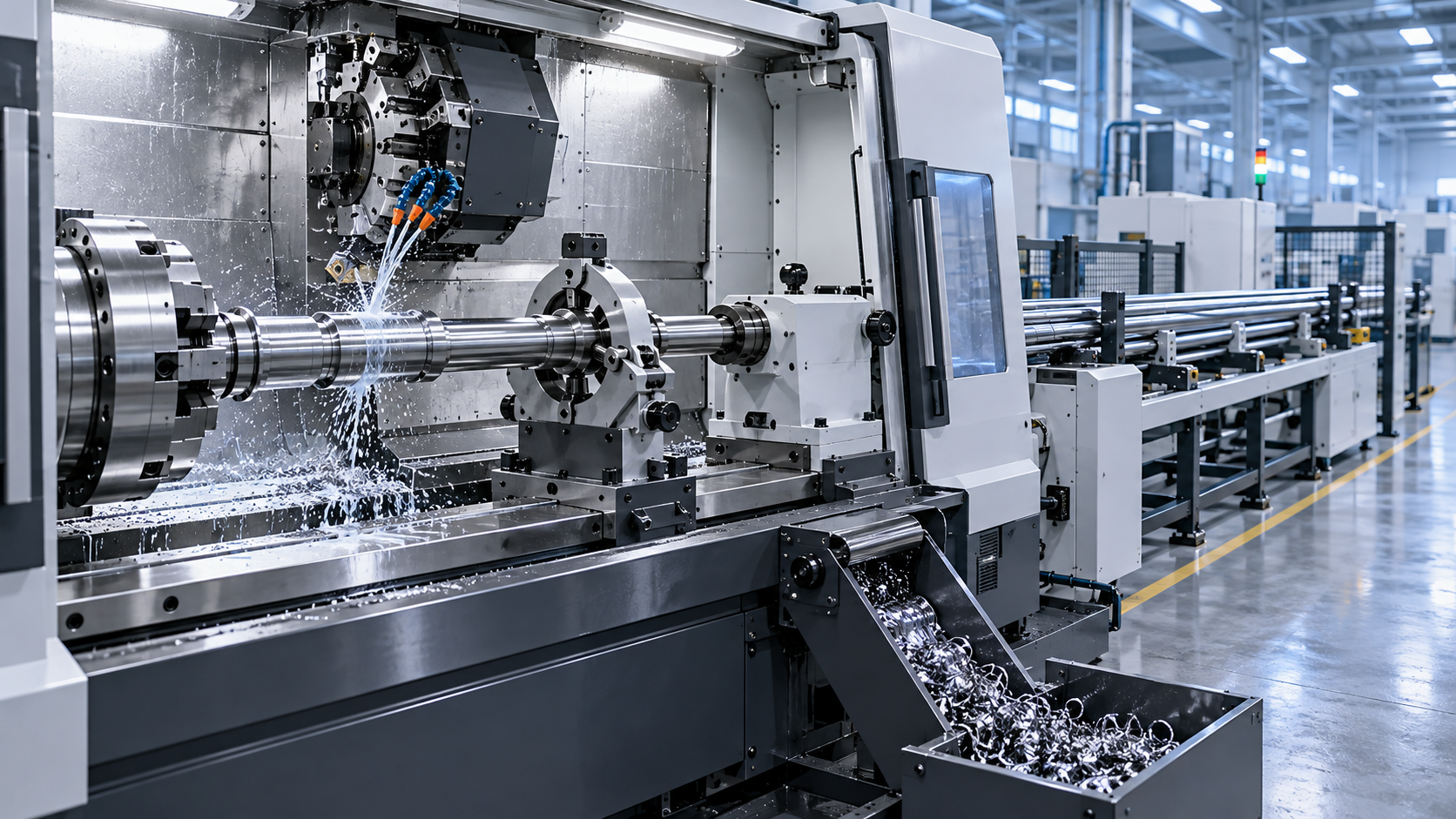
- Higher precision requirements are increasing demand for stable CNC lathes, machining centers, and multi-axis systems that can process complex shafts, discs, and structural parts.
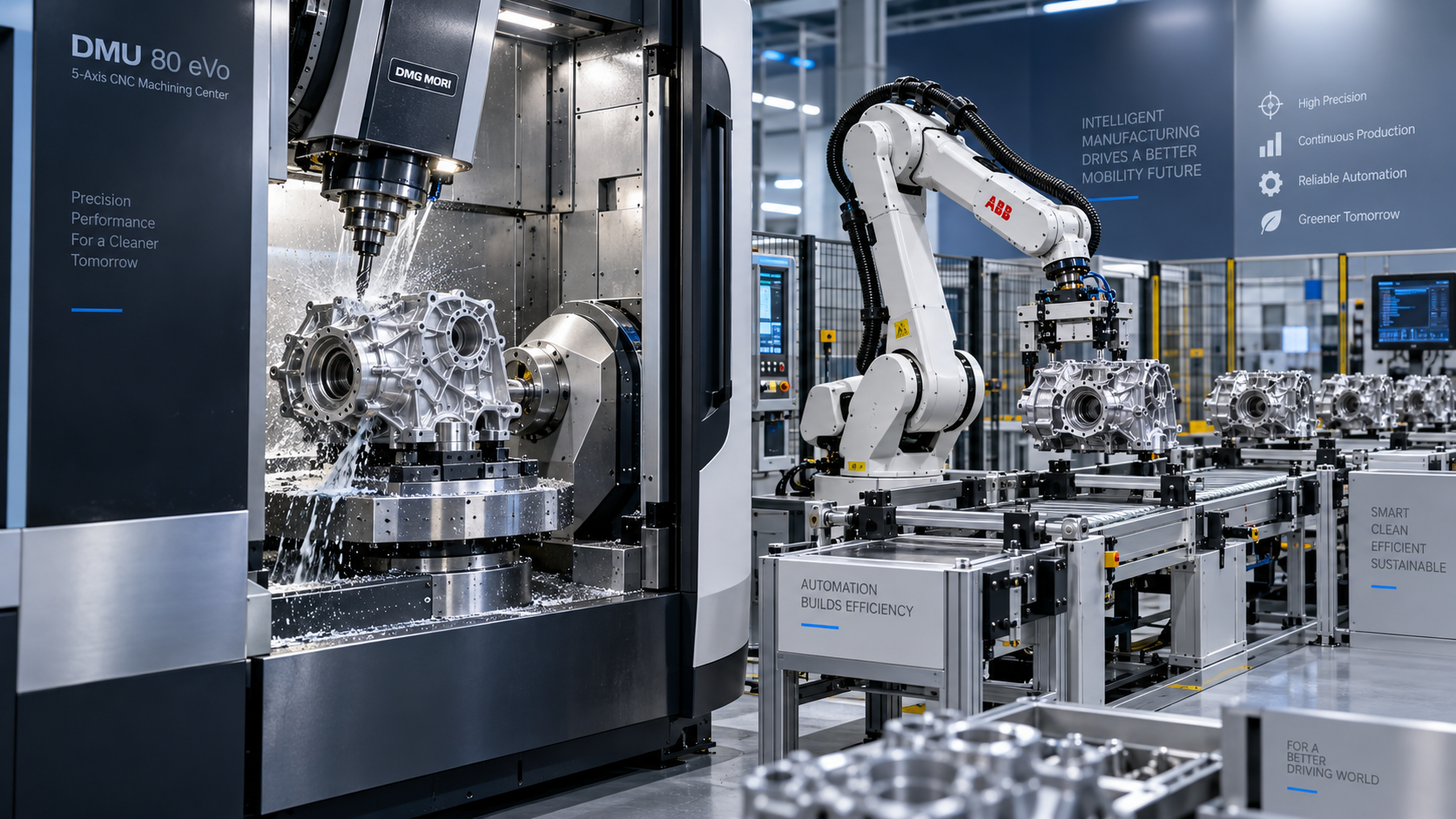
- Labor shortages and cost pressure are accelerating investment in automation, robotic handling, and flexible production lines.
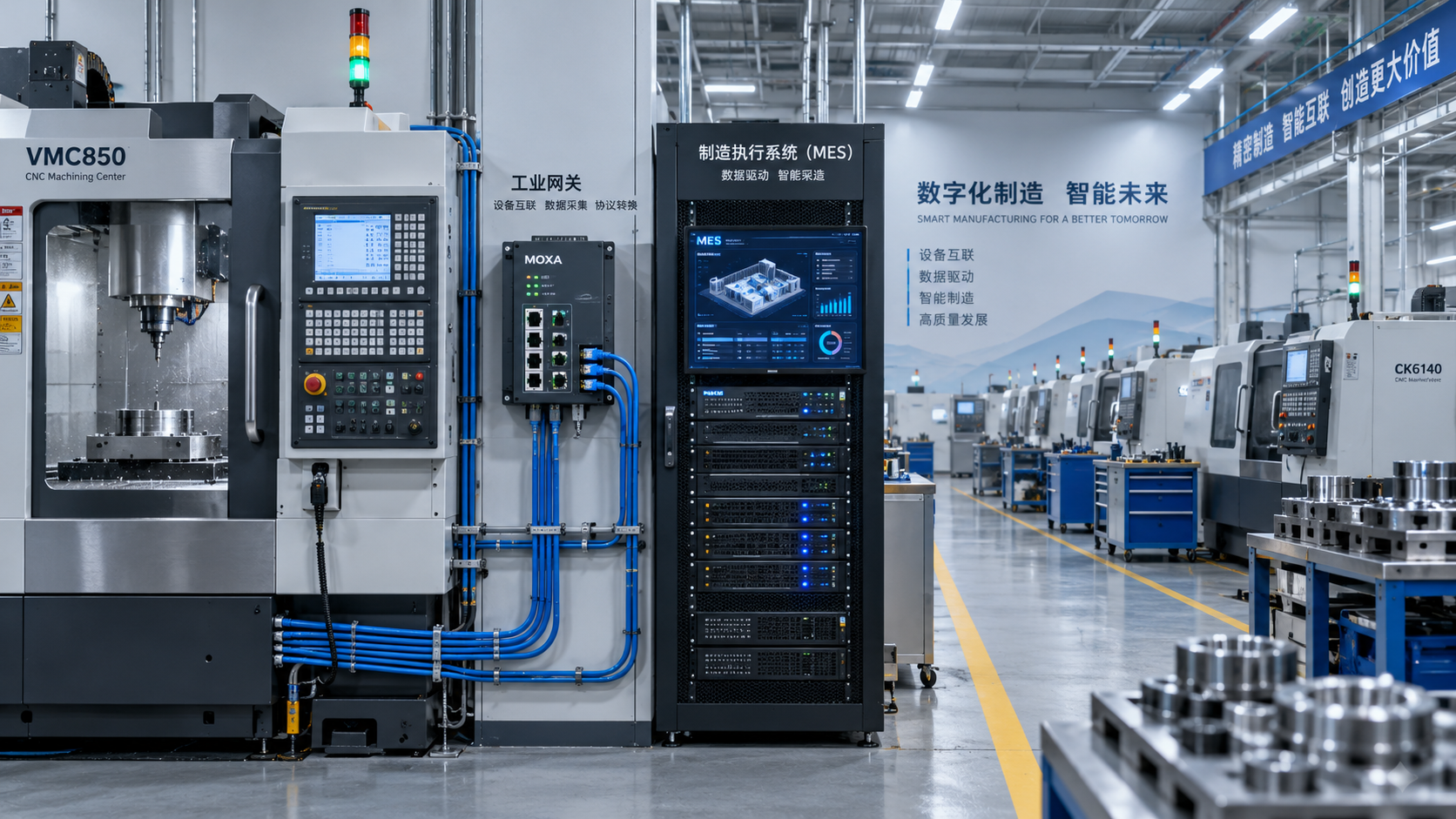
- Digital integration is becoming a sourcing factor because buyers want machine data visibility, preventive maintenance planning, and easier production control.
- Global supply chains are more diversified, so sourcing teams compare supplier resilience, export experience, and technical communication quality more closely.
In practical terms, the Manufacturing Industry now rewards suppliers that combine machining capability with process engineering, application understanding, and international trade coordination. This is why channel partners increasingly value platforms that track industry news, technology updates, and market signals across major machine tool clusters such as China, Germany, Japan, and South Korea.
Which Manufacturing Industry trends matter most to distributors and sourcing agents?
Not every trend has the same commercial value. Some trends improve sales positioning, while others directly reduce sourcing risk. The table below highlights which developments deserve immediate attention when evaluating machine tool and precision manufacturing partners.
These trends show that the Manufacturing Industry is becoming more integrated and service-sensitive. Distributors who only compare catalog parameters may miss whether the supplier can support installation, line integration, and post-sale technical follow-up.
High-priority trend signals
- Machines are expected to fit into broader production systems, not operate as isolated assets.
- Precision alone is not enough; repeatability, uptime, and process consistency are becoming stronger buying criteria.
- Suppliers with international communication capability often resolve technical clarifications faster, reducing project delays.
How should channel partners compare CNC and precision manufacturing suppliers?
A frequent sourcing mistake in the Manufacturing Industry is comparing suppliers only by quoted price or machine size. A stronger method is to compare technical fit, delivery reliability, lifecycle support, and market suitability side by side.
The following comparison framework is useful when selecting suppliers for resale, regional distribution, or project-based procurement.
For distributors, a strategic supplier may not always have the lowest initial quote. However, it often lowers the real cost of sales by reducing returns, delayed commissioning, and time spent resolving avoidable technical misunderstandings.
Questions worth asking before shortlisting a supplier
- Can the supplier explain why a certain CNC lathe, machining center, or automation option fits the target workpiece and production volume?
- What is the realistic lead time for standard configuration versus customized integration?
- How are tooling, fixtures, and peripheral systems matched to the machine proposal?
- What level of post-sale service can be supported across your territory or customer base?
What procurement criteria reduce risk in the Manufacturing Industry?
In the Manufacturing Industry, channel partners often face mixed customer demands. One buyer may need cost-effective turning capacity, while another needs high-accuracy multi-process machining with automation interfaces. That is why procurement criteria should go beyond a single technical sheet.
Core selection checklist
- Match machine capability to part type. Shaft parts, precision discs, aluminum housings, and hardened structural parts often require different spindle, axis, and rigidity priorities.
- Confirm process chain compatibility. The machine should work well with cutting tools, fixtures, loading systems, and downstream inspection routines.
- Review tolerance and repeatability expectations. End users may ask not only for nominal accuracy but also stable batch performance over extended production cycles.
- Evaluate service response planning. Spare parts availability, troubleshooting channels, and maintenance clarity all affect distributor credibility.
- Check export and documentation readiness. Packaging, manuals, electrical specifications, and installation instructions should suit the destination market.
A disciplined procurement process protects margin. It also helps agents avoid overselling advanced equipment to customers whose production conditions do not justify the added investment. In many cases, a balanced machine with stable operation and clear service support creates better long-term account value than a premium specification with poor operational fit.
Procurement scenarios to treat differently
For stock-based resale, prioritize platform standardization, common spare parts, and broad market applicability. For project-based sourcing, prioritize engineering communication, customization ability, and timeline control. For agency expansion, prioritize brand support materials, technical training, and service coordination.
How cost, lead time, and alternatives should be evaluated
Price pressure is real in the Manufacturing Industry, but low acquisition cost can hide expensive downstream consequences. A distributor should estimate total commercial impact rather than viewing the quotation as the only decision point.
The table below helps compare cost factors and substitution logic when discussing CNC machine tools, precision machining solutions, or automated production options with end customers.
This comparison is useful when customers ask whether to choose a basic machine now or a scalable platform that supports future automation. The right answer depends on part complexity, batch size, labor availability, and how quickly the customer expects output to grow.
Where alternatives make sense
- A two-axis lathe may be sufficient for simple turning work if secondary operations are manageable and throughput pressure is low.
- A machining center with fixture optimization can sometimes outperform a more complex system for medium-volume parts.
- Flexible automation is often a better step than full line automation for distributors serving mixed-product customers.
What standards, documentation, and compliance points should not be overlooked?
As the Manufacturing Industry becomes more international, sourcing success depends not only on machine capability but also on documentation discipline. Distributors working across borders should verify common compliance and operational records early in the process.
Key verification areas
- Electrical compatibility, safety labeling, and operating documentation suitable for the destination market.
- Inspection records or acceptance procedures that define what is checked before shipment.
- Packaging and handling instructions for long-distance transport of precision equipment.
- Spare parts lists, maintenance schedules, and recommended consumables for service planning.
Even when a buyer is focused on price, these details shape total project reliability. Poor documentation can delay customs clearance, site preparation, commissioning, and user training. For channel partners, that means extra internal workload and possible damage to customer trust.
FAQ: common sourcing questions in the Manufacturing Industry
How do I choose between a standard CNC machine and a more automated solution?
Start with part type, annual volume, labor conditions, and changeover frequency. If the customer runs stable batches with repeatable part families, automation can improve output and consistency. If production changes often and batch sizes are smaller, a standard but expandable machine may offer better payback and lower operational complexity.
What should distributors focus on when evaluating a new supplier?
Look at application understanding, communication speed, document quality, lead time control, and after-sales structure. In the Manufacturing Industry, the best sourcing outcomes usually come from suppliers that can explain process logic clearly and support the project after shipment, not just before payment.
Which industries create the strongest demand for precision manufacturing equipment?
Automotive manufacturing, aerospace, electronics, and energy equipment remain major demand drivers. These sectors require repeatable precision, productivity, and increasingly automated workflows. That makes CNC lathes, machining centers, multi-axis systems, tooling, and fixture solutions central to sourcing discussions.
What are common mistakes in machine tool sourcing?
Common mistakes include buying based only on price, ignoring fixture and tooling compatibility, underestimating service support needs, and failing to confirm realistic lead times for customized configurations. Another frequent issue is selecting advanced equipment without confirming whether the customer has the operators, process discipline, or production volume to use it effectively.
Why informed partners gain more from Manufacturing Industry transformation
The Manufacturing Industry is moving toward higher precision, stronger automation, and deeper digital integration. For distributors, agents, and sourcing professionals, that creates both pressure and opportunity. The pressure comes from more complex technical decisions. The opportunity comes from serving customers with better-fit equipment, lower sourcing risk, and smarter production planning.
A focused industry platform adds value by connecting market analysis with real sourcing questions: which production trends are accelerating, which supplier regions are gaining strength, which machine categories are becoming more flexible, and where hidden procurement risks tend to appear. That insight helps channel partners make decisions with stronger commercial confidence.
Why choose us for CNC machining and precision manufacturing sourcing support
We focus on the global CNC machining and precision manufacturing industry, with attention to machine tools, automation trends, market developments, and international trade updates that matter to distributors and agents. Our approach is built around practical sourcing judgment rather than generic product promotion.
You can contact us for specific support on parameter confirmation, product selection, supplier comparison, delivery cycle evaluation, customization planning, documentation expectations, sample or process discussion, and quotation communication. If you are comparing CNC lathes, machining centers, multi-axis systems, tooling-related solutions, or automated production line options, we can help you narrow choices based on application fit and sourcing risk.
- Need help screening suppliers for a target market or customer segment? We can help define the evaluation criteria.
- Need support aligning machine configuration with actual workpieces and output goals? We can help structure the technical questions.
- Need clarity on lead time, export readiness, or service follow-up expectations? We can help you prepare a more reliable sourcing checklist.
If your team is navigating Manufacturing Industry changes and wants clearer guidance on sourcing strategy, partner evaluation, or equipment positioning, reach out with your project requirements. A well-prepared inquiry today can prevent costly delays and mismatched procurement decisions later.
PREVIOUS ARTICLE
Recommended for You
 Digital Manufacturing for Smart Factories: Connecting Legacy Machines to MESMachine Tool Industry Editorial Team
 How to Select a CNC Metal Lathe for Tight-Tolerance Shaft and Sleeve PartsCNC Machining Technology Center
 How to Select an Industrial Lathe for High-Volume Shaft ProductionMachine Tool Industry Editorial Team
 Selecting Machine Tools for Automotive Parts: Accuracy, Throughput, and AutomationMachine Tool Industry Editorial Team
 Industrial Machining: Selecting Processes for Tight-Tolerance Metal PartsCNC Machining Technology Center
 Manufacturing Technology Trends That Improve Throughput and Quality ControlManufacturing Market Research Center


Aris Katos
Future of Carbide Coatings
15+ years in precision manufacturing systems. Specialized in high-speed milling and aerospace grade alloy processing.
▶
Manufacturing Technology Trends That Improve Throughput and Quality ControlManufacturing Market Research Center▶
Global Manufacturing Trends: How Supply Chains and Regional Shifts Affect SourcingManufacturing Market Research Center▶
Small-Batch Production and Smart Manufacturing for Small Businesses: Where to Start FirstManufacturing Market Research Center▶
What Smart Manufacturing Technology for Industry 4.0 Means for Mid-Sized FactoriesManufacturing Market Research Center▶
How Smart Manufacturing Benefits Reduce Downtime and Scrap in Metal Parts ProductionManufacturing Market Research Center
Mastering 5-Axis Workholding Strategies
Join our technical panel on Nov 15th to learn about reducing vibrations in thin-wall components.

Providing you with integrated sanding solutions
Before-sales and after-sales services
Comprehensive technical support