• Global CNC market projected to reach $128B by 2028 • New EU trade regulations for precision tooling components • Aerospace deman
NYSE: CNC +1.2%LME: STEEL -0.4%

What is changing in the Manufacturing Industry this year?
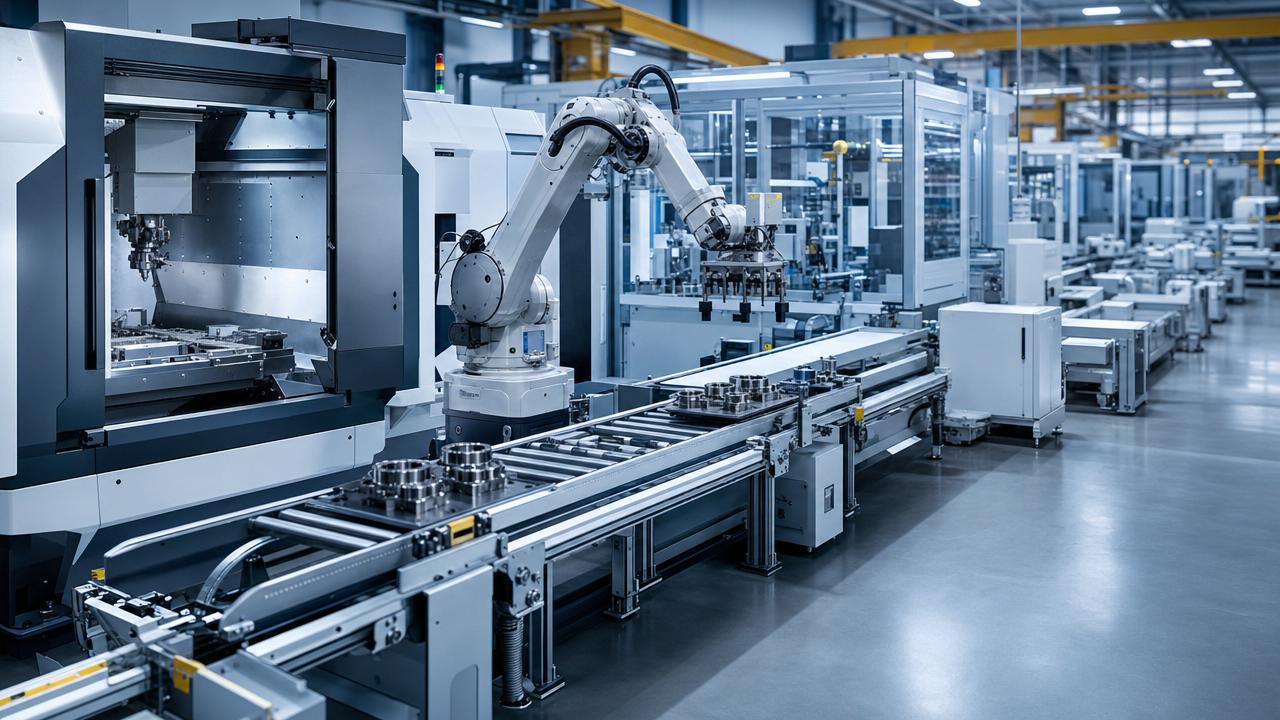
The Manufacturing Industry is changing rapidly this year as automation, digital integration, and precision engineering reshape global production. From CNC machine tools and multi-axis systems to smart factories and flexible production lines, production networks are being redesigned for speed, traceability, and resilience. For anyone tracking industrial development, the most useful approach is not broad prediction, but a practical checklist that reveals where real change is happening and how to evaluate it.
Why a checklist matters in the Manufacturing Industry this year
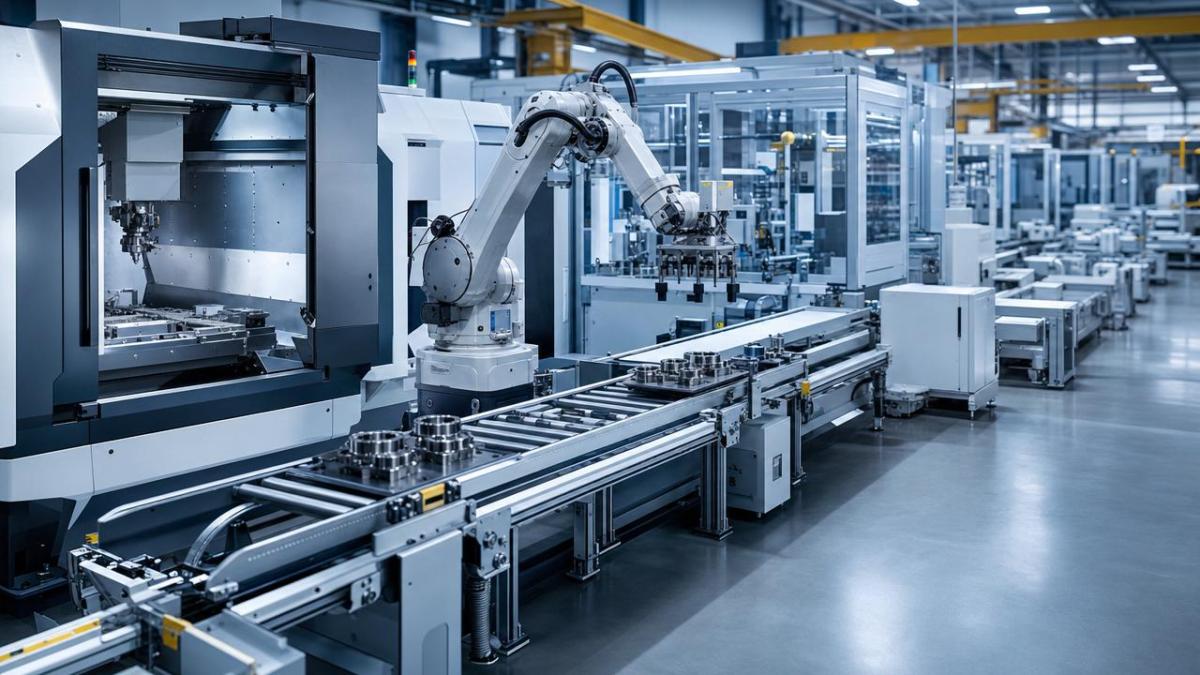
This year, change in the Manufacturing Industry is uneven. Some factories are adding industrial robots and digital twins. Others are upgrading only one machine cell or one software layer.
A checklist helps separate trend headlines from measurable industrial progress. It also makes it easier to compare CNC machining, assembly automation, energy use, supply risk, and production quality across sectors.
That matters because the Manufacturing Industry now depends on connected systems, not isolated equipment. Machine tools, tooling, software, metrology, and logistics increasingly work as one operating environment.
Core checklist: what is changing in the Manufacturing Industry
Use the following checklist to judge whether a facility, supplier network, or industrial segment is truly moving with this year’s Manufacturing Industry trends.
- Adopt more connected CNC equipment that shares machine status, spindle load, tool life, and quality data in real time across production planning systems.
- Upgrade toward multi-axis machining and flexible cells to reduce setups, shorten lead times, and improve precision for complex aerospace, automotive, and electronics parts.
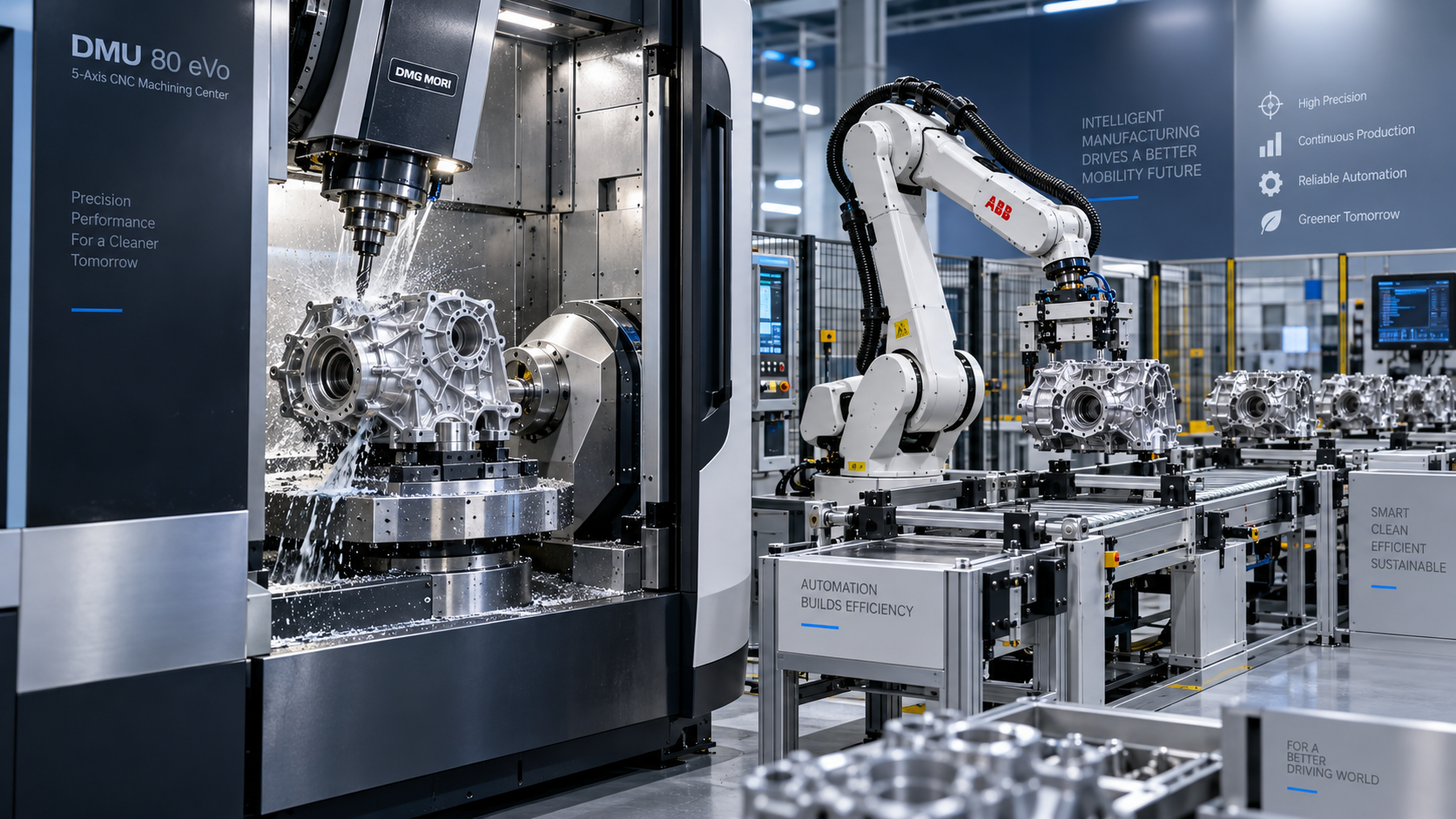
- Integrate automation carefully by linking robots, conveyors, fixtures, and inspection stations instead of treating each device as a separate investment.
- Track energy consumption at the process level, including cutting, coolant circulation, compressed air, and idle time, not only total plant utility bills.
- Strengthen digital traceability so every batch, component, and machining step can be linked to tooling, operators, programs, and inspection records.
- Evaluate supply chain resilience by checking regional sourcing options for castings, spindles, controllers, bearings, tooling, and electronic components.
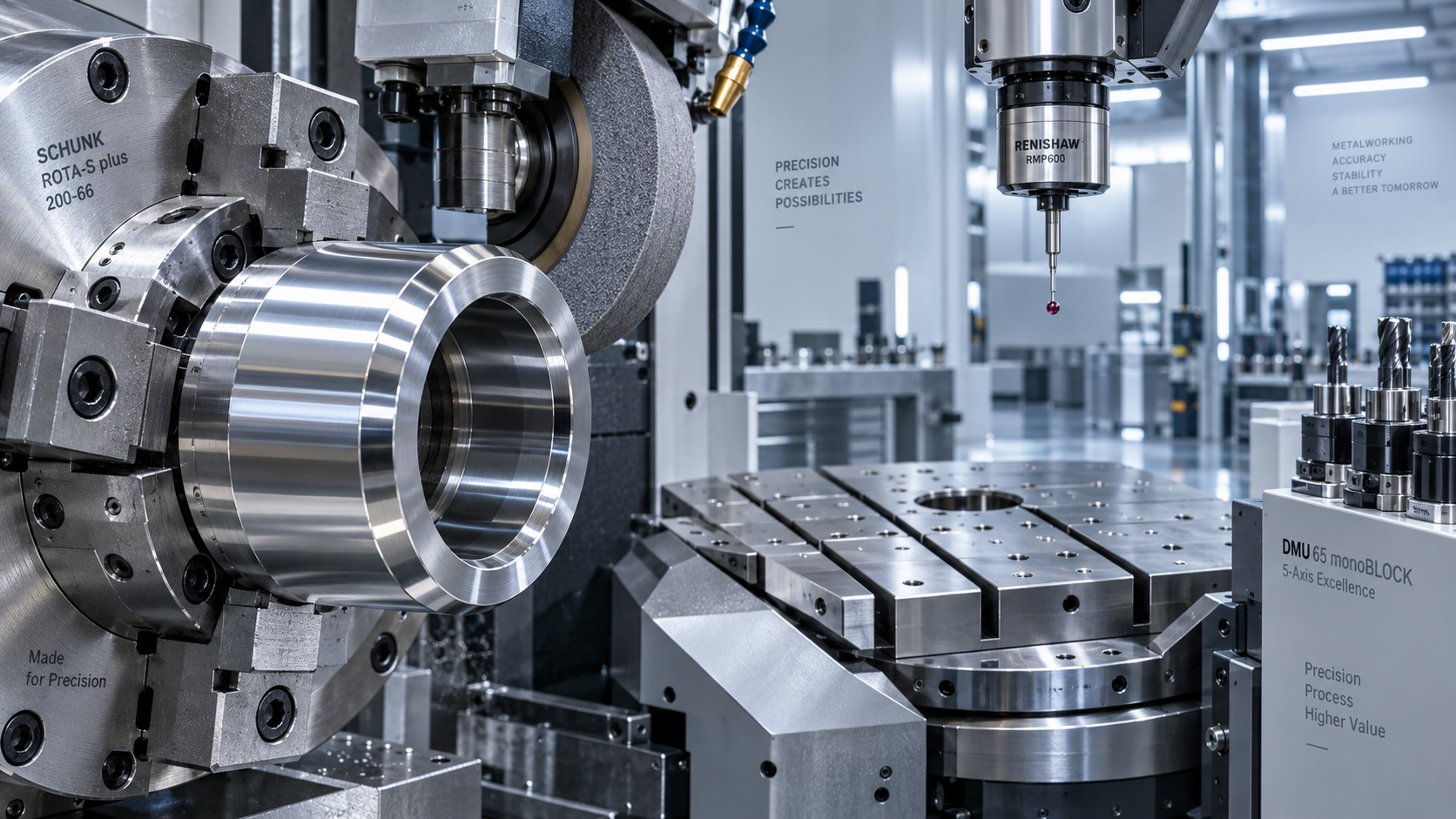
- Expand in-process measurement and final metrology to catch drift earlier, especially where micron-level accuracy affects downstream assembly or compliance.
- Standardize software interfaces between ERP, MES, CAD, CAM, and machine controllers to reduce manual data transfer and production delays.
- Review workforce capability in programming, maintenance, process engineering, and data interpretation because automation still depends on skilled human control.
- Prioritize modular expansion so production lines can scale by product mix, batch size, or export demand without a full facility redesign.
How these changes appear across major manufacturing scenarios
CNC machining and precision components
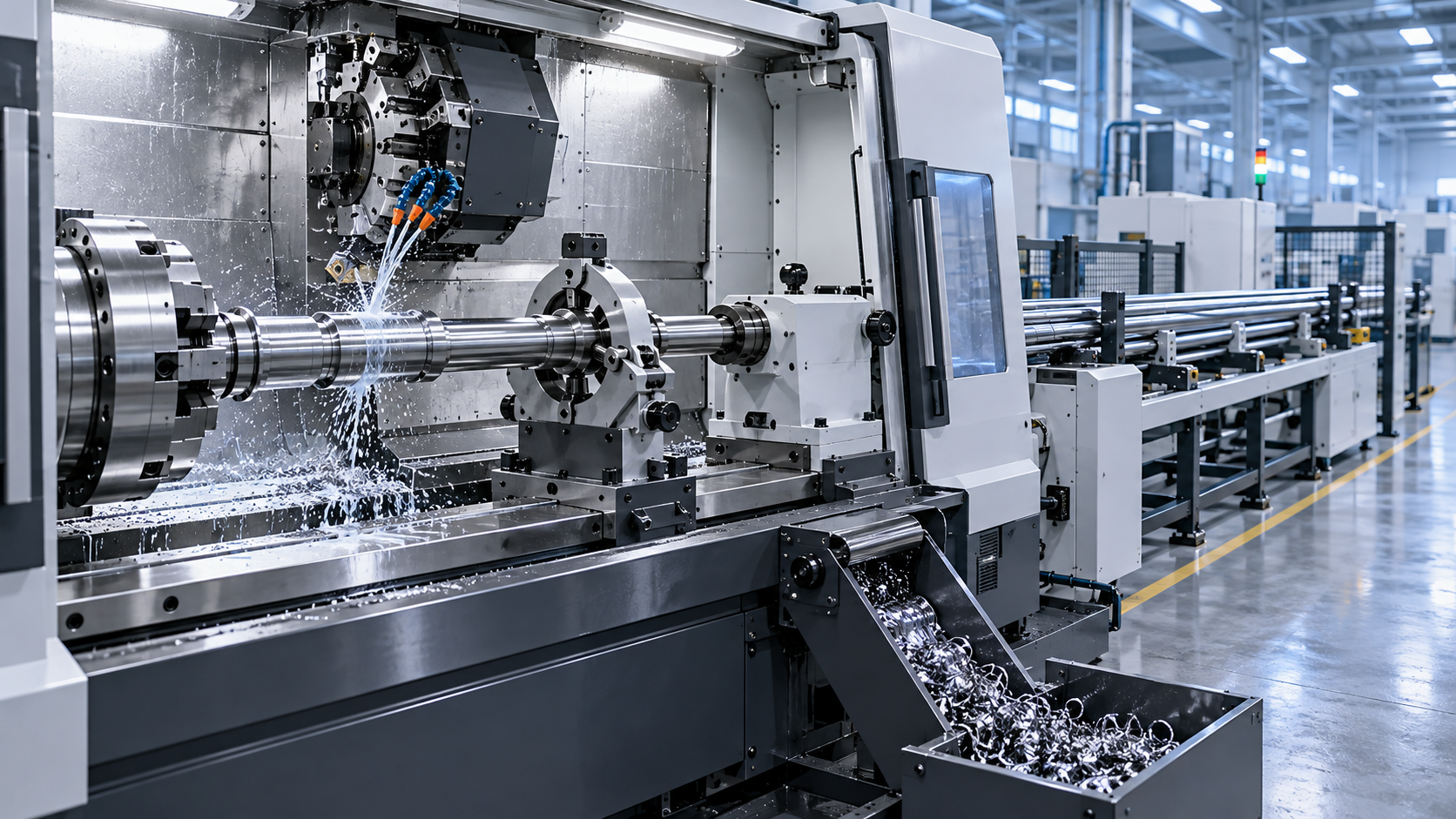
In CNC machining, the clearest shift in the Manufacturing Industry is the move from standalone machine performance to system-wide precision control. A fast machining center is no longer enough.
This year, value comes from stable toolpaths, automated loading, digital setup verification, and repeatable measurement. Multi-axis systems are also becoming more important for complex structural parts and shaft components.
Automotive and transport production
Automotive production continues to push the Manufacturing Industry toward higher throughput with tighter tolerance control. At the same time, model variation is increasing process complexity.
Flexible production lines matter more because component mixes can change quickly. Battery systems, lightweight materials, and new drivetrain architectures are also influencing tooling and machining strategies.
Aerospace and high-specification parts
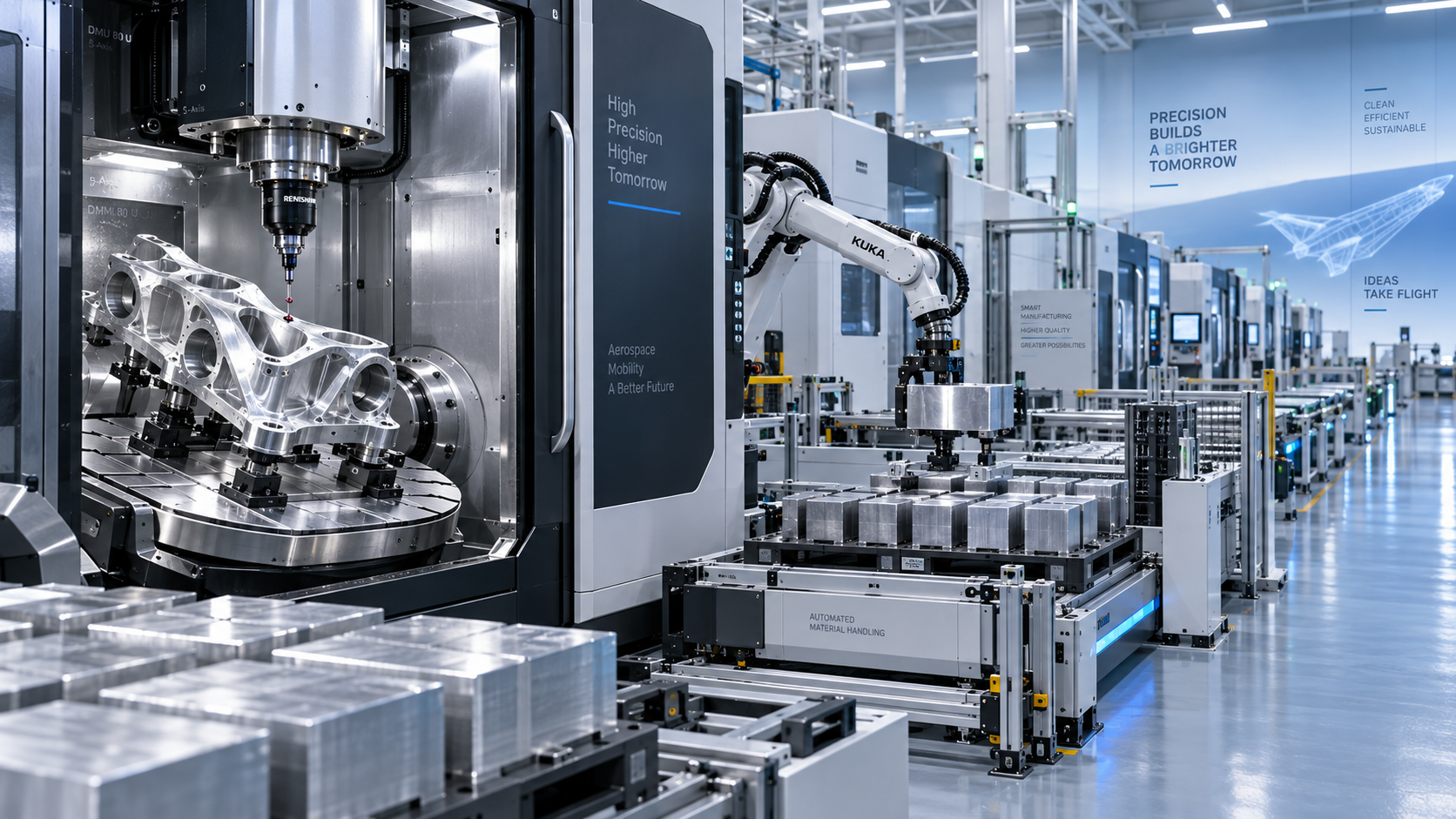
Aerospace keeps raising the bar for the Manufacturing Industry in traceability, process stability, and documentation. The priority is not volume alone, but qualified repeatability over long production cycles.
As a result, machine tools are being paired with stronger data capture, tool monitoring, and inspection routines. Material removal, thermal behavior, and surface integrity are under closer review.
Electronics and compact assemblies
Electronics production highlights another Manufacturing Industry shift: smaller features demand tighter process coordination. Precision alone is insufficient if handling, alignment, and inspection remain inconsistent.
This is why automated assembly, machine vision, and contamination control are moving closer to core production planning rather than being treated as support functions.
Commonly overlooked risks in the Manufacturing Industry
-
Ignoring data quality can undermine every digital initiative. If machine signals, tool records, and inspection results are inconsistent, dashboards create false confidence instead of usable control.
-
Over-automating unstable processes remains a frequent error. When fixturing, programming, or incoming material variation is weak, automation simply repeats problems faster and at higher cost.
-
Underestimating maintenance readiness slows Manufacturing Industry upgrades. New machine tools and robots require preventive routines, spare parts planning, and diagnostic capability from the first day.
-
Treating sustainability as reporting only is another missed issue. Energy efficiency, coolant management, scrap reduction, and machine uptime affect both compliance and operating margin.
-
Relying on a narrow supplier base can expose production to delays in controllers, precision bearings, cutting tools, and electronic components, especially during regional disruptions.
Practical execution steps for this year
A useful response to Manufacturing Industry change starts with sequence, not scale. A full smart factory plan is less effective than solving a few bottlenecks with clear operational impact.
- Map one production flow from raw material to final inspection and identify where waiting time, rework, manual entry, or tool changes create hidden loss.
- Select one pilot area, such as a CNC cell or automated assembly station, and connect machine data, quality checks, and maintenance alerts first.
- Measure baseline performance using scrap rate, cycle time, energy per part, setup duration, and unplanned downtime before introducing new equipment.
- Create interface discipline between CAD, CAM, MES, and controllers so programming changes do not disappear inside manual handoffs.
- Review regional market exposure and prepare alternate sources for key mechanical and electronic components used in machine tools and automation systems.
These steps are especially relevant in global CNC machining and precision manufacturing, where small process improvements can produce major gains in consistency, export readiness, and production resilience.
Conclusion: what to watch next in the Manufacturing Industry
The biggest story in the Manufacturing Industry this year is not one machine, one country, or one software platform. It is the convergence of precision equipment, automation, data integration, and operational flexibility.
The most reliable way to judge progress is to check whether production systems are becoming more connected, measurable, and adaptable. That is where long-term competitiveness is forming.
Use this checklist to review current operations, compare industry developments, and identify the next improvement area. In today’s Manufacturing Industry, practical visibility is the first step toward better decisions.
PREVIOUS ARTICLE
Recommended for You
 Digital Manufacturing for Smart Factories: Connecting Legacy Machines to MESMachine Tool Industry Editorial Team
 How to Select a CNC Metal Lathe for Tight-Tolerance Shaft and Sleeve PartsCNC Machining Technology Center
 How to Select an Industrial Lathe for High-Volume Shaft ProductionMachine Tool Industry Editorial Team
 Selecting Machine Tools for Automotive Parts: Accuracy, Throughput, and AutomationMachine Tool Industry Editorial Team
 Industrial Machining: Selecting Processes for Tight-Tolerance Metal PartsCNC Machining Technology Center
 Manufacturing Technology Trends That Improve Throughput and Quality ControlManufacturing Market Research Center

Aris Katos
Future of Carbide Coatings
15+ years in precision manufacturing systems. Specialized in high-speed milling and aerospace grade alloy processing.
▶
Manufacturing Technology Trends That Improve Throughput and Quality ControlManufacturing Market Research Center▶
Global Manufacturing Trends: How Supply Chains and Regional Shifts Affect SourcingManufacturing Market Research Center▶
Small-Batch Production and Smart Manufacturing for Small Businesses: Where to Start FirstManufacturing Market Research Center▶
What Smart Manufacturing Technology for Industry 4.0 Means for Mid-Sized FactoriesManufacturing Market Research Center▶
How Smart Manufacturing Benefits Reduce Downtime and Scrap in Metal Parts ProductionManufacturing Market Research Center
Mastering 5-Axis Workholding Strategies
Join our technical panel on Nov 15th to learn about reducing vibrations in thin-wall components.

Providing you with integrated sanding solutions
Before-sales and after-sales services
Comprehensive technical support