• Global CNC market projected to reach $128B by 2028 • New EU trade regulations for precision tooling components • Aerospace deman
NYSE: CNC +1.2%LME: STEEL -0.4%

Semiconductor Price Hikes Pressure CNC Controllers & Servo Systems

Global semiconductor price increases—confirmed as of April 16, 2026—are driving cost and delivery pressures across CNC equipment supply chains, with direct implications for precision manufacturing, industrial automation, and international procurement stakeholders.
Event Overview
As of April 16, 2026, a sustained upward pricing trend across the semiconductor supply chain has impacted key components used in CNC equipment. Confirmed price hikes range from 18% to 25% for FPGA main control chips, high-precision encoders, and EtherCAT communication modules. Domestic CNC equipment manufacturers have initiated their second round of quotation adjustments, and average delivery lead times have extended by 10–15 days. For overseas buyers, placing orders before the end of Q2 2026 may avoid an estimated 12% cumulative cost increase. Buyers are advised to specify ‘brand and supply assurance clauses for critical components’ in technical agreements to mitigate delivery risk.
Which Sub-Sectors Are Affected
Industrial Equipment Manufacturers (CNC System Integrators & OEMs)
These firms rely directly on FPGA controllers, encoders, and real-time fieldbus modules for motion control accuracy and system responsiveness. Rising component costs compress gross margins unless passed through via price revisions—and extended lead times delay project timelines, especially for turnkey automation deployments.
International Procurement & Distribution Firms
Overseas buyers face dual pressure: higher landed costs and greater supply uncertainty. The 12% projected Q2-end cost uplift applies specifically to orders placed after that window—making timing and contractual safeguards operationally material, not merely financial.
Contract Machining & High-Precision Fabrication Shops
Shops operating under fixed-price service contracts or long-term maintenance agreements may absorb cost increases if equipment refreshes or controller upgrades are required mid-contract—especially where legacy systems lack modular upgrade paths compatible with newly priced components.
Automation Component Resellers & Channel Distributors
Distributors holding inventory face margin compression on pre-hike stock while facing delayed replenishment cycles. Simultaneously, demand for ‘guaranteed-brand’ modules is rising—shifting sales conversations from price-based to supply-assurance–based negotiations.
What Relevant Enterprises or Practitioners Should Focus On
Lock in Q2 orders with enforceable technical terms
Overseas buyers should prioritize order placement before June 30, 2026—and explicitly define approved brands and minimum stock commitments for FPGA, encoder, and EtherCAT modules within signed technical agreements, not just commercial contracts.
Review current BOMs for exposure to affected components
Manufacturers and integrators should audit bill-of-materials for dependency on the three cited components. Where alternatives exist (e.g., non-EtherCAT fieldbus options or encoder-agnostic motion firmware), assess qualification timelines—not just feasibility.
Monitor delivery extensions beyond quoted lead times
A 10–15 day extension is reported as an average; actual delays may vary by component brand and volume tier. Procurement teams should request updated lead-time confirmations per SKU—not per product family—before releasing purchase orders.
Separate price adjustment triggers from supply continuity clauses
Contracts should distinguish between permissible price revisions (tied to verified component cost data) and binding supply guarantees (e.g., minimum allocation volumes or last-time-buy windows). Blending both into a single clause weakens enforceability.
Editorial Perspective / Industry Observation
From industry perspective, this is less a short-term volatility event and more a structural signal: semiconductor supply constraints are now translating directly into mechanical automation layer costs—not just IT or consumer electronics. Analysis来看, the coordinated timing of price hikes across FPGA, encoder, and EtherCAT modules suggests upstream capacity tightness is converging across logic, sensing, and industrial networking domains. Observation来看, the emphasis on contractual brand specification reflects growing buyer awareness that ‘drop-in replacement’ assumptions no longer hold amid constrained supply. Current more appropriate interpretation is that this marks the onset of multi-tiered cost pass-through—not a one-off adjustment—and warrants ongoing tracking of both component-level pricing and OEM quotation behavior across Q2 and Q3 2026.
This development underscores how semiconductor supply dynamics increasingly define competitiveness in capital equipment markets—not only in chip design or fabrication, but in machine tool performance, reliability, and total cost of ownership. It is best understood not as a temporary cost spike, but as an inflection point where procurement strategy, technical specification rigor, and contract design collectively determine operational resilience.
Source: Publicly confirmed pricing and timeline data released by domestic CNC equipment manufacturers and component distributors as of April 16, 2026. Ongoing monitoring is recommended for updates on regional allocation policies, alternative component qualifications, and potential secondary-market availability shifts.
PREVIOUS ARTICLE
Recommended for You
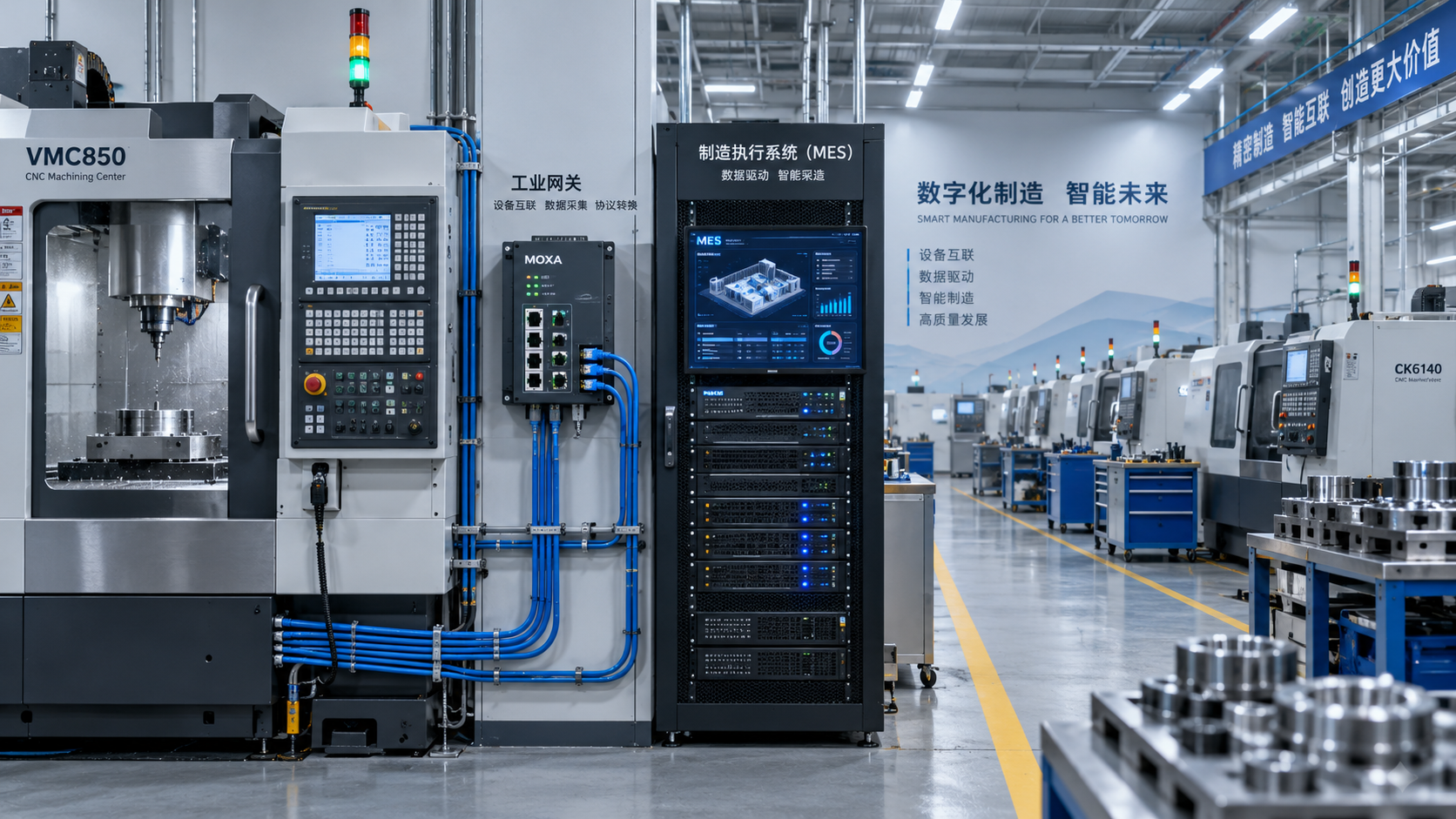
 Digital Manufacturing for Smart Factories: Connecting Legacy Machines to MESMachine Tool Industry Editorial Team
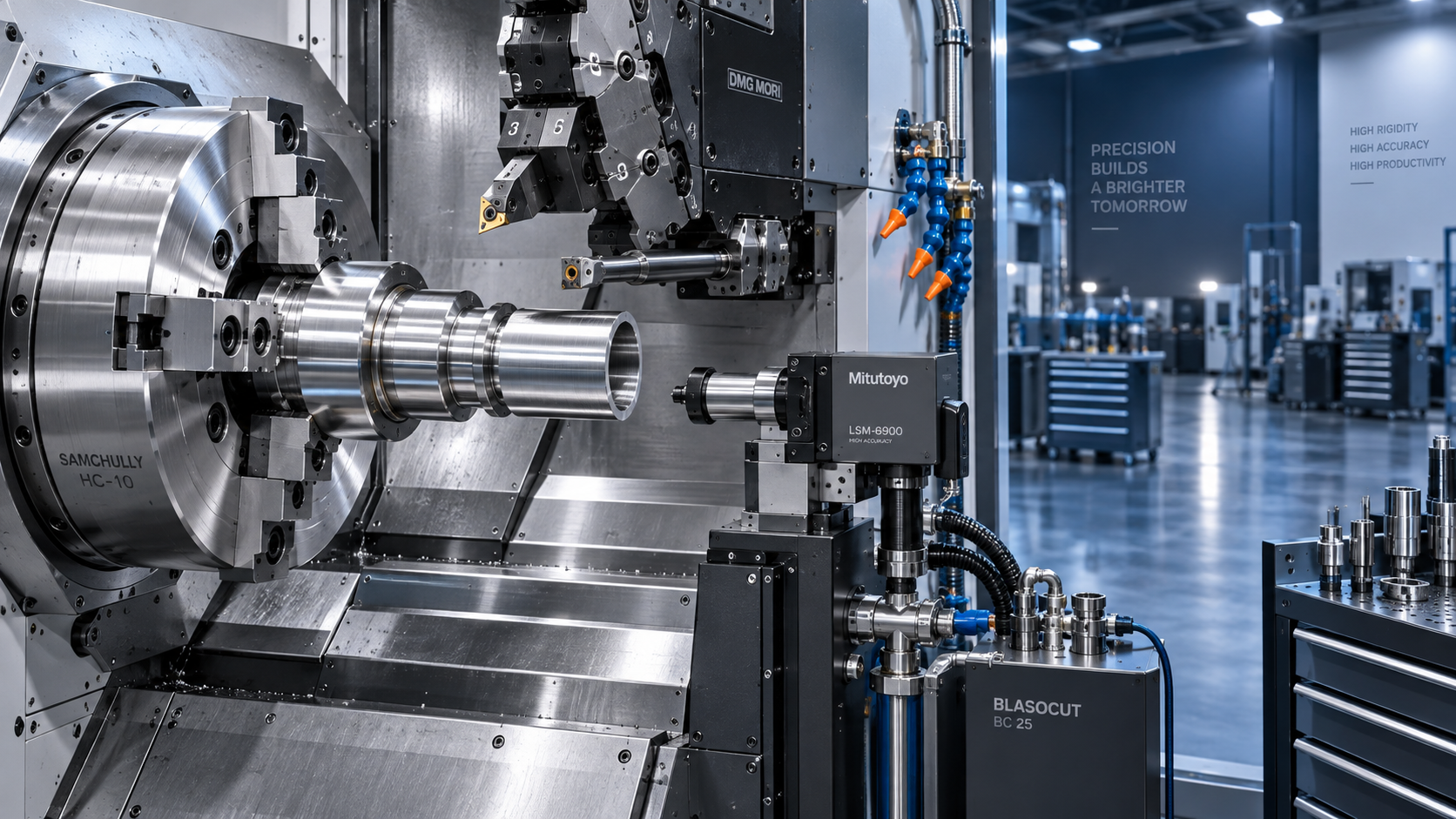
 How to Select a CNC Metal Lathe for Tight-Tolerance Shaft and Sleeve PartsCNC Machining Technology Center
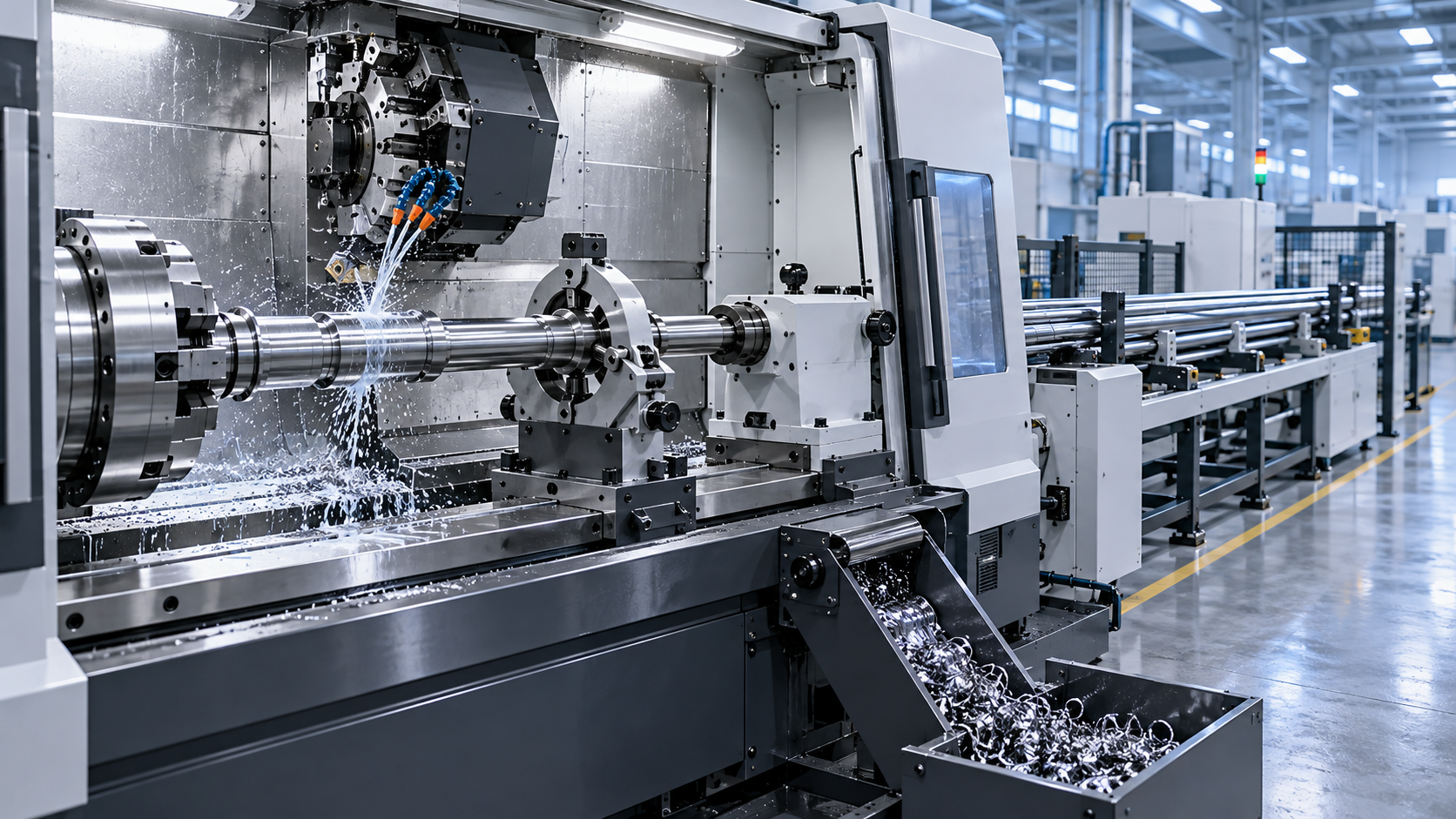
 How to Select an Industrial Lathe for High-Volume Shaft ProductionMachine Tool Industry Editorial Team
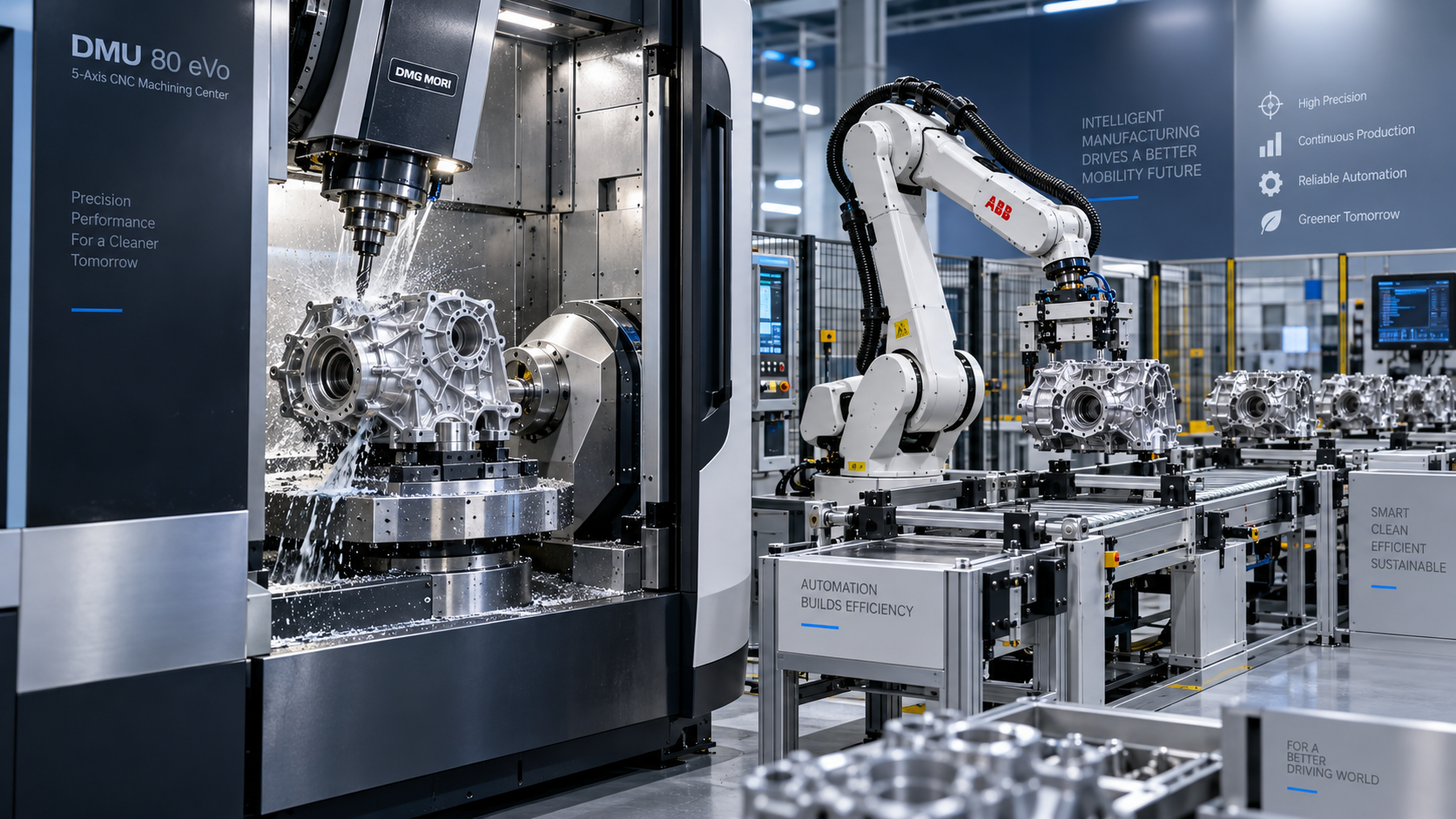
 Selecting Machine Tools for Automotive Parts: Accuracy, Throughput, and AutomationMachine Tool Industry Editorial Team
 Industrial Machining: Selecting Processes for Tight-Tolerance Metal PartsCNC Machining Technology Center
 Manufacturing Technology Trends That Improve Throughput and Quality ControlManufacturing Market Research Center


Aris Katos
Future of Carbide Coatings
15+ years in precision manufacturing systems. Specialized in high-speed milling and aerospace grade alloy processing.
▶
How to Choose a CNC Manufacturing Wholesaler for Quality, Lead Time, and CostManufacturing Market Research Center▶
China Temporarily Bans Helium ExportsManufacturing Market Research Center▶
Yangshan Port Launches Smart Clearance for CNC ExportsManufacturing Market Research Center▶
Shanghai Port Adds Real-Time CNC Shipment TrackingManufacturing Market Research Center▶
Waigaoqiao Port Tightens CNC Export Slot BookingManufacturing Market Research Center
Mastering 5-Axis Workholding Strategies
Join our technical panel on Nov 15th to learn about reducing vibrations in thin-wall components.

Providing you with integrated sanding solutions
Before-sales and after-sales services
Comprehensive technical support