• Global CNC market projected to reach $128B by 2028 • New EU trade regulations for precision tooling components • Aerospace deman
NYSE: CNC +1.2%LME: STEEL -0.4%

SAMR to Finalize 1,800+ Standards in 2026, Mechanical Mandatory GBs Accelerating

China’s State Administration for Market Regulation (SAMR) announced on April 21, 2026, that it will complete over 1,800 national standard revisions and new formulations this year — with mandatory standards for mechanical equipment, shipbuilding, and automotive sectors accounting for more than 40% of the total. This update directly affects export-critical technical parameters and carries implications for global market access, particularly for enterprises supplying to EU, UK, and South Korea.
Event Overview
On April 21, 2026, SAMR issued a public notice stating that 1,800+ national standards will be finalized in 2026. Of these, over 40% are mandatory standards targeting mechanical, shipbuilding, and automotive industries. Key technical areas include CNC machine tool safety guarding, laser distance measurement accuracy tolerances, and EMC immunity levels for numerical control systems. The revision cycle is expected to impact test case definitions under CE, UKCA, and KC conformity assessments. Suppliers failing to align with the updated standards may face delivery delays or product returns starting from Q3 2026.
Industries Affected by Sector and Role
Direct Exporters (OEM/ODM Manufacturers)
These enterprises are most immediately exposed, as their products must pass third-party certification against revised mandatory standards before entering regulated markets. Since the updated GBs explicitly reference parameters used in CE, UKCA, and KC testing protocols, non-compliance may result in failed audits or retesting — triggering Q3 2026 shipment bottlenecks.
Component and Subsystem Suppliers
Suppliers of CNC controllers, laser sensors, safety interlocks, and EMC-filtered power modules may see revised procurement specifications from downstream OEMs. Because the new standards define precise performance thresholds (e.g., immunity level classes, positional repeatability limits), legacy components may no longer satisfy system-level compliance without redesign or requalification.
Contract Manufacturers & Tier-2 Assemblers
Firms providing final assembly or integration services — especially those handling multi-sourced subsystems — face increased validation burden. The revised standards require traceable verification of safety-related functions and electromagnetic behavior across integrated units. This raises documentation and test reporting expectations beyond prior GB versions.
Certification & Compliance Service Providers
Testing labs and notified bodies accredited for CE/UKCA/KC work must confirm alignment of their test plans and equipment calibration with the updated GB references. Where new GB clauses introduce novel test methods (e.g., dynamic EMC stress profiles), service providers may need to adjust internal procedures ahead of formal adoption timelines.
What Enterprises Should Monitor and Act On Now
Track official GB release schedules and transitional provisions
SAMR has not yet published full implementation dates or grace periods for each standard. Enterprises should monitor the National Standardization Management Committee’s (SAC) official portal for draft-to-final transitions — especially for GB/T and mandatory GB numbers cited in the April 21 notice — as enforcement timing will determine required action windows.
Map affected product lines to specific technical clauses
Not all 1,800+ standards apply uniformly. Firms should cross-reference their exported models against known priority areas: CNC machine safety (e.g., ISO 13857-derived guarding rules), laser-based metrology modules (e.g., IEC 60825-1 alignment), and NC system EMC requirements (e.g., IEC 61000-6-2/6-4 harmonized clauses). Early clause-level mapping helps prioritize design reviews and lab validations.
Distinguish between policy issuance and operational readiness
The April 21 notice signals intent and scope — not immediate enforceability. Until individual standards are formally published in the GB catalog and assigned effective dates, regulatory enforcement remains unchanged. However, lead-time for certification renewal (often 3–6 months) means preparatory work must begin now to avoid Q3 2026 disruptions.
Initiate supplier alignment and test planning with key labs
Enterprises should engage component suppliers to confirm design roadmaps against upcoming GB limits, and contact accredited labs to verify test capability for newly referenced methods — particularly where laser accuracy tolerances or EMC immunity classes shift beyond current test setups.
Editorial Perspective / Industry Observation
From an industry perspective, this announcement is best understood as a coordinated signal — not yet an operational mandate. It reflects SAMR’s strategic effort to synchronize domestic mandatory standards with internationally recognized safety and EMC frameworks, thereby reducing technical barriers for Chinese exporters while tightening baseline requirements. Analysis来看, the 40%+ weighting toward mechanical and transport sectors suggests targeted alignment with EU Machinery Regulation (2023/1230) and UN ECE vehicle type-approval expectations. Observation来看, the emphasis on export-sensitive parameters (e.g., laser measurement, CNC guarding) indicates responsiveness to recent market feedback — including CE surveillance findings and KC nonconformity trends reported in 2025. Current更值得关注的是 how quickly SAC publishes draft texts and whether transitional arrangements accommodate existing certified models.
Ultimately, this is less about sudden regulatory shock and more about calibrated convergence: Chinese mandatory standards are evolving to mirror — and in some cases anticipate — evolving international conformity logic. That makes proactive alignment not just compliance-driven, but supply-chain resilience–driven.
Conclusion
This SAMR announcement marks a structured step in China’s broader standardization modernization agenda — one that prioritizes technical coherence with major export markets over wholesale novelty. For affected enterprises, the core implication is timing: Q3 2026 is not a distant horizon, but a hard deadline shaped by upstream standard finalization and certification lead times. The update is neither optional nor purely domestic; it reshapes the technical prerequisites for global market access. It is therefore more accurate to view this as an early-stage synchronization initiative — requiring attention now, but not yet triggering immediate enforcement.
Source Attribution
Main source: State Administration for Market Regulation (SAMR), official notice issued April 21, 2026.
Points requiring ongoing observation: Exact publication timeline and effective dates for individual standards; availability of draft texts; official guidance on transitional arrangements for currently certified products.
Recommended for You
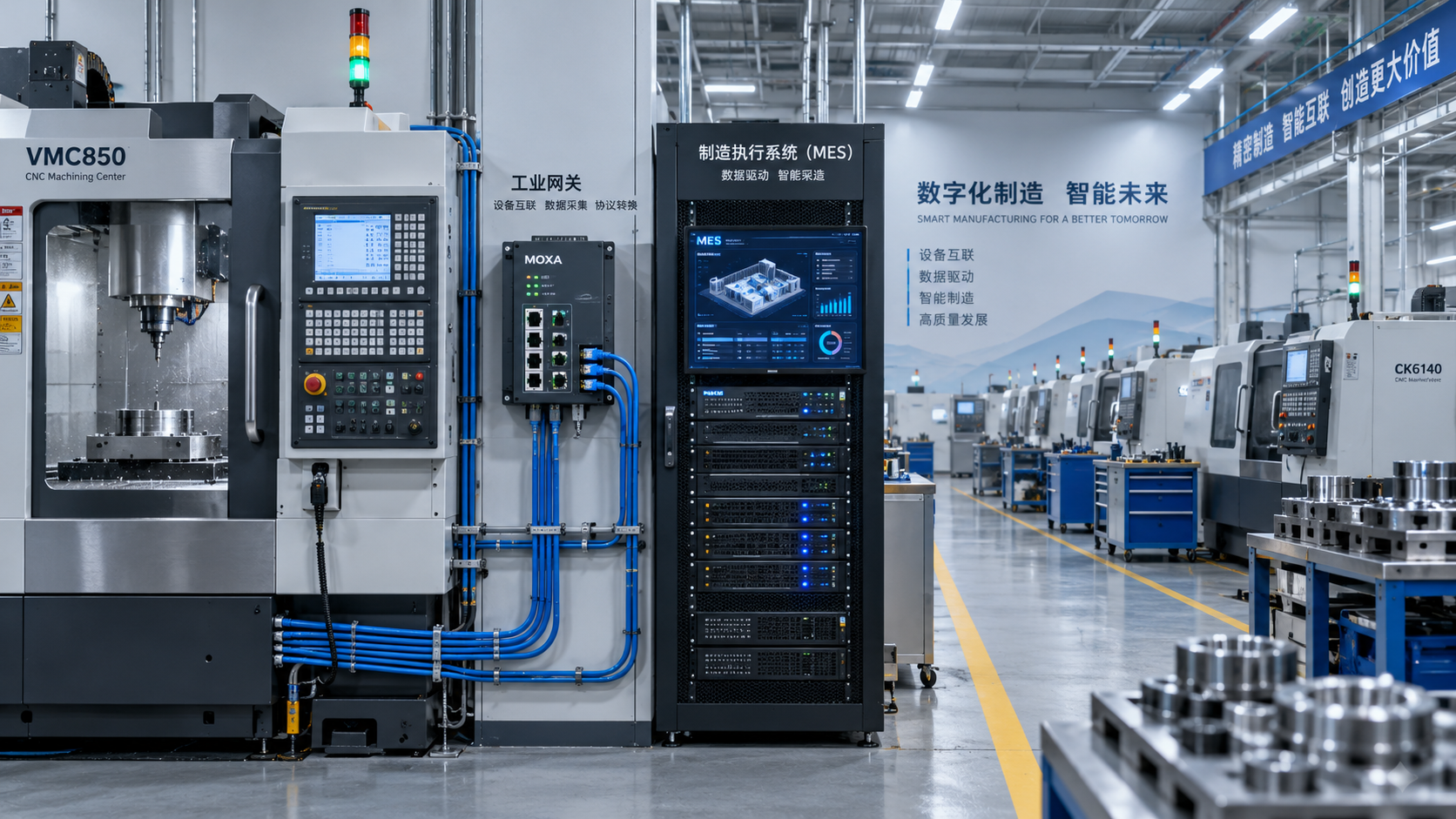
 Digital Manufacturing for Smart Factories: Connecting Legacy Machines to MESMachine Tool Industry Editorial Team
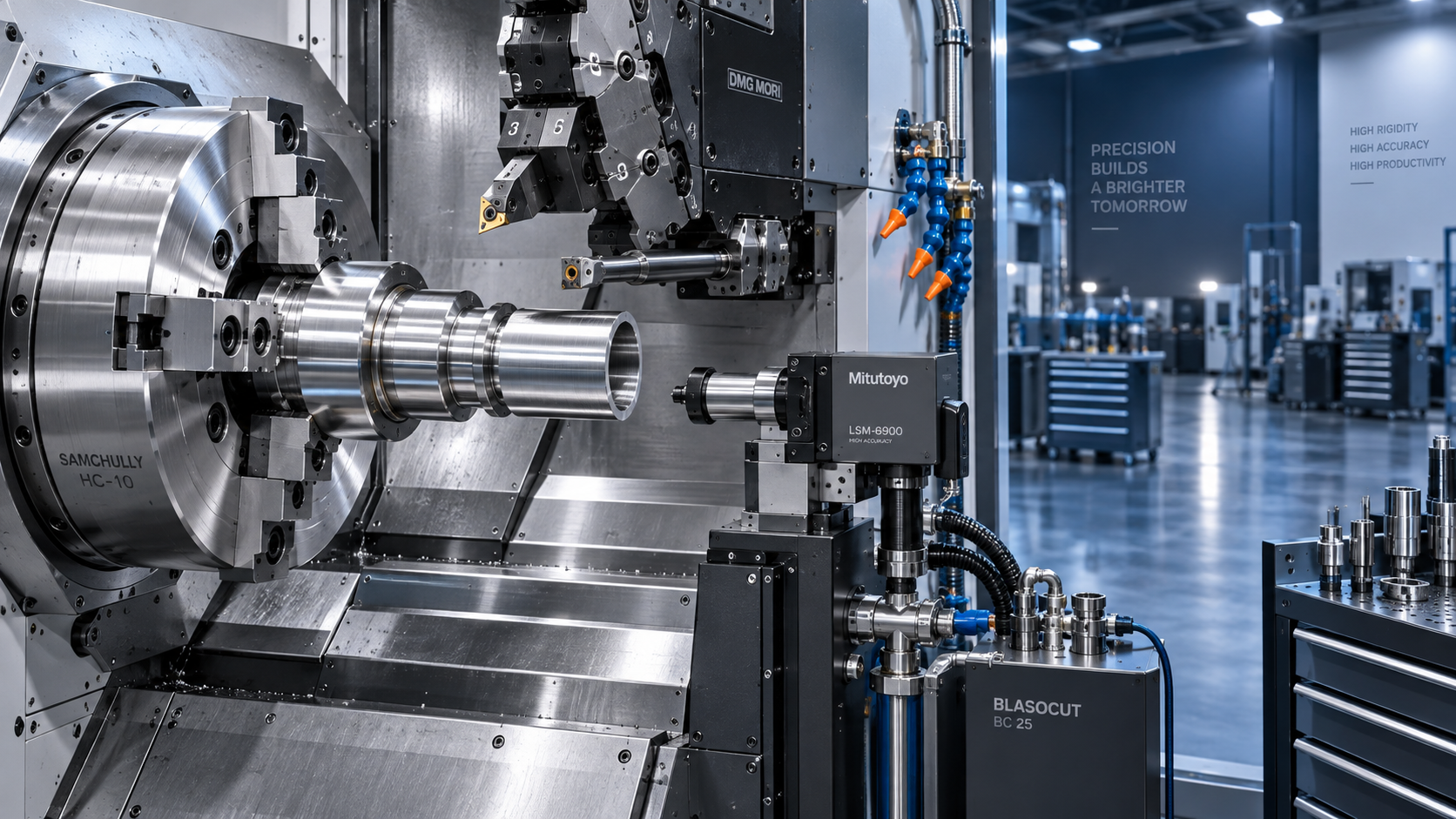
 How to Select a CNC Metal Lathe for Tight-Tolerance Shaft and Sleeve PartsCNC Machining Technology Center
 How to Select an Industrial Lathe for High-Volume Shaft ProductionMachine Tool Industry Editorial Team
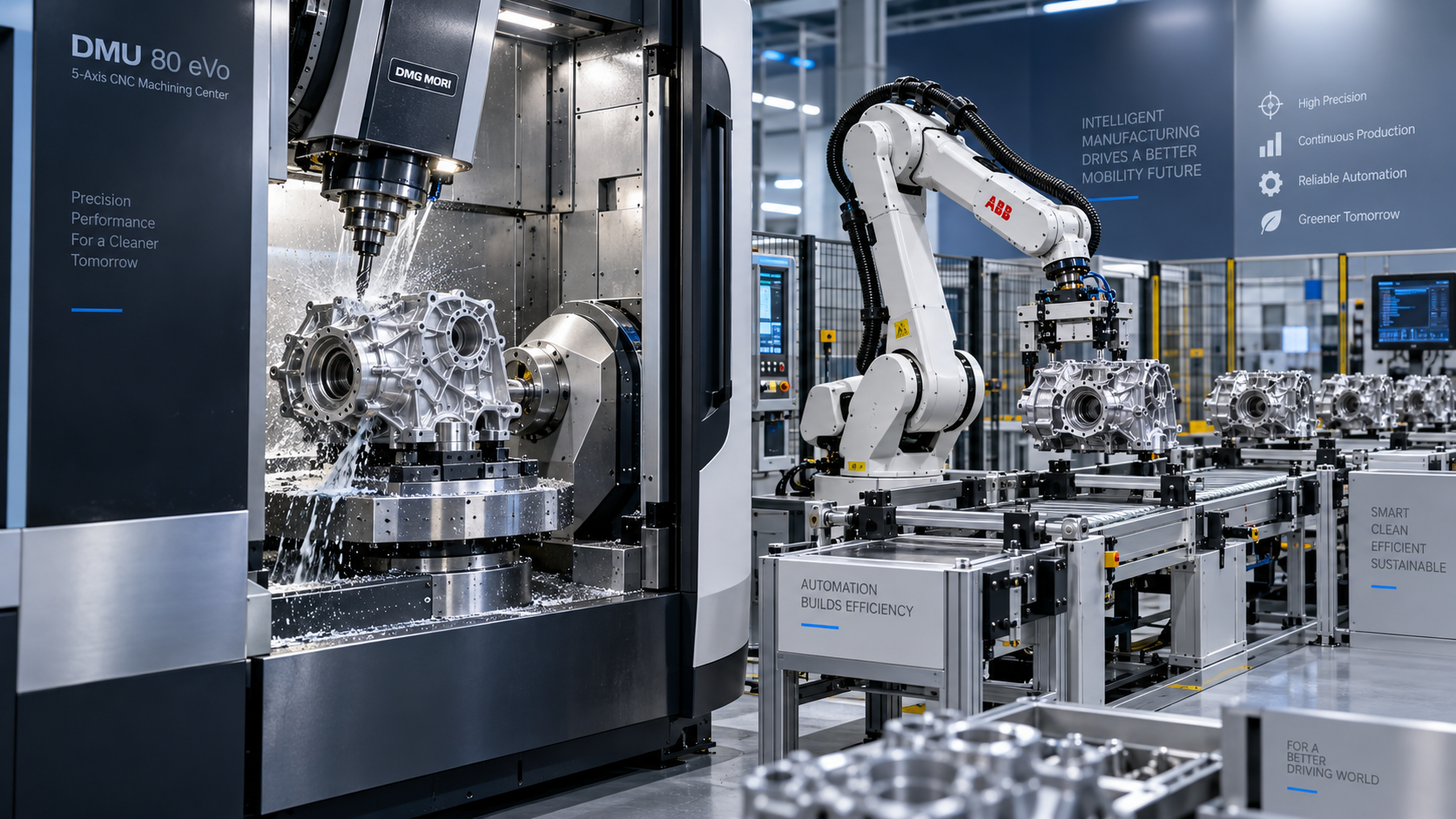
 Selecting Machine Tools for Automotive Parts: Accuracy, Throughput, and AutomationMachine Tool Industry Editorial Team
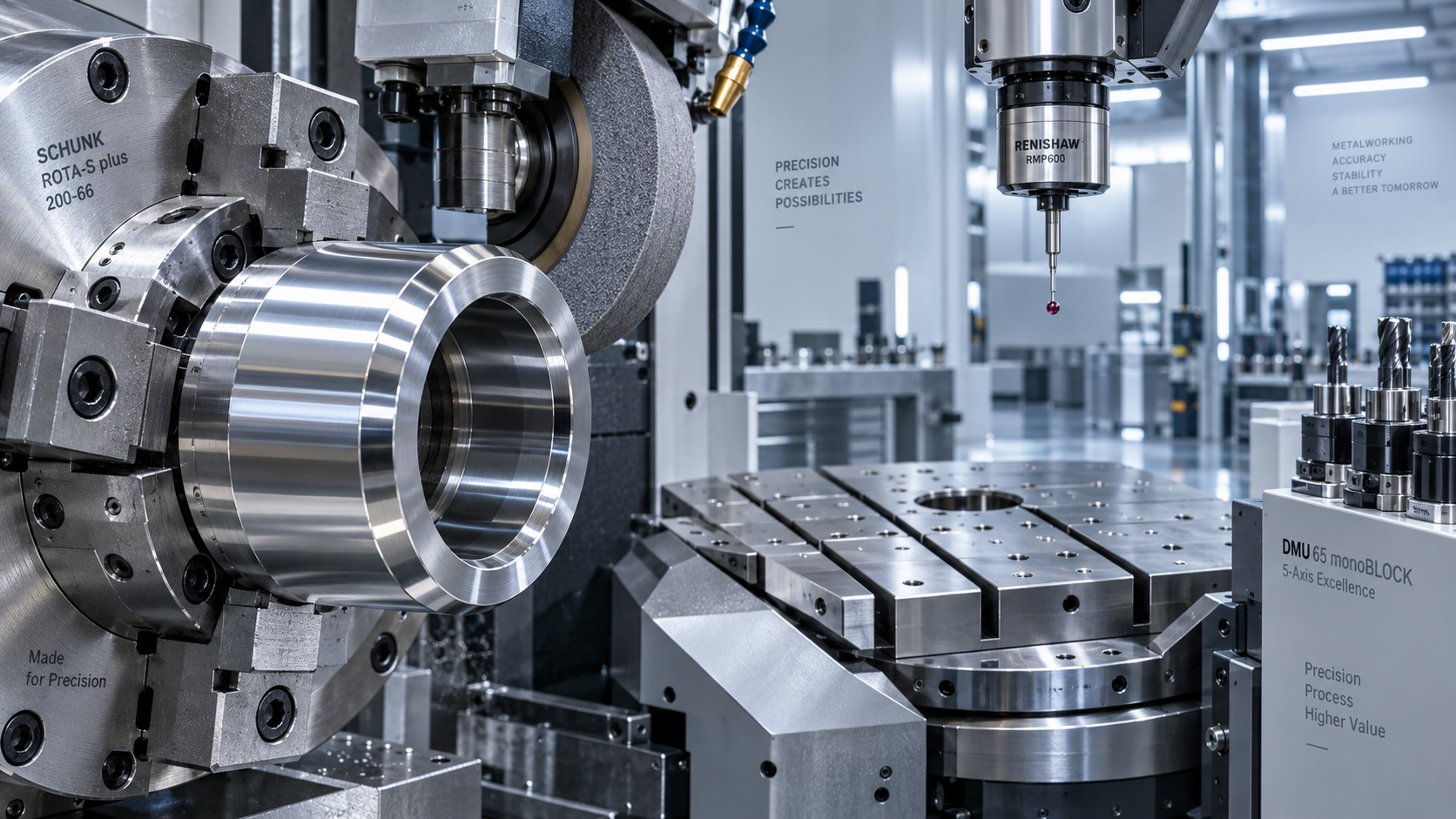
 Industrial Machining: Selecting Processes for Tight-Tolerance Metal PartsCNC Machining Technology Center
 Manufacturing Technology Trends That Improve Throughput and Quality ControlManufacturing Market Research Center



Aris Katos
Future of Carbide Coatings
15+ years in precision manufacturing systems. Specialized in high-speed milling and aerospace grade alloy processing.
▶
Machine Tool Standards by Country: What Importers Must Verify Before PurchaseManufacturing Policy Research Center▶
EU Sets CE-EMC+AI Certification Rule for CNC ExportsManufacturing Policy Research Center▶
EU Rule Update Raises CNC Safety Certification BarManufacturing Policy Research Center▶
U.S. Tightens Reviews for China CNC ExportsManufacturing Policy Research Center▶
EU Tightens CNC Export Compliance from October 2026Manufacturing Policy Research Center
Mastering 5-Axis Workholding Strategies
Join our technical panel on Nov 15th to learn about reducing vibrations in thin-wall components.

Providing you with integrated sanding solutions
Before-sales and after-sales services
Comprehensive technical support