• Global CNC market projected to reach $128B by 2028 • New EU trade regulations for precision tooling components • Aerospace deman
NYSE: CNC +1.2%LME: STEEL -0.4%

China’s Largest Scientific AI Computing Cluster Goes Live in Zhengzhou

On April 14, 2026, China launched its largest-scale scientific intelligent computing cluster at the Zhengzhou National Supercomputing Internet Core Node—featuring 60,000 domestically developed AI acceleration chips. This infrastructure milestone directly impacts biomedicine, precision manufacturing, and medical device regulatory validation—particularly for CNC equipment used in clinical-grade implant and microfluidic chip production.
Event Overview
On April 14, 2026, the Zhengzhou National Supercomputing Internet Core Node officially activated a 60,000-GPU AI acceleration chip cluster built on domestic hardware. Publicly confirmed applications include trillion-atom water molecule simulation and direct numerical simulation of turbulence. The system is operational and has demonstrated validated performance gains in high-fidelity physical modeling tasks.
Industries Affected
Medical Device OEMs & Contract Manufacturers
These firms rely on high-precision CNC machining—especially five-axis centers for orthopedic implants and micro-milling systems for microfluidic chips. Protein folding simulation acceleration (up to 1,000×) enables faster computational verification of machining-induced material stress, surface integrity, and geometric fidelity—key inputs for FDA/CE design verification protocols. As a result, process validation cycles for clinical-grade components may shorten by 3–5 months.
Regulatory Affairs & Quality Assurance Teams
Validation timelines for ISO 13485-compliant processes—and submissions under FDA 21 CFR Part 820 or MDR Annex II—are increasingly dependent on digital twin-based evidence. The cluster’s capacity to simulate atomic-level interactions during machining supports traceable, physics-informed justification of process parameters—potentially reducing reliance on empirical testing alone.
International Procurement & Sourcing Offices
Overseas buyers evaluating Chinese suppliers for Class II/III medical devices can now assess not only current compliance status but also demonstrable capacity for rapid iteration—e.g., adapting toolpaths or heat treatment profiles in response to new regulatory feedback. This capability signals improved responsiveness in post-market surveillance and design change management.
What Relevant Enterprises or Practitioners Should Monitor and Do Now
Track official technical documentation from the Zhengzhou Supercomputing Center
Monitor public releases regarding access policies, API specifications, and benchmarked use cases for manufacturing simulation—especially those referencing ISO/IEC 15288 or ASTM F3302 standards for digital twin validation in medical device development.
Assess compatibility of existing CAM and CAE workflows with large-scale distributed simulation environments
Verify whether current toolpath optimization, thermal distortion modeling, or residual stress simulation tools support integration with cloud-accessible HPC resources—particularly those requiring GPU-accelerated molecular dynamics or lattice Boltzmann solvers.
Distinguish between near-term validation acceleration and long-term certification impact
While faster simulation shortens internal R&D cycles, regulatory agencies have not yet issued guidance endorsing AI-accelerated modeling as standalone evidence for design verification. Maintain parallel empirical validation pathways until formal recognition is published by FDA, EMA, or NMPA.
Engage early with domestic HPC service providers on pilot access opportunities
Priority access to the Zhengzhou cluster may be allocated via application-based review. Firms developing next-generation surgical guides, bioresorbable stents, or organ-on-chip platforms should prepare technical proposals outlining specific simulation requirements aligned with the cluster’s verified capabilities (e.g., turbulent flow in microchannels, protein-surface adsorption kinetics).
Editorial Perspective / Industry Observation
Observably, this deployment is less an immediate certification enabler and more a structural signal: it reflects growing alignment between national HPC infrastructure strategy and regulated manufacturing needs. Analysis shows that the 1,000× speedup in protein folding simulation is a proxy for broader gains in multi-scale physical modeling—relevant not only to biomolecular design but also to material behavior under ultra-precise machining conditions. From an industry perspective, the event marks the beginning of infrastructure-enabled convergence between computational biology and precision engineering. However, current adoption remains constrained by workflow integration maturity—not raw compute availability. Continued observation is warranted on how quickly standards bodies incorporate such capabilities into validation frameworks.
This initiative does not replace existing regulatory pathways—but it does shift the cost-benefit calculus for investing in simulation-driven quality systems. For global procurement teams, it offers a measurable indicator of technical agility among Chinese medical device suppliers—not just in output volume, but in iterative responsiveness to clinical and regulatory feedback.
Conclusion
The activation of China’s largest scientific AI computing cluster represents an infrastructure-level advancement with tangible implications for medical device development timelines, particularly where high-precision CNC processing intersects with biological interface requirements. It is best understood not as a standalone regulatory shortcut, but as an emerging enabler of faster, more physics-grounded process validation—whose practical impact will depend on integration readiness, standards evolution, and supplier-specific implementation rigor.
Source Attribution
Main source: Official announcement by Zhengzhou National Supercomputing Internet Core Node, dated April 14, 2026.
Points requiring ongoing observation: Formal recognition of AI-accelerated simulation outputs by FDA, EMA, or NMPA; public release of access protocols and benchmarked use cases for manufacturing-related workloads.
PREVIOUS ARTICLE
Recommended for You
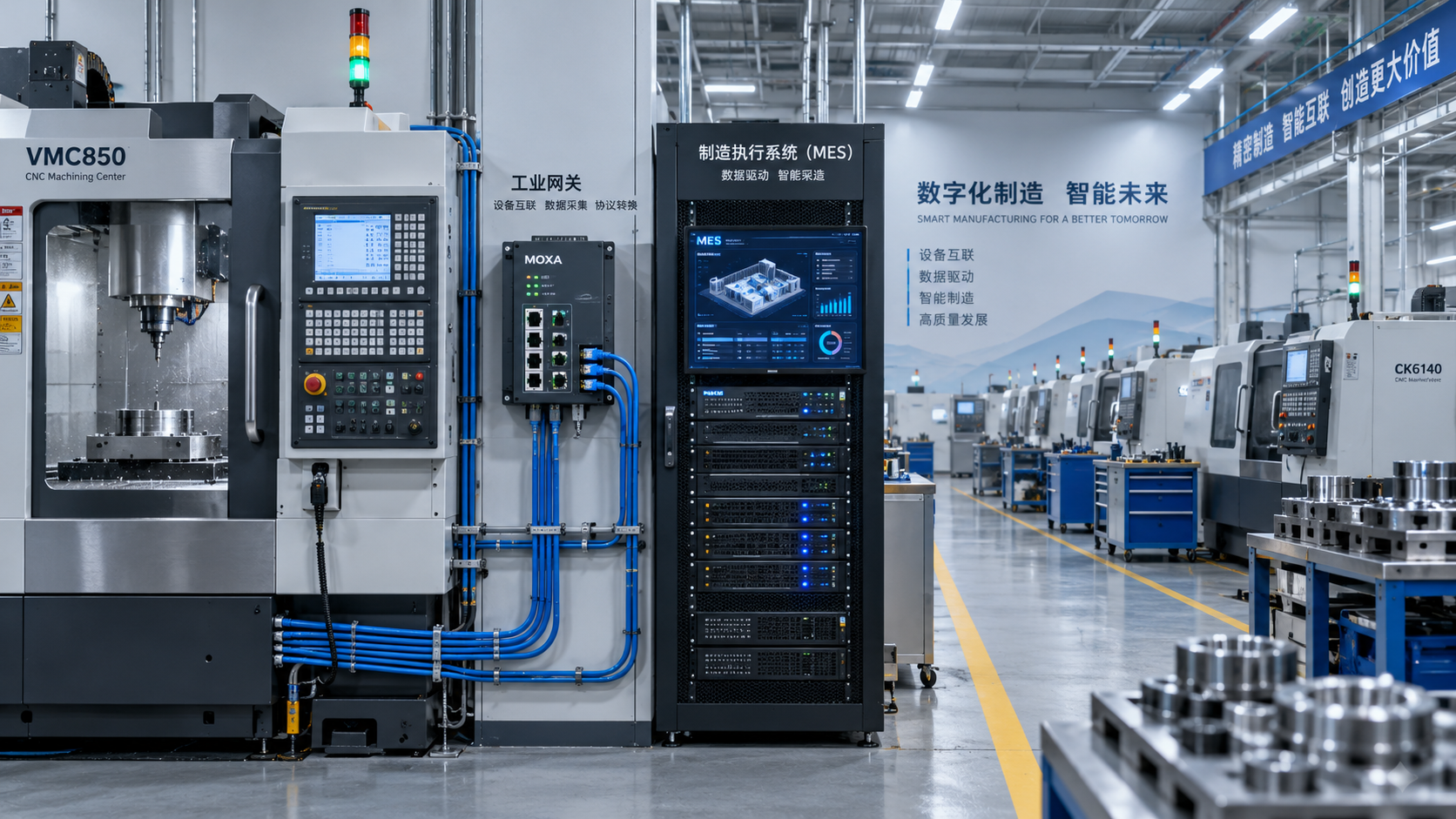
 Digital Manufacturing for Smart Factories: Connecting Legacy Machines to MESMachine Tool Industry Editorial Team
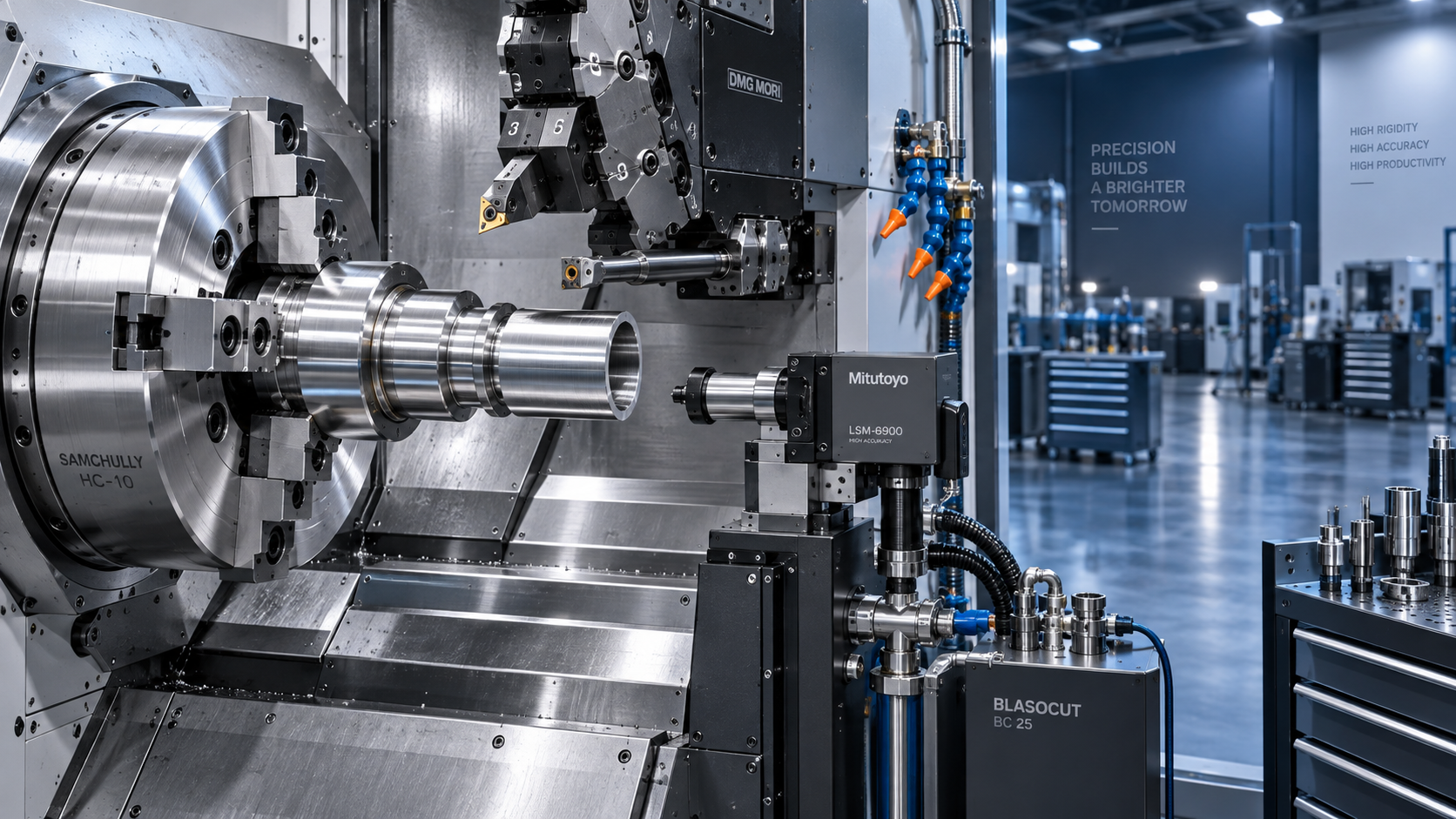
 How to Select a CNC Metal Lathe for Tight-Tolerance Shaft and Sleeve PartsCNC Machining Technology Center
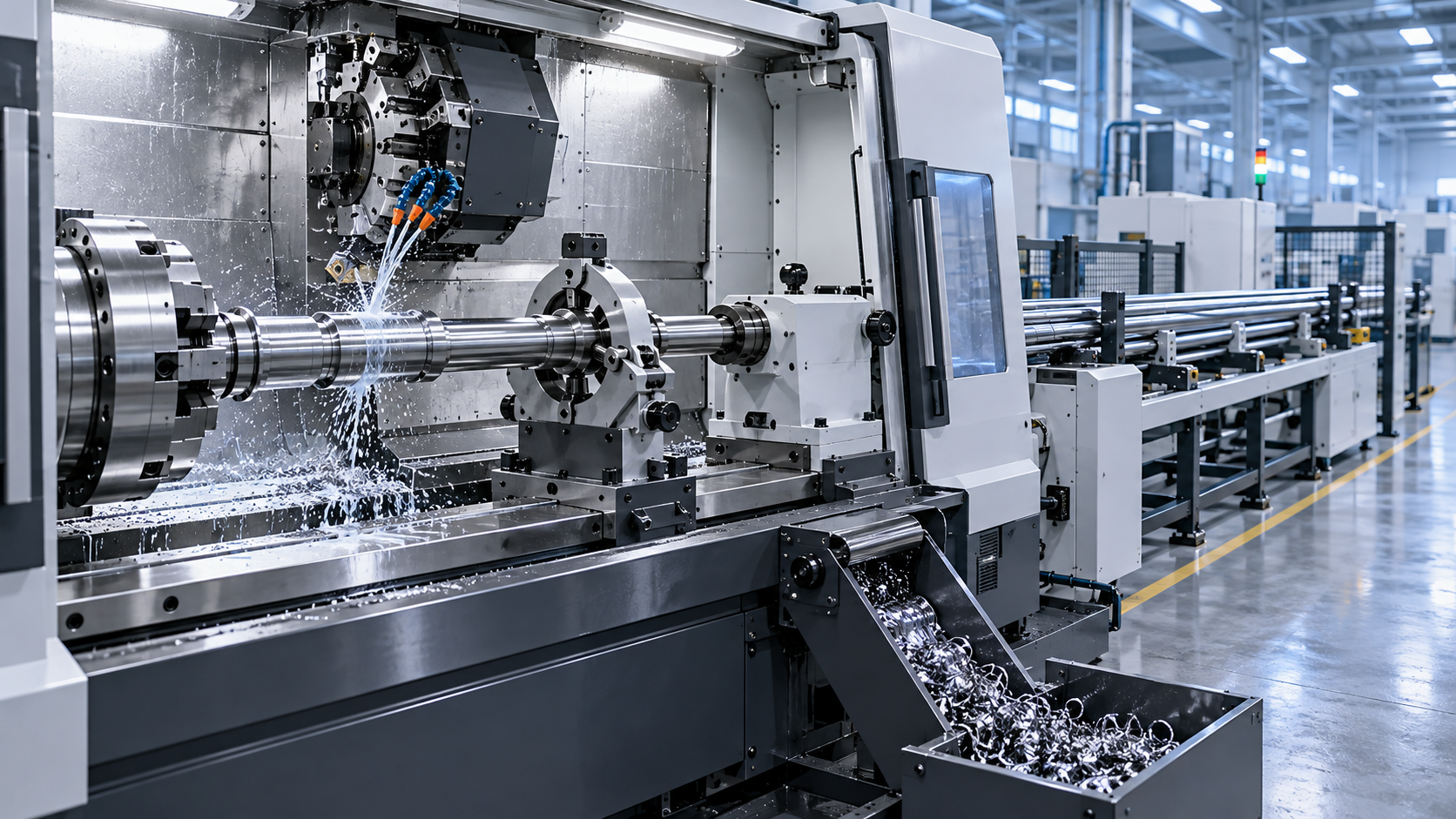
 How to Select an Industrial Lathe for High-Volume Shaft ProductionMachine Tool Industry Editorial Team
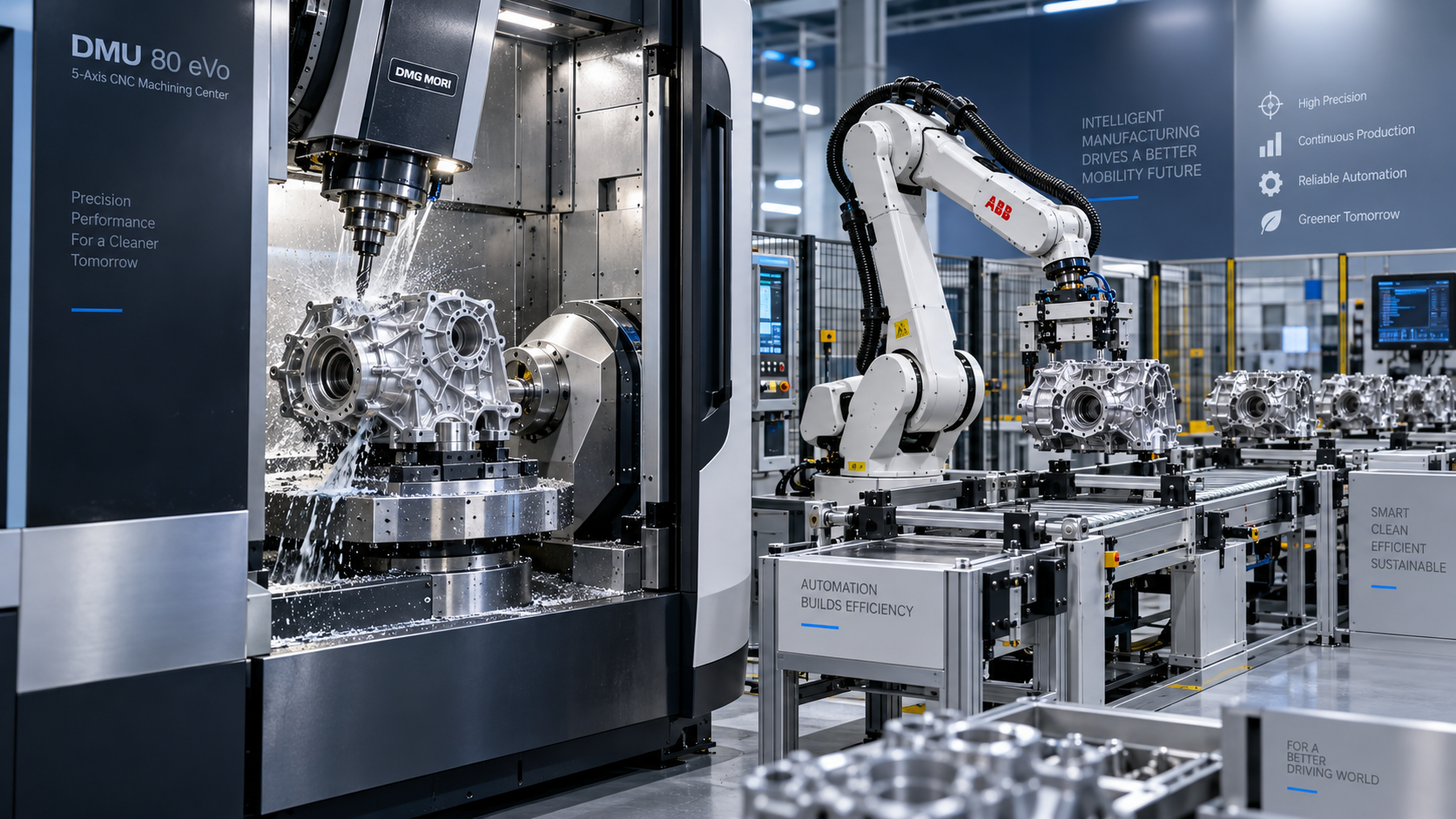
 Selecting Machine Tools for Automotive Parts: Accuracy, Throughput, and AutomationMachine Tool Industry Editorial Team
 Industrial Machining: Selecting Processes for Tight-Tolerance Metal PartsCNC Machining Technology Center
 Manufacturing Technology Trends That Improve Throughput and Quality ControlManufacturing Market Research Center

Aris Katos
Future of Carbide Coatings
15+ years in precision manufacturing systems. Specialized in high-speed milling and aerospace grade alloy processing.
▶
Is Learning CNC Programming Worth It for Shop Owners Seeking Higher Margins?CNC Machining Technology Center▶
How to Select CNC Equipment for High-Mix, Low-Volume ProductionCNC Machining Technology Center▶
Can CNC Machining Inconel Control Tool Wear in High-Temperature Aerospace Parts?CNC Machining Technology Center▶
How Automated Precision Machining Maintains Tolerance in High-Mix ProductionCNC Machining Technology Center▶
CNC Programming Explained: From CAD Models to Reliable Shop-Floor ToolpathsCNC Machining Technology Center
Mastering 5-Axis Workholding Strategies
Join our technical panel on Nov 15th to learn about reducing vibrations in thin-wall components.

Providing you with integrated sanding solutions
Before-sales and after-sales services
Comprehensive technical support