• Global CNC market projected to reach $128B by 2028 • New EU trade regulations for precision tooling components • Aerospace deman
NYSE: CNC +1.2%LME: STEEL -0.4%

Q1 2026 Lithium Battery Sector Sustains High Momentum, Storage Drives CNC Structural Part Demand

Strong performance across the lithium battery supply chain in Q1 2026—marked by accelerated expansion of energy storage-dedicated production lines by leading cell manufacturers—has intensified demand for high-precision structural components processed on five-axis CNC machines. This development warrants close attention from precision machining providers, metal component suppliers, and Tier 2–3 automotive/energy storage system integrators, as it signals a structural shift in manufacturing requirements and capacity allocation.
Event Overview
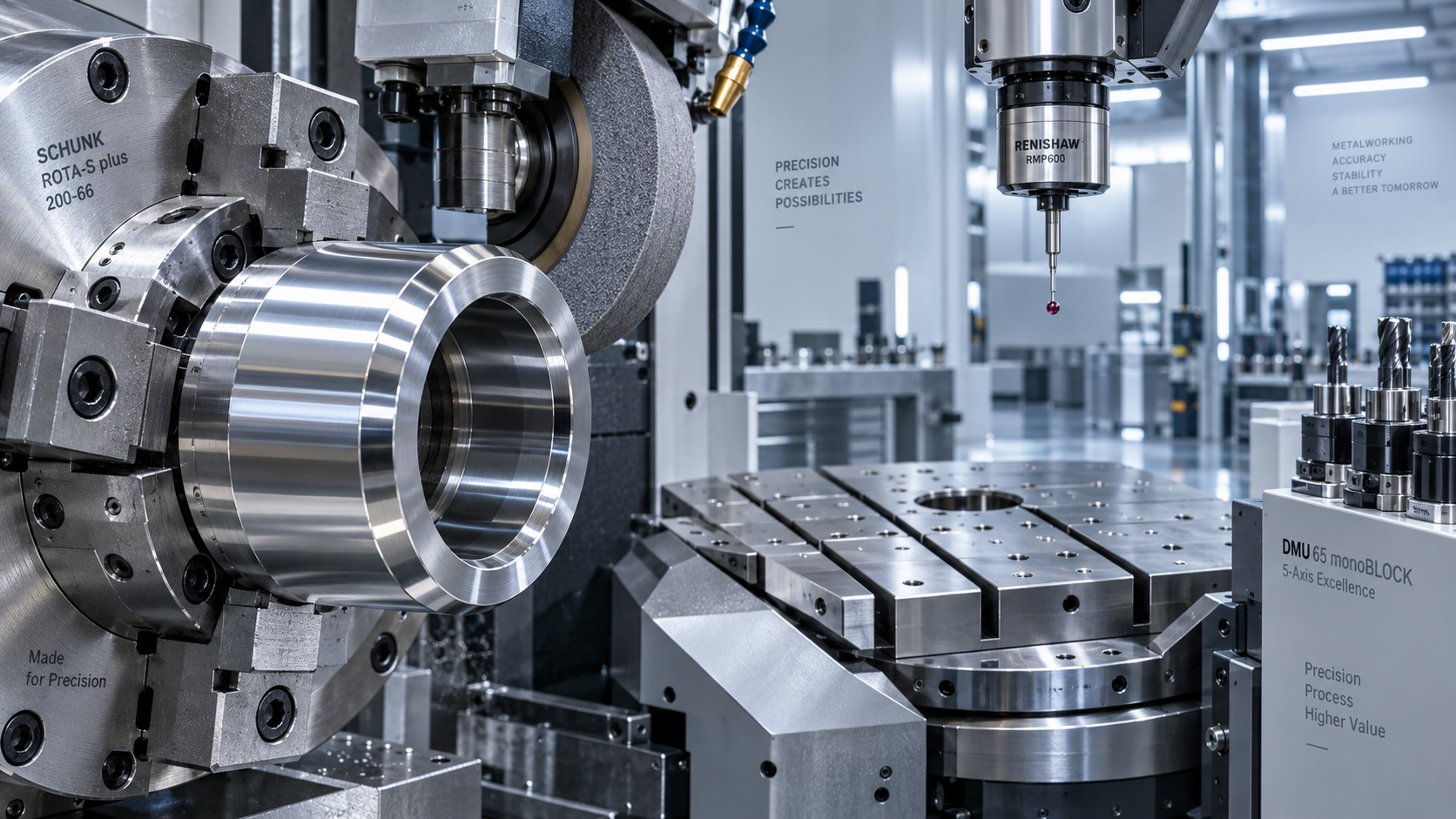
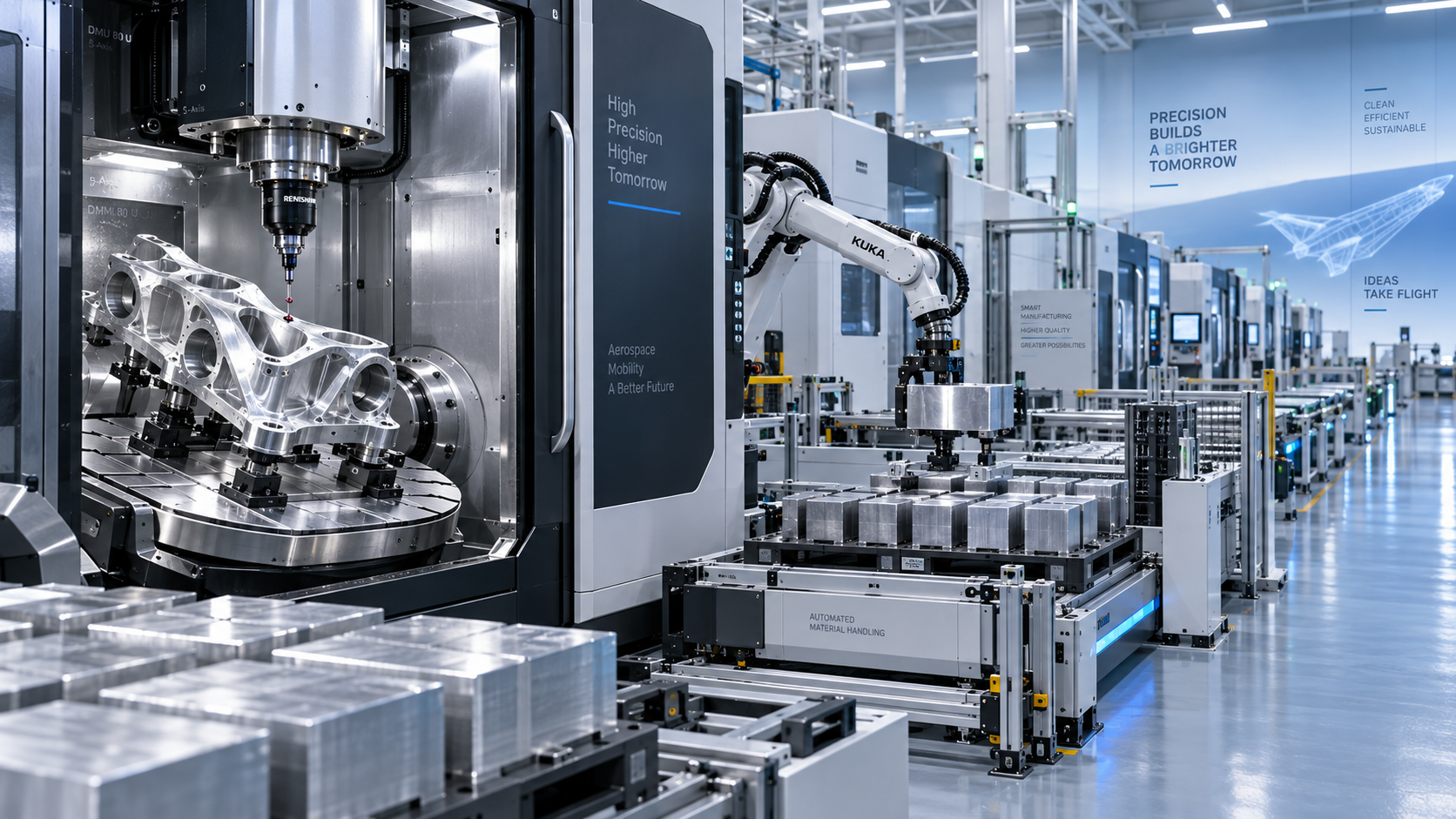
As of April 24, 2026, publicly reported financial results and operational updates indicate broad-based growth among lithium battery industry participants in Q1 2026. Top-tier battery producers are expanding dedicated energy storage production capacity. Critical structural parts—including liquid cooling plates, module brackets, and high-voltage connectors—now require five-axis simultaneous machining, micron-level geometric tolerance control (e.g., position, flatness), and processing of difficult-to-machine alloys such as AlSi10Mg and 300-series stainless steel. Overseas energy storage system integrators are actively auditing Chinese five-axis CNC suppliers’ process capabilities and IATF 16949 certification coverage. Current lead times for such components have extended to 14–18 weeks.
Impact on Specific Subsectors
Component Manufacturing Enterprises (Precision Machining Focused)
These enterprises face direct demand pressure due to tightening technical specifications and longer order cycles. Impact manifests in three key areas: increased validation workload for new alloy machining processes; higher scrutiny of IATF 16949 scope alignment with storage-specific product families; and compressed margin flexibility amid rising raw material and calibration costs.
Raw Material Suppliers (Aluminum Die-Cast & Stainless Steel Mill Products)
Suppliers of AlSi10Mg preforms and certified 300-series stainless steel bar/plate experience selective volume growth—not broad-based—but concentrated among customers qualified for storage structural part programs. Impact centers on traceability documentation rigor, tighter batch-level mechanical property reporting, and accelerated response timelines for material certifications requested by downstream CNC shops.
Supply Chain Service Providers (Logistics, Metrology, Tooling)
Third-party metrology labs and specialized cutting tool distributors report rising requests for in-process GD&T verification support and wear-resistant tooling validated for AlSi10Mg roughing/final finishing. Impact includes higher utilization of coordinate measuring machines (CMM) equipped with thermal compensation, and growing need for tool life tracking integrated into shop-floor MES systems.
What Relevant Enterprises or Practitioners Should Focus On and How to Respond
Verify IATF 16949 scope coverage against storage-specific part families
Enterprises currently certified under IATF 16949 should audit whether their certified scope explicitly includes design and/or manufacturing of structural components for stationary energy storage systems—not just automotive traction batteries. Gaps may delay qualification with overseas integrators.
Monitor lead time extension trends for five-axis CNC capacity in Tier 1–2 industrial clusters
Regional concentration is observable: Shenzhen-Dongguan, Ningbo-Yuyao, and Suzhou-Wuxi hubs show earliest signs of sustained 14+ week lead times. Companies sourcing or subcontracting precision machining should map current supplier lead times against these geographies and assess buffer inventory feasibility for critical sub-assemblies.
Prepare technical documentation packages for alloy-specific process validation
Documentation should include: (1) proven cutting parameters for AlSi10Mg at varying wall thicknesses; (2) thermal distortion compensation routines validated on referenced five-axis platforms; (3) GD&T inspection plans aligned with ASME Y14.5–2018 for positional tolerances ≤ ±0.02 mm. These are now routine requests during supplier audits.
Track overseas integrator qualification timelines—not just RFPs
Several European and North American storage system integrators have shifted from open RFQs to closed, invitation-only supplier qualification rounds beginning Q2 2026. Engagement timing matters more than bid competitiveness alone; early registration in their supplier portals may be prerequisite for inclusion.
Editorial Perspective / Industry Observation
Observably, this is not merely a cyclical uptick in orders—it reflects a functional realignment in lithium battery value chains. As storage applications impose distinct mechanical, thermal, and longevity requirements versus EV traction packs, structural component specifications are diverging. Analysis shows that five-axis CNC capacity is becoming a bottleneck not because of machine scarcity alone, but due to the compound constraint of certified personnel, validated process knowledge, and traceable material flow—all required simultaneously for storage-grade parts. From an industry perspective, this development functions less as an isolated procurement signal and more as an inflection point in manufacturing capability segmentation: firms able to demonstrate repeatable micron-level outcomes on challenging alloys are increasingly treated as strategic partners, not commodity vendors. Continued monitoring is warranted, particularly around how lead time extensions evolve beyond Q2 and whether certification gaps become formal barriers to entry.
This information remains anchored to confirmed Q1 2026 financial disclosures and supplier audit activity reported through April 24, 2026. No forward-looking statements or unverified market projections are included.
Conclusion
The Q1 2026 lithium battery sector performance underscores a decisive pivot toward energy storage as a driver of advanced manufacturing demand—not just cell chemistry innovation. For precision engineering stakeholders, the implications are operational and strategic: longer lead times and stricter certification expectations are now measurable constraints, not hypothetical risks. It is more accurate to interpret this development as an ongoing capability test within existing supply chains, rather than a short-term demand surge. Rational response prioritizes documentation readiness, scope alignment, and geographic lead time mapping over broad capacity expansion.
Source Attribution
Main source: Publicly disclosed Q1 2026 financial reports and operational updates from leading lithium battery manufacturers, as of April 24, 2026. Supplier audit activity data sourced from verified communications between Chinese five-axis CNC service providers and overseas energy storage system integrators. Areas requiring continued observation include: evolution of IATF 16949 scope interpretation by certification bodies for stationary storage applications, and potential standardization efforts around GD&T requirements for liquid cooling plates.
PREVIOUS ARTICLE
NEXT ARTICLE
Recommended for You
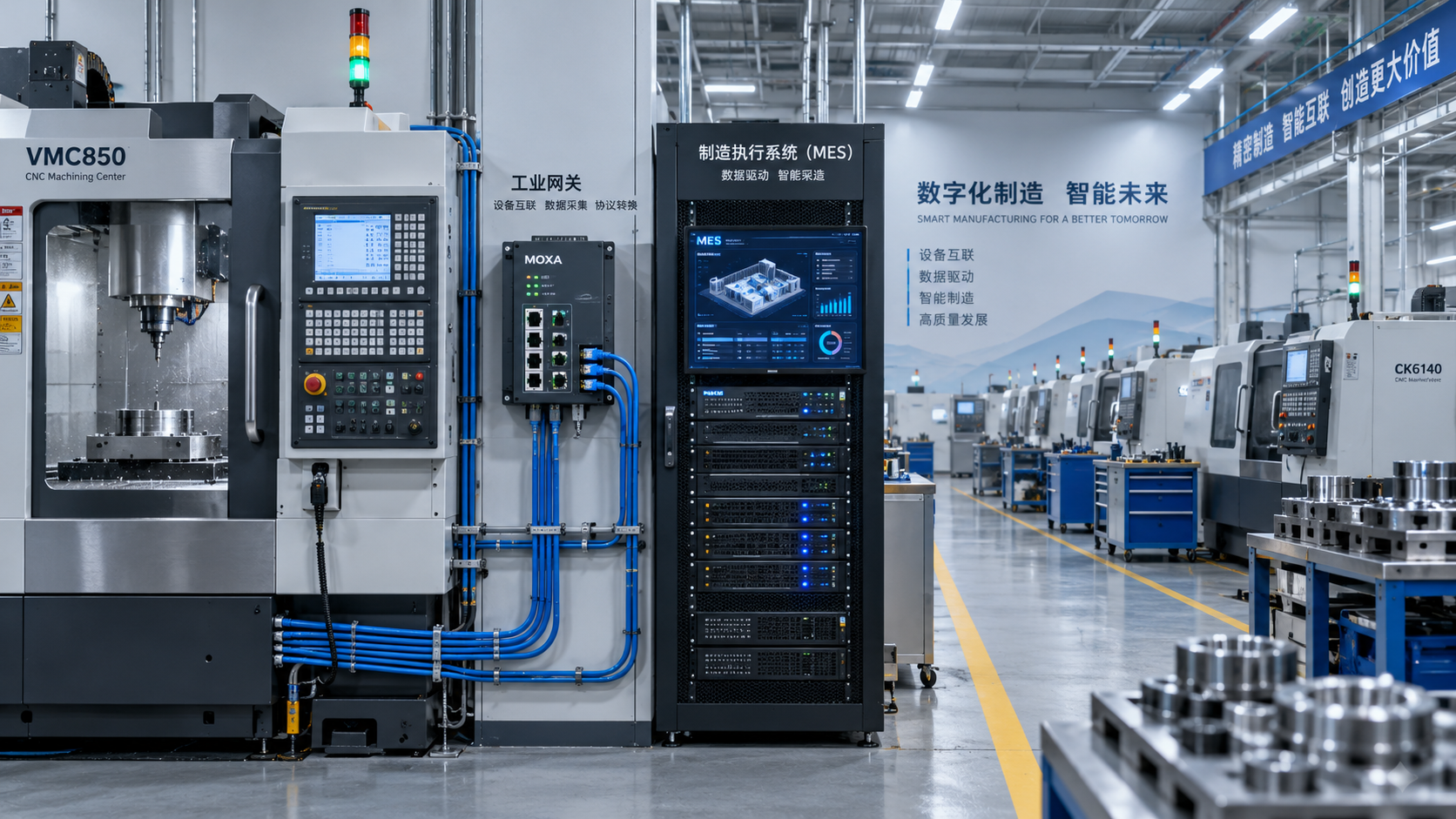
 Digital Manufacturing for Smart Factories: Connecting Legacy Machines to MESMachine Tool Industry Editorial Team
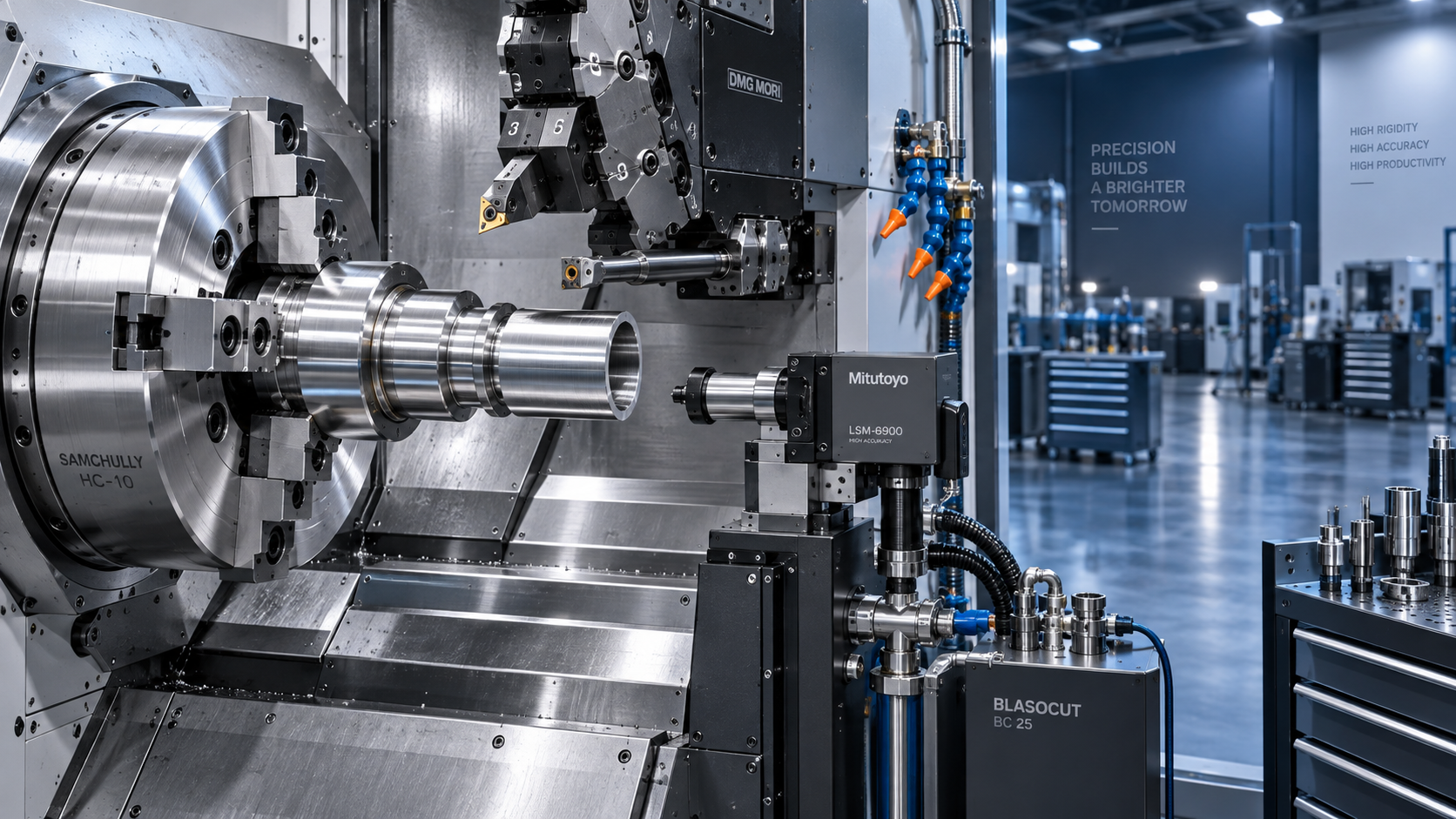
 How to Select a CNC Metal Lathe for Tight-Tolerance Shaft and Sleeve PartsCNC Machining Technology Center
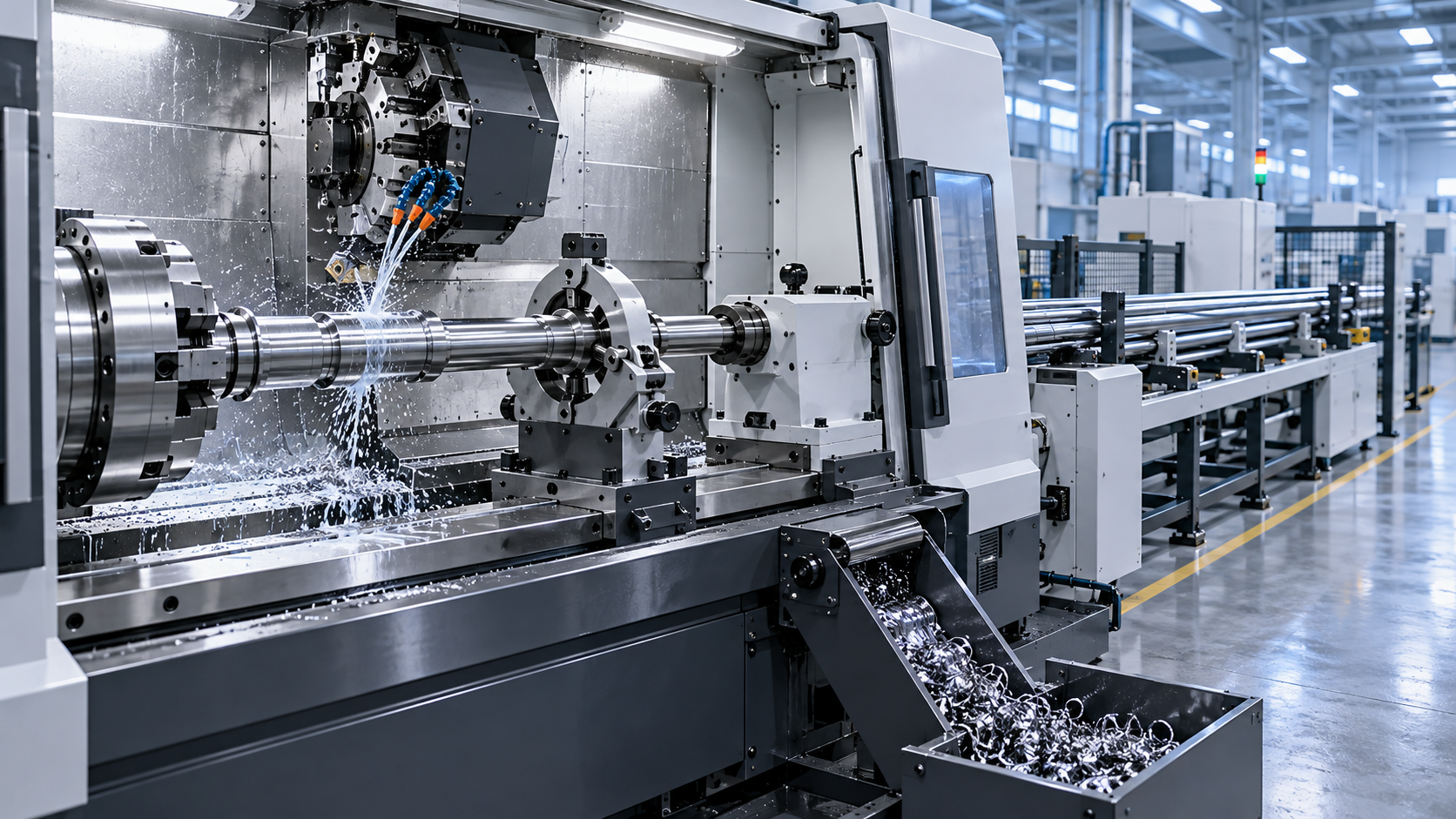
 How to Select an Industrial Lathe for High-Volume Shaft ProductionMachine Tool Industry Editorial Team
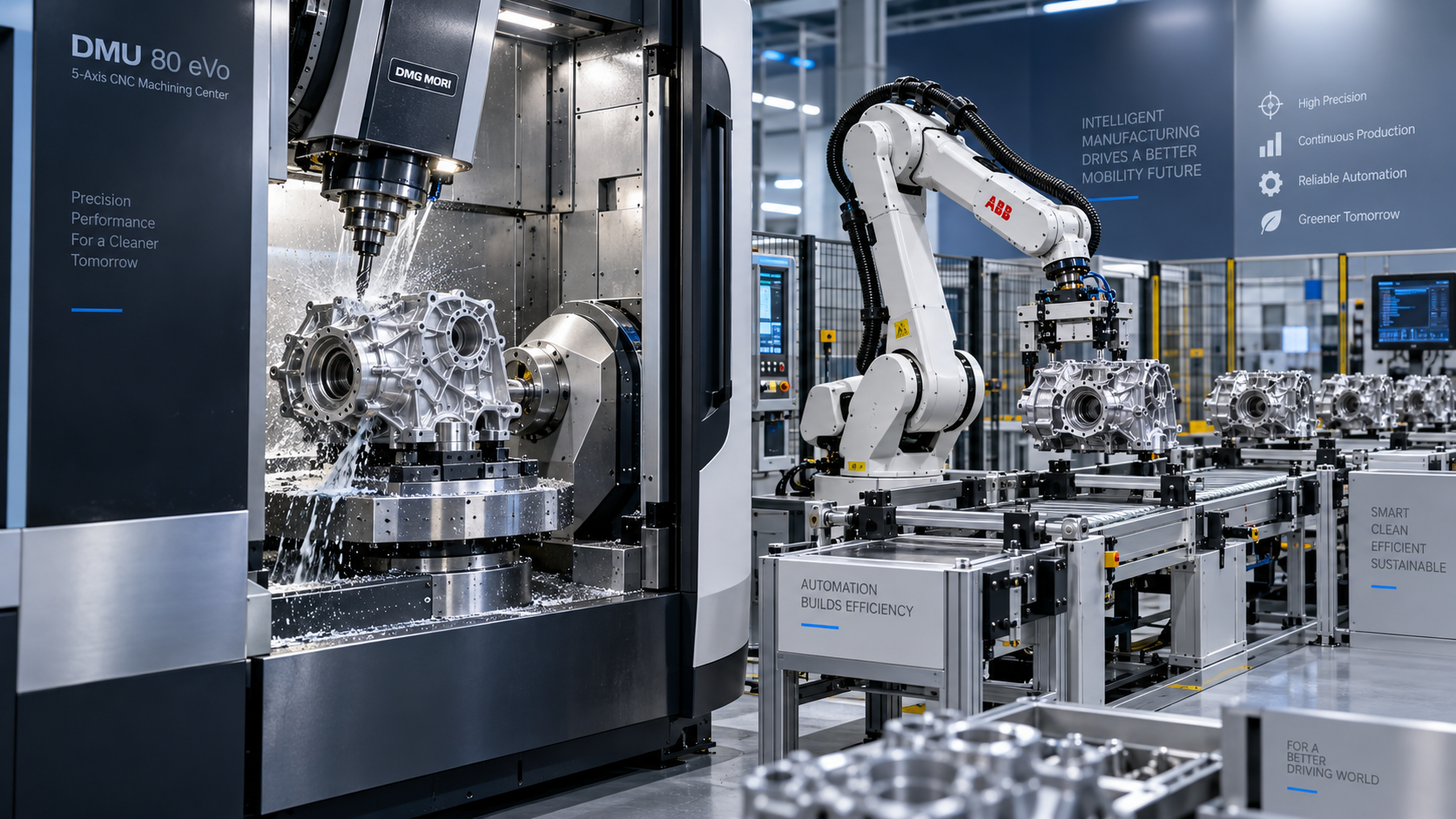
 Selecting Machine Tools for Automotive Parts: Accuracy, Throughput, and AutomationMachine Tool Industry Editorial Team
 Industrial Machining: Selecting Processes for Tight-Tolerance Metal PartsCNC Machining Technology Center
 Manufacturing Technology Trends That Improve Throughput and Quality ControlManufacturing Market Research Center

Aris Katos
Future of Carbide Coatings
15+ years in precision manufacturing systems. Specialized in high-speed milling and aerospace grade alloy processing.
▶
Japan Subsidy Plan Narrows CNC Export OpeningsManufacturing Market Research Center▶
Industrial Robotics ROI: Cost Drivers, Integration Risks, and Payback Benchmarks for BuyersManufacturing Market Research Center▶
India’s 20% Rice Export Tax Lifts Demand for Processing EquipmentManufacturing Market Research Center▶
Anhui Growth Lifts Demand for High-End Machine ToolsManufacturing Market Research Center▶
China CNC Rate to Hit 75% by 2027Manufacturing Market Research Center
Mastering 5-Axis Workholding Strategies
Join our technical panel on Nov 15th to learn about reducing vibrations in thin-wall components.

Providing you with integrated sanding solutions
Before-sales and after-sales services
Comprehensive technical support