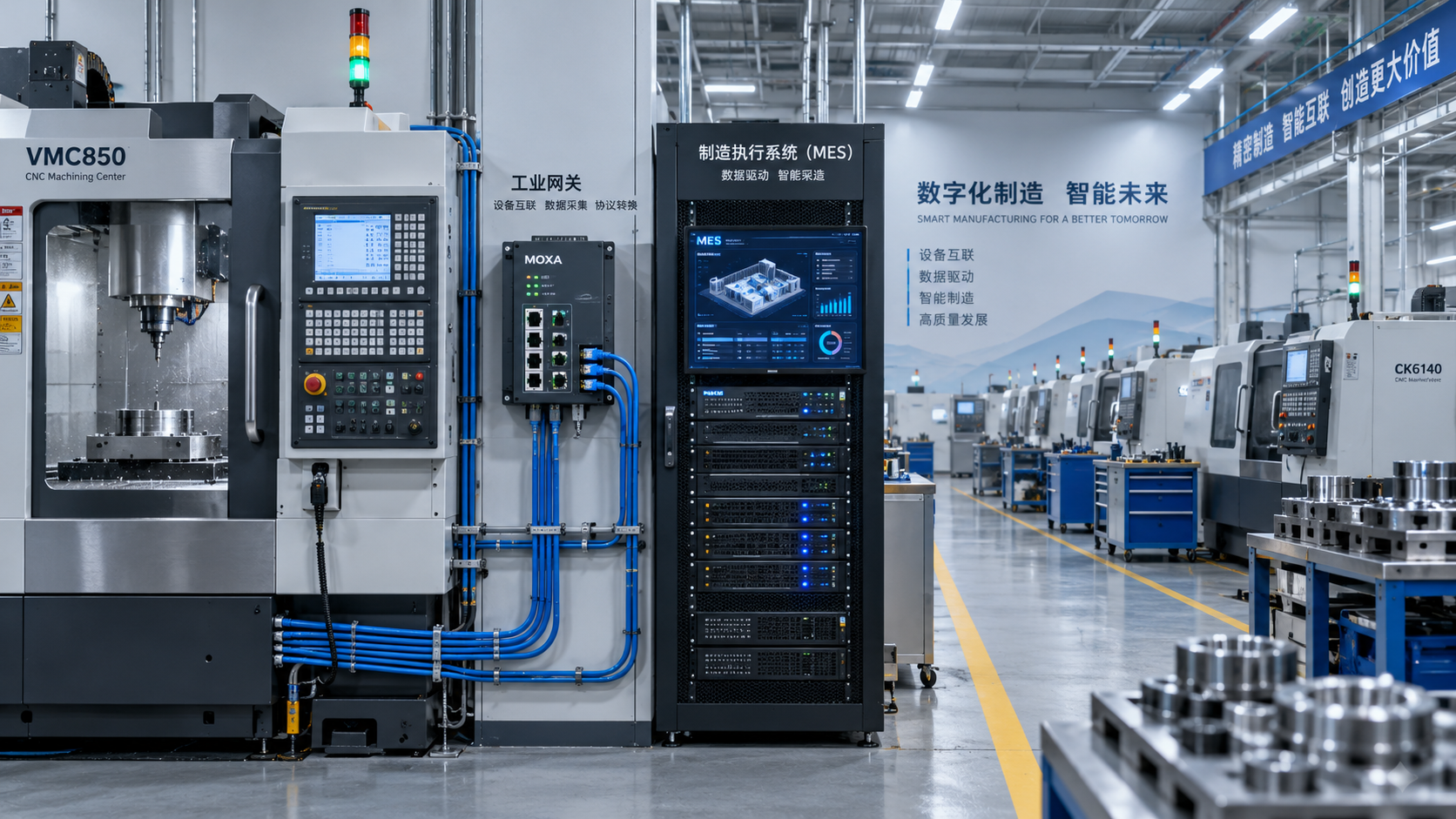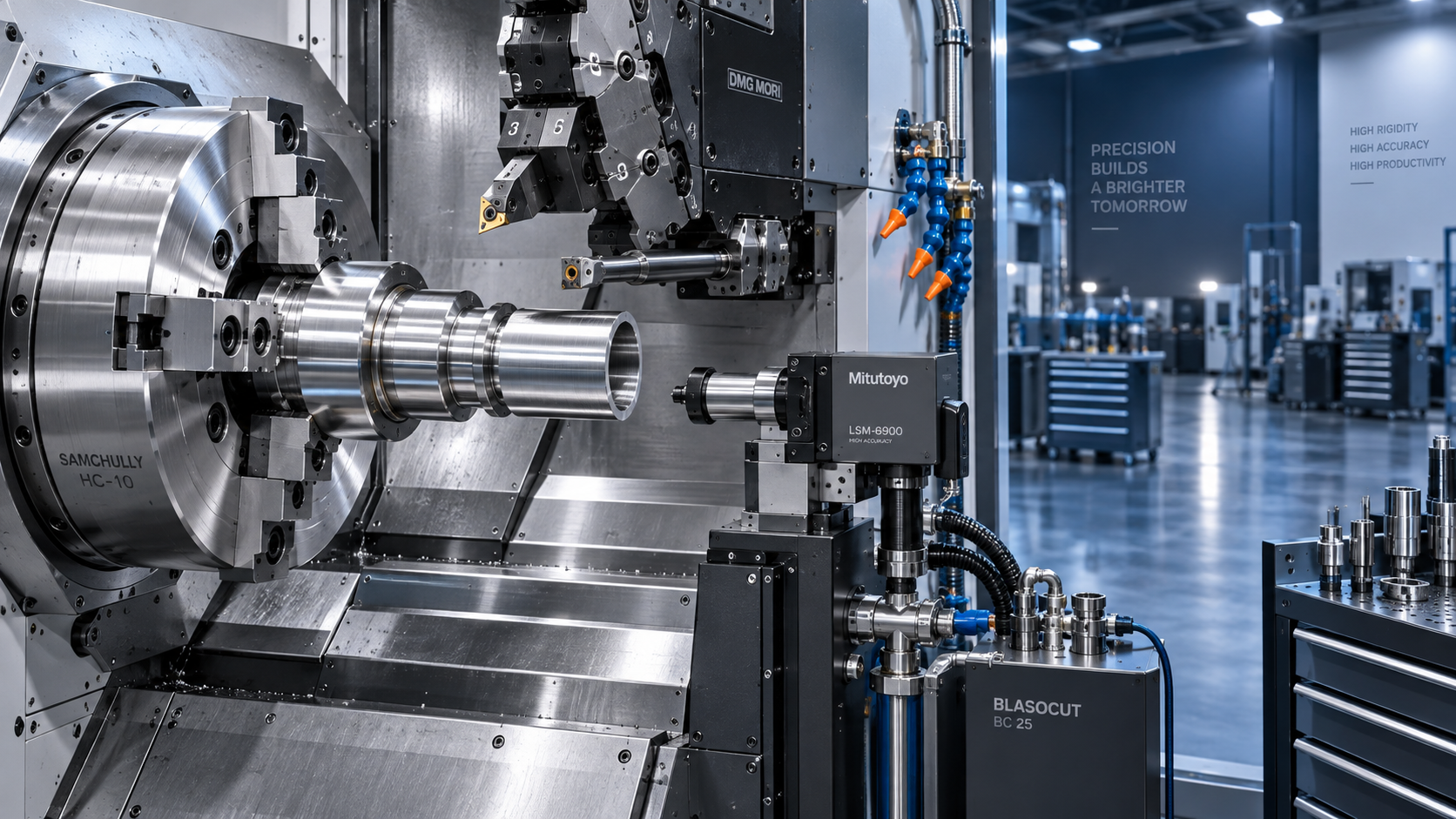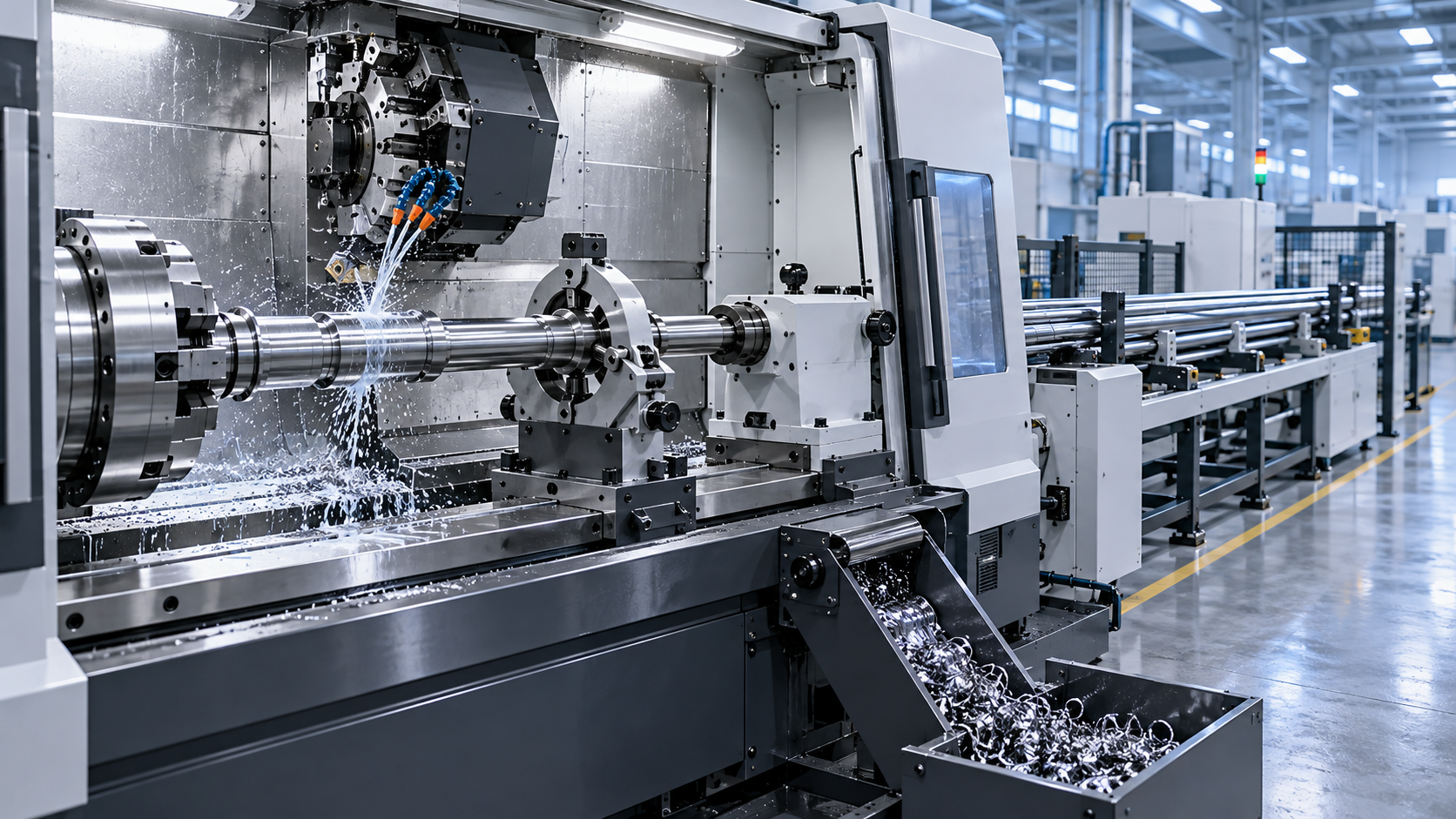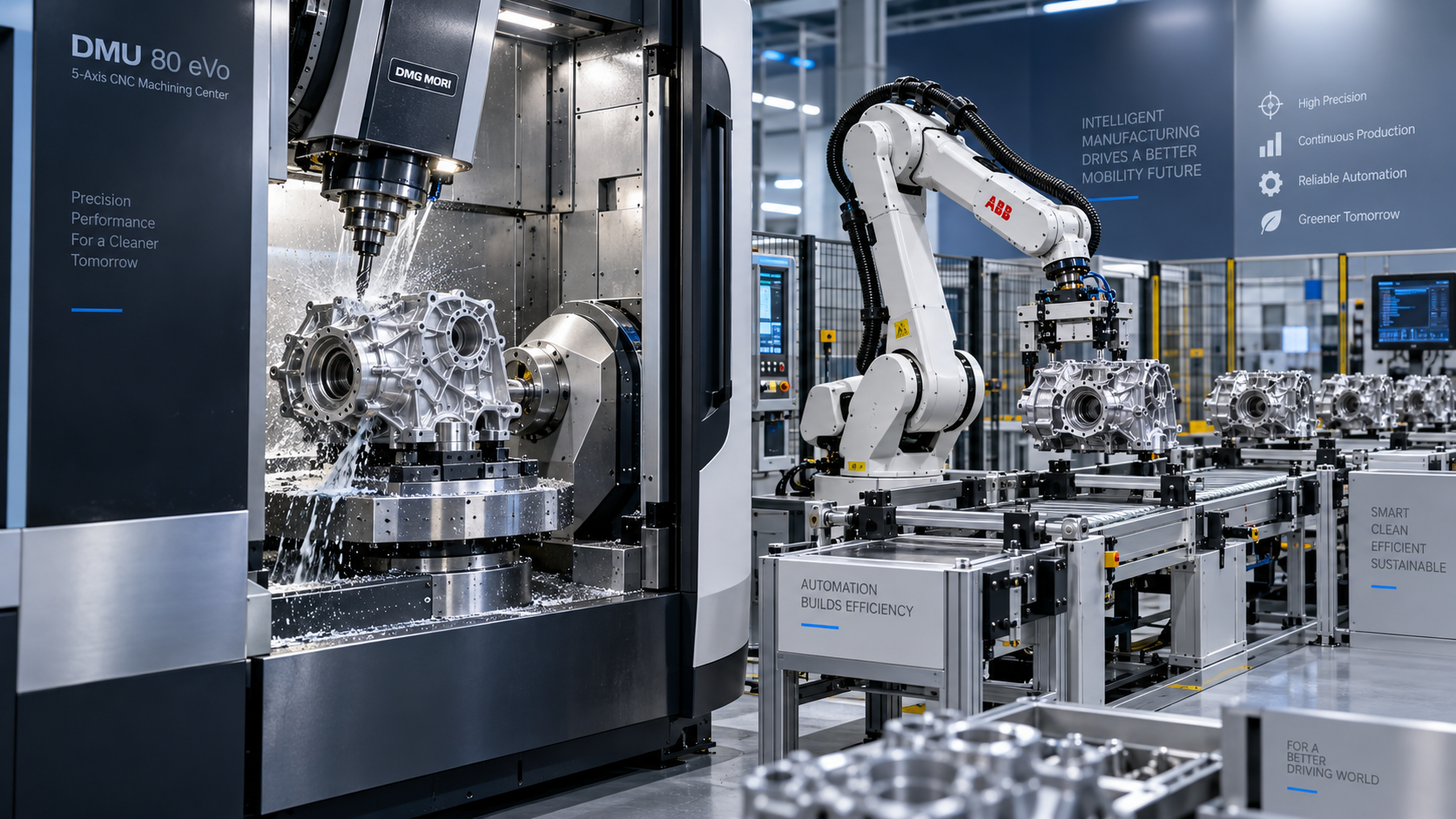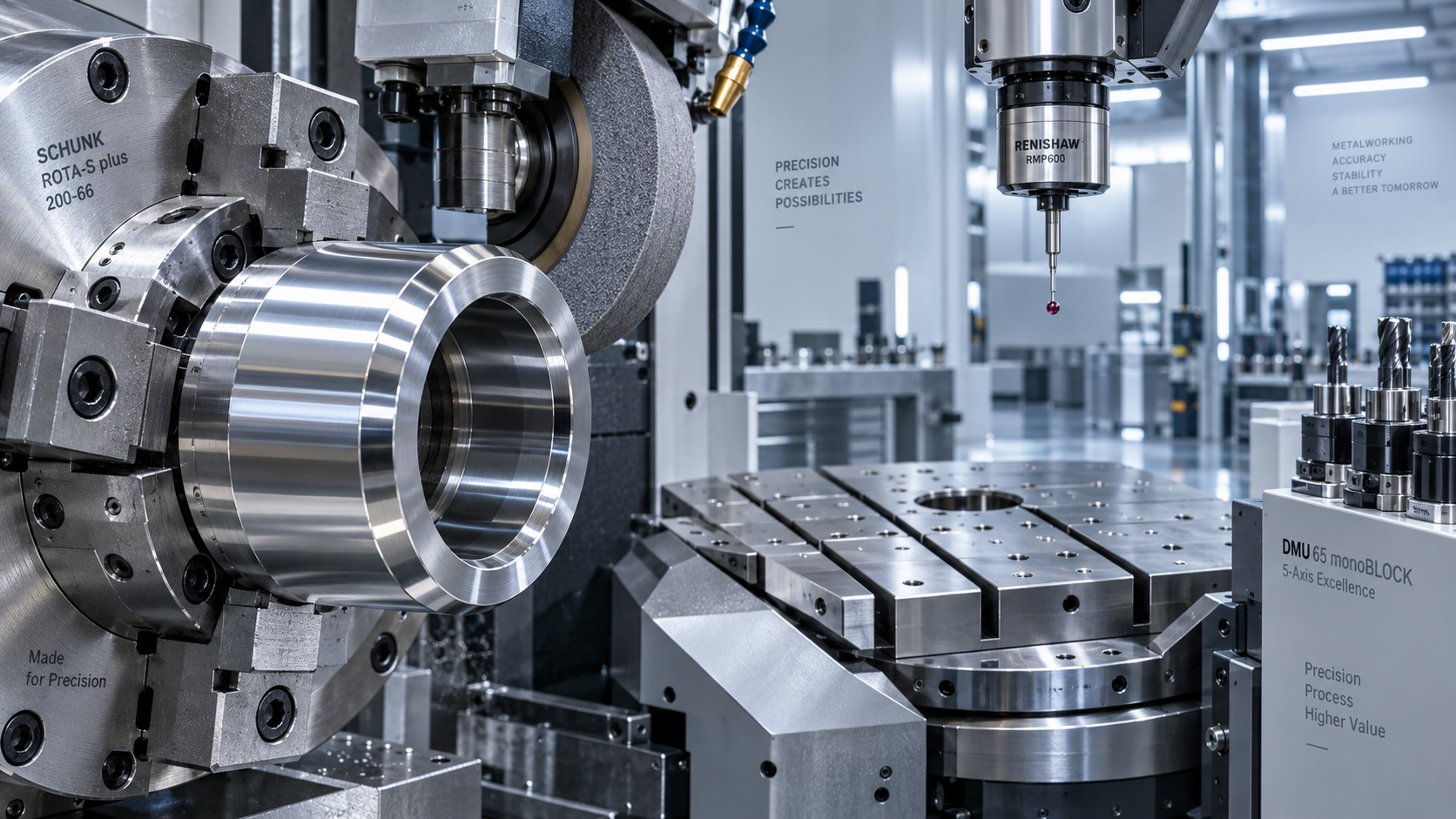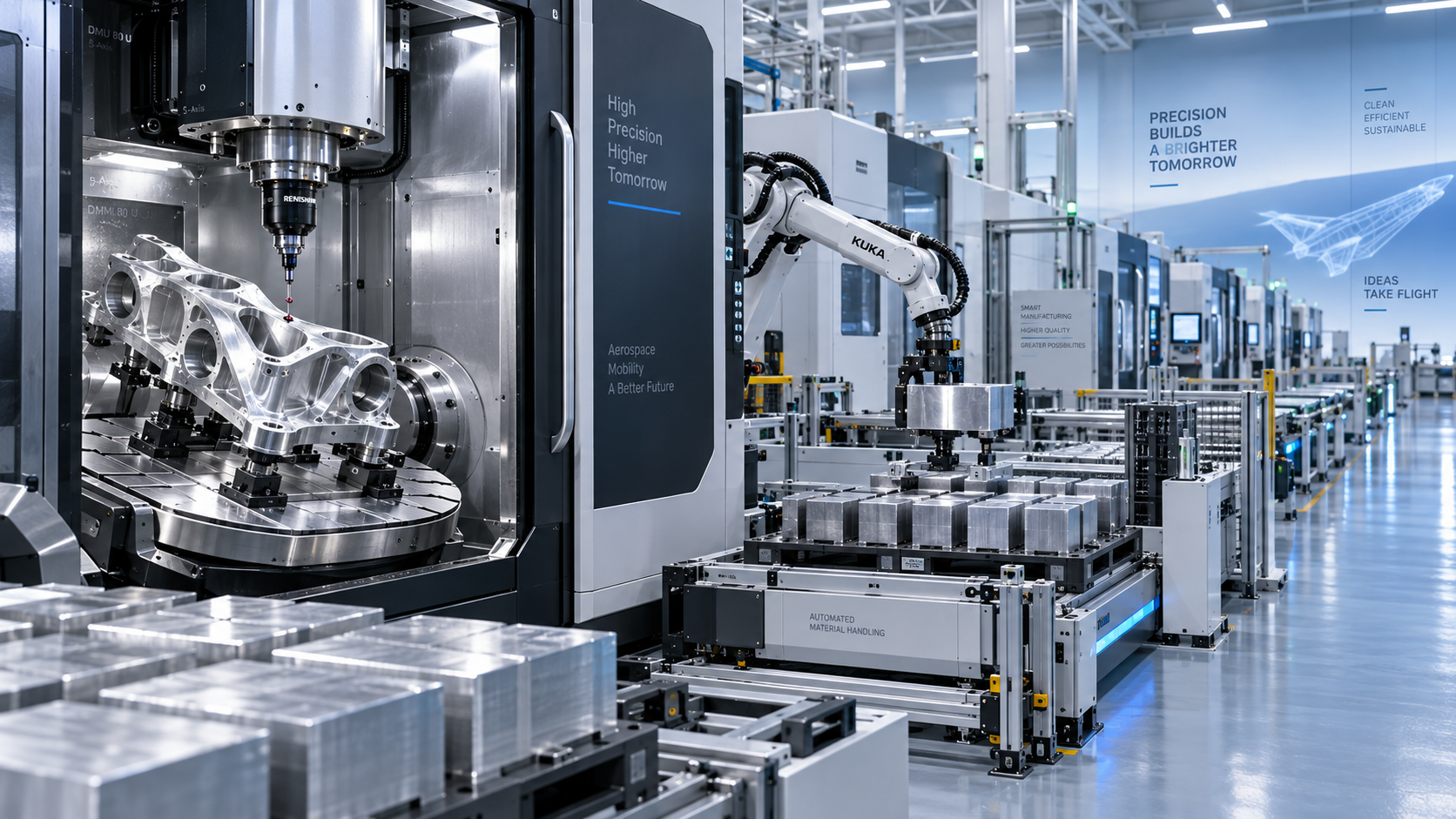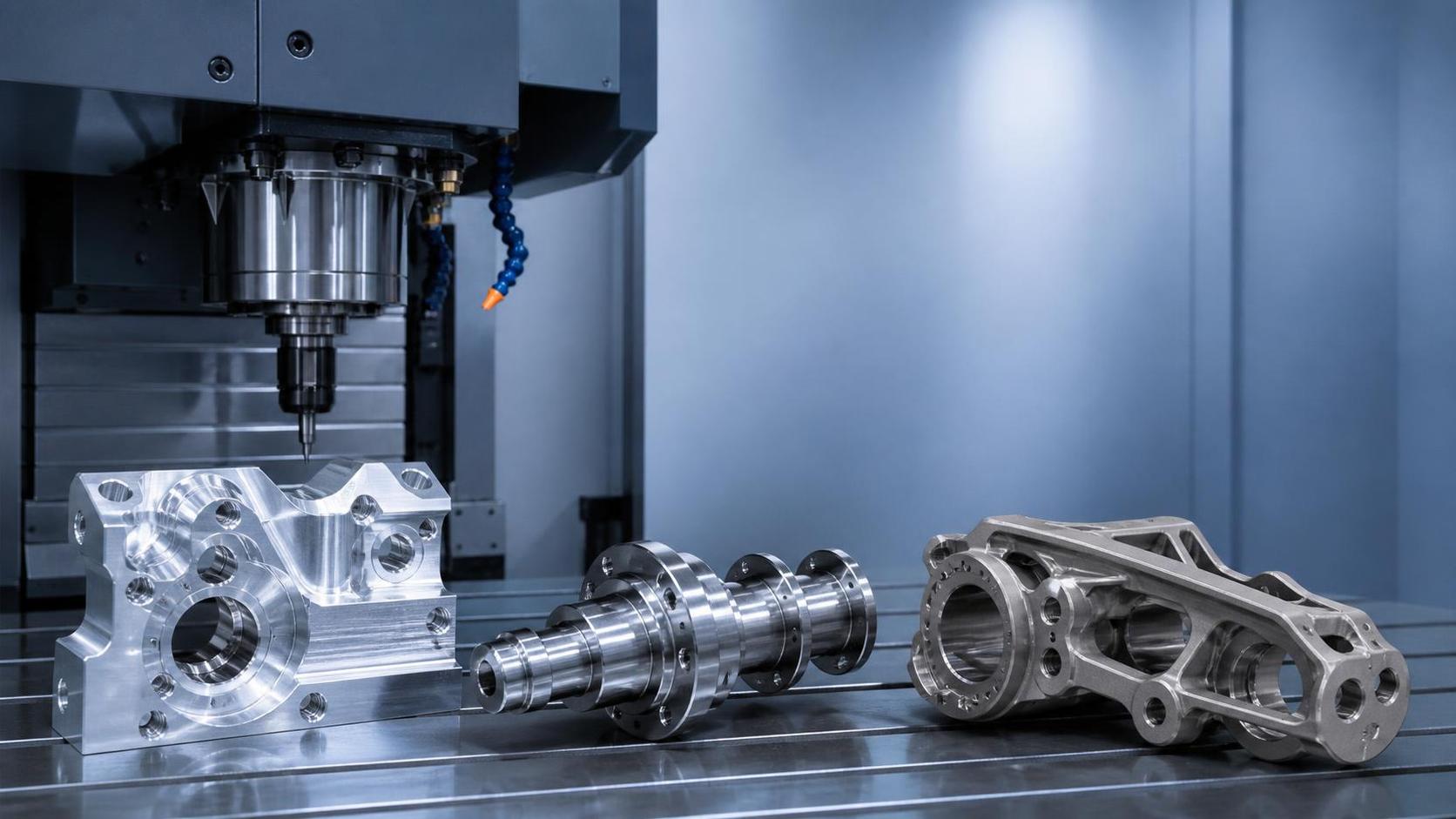
CNC metalworking is the controlled removal, shaping, drilling, turning, or finishing of metal by machine tools that follow programmed toolpaths. The “CNC” part refers to computer numerical control: spindle speed, feed rate, depth of cut, axis movement, and tool position are executed by code rather than by manual handwheel control. In practice, this means a shop can produce repeatable holes, faces, slots, threads, contours, and three-dimensional surfaces across batches of parts, provided the machine, tooling, workholding, and material condition are aligned.
The process is often described by machine type, but material choice usually determines whether that process will be stable, efficient, or unnecessarily difficult. Aluminum can reward aggressive cutting and high spindle speed. Stainless steel tends to hold heat, work harden, and punish hesitation. Titanium often demands lower cutting speed, rigid setup, and careful heat management. Brass is generally easy to machine, but part geometry can still create burr, chatter, or dimensional drift if the wrong toolpath is used. Understanding CNC metalworking starts with that relationship: the machine does not cut “metal” in the abstract; it cuts a specific alloy with its own chip behavior, hardness, thermal conductivity, and tendency to deform.
Core CNC Metalworking Processes
Milling removes material with a rotating cutter while the workpiece remains fixed or moves along controlled axes. It is suited to prismatic parts, pockets, ribs, slots, threaded holes, and complex surfaces. Turning rotates the workpiece while the cutting tool advances linearly. It is the natural fit for shafts, bushings, rings, and any part with cylindrical symmetry. Drilling creates holes, but holemaking in metal often continues with boring, reaming, countersinking, or tapping because an as-drilled hole may not meet final tolerance or surface requirements. Grinding is sometimes outside the first definition people have of CNC metalworking, yet it remains important when very fine surface finish, tight roundness, or hard materials are involved. EDM may also enter the process chain for conductive metals when deep narrow slots, sharp internal corners, or very hard alloys make cutting tools impractical.
Multi-axis machining changes the equation again. A five-axis machining center can approach difficult features without repeated reclamping, which reduces accumulated error and opens access to angled holes, sculpted surfaces, and undercuts that would otherwise require secondary setups. That matters more for expensive materials, because every setup change adds time, alignment risk, and scrap exposure.
Why Material Changes the Best Process
Two parts may look identical on a drawing and still require different process plans if one is made from 6061 aluminum and the other from 316 stainless steel. The cutter engagement that runs smoothly in aluminum may generate edge build-up or vibration in stainless. A long unsupported wall may remain stable in brass but spring away during finishing in titanium. The same threaded feature can be cut, formed, thread milled, or single-point turned depending on alloy strength, chip control, burr risk, and tolerance demands.
Several material characteristics influence process selection:
- Hardness and strength: harder or stronger alloys usually need lower material removal rates, more rigid fixtures, and more conservative tool engagement.
- Thermal conductivity: metals that carry heat away well can allow faster cutting; metals that trap heat may damage tools or distort the part.
- Work hardening tendency: some stainless grades become tougher if the tool rubs instead of cuts cleanly.
- Chip formation: short chips are easier to evacuate; stringy chips may wrap around tools, mar surfaces, or interrupt automation.
- Elasticity and residual stress: thin sections may move after roughing, especially in plate or bar stock with internal stress.
Aluminum: Fast, Efficient, and Sensitive to Smearing
Aluminum is often the entry point for discussing CNC metalworking because it machines relatively easily and appears across housings, brackets, heat sinks, panels, and structural components. Common milling operations on aluminum use high spindle speed, larger radial engagement only when rigidity permits, and polished tools designed to evacuate soft chips quickly. Chip welding to the cutting edge is a common failure mode; once the tool edge loads up, surface finish drops and dimensions begin to wander. Sharp tools, proper chip load, and coolant or air blast are usually more important than simply slowing everything down.
For prismatic aluminum parts, three-axis or five-axis milling is usually the first choice. Turning fits aluminum rods, sleeves, threaded cylindrical parts, and rotational bodies. Drilling is straightforward, but deep holes may still require peck strategy or through-coolant tooling to prevent chip packing. Thin-walled aluminum parts deserve special attention: roughing can release internal stress in the stock, so a rough-then-rest-then-finish sequence may hold size better than machining to final dimensions in one pass.
One frequent misunderstanding is assuming every aluminum grade behaves the same way. Cast aluminum may cut differently from wrought plate, and gummy grades can behave poorly compared with alloys known for better machinability. If a drawing demands cosmetic surfaces, it may be necessary to separate roughing and finishing tools, reduce tool wear before final passes, and protect visible faces from clamp marks during handling and transport between operations.
Stainless Steel: Heat, Work Hardening, and Tool Pressure
Stainless steel often moves the process plan toward rigidity and consistency. Austenitic grades can be particularly challenging because they work harden if the cutting edge rubs, dwells, or loses sharpness. In milling, this usually means maintaining positive chip formation instead of timid finishing passes that only polish the surface. In drilling, poor chip evacuation can overheat the hole and shorten tool life quickly. Turning stainless can produce long, tough chips, so insert geometry and chipbreaker choice matter as much as cutting speed.
CNC lathes are commonly used for stainless shafts, valve bodies, couplings, and threaded fittings, while machining centers handle flanges, manifolds, and blocks with mixed hole and pocket features. Thread milling is often preferred over tapping in difficult stainless materials when thread quality is critical or broken taps would be costly to remove. Reaming may improve size and finish, but only if the pre-drilled hole leaves proper stock and remains straight enough for the reamer to follow correctly.
Coolant application becomes part of the process, not a minor accessory. Stainless retains heat near the cut zone, and interrupted or weak coolant flow may lead to accelerated flank wear, built-up edge, or thermal distortion. If a part includes thin webs, gasket faces, or sealing features, roughing strategy should leave support where possible until later stages. Removing all surrounding material too early can allow the part to move before the final finish pass.
Titanium: Expensive Time, Expensive Mistakes
Titanium is valued for strength-to-weight ratio and corrosion resistance, but it is one of the clearest examples of why material-specific CNC metalworking matters. Titanium does not conduct heat away from the cutting edge efficiently, so heat tends to stay where tool and part meet. That limits cutting speed and increases the importance of rigid machines, short tool stick-out, and stable engagement. When chatter begins, tool wear can escalate rapidly.
Five-axis milling is often selected for titanium aerospace-style geometries, impellers, brackets, and structural parts with deep cavities or compound surfaces, because it reduces the need for long, weak tools. Trochoidal or adaptive roughing toolpaths are commonly used to manage tool load, but they only work well if the machine can maintain smooth motion and the fixture resists vibration. Turning is still appropriate for titanium rings and shafts, yet insert selection and edge condition need close attention because a damaged edge can smear the material and affect the finished surface.
Procurement mistakes with titanium often begin before machining starts. If stock size is chosen with too little allowance, there may be no room to correct distortion or clean up scale. If too much stock is ordered, machining time and tool consumption rise sharply. Transport and storage also matter more than they first appear; mixing material identities or losing traceability between cut blanks can create downstream rejection when finished parts can no longer be matched confidently to the original material batch.
Brass and Copper Alloys: Easy Cutting, Tight Details
Brass is usually considered friendly to machining, especially for precision turned components, electrical fittings, valve parts, and decorative hardware. It tends to produce manageable chips, allows good surface finish, and supports efficient cycle times. CNC turning is often the most economical route for high volumes of small cylindrical brass parts. Milling is added when flats, cross holes, slots, or engraved features are required.
That relative ease can lead to careless assumptions. Small brass parts can still suffer from burr at cross-drilled holes, deformation in collet clamping, or thread damage during post-machining handling. Copper-rich alloys may conduct heat well but can be softer and more prone to edge smearing than expected. If conductivity or surface cleanliness matters, the process route may need cleaner coolant management, minimal surface contamination, and packaging that prevents dents between machining and assembly.
Carbon Steel and Alloy Steel: Broad Range, Broad Caution
Steel covers such a wide range that process decisions should not stop at the word “steel.” Mild steel can be machined efficiently with standard carbide tooling in both milling and turning. Medium-carbon and alloy steels may require lower speeds, stronger workholding, and more attention to insert wear. Pre-hardened steels can often be milled and turned directly if the hardness remains within tooling limits. Hardened parts may shift part of the route toward grinding, hard turning, or EDM depending on tolerance and geometry.
For block-like steel parts, machining centers handle faces, pockets, threaded holes, and datum features well. Rotational features belong naturally on CNC lathes, and turn-mill machines become useful when a single part mixes precision diameters with milled keyways, off-center drilling, or side features. If heat treatment occurs between roughing and finishing, dimensional planning should allow for scale removal, possible movement, and final datum recovery. Ignoring that sequence is a common source of tolerance trouble.
Matching Process to Part Shape, Not Just Material
Material may drive the cutting conditions, but geometry still decides which machine process makes sense. A titanium housing and a titanium shaft should not be planned the same way. A long stainless shaft with multiple diameters, grooves, and threads usually belongs on a lathe, possibly with live tooling if cross holes or flats are needed. An aluminum electronics enclosure with pockets, bosses, and sealing grooves points toward milling. A brass manifold with many intersecting internal passages might start as milled billet, but the hole sequence must be planned around chip evacuation and later plug installation.
Wall thickness, unsupported length, and datum accessibility can be more decisive than raw material hardness. Some parts are technically machinable in one setup but become unstable after roughing removes their natural stiffness. In those cases, a more reliable route may use sacrificial tabs, soft jaws shaped to the near-net geometry, or intermediate stress relief if the material and application permit it.
Tooling, Workholding, and Secondary Operations
The best process fit is rarely just “milling versus turning.” It also includes the cutting tool substrate, coating, nose radius, flute count, coolant method, fixture design, and whether deburring, surface finishing, or inspection should occur inline or afterward. Aluminum often favors sharp, high-helix tools with room for chip evacuation. Stainless and titanium usually benefit from rigid holders, controlled edge preparation, and stable coolant delivery. Brass parts may require gentler clamping and attention to burr control at drilled edges.
Secondary operations can change the preferred route. If a hole needs exceptional cylindricity, boring or reaming may follow drilling. If a steel surface must remain extremely flat after heat treatment, grinding may be the final step even if the rest of the part was milled. If thin threads in stainless are at risk during assembly, thread rolling on a turned blank may be considered where geometry allows, though it is not interchangeable with cut-thread designs in every case.
Where Misjudgment Usually Appears
Problems in CNC metalworking often begin with assumptions carried over from another alloy or another part family. A stable program for aluminum may fail in stainless because feed was reduced without preserving chip thickness. A finishing strategy that works on brass may leave torn edges on softer copper alloys. A titanium part may look overspecified when quoted from the drawing alone, yet the real challenge is fixture access or tool reach. Even logistics can create risk: heavy steel blanks need lifting and pallet planning; thin machined surfaces need protection during transport to coating, inspection, or assembly; mixed batches of visually similar metals need clear identification to avoid cross-processing.
The right process fit is therefore a combination of material behavior, geometry, tolerance, machine capability, and the order of operations. CNC metalworking is precise when those pieces support each other. When they do not, the machine may still cut the part, but cycle time, tool life, finish quality, and dimensional stability tend to reveal the mismatch.