• Global CNC market projected to reach $128B by 2028 • New EU trade regulations for precision tooling components • Aerospace deman
NYSE: CNC +1.2%LME: STEEL -0.4%

Common Machining Process Types Explained: Milling, Turning, Drilling, and Grinding
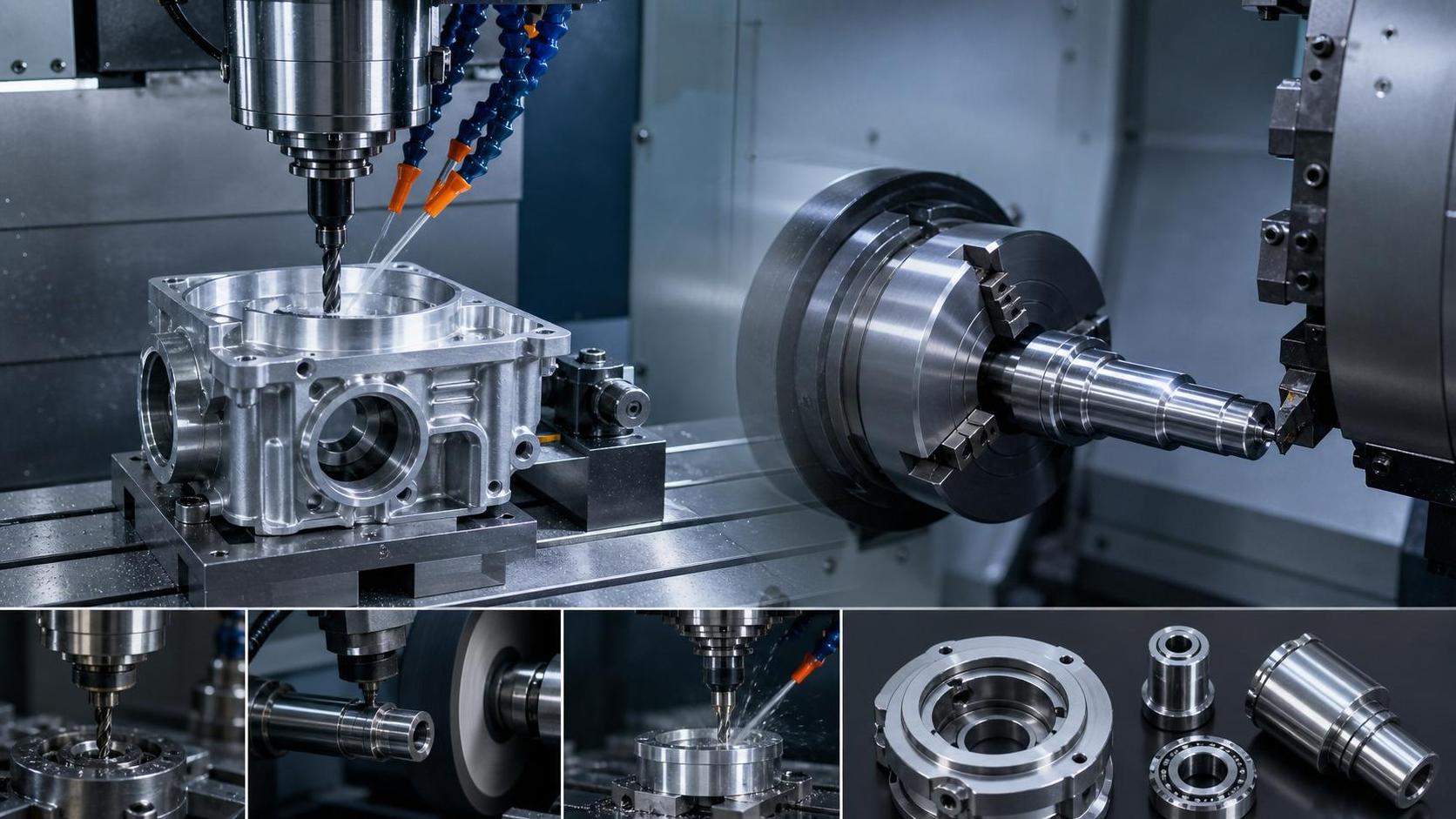
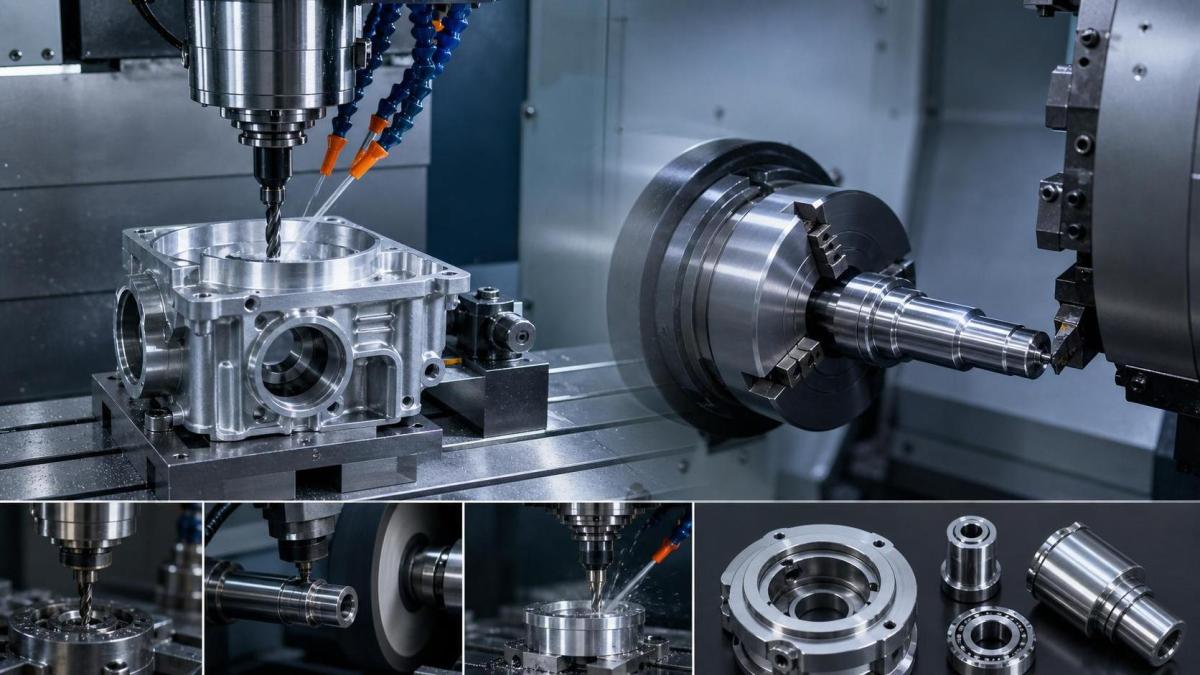
Understanding a Machining Process starts with seeing how raw material becomes a controlled, repeatable part. Milling, turning, drilling, and grinding are the core methods behind that transformation, and they remain central to modern CNC production.
These processes matter because manufacturing is moving toward tighter tolerances, faster cycle times, and more digital control. In automotive, aerospace, electronics, and energy equipment, process choice directly affects cost, quality, throughput, and design freedom.
Why Machining Process Selection Matters Now
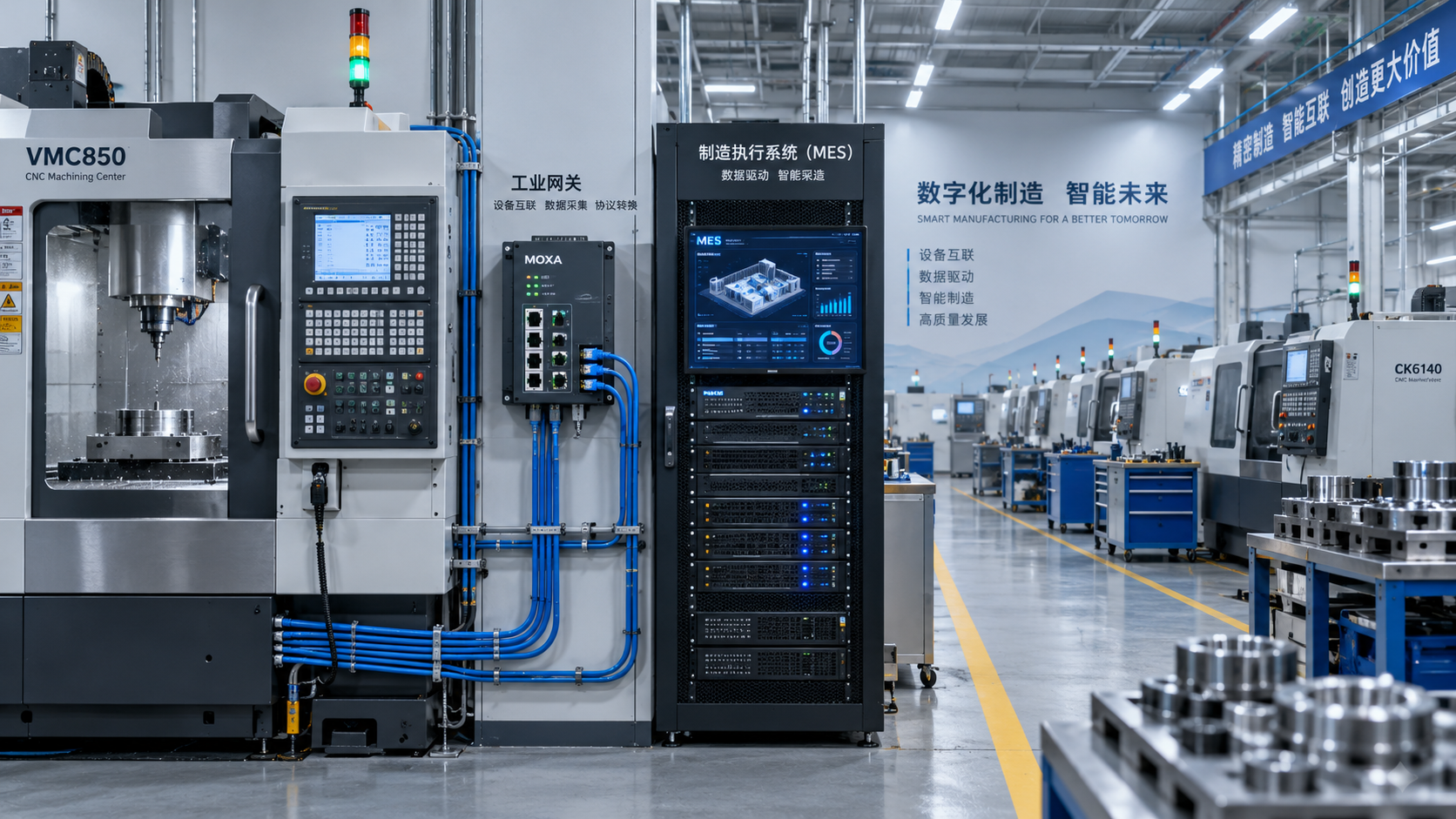
Machine tools are no longer isolated workshop assets. They now sit inside connected production systems that combine CNC controls, cutting tools, fixtures, robots, and inspection equipment.
That shift changes how each Machining Process is evaluated. A method is not judged only by whether it can make a part, but also by how reliably it supports scale, automation, and traceable quality.
This is especially relevant in global manufacturing clusters such as China, Germany, Japan, and South Korea, where precision, lead time, and production flexibility continue to shape competitive advantage.
In practice, a suitable Machining Process helps reduce rework, improve consistency, and fit smoothly into smart factory planning. A poor choice often increases tool wear, setup changes, and downstream correction work.
A Practical View of the Four Common Methods
Although many specialized operations exist, most part manufacturing still depends on four familiar categories. Each one removes material differently and suits different part geometries.
Milling
Milling uses a rotating cutting tool while the workpiece is held in position or moved along programmed axes. It is widely used for flats, slots, pockets, contours, and complex surfaces.
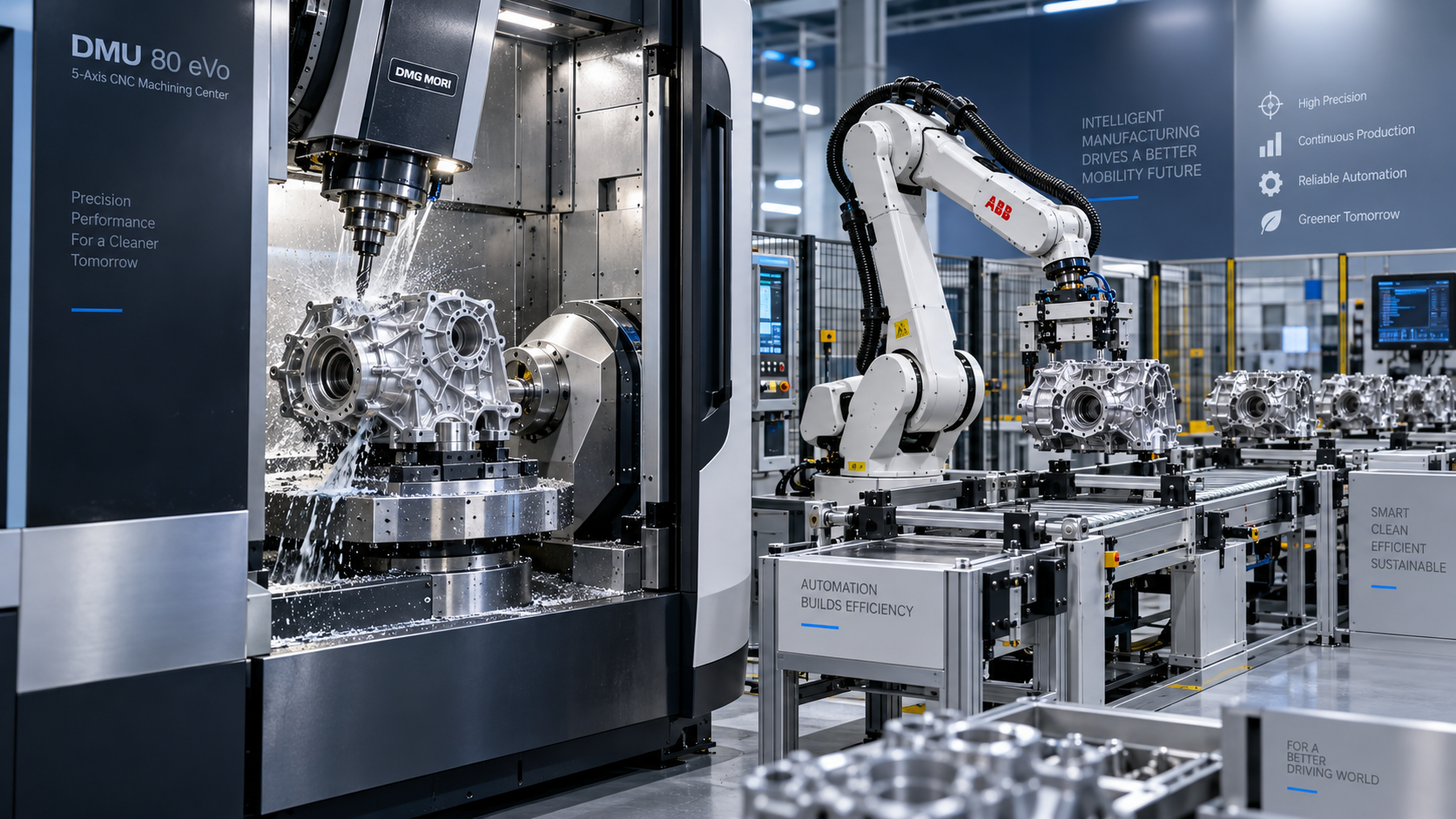
This Machining Process is common in machining centers and multi-axis systems. It supports a broad range of parts, from aluminum housings to intricate aerospace structures.
Milling is valued for versatility. A single setup can often combine roughing, semi-finishing, and finishing, which helps reduce handling time and alignment error.
Turning
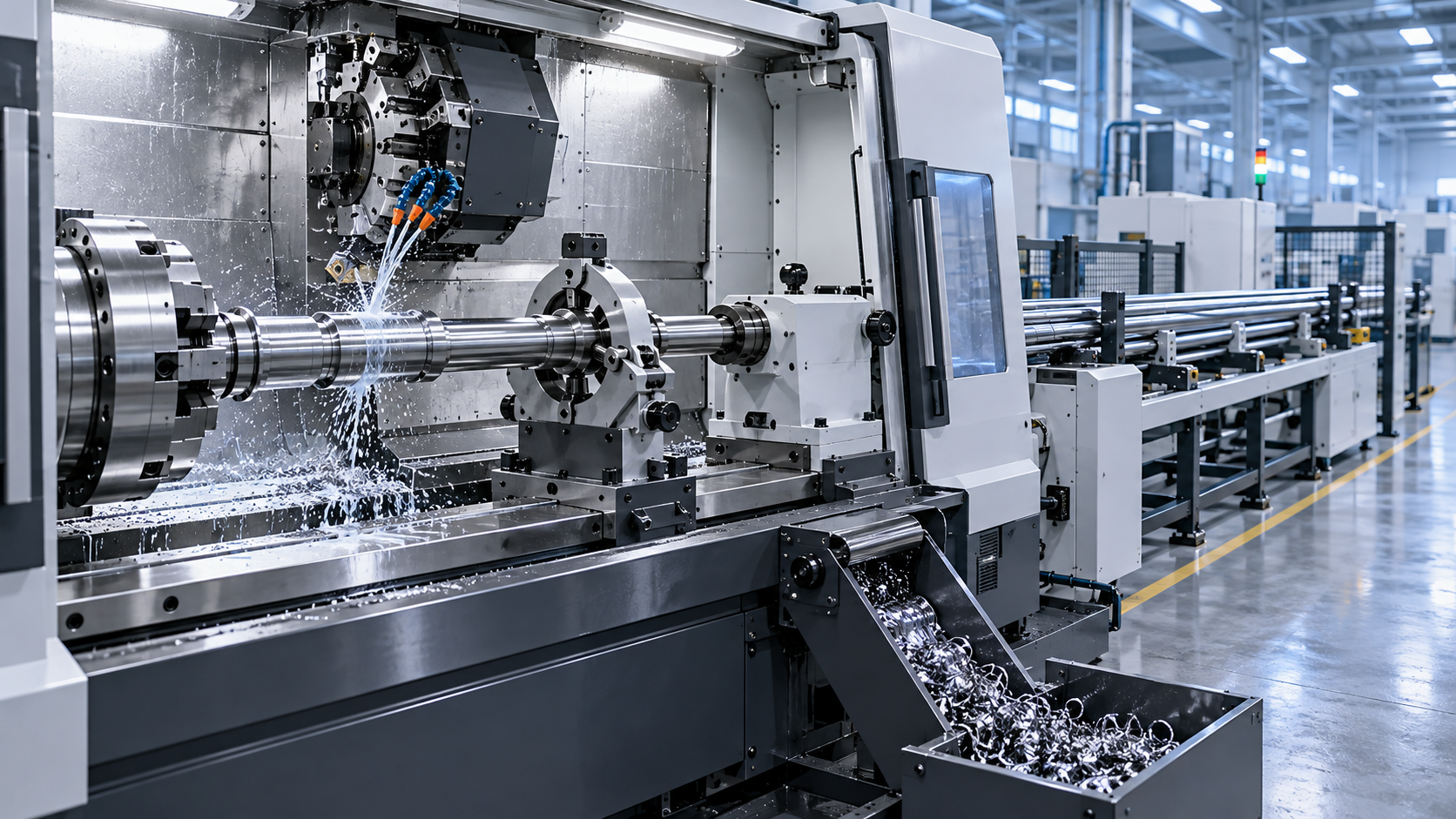
Turning rotates the workpiece while a stationary cutting tool removes material. It is ideal for shafts, pins, sleeves, threads, and other cylindrical or rotational components.
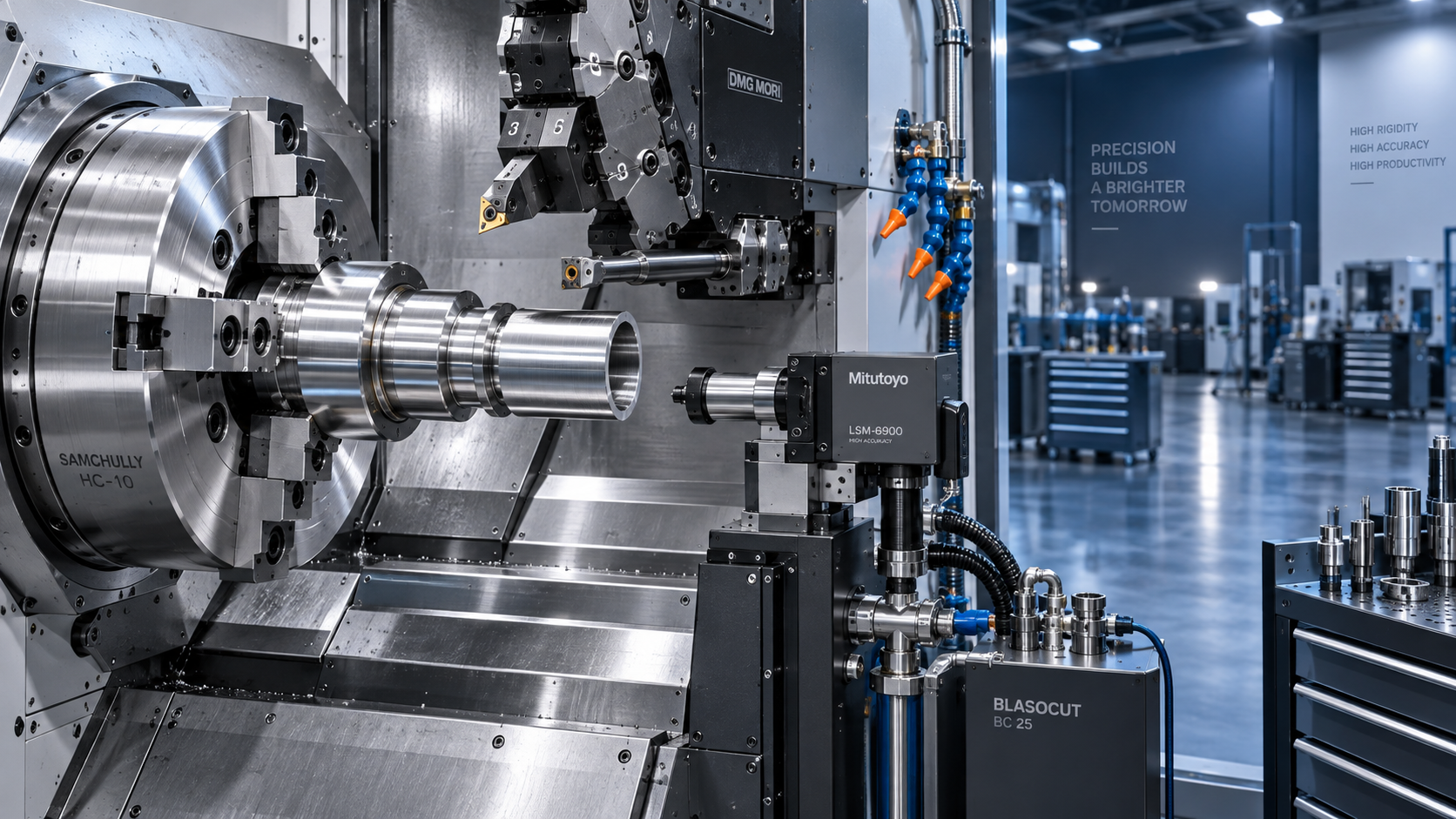
In many production lines, turning is the most efficient Machining Process for round parts. CNC lathes can achieve strong dimensional repeatability and fast cycle times on high-volume work.
It also integrates well with live tooling and sub-spindles. That means secondary features, such as keyways or cross holes, can sometimes be added without moving the part elsewhere.
Drilling
Drilling creates holes, but its role is broader than that simple description suggests. Hole quality often determines whether later assembly, fastening, fluid transfer, or alignment will succeed.
This Machining Process can appear as a standalone operation or as part of milling and turning cycles. Reaming, tapping, countersinking, and boring may follow, depending on accuracy requirements.
Because holes are critical features in so many parts, drilling performance has an outsized impact on scrap risk, cycle stability, and tool management.
Grinding
Grinding removes very small amounts of material using an abrasive wheel. It is usually chosen when surface finish, roundness, flatness, or tight tolerance is beyond normal cutting limits.
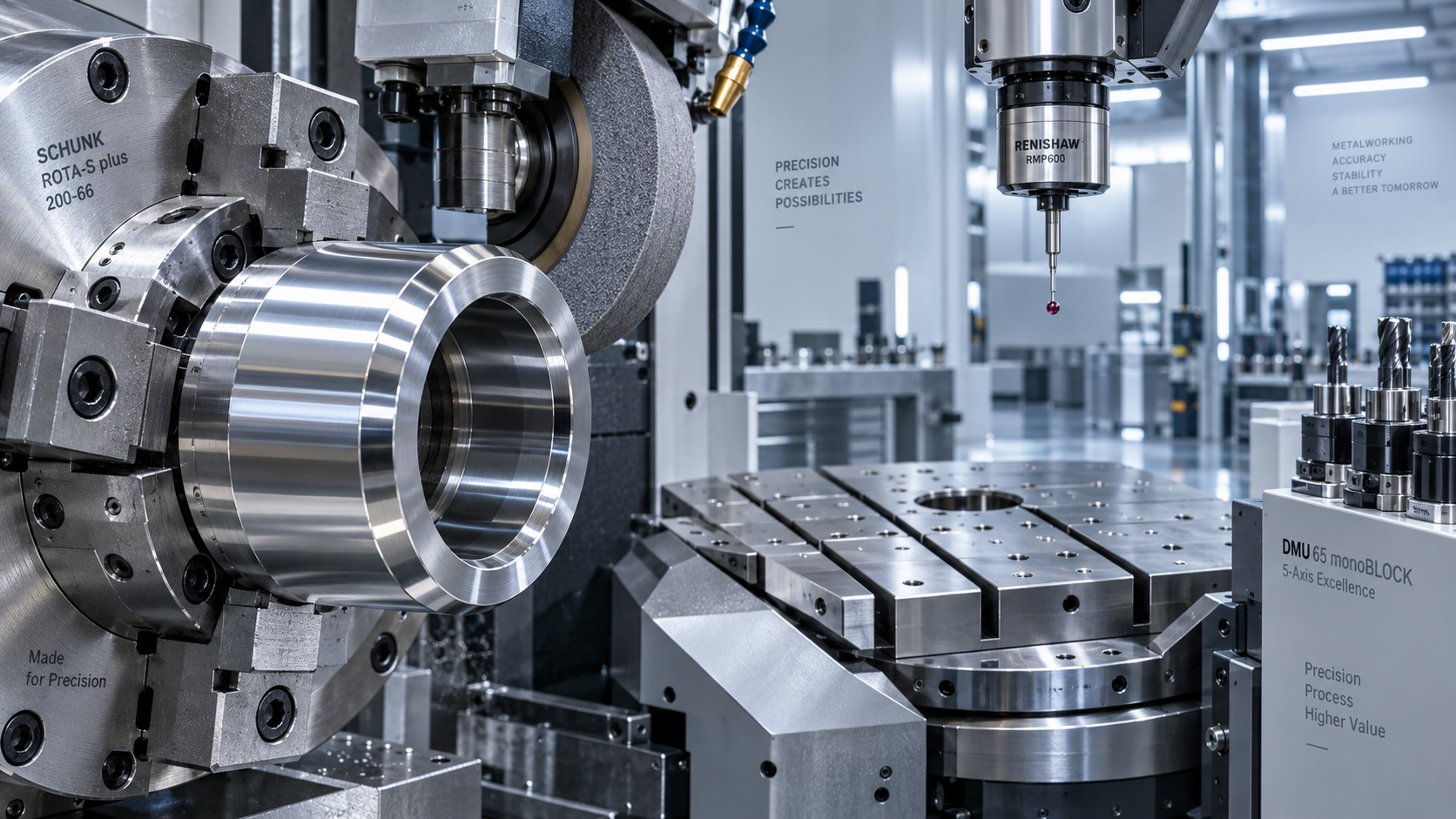
Among common methods, grinding is the finishing-focused Machining Process. It is widely used for bearing surfaces, hardened components, precision discs, and functional sealing faces.
It tends to be slower than rough material removal methods, but it adds value where precision directly affects performance, wear behavior, or assembly fit.
How the Processes Differ in Real Production
The easiest way to compare a Machining Process is to look at the geometry it favors, the finish it can deliver, and the production environment it supports.
That comparison also explains why most factories do not rely on one method alone. A finished component often moves through several process steps before it meets specification.
Where These Processes Create Business Value
The value of any Machining Process becomes clearer when linked to part function. A turbine element, motor housing, valve body, or connector base each places different demands on material removal.
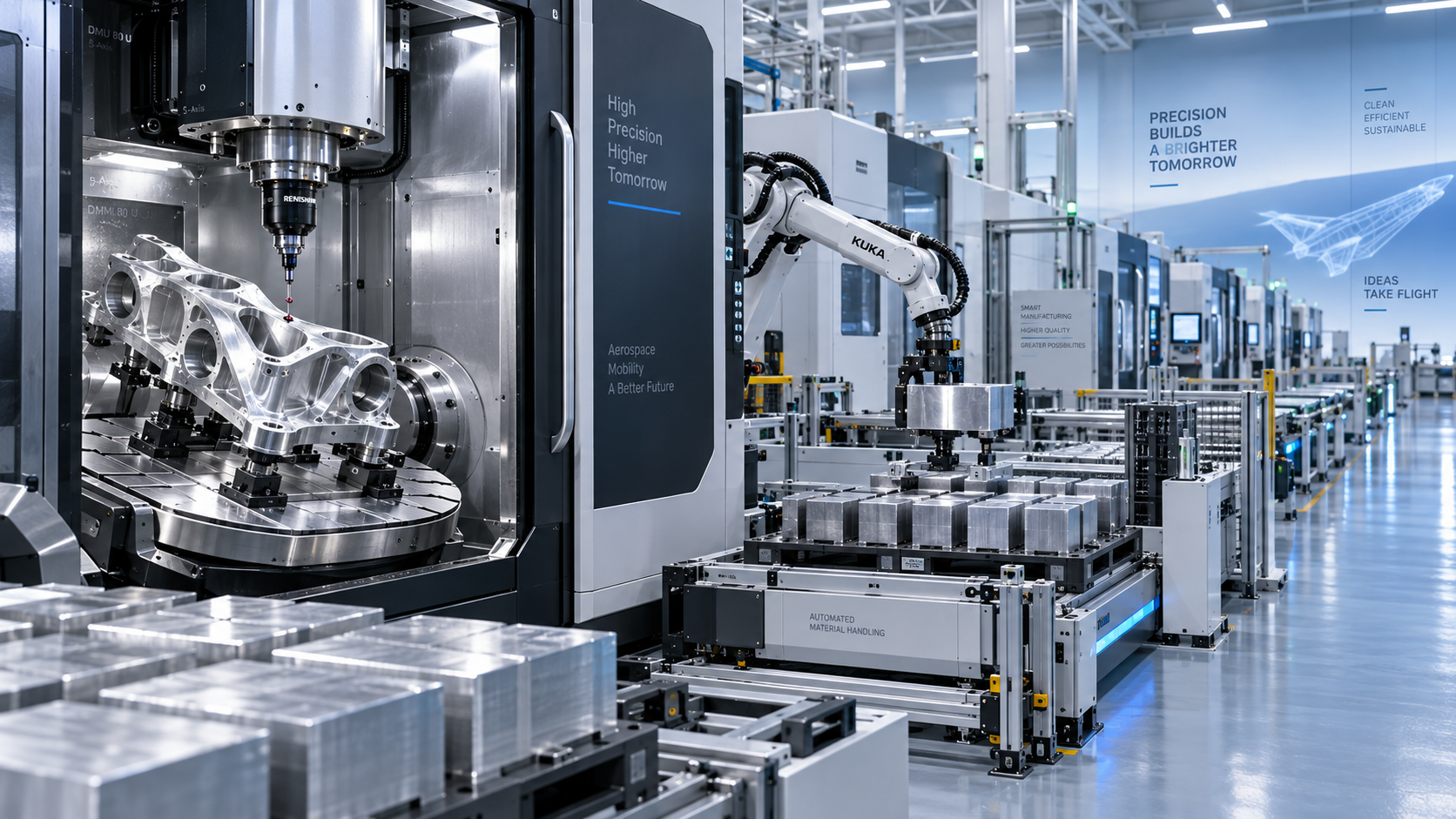
In automotive production, turning and drilling often support speed and interchangeability. In aerospace, milling and grinding are more visible where lightweight geometry and strict tolerance must coexist.
Electronics and energy equipment add another layer. Smaller features, difficult materials, and thermal stability requirements make process planning more sensitive to tooling, fixturing, and machine rigidity.
As production becomes more automated, the right Machining Process also improves data consistency. Stable cycles are easier to monitor, easier to optimize, and easier to connect with digital quality systems.
What to Check Before Choosing a Machining Process
Selection should start from the part, not the machine. Even advanced CNC equipment performs best when the process route matches actual geometry, material, tolerance, and production volume.
- Review the dominant shape first: rotational, prismatic, flat, deep-hole, or precision-finished.
- Check material behavior, including hardness, heat generation, burr tendency, and chip control.
- Separate roughing needs from finishing needs. One Machining Process may not suit both efficiently.
- Account for tolerance stack-up across multiple operations, not only within one machine cycle.
- Evaluate fixture access, tool reach, coolant delivery, and inspection points early.
- Consider whether automation, pallet systems, or robotic loading will affect setup strategy.
This approach prevents a common mistake: choosing a process because it appears technically possible, while ignoring total manufacturing flow.
Industry Signals Shaping Process Decisions
Process planning is increasingly influenced by digital integration. Machine connectivity, in-process measurement, and software-driven scheduling now affect how a Machining Process is deployed.
Multi-axis machining systems reduce repositioning and expand what milling can do in one setup. At the same time, improved tooling and fixture design are raising the productivity ceiling for turning and drilling.
Grinding is also changing. Better abrasives, control systems, and monitoring tools are making high-precision finishing more predictable, which is important for components with safety or sealing functions.
Across global supply chains, buyers and production planners increasingly compare not only machine capability, but process stability, traceability, and adaptability to changing order mixes.
A Useful Way to Move Forward
A clear understanding of each Machining Process makes it easier to evaluate suppliers, equipment options, and production routes. Milling, turning, drilling, and grinding are not interchangeable, but they are closely connected.
The next practical step is to map part requirements against process capability. Geometry, material, tolerance, surface finish, batch size, and automation needs usually reveal which route deserves closer review.
For ongoing research, it is worth tracking machine tool developments, tooling trends, and international manufacturing updates together. That broader view often explains why one Machining Process becomes the better fit in a changing market.
Recommended for You
 Digital Manufacturing for Smart Factories: Connecting Legacy Machines to MESMachine Tool Industry Editorial Team
 How to Select a CNC Metal Lathe for Tight-Tolerance Shaft and Sleeve PartsCNC Machining Technology Center
 How to Select an Industrial Lathe for High-Volume Shaft ProductionMachine Tool Industry Editorial Team
 Selecting Machine Tools for Automotive Parts: Accuracy, Throughput, and AutomationMachine Tool Industry Editorial Team
 Industrial Machining: Selecting Processes for Tight-Tolerance Metal PartsCNC Machining Technology Center
 Manufacturing Technology Trends That Improve Throughput and Quality ControlManufacturing Market Research Center

Aris Katos
Future of Carbide Coatings
15+ years in precision manufacturing systems. Specialized in high-speed milling and aerospace grade alloy processing.
▶
Industrial Machining: Selecting Processes for Tight-Tolerance Metal PartsCNC Machining Technology Center▶
How Does Precision Machining Differ From Standard Machining?CNC Machining Technology Center▶
CNC Precision: Which Tolerances, Materials, and Processes Fit Your Part?CNC Machining Technology Center▶
How to Choose Metal Machining Processes for Tight Tolerances and Production VolumeCNC Machining Technology Center▶
Production Process Explained: Key Stages, Controls, and Quality CheckpointsCNC Machining Technology Center
Mastering 5-Axis Workholding Strategies
Join our technical panel on Nov 15th to learn about reducing vibrations in thin-wall components.

Providing you with integrated sanding solutions
Before-sales and after-sales services
Comprehensive technical support