• Global CNC market projected to reach $128B by 2028 • New EU trade regulations for precision tooling components • Aerospace deman
NYSE: CNC +1.2%LME: STEEL -0.4%

Brazil ANVISA Rule Targets Medical Mold CNC Imports

Brazil’s health regulator ANVISA has set a new compliance threshold for imported CNC equipment used in medical device mold manufacturing, with the requirement taking effect on September 1, 2026. The change stems from Technical Instruction No. 117/2026, issued on July 12, 2026, and it is already relevant to CNC exporters, Brazilian OEM buyers, and contract manufacturers tied to medical and automotive-medical component production because it links equipment access more directly to quality-system compatibility.
What the new requirement covers
According to the information provided, ANVISA issued Technical Instruction No. 117/2026 on July 12, 2026. The instruction requires all CNC machining centers and five-axis milling machines used for medical device mold manufacturing to pass an ISO 13485:2016 plus ANVISA GMP compatibility additional audit starting on September 1, 2026.
The rule applies to imported equipment in this use case and is stated to affect about 63% of China’s CNC equipment exports to Brazil. The change also relates to procurement process restructuring for Brazilian local OEMs and to contract manufacturing operations involved in automotive-medical components.
Where the disruption may first appear
Exporters facing a narrower compliance window
From an industry perspective, companies exporting CNC machining centers and five-axis milling machines to Brazil may be affected first because the rule is tied to whether the equipment is intended for medical mold production. The main pressure point is likely to be at the qualification and pre-shipment stage, where product positioning, technical documentation, and audit readiness could become more central to commercial discussions.
Brazilian OEM procurement teams under process pressure
Brazilian OEM buyers may need to adjust procurement workflows because the summary explicitly indicates procurement process restructuring. Analysis shows that the practical issue is not only equipment selection, but also whether supplier approval steps, compliance review, and purchasing timelines are aligned with the new compatibility requirement.
Contract manufacturers caught between equipment and delivery schedules
For contract manufacturers involved in automotive-medical components, the likely impact is operational rather than purely regulatory. Observably, if equipment qualification becomes a gating factor, the effects could extend to machine sourcing, project timing, and communication with downstream customers about production readiness.
Supply-chain service providers needing better document coordination
Service providers supporting cross-border delivery, supplier onboarding, or technical file handling may also need to watch the change closely. What deserves closer attention is whether documentation and compliance communication become more detailed before import and acceptance, especially where buyers want clearer evidence of audit compatibility.
What companies should watch now
Track any further official clarification
Analysis shows that the confirmed fact is the requirement itself and its effective date. Companies should therefore watch for any later ANVISA wording that clarifies scope, audit interpretation, or implementation details, because those points can shape how the rule is applied in real purchasing and import scenarios.
Separate policy language from transaction execution
What deserves closer attention is the difference between a published regulatory requirement and the way it is enforced in actual business workflows. Exporters and buyers should pay attention to how the requirement is translated into supplier qualification, tender terms, approval gates, and delivery commitments.
Review supplier credentials and audit materials
For businesses directly involved in affected equipment categories, a practical priority is the readiness of qualification materials linked to ISO 13485:2016 and the ANVISA GMP compatibility additional audit. This is less about broad management discussion and more about whether the supplier side can support buyer review and compliance verification without delay.
Prepare for longer procurement and communication cycles
Because the summary points to procurement restructuring among Brazilian OEMs, companies should be alert to possible changes in lead times, internal approval sequencing, and customer communication. Observably, even where commercial demand remains unchanged, the path to order confirmation and delivery may become more document-driven.
Why this looks like more than a short-term notice
Analysis shows that this development should not be read only as a narrow import condition for a single product category. It is more appropriate to understand this as a compliance signal affecting how medical mold-related CNC equipment is screened before entering the Brazilian market. At the same time, the available information does not by itself confirm the full scale of commercial disruption, so the situation still requires observation rather than firm conclusions.
From an industry perspective, the rule matters because it connects machine-tool trade with medical manufacturing quality expectations more explicitly. That makes it relevant not just to exporters, but also to procurement, compliance, and manufacturing planning teams.
How the market may need to interpret this stage
The clearest takeaway is that ANVISA’s requirement has immediate relevance for any business supplying or sourcing CNC equipment for medical mold manufacturing in Brazil from September 1, 2026. It would be premature to treat this alone as a final measure of market impact, but it is reasonable to read it as an actionable compliance development with broader supply-chain implications. For now, it is more appropriate to understand this as a concrete regulatory change and an ongoing industry signal that deserves continued verification in practice.
Basis of this article
This article is based on the user-provided news title, event date, and event summary. The information refers to ANVISA’s Technical Instruction No. 117/2026, the September 1, 2026 effective date, the ISO 13485:2016 plus ANVISA GMP compatibility additional audit requirement, the estimated coverage of about 63% of China’s CNC equipment exports to Brazil, and the stated relevance to contract manufacturers and Brazilian OEM procurement restructuring.
For developments of this type, source categories typically requiring ongoing verification include official regulatory notices, corporate compliance disclosures, industry association updates, authoritative media coverage, and standards-related documents. A specific official source link was not provided in the input, so that point still needs continued verification. Follow-up attention should focus on any later official clarification, implementation wording, and how procurement and supplier qualification practices adapt after the effective date.
PREVIOUS ARTICLE
NEXT ARTICLE
Recommended for You
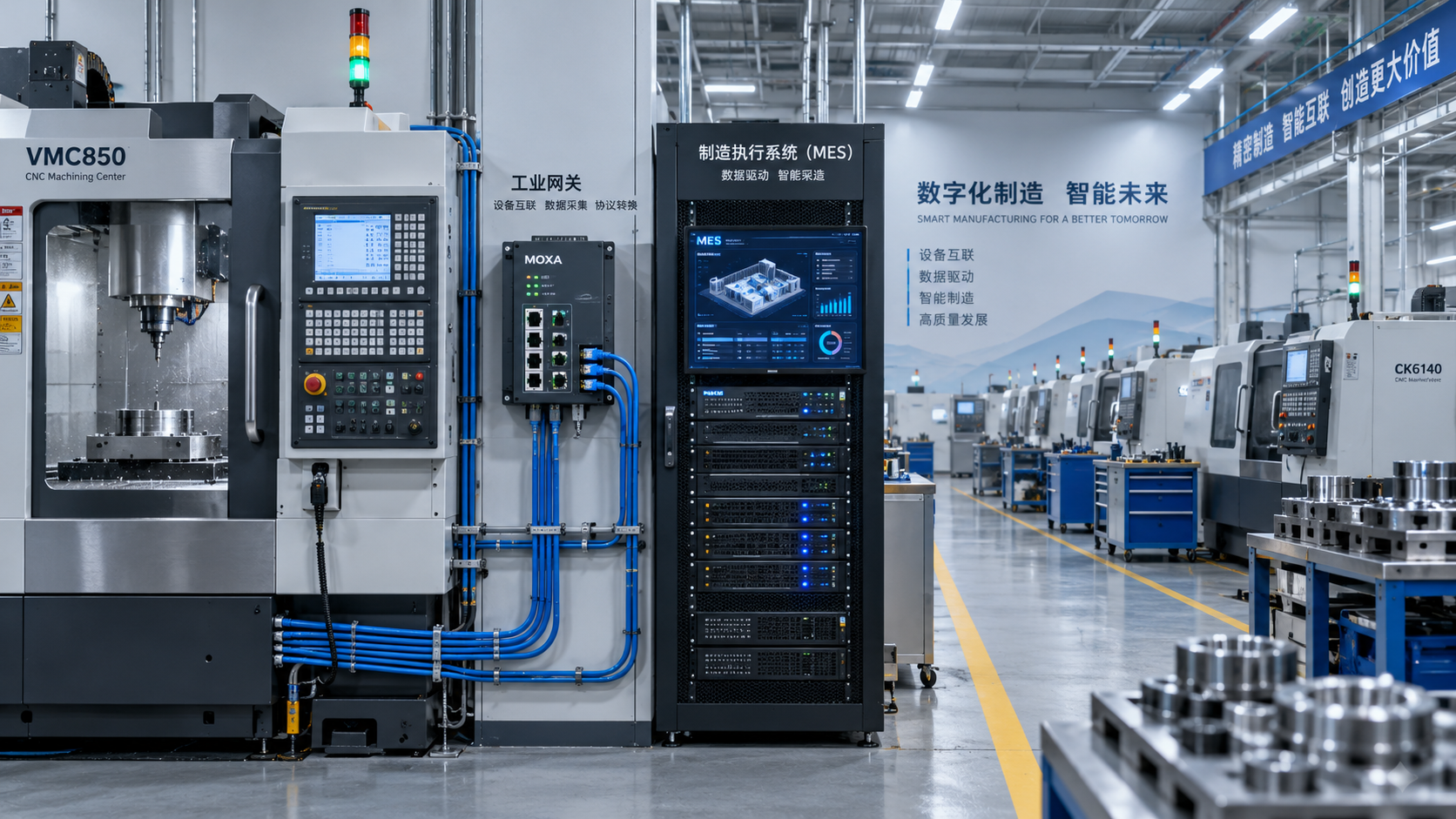
 Digital Manufacturing for Smart Factories: Connecting Legacy Machines to MESMachine Tool Industry Editorial Team
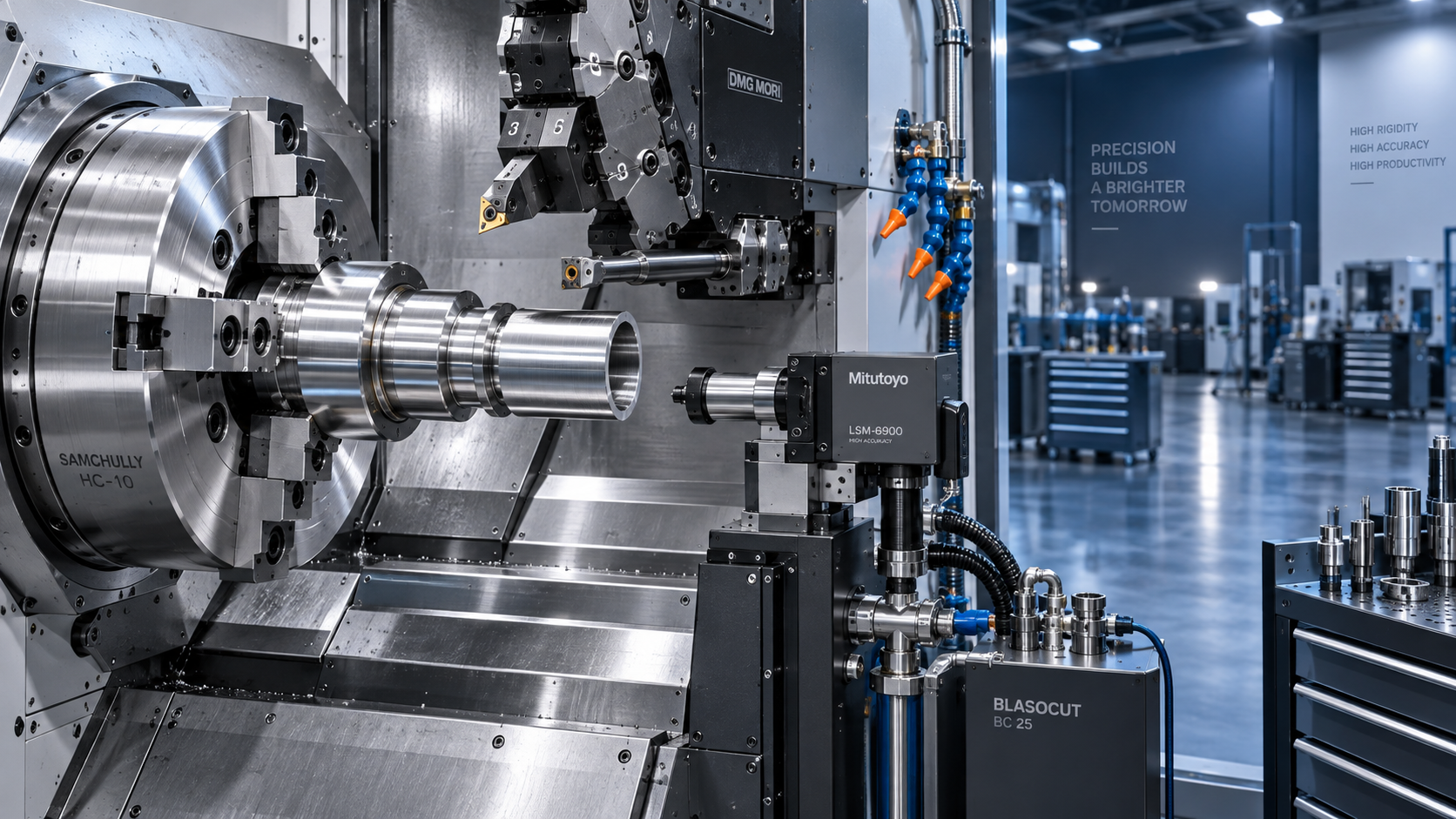
 How to Select a CNC Metal Lathe for Tight-Tolerance Shaft and Sleeve PartsCNC Machining Technology Center
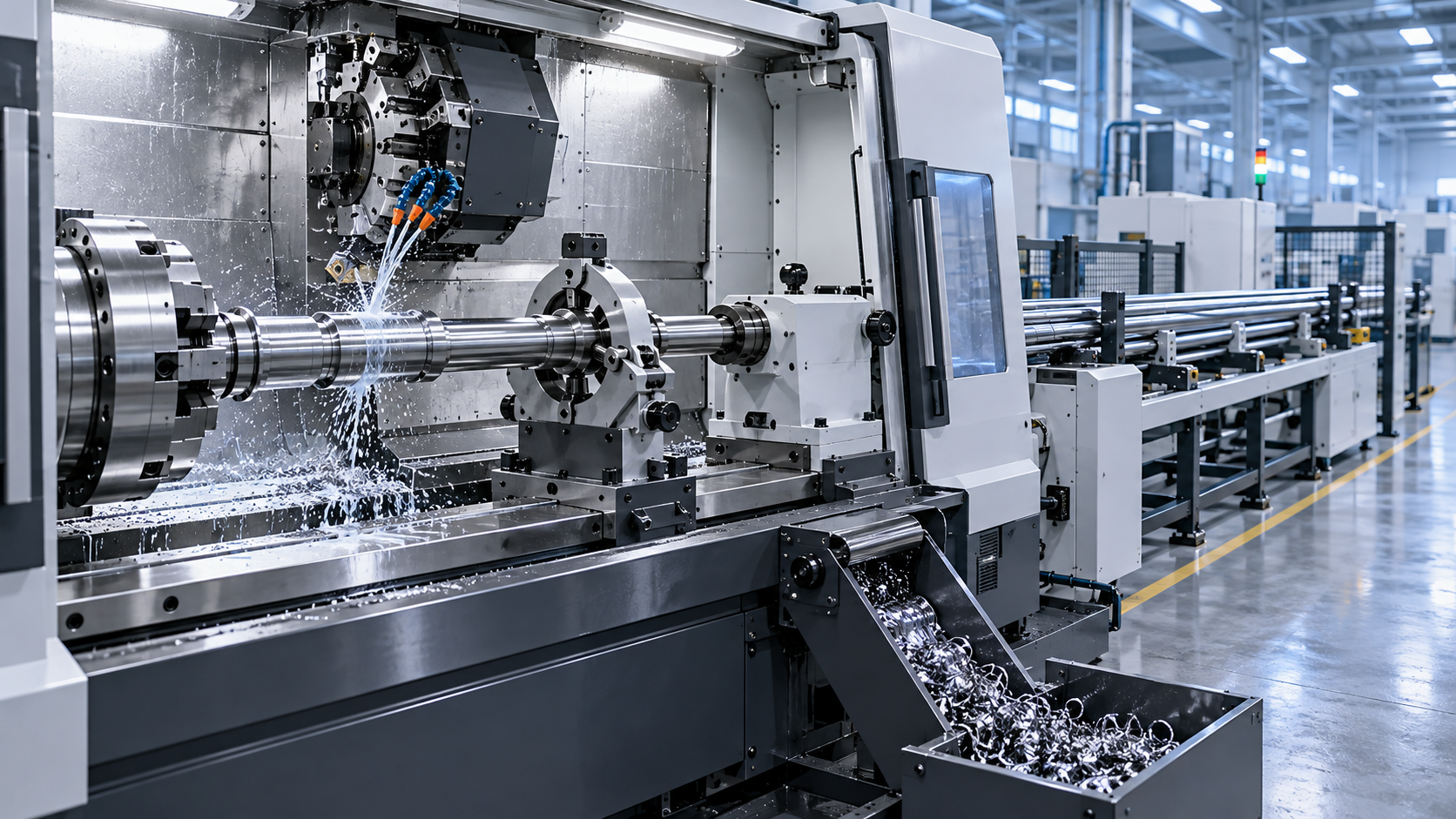
 How to Select an Industrial Lathe for High-Volume Shaft ProductionMachine Tool Industry Editorial Team
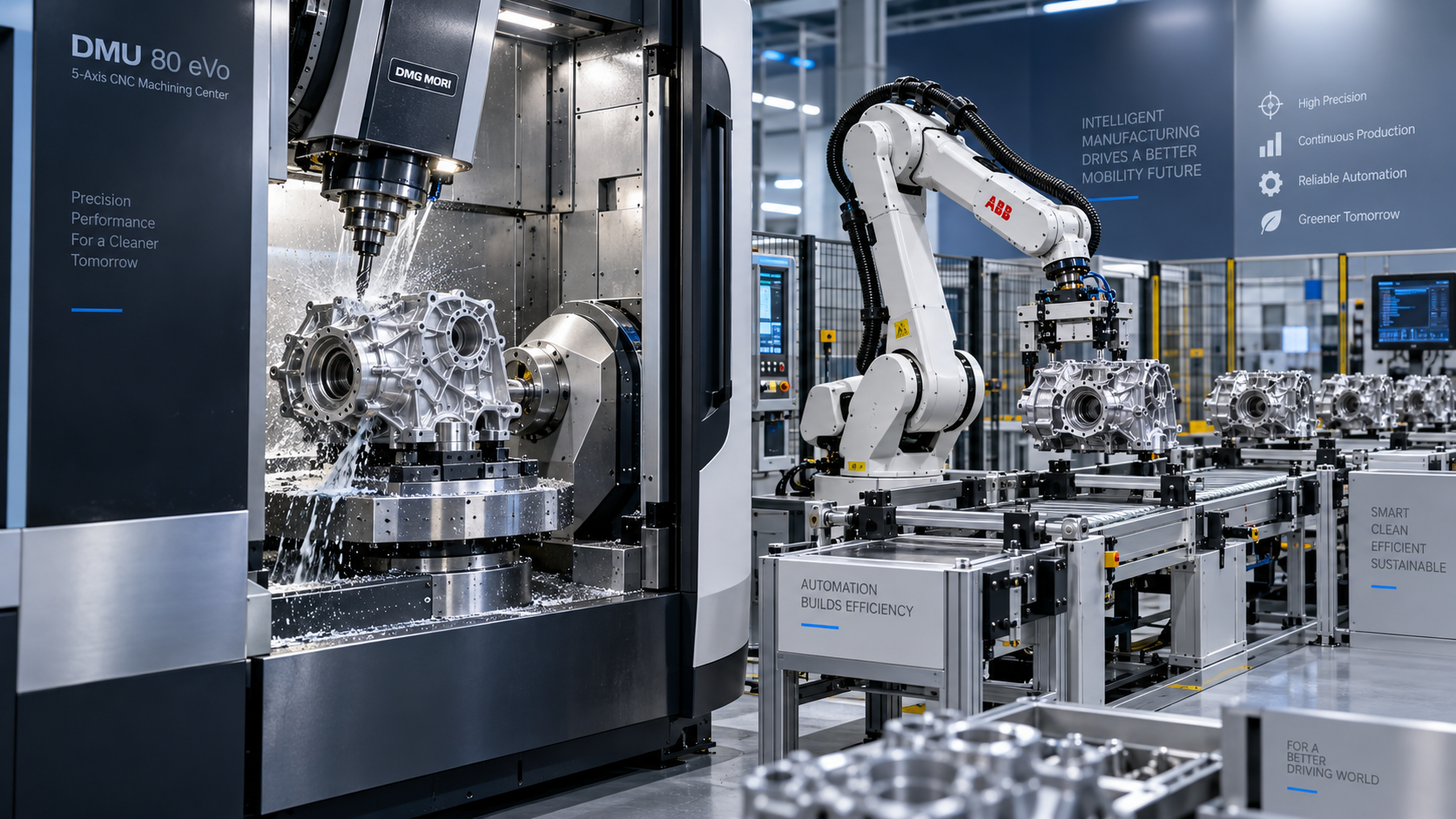
 Selecting Machine Tools for Automotive Parts: Accuracy, Throughput, and AutomationMachine Tool Industry Editorial Team
 Industrial Machining: Selecting Processes for Tight-Tolerance Metal PartsCNC Machining Technology Center
 Manufacturing Technology Trends That Improve Throughput and Quality ControlManufacturing Market Research Center


Aris Katos
Future of Carbide Coatings
15+ years in precision manufacturing systems. Specialized in high-speed milling and aerospace grade alloy processing.
▶
Brazil ANVISA Rule Targets Medical Mold CNC ImportsManufacturing Policy Research Center▶
BAFA Adds CNC Grinding Controls to Dual-Use ListManufacturing Policy Research Center▶
TUV Rheinland Rule Adds PL e Data Interface for CNCsManufacturing Policy Research Center▶
Germany Tightens CNC Safety Rules With AI Stop ModuleManufacturing Policy Research Center▶
China Seeks Feedback on E-Motorcycle Battery RulesManufacturing Policy Research Center
Mastering 5-Axis Workholding Strategies
Join our technical panel on Nov 15th to learn about reducing vibrations in thin-wall components.

Providing you with integrated sanding solutions
Before-sales and after-sales services
Comprehensive technical support