• Global CNC market projected to reach $128B by 2028 • New EU trade regulations for precision tooling components • Aerospace deman
NYSE: CNC +1.2%LME: STEEL -0.4%

Efficient Machining Process for Aluminum Alloys: Steps, Tooling, and Common Defects

Efficient Machining Process for aluminum alloys sits at the center of precision manufacturing because aluminum is easy to cut, yet difficult to machine consistently at scale.
Small changes in alloy grade, tool geometry, spindle stability, and chip evacuation can shift results from clean surfaces to burrs, chatter, or dimensional drift.
That is why machining strategy now matters well beyond the cutting zone.
In automotive, aerospace, electronics, and energy equipment, aluminum parts are judged by cycle time, repeatability, and downstream assembly fit as much as by simple machinability.
Why aluminum machining deserves closer attention
Aluminum alloys are widely used for lightweight structures, housings, heat-dissipating components, and complex milled features.
They support high-speed cutting, but that does not guarantee an efficient process.
Their lower hardness, higher thermal expansion, and tendency to form built-up edge create a unique process window.
For CNC machine tool evaluation, this makes aluminum an excellent indicator material.
A machine that performs well on aluminum should show stable spindle behavior, responsive feed control, reliable coolant delivery, and repeatable fixture positioning.
This is especially relevant as machine tools move toward greater automation, digital integration, and flexible production across global manufacturing clusters.
What an efficient machining process really includes
An Efficient Machining Process for aluminum alloys is not only about cutting faster.
It means matching material behavior, machine capability, tool selection, and process control to achieve predictable output.
In practice, four results usually define success:
- Stable dimensional accuracy across batches
- Short cycle time without premature tool wear
- Controlled burr formation and good surface finish
- Low variation during unattended or automated production
When one of these is missing, the process may look productive on paper but become expensive in rework, inspection, or assembly correction.
Process steps that shape machining performance
The Efficient Machining Process for aluminum alloys begins before the first tool touches the workpiece.
Material condition, part geometry, and machine configuration all influence the final route.
1. Material and part review
Different series behave differently.
For example, 2xxx and 7xxx alloys offer strength, while 5xxx and 6xxx grades often provide a better balance of formability and machinability.
Cast aluminum also requires attention to porosity, silicon content, and skin hardness.
2. Roughing strategy
Roughing should prioritize chip evacuation and heat control.
High-speed machining often works well, but radial engagement must stay controlled to avoid vibration and wall deflection.
Adaptive toolpaths are useful for pockets, thin walls, and deep cavities.
3. Semi-finishing and stress balance
This step removes remaining stock evenly.
It is often overlooked, yet it helps reduce distortion in thin or open structures.
Where aluminum parts have low rigidity, balanced material removal is more important than aggressive feed alone.
4. Finishing and edge control
Finishing defines surface roughness, geometric tolerance, and burr condition.
Light finishing passes, sharp edges, and stable clamping are usually more effective than simply reducing feed rate.
5. Inspection and correction loop
The best process includes fast feedback.
Tool wear tracking, in-process probing, and dimensional trend monitoring help protect batch consistency.
Tooling choices that influence efficiency
Tooling is where many aluminum programs either gain productivity or lose control.
Because aluminum cuts easily, the wrong tool may still remove material, but with unstable results.
Cutting tool geometry
Polished flutes, large rake angles, and sharp cutting edges are common for aluminum.
These features reduce adhesion and improve chip flow.
Two-flute and three-flute end mills are often preferred for evacuation and speed balance.
Tool material and coating
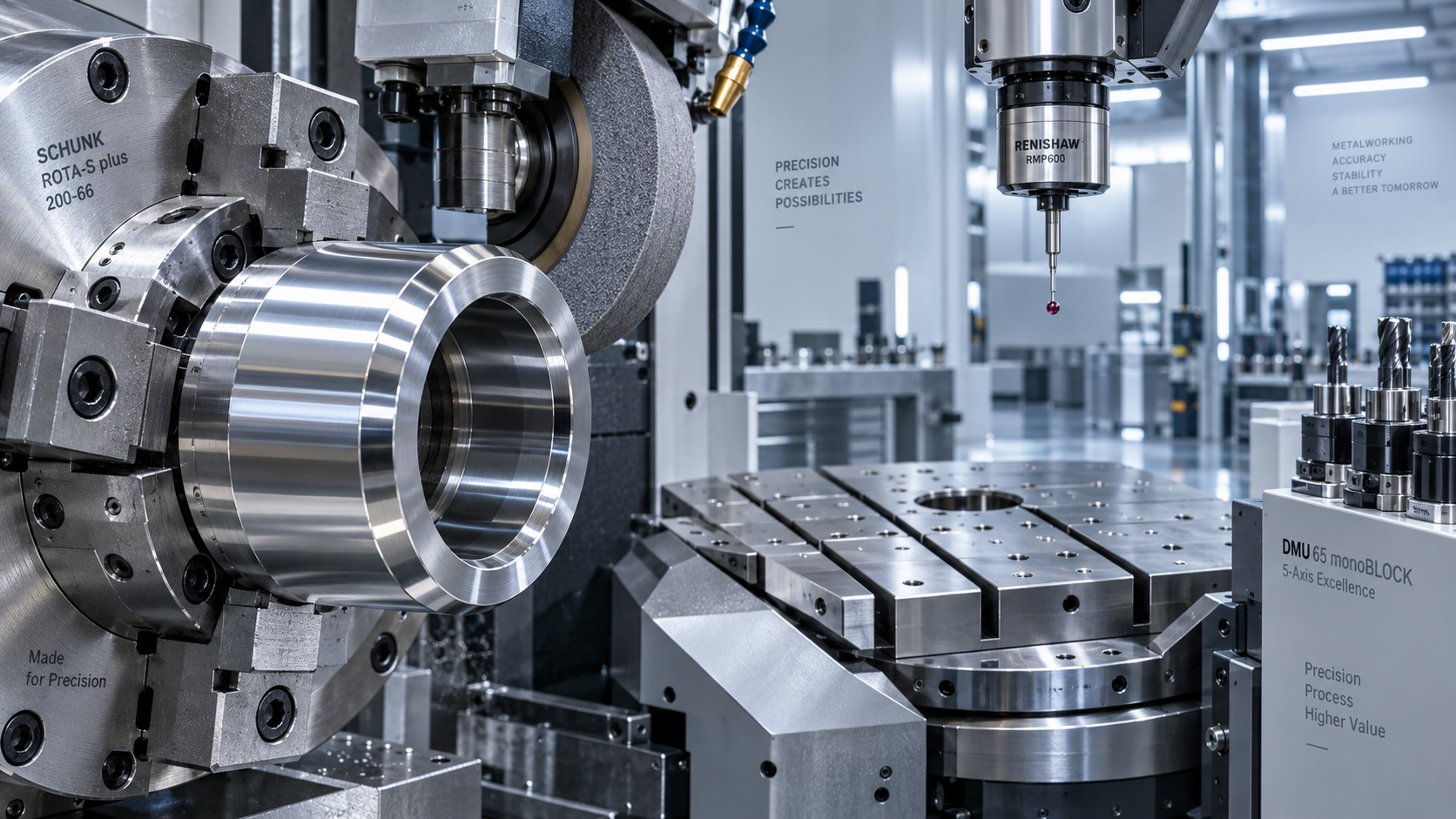
Solid carbide remains the main option for most CNC aluminum machining.
Uncoated or specialized low-friction coatings can work better than standard coatings designed for steel.
The key issue is preventing built-up edge, not maximizing hardness alone.
Workholding and toolholder stability
Thin-wall parts and precision pockets reveal fixture weakness quickly.
Vacuum fixtures, soft jaws, modular supports, and hydraulic holders can all improve repeatability when selected correctly.
Common defects and what they usually indicate
Most aluminum machining defects are not isolated events.
They usually point to an imbalance in process design, machine condition, or tooling match.
Burrs
Burrs often appear at exits, edges, and drilled holes.
Typical causes include dull tools, poor support, wrong cutting direction, or excessive feed at breakthrough.
Built-up edge
This is one of the most common barriers to an Efficient Machining Process for aluminum alloys.
Material sticks to the cutting edge, then breaks away unpredictably.
Surface finish worsens, size control drifts, and tool life becomes erratic.
Chatter marks
Chatter usually reflects a system problem rather than a single parameter issue.
Spindle dynamics, holder runout, long overhang, and weak fixturing should all be reviewed.
Dimensional instability
If size changes during long runs, thermal growth, tool wear, or part movement may be involved.
Thin parts can also spring after unclamping.
Surface smearing or tearing
This often appears when cutting edges are no longer cleanly shearing material.
Poor lubrication, incorrect speed, and edge wear are common contributors.
How to assess process capability in real production
For real-world evaluation, isolated sample parts are not enough.
The Efficient Machining Process for aluminum alloys should be judged over repeated cycles and changing operating conditions.
- Check whether cycle time stays stable after tool wear begins
- Compare roughing and finishing consistency across shifts
- Review burr levels before deburring, not only after correction
- Monitor chip evacuation in deep cavities and high-speed pockets
- Validate fixture repeatability on thin or asymmetric parts
- Track dimensional trends, not just pass or fail results
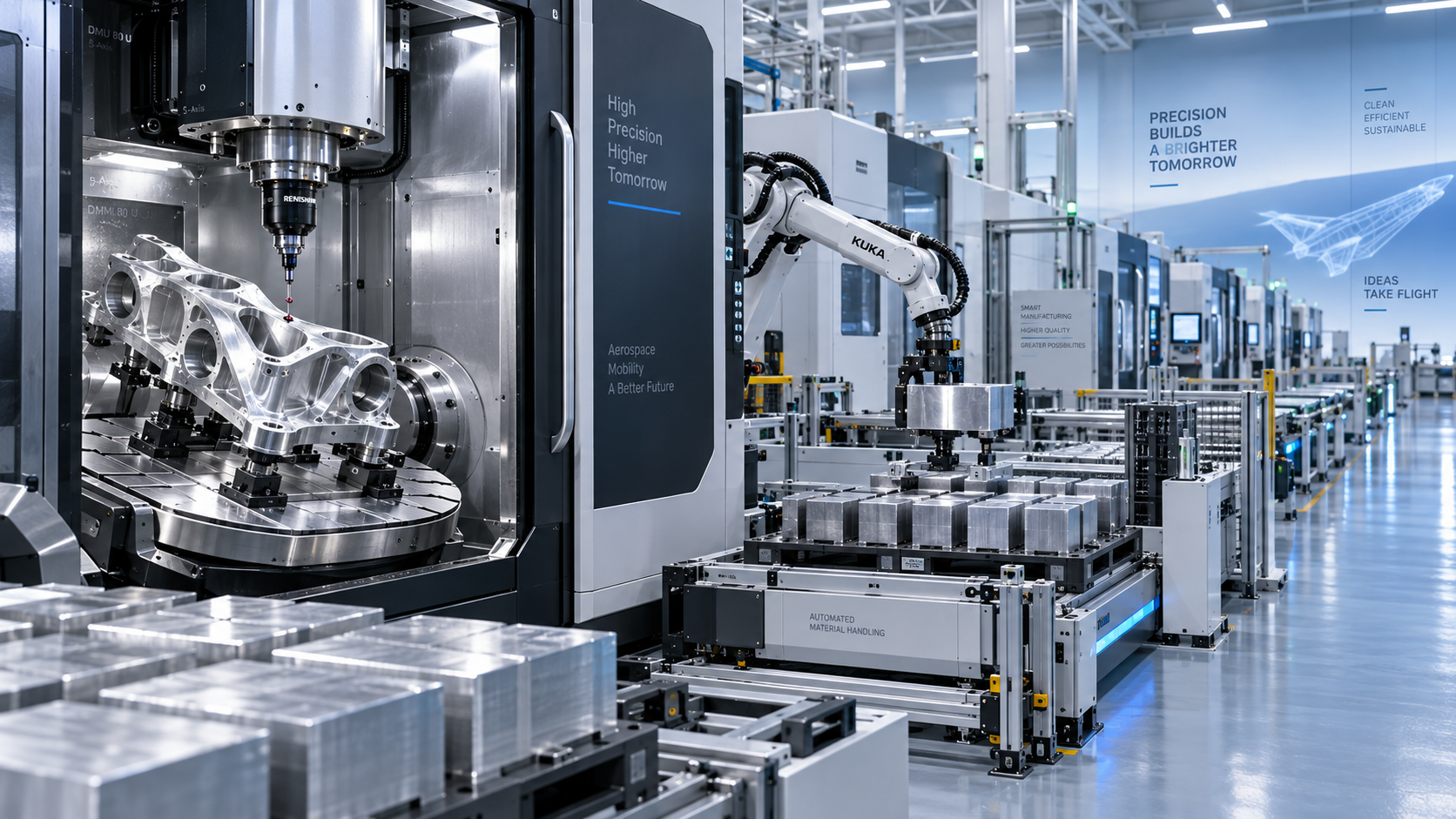
This broader view aligns well with automated lines and smart factory environments, where the cost of variation rises quickly.
Where the next decisions should focus
The best next step is to map part type, alloy family, tolerance level, and planned production volume against process capability.
That comparison often reveals whether the real bottleneck is machine rigidity, tooling design, fixture control, or parameter discipline.
For anyone reviewing CNC production readiness, Efficient Machining Process for aluminum alloys should be treated as a system question, not a speed question.
A clear benchmark built around defects, stability, and tool behavior will support better equipment comparison and more reliable production planning.
Recommended for You
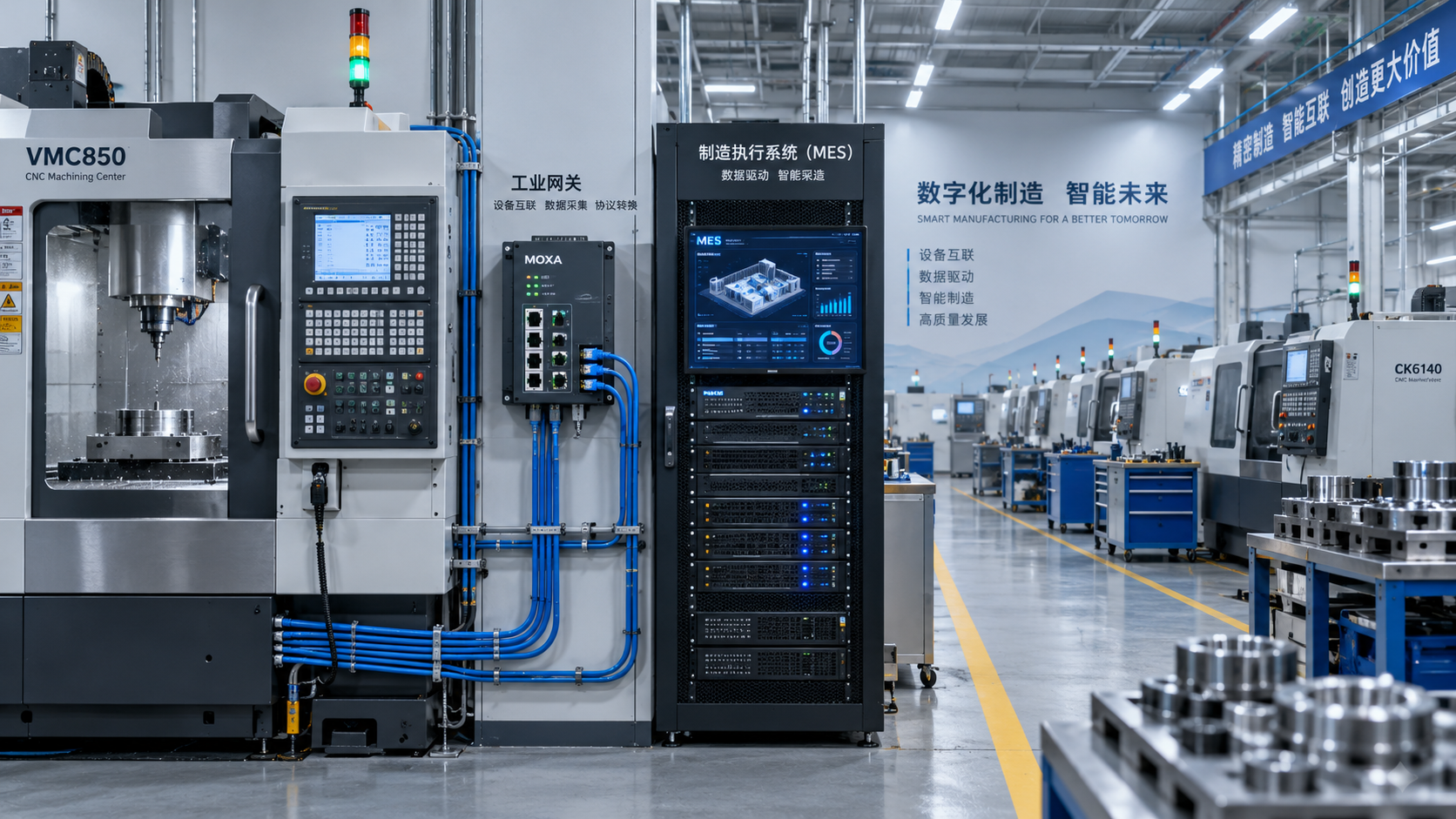
 Digital Manufacturing for Smart Factories: Connecting Legacy Machines to MESMachine Tool Industry Editorial Team
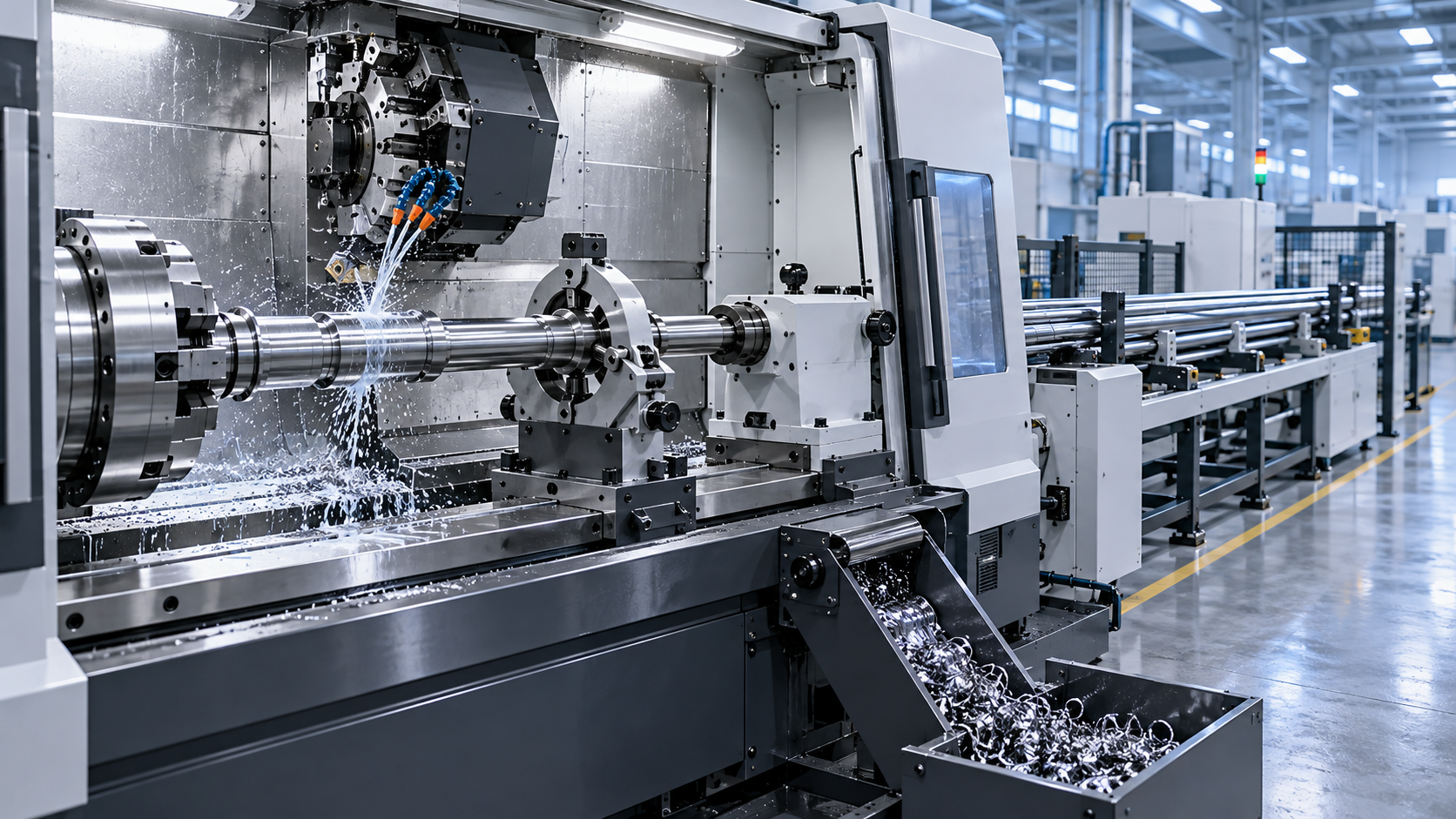
 How to Select a CNC Metal Lathe for Tight-Tolerance Shaft and Sleeve PartsCNC Machining Technology Center
 How to Select an Industrial Lathe for High-Volume Shaft ProductionMachine Tool Industry Editorial Team
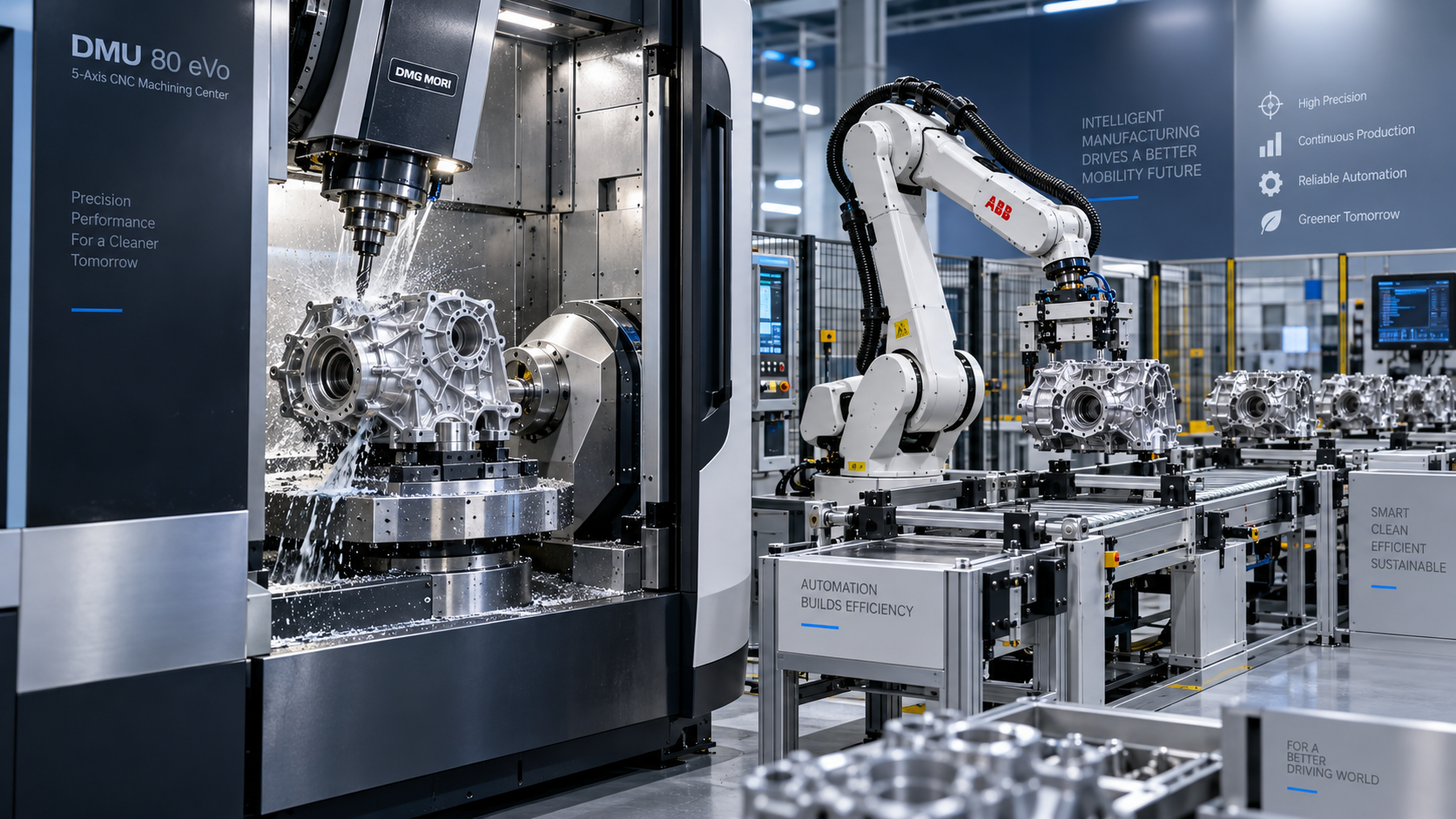
 Selecting Machine Tools for Automotive Parts: Accuracy, Throughput, and AutomationMachine Tool Industry Editorial Team
 Industrial Machining: Selecting Processes for Tight-Tolerance Metal PartsCNC Machining Technology Center
 Manufacturing Technology Trends That Improve Throughput and Quality ControlManufacturing Market Research Center

Aris Katos
Future of Carbide Coatings
15+ years in precision manufacturing systems. Specialized in high-speed milling and aerospace grade alloy processing.
▶
Industrial Machining: Selecting Processes for Tight-Tolerance Metal PartsCNC Machining Technology Center▶
How Does Precision Machining Differ From Standard Machining?CNC Machining Technology Center▶
CNC Precision: Which Tolerances, Materials, and Processes Fit Your Part?CNC Machining Technology Center▶
How to Choose Metal Machining Processes for Tight Tolerances and Production VolumeCNC Machining Technology Center▶
Production Process Explained: Key Stages, Controls, and Quality CheckpointsCNC Machining Technology Center
Mastering 5-Axis Workholding Strategies
Join our technical panel on Nov 15th to learn about reducing vibrations in thin-wall components.

Providing you with integrated sanding solutions
Before-sales and after-sales services
Comprehensive technical support