• Global CNC market projected to reach $128B by 2028 • New EU trade regulations for precision tooling components • Aerospace deman
NYSE: CNC +1.2%LME: STEEL -0.4%

How to Specify Shaft Parts for Energy Equipment: Materials, Tolerances, and Load Needs

Specifying Shaft Parts for Energy Equipment requires more than selecting a standard component. Project decisions affect uptime, safety, maintenance intervals, and total lifecycle cost.
Clear shaft definitions help avoid drawing revisions, supplier disputes, unstable lead times, and hidden machining risks in complex energy systems.
This guide explains how to define Shaft Parts for Energy Equipment through real application scenarios, focusing on materials, tolerances, and actual load needs.
Why application context changes Shaft Parts for Energy Equipment specifications
A shaft in a wind turbine gearbox does not face the same conditions as a pump shaft in a thermal plant.
Speed, torque, vibration, corrosion, startup frequency, and alignment conditions can change the correct shaft specification completely.
In CNC machining and precision manufacturing, these differences matter early. Material choice affects machinability, heat treatment response, and inspection strategy.
Tolerance decisions also affect process routes. Tight runout or concentricity may require grinding, special fixturing, or multi-axis finishing operations.
For Shaft Parts for Energy Equipment, the right question is not only “what size is needed,” but also “what operating reality must the shaft survive?”
Scenario 1: rotating shafts in wind and hydro transmission systems
Transmission shafts in wind and hydro equipment often face variable torque, shock loading, and long service intervals.
These Shaft Parts for Energy Equipment usually need strong fatigue resistance, reliable core toughness, and stable dimensional accuracy after heat treatment.
Key judgment points
- Repeated torsional load is often more critical than peak static load.
- Bearing seat fit and coaxiality directly affect gearbox efficiency and service life.
- Large diameters may require forged blanks instead of bar stock.
- Surface hardness must support wear resistance without sacrificing core ductility.
Common materials include 42CrMo4, 4140, 4340, and alloy steels with quench and temper treatment.
Where fretting or spline wear is expected, induction hardening or nitriding may be added to selected functional areas.
Scenario 2: pump and compressor shafts in thermal and process energy systems
Pump and compressor shafts often operate at high speed and under continuous duty, where balance quality and seal interface precision become dominant.
For these Shaft Parts for Energy Equipment, corrosion behavior can be as important as mechanical strength.
Key judgment points
- Media exposure may require stainless steel or coated alloy steel.
- Seal journals need low roughness and controlled runout.
- High speed raises the importance of dynamic balance and critical speed checks.
- Thermal growth must be considered in fit selection.
Typical material options include 17-4PH, 410, 420, duplex stainless grades, or coated alloy steels for mixed wear and corrosion demands.
In precision machining, seal faces and bearing seats may require turning, grinding, polishing, and final inspection in one controlled workflow.
Scenario 3: generator, motor, and coupling shafts in power conversion equipment
Generator and motor shafts often prioritize concentricity, straightness, and interface accuracy across couplings, keyways, and rotor mounting areas.
These Shaft Parts for Energy Equipment may see lower shock than transmission shafts, but tighter geometric tolerances.
Key judgment points
- Rotor balance sensitivity increases with speed and length.
- Straightness influences vibration and bearing heating.
- Keyway geometry can become a stress concentration area.
- Assembly repeatability depends on fit consistency across multiple diameters.
Medium-carbon alloy steels are common, but the final choice depends on torque reserve, electromagnetic design limits, and service environment.
How material, tolerance, and load needs differ by energy application
This comparison shows why standardizing all Shaft Parts for Energy Equipment under one specification often creates avoidable cost or reliability problems.
Practical specification method for Shaft Parts for Energy Equipment
A strong shaft specification should connect operating data with manufacturing reality. That reduces ambiguity during quotation, machining, heat treatment, and inspection.
Define load requirements clearly
- State transmitted torque, peak torque, speed range, and direction changes.
- Include bending sources from gears, belts, impellers, or misalignment.
- Mention startup frequency, braking events, and overload cases.
- Identify fatigue-critical sections such as shoulders, grooves, and keyways.
Specify material beyond grade name
- State standard, grade, delivery condition, and raw material form.
- Define required hardness, tensile range, or impact values if needed.
- Clarify heat treatment sequence and case depth where applicable.
- Add corrosion or coating requirements when exposed to aggressive media.
Control tolerances by function, not by habit
- Tighten only critical diameters, datum relationships, and sealing surfaces.
- Use runout, cylindricity, and concentricity where function truly demands them.
- Specify roughness by contact condition, not a blanket low value.
- Match tolerances to feasible CNC turning, grinding, and inspection methods.
For Shaft Parts for Energy Equipment, function-based tolerancing improves sourcing accuracy and avoids unnecessary precision cost.
Common misjudgments when selecting Shaft Parts for Energy Equipment
One common mistake is choosing the highest strength material without checking toughness, weldability, machinability, or distortion after heat treatment.
Another mistake is over-tightening every tolerance. This increases grinding time, scrap risk, inspection complexity, and lead time without improving performance.
Some drawings define nominal dimensions well but ignore the real load path. That can hide stress raisers near shoulders or accessory features.
Surface treatment is also misunderstood. Harder is not always better if the shaft core becomes too brittle for cyclic energy equipment duty.
In global CNC supply chains, missing inspection criteria can create quality disputes even when dimensions appear acceptable.
Recommended next steps for better shaft specification decisions
To improve Shaft Parts for Energy Equipment selection, start with a short application summary attached to the drawing or RFQ package.
- List operating speed, torque, temperature, media exposure, and expected service life.
- Mark functional surfaces for fits, seals, bearings, and couplings.
- Separate critical tolerances from general machining tolerances.
- Confirm whether forging, heat treatment, grinding, or balancing is required.
- Define inspection records for hardness, geometry, NDT, and material traceability.
This structured approach supports better communication across design, CNC machining, quality control, and international sourcing teams.
When Shaft Parts for Energy Equipment are specified around actual scenarios, equipment reliability improves and manufacturing decisions become more predictable.
If a shaft drawing is being prepared or reviewed, compare the application, material, tolerance, and load path together before releasing production.
Recommended for You
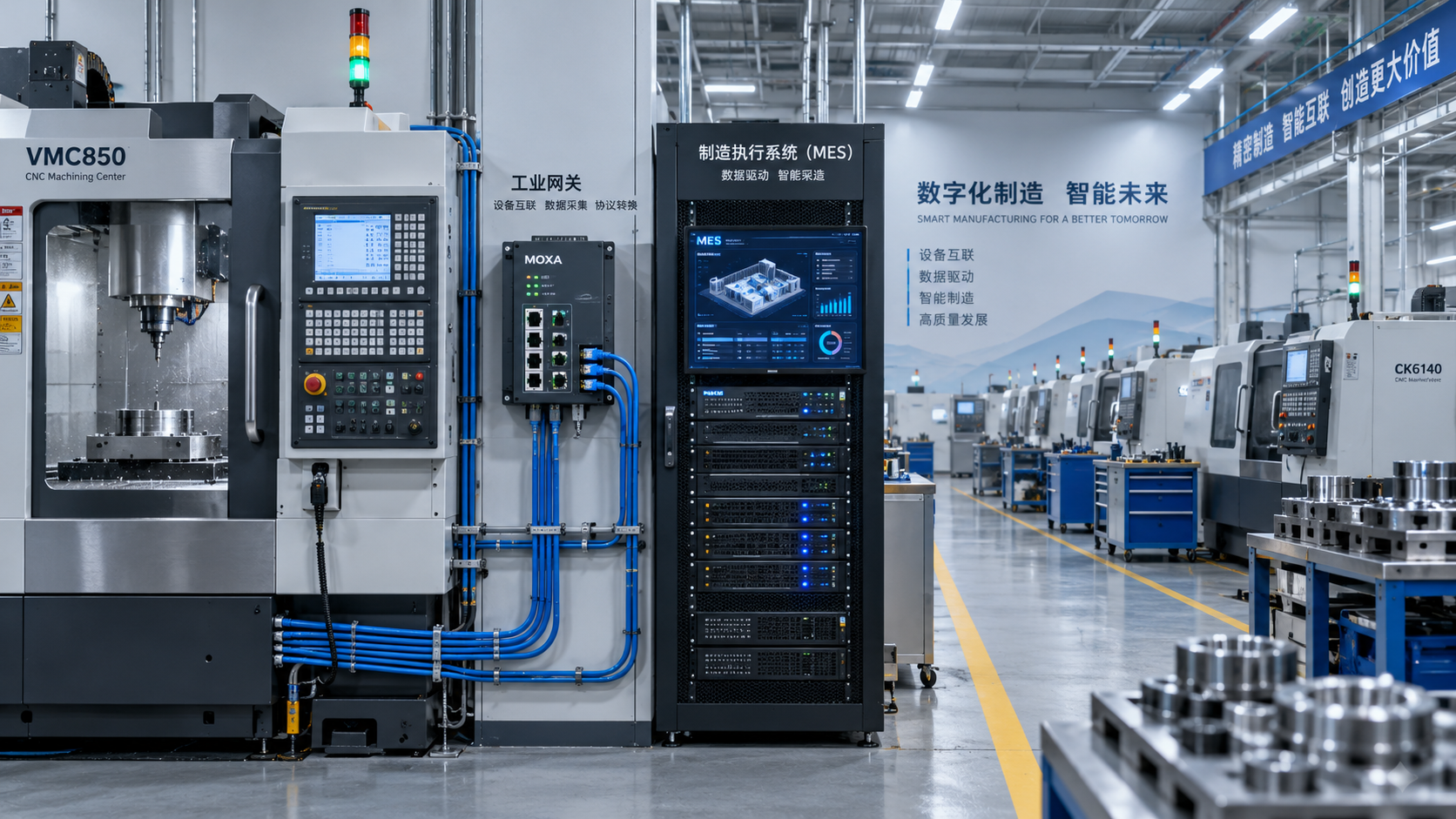
 Digital Manufacturing for Smart Factories: Connecting Legacy Machines to MESMachine Tool Industry Editorial Team
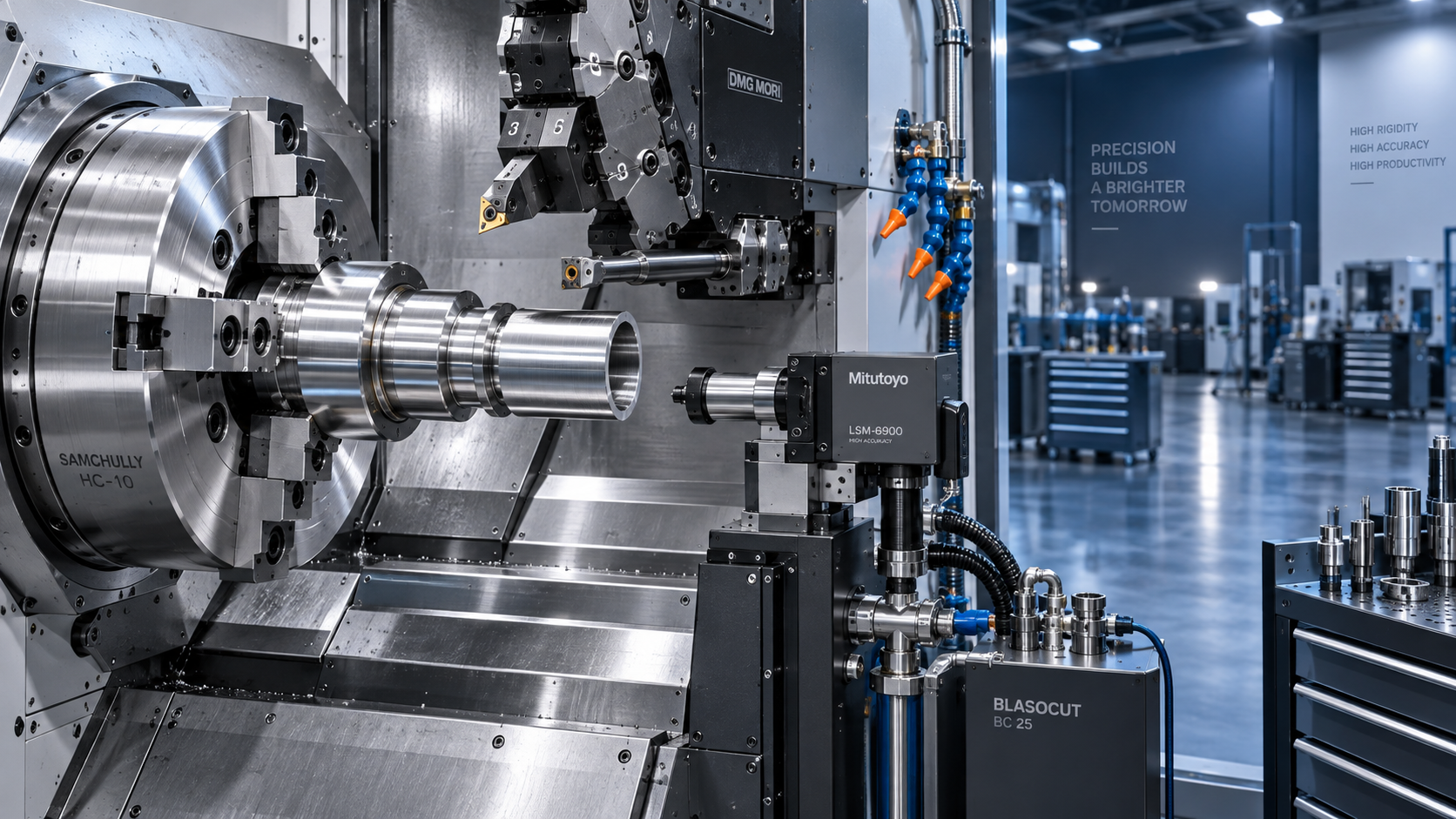
 How to Select a CNC Metal Lathe for Tight-Tolerance Shaft and Sleeve PartsCNC Machining Technology Center
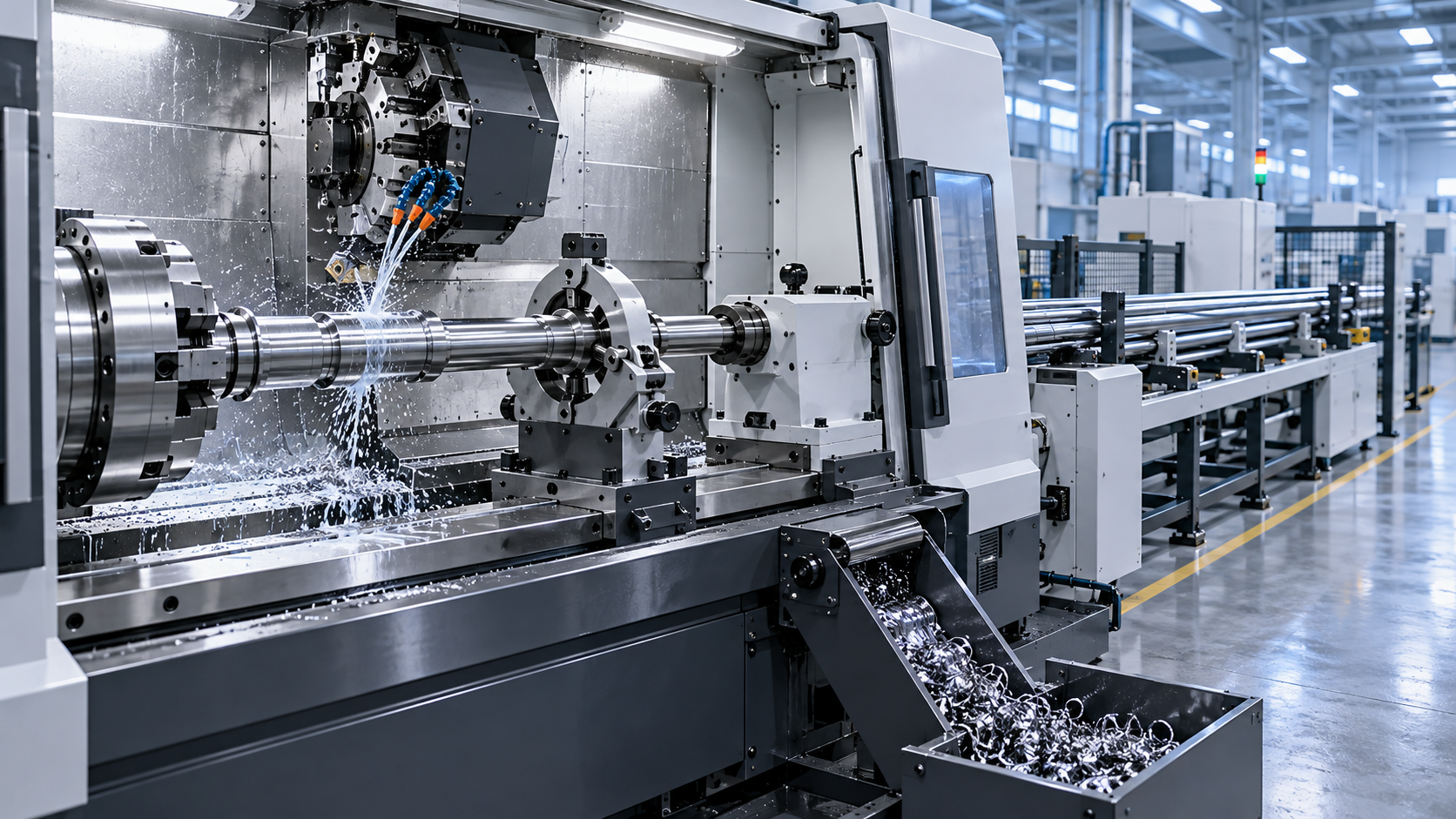
 How to Select an Industrial Lathe for High-Volume Shaft ProductionMachine Tool Industry Editorial Team
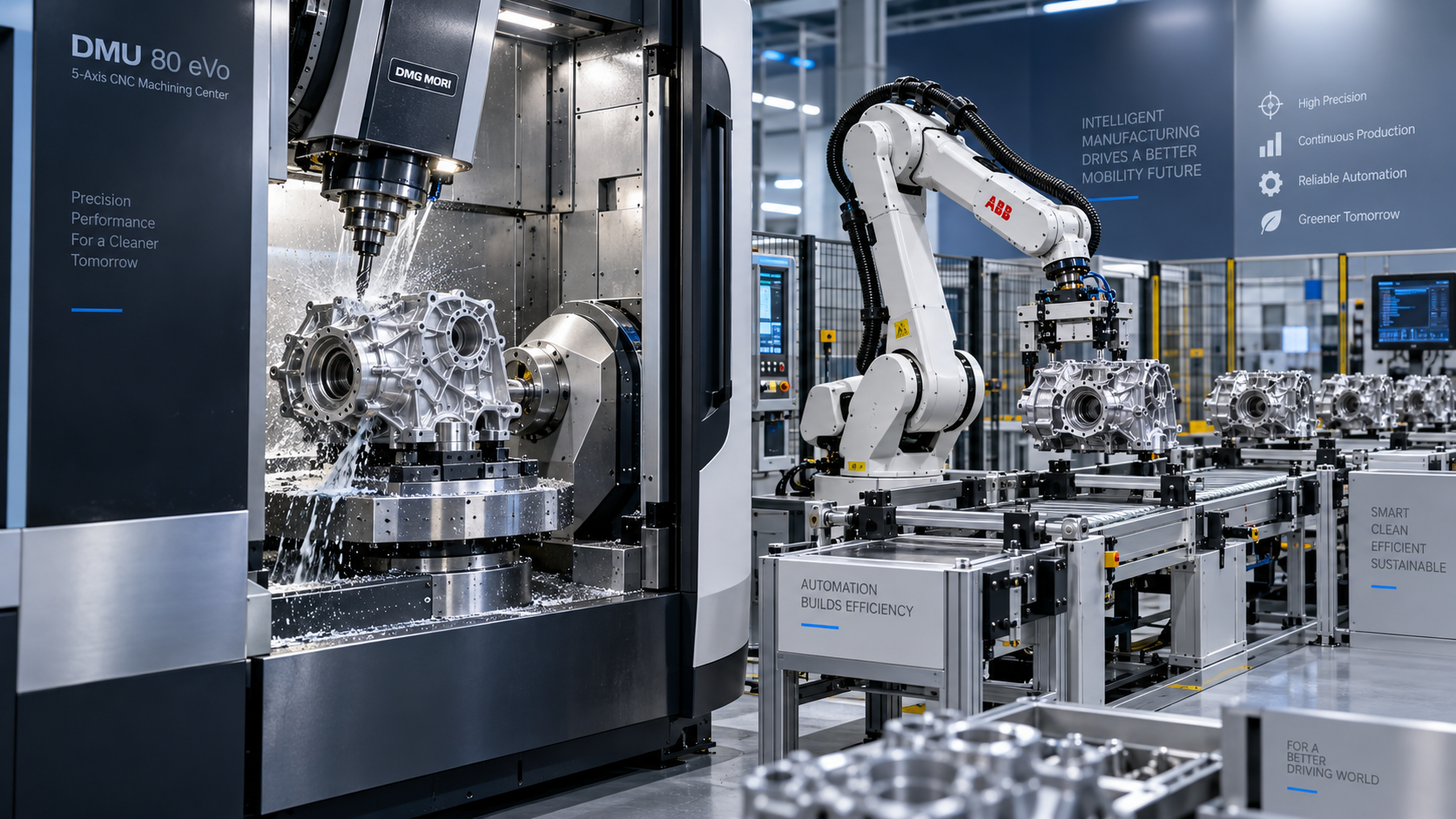
 Selecting Machine Tools for Automotive Parts: Accuracy, Throughput, and AutomationMachine Tool Industry Editorial Team
 Industrial Machining: Selecting Processes for Tight-Tolerance Metal PartsCNC Machining Technology Center
 Manufacturing Technology Trends That Improve Throughput and Quality ControlManufacturing Market Research Center

Aris Katos
Future of Carbide Coatings
15+ years in precision manufacturing systems. Specialized in high-speed milling and aerospace grade alloy processing.
▶
Industrial Machining: Selecting Processes for Tight-Tolerance Metal PartsCNC Machining Technology Center▶
How Does Precision Machining Differ From Standard Machining?CNC Machining Technology Center▶
CNC Precision: Which Tolerances, Materials, and Processes Fit Your Part?CNC Machining Technology Center▶
How to Choose Metal Machining Processes for Tight Tolerances and Production VolumeCNC Machining Technology Center▶
Production Process Explained: Key Stages, Controls, and Quality CheckpointsCNC Machining Technology Center
Mastering 5-Axis Workholding Strategies
Join our technical panel on Nov 15th to learn about reducing vibrations in thin-wall components.

Providing you with integrated sanding solutions
Before-sales and after-sales services
Comprehensive technical support