• Global CNC market projected to reach $128B by 2028 • New EU trade regulations for precision tooling components • Aerospace deman
NYSE: CNC +1.2%LME: STEEL -0.4%

How to Choose a Turning Center: Key Specs, Axis Options, and Part Fit

Choosing the right turning center affects part accuracy, cycle time, and total cost more than many buyers expect. For procurement teams, the best choice is rarely the cheapest machine.
A good purchase decision comes from matching part size, material, tolerance, batch volume, and automation goals to the right machine configuration. Axis count, spindle capacity, rigidity, and support matter as much as price.
This guide explains how to evaluate a turning center from a buyer’s perspective. It focuses on the specifications that influence production fit, delivery risk, operating cost, and long-term return.
What procurement teams really need to decide before comparing turning center quotes
When buyers search for a turning center, the real intent is usually practical rather than academic. They want to know which machine fits their parts, avoids overspending, and supports stable production.
That means the first question is not whether a machine has more features. It is whether those features solve a real manufacturing need, improve output, or reduce downstream quality problems.
For procurement personnel, the most important concerns are usually part compatibility, target accuracy, cycle time, supplier reliability, maintenance support, and total cost over the machine’s service life.
Many purchasing mistakes happen because teams compare machine prices before defining the production scenario. A lower initial quote can become more expensive if setup time, tool wear, or downtime increases.
Before asking for final proposals, define three things clearly: the parts to be produced, the required output level, and the acceptable risk in delivery, operation, and service.
Start with part fit: the machine must match the work you actually run
The most important filter in choosing a turning center is part fit. If the machine does not match your actual component range, every other specification becomes less meaningful.
Buyers should collect representative part data from production teams. This includes maximum and minimum diameters, part length, weight, material type, required tolerances, surface finish, and critical features.
A turning center used for short aluminum fittings has very different requirements from one producing long alloy steel shafts. Part geometry directly affects spindle choice, bed structure, tooling, and axis configuration.
Also consider how broad the future part mix may become. If the machine must support both current contracts and expected new work, some extra capacity may be justified.
However, oversizing can reduce value. A larger machine may consume more floor space, cost more to run, and perform inefficiently on smaller parts if most jobs do not need that envelope.
Procurement should ask engineering teams for a part family analysis instead of reviewing only one sample drawing. The best decision comes from understanding the full processing window.
Key turning center specs that affect cost, quality, and production flexibility
Several specifications matter more than others in a buying decision. These are not just catalog numbers. They directly influence whether the machine can hit output targets consistently.
Swing, turning diameter, and maximum turning length determine whether parts physically fit the machine. Buyers should verify both nominal capacity and real workable capacity with tooling installed.
Spindle bore and chuck size are critical for bar work and larger diameters. If the spindle bore is too small, material handling becomes slower and may require secondary operations.
Spindle speed and power should match material and cutting conditions. High speed helps small precision parts, while higher torque is often more valuable for larger or tougher materials.
Turret capacity and tool station layout affect setup flexibility. More stations can reduce changeover frequency and support more complex jobs, but only if they are used in practice.
Guideway design and machine rigidity influence vibration control, tool life, and surface finish. For hard materials or interrupted cuts, a rigid structure is often more important than headline speed.
Tailstock, sub-spindle, steady rest, and bar feeder compatibility also matter. These options can significantly expand part handling capability and reduce manual intervention.
Ask suppliers to explain how each specification supports your actual applications. A machine can look strong on paper yet still be a poor fit for your production priorities.
How to choose the right axis configuration without paying for unnecessary complexity
Axis selection is one of the most important parts of turning center evaluation. It strongly affects machine price, machining capability, setup method, and the number of operations needed per part.
A basic two-axis turning center, typically X and Z, is suitable for many standard cylindrical parts. It often offers the best value for straightforward turning with simple geometry.
If your parts require cross holes, flats, off-center features, or light milling work, a machine with live tooling and a C-axis may be a better choice. This can reduce secondary machining.
For more complex work, a Y-axis turning center adds off-center machining capability and expands the range of parts completed in one setup. This is especially useful for multifunction components.
Machines with sub-spindles support front-and-back machining in one cycle. For buyers, this can mean lower handling labor, better concentricity between features, and shorter total throughput time.
More axes do not automatically mean better value. Added complexity increases purchase cost, programming demands, maintenance requirements, and training needs. The right choice depends on part economics.
Procurement teams should ask a simple question: will the extra axis reduce setups, improve accuracy, or remove outside operations often enough to justify the additional investment?
Cycle time matters, but stable process capability matters more
Many machine comparisons focus too heavily on the fastest quoted cycle time. For buyers, cycle time is important, but stable and repeatable production usually creates greater long-term value.
A turning center that runs slightly slower but holds tolerance consistently may deliver better overall economics than a faster machine with frequent adjustment, scrap, or unplanned stoppages.
Procurement should review practical production indicators such as repeatability, thermal stability, chip evacuation, tool life performance, and ease of setup between part changes.
If possible, ask for sample cutting data using similar materials and part geometry. Real application evidence is more valuable than general performance claims taken from standard brochures.
It is also worth checking how the machine behaves under continuous production rather than short demonstration runs. Long-shift reliability is what affects delivered cost per part.
Total cost of ownership is the real purchasing metric
The purchase price of a turning center is only one part of the decision. Procurement should evaluate the total cost of ownership across installation, operation, support, and future upgrades.
Important cost elements include tooling compatibility, energy use, floor space, required automation devices, maintenance intervals, spare parts pricing, software options, and operator training time.
Downtime risk can easily outweigh a lower machine price. If service response is slow or parts are difficult to source, production disruption may become the most expensive factor in the deal.
Ask suppliers for preventive maintenance recommendations, expected wear items, warranty scope, and the local support structure. These details often reveal more than a headline discount.
For many buyers, the best-value turning center is the one that reaches acceptable output with predictable support costs and minimal production surprises over several years.
Questions buyers should ask suppliers before making a final decision
A structured supplier review helps procurement reduce technical and commercial risk. It also makes quotation comparisons more meaningful across different machine brands and configurations.
First, ask for application matching. Which part families is the proposed turning center designed to handle, and what limitations should be expected for your materials and dimensions?
Second, ask for proof of performance. Can the supplier provide customer references, sample test cuts, tolerance results, or case studies in similar industries and production conditions?
Third, ask about delivery and installation. What is the lead time, commissioning scope, training plan, and timeline to reach normal production after machine arrival?
Fourth, ask about service capability. Is support local or remote, what spare parts are stocked regionally, and what is the typical response time for urgent breakdown situations?
Fifth, ask about expansion potential. Can the machine be upgraded later with automation, probing, bar feeding, software functions, or additional workholding as demand changes?
These questions help buyers move beyond marketing language and identify which turning center offers the most practical fit for current and future manufacturing needs.
Common procurement mistakes when buying a turning center
One common mistake is selecting a machine based mainly on maximum specifications. Higher capacity can look attractive, but unused capability often means unnecessary capital expense.
Another mistake is ignoring the actual part mix. A turning center chosen around one oversized or unusually complex part may perform poorly for the majority of everyday production jobs.
Some teams also underestimate programming and training needs for multi-axis machines. If internal capability is limited, advanced features may remain underused for a long time.
Supplier support is another area where buyers sometimes compromise too far. A machine with weak after-sales service can create long-term production risk that exceeds any upfront savings.
Finally, do not separate procurement from manufacturing engineers and operators during evaluation. The best buying decisions come from commercial, technical, and operational input together.
How to build a practical evaluation checklist
A strong buying process usually includes a scoring sheet that compares each turning center against the same decision criteria. This keeps the evaluation clear and less influenced by sales claims.
Typical categories include part fit, axis suitability, spindle and tooling capacity, expected cycle time, reliability, service network, lead time, training support, and total cost of ownership.
Weight the categories according to business needs. For example, a high-mix job shop may value flexibility most, while a volume producer may prioritize uptime, automation, and repeatability.
It is also useful to rate supplier transparency. Vendors who clearly explain machine limits and application boundaries often become better long-term partners than those who promise everything.
A documented checklist helps procurement justify the purchase internally and supports better negotiations on options, service terms, and acceptance standards.
Conclusion: choose the turning center that fits the job, not just the budget
The right turning center is the one that matches your part range, production goals, and operational capabilities with the lowest realistic lifetime cost, not simply the lowest quotation.
For procurement teams, the smartest approach is to start with part fit, then evaluate core specs, axis options, process stability, and supplier support in a structured way.
If a machine reduces setups, holds tolerance reliably, supports future demand, and comes with dependable service, it is likely to create stronger value than a cheaper but poorly matched alternative.
In short, choosing a turning center is a business decision as much as a technical one. Buyers who connect machine capability to real manufacturing outcomes make better investments.
PREVIOUS ARTICLE
Recommended for You
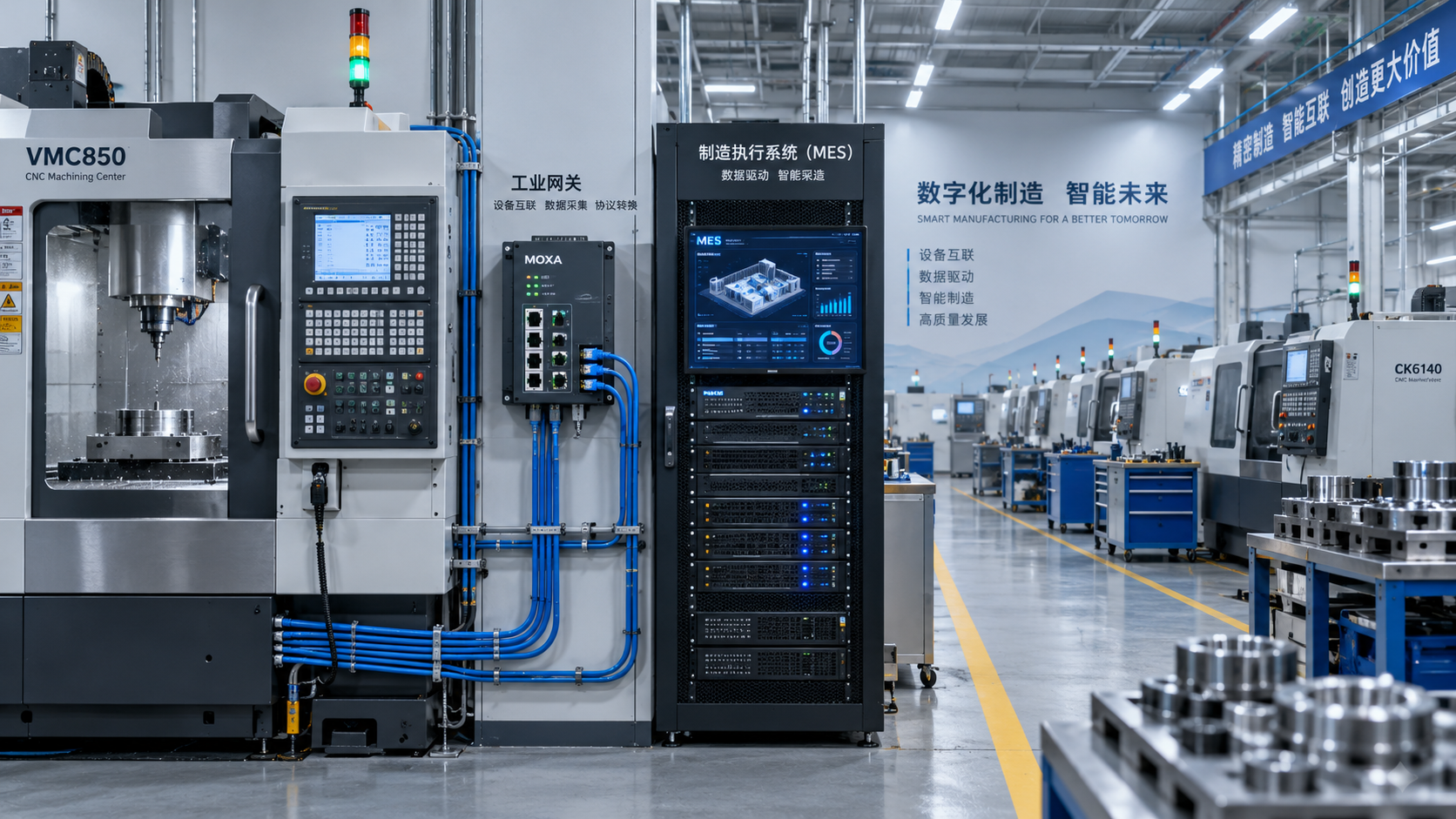
 Digital Manufacturing for Smart Factories: Connecting Legacy Machines to MESMachine Tool Industry Editorial Team
 How to Select a CNC Metal Lathe for Tight-Tolerance Shaft and Sleeve PartsCNC Machining Technology Center
 How to Select an Industrial Lathe for High-Volume Shaft ProductionMachine Tool Industry Editorial Team
 Selecting Machine Tools for Automotive Parts: Accuracy, Throughput, and AutomationMachine Tool Industry Editorial Team
 Industrial Machining: Selecting Processes for Tight-Tolerance Metal PartsCNC Machining Technology Center
 Manufacturing Technology Trends That Improve Throughput and Quality ControlManufacturing Market Research Center

Aris Katos
Future of Carbide Coatings
15+ years in precision manufacturing systems. Specialized in high-speed milling and aerospace grade alloy processing.
▶
How to Select an Industrial Lathe for High-Volume Shaft ProductionMachine Tool Industry Editorial Team▶
When Does CNC Turning Pay Off? A Break-Even Guide by Annual Part VolumeMachine Tool Industry Editorial Team▶
How to Compare CNC Metal Lathe Brands ObjectivelyMachine Tool Industry Editorial Team▶
CNC Lathe Quick Installation Guide: How to Avoid Alignment and Wiring MistakesMachine Tool Industry Editorial Team▶
CNC Lathe Quick Installation Guide: Common Setup Mistakes and How to Avoid ThemMachine Tool Industry Editorial Team
Mastering 5-Axis Workholding Strategies
Join our technical panel on Nov 15th to learn about reducing vibrations in thin-wall components.

Providing you with integrated sanding solutions
Before-sales and after-sales services
Comprehensive technical support