• Global CNC market projected to reach $128B by 2028 • New EU trade regulations for precision tooling components • Aerospace deman
NYSE: CNC +1.2%LME: STEEL -0.4%

Global Power Demand Growth Hits 3%; Data Center Expansion Drives Precision Machining Needs

Global electricity demand growth reached nearly 3% in 2025, according to the International Energy Agency’s World Energy Review 2026, with data centers—particularly in the United States—accounting for approximately half of the incremental demand. This surge is intensifying technical requirements across the precision mechanical manufacturing value chain, especially for components used in high-performance computing infrastructure.
Event Overview
The IEA’s World Energy Review 2026 reports that global electricity demand growth approached 3% in 2025. U.S. data centers contributed roughly 50% of the year-on-year increase. Structural components—including server racks, liquid-cooling modules, and GPU trays—now require micro-level CNC milling, high-speed drilling and tapping of composite materials, and automated optical inspection. As a result, IDC service providers in Taiwan and Singapore have increased procurement of precision machining services from mainland China-based suppliers.
Industries Affected
Direct Trade Enterprises
Export-oriented precision machining firms—especially those certified for ISO 13485 or AS9100 and experienced in aerospace or medical device supply chains—are seeing renewed inbound inquiries from Asia-Pacific IDC operators. The impact manifests in tighter delivery windows, stricter first-article inspection (FAI) requirements, and greater emphasis on traceability documentation for sub-10μm tolerance features.
Raw Material Procurement Enterprises
Suppliers of high-strength aluminum alloys (e.g., 7075-T6), carbon-fiber-reinforced polymer (CFRP) sheets, and thermally conductive metal matrix composites report rising order volumes and more frequent specification revisions. Demand volatility has increased, as procurement cycles now align with quarterly cloud infrastructure capex announcements rather than annual industrial planning horizons.
Manufacturing Enterprises
Contract manufacturers specializing in multi-axis CNC machining, surface finish control (Ra ≤ 0.4 μm), and in-process metrology are adjusting capacity allocation: up to 35% of newly added spindle hours in Q1 2025 were dedicated to data-center-related parts. Investment in automated loading/unloading systems and AI-assisted defect classification tools is accelerating—notably among Tier-2 suppliers serving Taiwanese EMS partners.
Supply Chain Service Providers
Logistics integrators offering expedited air freight with customs pre-clearance for high-value, low-volume machined parts report 22% YoY growth in shipments to Singapore and Taipei. Concurrently, third-party calibration labs and non-destructive testing (NDT) service providers note expanded scope requests—especially for computed tomography (CT) scanning of internal cooling channels in liquid-cooled chassis.
Key Considerations and Recommended Actions
Evaluate Process Capability Against Micro-Tolerance Benchmarks
Manufacturers should benchmark current CNC process capability indices (Cpk ≥ 1.67 for critical dimensions under ±5 μm) against typical data-center component specs. Upgrades to thermal compensation systems and real-time tool wear monitoring may be necessary before pursuing Tier-1 IDP contracts.
Strengthen Traceability Infrastructure for Export Compliance
Given tightening export controls on dual-use high-precision equipment and related software, enterprises must ensure full digital traceability—from raw material lot IDs through NC program version logs—to meet both U.S. EAR and EU Dual-Use Regulation reporting expectations.
Engage Early with Regional IDC Integrators on Joint Qualification Roadmaps
Proactive alignment with Singapore- and Taiwan-based system integrators on qualification timelines (e.g., AEC-Q200 for vibration testing, UL 62368-1 for thermal safety) can compress time-to-market by 4–6 months versus reactive bidding.
Editorial Perspective / Industry Observation
Observably, this trend reflects a structural shift: data centers are no longer just power consumers but *precision hardware demand drivers*—a role previously dominated by aerospace and semiconductor capital equipment sectors. Analysis shows that the average bill-of-materials (BOM) complexity for next-gen GPU trays exceeds that of legacy telecom baseband units by 3.2×, underscoring deeper integration of thermal, mechanical, and electromagnetic design constraints. From an industry perspective, the convergence of AI compute scaling and grid-level energy policy is reshaping sourcing hierarchies—not just for chips, but for the physical infrastructure anchoring them.
Conclusion
This development signals more than cyclical demand fluctuation; it marks the emergence of hyperscale computing as a primary vector for advanced manufacturing capability deployment. A rational interpretation is that precision machining is transitioning from a cost center supporting IT hardware assembly to a strategic enabler of sustainable compute density—where performance, reliability, and energy efficiency are co-optimized at the component level.
Source Attribution
Source: International Energy Agency (IEA), World Energy Review 2026, published March 2026. Note: IEA projections for 2025 electricity demand growth and regional contribution breakdown are final estimates; however, underlying assumptions regarding U.S. data center capex intensity and cross-border precision service trade flows remain subject to revision pending Q2 2026 national energy statistics releases.
PREVIOUS ARTICLE
NEXT ARTICLE
Recommended for You
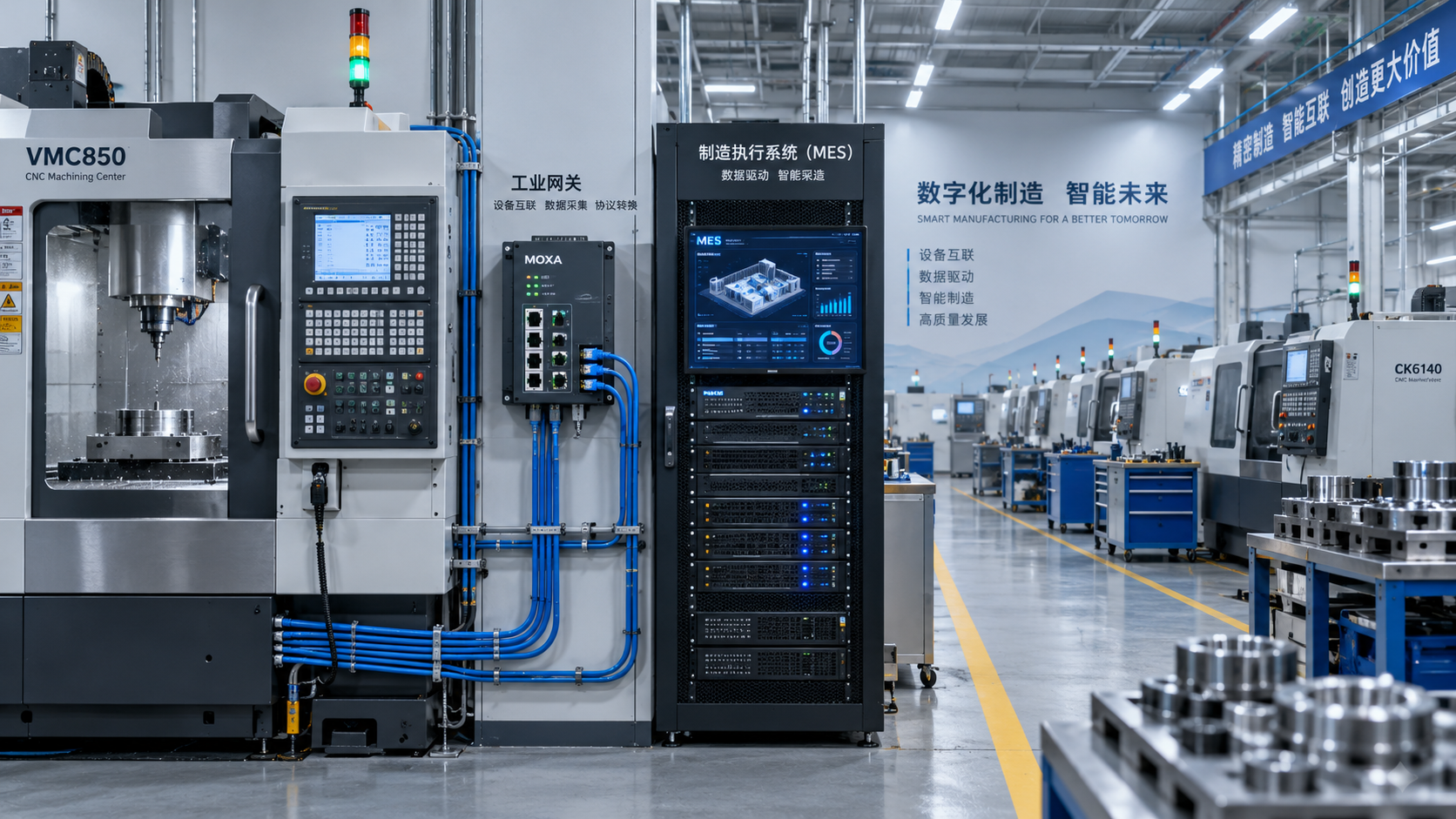
 Digital Manufacturing for Smart Factories: Connecting Legacy Machines to MESMachine Tool Industry Editorial Team
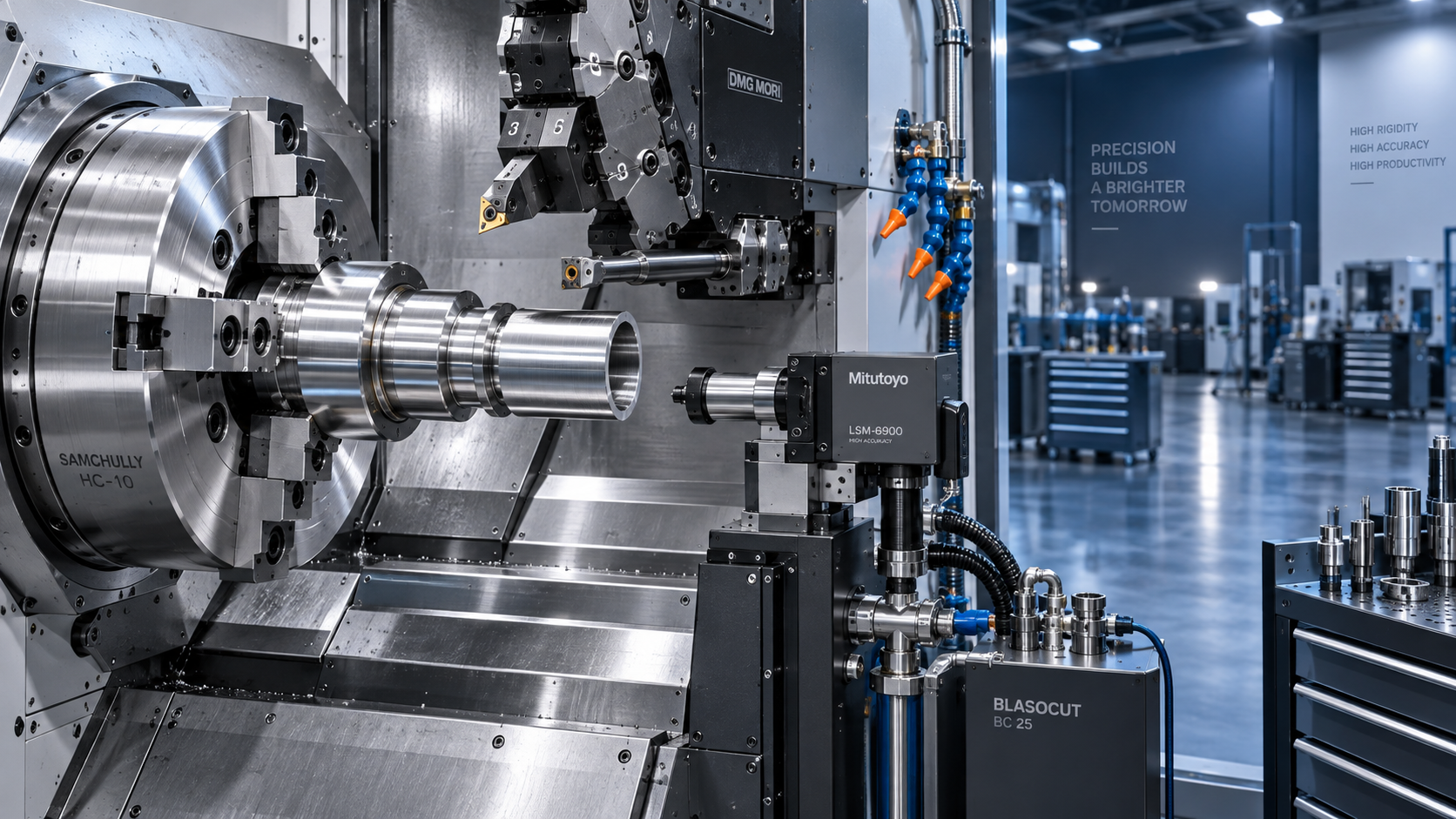
 How to Select a CNC Metal Lathe for Tight-Tolerance Shaft and Sleeve PartsCNC Machining Technology Center
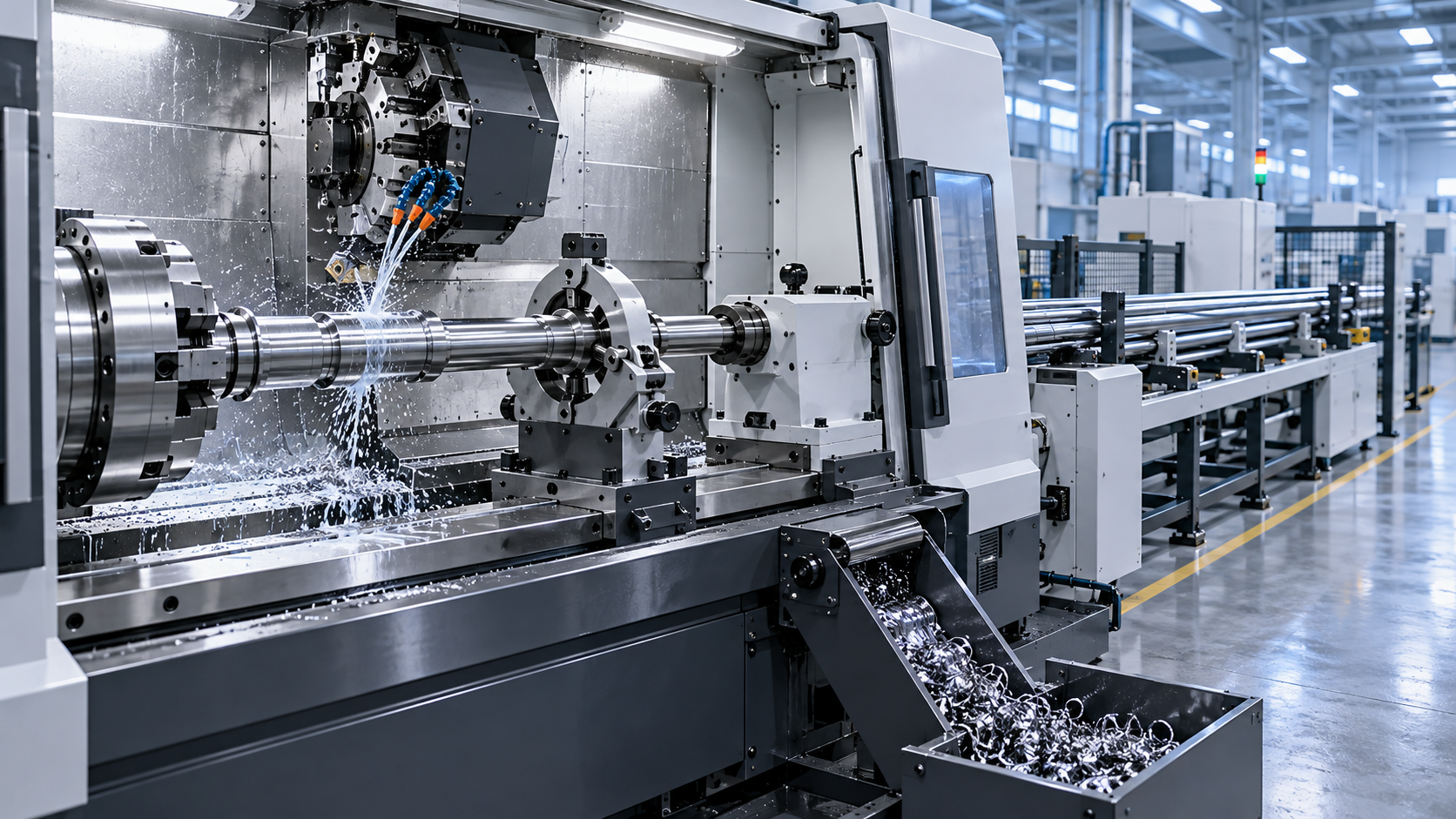
 How to Select an Industrial Lathe for High-Volume Shaft ProductionMachine Tool Industry Editorial Team
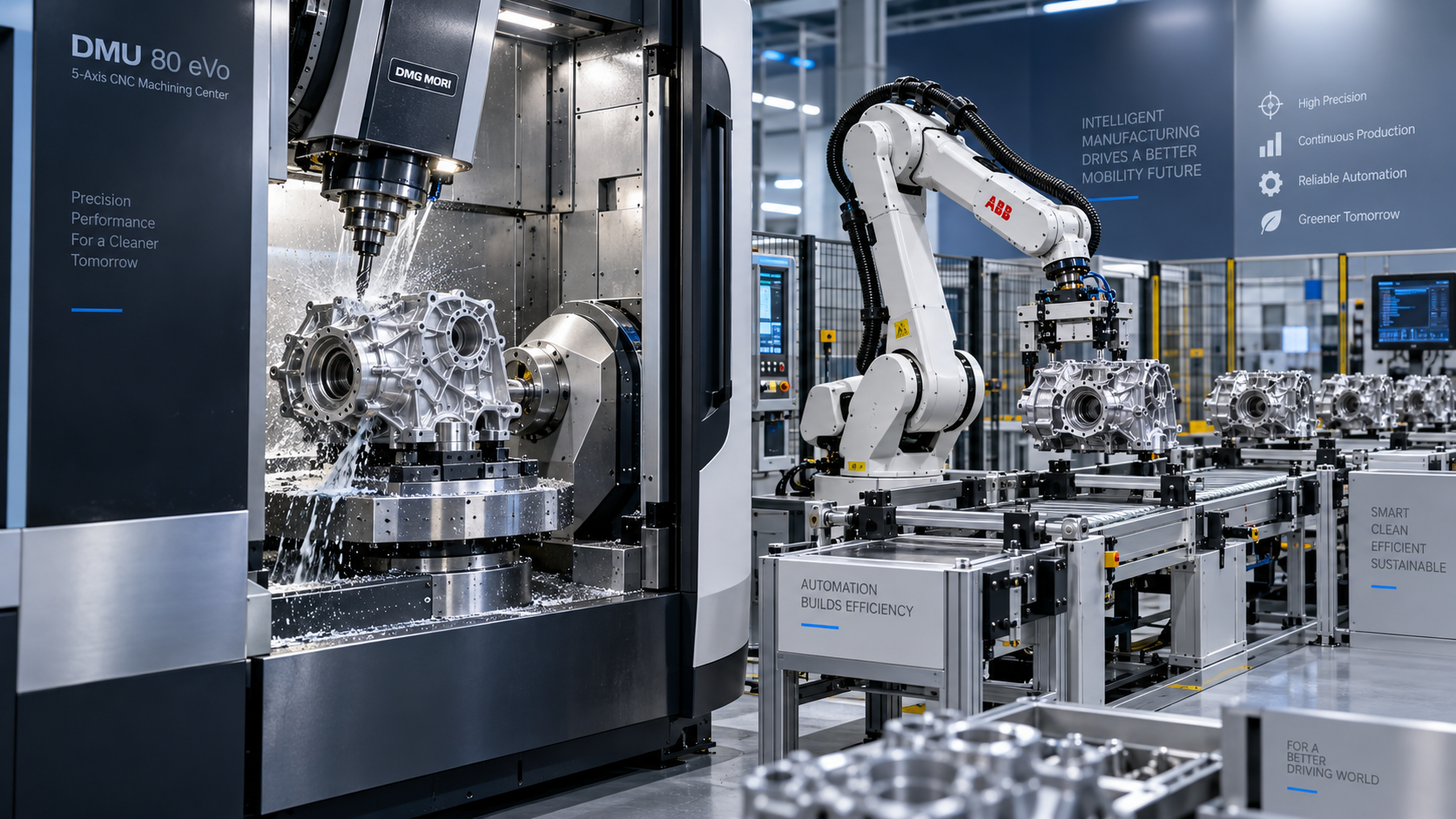
 Selecting Machine Tools for Automotive Parts: Accuracy, Throughput, and AutomationMachine Tool Industry Editorial Team
 Industrial Machining: Selecting Processes for Tight-Tolerance Metal PartsCNC Machining Technology Center
 Manufacturing Technology Trends That Improve Throughput and Quality ControlManufacturing Market Research Center

Aris Katos
Future of Carbide Coatings
15+ years in precision manufacturing systems. Specialized in high-speed milling and aerospace grade alloy processing.
▶
Industrial Machining: Selecting Processes for Tight-Tolerance Metal PartsCNC Machining Technology Center▶
How Does Precision Machining Differ From Standard Machining?CNC Machining Technology Center▶
CNC Precision: Which Tolerances, Materials, and Processes Fit Your Part?CNC Machining Technology Center▶
How to Choose Metal Machining Processes for Tight Tolerances and Production VolumeCNC Machining Technology Center▶
Production Process Explained: Key Stages, Controls, and Quality CheckpointsCNC Machining Technology Center
Mastering 5-Axis Workholding Strategies
Join our technical panel on Nov 15th to learn about reducing vibrations in thin-wall components.

Providing you with integrated sanding solutions
Before-sales and after-sales services
Comprehensive technical support