• Global CNC market projected to reach $128B by 2028 • New EU trade regulations for precision tooling components • Aerospace deman
NYSE: CNC +1.2%LME: STEEL -0.4%

When CNC Milling Beats Other Methods for Thin-Wall Parts
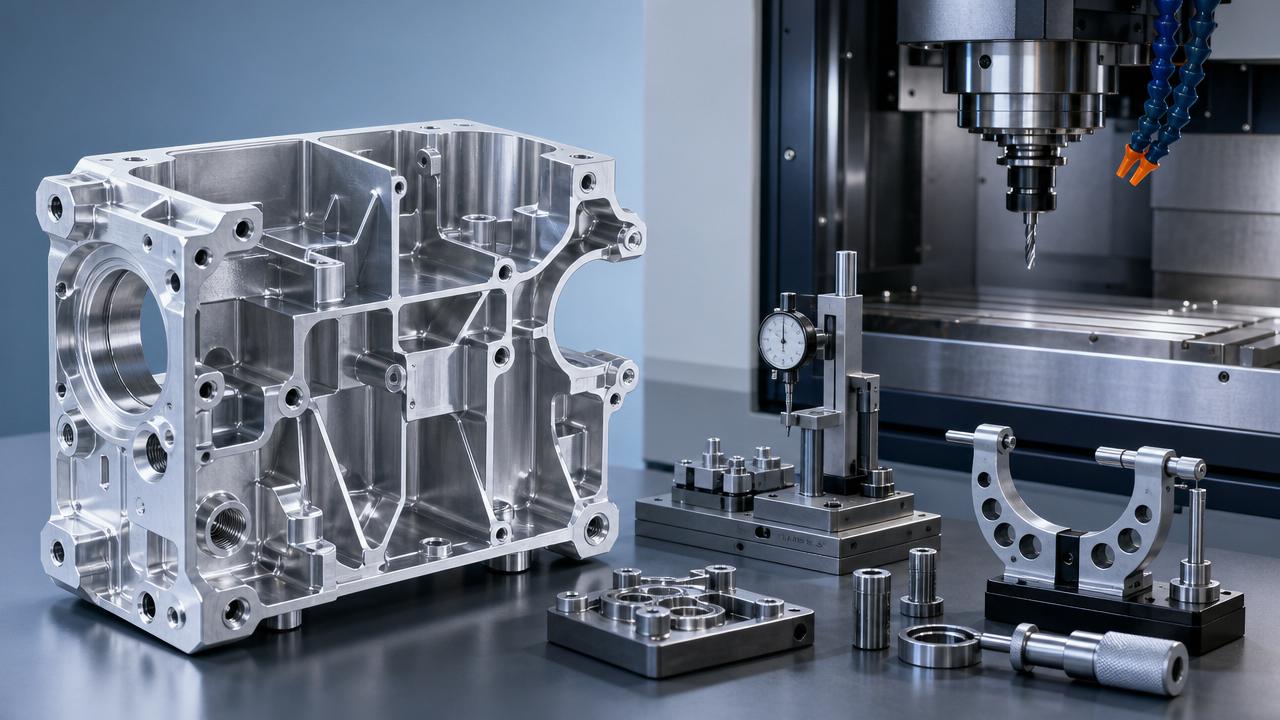
For buyers sourcing thin-wall components, process selection is not a technical detail alone. It directly affects scrap rates, dimensional stability, lead times, and the long-term reliability of the parts you receive.
In many practical sourcing situations, CNC milling is the better choice when thin-wall parts require tight tolerances, complex features, strong repeatability, and flexible production volumes without expensive dedicated tooling.
This does not mean CNC milling is always the lowest-cost method on paper. It means that for many procurement decisions, it delivers the lowest total sourcing risk and the best balance of quality, speed, and supply flexibility.
What buyers really need to know before choosing a process for thin-wall parts
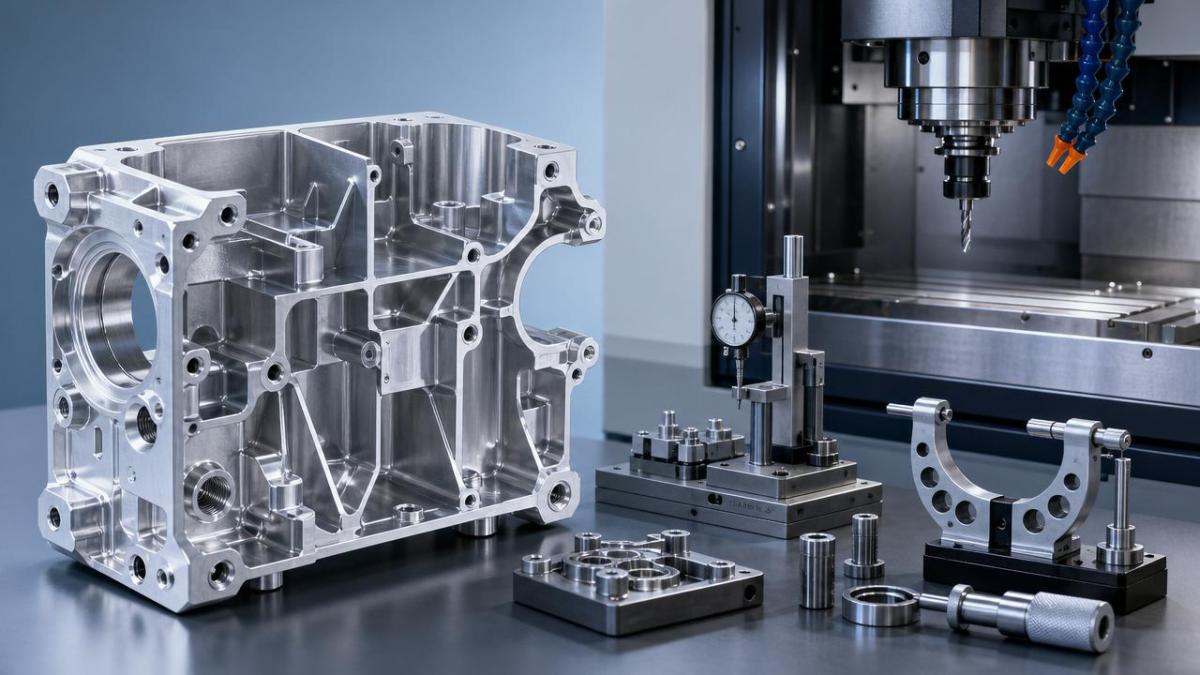
When procurement teams search for information about CNC milling for thin-wall parts, the core intent is usually comparative. They want to know when milling is truly the best option versus stamping, casting, turning, laser cutting, or additive manufacturing.
They are rarely looking for a theoretical machining lesson. They want decision support: which process reduces rejection risk, protects functional tolerances, supports supplier consistency, and avoids unexpected cost escalation later in the order cycle.
For purchasing professionals, the most important questions are practical. Can the supplier hold wall thickness consistently? Will parts deform after machining? How stable is repeat production? Can design changes be implemented without retooling delays?
The most useful content, therefore, is not generic process description. It is a clear framework showing where CNC milling wins, where it does not, and what commercial and technical signals buyers should evaluate before placing orders.
Why thin-wall parts are difficult to manufacture in the first place
Thin-wall components are challenging because they are mechanically less rigid during production. Under cutting force, clamping pressure, or thermal change, the part can deflect, vibrate, or spring back after machining.
That instability creates several common sourcing problems. Walls may vary in thickness, flatness may drift, holes may shift out of position, and cosmetic defects may increase if the process is not controlled well.
These issues are especially critical in aerospace brackets, electronics housings, lightweight covers, heat-sensitive frames, and structural aluminum parts where low weight and dimensional accuracy matter at the same time.
From a buyer’s perspective, thin-wall geometry raises the cost of poor process selection. A method that seems cheap at quotation stage can become expensive if it produces warping, hidden stress, high scrap, or unstable assembly fit.
When CNC milling clearly beats stamping, casting, and other alternatives
CNC milling is strongest when thin-wall parts combine tight tolerances with geometric complexity. If a part includes pockets, ribs, contours, slots, threaded holes, and multiple machined surfaces, milling offers more direct control than many alternative methods.
Compared with stamping, CNC milling is usually better for lower to medium volumes, thicker structural sections, and parts that need three-dimensional features rather than mainly flat sheet-based geometry.
Stamping can be highly economical at scale, but tooling costs are significant and design changes are expensive. For buyers still refining a product, CNC milling reduces risk because revisions can be implemented through programming instead of new dies.
Compared with casting, CNC milling often wins when surface finish, wall accuracy, and feature definition must be more precise. Casting is useful for complex near-net shapes, but thin sections can bring porosity, dimensional variation, or post-processing burdens.
Compared with laser cutting and bending, CNC milling is better when the part needs more than perimeter shaping. Once toleranced pockets, controlled depths, machined datum surfaces, and precise hole relationships are required, milling usually becomes the stronger choice.
Compared with turning, CNC milling is superior for non-axisymmetric thin-wall parts. Turning remains effective for cylindrical thin-wall components, but many housings, plates, covers, and frames require multi-face machining that milling handles more efficiently.
Compared with additive manufacturing, CNC milling usually offers stronger dimensional repeatability, wider material familiarity, and lower unit cost for production quantities beyond prototyping. It is also easier for many industrial buyers to qualify and inspect.
Where CNC milling creates the most value for procurement teams
For buyers, the value of CNC milling is not just that the machine can cut metal accurately. The real value lies in how the process supports predictable supply, manageable cost structures, and fewer surprises during incoming inspection and assembly.
One major advantage is tooling flexibility. Because CNC milling relies mainly on programming, fixtures, and standard cutting tools, suppliers can adjust features or dimensions faster than processes that depend on dedicated hard tooling.
This matters when product designs are still evolving, customer requirements are changing, or validation samples must be revised quickly. The ability to update toolpaths instead of rebuilding dies can save weeks in sourcing cycles.
Another advantage is repeatability across batches. A capable CNC milling supplier can standardize workholding, machining sequence, tool condition monitoring, and inspection routines, helping procurement teams receive more consistent parts over time.
CNC milling also supports stronger material traceability. Buyers in regulated or quality-sensitive sectors often need confidence in alloy grade, machining records, and dimensional inspection reports. These requirements are generally easier to align with a precision milling workflow.
For medium-volume procurement, CNC milling often delivers better total economics than expected. Even if unit price is above a high-volume process, savings may appear through lower NPI cost, fewer defects, less rework, and faster engineering response.
How CNC milling protects thin-wall part quality better than many buyers expect
A good milling process does more than remove material. It manages deformation. Skilled suppliers reduce cutting forces through toolpath strategy, staged roughing and finishing, optimized spindle parameters, and careful stock allowance planning.
They also use workholding methods designed for low-rigidity parts. Vacuum fixtures, soft jaws, custom supports, sacrificial tabs, and balanced clamping can help prevent part distortion during machining of delicate walls.
Material choice matters as well. Aluminum alloys are common for thin-wall parts because they are lightweight and machine well, but different tempers and grades behave differently under stress and heat during production.
Process sequencing is another hidden quality factor. Machining one side too aggressively before stabilizing the rest of the part can release stress unevenly. Experienced suppliers plan operations to maintain symmetry and preserve geometry.
Inspection capability is equally important. Thin-wall parts may pass basic visual checks while still failing functional requirements. Suppliers using CMMs, in-process probing, thickness verification, and flatness control can catch deviation earlier.
For procurement teams, this means CNC milling can offer more quality assurance than simpler methods, provided the supplier understands thin-wall machining as a stability problem, not just a metal removal task.
Signs that another process may be better than CNC milling
CNC milling is not automatically the best answer for every thin-wall part. Buyers should be careful when annual volume is extremely high and geometry is stable enough to justify dedicated tooling investment.
In those cases, stamping or fine blanking may drive much lower unit cost after tooling amortization. If the part is basically a repeated sheet-metal form, milling may be unnecessarily expensive for the final production stage.
Casting may also be more efficient if the design is highly complex, tolerances are moderate, and near-net-shape production significantly reduces cycle time. Secondary machining can then be reserved only for critical interfaces.
For simple tubular or rotational parts, turning may outperform milling in both speed and cost. And for early concept validation with unusual internal structures, additive manufacturing may offer faster design freedom.
The key for buyers is to evaluate process fit over the entire program life cycle. A method that is ideal for prototyping may not remain ideal for scale production, and vice versa.
What buyers should ask suppliers before sourcing CNC milled thin-wall components
To make better sourcing decisions, buyers should move beyond general capability claims. Ask suppliers what minimum wall thickness they routinely machine in your material and what tolerance range they can hold repeatedly, not just once.
Request examples of similar thin-wall parts, especially those with comparable dimensions, flatness requirements, or cosmetic standards. Past success with structurally sensitive components is more meaningful than broad machine lists.
Ask about fixturing strategy. A supplier that can clearly explain clamping, support, and deformation control is usually more reliable than one that simply states overall machining accuracy without discussing process stability.
It is also smart to ask how they handle inspection. Can they provide CMM reports, first article inspection, in-process checks, and batch traceability? These systems reduce quality disputes later.
Lead time questions should include engineering response time, not just production days. For thin-wall parts, the ability to adjust process parameters or respond to drawing revisions quickly is often commercially important.
Finally, discuss scrap and yield expectations honestly. Thin-wall machining can be demanding. A transparent supplier will acknowledge process risks and explain how they control them instead of promising unrealistic perfection.
Cost should be evaluated beyond the quoted unit price
Many buyers compare CNC milling with other methods using piece price alone. That approach can be misleading, especially for thin-wall parts where quality variation can drive downstream losses far larger than the initial quote difference.
Consider the full cost picture: tooling investment, engineering change expense, sampling time, incoming inspection burden, rejection rates, assembly fit issues, and the cost of delayed deliveries caused by process instability.
CNC milling often performs well in this broader analysis because it lowers change cost, supports fast iteration, and reduces dependency on large upfront tooling commitments. This is especially valuable in multi-phase product launches.
It can also reduce supplier transition risk. If the part must be dual-sourced or shifted between facilities, CNC-based production may be easier to transfer than highly specialized hard-tooled processes.
For procurement teams under pressure to balance cost with resilience, that flexibility has strategic value. In volatile markets, the most competitive sourcing option is not always the one with the lowest nominal unit price.
Best-fit scenarios where CNC milling is usually the right buying decision
CNC milling is usually the best choice when thin-wall parts require precision across multiple faces, involve frequent design revisions, or must be produced in prototype, pilot, and medium-volume batches with consistent quality.
It is also a strong fit when the component has functional pockets, bosses, threaded features, and controlled mating surfaces that would be difficult or costly to achieve through sheet-based forming methods alone.
Buyers in aerospace, electronics, energy equipment, automation, and high-end industrial systems often prefer CNC milling for these reasons. The process supports lightweight designs without giving up dimensional control.
If the procurement priority is dependable quality, manageable change control, and reduced program risk rather than the absolute lowest possible high-volume unit price, CNC milling is frequently the smarter sourcing route.
Conclusion: when CNC milling wins, it wins on total sourcing confidence
For thin-wall parts, CNC milling beats other methods when precision, geometry complexity, and supply flexibility matter more than pure mass-production economics. Its advantage is not only technical capability but better control over sourcing risk.
For buyers, the right question is not simply whether CNC milling can make the part. It is whether CNC milling gives the best combination of quality assurance, design adaptability, repeatability, and commercial predictability.
In many real procurement cases, the answer is yes. When thin-wall components must arrive accurate, stable, and ready for assembly, CNC milling often provides the clearest path to reliable results and smarter purchasing decisions.
Recommended for You
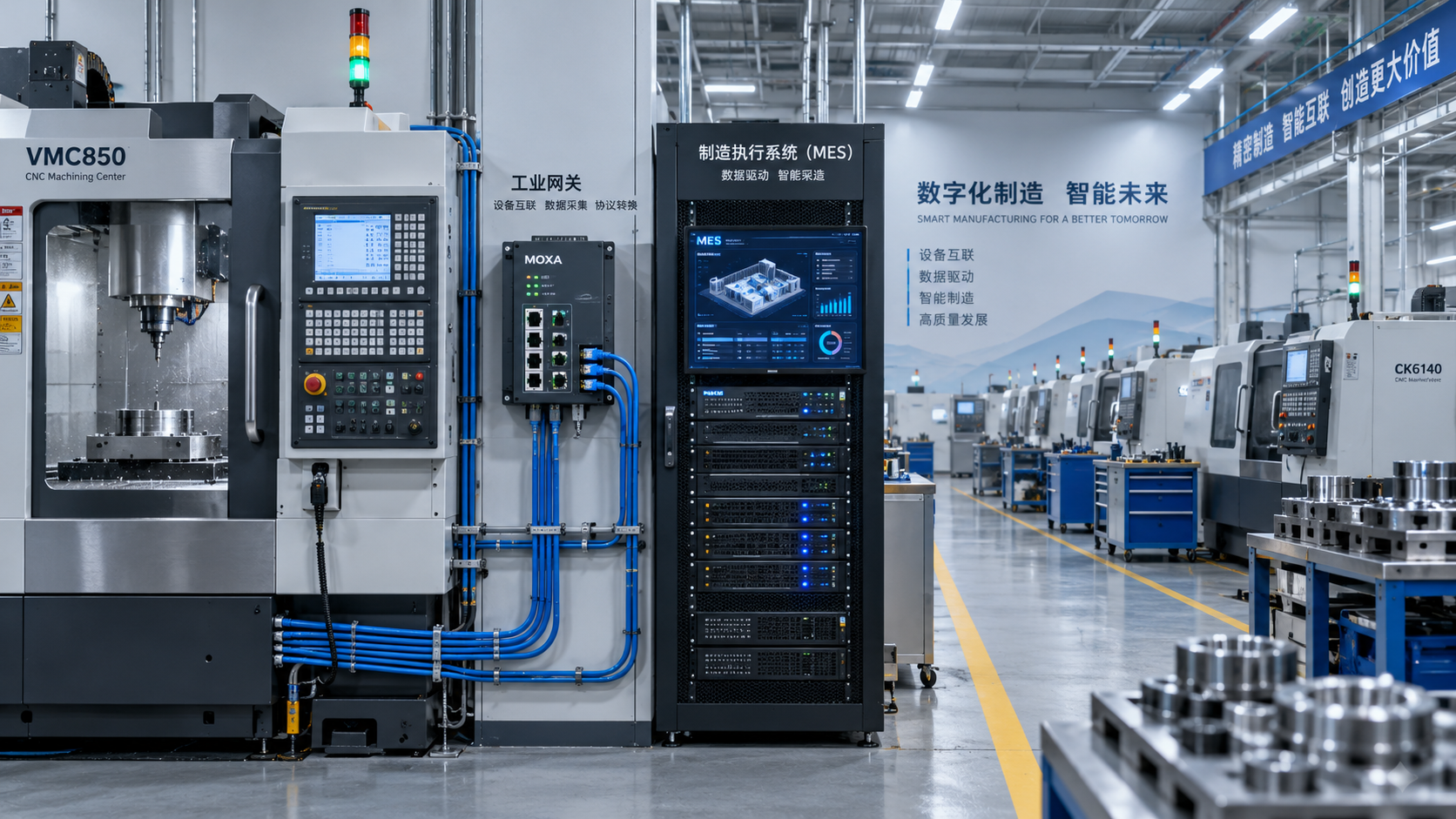
 Digital Manufacturing for Smart Factories: Connecting Legacy Machines to MESMachine Tool Industry Editorial Team
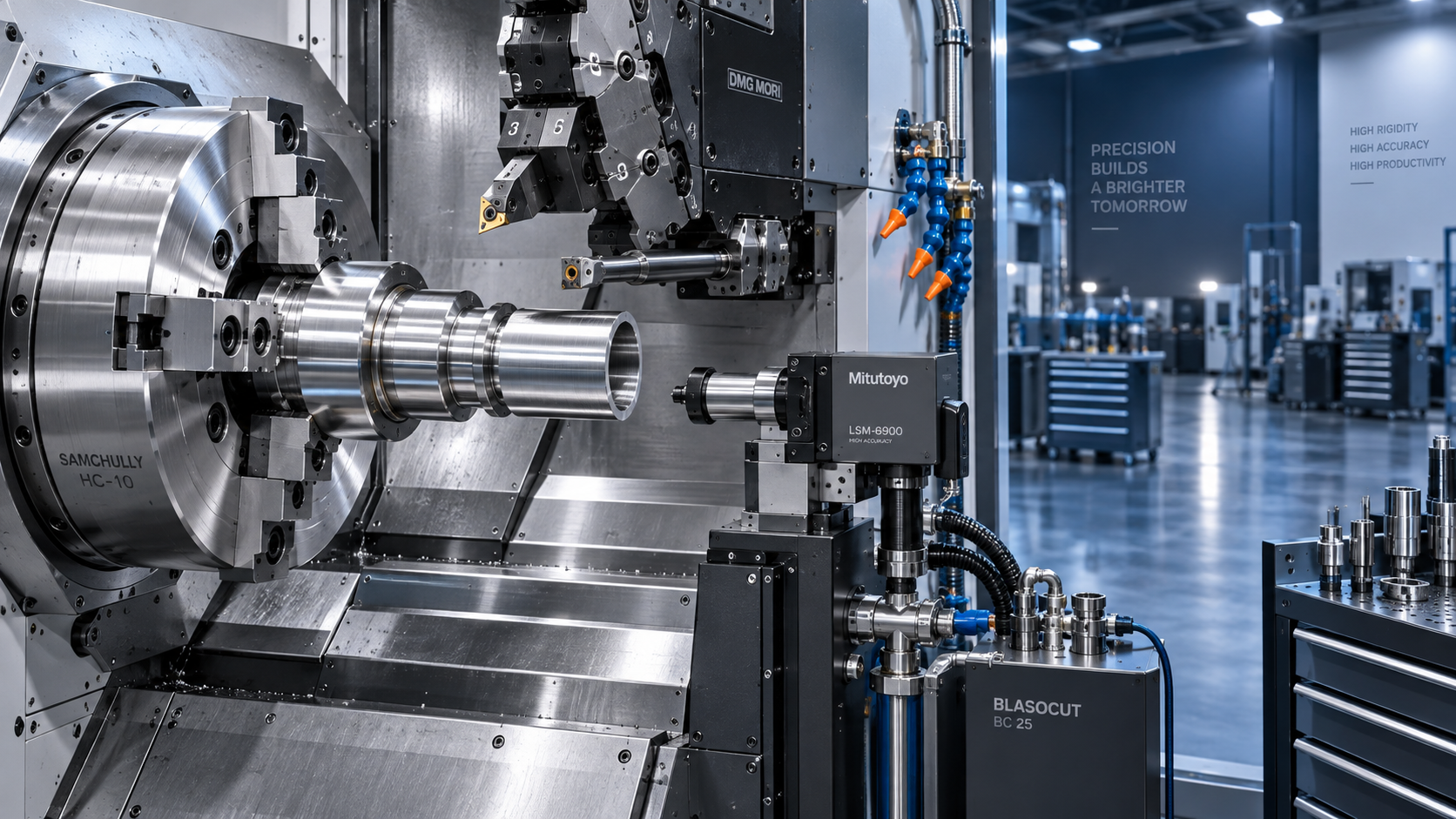
 How to Select a CNC Metal Lathe for Tight-Tolerance Shaft and Sleeve PartsCNC Machining Technology Center
 How to Select an Industrial Lathe for High-Volume Shaft ProductionMachine Tool Industry Editorial Team
 Selecting Machine Tools for Automotive Parts: Accuracy, Throughput, and AutomationMachine Tool Industry Editorial Team
 Industrial Machining: Selecting Processes for Tight-Tolerance Metal PartsCNC Machining Technology Center
 Manufacturing Technology Trends That Improve Throughput and Quality ControlManufacturing Market Research Center

Aris Katos
Future of Carbide Coatings
15+ years in precision manufacturing systems. Specialized in high-speed milling and aerospace grade alloy processing.
▶
Industrial Machining: Selecting Processes for Tight-Tolerance Metal PartsCNC Machining Technology Center▶
How Does Precision Machining Differ From Standard Machining?CNC Machining Technology Center▶
CNC Precision: Which Tolerances, Materials, and Processes Fit Your Part?CNC Machining Technology Center▶
How to Choose Metal Machining Processes for Tight Tolerances and Production VolumeCNC Machining Technology Center▶
Production Process Explained: Key Stages, Controls, and Quality CheckpointsCNC Machining Technology Center
Mastering 5-Axis Workholding Strategies
Join our technical panel on Nov 15th to learn about reducing vibrations in thin-wall components.

Providing you with integrated sanding solutions
Before-sales and after-sales services
Comprehensive technical support