• Global CNC market projected to reach $128B by 2028 • New EU trade regulations for precision tooling components • Aerospace deman
NYSE: CNC +1.2%LME: STEEL -0.4%

Metal machining bottlenecks that quietly raise unit cost

In metal machining, unit cost does not usually rise because of one dramatic failure. It rises through small, repeatable losses that stay hidden inside normal operations: extra setup time, unstable tooling, inefficient programs, unplanned inspection loops, and machine hours spent waiting instead of cutting. For project managers and engineering leads, these are not shop-floor details to ignore. They directly affect quotation accuracy, delivery confidence, margin protection, and customer satisfaction.
The practical reality is simple: most machining cost overruns come from bottlenecks that do not look severe in isolation. A few extra minutes on every setup, a slightly conservative cycle, frequent insert changes, unclear drawings, or rework from tolerance drift can quietly push unit cost far above target. The challenge is that these losses are often accepted as “just part of production,” which makes them difficult to challenge and even harder to remove.
For decision-makers responsible for CNC programs, suppliers, timelines, or investment plans, the key question is not whether inefficiency exists. It is where the largest hidden cost sits, how to identify it quickly, and which corrective actions will improve output without disrupting delivery. In metal machining, the most valuable improvements usually come from attacking process bottlenecks before buying more capacity.
Why hidden bottlenecks matter more than headline cost drivers
When machining costs rise, the first explanation is often raw material pricing. Material does matter, especially in stainless steel, titanium, aluminum alloys, and heat-resistant metals. But in many CNC environments, the larger and more controllable cost problem is conversion cost: the labor, machine time, tools, engineering effort, inspection, and process instability required to turn stock into finished parts.
For project managers, this distinction matters because material prices are largely market-driven, while process bottlenecks are operationally manageable. If a shop loses productive hours to repeated setup adjustments, poor chip control, inefficient toolpaths, or long quality approval cycles, unit cost rises even when machine utilization appears high. A machine can be busy all day and still generate poor economic performance.
These bottlenecks are especially damaging in medium-volume, high-mix production, where frequent changeovers and complex part geometries make hidden losses accumulate fast. In such environments, cost is not only determined by spindle speed or hourly rate. It is shaped by how reliably the whole workflow moves from drawing release to first-off approval to stable batch production.
This is why managers should look beyond simple metrics such as machine occupancy or operator headcount. A more useful view is to ask how much of paid machine time actually creates saleable parts at the expected cycle time and quality level. That difference is where quiet cost inflation lives.
Which bottlenecks most often raise unit cost in metal machining
The first common bottleneck is setup complexity. In metal machining, setup is more than clamping a part and loading a program. It includes fixture preparation, datum verification, tool presetting, trial cuts, offset correction, and first-article confirmation. If setup takes longer than planned, the cost burden is spread across every part in the batch. On smaller orders, that burden can become the main cost driver.
The second bottleneck is excessive tool changeover and unstable tool life. When inserts wear unpredictably, when different machines use inconsistent tooling standards, or when operators compensate manually for performance drift, machining time increases and process confidence drops. Tool cost alone may not look alarming, but the indirect cost of stoppages, scrap risk, and lower cutting aggressiveness is often much higher.
A third source of hidden cost is conservative or poorly optimized programming. CAM strategies that are technically safe but not production-efficient can add seconds or minutes to every cycle. High-speed toolpaths, better step-over strategies, reduced air cutting, and smarter tool sequencing can significantly lower time per part. Yet many organizations run legacy programs for years because they still “work,” even when they no longer make financial sense.
Quality control can also become a quiet bottleneck. Over-inspection, disconnected measurement workflows, unclear tolerance interpretation, and delayed first-off release all create waiting time that is rarely allocated to the part’s real cost. In precision machining, quality is non-negotiable, but uncontrolled inspection time is still waste. The goal is not less quality control, but better-designed quality control.
Another major issue is scheduling friction. Parts wait for the right fixture, a qualified operator, a CMM slot, a deburring station, or a finishing process. None of these delays may appear on the machining cycle sheet, yet they extend lead time and reduce output per available resource. In project-based manufacturing, these indirect delays often create more commercial risk than the actual cutting process.
What project managers should measure before approving fixes
Not every bottleneck deserves the same level of intervention. For a project manager, the first task is to separate visible inconvenience from true cost impact. The most useful approach is to track a small set of operational indicators that connect directly to unit economics.
Start with setup time versus quoted setup time. If actual setup repeatedly exceeds the estimate, margins are already under pressure. Then look at cycle time variance by machine, operator, and batch. If one part number shows large fluctuations, the process is not under control even if output remains acceptable. That instability usually becomes expensive when order volume increases.
Next, review first-pass yield and rework incidence. A low scrap rate can still hide a high-cost process if parts require frequent touch-up, offset changes, secondary deburring, or repeated measurement. In metal machining, a part that passes after intervention is still more expensive than a part that runs right the first time.
Tool life consistency is another critical metric. Managers often track tool spending but not tool predictability. If actual insert life varies widely, planning becomes unreliable and operators compensate with slower parameters. The result is hidden cost in machine time, not only in consumables.
Finally, compare spindle-on time to total machine occupation time. This exposes whether the machine is truly producing value or spending too much time on waiting, proving out, adjusting, and recovering from interruptions. For investment decisions, this metric is often more useful than utilization percentages reported at a high level.
How setup and changeover losses distort unit cost
Setup losses deserve special attention because they influence both cost and responsiveness. In many shops, setup time is underestimated during quotation and normalized during production. Teams accept long preparation cycles because the parts are complex, the tolerances are tight, or the customer requires detailed documentation. Those factors are real, but they do not eliminate the need to reduce waste inside setup itself.
Common causes include non-standard fixturing, inconsistent workholding methods across machines, poor tool library control, missing setup sheets, unclear datum strategy, and excessive trial adjustment on first-off parts. Each issue may add only a few minutes, yet repeated across dozens of jobs it significantly raises labor and machine cost.
For managers, the key question is whether setup effort is scalable. If a process depends too heavily on one experienced technician, or if every repeat order still behaves like a new introduction, the organization is paying an avoidable premium. Standardization is often more valuable than raw machining speed in this area.
Practical improvements include modular fixtures, pre-staged tooling carts, digital setup instructions, offline presetting, and part family strategies that reduce variation between jobs. These are not glamorous investments, but they often deliver faster payback than adding another machine tool.
Why programming and process planning deserve more management attention
Programming is sometimes treated as an engineering detail rather than a cost lever. That is a mistake. In metal machining, process planning determines tool engagement, number of operations, machine selection, tolerance strategy, and cycle balance. A process that is technically correct can still be commercially weak.
For example, a part may be routed through multiple machines because that is how it has always been produced, even though a different machining center or a multi-axis approach could combine operations and remove handling steps. Likewise, roughing parameters may be intentionally cautious to avoid risk, but if they create long cycle times and unstable chip evacuation, the hidden cost may exceed the perceived safety benefit.
Managers do not need to become CAM programmers to evaluate this area. They need to ask the right questions: Has the program been optimized for the current machine platform? Is there excessive air cutting? Can tool changes be reduced? Are there repeated tolerance-critical features that force manual intervention? Has the process been reviewed after volume changed?
One of the most productive habits is to review mature parts, not just new ones. Legacy parts often carry the highest silent cost because everyone assumes they are already optimized. In reality, those are often the best opportunities for quick savings.
Quality control bottlenecks: necessary discipline or hidden drag?
In aerospace, automotive, medical, energy, and precision industrial applications, strict quality control is essential. However, quality systems can become cost-heavy when inspection is not aligned with process capability. If every batch requires excessive manual checking because machining variation is not trusted, the organization is paying twice: once in inspection labor and again in lower production confidence.
Project managers should pay attention to where quality time is spent. Is the delay caused by genuine customer requirements, or by internal uncertainty? Does the team inspect more because tolerances are truly demanding, or because process control upstream is weak? These questions help determine whether the solution belongs in metrology, fixturing, tooling, or programming.
Another common issue is delayed feedback. If non-conformance is discovered late, more parts are exposed to the same risk, increasing rework or scrap. Faster in-process verification, probe routines, SPC where appropriate, and clearer control plans can reduce this exposure. The goal is not to inspect more often by default, but to detect variation earlier and with less disruption.
For management, the business value is clear: a stable process reduces both inspection burden and delivery risk. That directly improves the predictability of unit cost.
How supplier and shop-floor fragmentation increase machining cost
Many cost problems in metal machining are not caused by one machine or one operator. They come from fragmented coordination between engineering, purchasing, production, quality, and external suppliers. A drawing change arrives late. Material certification is delayed. A special tool is unavailable. Heat treatment lead time shifts. Surface finishing capacity becomes the schedule bottleneck. The part may machine correctly, but the project still becomes more expensive.
This matters especially for project leaders managing outsourced or multi-site production. A supplier may quote competitively on hourly rates but perform weakly on setup repeatability, tooling discipline, first-article speed, or quality communication. The cheapest nominal machining route can become the most expensive delivered route.
That is why supplier evaluation should include process maturity, not just price and equipment list. Ask how setup is standardized, how tool life is managed, how first-off approval is handled, how engineering changes are controlled, and how cycle improvements are captured over time. These factors reveal whether the supplier can protect unit cost under real production conditions.
Where to invest first if you need lower unit cost without disrupting output
If the objective is to lower cost without risking delivery, the best first investments are usually those that reduce variation and waiting rather than those that merely raise theoretical cutting capacity. In many cases, better fixturing, tool management, setup documentation, and process review outperform major capital purchases in short-term financial impact.
For higher-mix environments, focus first on changeover efficiency and repeatability. For stable higher-volume parts, prioritize cycle-time optimization, tool life consistency, and in-process quality control. If engineering support is the constraint, invest in programming standardization and digital workflows before expanding machine count.
Automation can be highly effective, but only after the underlying process is stable. Automating a poorly controlled machining process usually scales waste, not profit. Project managers should therefore treat automation as a multiplier of process quality, not a substitute for it.
A useful decision framework is this: fix the bottleneck that most improves margin predictability, lead-time reliability, and scaling capacity at the same time. Those are the improvements that create strategic value beyond one part number.
A practical way to audit hidden bottlenecks in metal machining
If you need a simple internal review method, start with one representative part family and trace its full production path. Measure quoted versus actual setup time, planned versus actual cycle time, number of tool changes, first-off approval duration, inspection time, rework frequency, and total queue time between operations. Do not limit the review to spindle time alone.
Next, identify which losses are repeatable and which are exceptional. Repeatable losses are where the strongest returns usually sit. Then estimate the financial effect at monthly or annual volume. A two-minute cycle reduction may look small until multiplied across thousands of parts. Likewise, a setup saving of thirty minutes may completely change profitability on low-volume repeat work.
Finally, assign ownership. Hidden cost remains hidden when every department sees only part of the problem. The most effective organizations make unit cost a cross-functional issue, connecting engineering, quality, production, and sourcing decisions rather than treating machining cost as a shop-floor concern alone.
Conclusion: the quiet bottlenecks are often the real profit leaks
In metal machining, rising unit cost is rarely caused by one obvious problem. More often, it comes from small operational bottlenecks that become normal over time: long setups, unstable tooling, conservative programming, fragmented inspection, and weak coordination across the production chain. Because these losses are familiar, they are easy to overlook and difficult to challenge.
For project managers and engineering leaders, the opportunity is significant. By focusing on process stability, setup repeatability, tool predictability, program optimization, and quality flow, it is possible to improve cost performance without compromising precision or delivery. The most important step is to stop treating these issues as isolated shop-floor details and start managing them as drivers of commercial outcome.
When you understand where machining time is truly spent, where variation enters the process, and where waiting replaces value creation, unit cost becomes much more controllable. That is the real advantage: not only lower cost per part, but better decisions across the entire CNC production workflow.
PREVIOUS ARTICLE
Recommended for You
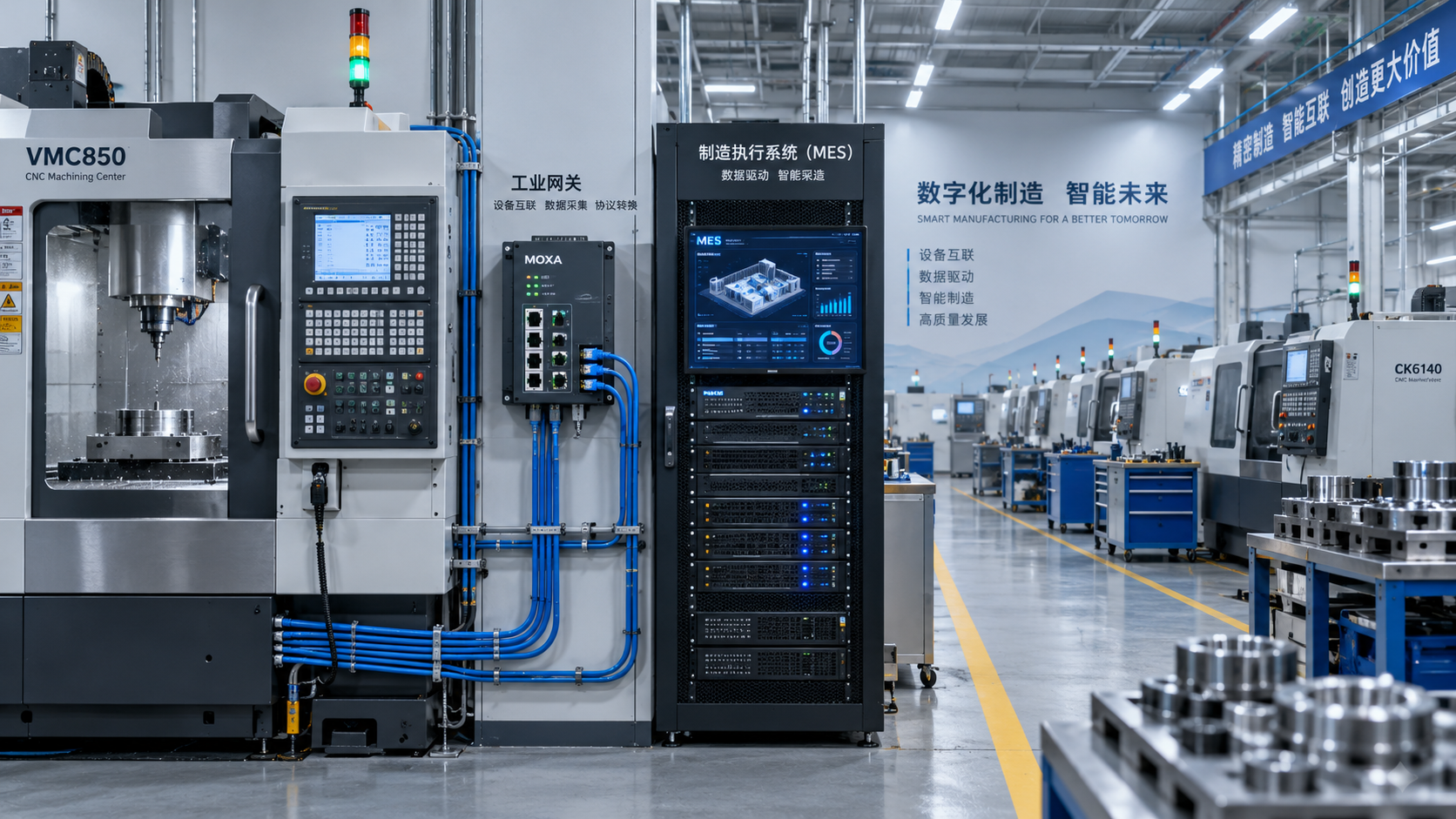
 Digital Manufacturing for Smart Factories: Connecting Legacy Machines to MESMachine Tool Industry Editorial Team
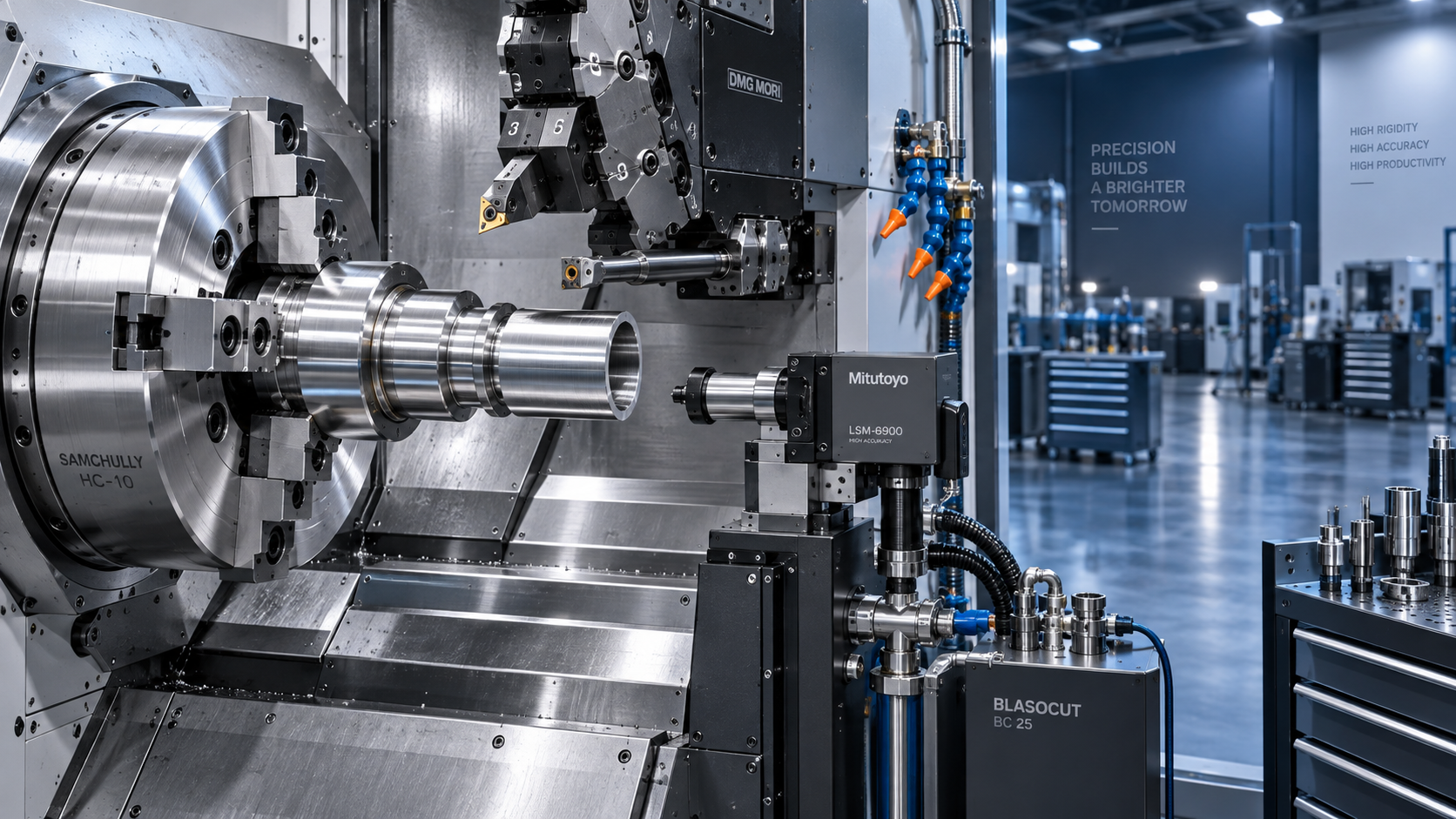
 How to Select a CNC Metal Lathe for Tight-Tolerance Shaft and Sleeve PartsCNC Machining Technology Center
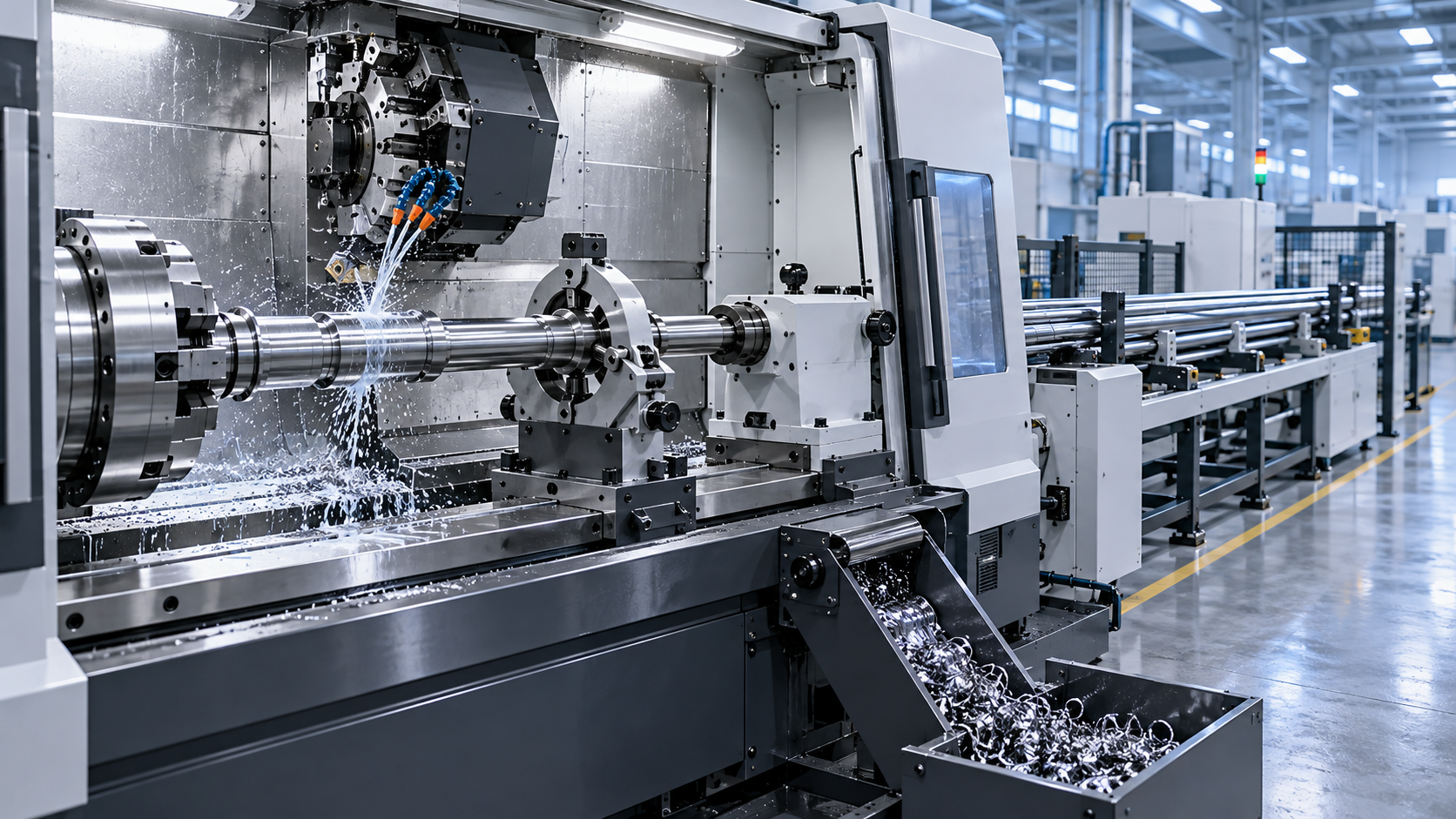
 How to Select an Industrial Lathe for High-Volume Shaft ProductionMachine Tool Industry Editorial Team
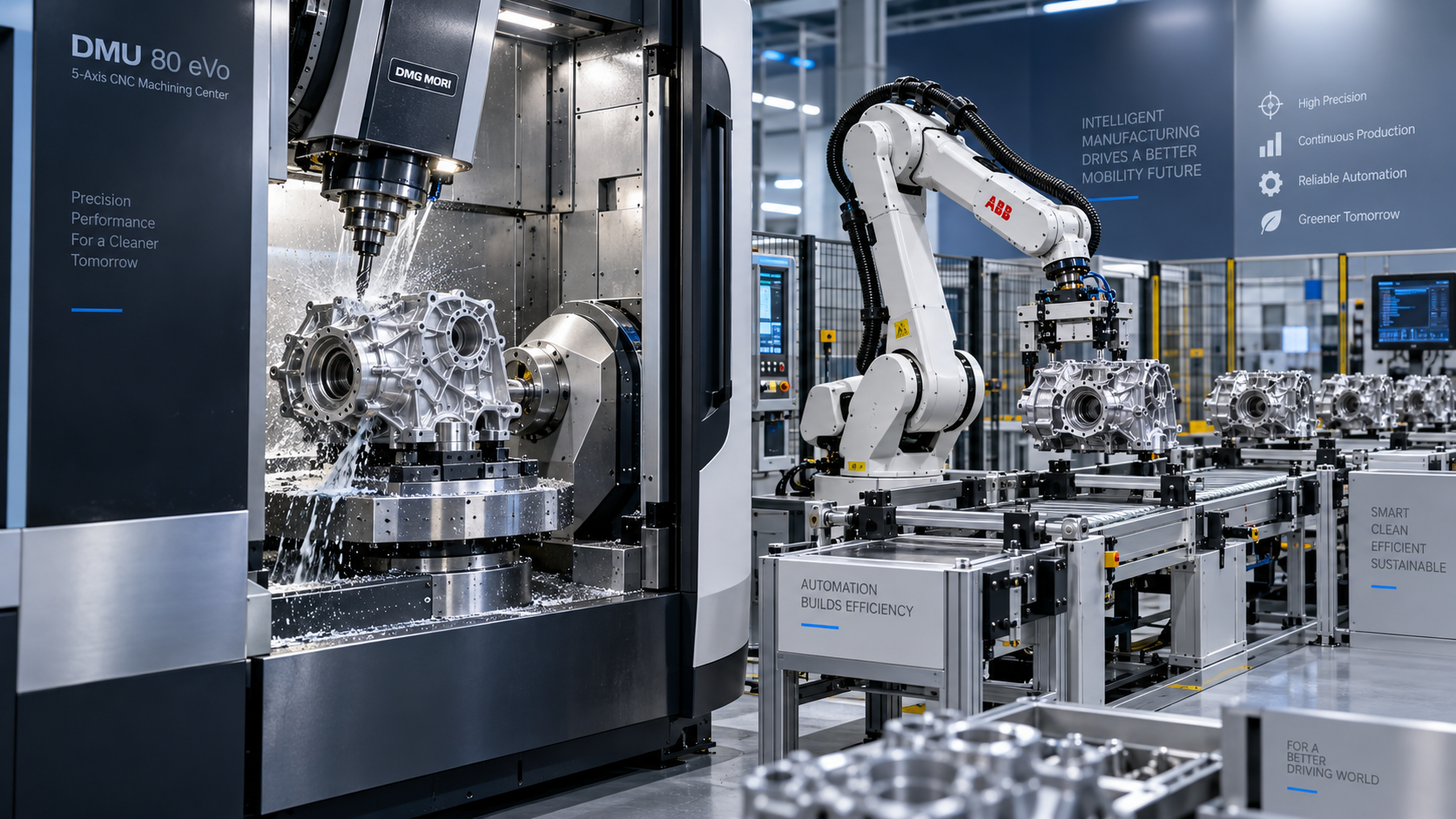
 Selecting Machine Tools for Automotive Parts: Accuracy, Throughput, and AutomationMachine Tool Industry Editorial Team
 Industrial Machining: Selecting Processes for Tight-Tolerance Metal PartsCNC Machining Technology Center
 Manufacturing Technology Trends That Improve Throughput and Quality ControlManufacturing Market Research Center

Aris Katos
Future of Carbide Coatings
15+ years in precision manufacturing systems. Specialized in high-speed milling and aerospace grade alloy processing.
▶
Industrial Machining: Selecting Processes for Tight-Tolerance Metal PartsCNC Machining Technology Center▶
How Does Precision Machining Differ From Standard Machining?CNC Machining Technology Center▶
CNC Precision: Which Tolerances, Materials, and Processes Fit Your Part?CNC Machining Technology Center▶
How to Choose Metal Machining Processes for Tight Tolerances and Production VolumeCNC Machining Technology Center▶
Production Process Explained: Key Stages, Controls, and Quality CheckpointsCNC Machining Technology Center
Mastering 5-Axis Workholding Strategies
Join our technical panel on Nov 15th to learn about reducing vibrations in thin-wall components.

Providing you with integrated sanding solutions
Before-sales and after-sales services
Comprehensive technical support