• Global CNC market projected to reach $128B by 2028 • New EU trade regulations for precision tooling components • Aerospace deman
NYSE: CNC +1.2%LME: STEEL -0.4%

What buyers miss when sourcing Shaft Parts
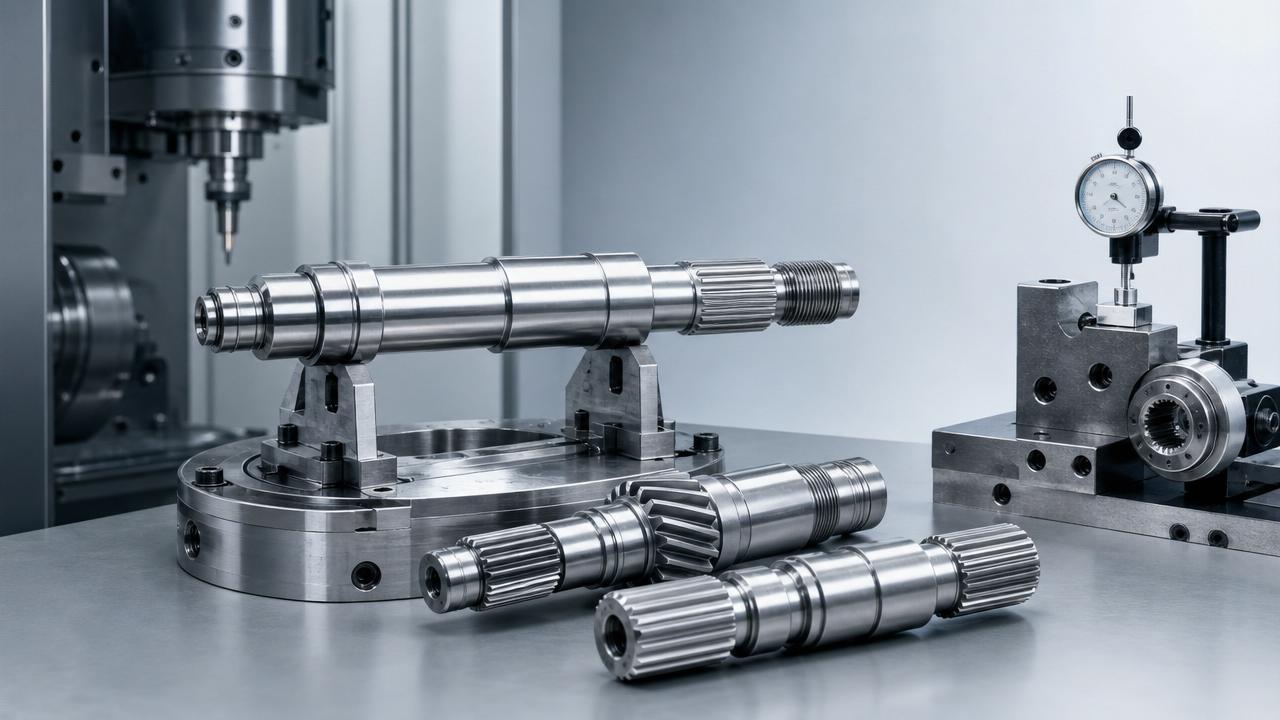
Many sourcing decisions for Shaft Parts begin with drawings, quoted prices, and delivery dates. Those elements matter, but they rarely show the full production risk behind the part.
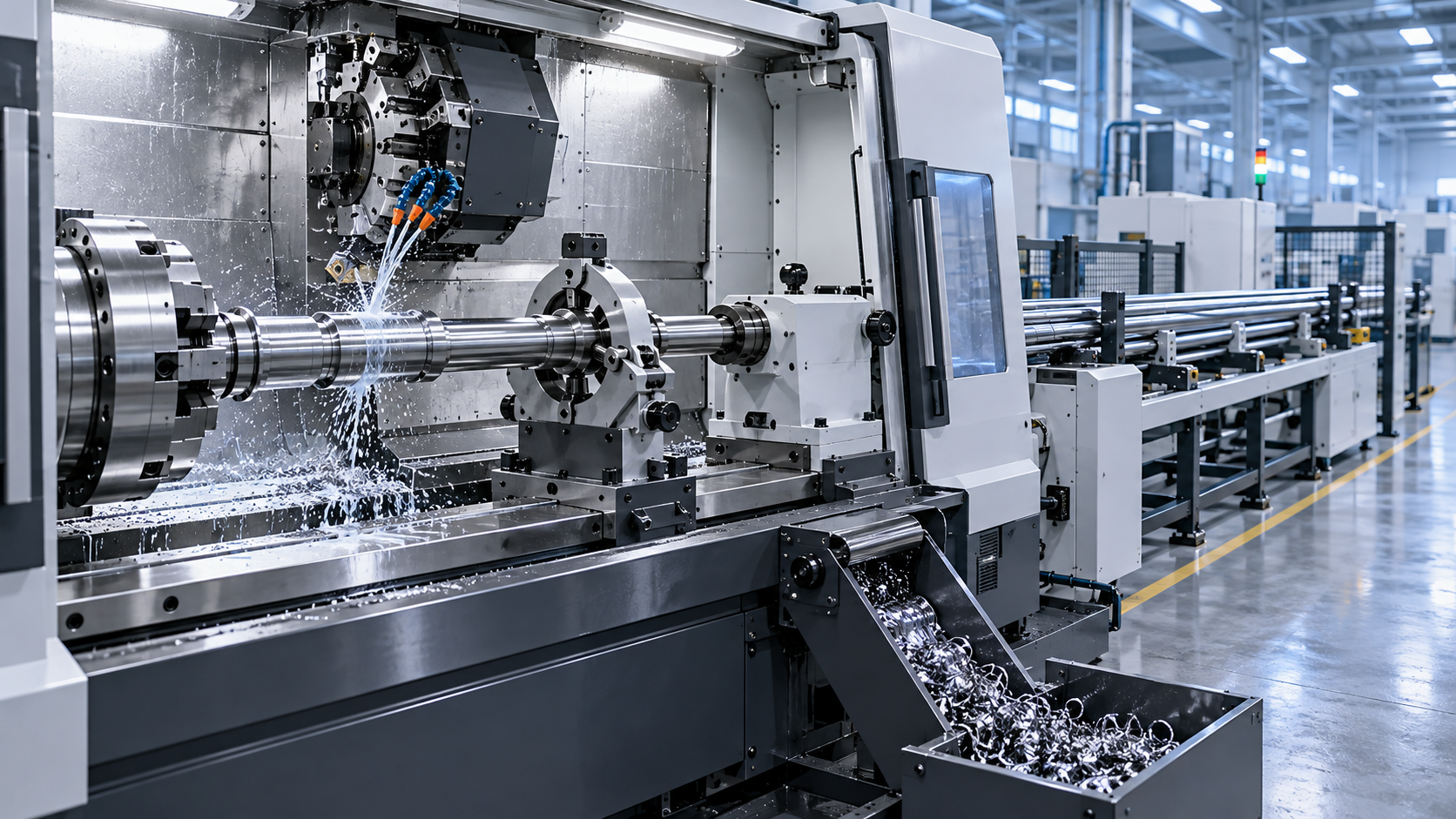
A shaft may look simple on paper. In practice, its function depends on material behavior, concentricity, surface finish, heat treatment, and process stability across every batch.
When these factors are missed, problems appear later. Assembly delays, vibration, premature wear, scrap, and warranty claims often cost far more than the original unit price.
In the global CNC machining sector, Shaft Parts are used across automotive systems, industrial drives, pumps, robotics, energy equipment, and electronic manufacturing lines. Reliable sourcing therefore requires more than basic vendor comparison.
Understanding what buyers often overlook helps reduce hidden cost, improve consistency, and support better long-term supply decisions in precision manufacturing.
Core definition and quality drivers of Shaft Parts
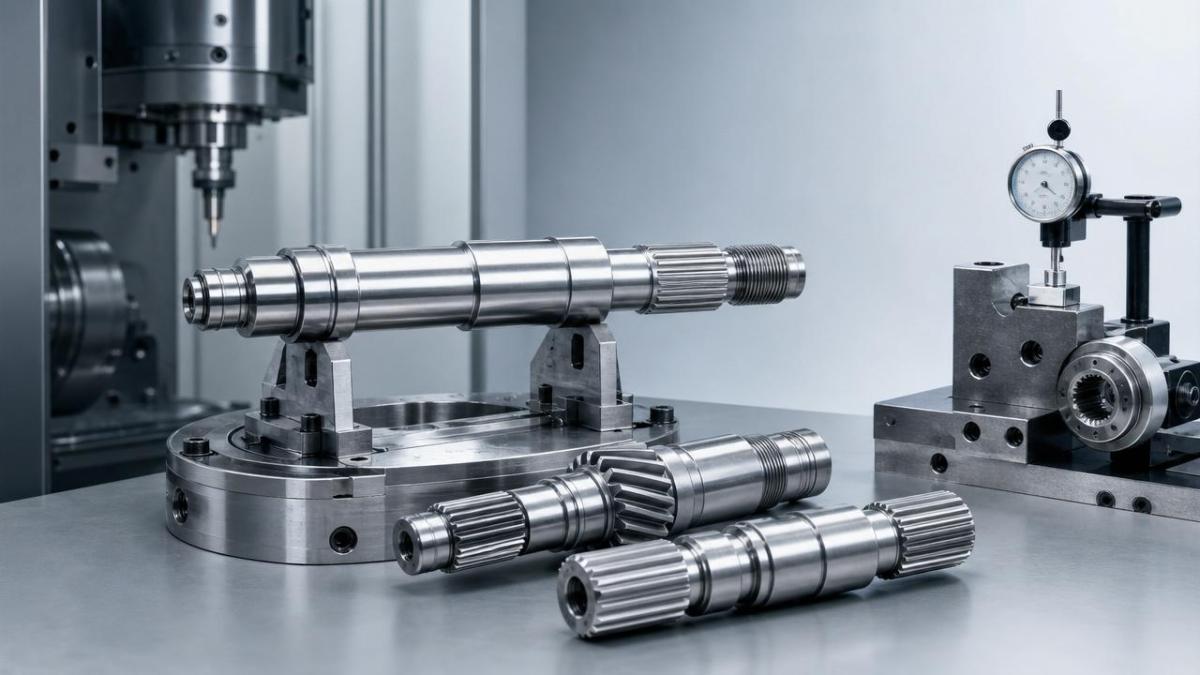
Shaft Parts are rotating or supporting components that transmit motion, torque, or positioning force inside a mechanical system. They may be plain, stepped, splined, threaded, hollow, or highly customized.
Although geometry varies, most Shaft Parts share common performance requirements. These include dimensional accuracy, straightness, roundness, hardness, surface roughness, and stable material properties.
In CNC turning and multi-axis machining, a small deviation in one feature can affect several downstream functions. A bearing seat, seal area, and coupling end often interact as one system.
This is why technical evaluation should move beyond nominal dimensions. Good Shaft Parts are not defined only by shape, but by how repeatably that shape performs in service.
Key technical factors often missed
- Base material grade and actual mill certification
- Heat treatment method, hardness range, and distortion control
- Tolerance stack-up between diameters, shoulders, and grooves
- Runout, concentricity, and straightness after final machining
- Surface finish at sealing, sliding, and bearing contact zones
- Protection against corrosion, handling damage, and contamination
Why the CNC machining market treats Shaft Parts as high-risk items
Modern machine tool industries increasingly serve high-speed, automated, and digitally integrated production lines. In that environment, one unstable shaft can stop a larger equipment system.
Global supply chains have also widened sourcing options. However, more options do not automatically mean better outcomes for Shaft Parts, especially where precision and batch consistency are critical.
Suppliers may offer similar drawings and prices, yet use very different machining paths, bar stock quality, inspection routines, and subcontracted heat treatment resources.
The result is a common sourcing trap. Two Shaft Parts can appear equivalent during quotation, but perform very differently during assembly and field use.
Current market signals affecting sourcing decisions
What buyers commonly miss when evaluating Shaft Parts suppliers
The biggest gaps usually appear before production starts. A quote may confirm capability in general, but not prove control over the exact risks of the required Shaft Parts.
Material selection is often treated too simply
Material names alone are not enough. Shaft Parts made from similar steel designations may differ in cleanliness, hardenability, residual stress, and supply source consistency.
If the part works under torque, cyclic loading, or corrosive exposure, the real question is whether the chosen material matches the operating environment and service life target.
Tolerance capability is not the same as tolerance promise
Many drawings specify tight dimensions, but not every supplier controls them economically and consistently. Shaft Parts with multiple bearing seats require process discipline, not just machine availability.
Capability should be checked by measurement method, fixture strategy, in-process inspection, and historical batch performance, not only by statement on a quotation sheet.
Surface condition can be critical to function
For Shaft Parts, surface quality affects friction, sealing, wear, coating adhesion, and fatigue life. A correct dimension with poor finish may still fail during operation.
Grinding marks, burrs, tool chatter, and edge break inconsistency should be reviewed carefully, especially on precision interfaces.
Supplier reliability extends beyond machining
Stable Shaft Parts depend on process planning, traceability, packaging, subcontractor control, and corrective action speed. These areas often decide whether repeat orders remain trouble-free.
Business value of better Shaft Parts sourcing
Improved sourcing quality creates measurable value across manufacturing operations. The benefit is not limited to part acceptance, but extends into assembly efficiency and equipment uptime.
- Lower rejection rates during incoming inspection
- Faster fit-up in bearings, couplings, and housings
- Reduced vibration and wear in rotating systems
- More predictable maintenance intervals
- Better cost control over the full product lifecycle
In integrated production environments, consistent Shaft Parts support line stability. That matters in automotive equipment, aerospace subsystems, energy machinery, and electronics automation alike.
Typical Shaft Parts categories and sourcing focus points
Different Shaft Parts carry different inspection priorities. Grouping by function helps identify the right sourcing emphasis early.
Practical checks before placing a Shaft Parts order
A structured review can prevent expensive mistakes. The goal is to confirm not only whether the supplier can make the Shaft Parts, but whether the process is repeatable.
- Verify raw material grade, origin, and certificate format.
- Confirm critical tolerances and their inspection method.
- Review heat treatment flow and hardness verification points.
- Request examples of similar Shaft Parts already produced.
- Check packaging for rust prevention and impact protection.
- Define first article approval and nonconformance response timing.
For more demanding Shaft Parts, a pilot batch is usually more valuable than a fast full-volume launch. It reveals machining stability, inspection discipline, and communication quality.
Moving from price comparison to supply confidence
Sourcing Shaft Parts successfully means understanding the hidden variables behind an apparently simple component. Price matters, but stable quality usually determines the real business result.
A stronger evaluation approach includes materials, process capability, inspection logic, and supplier responsiveness. This creates better alignment between drawing intent and delivered performance.
Before the next RFQ, review critical Shaft Parts against actual operating demands, not only nominal specifications. That single step can reduce risk, improve equipment reliability, and support smarter global sourcing decisions.
PREVIOUS ARTICLE
Recommended for You
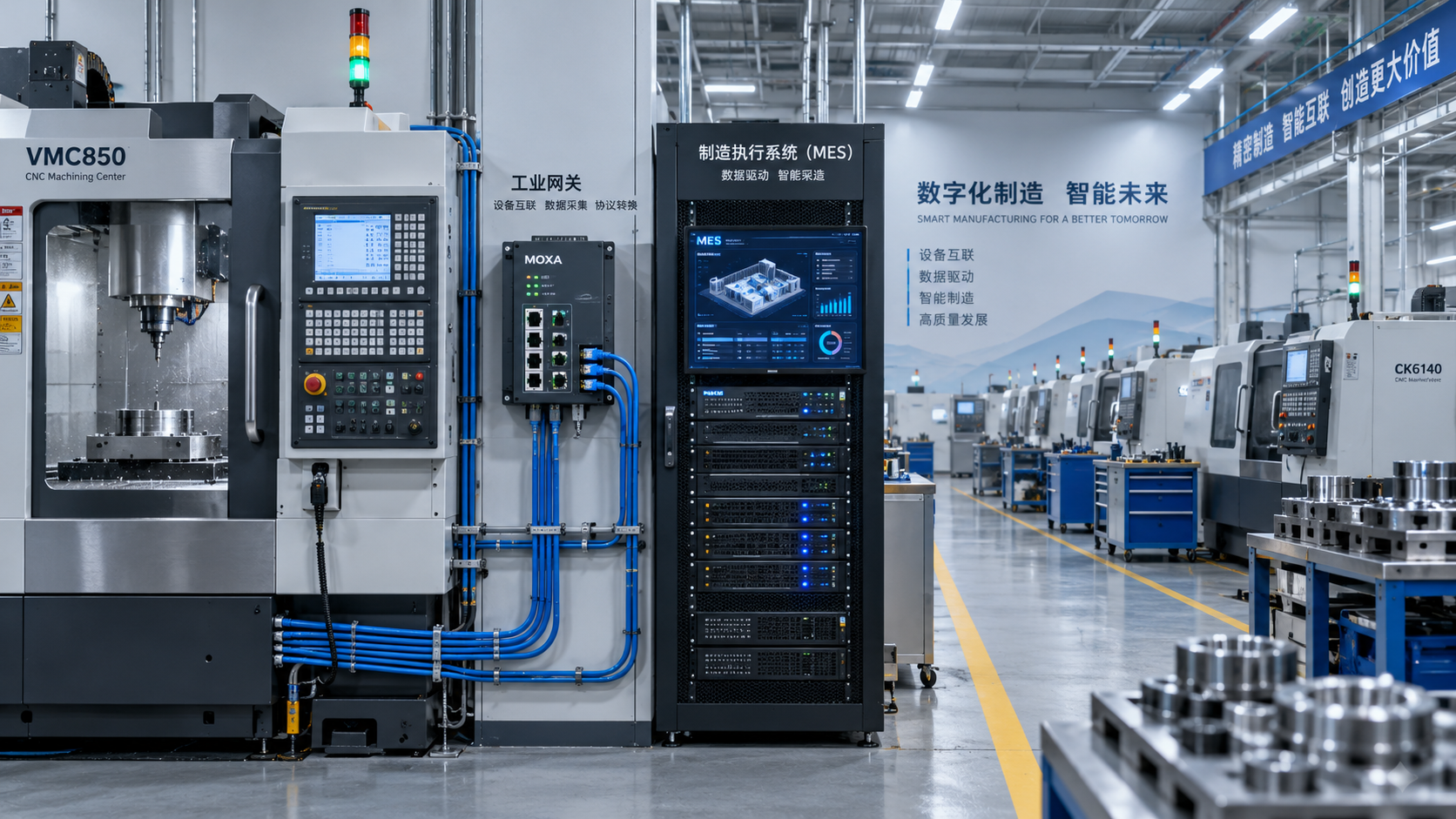
 Digital Manufacturing for Smart Factories: Connecting Legacy Machines to MESMachine Tool Industry Editorial Team
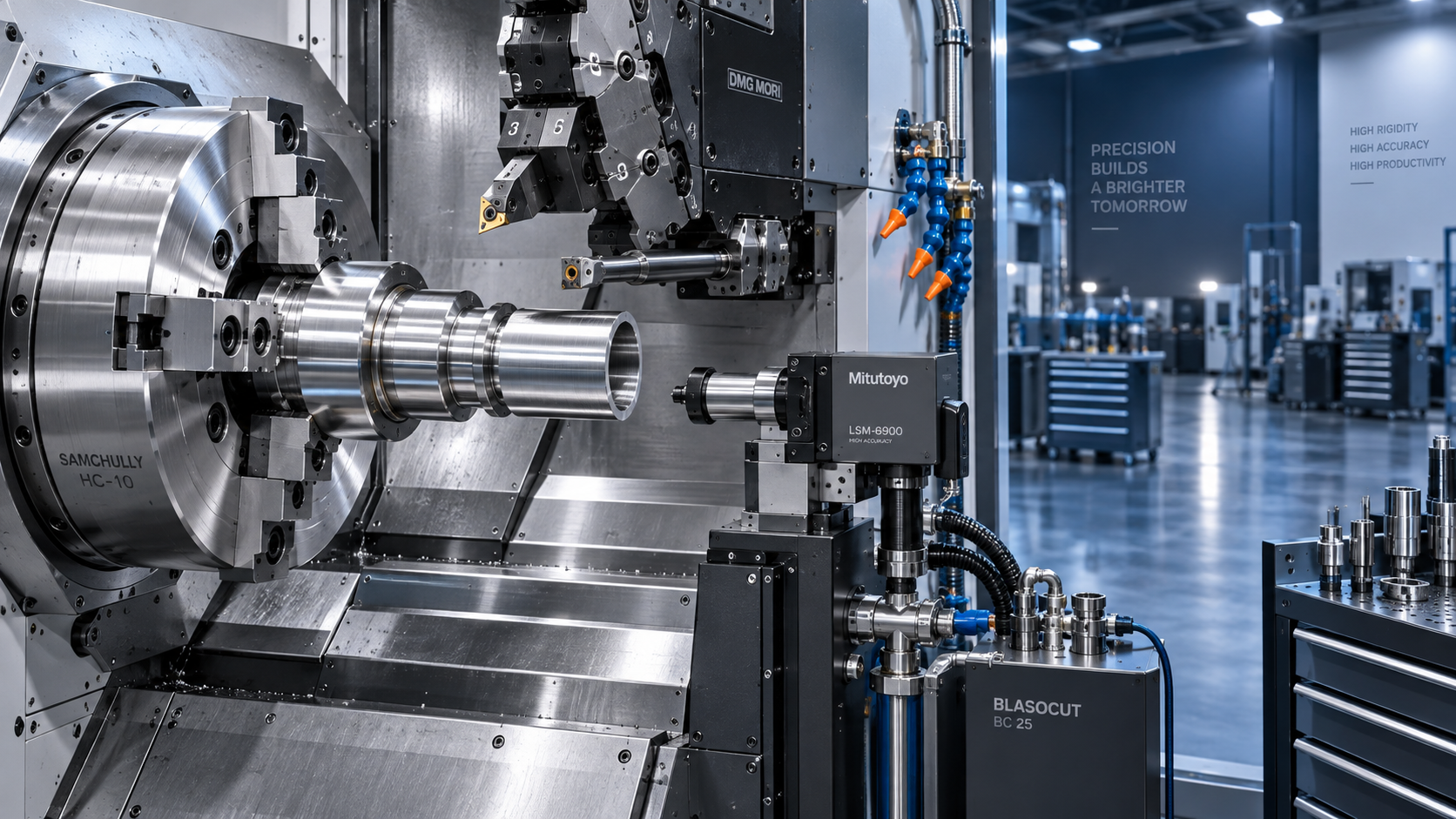
 How to Select a CNC Metal Lathe for Tight-Tolerance Shaft and Sleeve PartsCNC Machining Technology Center
 How to Select an Industrial Lathe for High-Volume Shaft ProductionMachine Tool Industry Editorial Team
 Selecting Machine Tools for Automotive Parts: Accuracy, Throughput, and AutomationMachine Tool Industry Editorial Team
 Industrial Machining: Selecting Processes for Tight-Tolerance Metal PartsCNC Machining Technology Center
 Manufacturing Technology Trends That Improve Throughput and Quality ControlManufacturing Market Research Center

Aris Katos
Future of Carbide Coatings
15+ years in precision manufacturing systems. Specialized in high-speed milling and aerospace grade alloy processing.
▶
Industrial Machining: Selecting Processes for Tight-Tolerance Metal PartsCNC Machining Technology Center▶
How Does Precision Machining Differ From Standard Machining?CNC Machining Technology Center▶
CNC Precision: Which Tolerances, Materials, and Processes Fit Your Part?CNC Machining Technology Center▶
How to Choose Metal Machining Processes for Tight Tolerances and Production VolumeCNC Machining Technology Center▶
Production Process Explained: Key Stages, Controls, and Quality CheckpointsCNC Machining Technology Center
Mastering 5-Axis Workholding Strategies
Join our technical panel on Nov 15th to learn about reducing vibrations in thin-wall components.

Providing you with integrated sanding solutions
Before-sales and after-sales services
Comprehensive technical support