• Global CNC market projected to reach $128B by 2028 • New EU trade regulations for precision tooling components • Aerospace deman
NYSE: CNC +1.2%LME: STEEL -0.4%

Germany Updates Machinery Directive for Human-Robot Collaboration Safety

On 15 May 2026, Germany’s Federal Ministry for Economic Affairs and Climate Action (BMWK) revised its Guidance on the Application of the Machinery Directive 2006/42/EC, introducing new mandatory safety verification requirements for human–machine collaborative systems. The update specifically targets integrated platforms combining embodied AI agents with collaborative robotic arms, tightening technical thresholds for real-time safety response — a move with immediate implications for Chinese exporters of flexible automation systems serving the German and broader EU markets.
Event Overview
The BMWK published an updated version of its Machinery Directive Implementation Guide on 15 May 2026. It adds explicit requirements for dynamic risk assessment of ‘embodied intelligent agents + collaborative robot arm’ integration systems. The guidance specifies that physical safeguarding failure response latency — i.e., time from detection of barrier breach to full mechanical stop or safe state activation — must be independently verified by a Notified Body and must not exceed 120 milliseconds.
Industries Affected
Direct Exporters (OEMs & System Integrators): Companies exporting turnkey flexible automation production lines, CNC–robot hybrid workstations, or smart gripper systems to Germany face direct market access barriers. Compliance now requires third-party validation of end-to-end safety communication stacks — including sensor fusion, decision logic, and actuator response timing — rather than component-level CE marking alone. Certification timelines may extend by 8–12 weeks, and non-compliant shipments risk customs rejection or post-market withdrawal.
Raw Material & Component Suppliers: Firms supplying real-time industrial Ethernet modules (e.g., TSN-capable controllers), safety-rated motion controllers, or certified safety I/O units to Chinese OEMs must now align documentation with the new 120 ms latency traceability requirement. This includes providing test reports demonstrating deterministic jitter under worst-case network load — a specification previously optional in most supplier datasheets.
Contract Manufacturers & Assembly Facilities: Factories performing final integration of robotic arms, vision systems, and AI inference hardware must implement validated safety commissioning protocols. Calibration logs, synchronization timestamp audits, and firmware version traceability across all safety-critical nodes are now prerequisites for Notified Body site assessments — increasing labor and documentation overhead per system build.
Supply Chain Service Providers: Certification consultants, test laboratories, and notified body representatives active in China–EU trade must expand their competency scope to cover dynamic latency measurement methodologies (e.g., IEEE 1588 PTP timestamping analysis, oscilloscope-based edge-triggered response capture). Demand is rising for bilingual engineers certified to EN ISO 13849-1:2023 Annex K and EN 61508-3:2010 functional safety tool qualification.
Key Focus Areas and Recommended Actions
Validate end-to-end safety loop latency — not just individual components
Manufacturers must shift from component-level conformity declarations to system-level performance validation. This includes measuring total response time across sensor input → AI decision boundary → safety controller → actuator de-energization, under representative operational loads. Third-party testing labs with TSN-capable test benches are now essential partners.
Update technical documentation to reflect dynamic risk assessment
The updated guidance mandates documented evidence of iterative hazard identification during runtime scenarios — e.g., unexpected agent re-planning, occlusion-induced sensor dropout, or multi-agent coordination conflicts. Risk assessment files must include annotated video clips, timestamped sensor logs, and failure mode simulations — not static hazard checklists.
Engage Notified Bodies early in design — not at certification stage
Given the novelty of embodied AI integration in machinery contexts, pre-submission technical dialogues with Notified Bodies (e.g., TÜV Rheinland, DEKRA) are strongly advised. Early alignment on acceptable latency measurement methods, AI behavior boundary definitions, and acceptable fallback strategies reduces revision cycles during formal assessment.
Editorial Perspective / Industry Observation
Observably, this amendment does not introduce entirely new safety principles — but it significantly raises the evidentiary bar for real-time assurance in adaptive systems. Analysis shows that the 120 ms threshold aligns closely with human startle reflex latency (≈100–150 ms), suggesting a deliberate shift toward biologically grounded safety margins. From an industry perspective, this signals growing regulatory attention on *behavioral predictability* of AI-integrated machines — a domain where traditional functional safety standards remain underdeveloped. Current more relevant frameworks may lie in emerging AI Act-aligned conformity pathways, though no formal linkage exists yet.
Conclusion
This update marks a consequential step in the convergence of AI regulation and machinery safety governance. Rather than representing a temporary compliance hurdle, it reflects a structural recalibration: safety assurance is increasingly tied to verifiable runtime performance, not just static architecture. For Chinese manufacturers, adapting requires deeper cross-disciplinary collaboration between robotics engineers, AI developers, and functional safety specialists — and signals that ‘smart’ automation will be judged less by capability and more by provable restraint.
Source Attribution
Official source: BMWK Guidance Document ‘Anwendungshinweise zur Maschinenrichtlinie 2006/42/EG’, Version 2026-05, published 15 May 2026 (available at bmwk.de).
Note: The European Commission has not yet endorsed this national interpretation; harmonized application across EU Member States remains subject to ongoing discussion within the Machinery Directive Liaison Group. Continued monitoring of EC Circular Letters and Notified Body bulletins is recommended.
Recommended for You
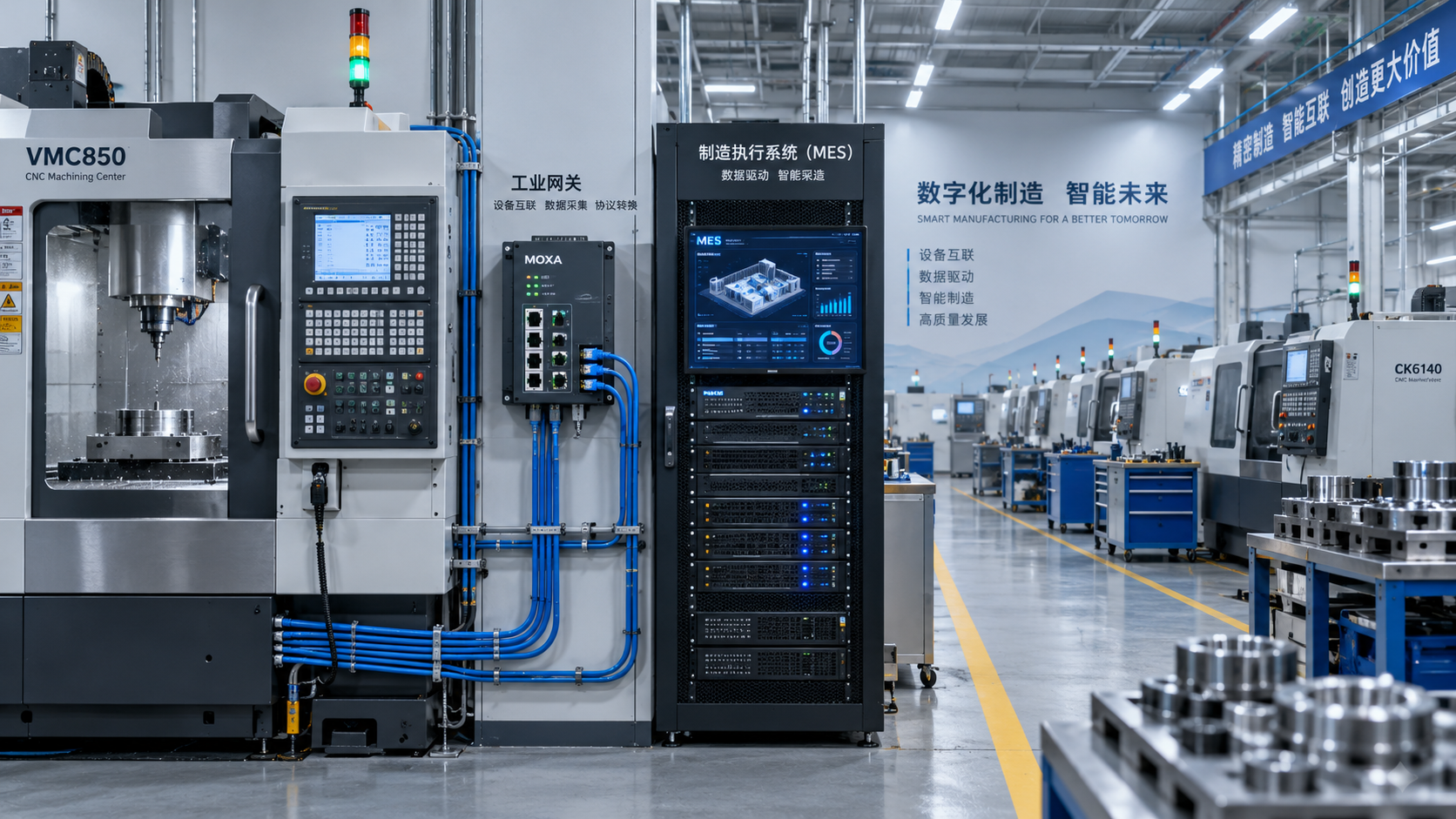
 Digital Manufacturing for Smart Factories: Connecting Legacy Machines to MESMachine Tool Industry Editorial Team
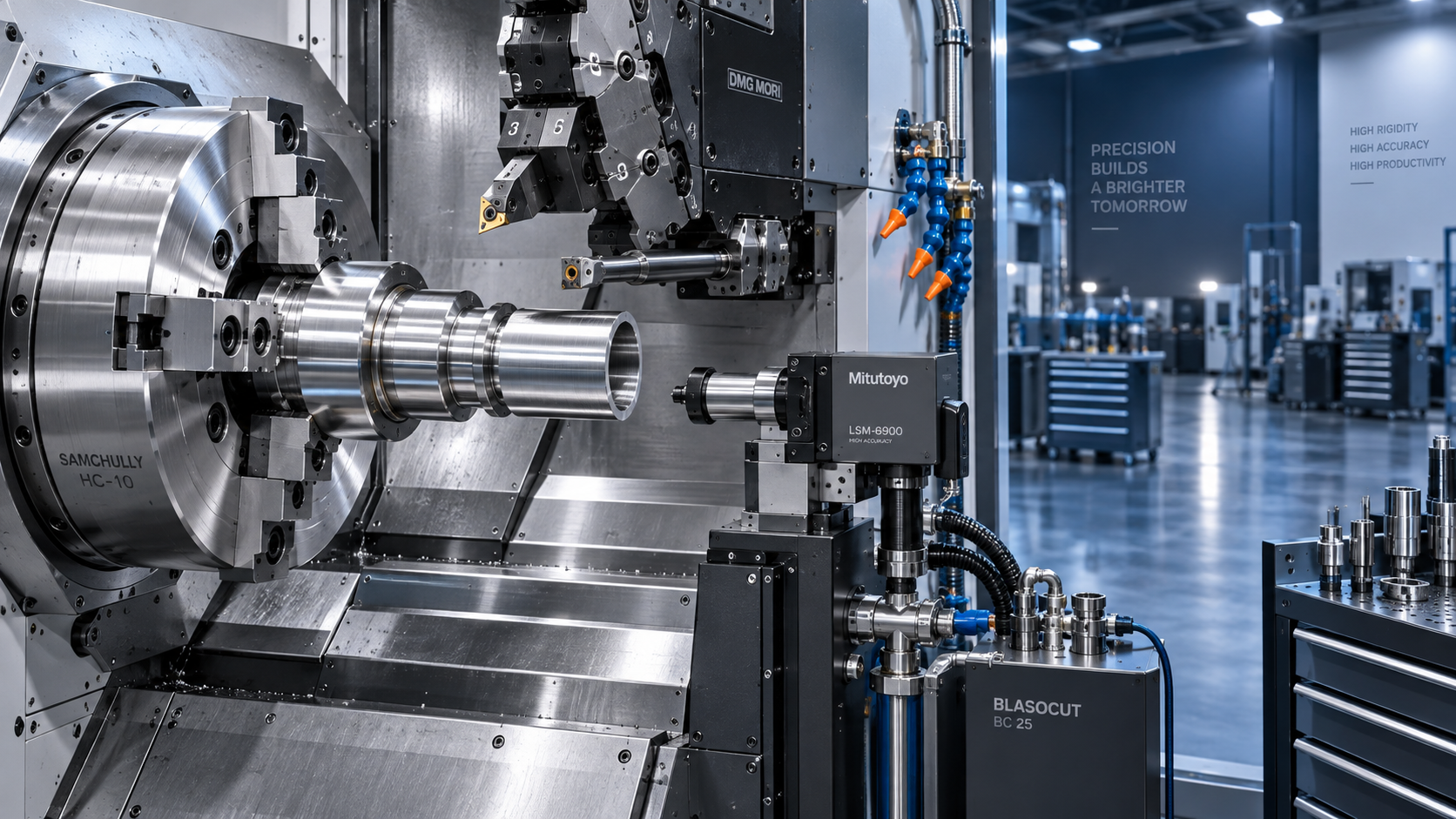
 How to Select a CNC Metal Lathe for Tight-Tolerance Shaft and Sleeve PartsCNC Machining Technology Center
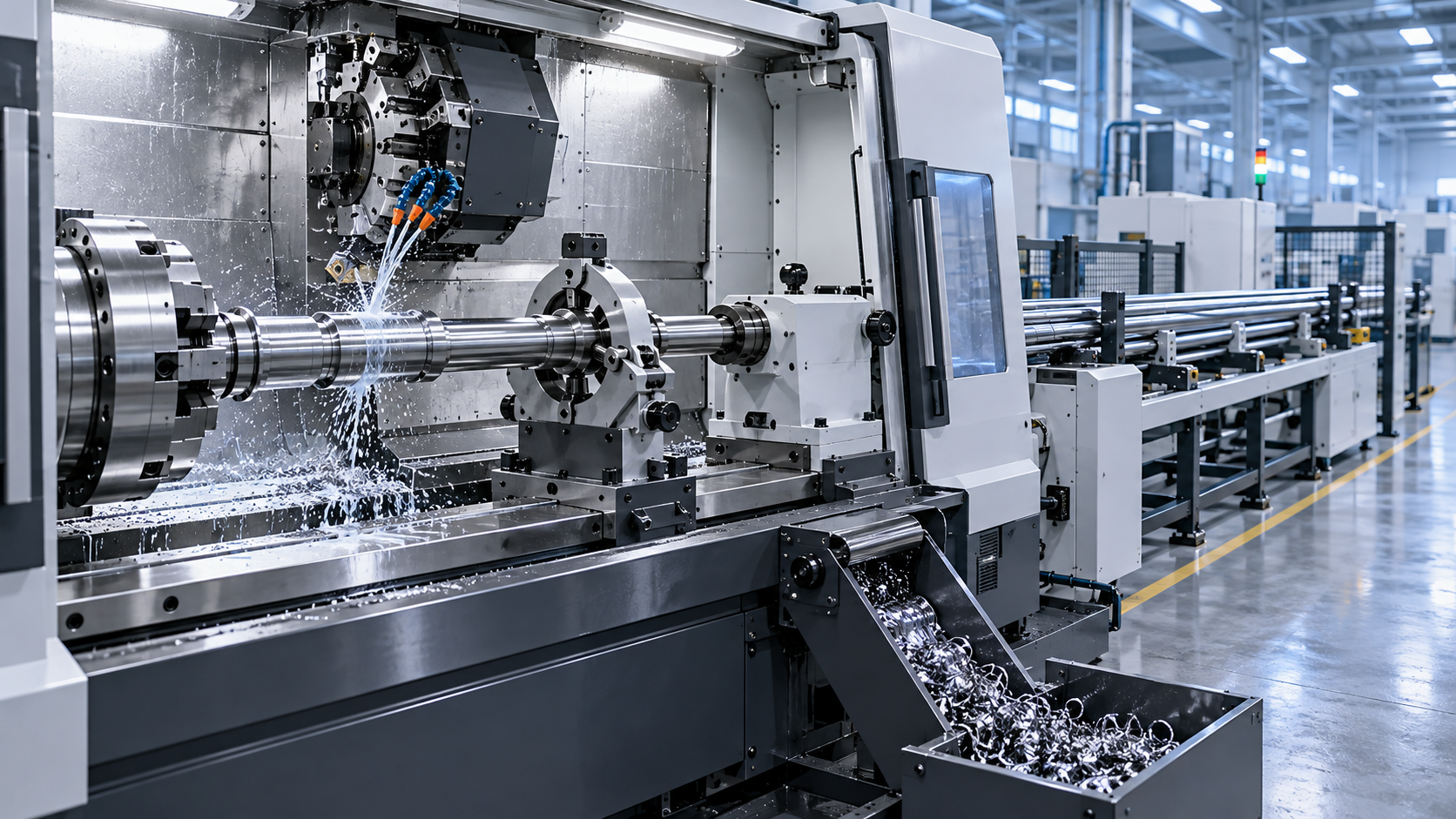
 How to Select an Industrial Lathe for High-Volume Shaft ProductionMachine Tool Industry Editorial Team
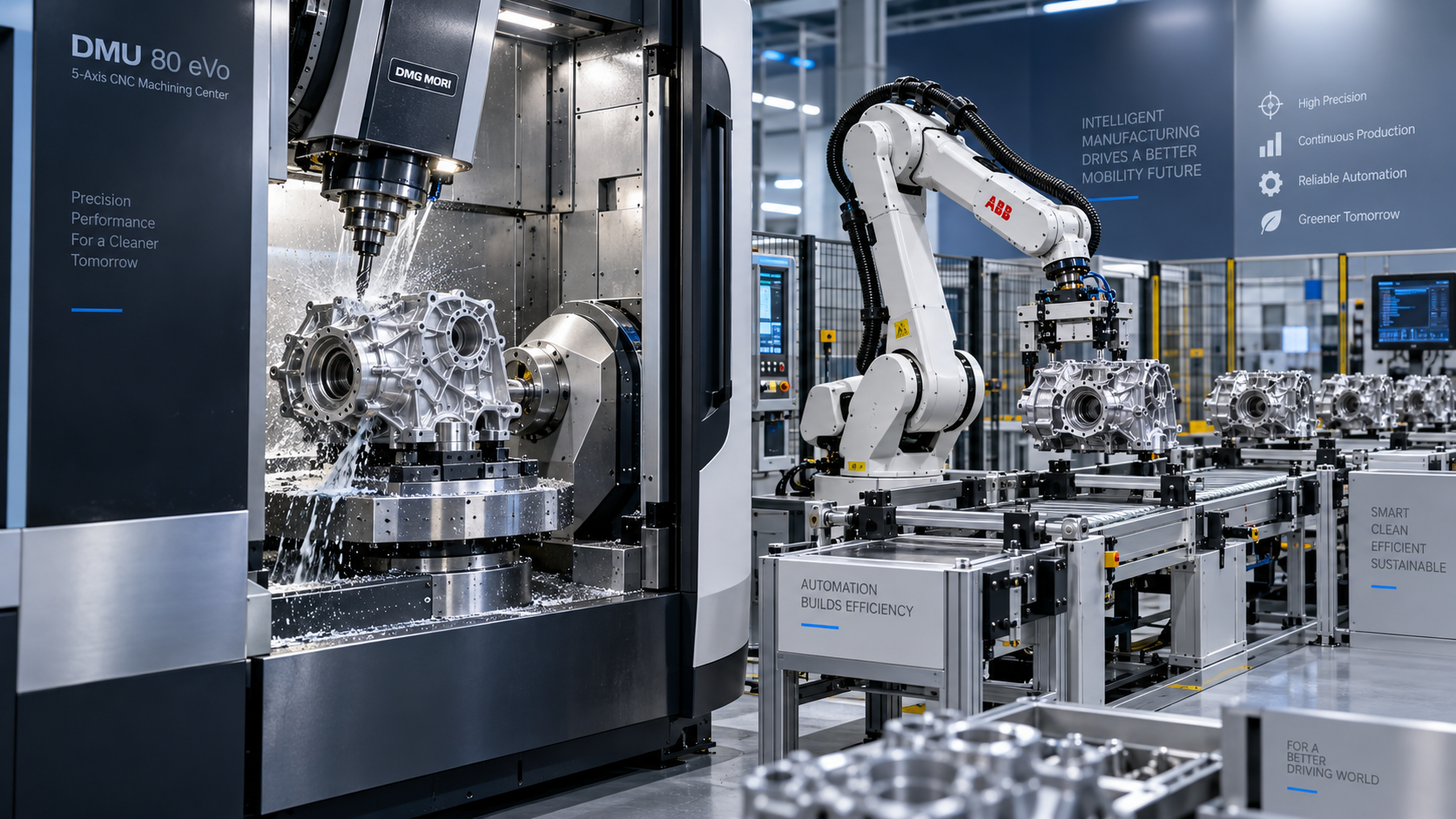
 Selecting Machine Tools for Automotive Parts: Accuracy, Throughput, and AutomationMachine Tool Industry Editorial Team
 Industrial Machining: Selecting Processes for Tight-Tolerance Metal PartsCNC Machining Technology Center
 Manufacturing Technology Trends That Improve Throughput and Quality ControlManufacturing Market Research Center

Aris Katos
Future of Carbide Coatings
15+ years in precision manufacturing systems. Specialized in high-speed milling and aerospace grade alloy processing.
▶
EU REACH Adds Limits on Nanomaterial Cutting Fluid AdditivesManufacturing Policy Research Center▶
Energy-Saving CNC Manufacturing: Which Upgrades Deliver the Best ROI?Manufacturing Policy Research Center▶
Vietnam Requires ISO 50001 Proof for Imported CNC MachinesManufacturing Policy Research Center▶
EU Tightens REACH Rules for Nickel-Coated CNC ToolsManufacturing Policy Research Center▶
EU Carbon-Footprint Rule Nears for CNC Power ModulesManufacturing Policy Research Center
Mastering 5-Axis Workholding Strategies
Join our technical panel on Nov 15th to learn about reducing vibrations in thin-wall components.

Providing you with integrated sanding solutions
Before-sales and after-sales services
Comprehensive technical support