• Global CNC market projected to reach $128B by 2028 • New EU trade regulations for precision tooling components • Aerospace deman
NYSE: CNC +1.2%LME: STEEL -0.4%

Fed Shifts to Data Dependence, Keeping 25bp Hike in View

On June 18, 2026, the Federal Reserve left interest rates unchanged but shifted the policy message toward a more data-dependent stance by removing forward-guidance language. For importers, equipment buyers, and supply chain participants in emerging markets, this matters because firmer expectations for a stronger US dollar can feed directly into financing costs, local-currency purchasing budgets, and the timing of medium- to large-scale procurement decisions, especially in India and Southeast Asia.
What the June decision explicitly changed
The confirmed facts are limited but important. The Federal Reserve kept rates unchanged on June 18. At the same time, it removed all forward-guidance wording from its statement. The rate dot plot showed that nine officials supported another rate increase within the year, and the median rate projection for the end of 2026 was raised to 3.8%.
These are the core signals contained in the event itself: no immediate rate move, less pre-committed language on the path ahead, and a policy outlook that still leaves room for a further 25-basis-point increase.
Where the pressure may emerge across trade and procurement
Import budgeting becomes harder to lock in
From an industry perspective, import-oriented businesses may feel the impact first through budgeting rather than through physical supply disruption. If expectations of US dollar strength continue, companies that purchase overseas equipment or goods in foreign currency may face greater pressure on local-currency budgets. This is especially relevant where procurement approval depends on fixed internal cost assumptions.
Financing discussions may become more sensitive
Analysis shows that buyers relying on financing could encounter tighter negotiations around payment schedules and funding costs. The issue is not only the headline rate decision, but also the removal of forward guidance, which can make future pricing expectations less certain. For importers in emerging markets, that uncertainty may affect credit planning, payment terms, and the pace of contract finalization.
Equipment purchases may see longer decision cycles
Observably, medium- and large-scale equipment procurement in India and Southeast Asia is singled out as a sensitive area. In these transactions, budget approval, financing structure, and supplier payment conditions are often linked. When dollar expectations strengthen, procurement teams may take longer to confirm orders, revisit payment milestones, or reopen term negotiations before committing.
Suppliers and service providers may need closer coordination
For suppliers, distributors, and related service providers, the main exposure may appear in deal timing rather than immediate demand loss. What deserves closer attention is whether customers begin asking for revised quotations, different settlement arrangements, or more flexible delivery-linked payment structures.
What companies should track now
Watch the wording, not only the rate level
Analysis shows that the removal of forward guidance is itself an operational signal. Businesses should pay attention to how future official communication frames inflation, growth, and rate risks, because policy language can influence customer expectations and negotiation behavior before any actual rate move occurs.
Recheck exposure in key procurement markets
Companies with business tied to India and Southeast Asia should review which projects are most exposed to foreign-currency budgeting pressure. The practical issue is not broad market sentiment alone, but whether specific pending transactions involve medium- to large-ticket imported equipment, long approval chains, or financing-dependent buyers.
Separate policy signals from order execution risk
From an industry perspective, not every policy signal translates immediately into canceled demand. A more useful distinction is between macro signaling and deal execution risk. Teams should assess whether customers are merely delaying internal approvals, renegotiating payment terms, or changing procurement scope, as these lead to different commercial responses.
Prepare documentation and customer communication earlier
Where transactions are already in progress, earlier alignment on payment conditions, delivery schedules, and supporting documents may reduce friction. This is particularly relevant for deals in which financing approval and procurement approval move in parallel, because uncertainty in one part of the process can delay the whole transaction.
Why this looks more like a live signal than a settled outcome
Observably, this development is better read as a policy signal with business implications rather than as a finalized market outcome. The confirmed facts show a pause in rates, but they also show that the Federal Reserve has shifted away from preset guidance and that a meaningful group of officials still supports another increase this year.
Analysis shows that for industry participants, the immediate significance lies in expectations management. Stronger US dollar expectations can affect procurement behavior before any additional rate hike actually happens. That is why this event is more appropriate to understand as an active watchpoint for trade finance, import budgeting, and contract negotiation rather than as a completed trend.
How to interpret the current stage
The industry meaning of this update is not that trade conditions have already been redefined, but that uncertainty around funding costs and purchasing budgets has increased for some cross-border transactions. For importers and suppliers connected to emerging-market equipment demand, especially in India and Southeast Asia, the more practical reading is that deal structures and approval timelines may become more sensitive in the near term.
It is more appropriate to understand this as a short-term policy signal with potential follow-through, while continuing to observe whether future official communication and market reactions reinforce or soften the pressure on financing and procurement decisions.
Basis of this article and what still needs verification
This article is based on the user-provided news title, event date, and event summary. The factual foundation used here includes the June 18, 2026 decision to keep rates unchanged, the removal of forward-guidance language, the dot plot showing nine officials supporting another rate increase within the year, and the median end-2026 rate projection of 3.8%.
For this type of development, common source categories usually include official central bank statements, official policy materials, company disclosures, industry association updates, authoritative media reporting, and related market documentation. A specific official source link was not provided in the input, so continued verification is still needed. Follow-up attention should remain on subsequent official wording, any further rate guidance signals, and whether procurement and payment-term negotiations in affected markets show sustained changes.
Recommended for You
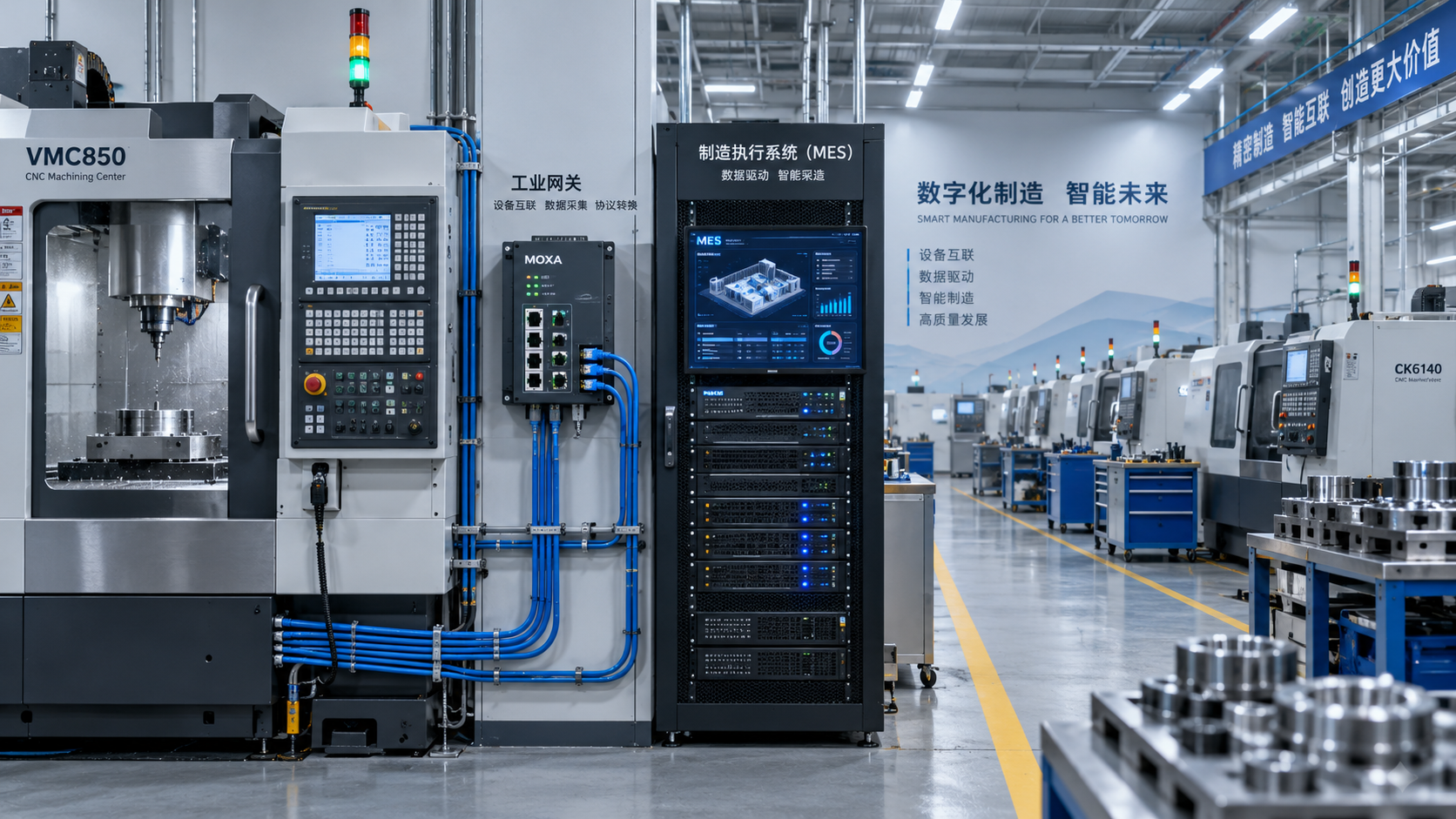
 Digital Manufacturing for Smart Factories: Connecting Legacy Machines to MESMachine Tool Industry Editorial Team
 How to Select a CNC Metal Lathe for Tight-Tolerance Shaft and Sleeve PartsCNC Machining Technology Center
 How to Select an Industrial Lathe for High-Volume Shaft ProductionMachine Tool Industry Editorial Team
 Selecting Machine Tools for Automotive Parts: Accuracy, Throughput, and AutomationMachine Tool Industry Editorial Team
 Industrial Machining: Selecting Processes for Tight-Tolerance Metal PartsCNC Machining Technology Center
 Manufacturing Technology Trends That Improve Throughput and Quality ControlManufacturing Market Research Center






Aris Katos
Future of Carbide Coatings
15+ years in precision manufacturing systems. Specialized in high-speed milling and aerospace grade alloy processing.
▶
How to Evaluate a Machine Tool Factory Before Sourcing CNC EquipmentGlobal Machine Tool Trade Research Center▶
How to Evaluate a CNC Machine Tool Manufacturer for Precision and Service SupportGlobal Machine Tool Trade Research Center▶
What Affects Cost-Effective CNC Manufacturing? Key Drivers Behind Part Price and Lead TimeGlobal Machine Tool Trade Research Center▶
How to Evaluate a CNC Tooling System Supplier in Germany for Quality, Lead Time, and CostGlobal Machine Tool Trade Research Center▶
How to Evaluate a CNC Tooling System Supplier in Germany for Quality, Lead Time, and SupportGlobal Machine Tool Trade Research Center
Mastering 5-Axis Workholding Strategies
Join our technical panel on Nov 15th to learn about reducing vibrations in thin-wall components.

Providing you with integrated sanding solutions
Before-sales and after-sales services
Comprehensive technical support