• Global CNC market projected to reach $128B by 2028 • New EU trade regulations for precision tooling components • Aerospace deman
NYSE: CNC +1.2%LME: STEEL -0.4%

What Affects CNC Production Equipment Cost: Capacity, Automation Level, and Maintenance
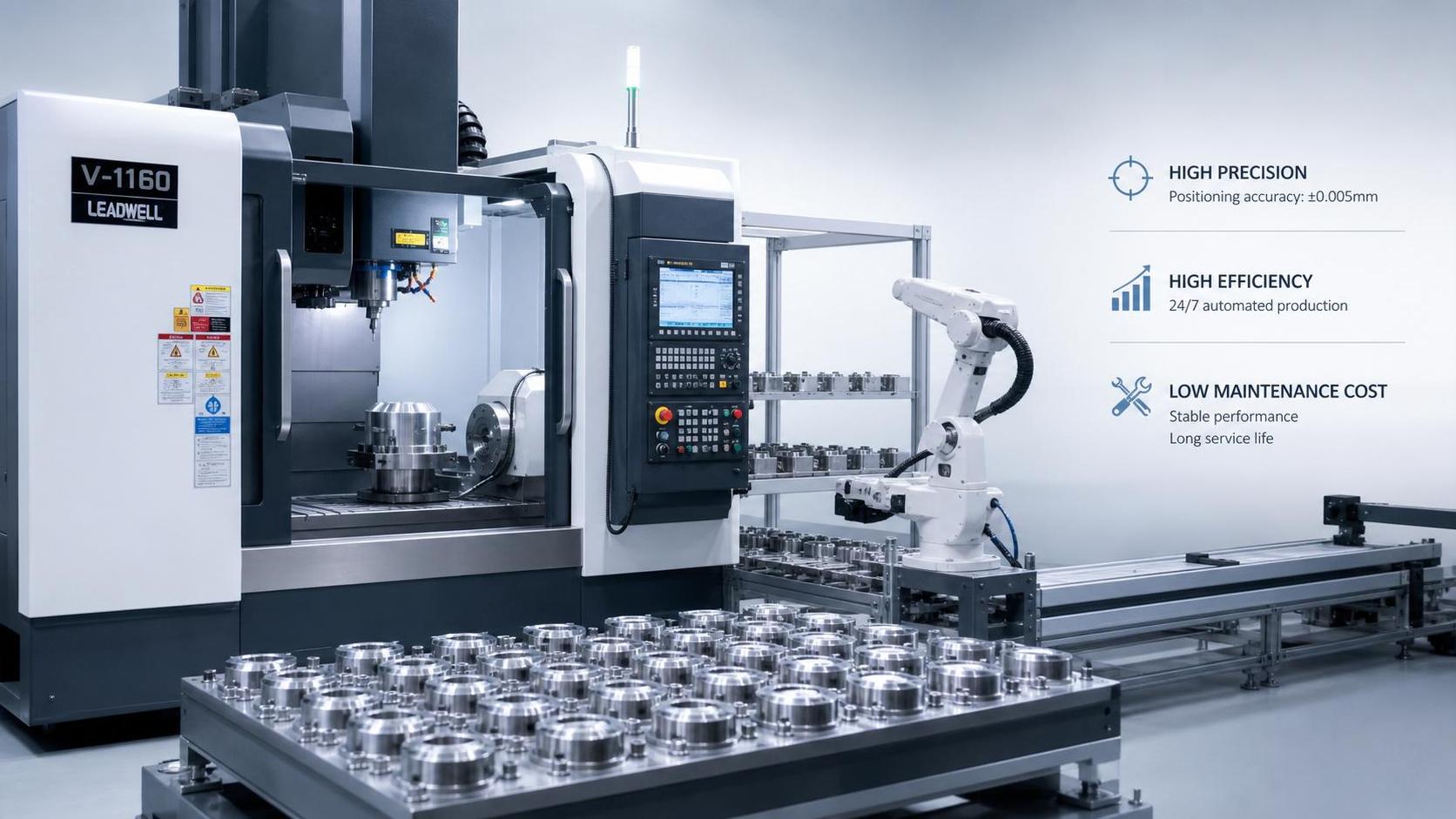
Why does CNC production equipment cost vary so much?
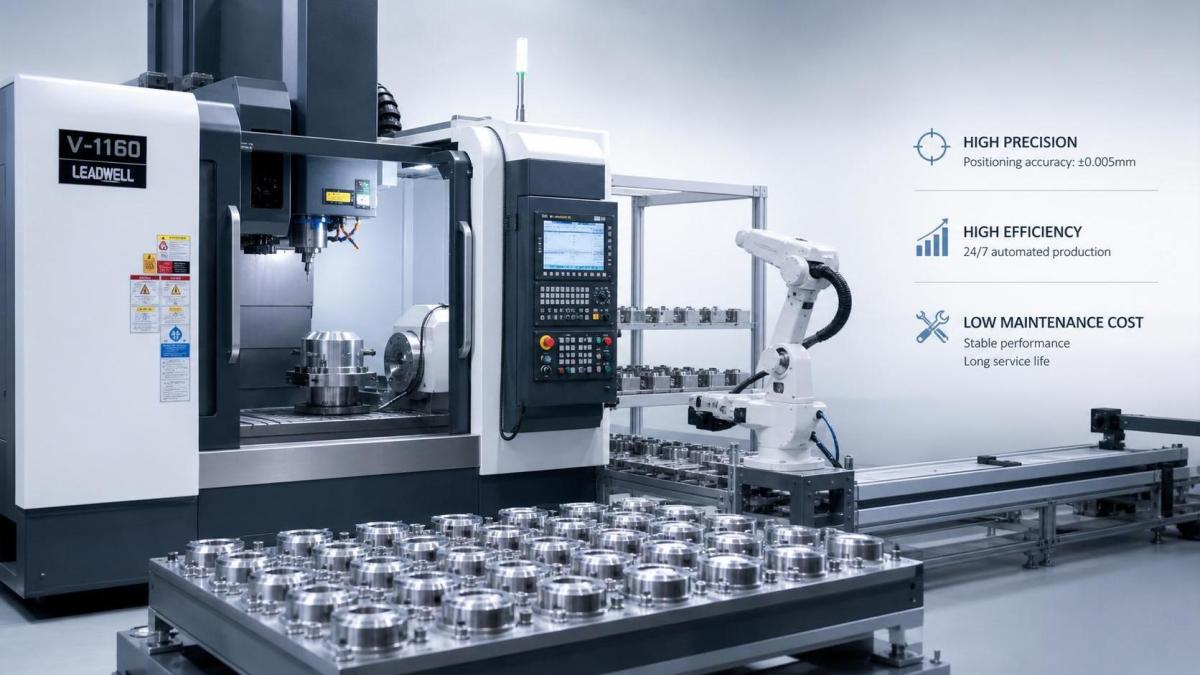
CNC production equipment rarely follows a simple price logic. Two machines may look similar, yet their total cost can differ sharply.
The reason is straightforward. Buyers are not paying only for metal, motors, and controls. They are paying for output, stability, precision, and service life.
In modern manufacturing, CNC machine tools support automotive parts, aerospace structures, energy components, and electronics production. That broad use changes cost expectations.
A compact CNC lathe for routine shafts has one cost structure. A multi-axis machining system for tight-tolerance structural parts has a very different one.
More importantly, CNC production equipment cost should be judged across the full ownership cycle. Purchase price matters, but uptime, scrap rate, tooling compatibility, and maintenance burden matter just as much.
That is why cost discussions now go beyond the machine itself. Automation level, digital integration, and supplier support are part of the investment decision.
How does machine capacity change the real cost picture?
Capacity affects CNC production equipment cost more than many first comparisons suggest. It shapes not only the selling price, but also floor planning, power demand, and production flexibility.
In practical terms, capacity includes work envelope, spindle power, table load, axis travel, cutting speed, and hourly output potential.
Higher-capacity equipment usually requires a stronger machine frame, larger guideways, more stable thermal control, and more advanced drive systems. Those upgrades raise the initial equipment cost.
Still, a larger machine is not always the expensive choice in the long run. If it removes bottlenecks or reduces setup changes, it may lower cost per part.
The opposite also happens. Oversized CNC production equipment can lock in wasted capital, unused spindle hours, and higher energy consumption.
A useful way to compare options is to match capacity with part mix rather than maximum possible demand. That usually gives a more realistic cost baseline.
This comparison helps separate true production need from specification inflation, which is a common source of overspending.
When does automation justify a higher CNC production equipment cost?
Automation increases CNC production equipment cost quickly, but it can also reshape labor use, throughput consistency, and scheduling reliability.
The key question is not whether automation is good. It is whether the automation level fits the production rhythm.
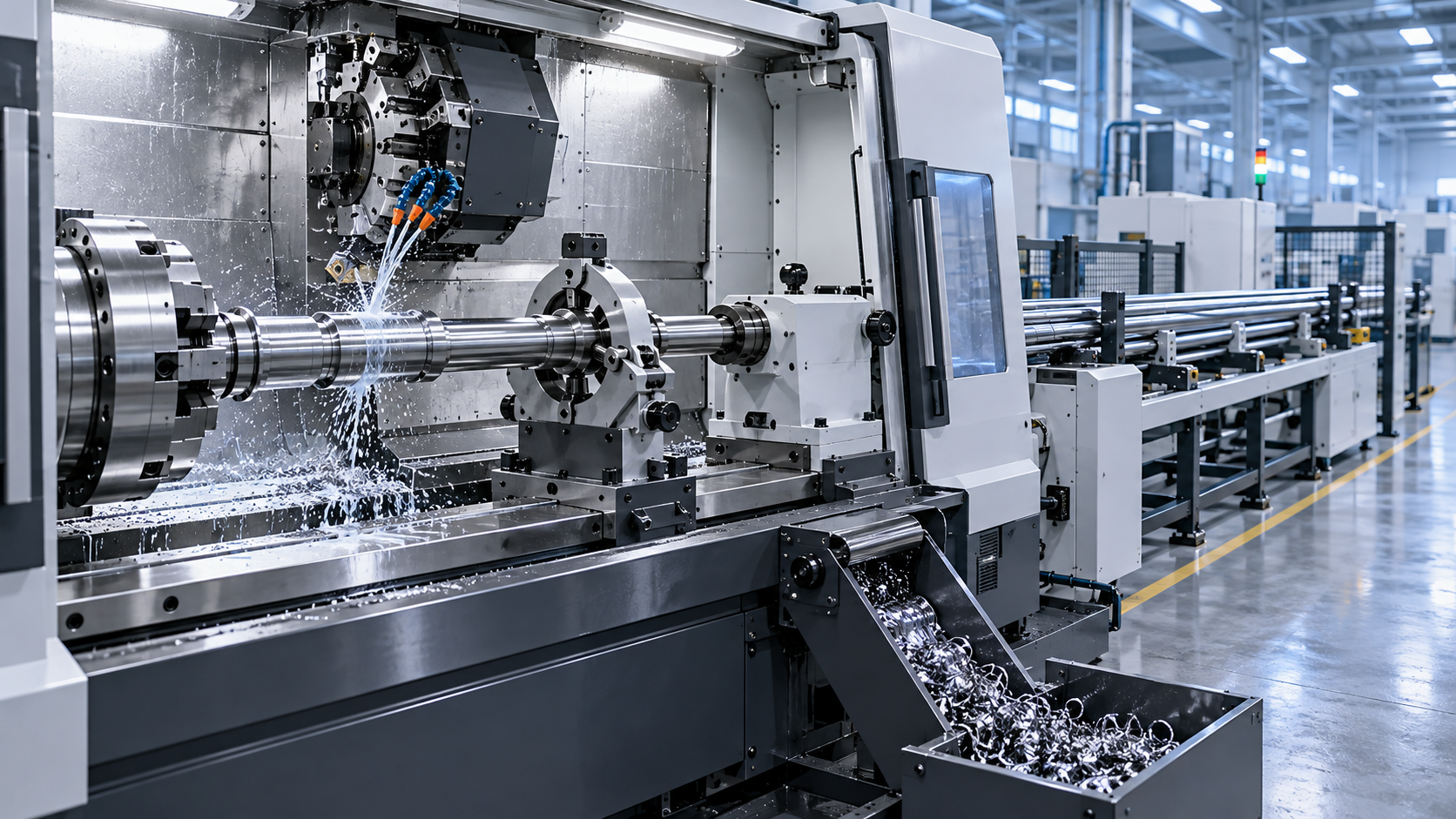
Basic automation may include automatic tool changers, bar feeders, chip conveyors, or probing systems. These features often provide fast payback.
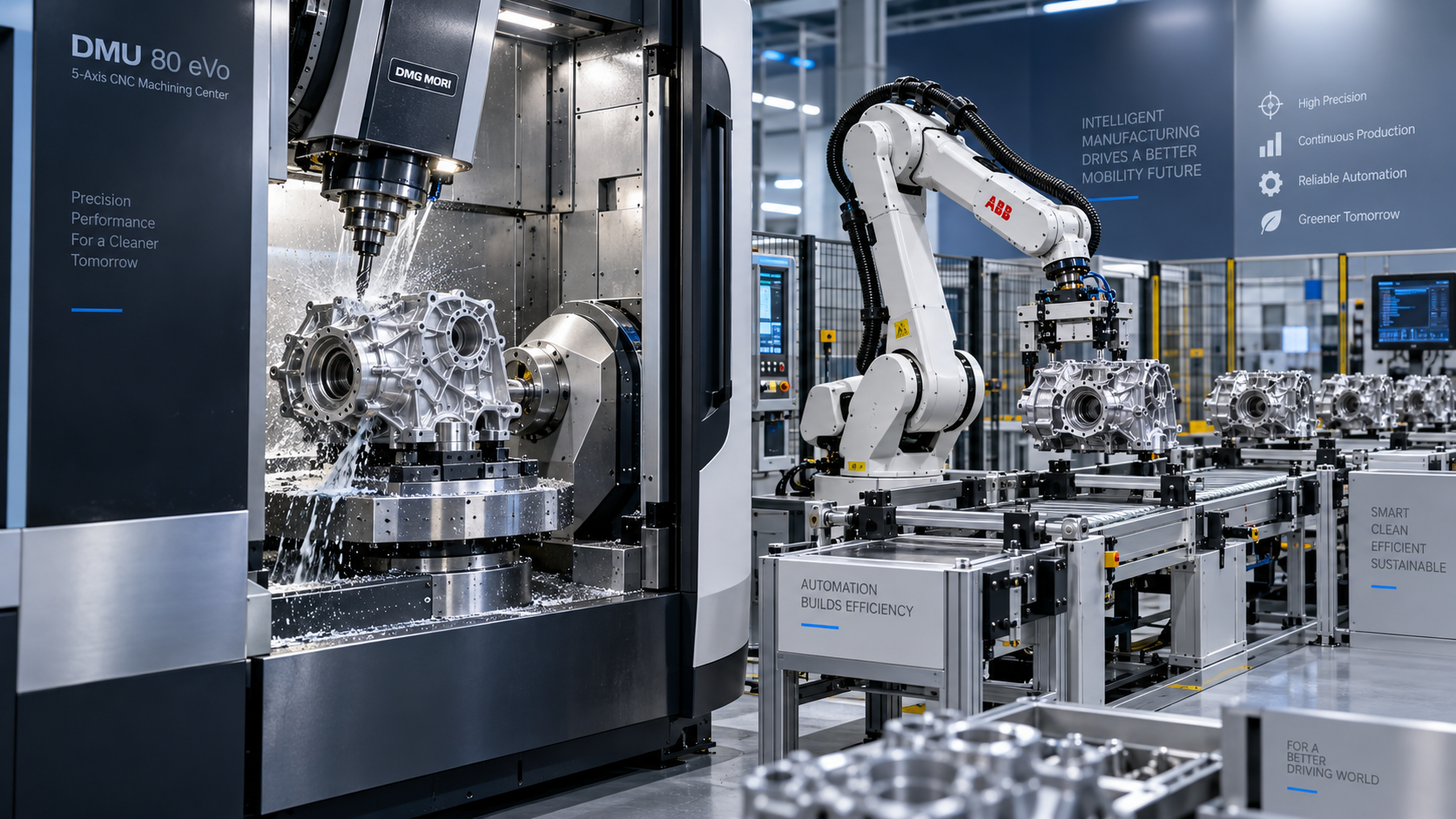
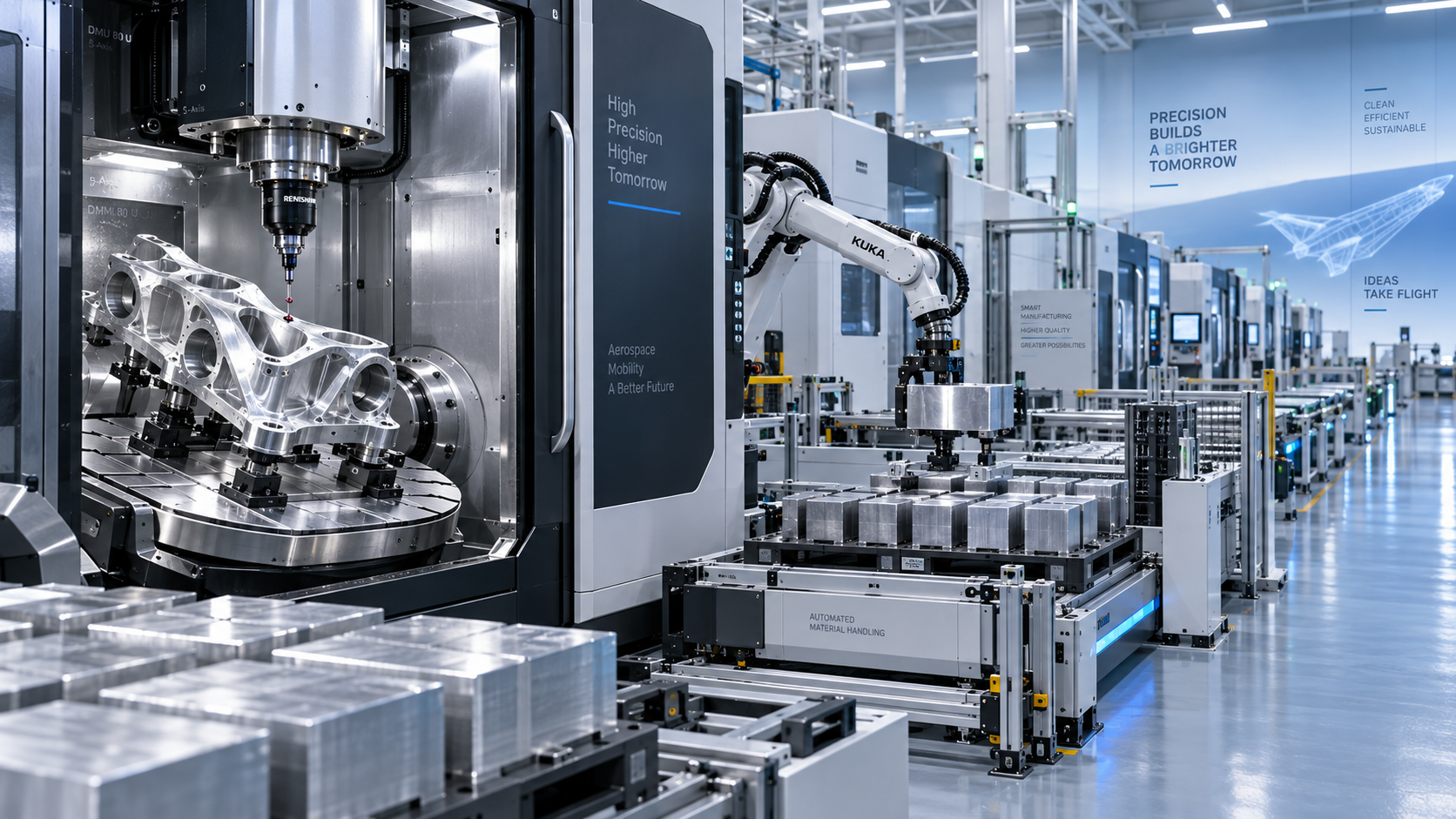
Advanced automation can mean robotic loading, pallet pools, flexible production lines, in-line inspection, and data-connected scheduling systems. These systems cost more because they reduce manual intervention across the line.
In high-mix, low-volume work, too much automation can become expensive complexity. Changeovers, programming time, and fixture adjustments may reduce the expected return.
In repeat production, especially for automotive, electronics, and energy equipment parts, automation usually has a stronger business case. Stable volumes make utilization easier to predict.
It is also worth checking digital integration. Smart factory trends are pushing CNC production equipment toward connected monitoring, predictive alerts, and production traceability.
Those functions raise system cost, yet they often reduce hidden losses caused by idle time, operator delays, or inconsistent process control.
- Choose lower automation when product variation is high and batch sizes shift often.
- Choose mid-level automation when labor pressure exists but process flow remains flexible.
- Choose higher automation when output targets are stable and uptime drives profitability.
Is maintenance just an operating issue, or a major purchasing factor?
It is absolutely a purchasing factor. Maintenance influences lifecycle cost, production continuity, and resale value from the first day of ownership.
Some CNC production equipment looks competitively priced at quotation stage, but carries expensive service intervals, slow spare-parts access, or difficult diagnostics.
That pattern is especially risky in precision manufacturing, where an unplanned stop can interrupt downstream assembly, heat treatment, or finishing schedules.
A good maintenance review should cover spindle life, ball screw durability, lubrication design, control system support, and calibration frequency.
It should also include local service capability. Global machine tool suppliers may offer strong technology, but service response can vary by region.
This matters because major machine tool clusters in China, Germany, Japan, and South Korea have different supply chains, technical standards, and spare-part logistics.
A lower sticker price loses its appeal if a failed servo or spindle causes long downtime waiting for imported components.
More commonly, the better judgment method is to estimate annual maintenance cost as part of total cost of ownership, not as a separate afterthought.
What should be confirmed before signing?
- Preventive maintenance intervals for the main mechanical and electrical systems.
- Typical lead times for wear parts, control modules, and spindle-related components.
- Availability of remote diagnostics, software updates, and training support.
- Expected cost of annual service, alignment, and accuracy verification.
What hidden costs are often missed during equipment comparison?
Many cost gaps appear outside the machine quotation. This is where CNC production equipment decisions often become misleading.
Installation is one example. Foundation work, rigging, power upgrades, coolant systems, and air supply modifications can be substantial.
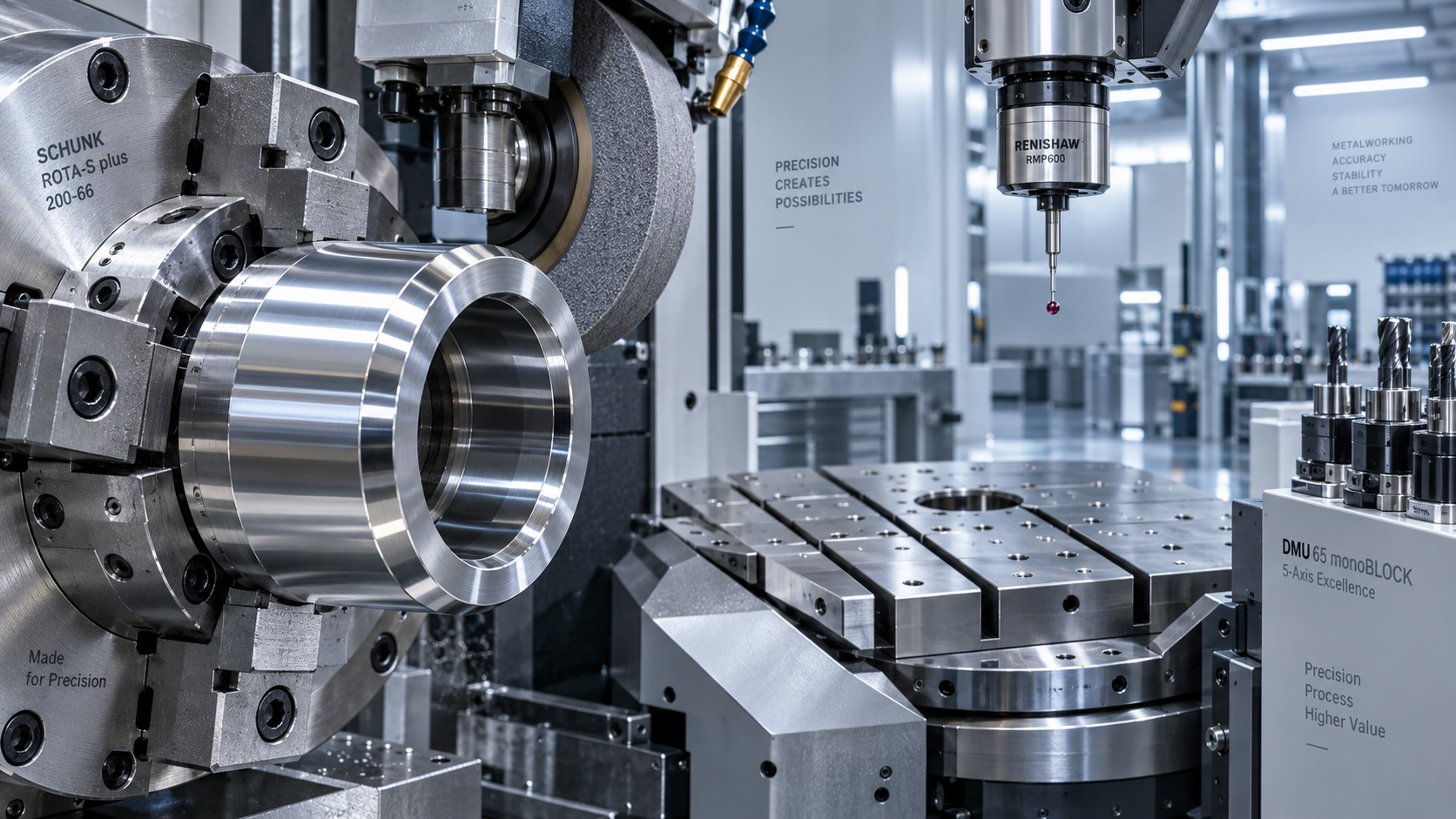
Tooling and fixturing are another. A machine may be affordable, yet require expensive holders, probes, chucks, or custom fixtures to deliver its claimed performance.
Training is often undervalued too. Complex controls and multi-axis programming need operator and maintenance readiness, or efficiency will remain below target.
There is also the cost of transition. Shifting production to new CNC production equipment may temporarily affect scrap rates, lead times, and planning stability.
For integrated lines, compatibility with industrial robots, conveyors, MES systems, or inspection stations can add both cost and implementation time.
The following checklist is useful when comparing offers that seem close on price.
How can buyers compare CNC production equipment more confidently?
A confident comparison starts with a clear operating profile, not a supplier brochure. That means defining parts, tolerances, materials, batch size, and expected yearly output.
After that, compare CNC production equipment on four linked dimensions: capacity fit, automation fit, maintenance burden, and integration cost.
It also helps to score each option against production goals rather than features alone. A machine with fewer options may deliver better value if it matches the process exactly.
In real sourcing decisions, the strongest option is often the one that balances precision, service support, and expansion room without creating unnecessary complexity.
This matters even more as global manufacturing moves toward smarter, more connected production. Equipment choices now influence data visibility and process control for years ahead.
The practical next step is to build a side-by-side review sheet. Include machine price, installation, tooling, training, annual maintenance, lead time, and expected utilization.
That approach makes CNC production equipment cost easier to judge in business terms, not just technical specifications.
When the comparison is structured this way, decisions become less reactive and more aligned with long-term production performance.
PREVIOUS ARTICLE
Recommended for You
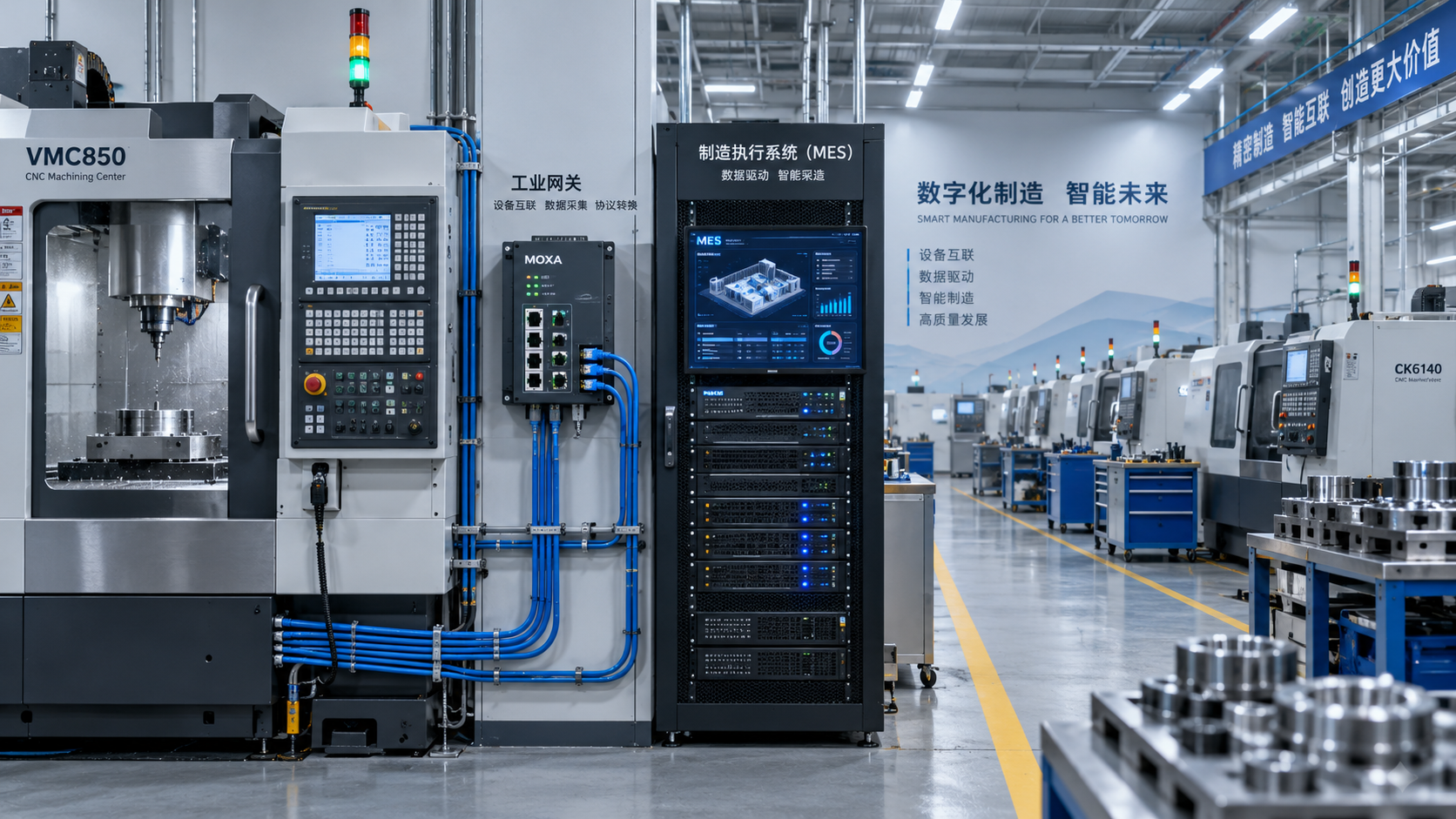
 Digital Manufacturing for Smart Factories: Connecting Legacy Machines to MESMachine Tool Industry Editorial Team
 How to Select a CNC Metal Lathe for Tight-Tolerance Shaft and Sleeve PartsCNC Machining Technology Center
 How to Select an Industrial Lathe for High-Volume Shaft ProductionMachine Tool Industry Editorial Team
 Selecting Machine Tools for Automotive Parts: Accuracy, Throughput, and AutomationMachine Tool Industry Editorial Team
 Industrial Machining: Selecting Processes for Tight-Tolerance Metal PartsCNC Machining Technology Center
 Manufacturing Technology Trends That Improve Throughput and Quality ControlManufacturing Market Research Center

Aris Katos
Future of Carbide Coatings
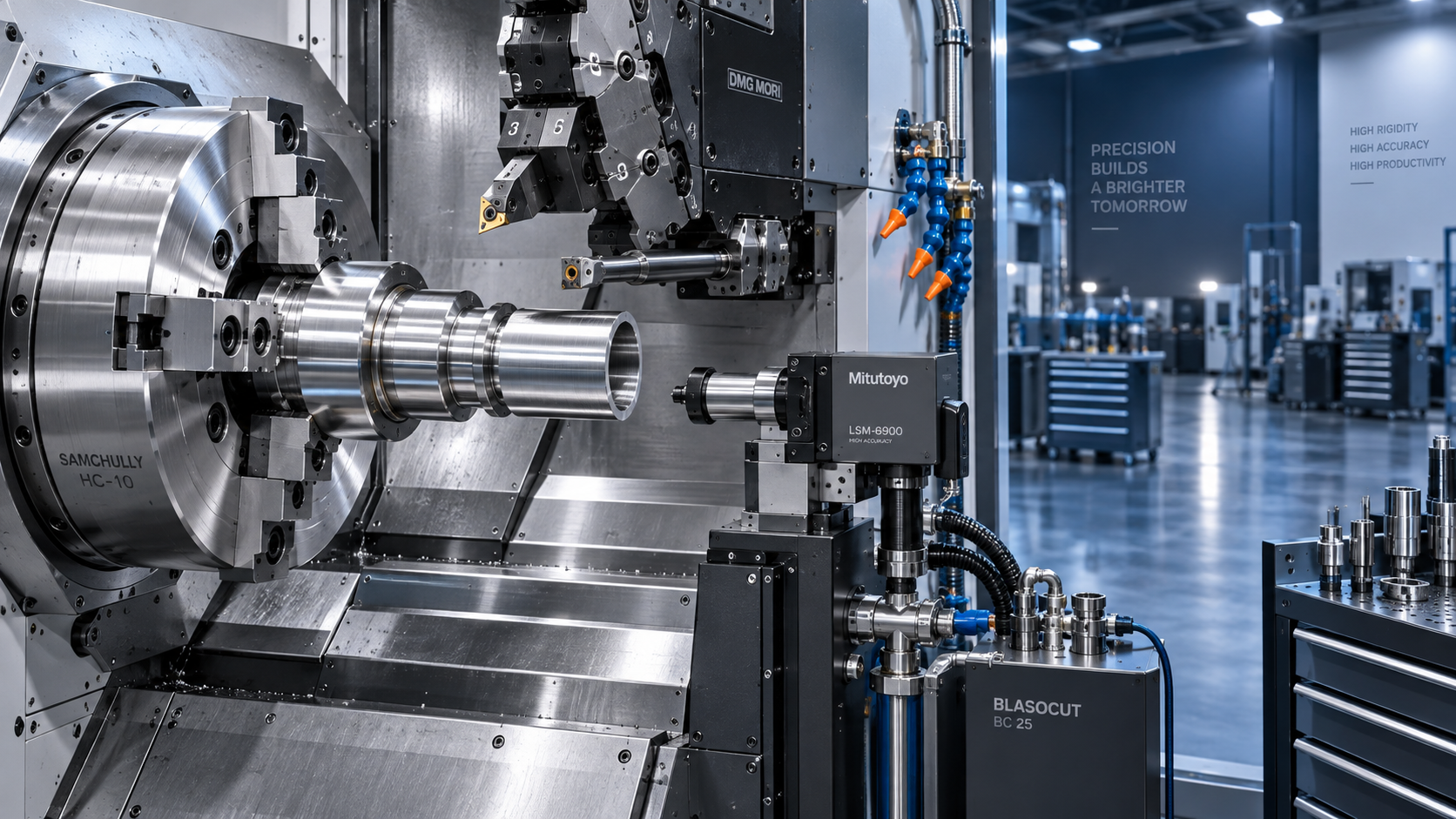
15+ years in precision manufacturing systems. Specialized in high-speed milling and aerospace grade alloy processing.
▶
How to Evaluate a Machine Tool Factory Before Sourcing CNC EquipmentGlobal Machine Tool Trade Research Center▶
How to Evaluate a CNC Machine Tool Manufacturer for Precision and Service SupportGlobal Machine Tool Trade Research Center▶
What Affects Cost-Effective CNC Manufacturing? Key Drivers Behind Part Price and Lead TimeGlobal Machine Tool Trade Research Center▶
How to Evaluate a CNC Tooling System Supplier in Germany for Quality, Lead Time, and CostGlobal Machine Tool Trade Research Center▶
How to Evaluate a CNC Tooling System Supplier in Germany for Quality, Lead Time, and SupportGlobal Machine Tool Trade Research Center
Mastering 5-Axis Workholding Strategies
Join our technical panel on Nov 15th to learn about reducing vibrations in thin-wall components.

Providing you with integrated sanding solutions
Before-sales and after-sales services
Comprehensive technical support