• Global CNC market projected to reach $128B by 2028 • New EU trade regulations for precision tooling components • Aerospace deman
NYSE: CNC +1.2%LME: STEEL -0.4%

5 Axis Machining Center for Aerospace Parts: Tolerance Control and Fixture Design Keys
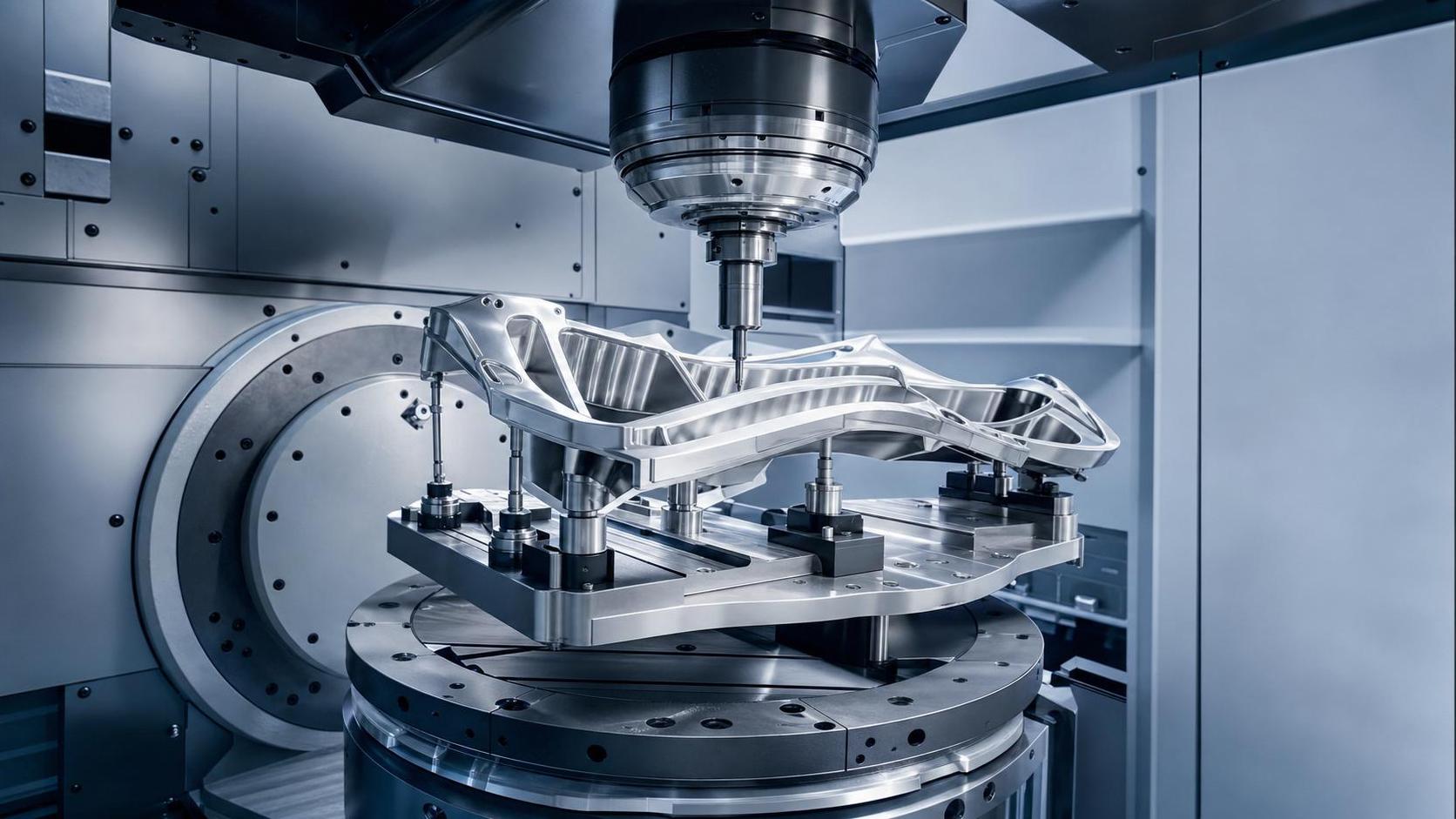
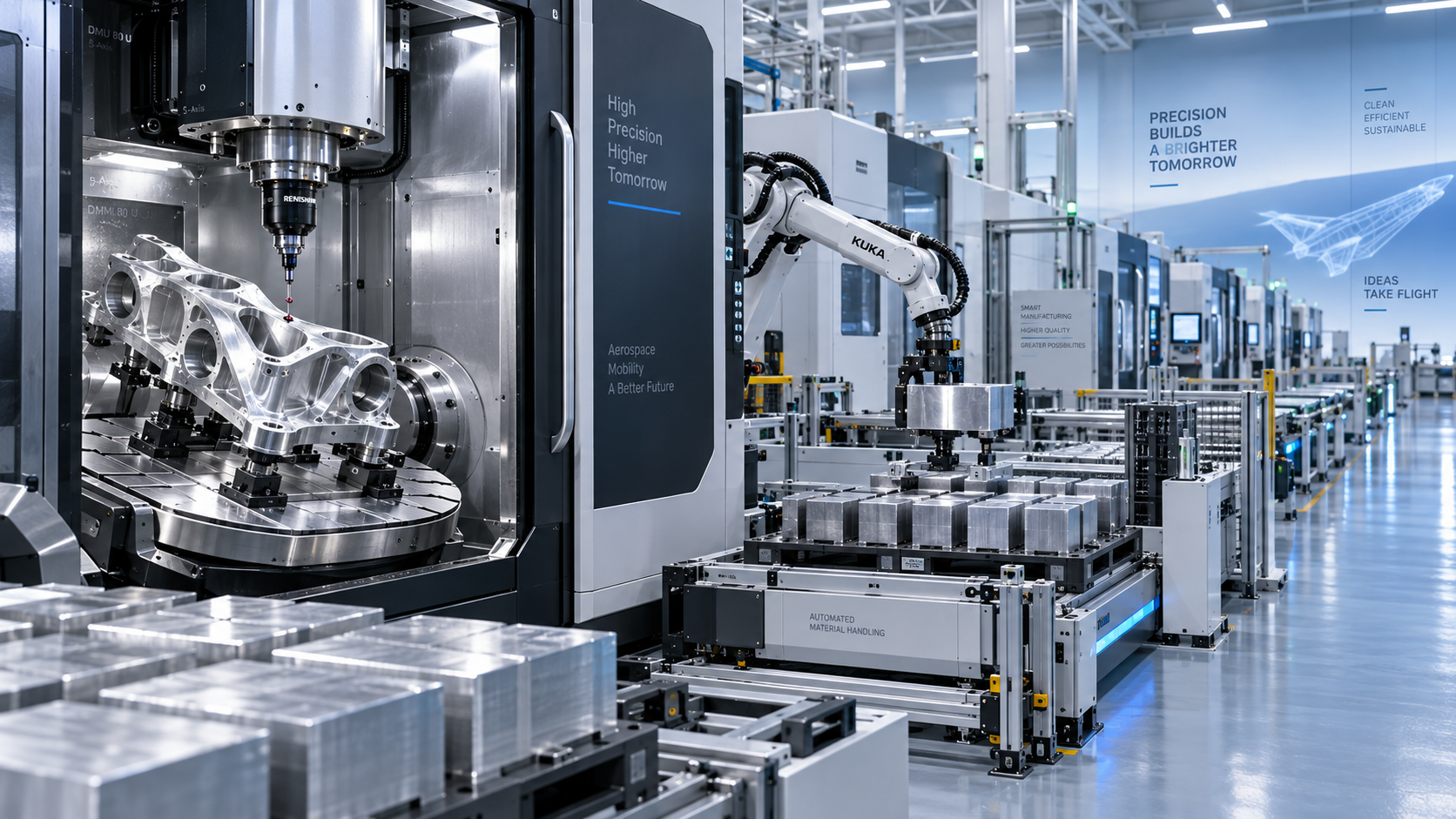
Why a 5 Axis Machining Center for Aerospace Parts Changes Project Outcomes
For aerospace programs, machining is never only about metal removal. It directly affects schedule confidence, quality escapes, and total manufacturing risk.
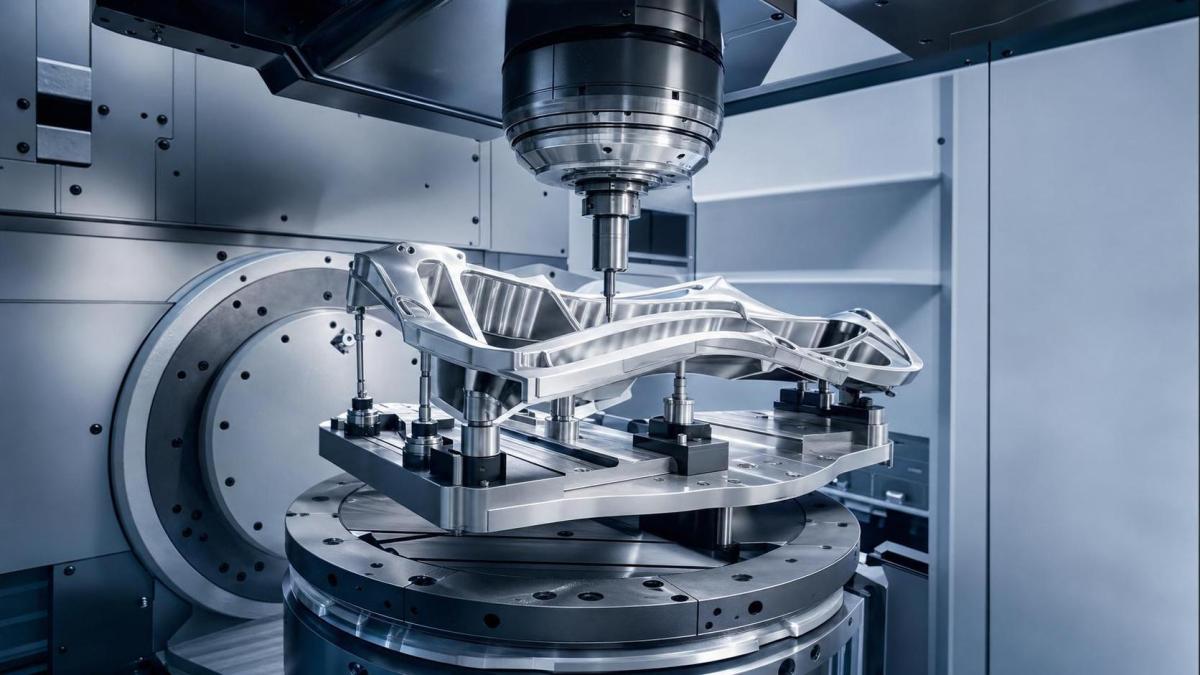
That is why a 5 Axis Machining center for aerospace parts matters at the project level, not only at the workshop level.
Compared with 3-axis or indexed setups, it reduces reclamping, shortens datum transfer chains, and improves access to complex features.
In real business terms, fewer setups usually mean fewer geometric stack-up errors, less fixture variation, and more predictable lead times.
This becomes critical for thin-wall housings, blisks, brackets, engine structures, and titanium or aluminum aerospace components.
A strong 5 Axis Machining center for aerospace parts also supports one important management goal: stable repeatability across batches, shifts, and suppliers.
More importantly, it gives engineering teams better control over tolerance strategy and fixture design from the start.
When these two areas are aligned, part quality improves and change orders become less disruptive.
Tolerance Control Starts with Datum Strategy
Tolerance control on a 5 Axis Machining center for aerospace parts begins long before the first toolpath is released.
The first question is simple: which datums actually reflect the part’s functional interfaces in service?
If the machining datums do not match assembly datums, process capability drops fast, even when the machine itself is highly accurate.
This is a common source of hidden cost in aerospace machining.
Good teams usually align three things early: design datum intent, fixture locating points, and inspection references.
That alignment prevents unnecessary rework caused by conflicting coordinate systems.
For a 5 Axis Machining center for aerospace parts, the most effective tolerance plans often include these principles:
- Control critical interfaces from one primary setup whenever possible.
- Minimize datum shifts between roughing, semi-finishing, and finishing stages.
- Separate stock-removal strategy from final geometry control.
- Match probing routines to the same reference logic used in CMM inspection.
This sounds basic, but many tolerance failures come from poor reference planning rather than machine inaccuracy.
In recent projects, a clearer signal is that digital process simulation now exposes datum risks much earlier.
That means project teams can correct the process before scrap appears on the shop floor.
Key Sources of Error in 5-Axis Aerospace Machining
Even a high-end 5 Axis Machining center for aerospace parts will not hold tolerance if process errors are left unmanaged.
The challenge is that aerospace parts combine difficult materials, complex geometry, and strict positional accuracy requirements.
Several error sources deserve close attention:
- Machine kinematic error from rotary axis calibration drift.
- Thermal growth in spindle, structure, or workholding during long cycles.
- Tool deflection on deep pockets, thin ribs, and hard-to-reach surfaces.
- Part deformation caused by clamping force or residual stress release.
- Programming mismatch between CAM intent and actual fixture orientation.
For project leaders, the lesson is practical. Tolerance risk must be reviewed as a system issue, not a single-machine issue.
A 5 Axis Machining center for aerospace parts performs best when calibration, tooling, workholding, and inspection are managed together.
This also explains why some suppliers quote similar machine capability but deliver very different first-pass yields.
Capability on paper is not the same as process stability in production.
Fixture Design Keys for a 5 Axis Machining Center for Aerospace Parts
Fixture design is often where aerospace quality is won or lost.
A 5 Axis Machining center for aerospace parts needs fixtures that are rigid, accessible, repeatable, and easy to verify.
The best fixture is not always the heaviest one. It is the one that controls the part without distorting it.
This matters especially for thin-wall aerospace structures where aggressive clamping can move the geometry before cutting even starts.
Effective fixture design usually follows several rules:
- Locate on stable, functionally relevant surfaces.
- Apply clamping force close to support points.
- Leave enough cutter access for full 5-axis motion.
- Reduce overconstraint that can lock in stress.
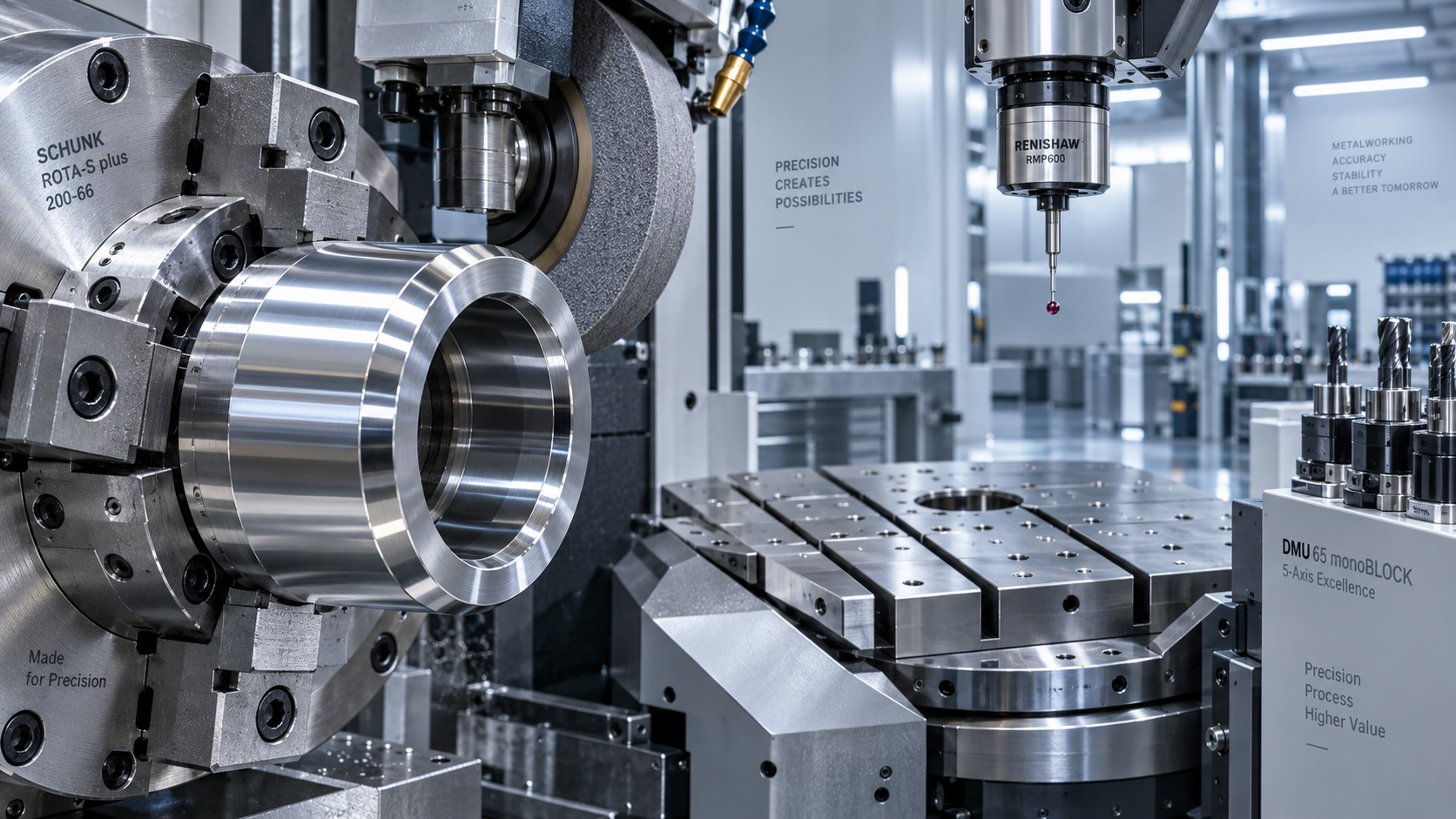
- Design for quick loading, repeatable seating, and in-process probing.
Vacuum fixtures, modular nests, hydraulic clamping, and custom soft jaws each have their place.
The right choice depends on material, wall thickness, feature exposure, and batch volume.
For example, titanium parts may prioritize rigidity and vibration resistance, while aluminum structures may prioritize distortion control.
In practice, a smart 5 Axis Machining center for aerospace parts setup often uses staged support strategies across roughing and finishing.
That reduces the chance of shape movement after heavy stock removal.
What Good Fixture Design Should Deliver
How to Connect Tolerance Control with Process Planning
A 5 Axis Machining center for aerospace parts delivers its full value only when tolerance control is built into process planning.
This means roughing plans, tool selection, cut sequence, and inspection checkpoints must support the final geometric targets.
One useful approach is to divide features into risk groups instead of treating every dimension equally.
In aerospace parts, some features drive assembly fit, airflow, sealing, or fatigue behavior. Those deserve tighter process attention.
A practical planning flow can look like this:
- Identify critical-to-function features from the drawing and use case.
- Assign datums and fixture references around those features.
- Sequence roughing to release stress before finishing.
- Use probing to confirm stock condition and positional drift.
- Set final finishing paths to protect the most sensitive geometry.
This also helps explain cost drivers more clearly during project reviews.
When a supplier uses a 5 Axis Machining center for aerospace parts with a risk-based plan, quote transparency usually improves.
That makes schedule and quality discussions much more productive.
Inspection, Verification, and Process Stability
Inspection should not sit at the end of the workflow as a final gate only.
For a 5 Axis Machining center for aerospace parts, verification works best when it is distributed across the process.
In-machine probing, first article inspection, periodic capability checks, and final CMM reporting should all connect to one control logic.
This reduces surprises late in production.
More manufacturers now use closed-loop correction between measurement data and offset updates.
That is especially valuable for long-cycle aerospace parts with expensive raw material input.
For management teams, a stable process usually shows up through a few clear signals:
- Higher first-pass yield on critical dimensions
- Less deviation between shifts or machine cells
- Fewer fixture-related nonconformities
- Shorter root-cause investigations after inspection findings
These are the metrics that turn a 5 Axis Machining center for aerospace parts into a strategic production asset.
What to Review Before Launching a New Aerospace Machining Program
Before program release, a short technical review can prevent months of avoidable instability.
If the project depends on a 5 Axis Machining center for aerospace parts, review these areas carefully:
- Are functional datums, machining datums, and inspection datums aligned?
- Does the fixture control the part without forcing distortion?
- Have thermal, deflection, and residual stress risks been considered?
- Can probing and CMM data support closed-loop correction?
- Is the supplier planning for repeatability, not only initial capability?
A successful aerospace machining program rarely depends on one impressive machine specification.
It depends on how well the 5 Axis Machining center for aerospace parts is integrated with fixtures, tooling, process controls, and verification methods.
That is where quality becomes scalable.
And that is usually where delivery confidence improves as well.
When evaluating your next setup, use tolerance control and fixture design as decision filters, not afterthoughts. That shift often delivers the biggest return.
Recommended for You
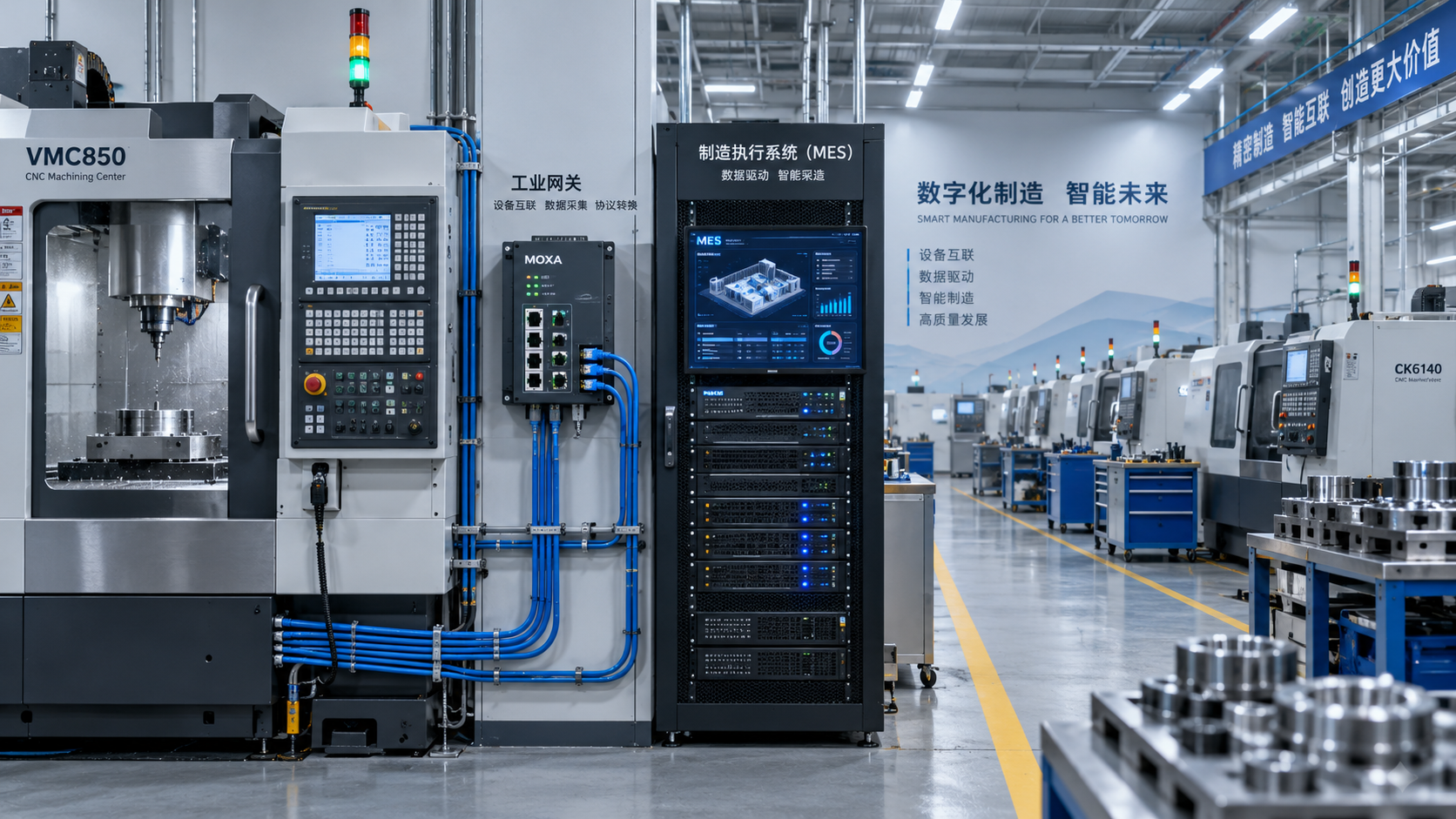
 Digital Manufacturing for Smart Factories: Connecting Legacy Machines to MESMachine Tool Industry Editorial Team
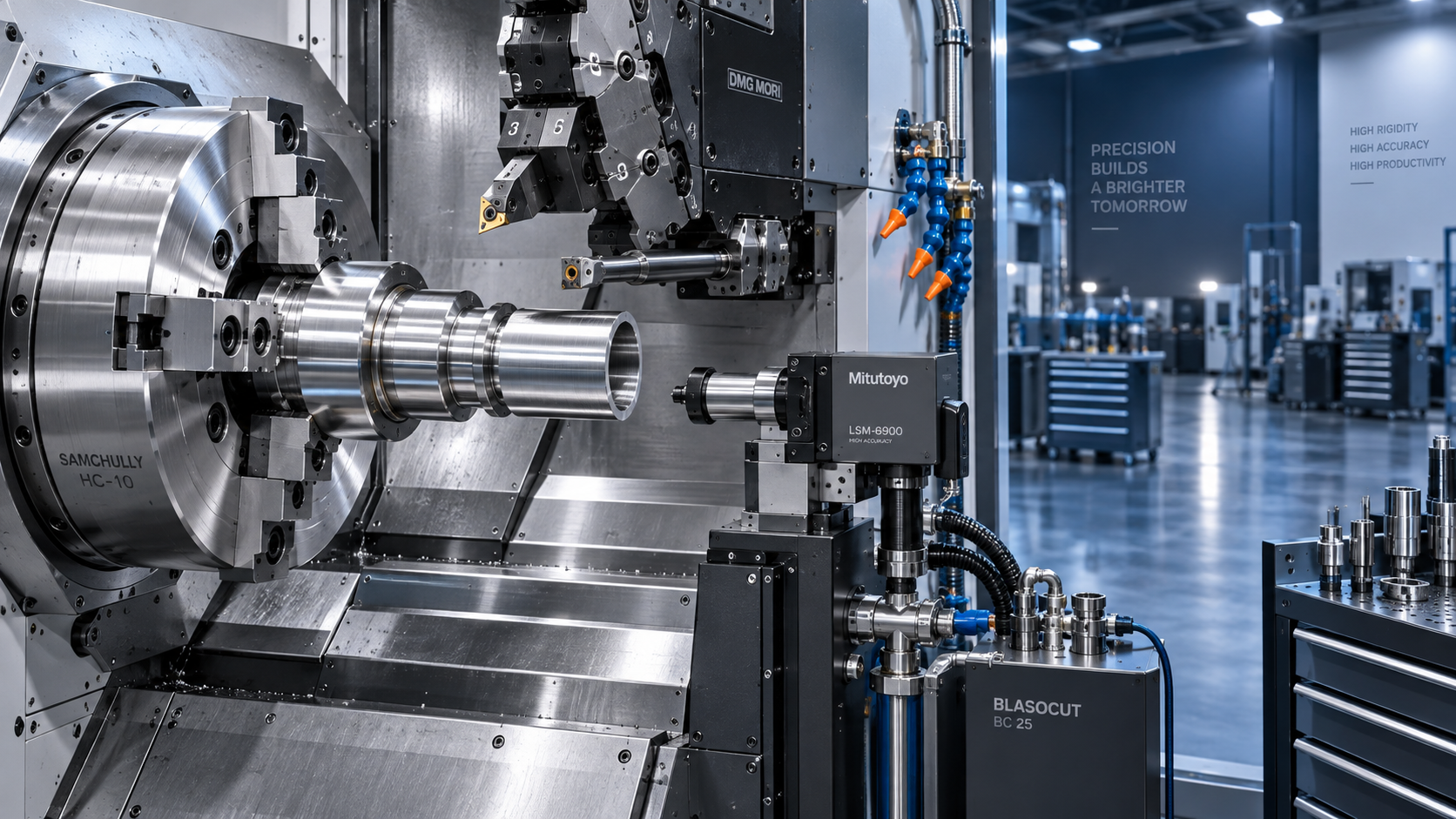
 How to Select a CNC Metal Lathe for Tight-Tolerance Shaft and Sleeve PartsCNC Machining Technology Center
 How to Select an Industrial Lathe for High-Volume Shaft ProductionMachine Tool Industry Editorial Team
 Selecting Machine Tools for Automotive Parts: Accuracy, Throughput, and AutomationMachine Tool Industry Editorial Team
 Industrial Machining: Selecting Processes for Tight-Tolerance Metal PartsCNC Machining Technology Center
 Manufacturing Technology Trends That Improve Throughput and Quality ControlManufacturing Market Research Center

Aris Katos
Future of Carbide Coatings
15+ years in precision manufacturing systems. Specialized in high-speed milling and aerospace grade alloy processing.
▶
Industrial Machining: Selecting Processes for Tight-Tolerance Metal PartsCNC Machining Technology Center▶
How Does Precision Machining Differ From Standard Machining?CNC Machining Technology Center▶
CNC Precision: Which Tolerances, Materials, and Processes Fit Your Part?CNC Machining Technology Center▶
How to Choose Metal Machining Processes for Tight Tolerances and Production VolumeCNC Machining Technology Center▶
Production Process Explained: Key Stages, Controls, and Quality CheckpointsCNC Machining Technology Center
Mastering 5-Axis Workholding Strategies
Join our technical panel on Nov 15th to learn about reducing vibrations in thin-wall components.

Providing you with integrated sanding solutions
Before-sales and after-sales services
Comprehensive technical support