• Global CNC market projected to reach $128B by 2028 • New EU trade regulations for precision tooling components • Aerospace deman
NYSE: CNC +1.2%LME: STEEL -0.4%

Automated Production Line Downtime Often Starts With Small Integration Gaps
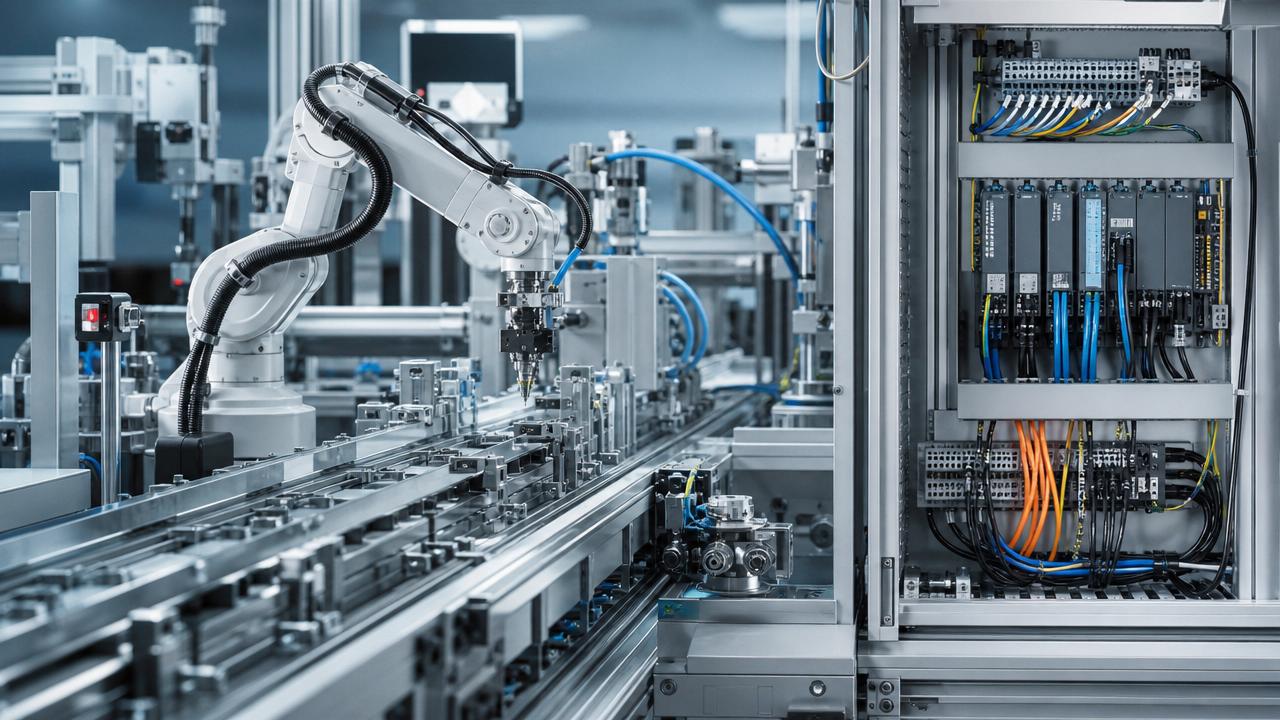
For after-sales maintenance teams, Automated Production Line downtime often begins with small integration gaps that are easy to miss but costly to ignore. A loose signal link, mismatched control logic, or delayed machine response can quickly affect uptime, product quality, and delivery schedules. This article highlights the early warning signs, common causes, and practical maintenance checks that help identify issues before they escalate into full production stoppages.
Why Small Gaps Matter in an Automated Production Line
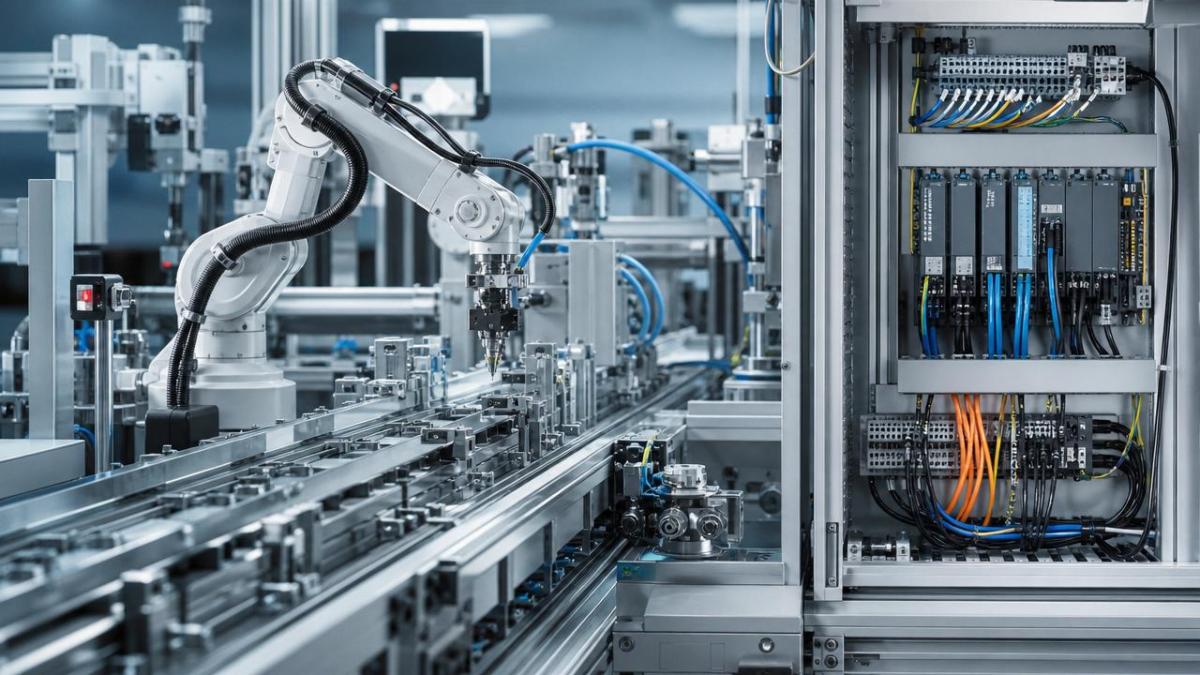
In a modern Automated Production Line, every device depends on accurate timing, clean signals, and stable data exchange. A single weak point may not stop the line immediately, but it can create intermittent faults that are harder to trace.
These issues often appear during startup, recipe changes, tool replacement, or robot handoff points. When the line is highly synchronized, even a short delay can trigger rejects, micro-stoppages, or alarm resets.
The hidden cost of small integration errors
A small integration error rarely looks serious at first. However, repeated retries, unstable signals, and inconsistent status feedback increase wear on equipment and reduce effective output. In an Automated Production Line, this often means more unplanned checks and less productive operating time.
Where Downtime Usually Starts
Most failures do not begin with a major mechanical breakdown. They begin at interfaces, where machines, PLCs, sensors, robots, and conveyor systems must communicate without delay.
1. Signal handoff between stations
If one station sends a ready signal too early or too late, the next station may wait, skip, or misread the part position. This is common in high-speed Automated Production Line setups with limited buffer time.
2. Control logic mismatch
When machine logic and line logic are not aligned, alarms can appear only under certain cycles. The result is unstable operation, especially when different vendors or retrofitted units are involved.
3. Delayed mechanical response
A pneumatic actuator, servo axis, or clamp that responds slowly can create false faults upstream. In an Automated Production Line, these delays often look like control problems before the real cause is found.
How Different Scenarios Show Different Warning Signs
Not every production environment fails in the same way. The risk pattern changes with cycle speed, part complexity, and the number of connected systems. That is why the same Automated Production Line fault may require different checks in different settings.
What to Check Before a Small Issue Becomes a Stop
A practical maintenance routine should focus on interface health, response timing, and repeatability. The goal is not only to find failures, but to catch patterns that show a future breakdown.
- Check signal cables, connectors, and grounding points for looseness or noise.
- Compare PLC logic, I/O mapping, and device parameters after any change.
- Review alarm logs for repeated resets, timeout events, and abnormal retries.
- Measure response time at transfer points, especially after maintenance work.
- Inspect sensors, clamps, and actuators for wear, contamination, or drift.
Matching checks to the operating scene
In a highly automated Automated Production Line, timing checks matter more than visual inspection alone. In a flexible line, version control and parameter consistency matter more. In mixed-brand systems, communication protocol checks deserve extra attention.
Common Misjudgments That Hide the Real Cause
One frequent mistake is replacing a machine part before confirming whether the fault comes from logic, timing, or interface quality. Another is treating a rare alarm as harmless because the line returns to normal afterward.
In an Automated Production Line, intermittent problems are often the most expensive. They reduce trust in the system, slow troubleshooting, and can lead to repeated manual intervention that masks the real defect.
A Simple Maintenance Approach That Reduces Risk
A better approach is to standardize checks around three questions: Is the signal clean, is the timing stable, and is the response repeatable? If any answer changes after maintenance, the line needs closer review.
- Record normal cycle timing for each critical station.
- Verify interface settings after repairs, upgrades, or part replacement.
- Test start-stop behavior under real load, not only idle conditions.
- Track recurring alarms across shifts to spot hidden patterns.
For long-term stability, the best Automated Production Line strategy is preventive: inspect interfaces early, document changes clearly, and treat small deviations as useful warnings rather than minor noise. That habit reduces stoppage risk and protects throughput.
Final Check Before the Next Stop
If downtime is rising, begin with the smallest integration points first. Review signals, timing, and machine handoffs before looking for large component failures. In many cases, the real issue in an Automated Production Line is not the machine itself, but the gap between machines.
A focused inspection today can prevent a costly stop tomorrow. Start with the interfaces, verify the response, and keep the line behavior consistent across every shift.
PREVIOUS ARTICLE
NEXT ARTICLE
Recommended for You
 Digital Manufacturing for Smart Factories: Connecting Legacy Machines to MESMachine Tool Industry Editorial Team
 How to Select a CNC Metal Lathe for Tight-Tolerance Shaft and Sleeve PartsCNC Machining Technology Center
 How to Select an Industrial Lathe for High-Volume Shaft ProductionMachine Tool Industry Editorial Team
 Selecting Machine Tools for Automotive Parts: Accuracy, Throughput, and AutomationMachine Tool Industry Editorial Team
 Industrial Machining: Selecting Processes for Tight-Tolerance Metal PartsCNC Machining Technology Center
 Manufacturing Technology Trends That Improve Throughput and Quality ControlManufacturing Market Research Center

Aris Katos
Future of Carbide Coatings
15+ years in precision manufacturing systems. Specialized in high-speed milling and aerospace grade alloy processing.
▶
Digital Manufacturing for Smart Factories: Connecting Legacy Machines to MESMachine Tool Industry Editorial Team▶
Selecting Machine Tools for Automotive Parts: Accuracy, Throughput, and AutomationMachine Tool Industry Editorial Team▶
Smart Manufacturing for Small Businesses: Where Automation Delivers the Fastest ROIMachine Tool Industry Editorial Team▶
How Smart Manufacturing Technology Improves OEE Across Industry 4.0 Production LinesMachine Tool Industry Editorial Team▶
How to Evaluate an Automation Line for Electronics Production Before InvestmentMachine Tool Industry Editorial Team
Mastering 5-Axis Workholding Strategies
Join our technical panel on Nov 15th to learn about reducing vibrations in thin-wall components.

Providing you with integrated sanding solutions
Before-sales and after-sales services
Comprehensive technical support