• Global CNC market projected to reach $128B by 2028 • New EU trade regulations for precision tooling components • Aerospace deman
NYSE: CNC +1.2%LME: STEEL -0.4%

Why Industrial Robotics Projects Miss ROI in the First Year
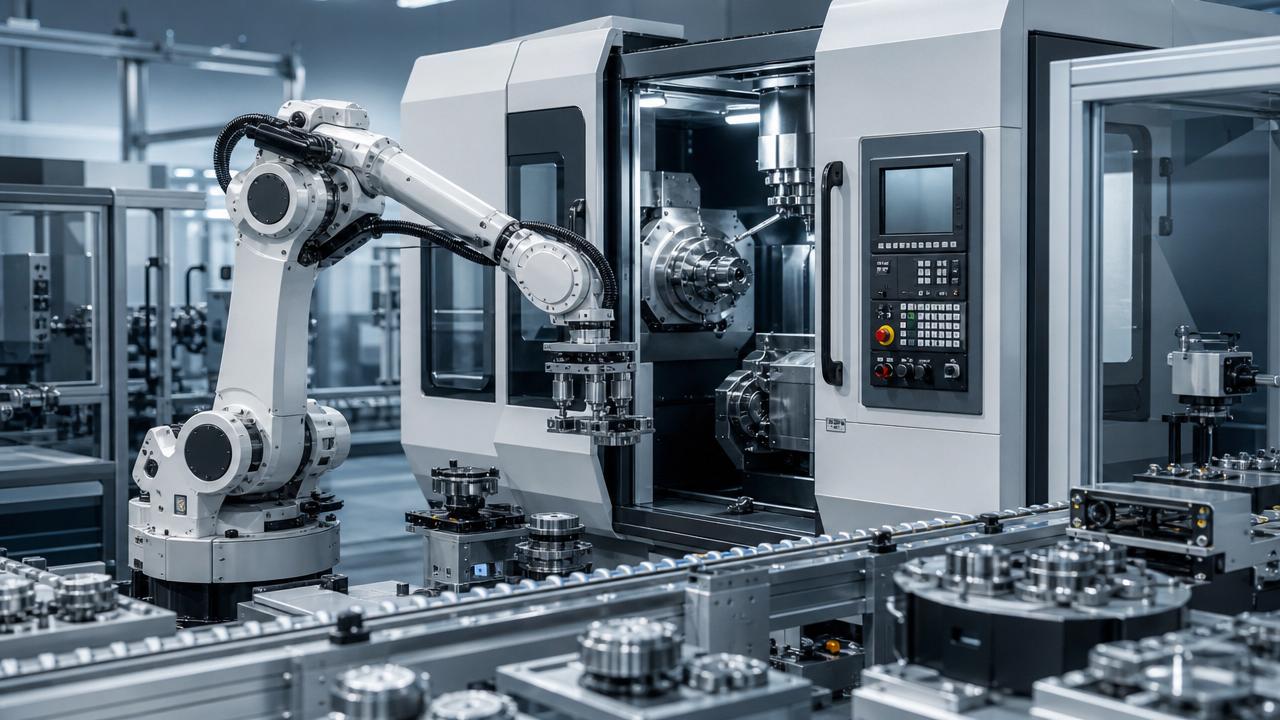
Many Industrial Robotics initiatives promise fast payback, yet the first year often tells a different story. Hidden integration work, unclear throughput targets, and slow adoption can push returns below plan, even when the robot itself performs well.
Why first-year ROI breaks down in real production settings
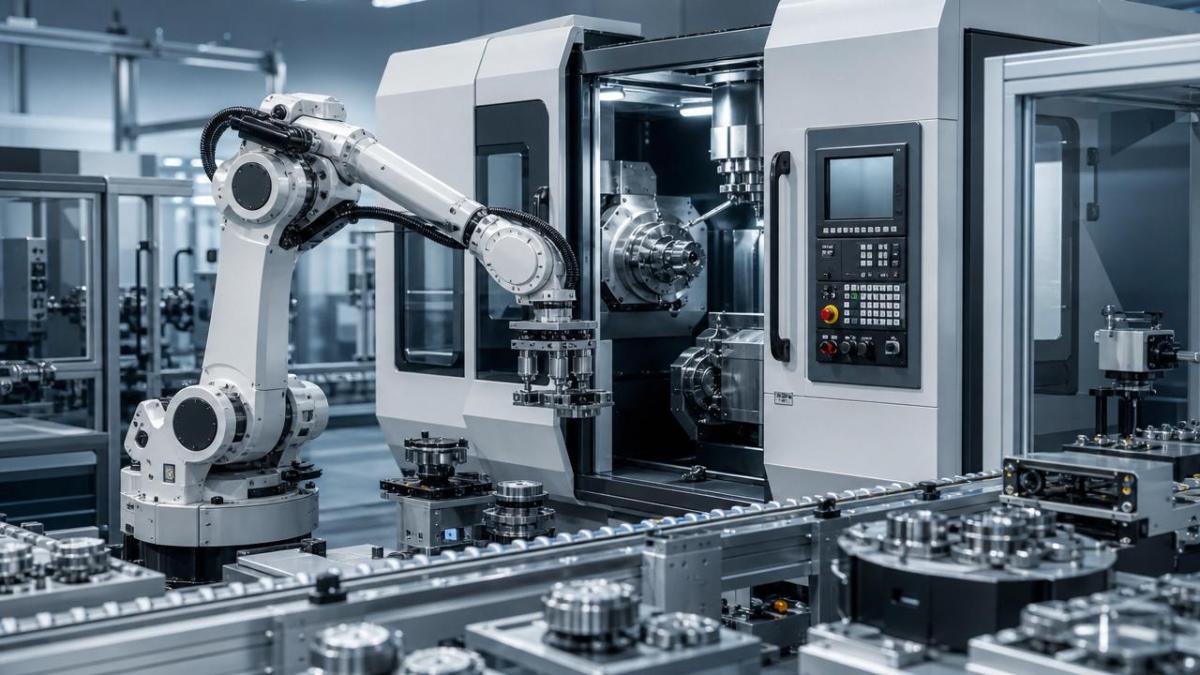
ROI also suffers when the expected use case is too broad. Some lines need only a simple pick-and-place cell, while others require multi-axis coordination, vision guidance, or custom fixtures. When the deployment scope is unclear, capital spending rises faster than output gains.
Scene 1: high-mix production with unstable cycle times
In high-mix environments, Industrial Robotics must adapt to frequent part changes. The hidden cost comes from reprogramming, changeovers, and test runs. If each job requires a new fixture or a new vision recipe, the cell may spend more time adjusting than producing.
The key判断 point is flexibility. When part families are similar, ROI can improve quickly. When geometry varies widely, the project needs stronger offline simulation, standardized tooling, and a realistic changeover budget.
Scene 2: precision machining and CNC-linked automation
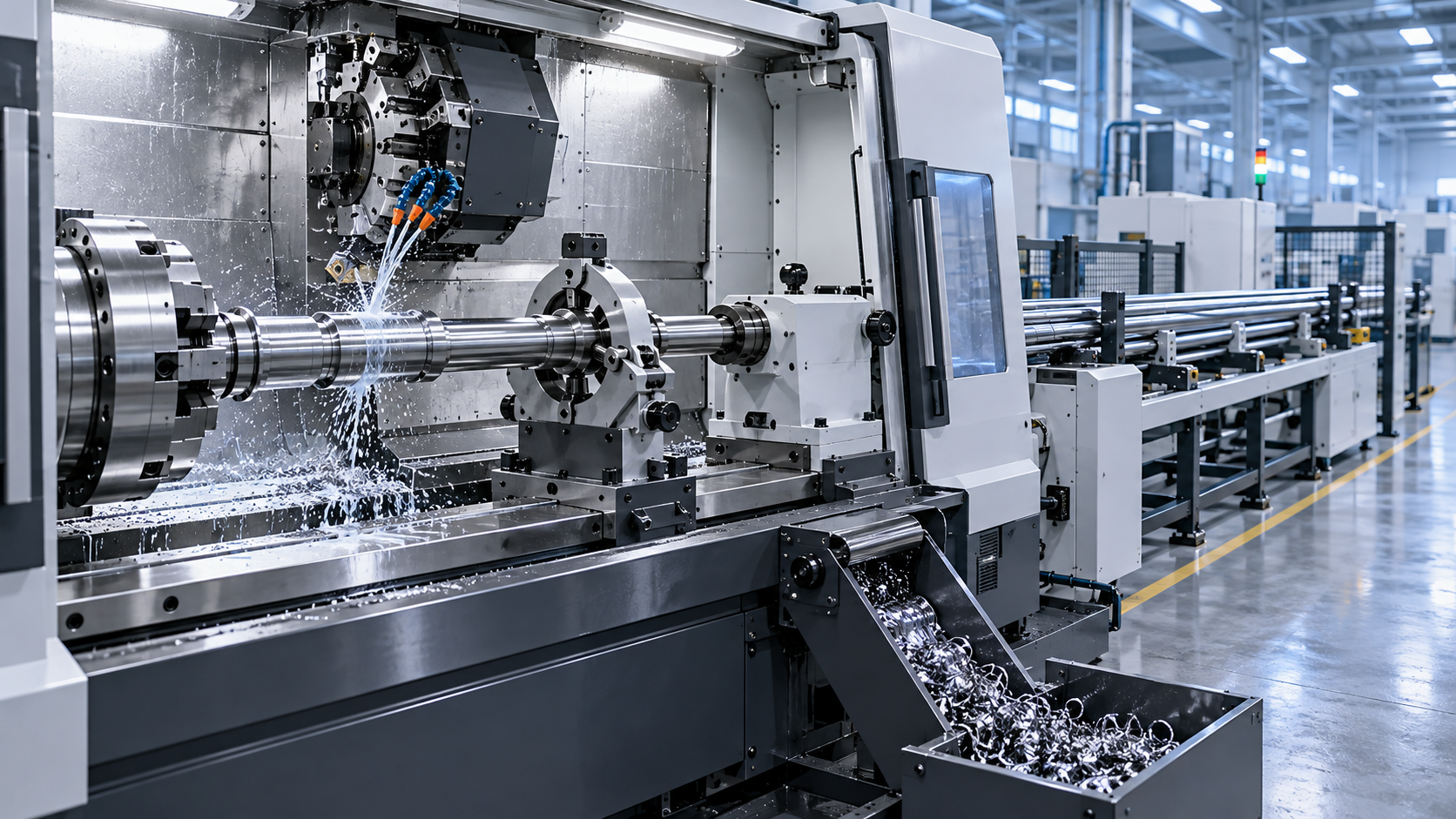
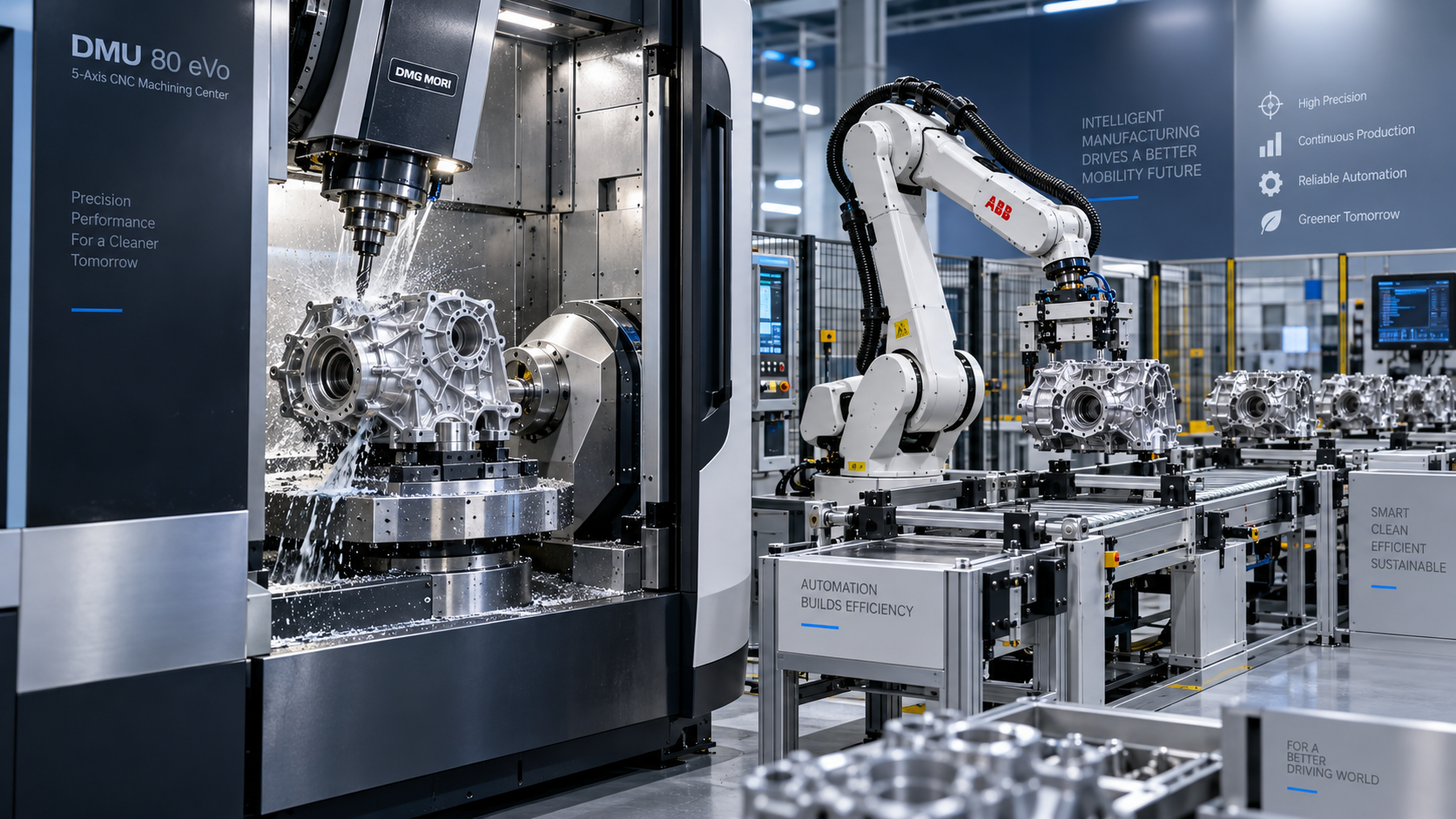
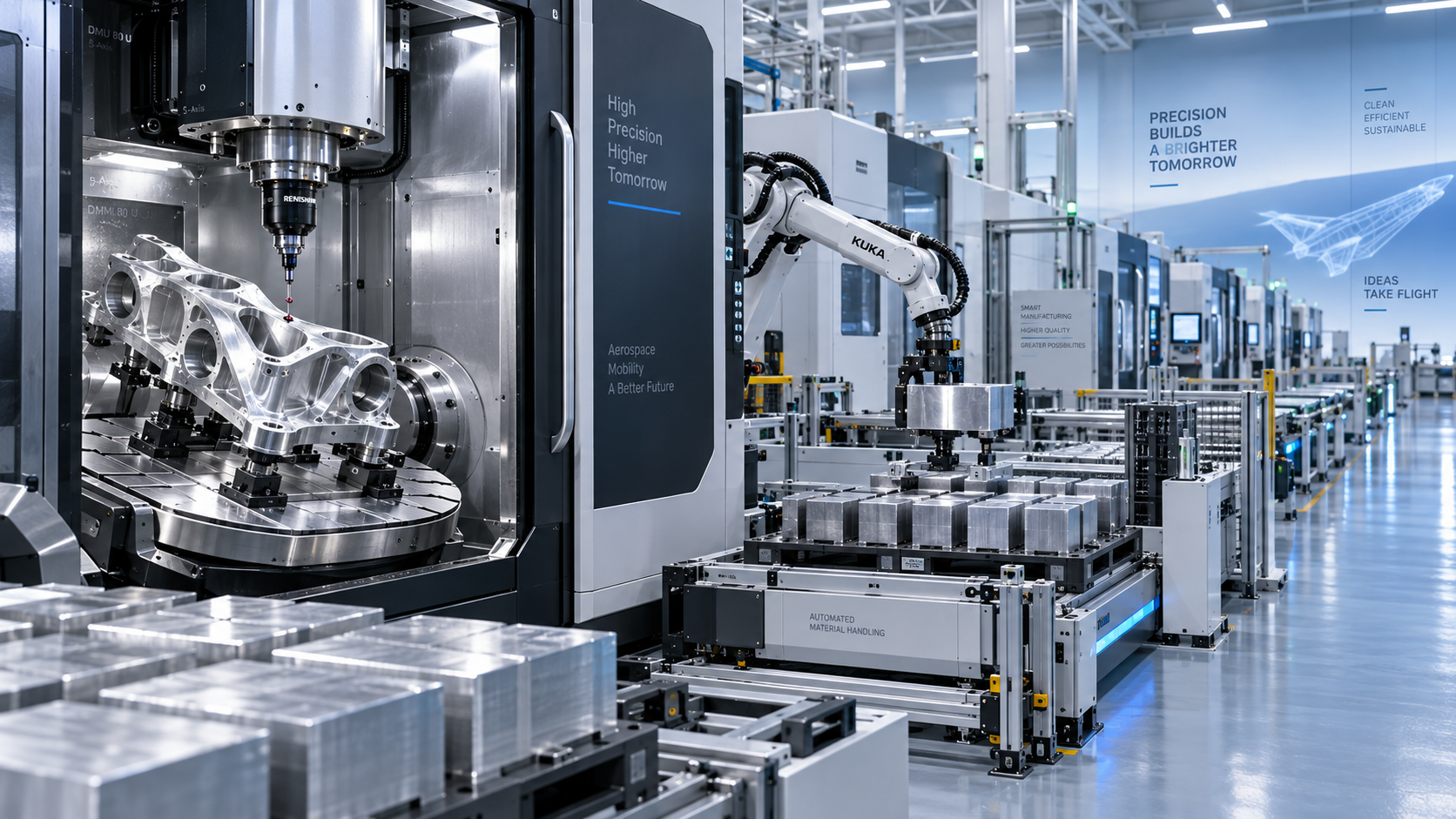
In CNC machine tool lines, Industrial Robotics is often added for loading, unloading, and in-process handling. The first-year ROI depends on whether the robot truly removes bottlenecks at the machine tool level. If spindle time is already stable but inspection or deburring is slow, automation at the wrong point will not increase output.
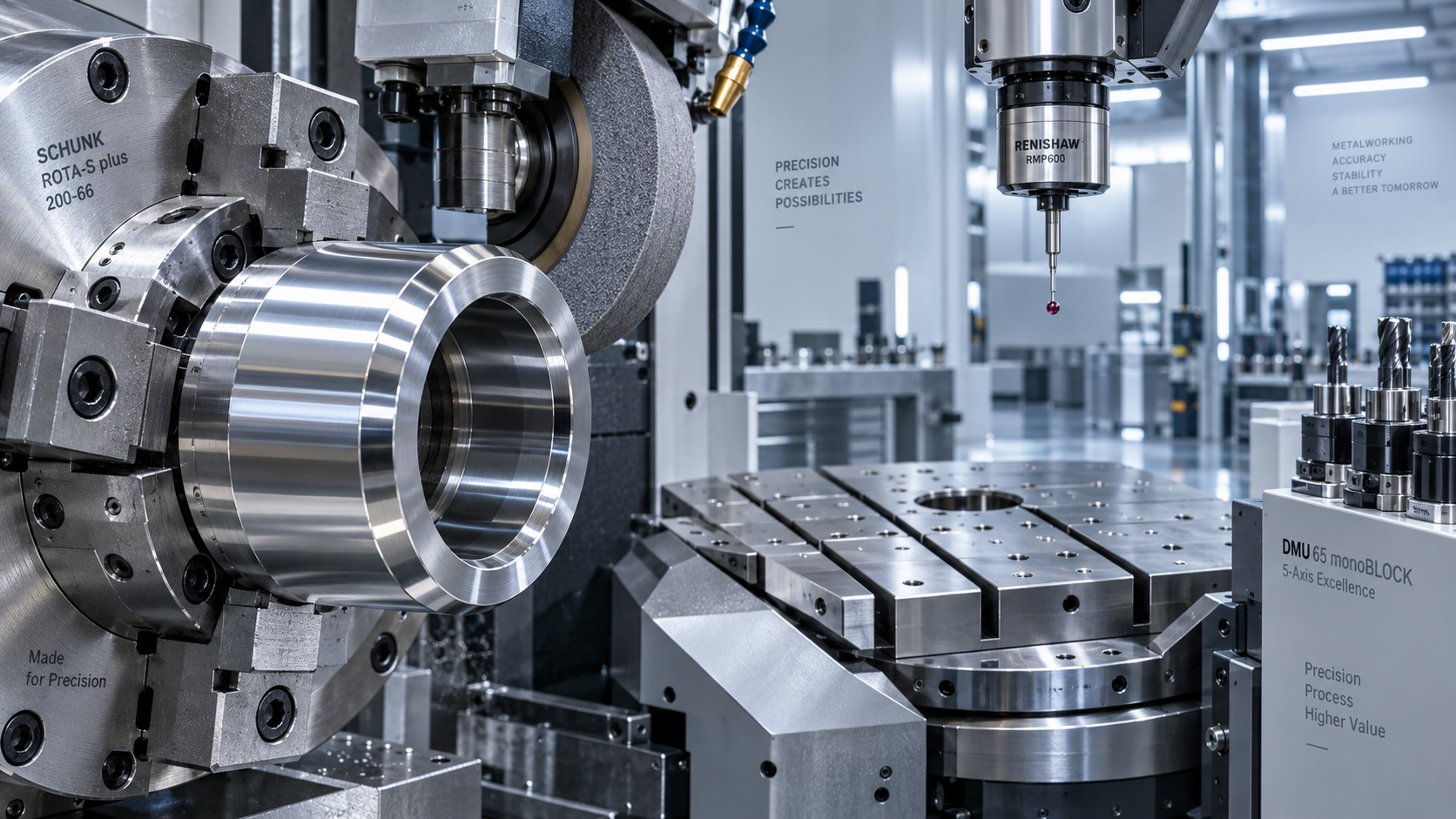
This is common in precision parts, shaft components, and structural parts. A better plan is to map the full flow: machine cycle, tool life, chip removal, fixture stability, and quality verification. Only then can Industrial Robotics deliver measurable OEE improvement.
Scene 3: large-volume assembly with safety and labor pressure
For repetitive assembly, Industrial Robotics can create fast labor savings, but only if the surrounding process is standardized. Many projects miss ROI because manual steps remain hidden inside material supply, part orientation, or exception handling. The robot replaces one action, while three human-dependent actions stay in place.
The real test is line completeness. If material flow, sensor logic, and error recovery are not automated together, the cost reduction will be smaller than expected.
Different scenarios, different ROI drivers
How to align Industrial Robotics with the right need
- Define the exact bottleneck before buying equipment.
- Measure baseline cycle time, scrap rate, and downtime.
- Budget for integration, debugging, and training, not only the robot arm.
- Use simulation to test throughput under real product variation.
- Link the robot to CNC machines, fixtures, conveyors, and inspection steps.
A strong Industrial Robotics case usually starts small, with one stable process and one measurable target. Once the first cell proves value, the same design logic can extend to adjacent lines, especially in machine tool, electronics, and precision manufacturing environments.
Common misjudgments that weaken year-one returns
One common error is treating equipment delivery as project completion. In reality, Industrial Robotics reaches ROI only after operators, maintenance, and quality workflows are aligned. Another frequent mistake is ignoring spare parts, software updates, and downtime recovery planning.
A second misjudgment is assuming every product variant deserves the same automation depth. Some parts only need semi-automation, while others justify full robotic cells. Matching automation level to part complexity is often the difference between a fast return and a weak one.
For companies linked to CNC machine tool production and smart factory upgrades, this discipline matters even more. Industrial Robotics should support the process architecture, not overwrite it.
A practical next step for better ROI planning
Start with a scenario audit: identify the bottleneck, measure current output, and rank the risks that can delay return. Then compare three deployment options: partial automation, full robotic cell, and phased expansion.
If the first-year case still depends on optimistic volume growth, the plan needs revision. If it improves throughput, quality, and labor stability under conservative assumptions, Industrial Robotics is more likely to deliver real ROI. The strongest projects do not chase novelty; they solve a specific production problem with clear economics.
Recommended for You
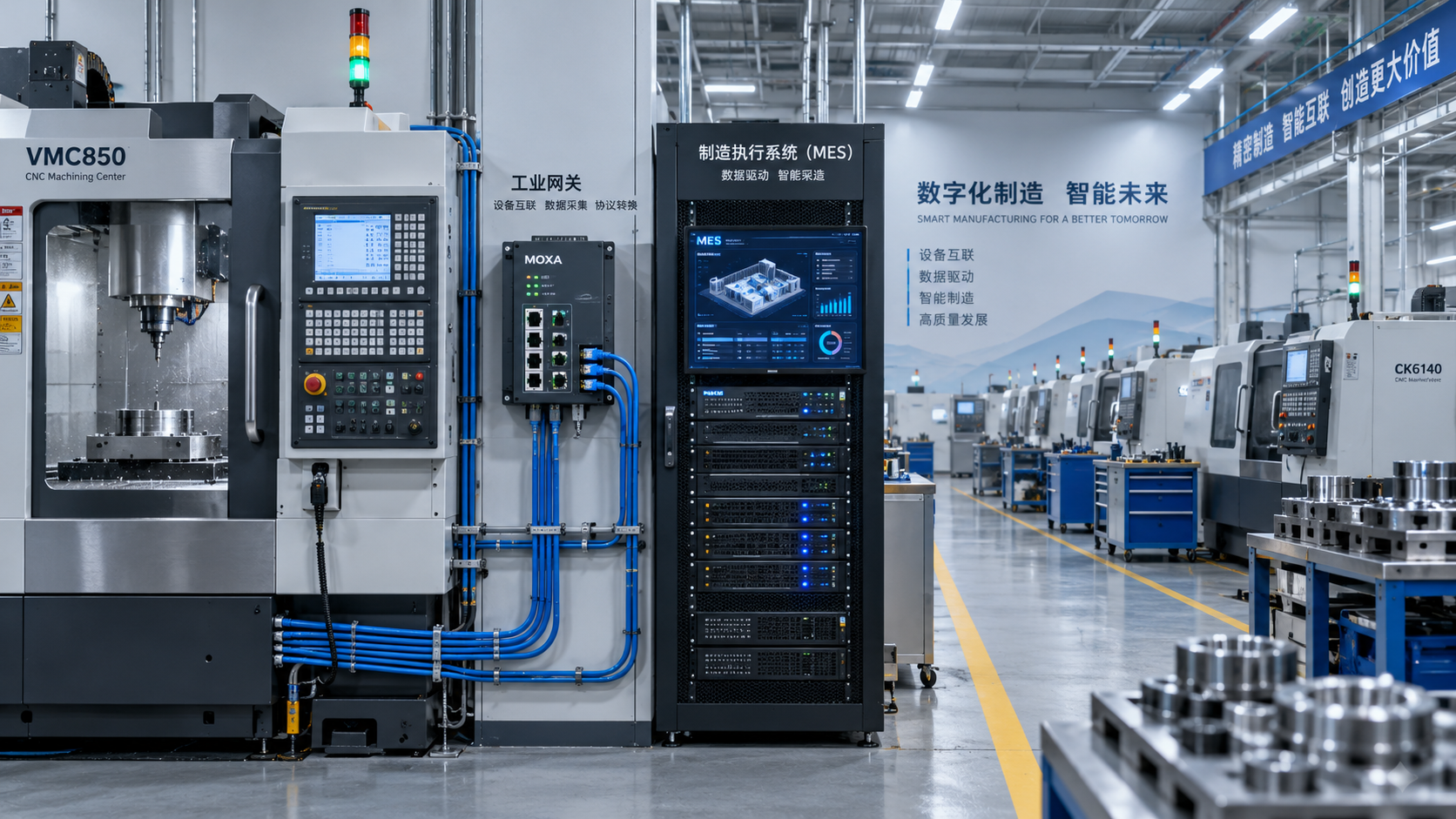
 Digital Manufacturing for Smart Factories: Connecting Legacy Machines to MESMachine Tool Industry Editorial Team
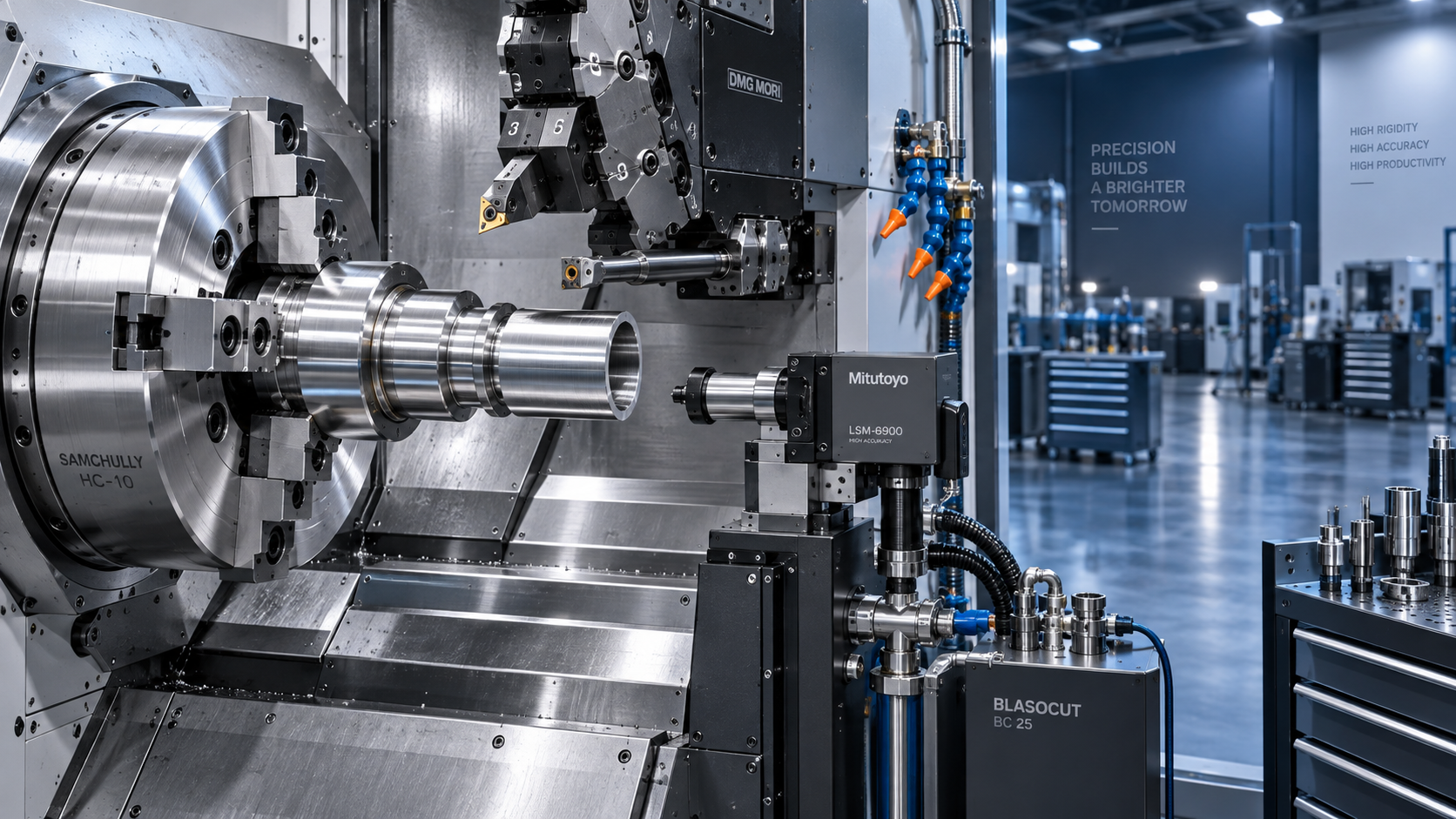
 How to Select a CNC Metal Lathe for Tight-Tolerance Shaft and Sleeve PartsCNC Machining Technology Center
 How to Select an Industrial Lathe for High-Volume Shaft ProductionMachine Tool Industry Editorial Team
 Selecting Machine Tools for Automotive Parts: Accuracy, Throughput, and AutomationMachine Tool Industry Editorial Team
 Industrial Machining: Selecting Processes for Tight-Tolerance Metal PartsCNC Machining Technology Center
 Manufacturing Technology Trends That Improve Throughput and Quality ControlManufacturing Market Research Center

Aris Katos
Future of Carbide Coatings
15+ years in precision manufacturing systems. Specialized in high-speed milling and aerospace grade alloy processing.
▶
Digital Manufacturing for Smart Factories: Connecting Legacy Machines to MESMachine Tool Industry Editorial Team▶
Selecting Machine Tools for Automotive Parts: Accuracy, Throughput, and AutomationMachine Tool Industry Editorial Team▶
Smart Manufacturing for Small Businesses: Where Automation Delivers the Fastest ROIMachine Tool Industry Editorial Team▶
How Smart Manufacturing Technology Improves OEE Across Industry 4.0 Production LinesMachine Tool Industry Editorial Team▶
How to Evaluate an Automation Line for Electronics Production Before InvestmentMachine Tool Industry Editorial Team
Mastering 5-Axis Workholding Strategies
Join our technical panel on Nov 15th to learn about reducing vibrations in thin-wall components.

Providing you with integrated sanding solutions
Before-sales and after-sales services
Comprehensive technical support