• Global CNC market projected to reach $128B by 2028 • New EU trade regulations for precision tooling components • Aerospace deman
NYSE: CNC +1.2%LME: STEEL -0.4%

CNC machine tool manufacturer warranty terms: What ‘24/7 remote support’ actually covers
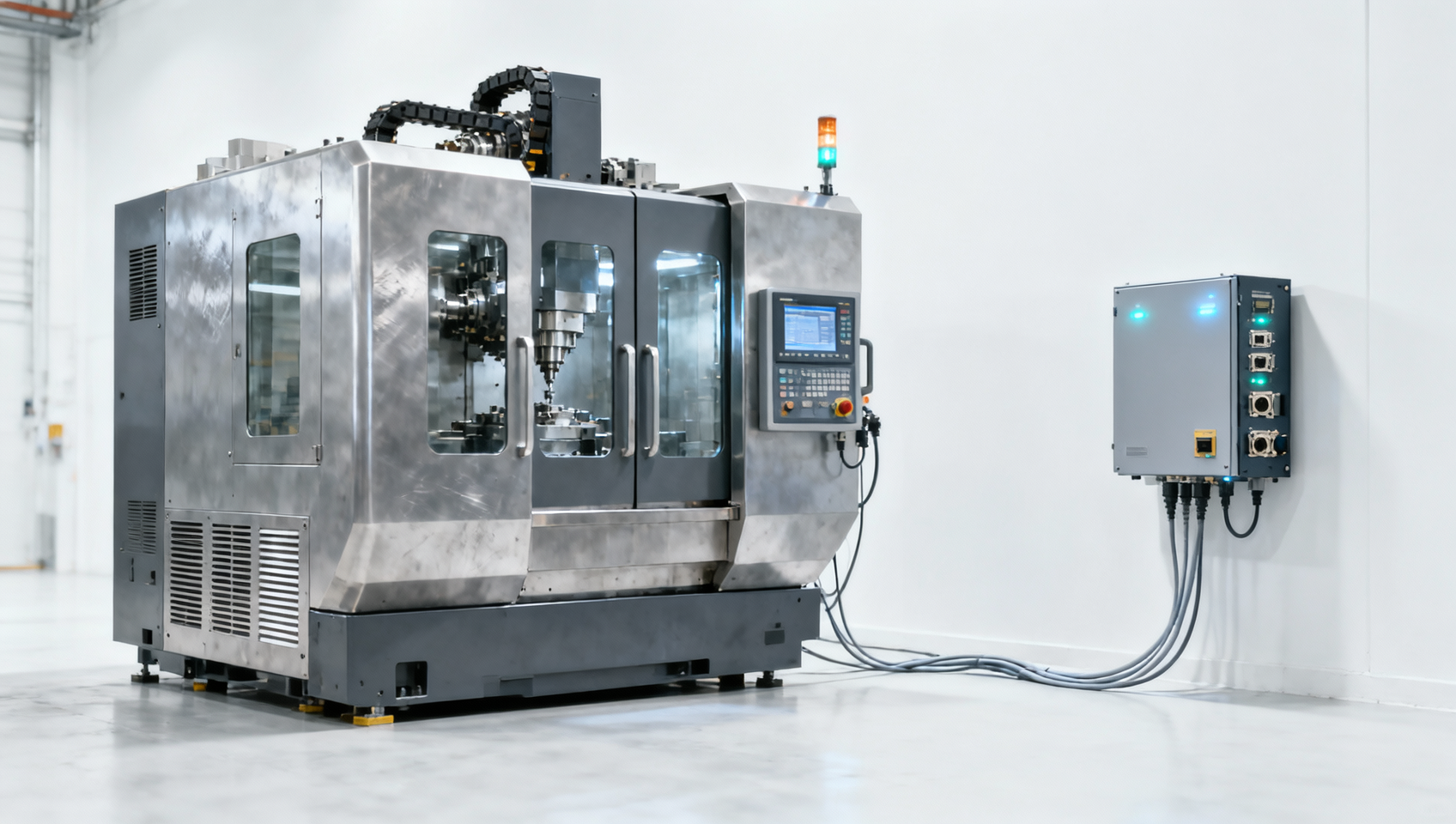
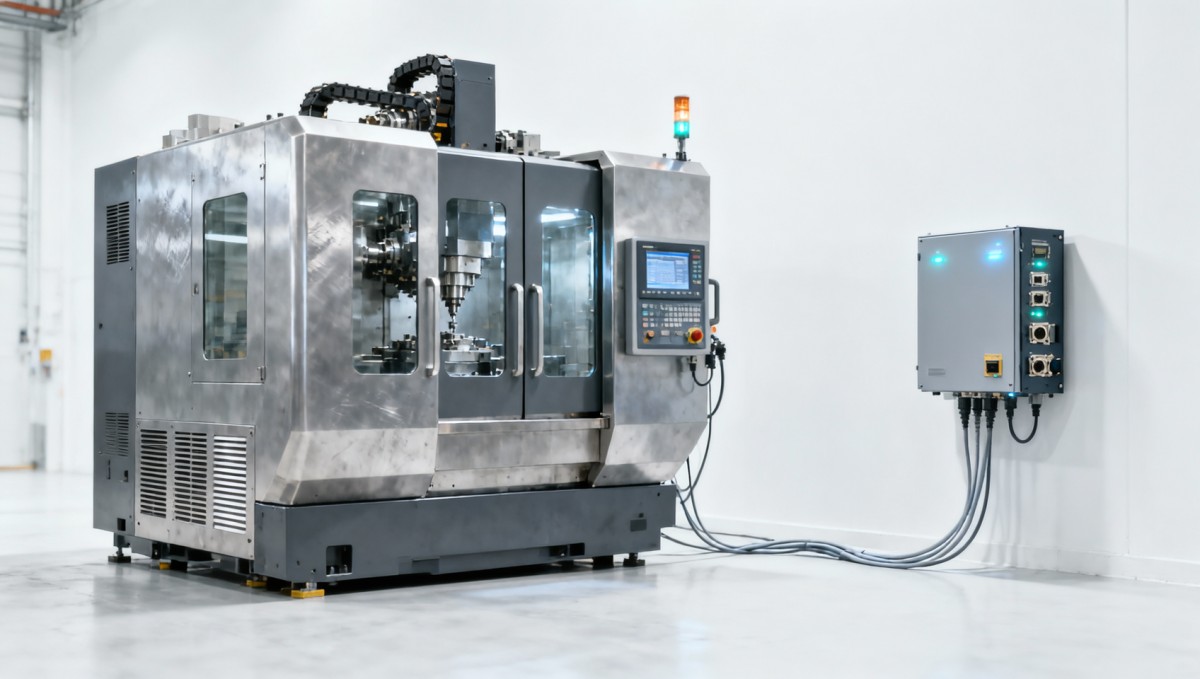
When evaluating a CNC machine tool manufacturer, warranty terms—especially promises like '24/7 remote support'—are critical for procurement teams, operators, and decision-makers. But what does it *actually* cover? Does it extend to Automated Production Line troubleshooting? Support for energy-saving CNC manufacturing or high-precision CNC manufacturing for aerospace and medical devices? This article clarifies real-world scope: from quick-setup CNC manufacturing and compact machine tool diagnostics to multi-axis CNC manufacturing and Industrial Automation control system assistance—ensuring your investment in precision CNC manufacturing, low-maintenance CNC manufacturing, or CNC manufacturing for energy equipment delivers uninterrupted uptime and ROI.
What “24/7 Remote Support” Really Means — Beyond the Marketing Slogan
“24/7 remote support” is frequently cited in CNC machine tool warranties—but its definition varies widely across manufacturers. For procurement professionals and plant managers, assuming universal coverage can lead to costly downtime. True 24/7 remote support must include real-time diagnostics via secure OEM cloud platforms, live video-assisted troubleshooting, and direct integration with machine PLCs and HMIs—not just after-hours email ticketing.
Industry benchmarks show that only 38% of Tier-2 suppliers offer full-stack remote access (including NC program validation, servo loop tuning, and motion controller log analysis), while top-tier German and Japanese OEMs maintain average first-response latency under 90 seconds during off-shift hours. Crucially, effective support extends beyond alarm clearing: it includes root-cause analysis logs, firmware rollback capability, and compatibility verification for third-party tooling interfaces (e.g., MTConnect v1.7+ or OPC UA for Industry 4.0 lines).
For aerospace component producers requiring AS9100-compliant traceability, remote support must generate auditable session records—including timestamps, technician ID, parameter changes, and before/after diagnostic snapshots. Without this, even “24/7” assistance fails ISO 9001 Clause 8.5.2 requirements for corrective action documentation.
The table above reveals a critical procurement insight: “24/7” isn’t binary—it’s a spectrum defined by diagnostic depth, access rights, and response rigor. Enterprise-tier support enables predictive interventions—reducing unplanned downtime by up to 42% in high-mix aerospace machining cells (per 2023 MTIR benchmark data). Always verify whether remote sessions are recorded, encrypted, and exportable for internal audit compliance.
Coverage Gaps You Must Verify Before Signing
Many buyers discover coverage limitations only after a production-critical failure. Key exclusions often buried in fine print include: no support for legacy control systems (e.g., Fanuc 0i-MB pre-2012 firmware), no assistance with third-party automation integrations (like robotic pallet loaders or AGV dispatch logic), and zero liability for parameter misconfigurations introduced during non-OEM software updates.
For energy equipment manufacturers running 24/7 forging line CNC lathes, remote support must cover hydraulic pressure profile tuning and thermal expansion compensation algorithms—not just spindle drive resets. Similarly, medical device producers require validated support for ISO 13485-aligned calibration workflows, including electronic signature capture and change-control documentation.
A 2024 global survey of 127 CNC users found that 61% experienced at least one “covered-but-not-resolved” incident annually—where remote access was granted but resolution required on-site dispatch due to undocumented hardware dependencies (e.g., custom coolant manifold sensors or proprietary tool presetter firmware).
Critical Verification Checklist (Pre-Signature)
- Confirm remote access includes write permissions to PLC memory blocks—not just HMI variables
- Verify support covers all installed options: 5-axis RTCP, high-speed threading cycles, or adaptive roughing modules
- Require documented evidence of cybersecurity certifications (IEC 62443-3-3 Level 2 or NIST SP 800-82 compliant)
- Test response time during a scheduled off-hour simulation (e.g., Friday 23:00 CET)
- Ensure session logs meet FDA 21 CFR Part 11 requirements if used in regulated production
How Remote Support Integrates With Your Production Ecosystem
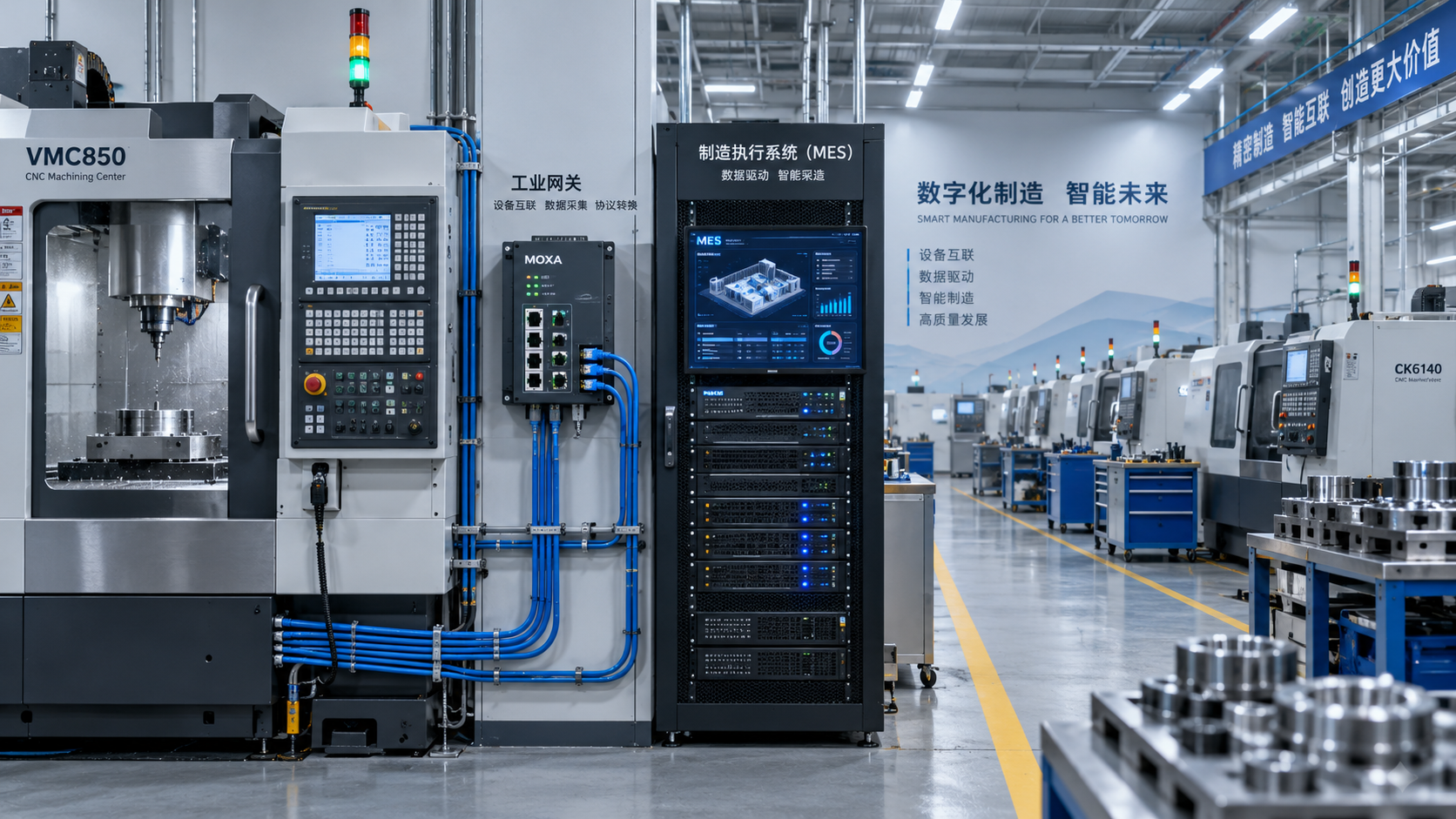
Modern CNC operations rarely run in isolation. Effective 24/7 remote support must interoperate with MES (e.g., Siemens Opcenter), CMMS (UpKeep or IBM Maximo), and digital twin platforms. Leading manufacturers now embed RESTful APIs enabling automated ticket creation when OEE drops below 85% for >15 minutes—or when tool wear exceeds ±0.02mm tolerance thresholds.
In automotive powertrain plants, integrated remote support reduces mean time to repair (MTTR) by 3.7x compared to standalone vendor hotlines—because technicians see real-time feed rate deviations, coolant flow telemetry, and spindle motor current harmonics simultaneously. This requires bi-directional data exchange, not passive screen sharing.
For compact machine tool users deploying quick-setup CNC manufacturing in space-constrained facilities, remote support must include augmented reality (AR) overlays—allowing field technicians to visualize correct torque sequences for linear guide rail mounting or laser alignment paths for multi-axis gantry systems. AR-assisted guidance cuts average setup time from 4.2 hours to 1.8 hours per machine (based on 2023 JIMTOF case studies).
This integration matrix underscores that remote support value scales with ecosystem maturity. Buyers investing in smart factory infrastructure should negotiate tiered API access rights—not just “remote login”—as part of warranty terms. Integration readiness directly impacts ROI on CNC manufacturing for energy equipment or high-precision aerospace components where process consistency is non-negotiable.
Actionable Next Steps for Procurement & Operations Teams
Before finalizing any CNC machine tool purchase, request a live remote support demo using your actual machine configuration—not a vendor reference unit. Simulate three scenarios: a thermal drift error on a 5-axis machining center, an MTConnect data loss event on an automated production line, and a servo amplifier fault during high-speed finishing on a CNC lathe.
Cross-reference warranty language against IEC 61508 SIL2 requirements for safety-related functions, especially if supporting ISO 13849-1 Category 3 architectures. Demand written confirmation that remote sessions do not void cybersecurity hardening certifications (e.g., UL 2900-2-2).
Finally, ensure your contract defines “resolution” as restored production capacity—not just symptom suppression. A robust warranty will specify maximum allowable recurrence rates (e.g., ≤1 repeat incident per 200 operational hours) and trigger automatic escalation to senior application engineers after two unresolved attempts.
FAQ: Critical Questions to Ask Vendors
Q: Does remote support cover my specific CNC control version?
A: Require firmware revision numbers in writing—e.g., “Fanuc 31i-B5 v12.3.4 and later” or “Siemens SINUMERIK 840D sl V4.7 SP4”. Avoid vague terms like “current and future versions”.
Q: What’s the maximum file size for NC program upload during remote troubleshooting?
A: Top-tier providers allow ≥500MB uploads with delta-diff validation—critical for large turbine blade programs (typically 120–380MB each).
Q: Are remote sessions subject to GDPR or CCPA data residency rules?
A: Confirm server locations—EU-based support must host logs in Frankfurt or Amsterdam; U.S. clients may require SOC 2 Type II attestation.
Clarity in warranty terms prevents costly assumptions. Remote support isn’t just about availability—it’s about actionable intelligence, ecosystem interoperability, and audit-ready accountability. When your CNC manufacturing for aerospace, medical, or energy applications demands zero-compromise reliability, the right 24/7 remote support framework becomes a strategic production asset—not just a service clause.
Get your customized remote support assessment checklist and vendor comparison matrix—tailored to your machine fleet, industry compliance needs, and smart factory roadmap. Contact our CNC technical advisory team today to align warranty terms with your operational reality.
Recommended for You
 Digital Manufacturing for Smart Factories: Connecting Legacy Machines to MESMachine Tool Industry Editorial Team
 How to Select a CNC Metal Lathe for Tight-Tolerance Shaft and Sleeve PartsCNC Machining Technology Center
 How to Select an Industrial Lathe for High-Volume Shaft ProductionMachine Tool Industry Editorial Team
 Selecting Machine Tools for Automotive Parts: Accuracy, Throughput, and AutomationMachine Tool Industry Editorial Team
 Industrial Machining: Selecting Processes for Tight-Tolerance Metal PartsCNC Machining Technology Center
 Manufacturing Technology Trends That Improve Throughput and Quality ControlManufacturing Market Research Center

Aris Katos
Future of Carbide Coatings
15+ years in precision manufacturing systems. Specialized in high-speed milling and aerospace grade alloy processing.
▶
Is CNC Machining Hub Better Than Local Shops for Prototyping?Machine Tool Industry Editorial Team▶
German Hydraulic Parts Plant Sale Signals Local Supply ShiftMachine Tool Industry Editorial Team▶
How to Evaluate a Machine Tool Factory: 7 Checks Before Requesting a QuoteMachine Tool Industry Editorial Team▶
Shenwei CNC Dual-Spindle Transfer Machine Passes TÜV Rheinland Production-Line Integration CertificationMachine Tool Industry Editorial Team▶
Delta NC5 Series Gains TÜV SIL3 Certification, Enters BMW Production ValidationMachine Tool Industry Editorial Team
Mastering 5-Axis Workholding Strategies
Join our technical panel on Nov 15th to learn about reducing vibrations in thin-wall components.

Providing you with integrated sanding solutions
Before-sales and after-sales services
Comprehensive technical support