• Global CNC market projected to reach $128B by 2028 • New EU trade regulations for precision tooling components • Aerospace deman
NYSE: CNC +1.2%LME: STEEL -0.4%

What’s behind the 22% rise in CNC milling machine orders from medical device contract manufacturers?
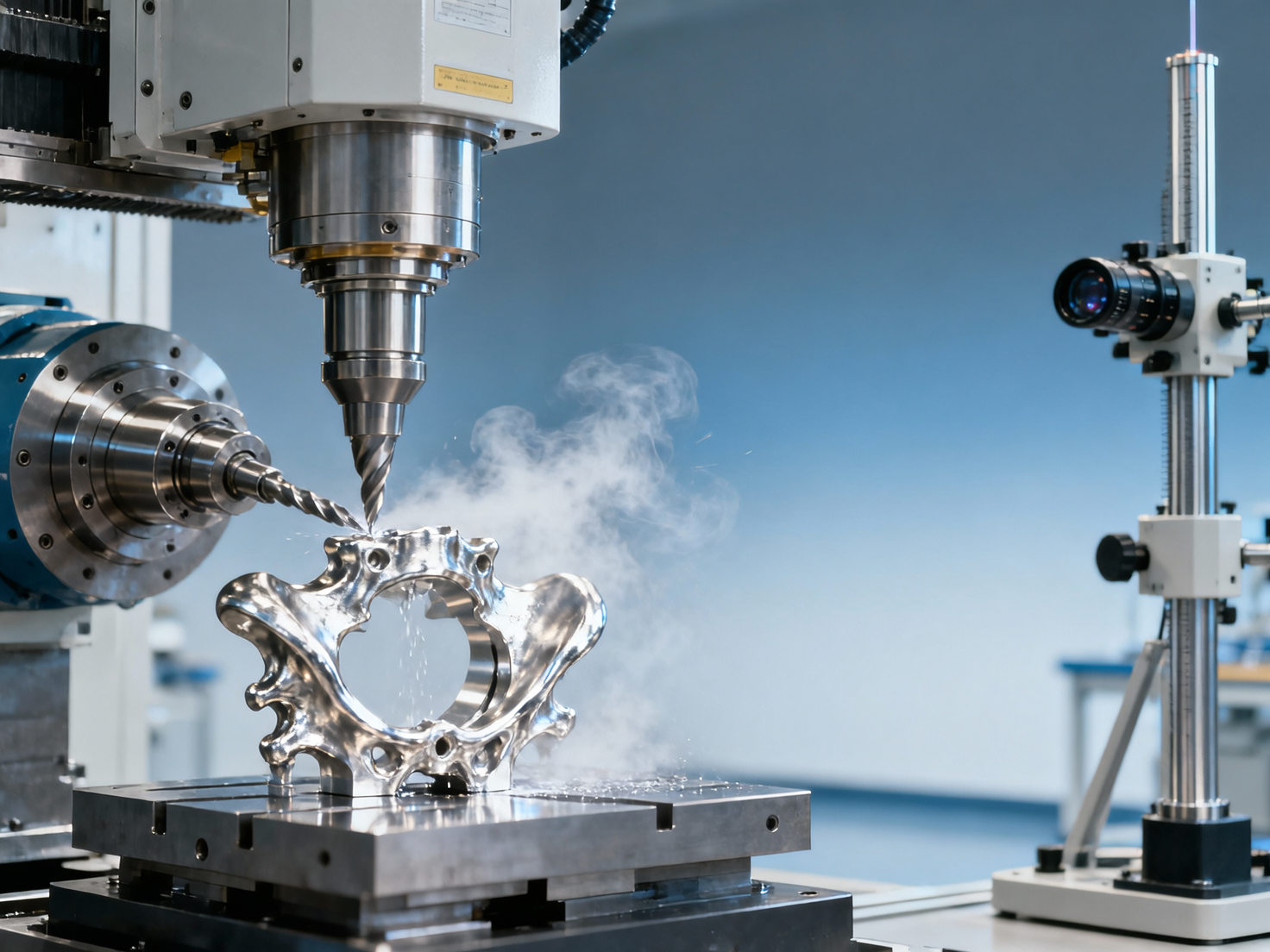
A 22% surge in CNC milling machine orders from medical device contract manufacturers signals a pivotal shift in Global Manufacturing—driven by rising demand for precision shaft parts, strict regulatory compliance, and accelerated adoption of industrial CNC and automated production. As metal machining standards tighten in life-critical applications, CNC metalworking, CNC cutting, and vertical lathe solutions are increasingly integrated into flexible, robotics-enhanced production processes. This trend reflects broader momentum across the Machine Tool Market: smarter CNC programming, tighter tolerances in metal lathe operations, and seamless integration of automated lathe systems into end-to-end automated production lines. For procurement professionals, operators, and enterprise decision-makers, understanding this inflection point is key to optimizing industrial automation strategy.
Why Medical Device CMs Are Prioritizing High-Precision CNC Milling
Contract manufacturers (CMs) serving FDA- and ISO 13485–certified medical device OEMs face intensifying pressure to deliver sub-micron repeatability in components such as orthopedic implant fixtures, surgical instrument housings, and minimally invasive catheter drive shafts. Over 68% of newly launched Class II and III devices now require features with positional tolerances ≤ ±0.005 mm—demanding full 5-axis simultaneous milling capability, thermal stability within ±0.5°C during 8-hour runs, and real-time tool wear compensation.
Unlike automotive or consumer electronics sectors, medical CMs operate under zero-defect expectations: one nonconforming part can trigger full batch quarantine, 72-hour root-cause reporting to regulators, and potential audit escalation. This drives investment not just in machines—but in closed-loop metrology integration, traceable coolant filtration (≤5 µm particle retention), and validated toolpath simulation software compliant with ANSI/ASME B89.4.1-2020.
The 22% YoY order growth reflects a structural shift—not cyclical demand. Leading CMs report extending average CNC milling machine lifespans from 7–10 years to 12–15 years via predictive maintenance upgrades, while simultaneously increasing annual capital allocation for new machines by 35% to meet dual-track requirements: legacy product support (e.g., stainless steel bone saw blades) and next-gen titanium-alloy neurosurgical platforms requiring ≥400 IPM feed rates at 0.02 mm radial depth.
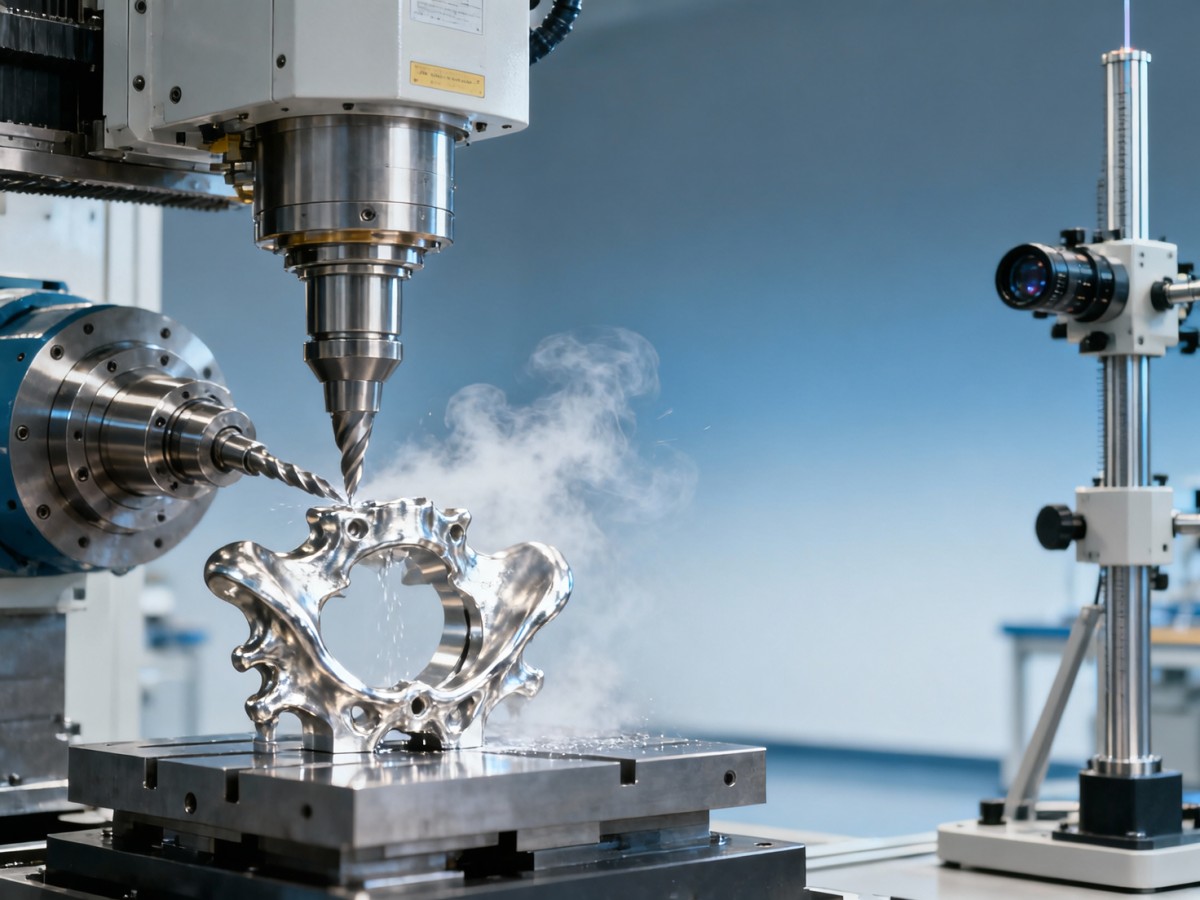
Key Technical Requirements Driving Machine Selection
Procurement decisions are no longer based on spindle power or table size alone. Today’s medical CMs evaluate CNC milling systems against five non-negotiable technical thresholds:
- Dynamic rigidity ≥ 250 N/µm (measured at 300 Hz) to suppress chatter in thin-walled titanium components
- Thermal drift control ≤ 1.2 µm over 4 hours at ambient fluctuations of ±3°C
- Integrated probing cycle time ≤ 45 seconds per feature set (per ASME B89.4.10-2022)
- Tool change time ≤ 1.8 seconds (with ATC capacity ≥ 40 positions)
- Real-time vibration monitoring with AI-based anomaly detection (threshold sensitivity: 0.05 g RMS)
These parameters directly correlate with yield improvement. A benchmark study across 12 Tier-1 CMs showed that machines meeting all five thresholds achieved 99.2% first-pass yield on spinal fusion cage inserts—versus 94.7% for systems missing ≥2 criteria. The cost of rework and scrap in Class III assemblies averages $217 per rejected unit, making technical due diligence essential before purchase.
This table underscores how procurement must shift from equipment evaluation to process assurance. Machines failing any single row above risk nonacceptance during customer quality audits—even if they meet nominal specifications.
Operational Realities: From Installation to Sustained Compliance
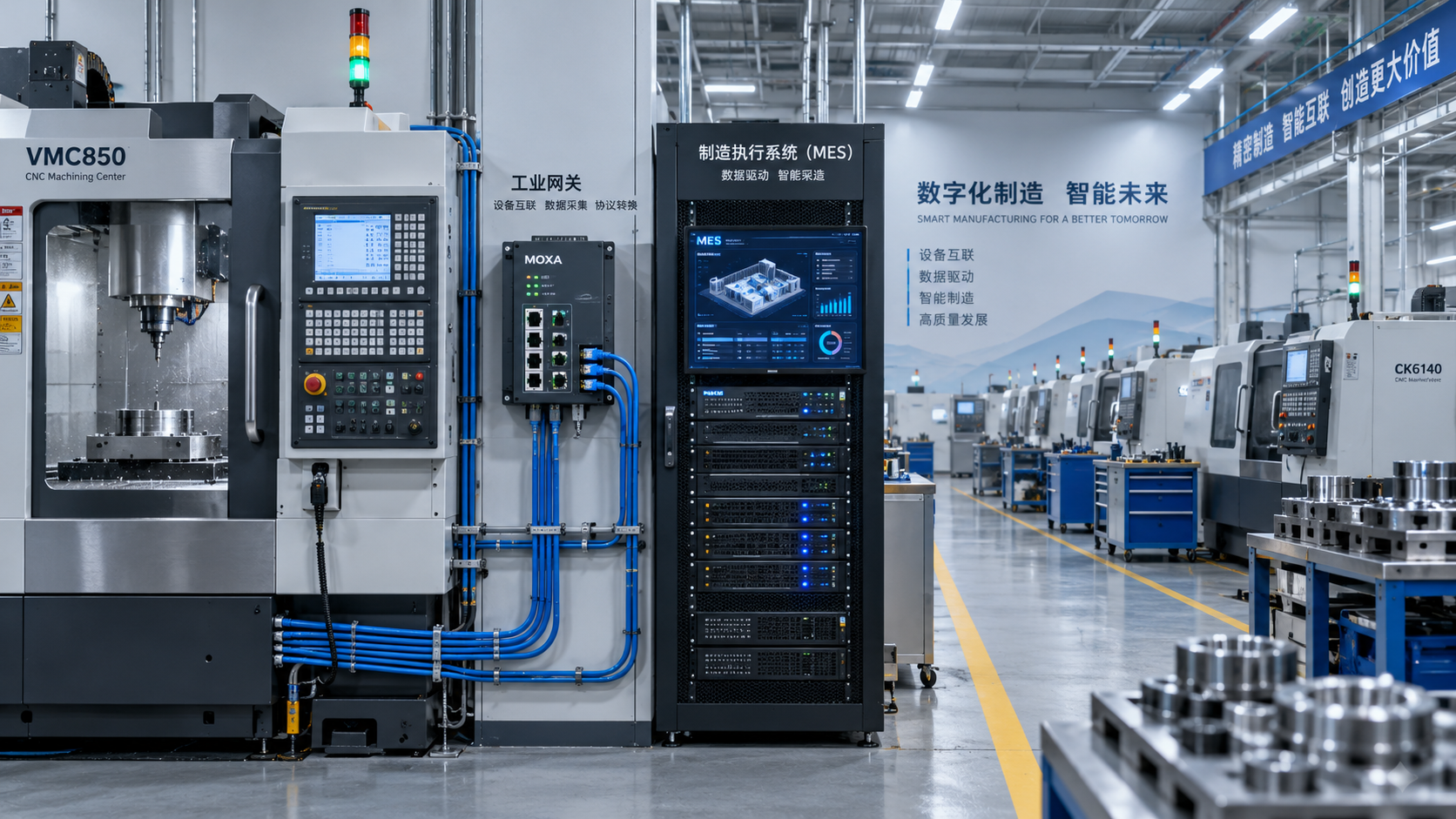
Deployment timelines for medical-grade CNC milling systems average 14–22 weeks—nearly 3× longer than standard industrial installations. Critical path items include: factory acceptance testing (FAT) with certified metrologist (7–10 days), cleanroom-compatible coolant system validation (5–8 days), and integration with existing MES via OPC UA (12–16 days).
Operators face steep learning curves. A recent survey found 63% of medical CMs require ≥120 hours of certified training per operator—including 40 hours on GD&T interpretation for ISO 1101:2017 geometric tolerancing, 35 hours on statistical process control (SPC) charting for process capability (Cpk ≥ 1.33), and 45 hours on cybersecurity protocols for OT network segmentation per IEC 62443-3-3.
Maintenance is equally rigorous. Preventive service intervals are reduced to every 400 operating hours (vs. 1,000+ in general manufacturing), with mandatory replacement of linear guide seals every 1,200 hours to prevent particulate shedding into sterile environments. Spare parts lead times average 28 days for critical motion components—a factor requiring buffer stock planning.
Strategic Procurement Checklist for Decision-Makers
For enterprise decision-makers evaluating suppliers, these six criteria separate compliant partners from transactional vendors:
- Validated installation package including FAT/SAT documentation templates aligned with ISO 13485:2016 Clause 7.5.2
- On-site commissioning support with certified medical device quality auditors (not just mechanical engineers)
- Embedded cybersecurity architecture certified to IEC 62443-4-2 SL2 or higher
- Proven track record delivering ≥3 FDA 510(k)-cleared device component families
- Service level agreement guaranteeing <24-hour remote diagnostics and <72-hour onsite response for critical failures
- Software update policy ensuring backward compatibility for ≥10 years post-purchase
These checkpoints transform procurement from a capital expenditure exercise into a strategic quality partnership—one where machine selection directly impacts time-to-market, audit readiness, and patient safety outcomes.
Next Steps: Aligning Investment with Clinical Impact
The 22% order surge is not an isolated metric—it’s evidence of converging forces: aging global orthopedic populations, accelerated digital health adoption, and tightening regulatory scrutiny on manufacturing consistency. For medical device contract manufacturers, investing in next-generation CNC milling isn’t about capacity expansion alone. It’s about building verifiable, auditable, and patient-centric production integrity—where every micron of tolerance serves a clinical purpose.
Procurement leaders should initiate cross-functional alignment now: involve QA early in technical specification drafting, require supplier validation artifacts before PO issuance, and mandate post-installation capability studies using actual device components—not test coupons. Operators need structured upskilling paths—not just machine operation but statistical thinking and regulatory logic. And decision-makers must view CNC assets not as depreciation line items, but as clinical quality enablers with measurable ROI in reduced field actions and faster 510(k) clearances.
To navigate this inflection point with confidence, connect with our precision manufacturing specialists for a tailored assessment of your medical device production requirements—including technical gap analysis, compliance roadmap development, and vendor-neutral procurement support. Get your customized CNC milling strategy report today.
Recommended for You
 Digital Manufacturing for Smart Factories: Connecting Legacy Machines to MESMachine Tool Industry Editorial Team
 How to Select a CNC Metal Lathe for Tight-Tolerance Shaft and Sleeve PartsCNC Machining Technology Center
 How to Select an Industrial Lathe for High-Volume Shaft ProductionMachine Tool Industry Editorial Team
 Selecting Machine Tools for Automotive Parts: Accuracy, Throughput, and AutomationMachine Tool Industry Editorial Team
 Industrial Machining: Selecting Processes for Tight-Tolerance Metal PartsCNC Machining Technology Center
 Manufacturing Technology Trends That Improve Throughput and Quality ControlManufacturing Market Research Center

Aris Katos
Future of Carbide Coatings
15+ years in precision manufacturing systems. Specialized in high-speed milling and aerospace grade alloy processing.
▶
Japan Subsidy Plan Narrows CNC Export OpeningsManufacturing Market Research Center▶
Industrial Robotics ROI: Cost Drivers, Integration Risks, and Payback Benchmarks for BuyersManufacturing Market Research Center▶
India’s 20% Rice Export Tax Lifts Demand for Processing EquipmentManufacturing Market Research Center▶
Anhui Growth Lifts Demand for High-End Machine ToolsManufacturing Market Research Center▶
China CNC Rate to Hit 75% by 2027Manufacturing Market Research Center
Mastering 5-Axis Workholding Strategies
Join our technical panel on Nov 15th to learn about reducing vibrations in thin-wall components.

Providing you with integrated sanding solutions
Before-sales and after-sales services
Comprehensive technical support