• Global CNC market projected to reach $128B by 2028 • New EU trade regulations for precision tooling components • Aerospace deman
NYSE: CNC +1.2%LME: STEEL -0.4%

Top 50 Cosmetics Brands’ Retail Sales Up 11.56%, Boosting Demand for High-Precision CNC Equipment

Lead
A new industry report released in early 2025 reveals robust growth among the top-tier cosmetics brands in China, with combined retail sales rising 11.56% year-on-year. This expansion is accelerating procurement demand across high-end manufacturing segments—particularly for vacuum filling lines, five-axis CNC machining centers for micron-level mold production, and ultra-smooth torque-controlled capping fixtures. The trend reflects tightening quality expectations from global beauty OEM/ODM partners and signals structural shifts in upstream industrial capacity requirements.
Event Overview
According to the 2025 Analysis of the Top 50 Cosmetics Brand Survey, the aggregate retail sales of China’s top 50 cosmetics brands reached RMB 260.47 billion in 2025, an increase of 11.56% over 2024. The report notes concurrent upward pressure on orders for high-precision filling systems and micro-tolerance packaging molds. European and East Asian (Japan/Korea) cosmetics ODM manufacturers have intensified on-site audits of Chinese precision machining suppliers, with particular focus on temperature- and humidity-controlled production environments and Statistical Process Control (SPC) implementation capability.
Impact on Specific Industry Segments
Direct Trading Enterprises
Trading firms specializing in cross-border equipment distribution—especially those handling German, Japanese, and Swiss-made CNC machine tools and filling system integrators—are experiencing stronger inbound inquiries. The impact manifests not only in higher quote volumes but also in longer lead-time negotiations, as buyers now routinely require audit-ready documentation on environmental controls and process traceability before placing orders.
Raw Material Procurement Enterprises
Suppliers of high-purity stainless steel (e.g., AISI 316L), aerospace-grade aluminum alloys (e.g., 7075-T6), and specialized coating materials (e.g., PTFE-based non-stick finishes for mold cavities) are seeing revised specification requests. Buyers increasingly specify tighter tolerances on surface roughness (Ra ≤ 0.2 μm), thermal stability under sustained 24/7 operation, and batch-to-batch consistency—requirements previously uncommon outside semiconductor or medical device supply chains.
Manufacturing Enterprises
Domestic precision machining workshops and contract manufacturers producing cosmetic packaging molds, pump assemblies, and dispensing nozzles face elevated compliance thresholds. The rise in foreign ODM audits means that facilities lacking certified cleanroom-class climate control or real-time SPC dashboards are being deprioritized—even when quoting competitively. Investment in metrology-grade CMMs and automated process monitoring software is shifting from optional to essential.
Supply Chain Service Providers
Third-party calibration labs, ISO 13485-certified quality consultants, and technical translation/localization agencies supporting equipment manuals and audit documentation are reporting increased demand—particularly for bilingual (EN/CN) SPC training modules and audit-readiness gap assessments. Notably, service providers offering integrated support across environmental certification (e.g., ISO 14644), process validation, and regulatory documentation are gaining traction over siloed offerings.
Key Focus Areas and Recommended Actions
Upgrade Environmental Infrastructure Proactively
Manufacturers should assess whether existing production areas meet Class 8 (ISO 14644-1) cleanroom equivalency for temperature (±1°C) and humidity (±3% RH) control. Retrofitting may be more cost-effective than relocating—especially given growing lead times for HVAC systems compliant with pharmaceutical-grade specifications.
Implement Traceable SPC at Critical Process Nodes
Rather than deploying SPC enterprise-wide, prioritize integration at high-impact stages: cavity surface finish grinding, electrode EDM parameters, and final assembly torque verification. Use cloud-connected sensors and lightweight dashboards—not legacy Minitab-only workflows—to demonstrate real-time control during client audits.
Prepare for Tier-1 ODM Audit Protocols
European and Japanese ODMs now commonly apply modified IATF 16949 checklists focused on change control, tool life tracking, and material lot traceability back to mill certificates. Suppliers should map current records against these criteria and conduct internal mock audits using external auditors familiar with beauty-industry OEM expectations.
Editorial Perspective / Industry Observation
Observably, this growth is not merely cyclical—it reflects a structural recalibration in global cosmetics manufacturing. As premium brands consolidate sourcing toward fewer, higher-capability Chinese partners, the threshold for ‘qualified supplier’ is migrating from cost-plus bidding to integrated engineering partnership. Analysis shows that the 11.56% retail growth outpaces overall cosmetics market expansion (~6.2% in 2025 per NMPA data), suggesting disproportionate investment in premium SKUs requiring technically demanding packaging. Current more critical than scale is verifiable process discipline—especially where human intervention intersects with micron-level geometry.
Conclusion
This trend underscores a broader transition: cosmetics packaging is evolving from a commoditized finishing step into a performance-critical subsystem—where fill accuracy, seal integrity, and tactile feedback directly shape brand perception and regulatory compliance. For domestic precision manufacturers, the opportunity lies less in volume scaling and more in demonstrable, auditable mastery of controlled processes. A rational interpretation is that competitiveness will increasingly hinge on transparency—not just precision.
Source Attribution
Primary source: 2025 Analysis of the Top 50 Cosmetics Brand Survey, published by China Daily Beauty Industry Research Center (March 2025). Data on ODM audit frequency and priority criteria derived from anonymized supplier interviews conducted by the China Association of Precision Engineering (CAPE) between January–February 2025. Note: Final 2025 national cosmetics retail statistics from the Ministry of Commerce remain pending; ongoing monitoring advised for Q2 2025 release.
PREVIOUS ARTICLE
NEXT ARTICLE
Recommended for You
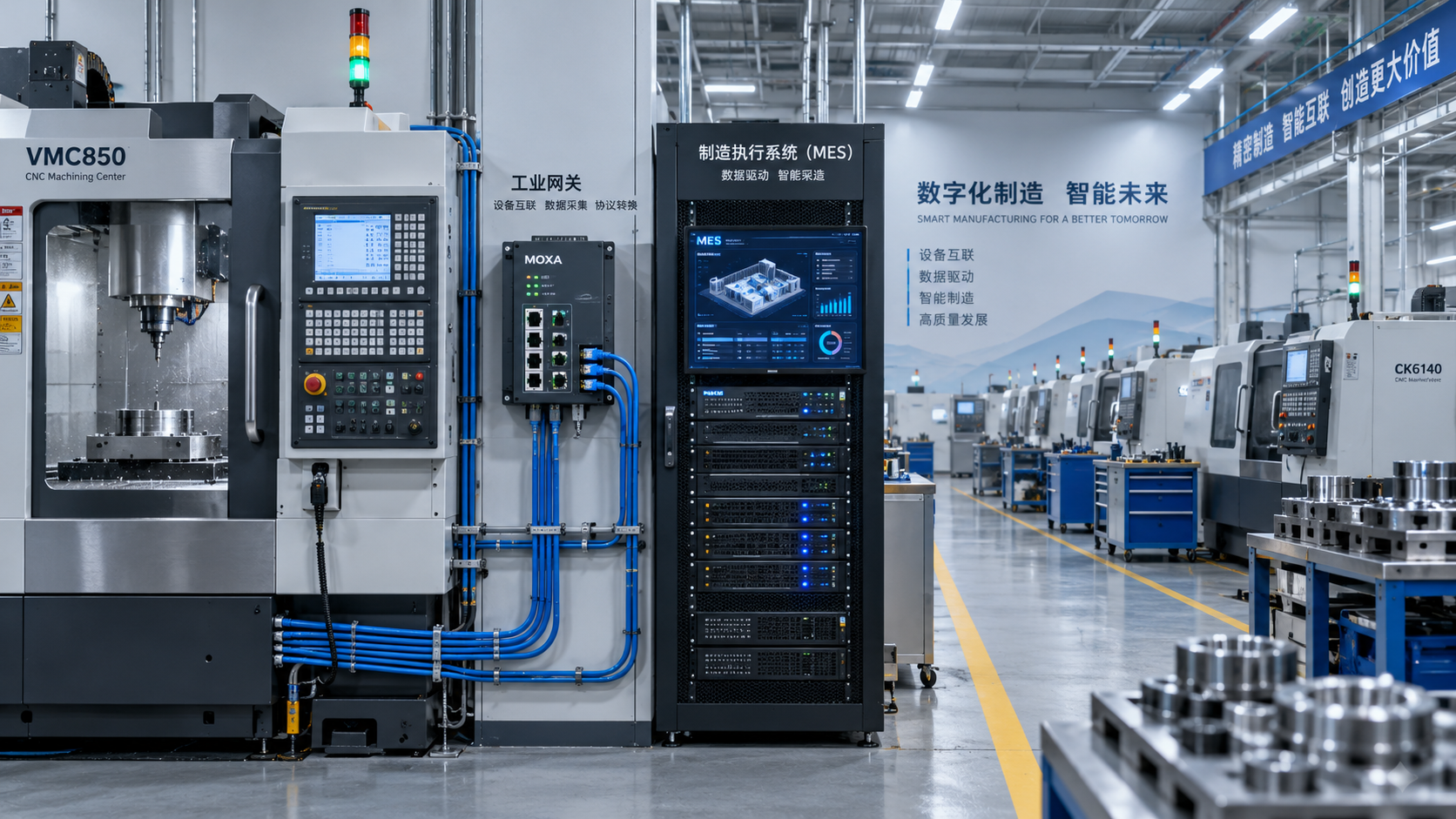
 Digital Manufacturing for Smart Factories: Connecting Legacy Machines to MESMachine Tool Industry Editorial Team
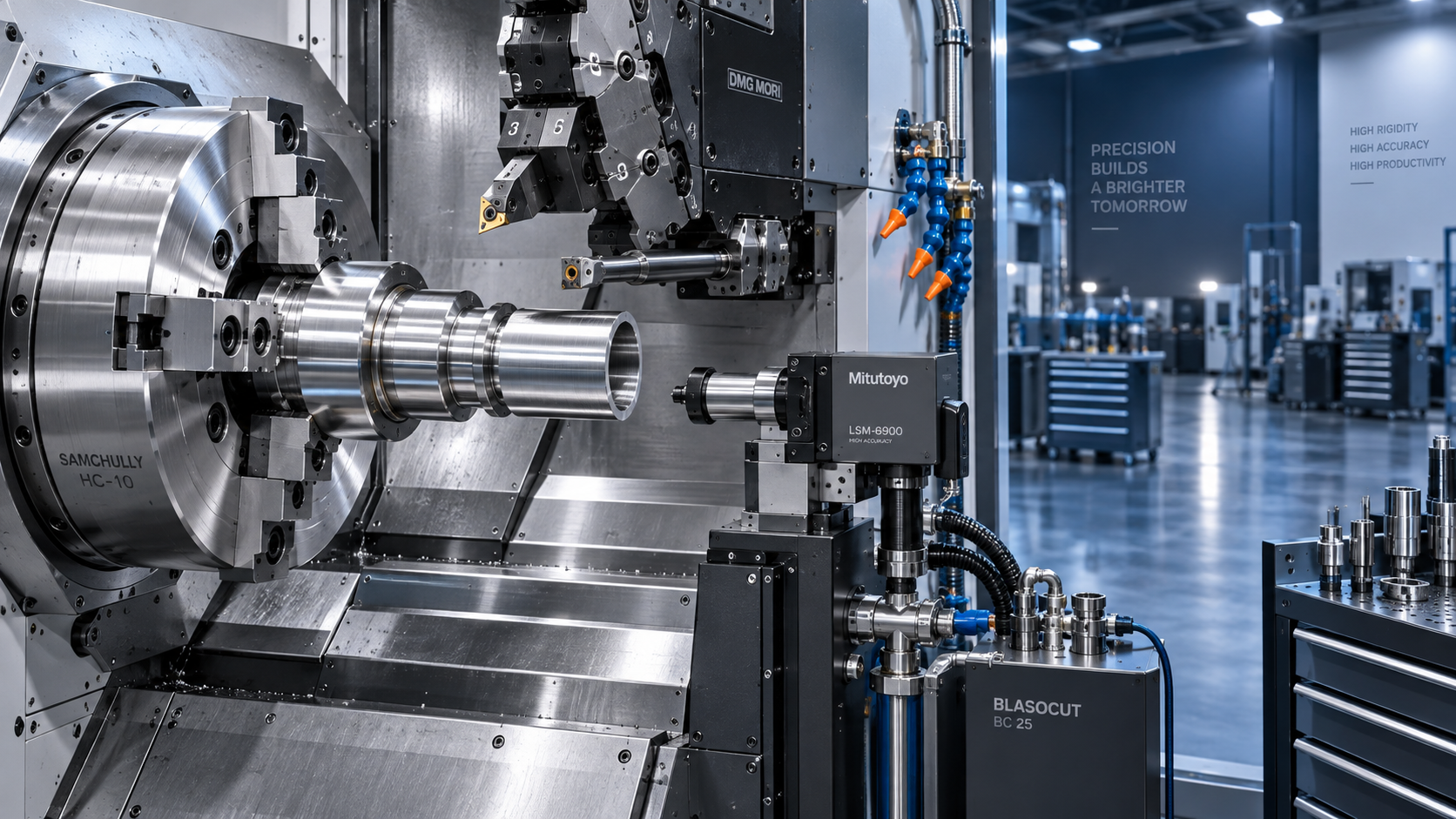
 How to Select a CNC Metal Lathe for Tight-Tolerance Shaft and Sleeve PartsCNC Machining Technology Center
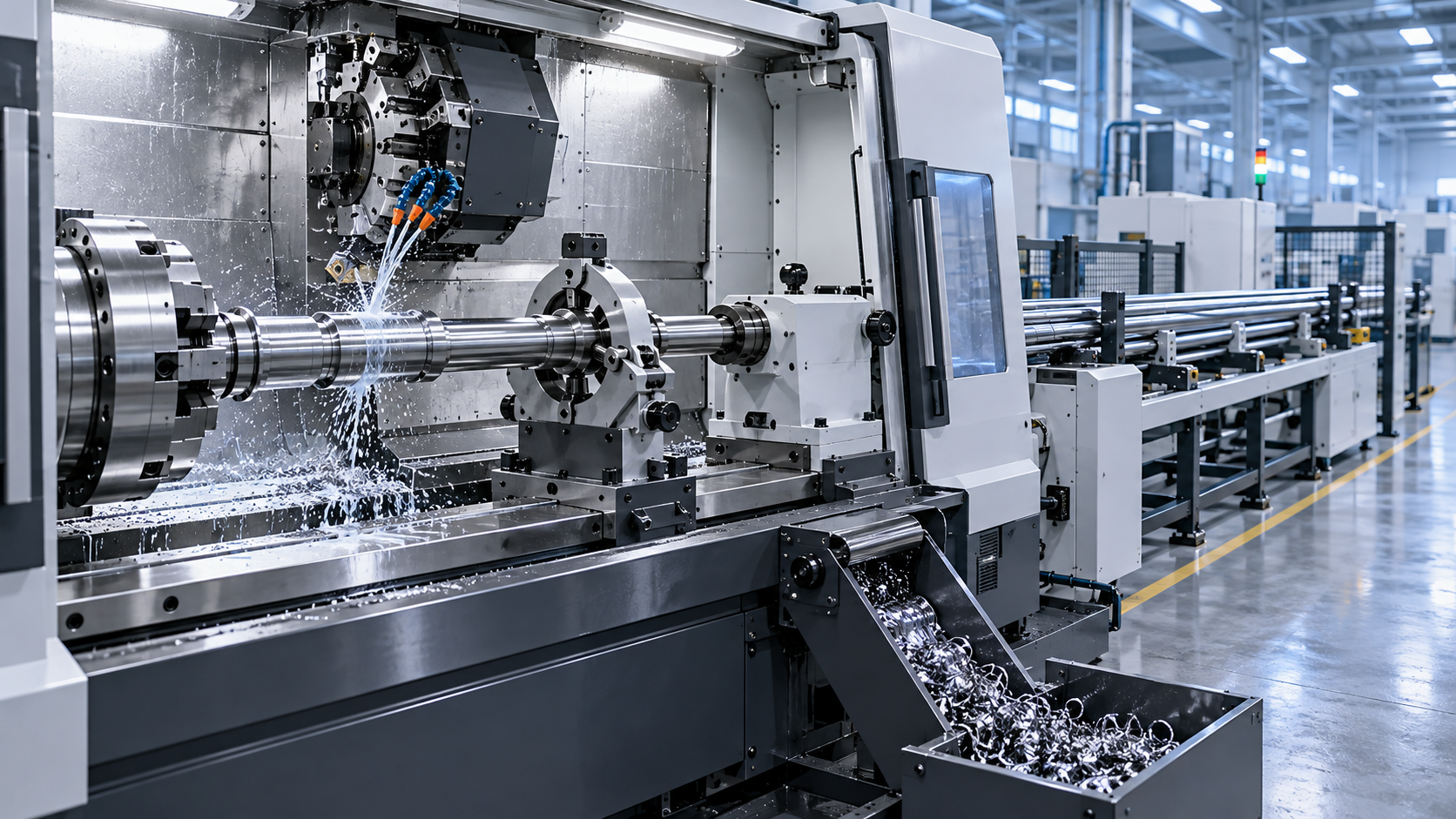
 How to Select an Industrial Lathe for High-Volume Shaft ProductionMachine Tool Industry Editorial Team
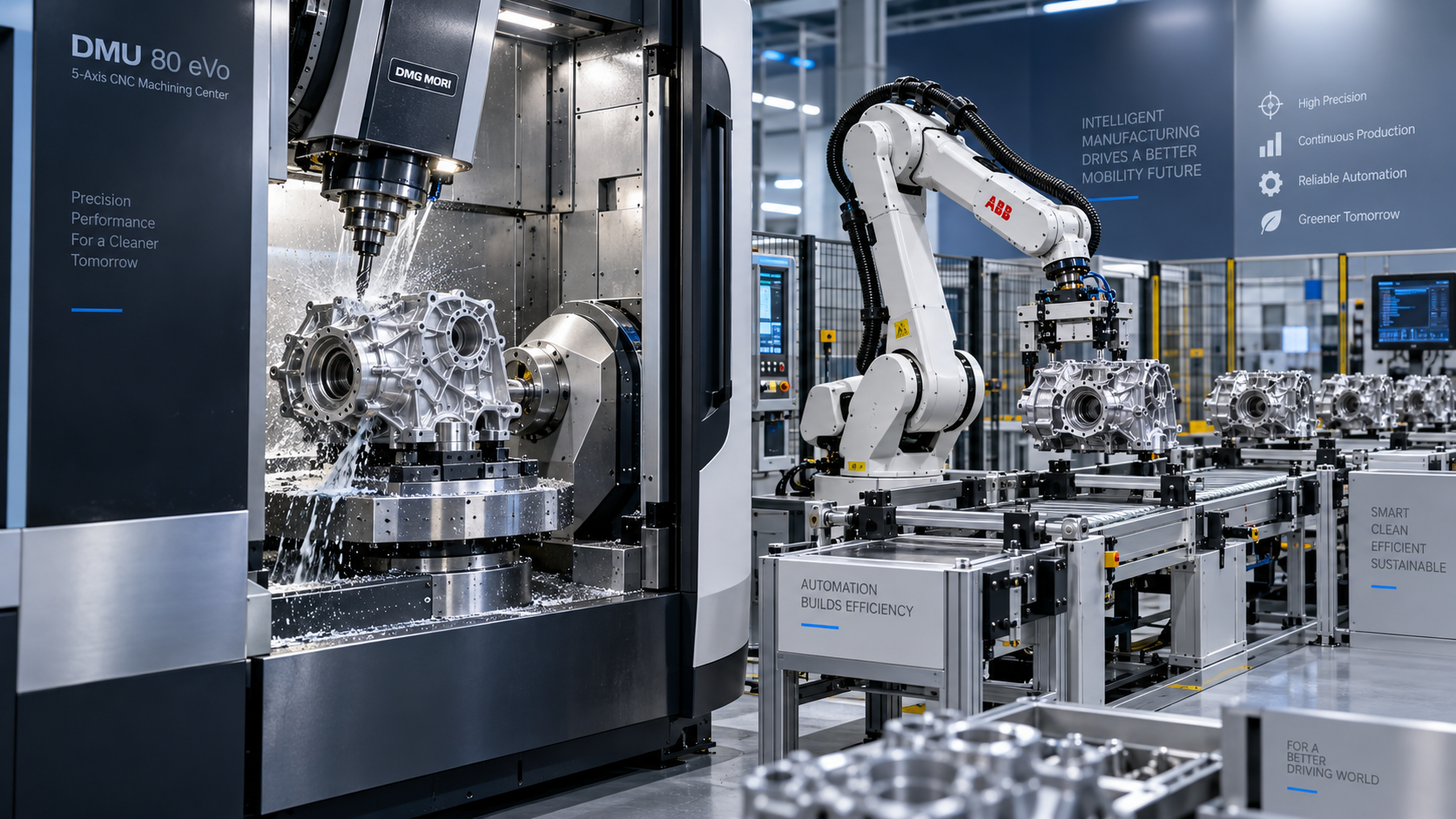
 Selecting Machine Tools for Automotive Parts: Accuracy, Throughput, and AutomationMachine Tool Industry Editorial Team
 Industrial Machining: Selecting Processes for Tight-Tolerance Metal PartsCNC Machining Technology Center
 Manufacturing Technology Trends That Improve Throughput and Quality ControlManufacturing Market Research Center


Aris Katos
Future of Carbide Coatings
15+ years in precision manufacturing systems. Specialized in high-speed milling and aerospace grade alloy processing.
▶
Japan Subsidy Plan Narrows CNC Export OpeningsManufacturing Market Research Center▶
Industrial Robotics ROI: Cost Drivers, Integration Risks, and Payback Benchmarks for BuyersManufacturing Market Research Center▶
India’s 20% Rice Export Tax Lifts Demand for Processing EquipmentManufacturing Market Research Center▶
Anhui Growth Lifts Demand for High-End Machine ToolsManufacturing Market Research Center▶
China CNC Rate to Hit 75% by 2027Manufacturing Market Research Center
Mastering 5-Axis Workholding Strategies
Join our technical panel on Nov 15th to learn about reducing vibrations in thin-wall components.

Providing you with integrated sanding solutions
Before-sales and after-sales services
Comprehensive technical support