• Global CNC market projected to reach $128B by 2028 • New EU trade regulations for precision tooling components • Aerospace deman
NYSE: CNC +1.2%LME: STEEL -0.4%

Steel Structure Mezzanine Tech Moves Beyond 'Adequate'

On May 15, 2026, industry insights indicated that China’s steel structure mezzanine market is shifting from experience-based practices toward precise optimization of load capacity, environmental performance, and spatial efficiency—prompting new technical benchmarks in laser cutting accuracy and BIM-integrated fixture systems. This development is notably affecting structural engineering, construction contracting, and prefabricated building supply chains across China, Southeast Asia, and the Middle East.
Event Overview
As reported on May 15, 2026, the Chinese steel structure mezzanine sector is transitioning from empirical design to a performance-driven paradigm emphasizing structural load integrity, sustainability, and space utilization efficiency. This shift has raised the required angular precision of 3D trajectory control in laser tube cutting machines to ±0.1°. Concurrently, intelligent jigs capable of direct BIM model-driven operation have become standard equipment. The trend has extended beyond domestic projects: general contractors in Southeast Asia and the Middle East now explicitly require BIM collaboration capability as a prerequisite for awarding steel detail engineering subcontracts to Chinese suppliers.
Industries Affected
Structural Steel Fabricators
Fabricators face tighter tolerances in component cutting and assembly. The ±0.1° laser trajectory accuracy requirement directly impacts machine calibration protocols, operator training, and quality assurance workflows—especially for curved or multi-axis tubular members used in mezzanine framing.
Building Information Modeling (BIM) Service Providers
BIM firms engaged in steel detailing must now ensure model outputs are not only geometrically accurate but also natively compatible with jig control logic—e.g., embedded machining parameters, clamping sequence metadata, and tolerance tagging aligned with physical toolpath execution.
International General Contractors (in Southeast Asia & Middle East)
These contractors are incorporating BIM interoperability—specifically real-time model-to-fixture synchronization—as a formal qualification criterion in tender documents for steel subcontractors. This elevates the technical evaluation weight of digital delivery capability over traditional bid pricing or past project volume alone.
Steel Component Exporters & Trade Intermediaries
Exporters handling mezzanine-related structural packages must verify whether overseas clients’ procurement clauses now reference BIM-driven fabrication readiness—not just dimensional compliance or material certifications—as part of contractual acceptance criteria.
What Relevant Enterprises or Practitioners Should Focus On
Monitor evolving tender language in infrastructure projects across ASEAN and GCC countries
Current tenders from regional contractors increasingly specify ‘BIM model–driven jig compatibility’ or ‘direct CNC instruction export from modeling environment’ as non-negotiable clauses. Tracking such phrasing in publicly issued RFPs helps identify early adoption patterns and regional variation.
Assess current laser cutting system capabilities against the ±0.1° 3D trajectory benchmark
This specification applies specifically to multi-axis tube cutting—common in mezzanine column–beam connections—not flat-plate processing. Fabricators should validate whether their existing machines (or planned upgrades) meet this angular tolerance under dynamic load conditions, not just static calibration.
Distinguish between BIM model submission and BIM model operability
Many firms already submit IFC or native-model files for review. What is newly required is demonstrable two-way integration: the ability to feed model geometry and constraints into fixture control software—and receive positional feedback or deviation alerts during setup. This goes beyond visualization or clash detection.
Prepare documentation for BIM–fabrication handover validation
Chinese suppliers bidding internationally may soon need to provide auditable evidence—such as log files, NC code generation reports, or jig positioning verification records—that link specific model elements to physical setup actions. Internal process documentation should anticipate third-party verification needs.
Editorial Perspective / Industry Observation
Observably, this development signals a maturation point—not just a technical upgrade—in how steel mezzanine systems are specified, priced, and delivered. The fact that BIM-driven jig readiness has moved from internal workflow enhancement to a formalized subcontractor准入 (entry) condition suggests that digital–physical synchronization is now treated as foundational infrastructure, not optional innovation. Analysis shows this is less about immediate market disruption and more about recalibrating long-term capability expectations: firms without traceable, model-anchored fabrication processes may find themselves excluded from competitive bidding pools even where their structural engineering competence remains strong. From an industry perspective, it reflects a broader convergence of precision manufacturing standards with AEC digital practice—a convergence now being codified through procurement rather than voluntary adoption.
Conclusion:
This shift signifies an operational threshold in steel mezzanine delivery: technical specifications are no longer defined solely by structural codes or material grades, but by the fidelity of digital–physical translation across the entire fabrication chain. It does not imply universal obsolescence of legacy workflows—but rather a narrowing window for incremental adaptation. Currently, it is more accurately understood as a capability signal than a fully enforced mandate; however, its inclusion in international tender conditions means proactive alignment—not reactive compliance—is the more sustainable posture.
Source Attribution:
- Primary source: Industry insight report dated May 15, 2026
- Note: Regional implementation timelines in Southeast Asia and the Middle East remain subject to ongoing observation; no official regulatory adoption dates or enforcement mechanisms were cited in the source material.
PREVIOUS ARTICLE
NEXT ARTICLE
Recommended for You
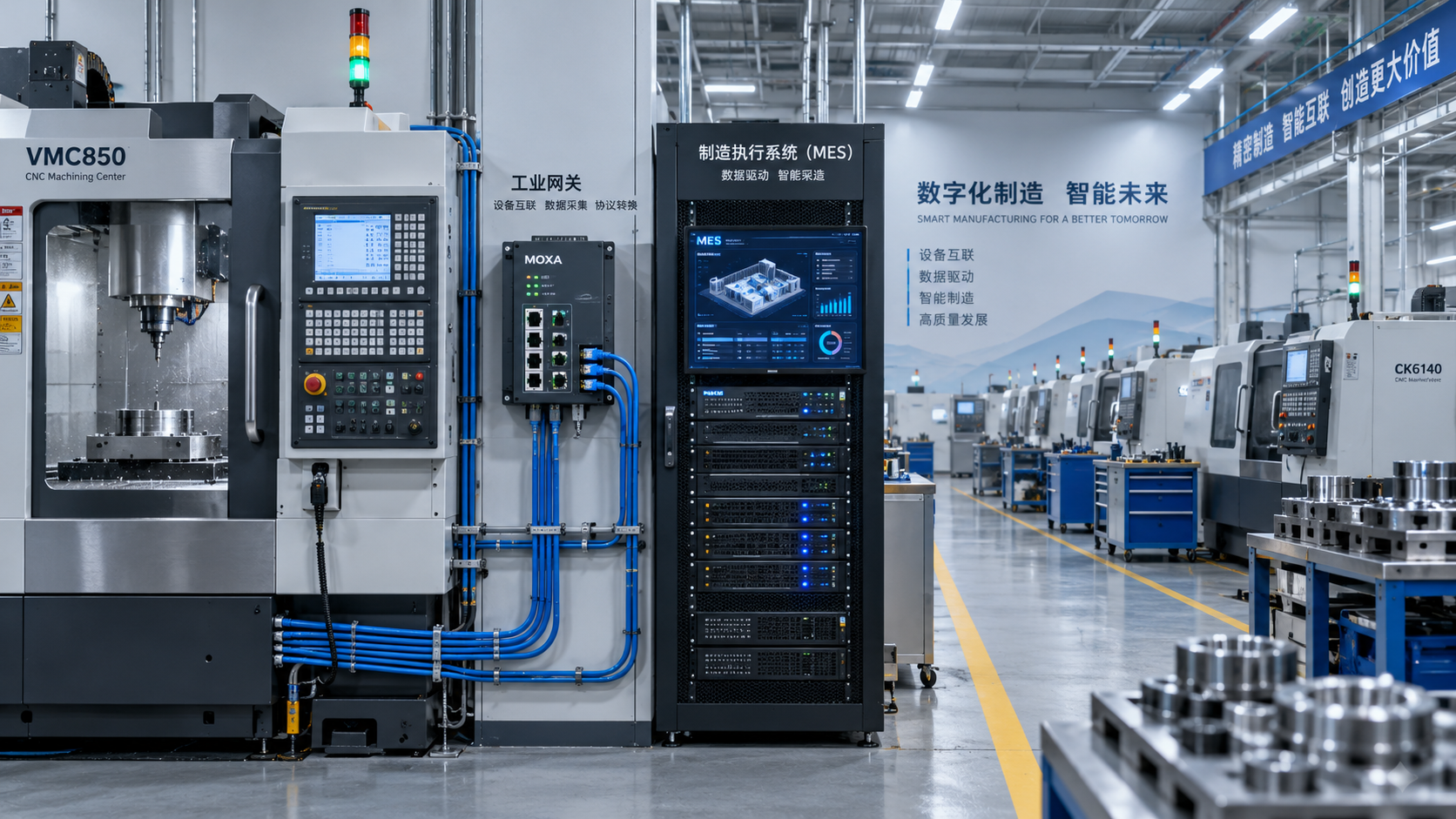
 Digital Manufacturing for Smart Factories: Connecting Legacy Machines to MESMachine Tool Industry Editorial Team
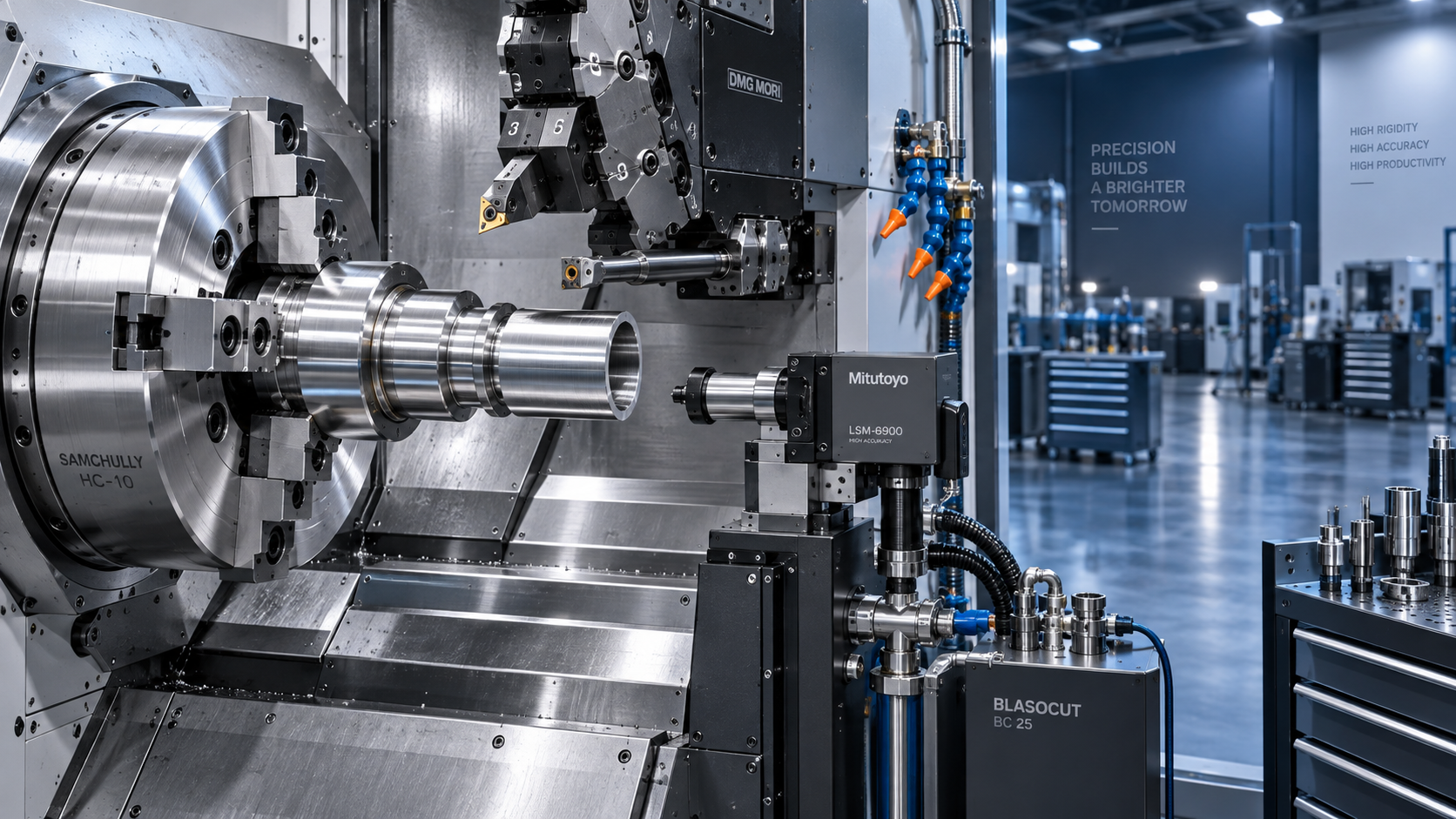
 How to Select a CNC Metal Lathe for Tight-Tolerance Shaft and Sleeve PartsCNC Machining Technology Center
 How to Select an Industrial Lathe for High-Volume Shaft ProductionMachine Tool Industry Editorial Team
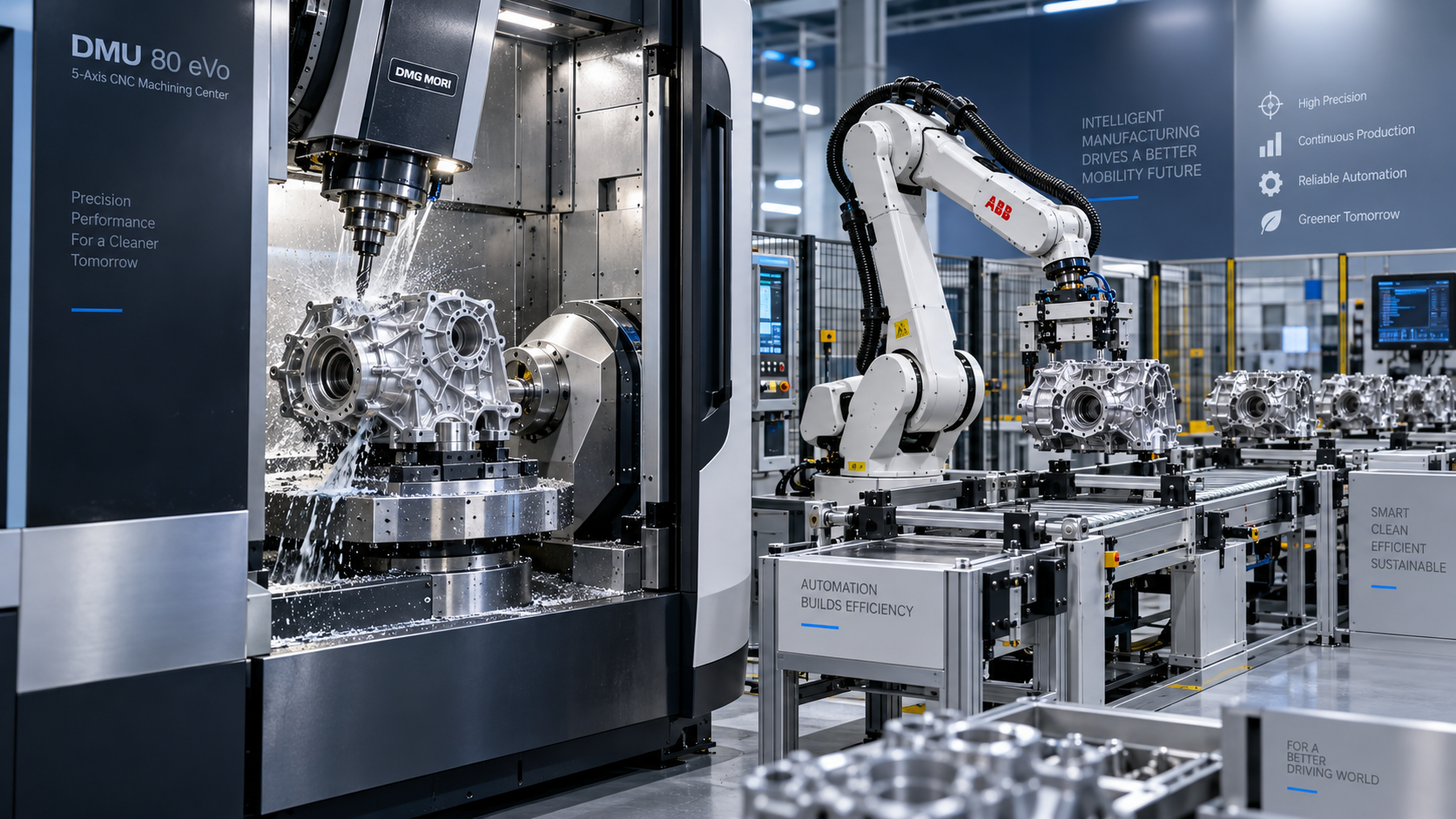
 Selecting Machine Tools for Automotive Parts: Accuracy, Throughput, and AutomationMachine Tool Industry Editorial Team
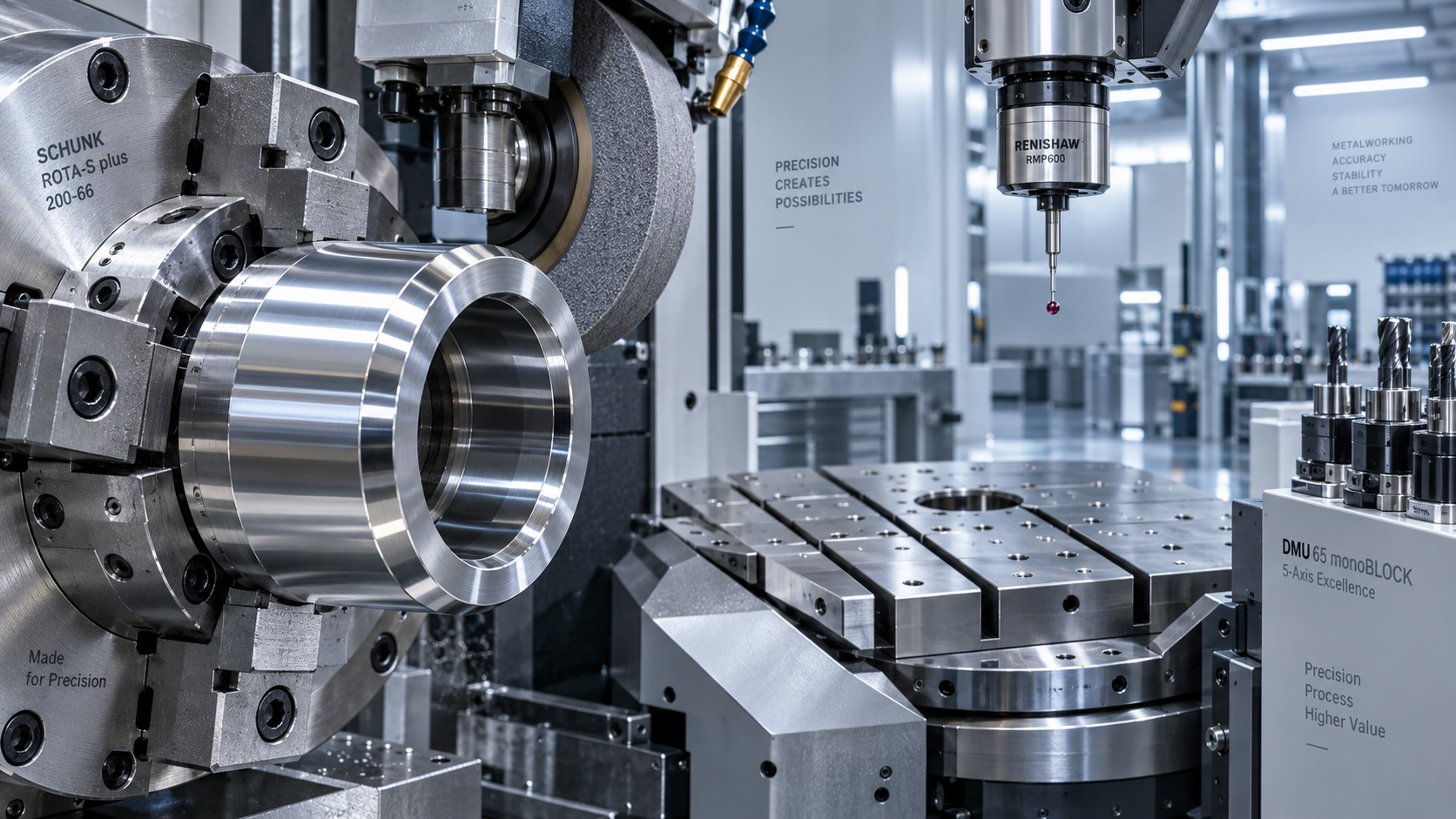
 Industrial Machining: Selecting Processes for Tight-Tolerance Metal PartsCNC Machining Technology Center
 Manufacturing Technology Trends That Improve Throughput and Quality ControlManufacturing Market Research Center



Aris Katos
Future of Carbide Coatings
15+ years in precision manufacturing systems. Specialized in high-speed milling and aerospace grade alloy processing.
▶
Is Learning CNC Programming Worth It for Shop Owners Seeking Higher Margins?CNC Machining Technology Center▶
How to Select CNC Equipment for High-Mix, Low-Volume ProductionCNC Machining Technology Center▶
Can CNC Machining Inconel Control Tool Wear in High-Temperature Aerospace Parts?CNC Machining Technology Center▶
How Automated Precision Machining Maintains Tolerance in High-Mix ProductionCNC Machining Technology Center▶
CNC Programming Explained: From CAD Models to Reliable Shop-Floor ToolpathsCNC Machining Technology Center
Mastering 5-Axis Workholding Strategies
Join our technical panel on Nov 15th to learn about reducing vibrations in thin-wall components.

Providing you with integrated sanding solutions
Before-sales and after-sales services
Comprehensive technical support