• Global CNC market projected to reach $128B by 2028 • New EU trade regulations for precision tooling components • Aerospace deman
NYSE: CNC +1.2%LME: STEEL -0.4%

Foil Winding Machines Shift to Digital Servo Drives

Amid tightening global energy efficiency standards for power transformers—driven by carbon neutrality goals—the foil winding machine industry is accelerating its transition from mechanical to high-precision digital servo control systems. Though the exact timing of this inflection point remains unspecified, its operational and strategic implications are already reshaping procurement behavior among transformer OEMs worldwide.
Event Overview
According to the Foil Winding Machine Industry Assessment Report, published on May 15, 2026, the rollout of next-generation power systems under the ‘dual carbon’ policy framework has raised minimum efficiency requirements for distribution and power transformers. This regulatory pressure is directly fueling adoption of digital servo-driven foil winding machines. Leading Chinese manufacturers now achieve ±0.02 mm winding tolerance and integrate AI-powered real-time weld quality assessment. Internationally, transformer OEMs are formally incorporating servo system interoperability—particularly OPC UA interface openness—into supplier qualification criteria for new projects.
Industries Affected
Direct trading enterprises: Export-oriented machinery distributors face revised technical gatekeeping in overseas tenders. Buyers increasingly require documented evidence of servo architecture compatibility (e.g., EtherCAT/PROFINET support) and certified OPC UA conformance—not just performance specs—making pre-qualification cycles longer and documentation more rigorous.
Raw material procurement enterprises: Firms sourcing precision components—such as high-torque servo motors, optical encoders, and low-latency motion controllers—are seeing demand shift toward industrial-grade, traceable parts with IEC 61508 or ISO 13849 certification. Generic alternatives are being deprioritized in favor of suppliers offering joint validation reports with winding machine integrators.
Manufacturing enterprises (transformer OEMs): Transformer producers must now align winding process validation with digital twin readiness and data traceability mandates. Upgrading legacy foil winders—or selecting new ones—requires cross-functional alignment between production engineering, quality assurance, and IT infrastructure teams, especially where shop-floor MES integration is expected.
Supply chain service enterprises: Third-party calibration labs, cybersecurity auditors for industrial networks, and automation integration partners report rising inquiries related to servo loop tuning validation, OPC UA information model mapping, and functional safety assessments of motion control logic—services previously uncommon in this equipment segment.
Key Focus Areas and Response Measures
Evaluate servo interface maturity—not just accuracy claims
Procurement teams should request vendor-provided OPC UA companion specifications, not only functional descriptions. Prioritize suppliers demonstrating tested interoperability with major PLC platforms (e.g., Siemens SIMATIC, Rockwell ControlLogix) and documented conformance to OPC Foundation’s UA Part 100 (Information Models).
Update internal qualification protocols for motion control subsystems
Transformer OEMs need to formalize evaluation criteria for servo drives—including jitter tolerance, position loop bandwidth, and deterministic communication latency—rather than relying solely on static tolerance figures like ±0.02 mm. These parameters directly impact repeatability under variable load conditions across coil geometries.
Align procurement timelines with firmware and software lifecycle planning
Digital servo systems introduce versioned firmware, security patches, and API updates. Buyers should negotiate SLAs covering minimum supported versions, backward compatibility guarantees, and access to source-level diagnostic tools—especially when integrating into existing MES or SCADA environments.
Editorial Insight / Industry Observation
Observably, this transition is less about replacing mechanical hardware and more about embedding deterministic control and data sovereignty into core winding processes. Analysis shows that the emphasis on OPC UA openness reflects a broader industry pivot: from viewing winding machines as isolated production tools to treating them as interoperable nodes within a distributed manufacturing intelligence layer. Current market dynamics suggest that vendors winning new contracts will be those enabling—not just complying with—data exchange architectures, rather than those merely delivering tighter tolerances.
Conclusion
This shift marks a structural inflection—not a cyclical upgrade—for the foil winding ecosystem. It redefines competitive differentiation beyond mechanical precision toward system-level integration capability, lifecycle data transparency, and configurable control fidelity. A rational interpretation is that the value chain is migrating upstream: from component-level performance to architecture-level trustworthiness.
Source Attribution
Primary source: Foil Winding Machine Industry Assessment Report, May 15, 2026. Data referenced pertains exclusively to publicly disclosed findings in that document. Ongoing monitoring is warranted for: (1) national standard revisions codifying servo-based winding validation methods; (2) emerging cybersecurity certification requirements for networked winding equipment under IEC 62443; and (3) regional divergence in OPC UA adoption thresholds among EU, North American, and ASEAN transformer procurement consortia.
PREVIOUS ARTICLE
Recommended for You
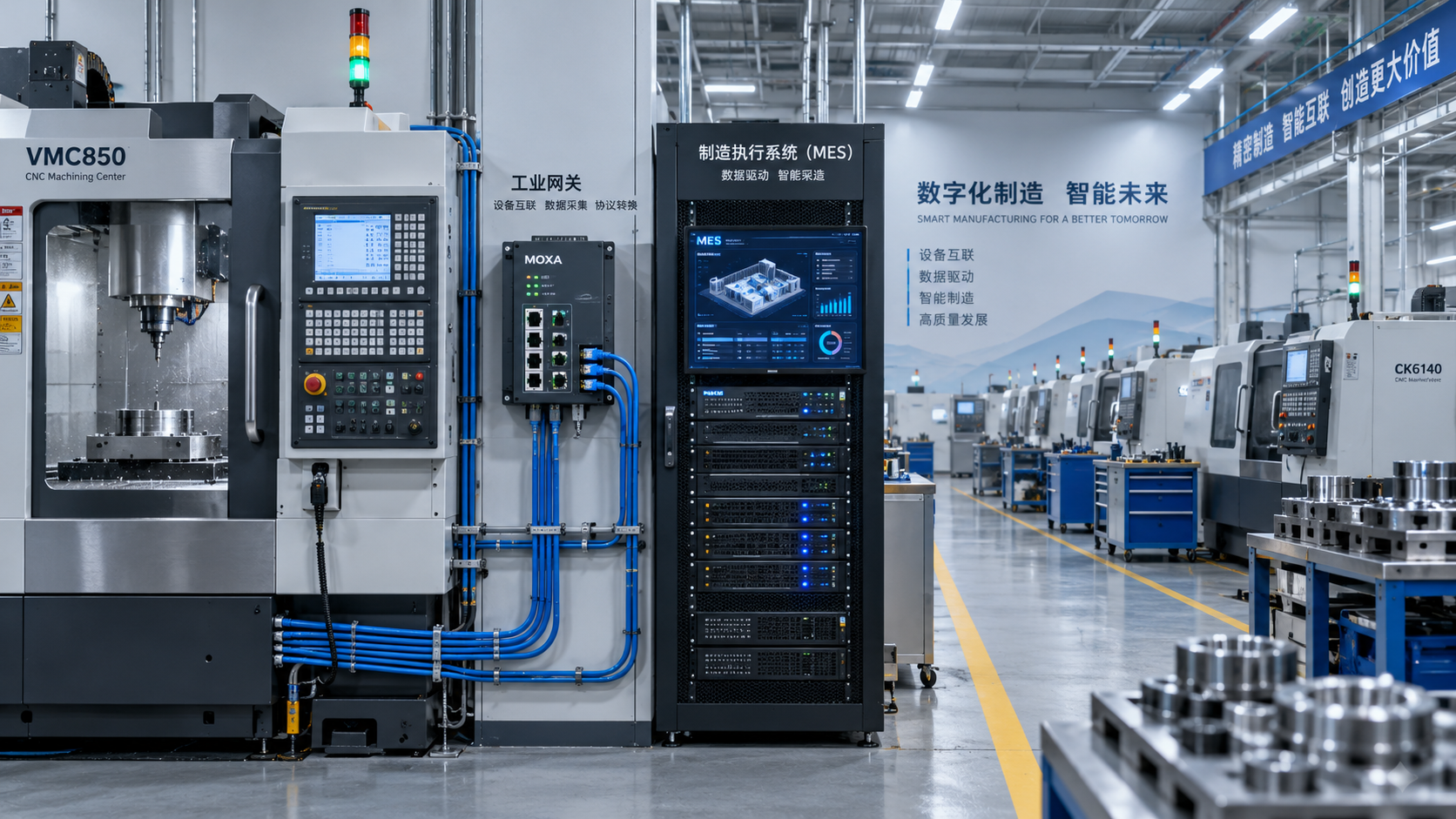
 Digital Manufacturing for Smart Factories: Connecting Legacy Machines to MESMachine Tool Industry Editorial Team
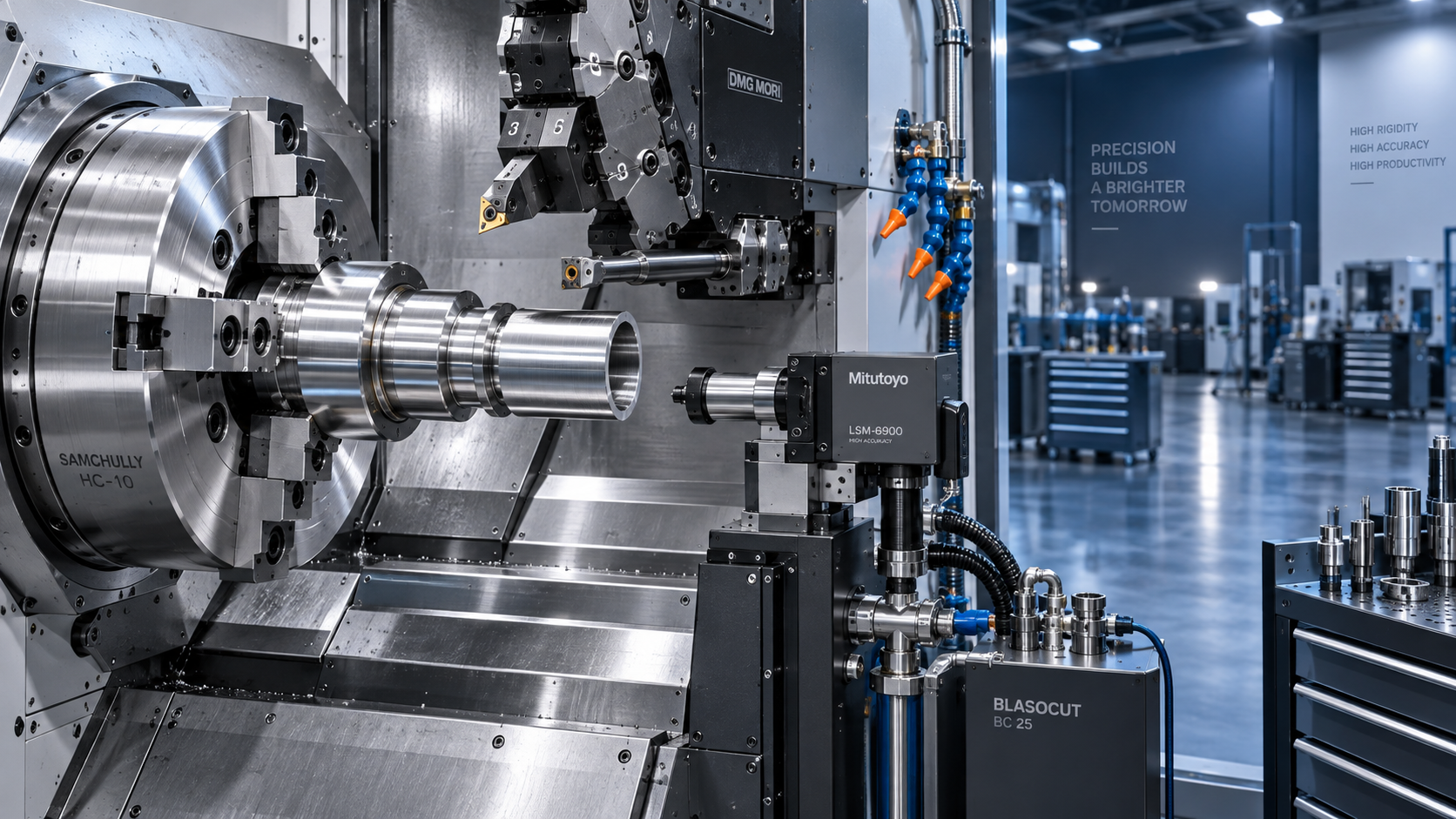
 How to Select a CNC Metal Lathe for Tight-Tolerance Shaft and Sleeve PartsCNC Machining Technology Center
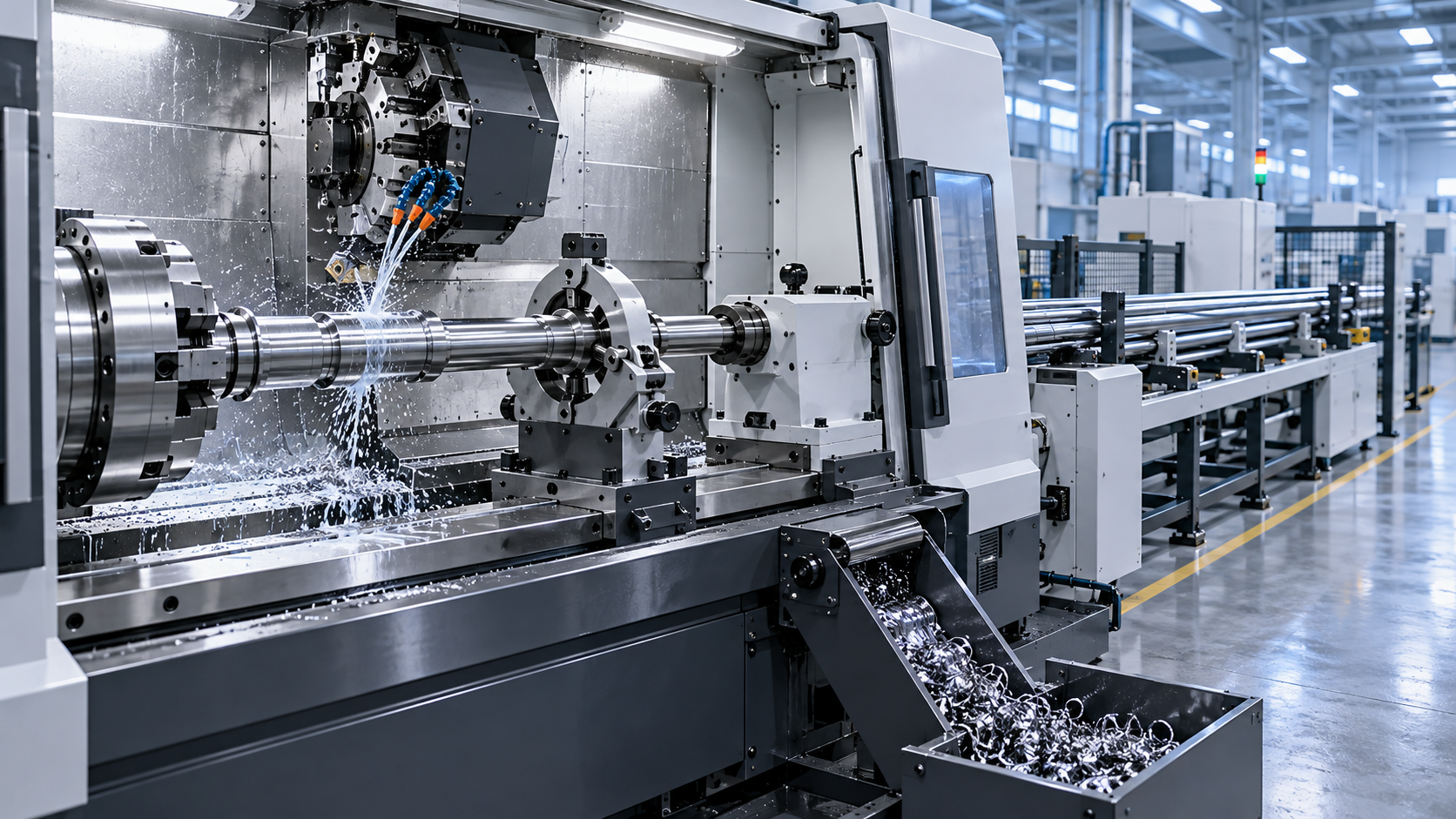
 How to Select an Industrial Lathe for High-Volume Shaft ProductionMachine Tool Industry Editorial Team
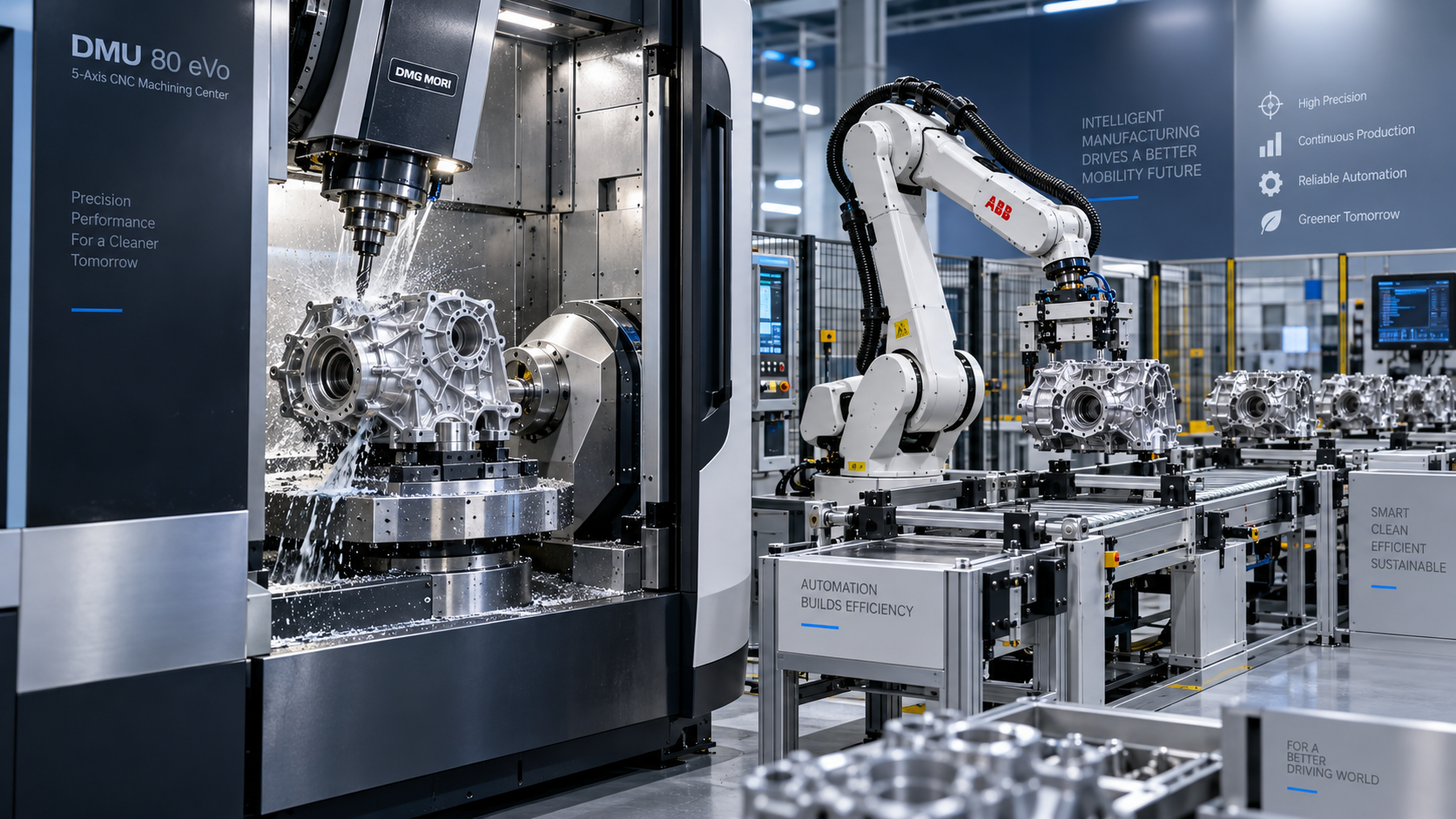
 Selecting Machine Tools for Automotive Parts: Accuracy, Throughput, and AutomationMachine Tool Industry Editorial Team
 Industrial Machining: Selecting Processes for Tight-Tolerance Metal PartsCNC Machining Technology Center
 Manufacturing Technology Trends That Improve Throughput and Quality ControlManufacturing Market Research Center


Aris Katos
Future of Carbide Coatings
15+ years in precision manufacturing systems. Specialized in high-speed milling and aerospace grade alloy processing.
▶
How to Select a Machine Tool for Aerospace Parts with Tight Tolerances?Machine Tool Industry Editorial Team▶
How to Compare Machine Tools for Small-Batch vs Mass Production JobsMachine Tool Industry Editorial Team▶
Multi-Axis Machine Tool Selection Guide: Travel, Spindle, Accuracy, and Control SystemMachine Tool Industry Editorial Team▶
How to Evaluate Precision Equipment for Tight-Tolerance Parts and Stable OutputMachine Tool Industry Editorial Team▶
KATS Tightens CNC Grinder Import Test RulesMachine Tool Industry Editorial Team
Mastering 5-Axis Workholding Strategies
Join our technical panel on Nov 15th to learn about reducing vibrations in thin-wall components.

Providing you with integrated sanding solutions
Before-sales and after-sales services
Comprehensive technical support