• Global CNC market projected to reach $128B by 2028 • New EU trade regulations for precision tooling components • Aerospace deman
NYSE: CNC +1.2%LME: STEEL -0.4%

Fireproof Cable Tray Industry Shifts to High-Performance Composites

Fireproof cable tray manufacturers in China are accelerating a structural upgrade toward organic/inorganic and metal-composite solutions — a shift with direct implications for export certification pathways of associated cable system equipment. Though the exact timing of the policy-aligned industry transition remains unspecified, its operational impact is now measurable across global supply chains, particularly for integrators delivering certified cable management systems to EU and Middle Eastern infrastructure projects.
Event Overview
According to the Comprehensive Assessment Report on Fireproof Cable Trays, released on 15 May 2026, domestic fireproof cable tray production is rapidly evolving from single-material designs toward high-performance composite architectures. Phenolic resin–based products now achieve dual certification to UL 94 V-0 and IEC 61386 at a rate 37% higher than in prior assessment cycles. This material-level advancement has concurrently driven increased demand for specialized supporting equipment — notably CNC drilling and tapping centers, and high-temperature coating application fixtures. Export-oriented cable system integrators targeting the EU and Middle East must now verify whether Chinese suppliers hold full-system fire performance test reports aligned with the required fire classification.
Impact on Key Industry Segments
Direct trading enterprises face heightened pre-shipment compliance scrutiny: their ability to clear customs and meet project acceptance criteria in regulated markets now hinges less on component-level certifications and more on traceable, integrated fire test documentation — including flame spread, smoke density, and circuit integrity under fire exposure. Delays or rejections may occur if test reports lack recognized third-party validation (e.g., by notified bodies under EU Construction Products Regulation).
Raw material procurement enterprises are experiencing tightened specification requirements: phenolic resins must now consistently meet batch-level halogen-free, low-smoke, and char-forming thresholds to support UL 94 V-0 attainment. Suppliers unable to provide material safety data sheets (MSDS) with fire-test-referenced lot numbers risk exclusion from qualified vendor lists — especially where OEMs mandate full bill-of-material traceability.
Manufacturing enterprises are adapting production workflows to accommodate tighter dimensional tolerances and thermal stability demands of composite trays. This includes recalibrating CNC toolpaths for multi-layer substrates and upgrading fixture design to prevent micro-cracking during high-temperature coating application. Capacity constraints are emerging where legacy equipment lacks programmable thermal ramp control or real-time surface temperature monitoring.
Supply chain service enterprises — particularly those offering conformity assessment support, technical documentation translation, and test report auditing — are seeing rising demand for cross-jurisdictional expertise: e.g., interpreting IEC 61386 Clause 10.3 (fire resistance testing methodology) alongside EN 50575 Annex ZA (classification procedure), while ensuring alignment with local market interpretations in Saudi Arabia or UAE.
Key Focus Areas and Recommended Actions
Verify system-level fire test report validity
Exporters must confirm that fire test reports cover not only individual tray sections but also representative assembly configurations (e.g., bends, tees, transitions with fasteners and supports), as required by IEC 61386-24 and EN 50575. Reports issued solely on straight-section samples no longer satisfy major EU infrastructure tenders.
Map material certifications to target market regulatory frameworks
Phenolic resin batches certified to UL 94 V-0 alone do not automatically satisfy IEC 61386 fire classification (e.g., Class C or D). Procurement teams should require supplier-submitted evidence linking material properties (e.g., limiting oxygen index, LOI ≥ 32%) to system-level fire class outcomes — not just pass/fail labels.
Upgrade fixture and process validation protocols
Manufacturers supplying to export markets must document thermal cycling profiles used during coating application and retain calibration records for infrared surface thermometers and oven airflow sensors. Auditors increasingly request this data during ISO 9001 surveillance visits tied to CE marking activities.
Editorial Insight / Industry Observation
Observably, this shift reflects a broader trend: fire performance is no longer treated as a static product attribute but as a dynamic, system-validated capability — one that cascades from polymer chemistry through mechanical joining methods to installation practice. Analysis shows that the 37% rise in dual-certified phenolic products correlates closely with new public procurement clauses mandating fire-resistance declarations in tender documents across Germany, Netherlands, and UAE’s Dubai Electricity and Water Authority (DEWA) projects. From an industry perspective, the upgrade is less about substituting materials and more about embedding fire engineering rigor into routine manufacturing governance.
Conclusion
This evolution marks a maturation point for China’s fireproof cable tray sector — moving beyond cost-driven volume production toward value-driven, regulation-responsive engineering capability. It does not signal a barrier to export, but rather a recalibration of competitiveness: success will be determined not by lowest price, but by demonstrable, auditable alignment between material behavior, system configuration, and internationally accepted fire test protocols.
Source Attribution
Source: Comprehensive Assessment Report on Fireproof Cable Trays, published 15 May 2026 by the China National Light Industry Council (CNLIC) — available via CNLIC Technical Publications Portal (access restricted to member enterprises). Note: Certification requirements under EU Regulation (EU) No 305/2011 (CPR) and IEC 61386-24:2022 are subject to national transposition timelines; implementation status in non-EU EEA countries (e.g., Norway, Iceland) and Gulf Cooperation Council (GCC) members remains under active review and requires continuous monitoring.
Recommended for You
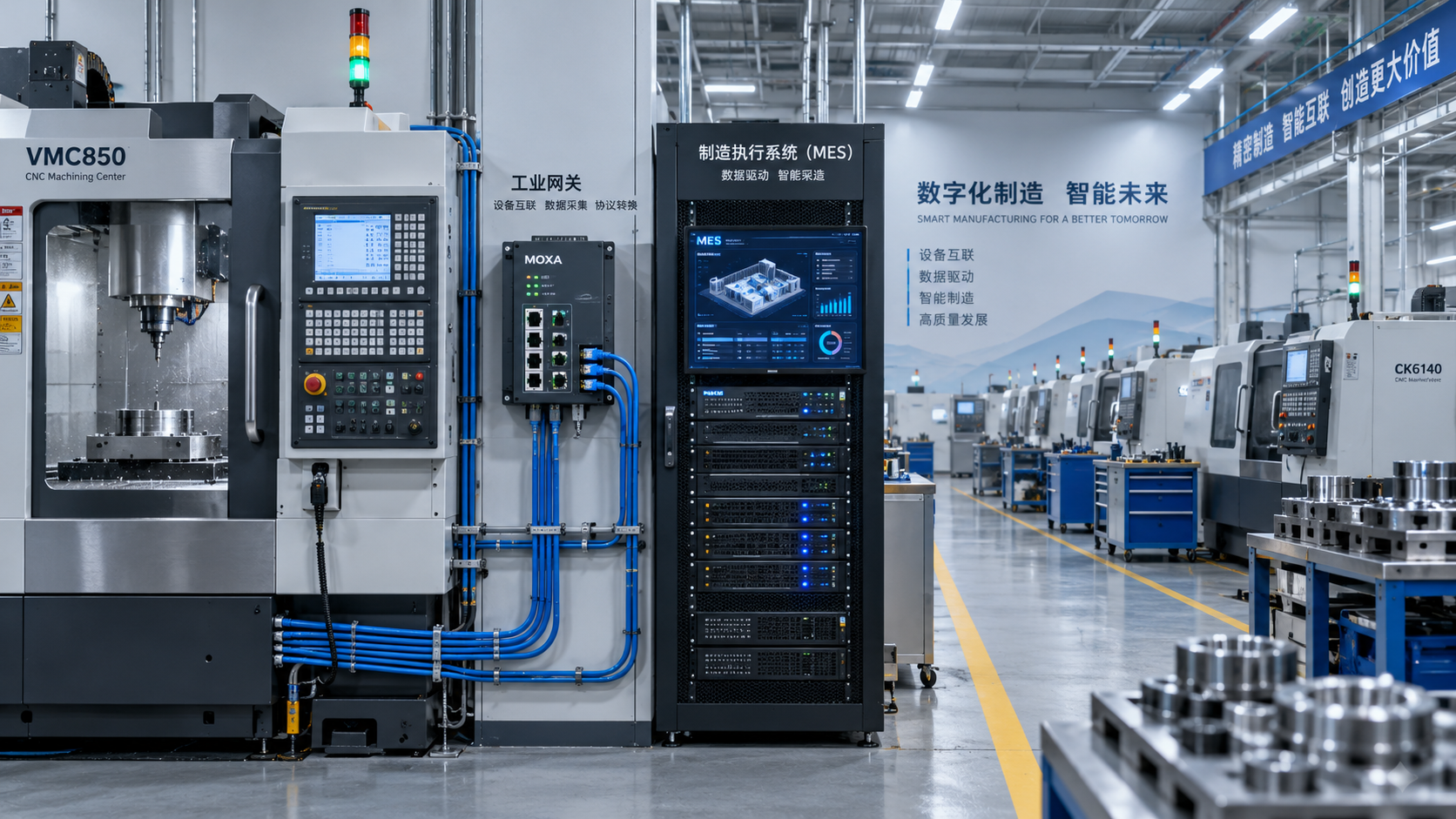
 Digital Manufacturing for Smart Factories: Connecting Legacy Machines to MESMachine Tool Industry Editorial Team
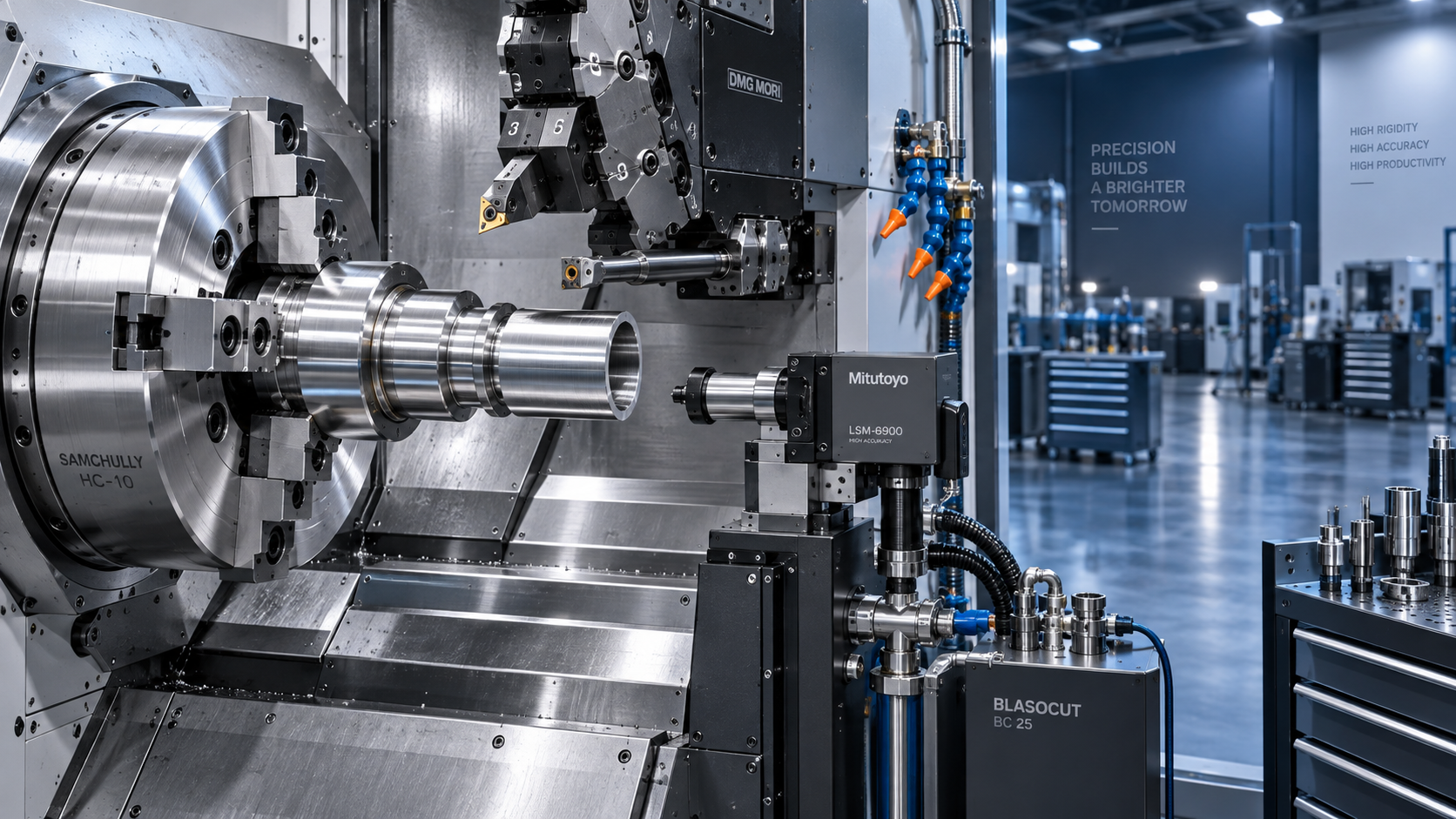
 How to Select a CNC Metal Lathe for Tight-Tolerance Shaft and Sleeve PartsCNC Machining Technology Center
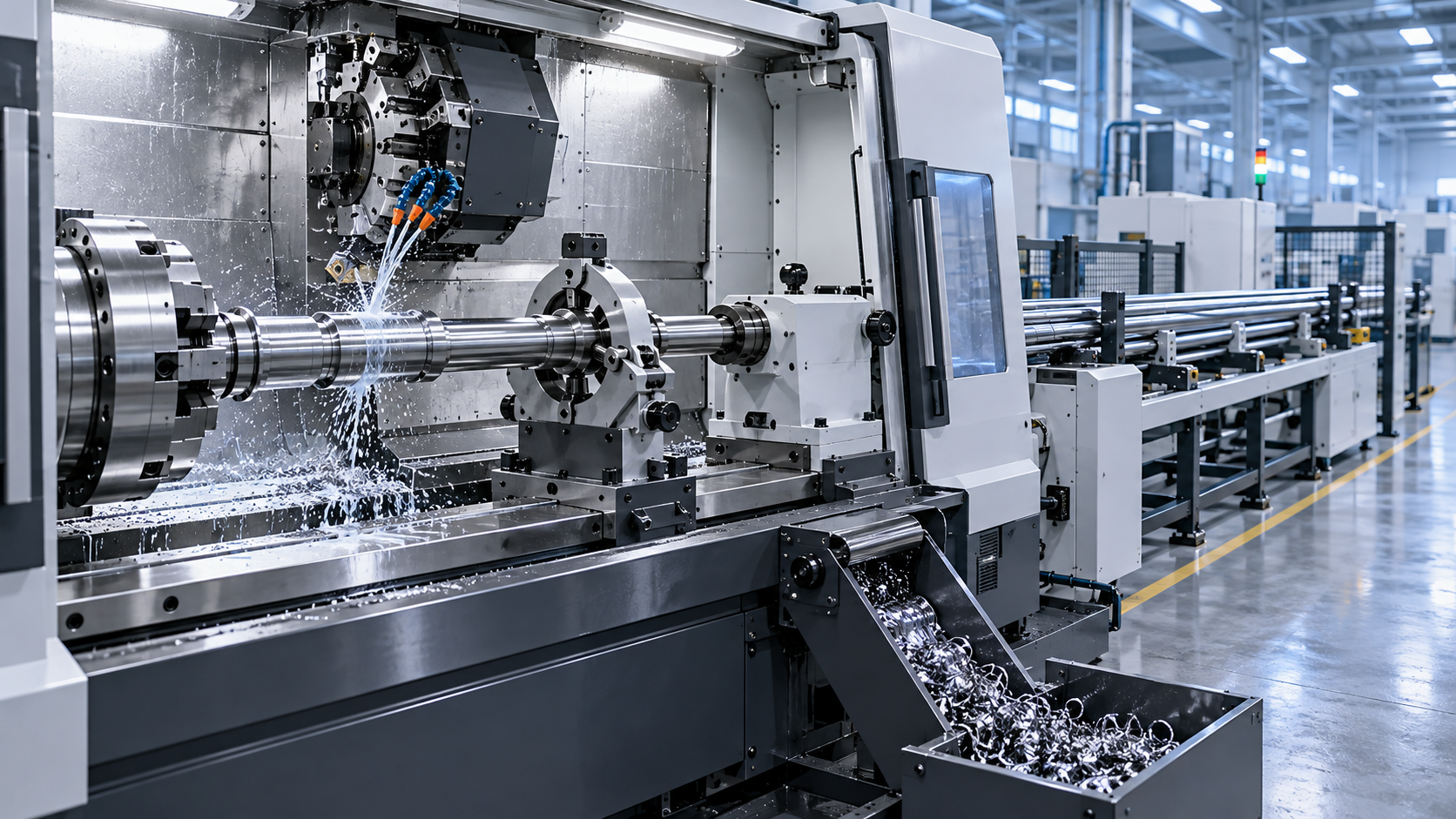
 How to Select an Industrial Lathe for High-Volume Shaft ProductionMachine Tool Industry Editorial Team
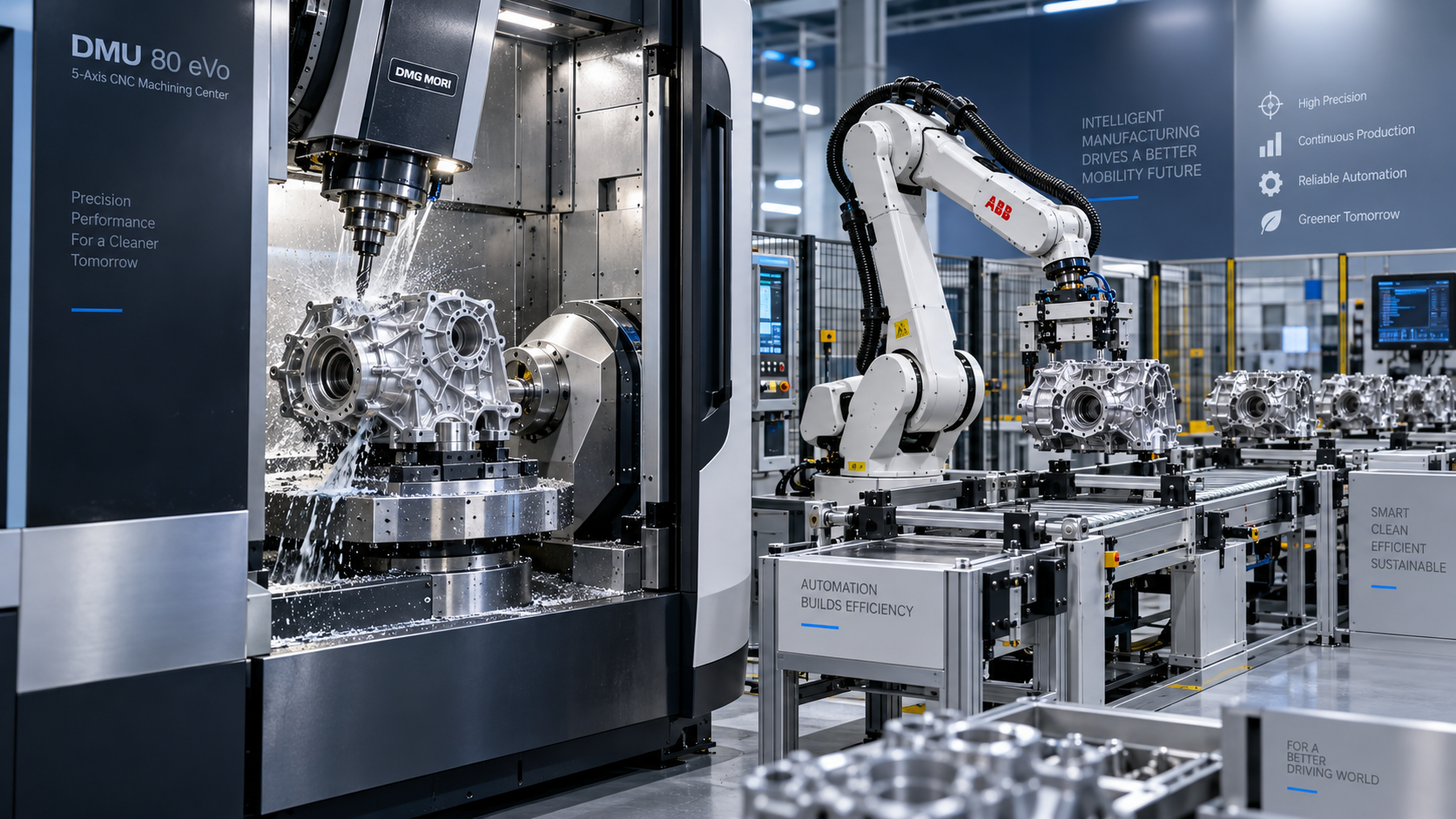
 Selecting Machine Tools for Automotive Parts: Accuracy, Throughput, and AutomationMachine Tool Industry Editorial Team
 Industrial Machining: Selecting Processes for Tight-Tolerance Metal PartsCNC Machining Technology Center
 Manufacturing Technology Trends That Improve Throughput and Quality ControlManufacturing Market Research Center


Aris Katos
Future of Carbide Coatings
15+ years in precision manufacturing systems. Specialized in high-speed milling and aerospace grade alloy processing.
▶
Machine Tool Standards by Country: What Importers Must Verify Before PurchaseManufacturing Policy Research Center▶
EU Sets CE-EMC+AI Certification Rule for CNC ExportsManufacturing Policy Research Center▶
EU Rule Update Raises CNC Safety Certification BarManufacturing Policy Research Center▶
U.S. Tightens Reviews for China CNC ExportsManufacturing Policy Research Center▶
EU Tightens CNC Export Compliance from October 2026Manufacturing Policy Research Center
Mastering 5-Axis Workholding Strategies
Join our technical panel on Nov 15th to learn about reducing vibrations in thin-wall components.

Providing you with integrated sanding solutions
Before-sales and after-sales services
Comprehensive technical support