• Global CNC market projected to reach $128B by 2028 • New EU trade regulations for precision tooling components • Aerospace deman
NYSE: CNC +1.2%LME: STEEL -0.4%

Indonesian Policy Volatility Raises Compliance Risks for Chinese Precision Manufacturers

Chinese enterprises exporting precision manufacturing equipment to Indonesia are facing mounting operational uncertainty amid repeated, unannounced adjustments to import regulations — including certification requirements, local content (LK) thresholds, and carbon footprint disclosure mandates. Though no official effective date has been published, feedback from multiple manufacturers — reported in the Industrial Information Express on 15 May 2026 — indicates that these shifts have already triggered delays, cost inflation, and planning disruptions across the export value chain.
Event Overview
According to the 15 May 2026 issue of Industrial Information Express, several Chinese manufacturing firms confirmed that Indonesian authorities have recently intensified scrutiny and revised procedural expectations for imported capital goods. Specifically, new pre-clearance review steps and dynamically updated technical standards now apply to CNC machine tools and automated assembly lines. Affected exporters report extended customs clearance timelines and increased third-party testing expenditures. Distributors operating in Indonesia are advised to coordinate with their Chinese suppliers to conduct early-stage market access readiness assessments.
Impact Across Industry Segments
Direct Exporters (Trade Enterprises): These firms bear first-order exposure, as they hold legal responsibility for customs compliance and product conformity under Indonesian law. The absence of stable reference standards means each shipment may require re-evaluation against newly issued guidance — leading to inconsistent treatment at ports, unpredictable duty classifications, and recurrent documentation revisions. Financial impact manifests as both direct cost increases (e.g., duplicate lab testing) and opportunity costs (e.g., delayed revenue recognition).
Raw Material Procurement Enterprises: While not directly handling exports, such firms face downstream pressure when upstream OEMs demand traceability data aligned with Indonesia’s emerging carbon disclosure rules. Sourcing decisions — especially for imported components or energy-intensive materials — now require forward-looking assessment of lifecycle reporting feasibility. Some procurement teams report needing to collect supplier-level emissions data earlier in the sourcing cycle, even where no contractual obligation previously existed.
Contract Manufacturing Enterprises: Firms assembling integrated systems for export must now accommodate variable LK (Local Content) requirements — which affect not only final product configuration but also bill-of-materials structuring. For example, certain configurations previously accepted under prior LK frameworks now trigger mandatory local assembly or component localization, requiring facility retooling or partner onboarding. This introduces lead-time variability and complicates production scheduling.
Supply Chain Service Providers: Logistics integrators, certification consultants, and regulatory advisory firms are observing heightened demand for Indonesia-specific pre-submission audits and bilingual technical dossier preparation. However, service delivery is hampered by limited public guidance: many new requirements lack formal implementation guidelines, transitional periods, or grandfathering clauses — forcing providers to rely on informal agency interpretations or case-by-case precedent.
Key Focus Areas and Recommended Actions
Conduct Proactive Regulatory Mapping
Companies should maintain a live tracker of all Indonesia-issued notices related to BKPM (Investment Coordinating Board), Kemenperin (Ministry of Industry), and Badan Standardisasi Nasional (BSN), cross-referencing them with EU and ASEAN harmonized standards where applicable. Prioritize mapping not just final rules but also draft proposals and stakeholder consultation documents — as these often signal near-term enforcement direction.
Embed Local Content & Carbon Data Collection into Product Development
For new equipment platforms destined for Indonesia, integrate LK eligibility analysis and carbon footprint modeling during design phase — not post-certification. This includes specifying locally sourced subassemblies, selecting low-carbon logistics partners, and building modular architecture to support future localization upgrades without full redesign.
Formalize Joint Compliance Protocols with Indonesian Distributors
Exporters and distributors should jointly define roles in managing evolving documentation (e.g., who maintains test reports, who submits declarations to BKPM). Agreements should include escalation pathways for sudden regulatory changes and shared investment in localized compliance infrastructure — such as in-country technical representation or accredited testing partnerships.
Editorial Perspective / Industry Observation
Observably, Indonesia’s regulatory volatility reflects broader tensions between industrial policy ambition and institutional capacity. The country aims to accelerate domestic value addition and green transition — yet its rulemaking process lacks transparency mechanisms common in mature export markets (e.g., advance notice periods, impact assessments, or stakeholder comment windows). Analysis shows this gap disproportionately disadvantages mid-sized Chinese exporters, who lack the in-house regulatory affairs teams of multinationals but cannot absorb ad hoc compliance shocks like smaller players. From an industry perspective, the current pattern is better understood not as isolated administrative friction, but as a structural recalibration — one demanding deeper localization beyond sales presence, extending into engineering, data governance, and joint standard-setting engagement.
Conclusion
This episode underscores that regulatory predictability — not just tariff levels or market size — is now a decisive factor in global manufacturing footprint decisions. For Chinese precision equipment firms, sustained competitiveness in Indonesia will depend less on price or performance alone, and more on the ability to co-evolve compliance capabilities with local institutions. A rational reading suggests that firms treating Indonesia as a ‘transactional’ export destination risk increasing friction; those investing in adaptive, embedded regulatory intelligence stand to gain durable advantage.
Source Attribution
Primary source: Industrial Information Express, 15 May 2026 edition.
Supporting references: Official notices from Indonesia’s Ministry of Industry (Kemenperin), Investment Coordinating Board (BKPM), and National Standardization Agency (BSN) — all subject to ongoing revision. No consolidated regulatory database or official English-language portal currently exists; updates remain dispersed across ministry websites and ministerial decrees (Peraturan Menteri). Continued monitoring of BKPM Circular No. 8/2025 (on LK verification) and BSN Draft Regulation on Product Carbon Footprint Reporting (2026, pending finalization) is advised.
Recommended for You
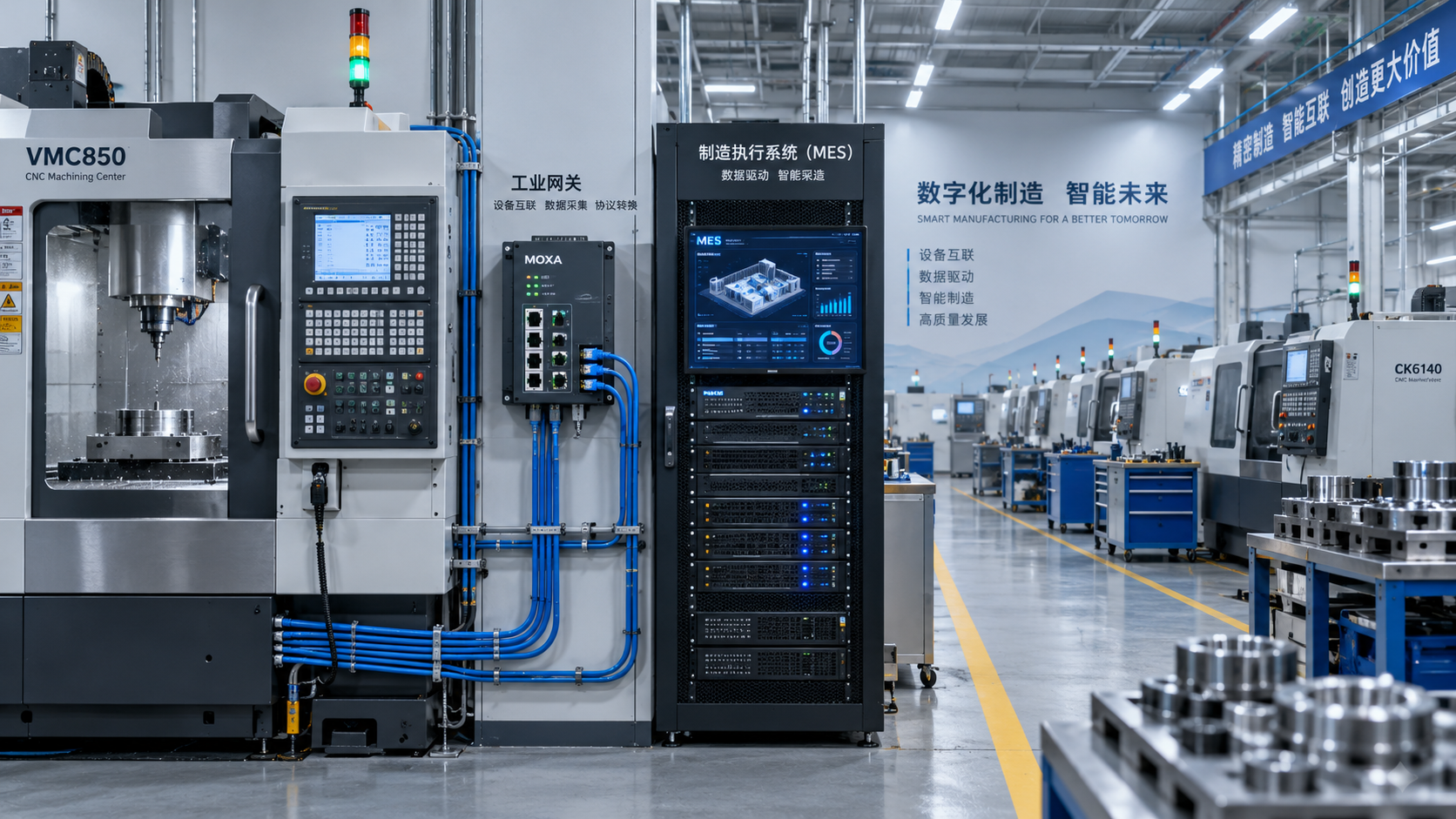
 Digital Manufacturing for Smart Factories: Connecting Legacy Machines to MESMachine Tool Industry Editorial Team
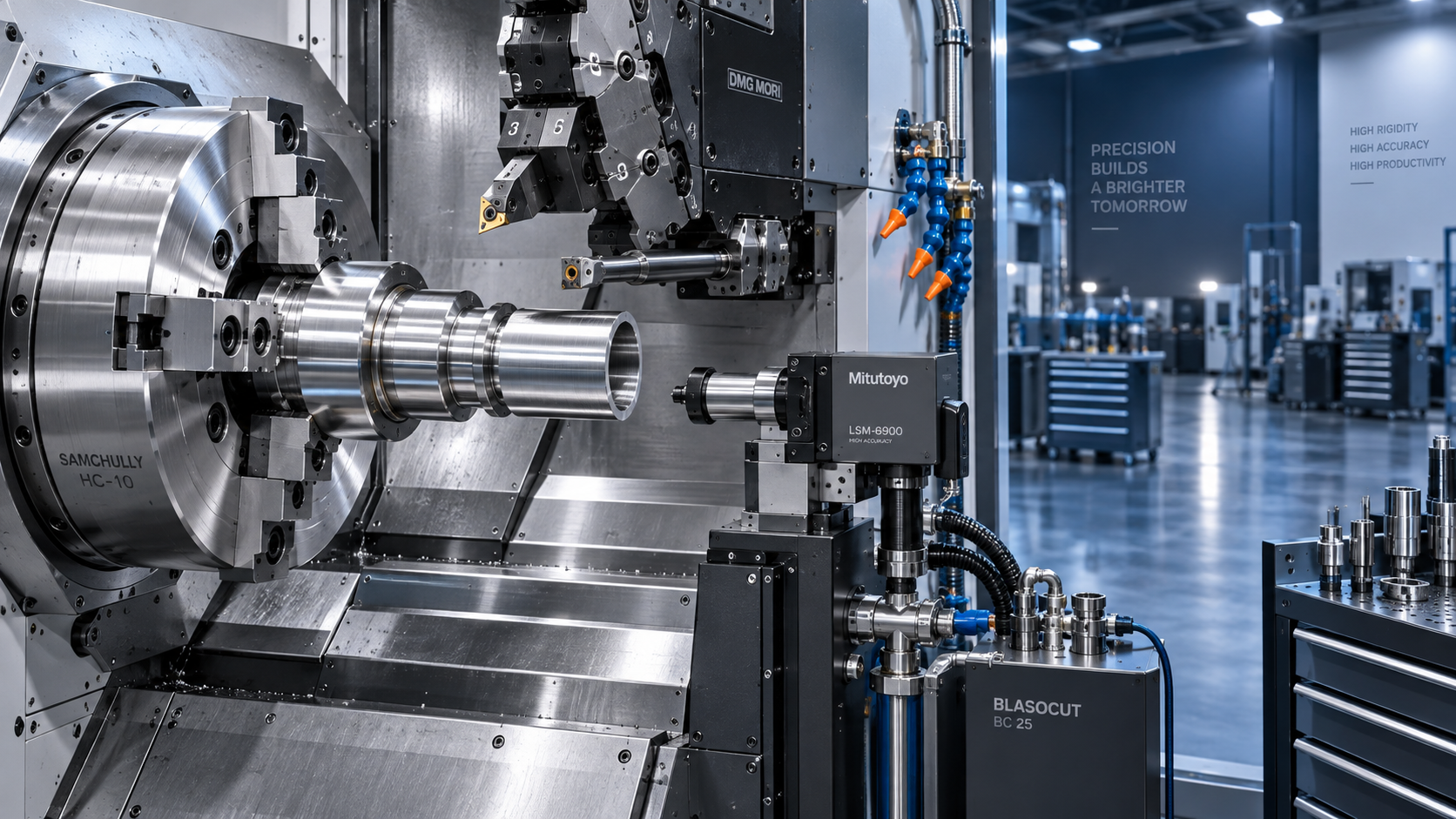
 How to Select a CNC Metal Lathe for Tight-Tolerance Shaft and Sleeve PartsCNC Machining Technology Center
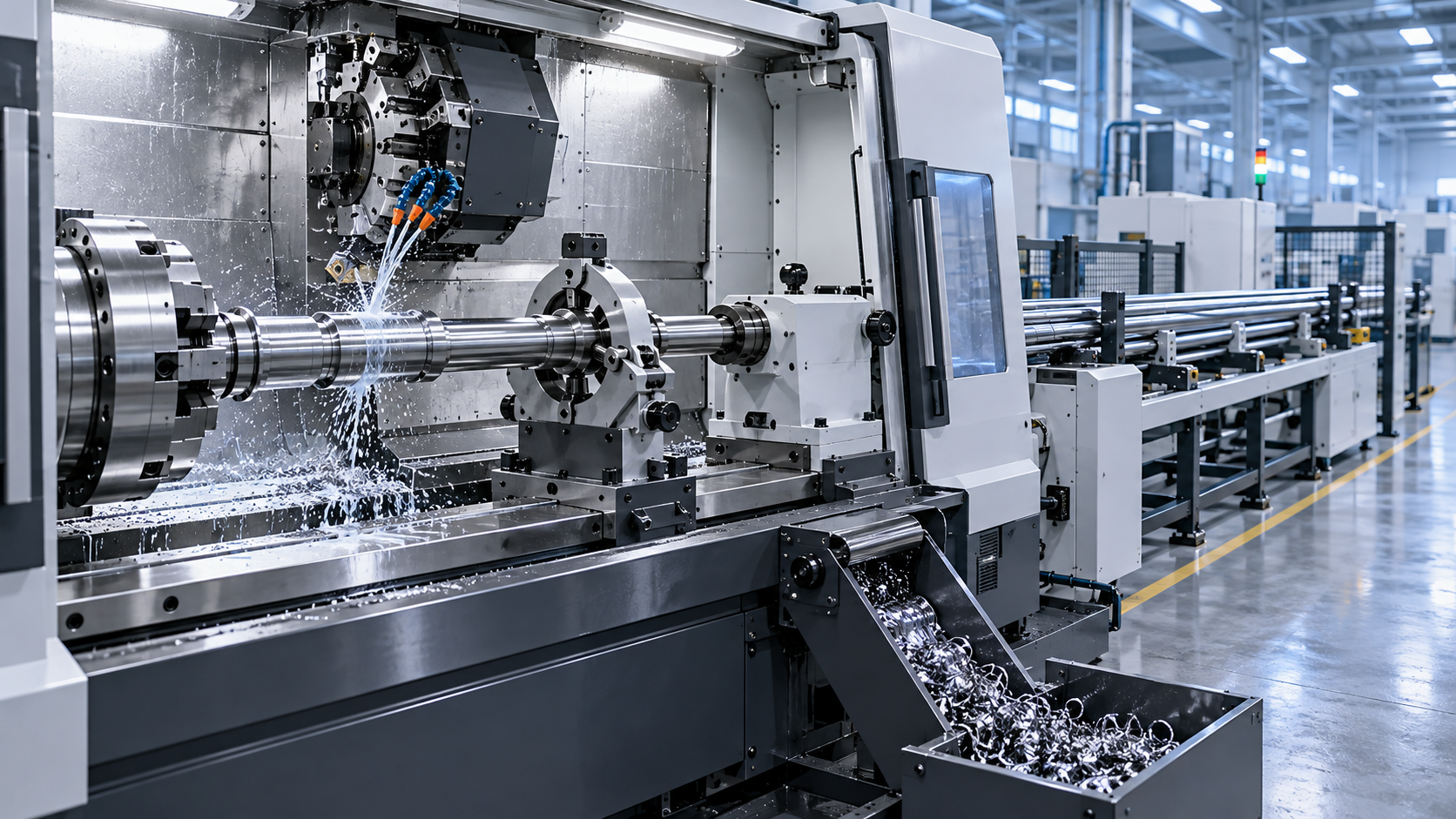
 How to Select an Industrial Lathe for High-Volume Shaft ProductionMachine Tool Industry Editorial Team
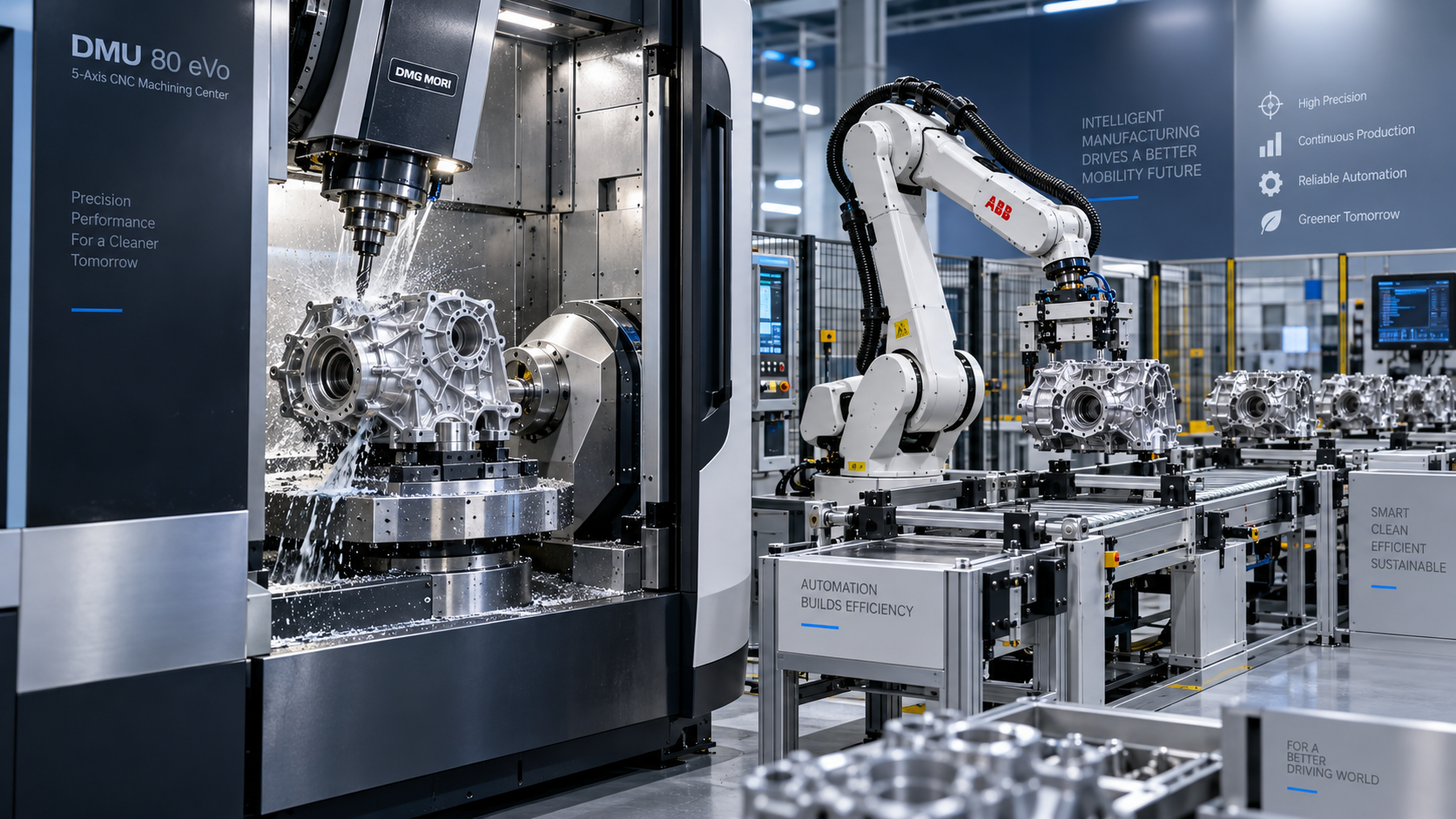
 Selecting Machine Tools for Automotive Parts: Accuracy, Throughput, and AutomationMachine Tool Industry Editorial Team
 Industrial Machining: Selecting Processes for Tight-Tolerance Metal PartsCNC Machining Technology Center
 Manufacturing Technology Trends That Improve Throughput and Quality ControlManufacturing Market Research Center


Aris Katos
Future of Carbide Coatings
15+ years in precision manufacturing systems. Specialized in high-speed milling and aerospace grade alloy processing.
▶
Machine Tool Standards by Country: What Importers Must Verify Before PurchaseManufacturing Policy Research Center▶
EU Sets CE-EMC+AI Certification Rule for CNC ExportsManufacturing Policy Research Center▶
EU Rule Update Raises CNC Safety Certification BarManufacturing Policy Research Center▶
U.S. Tightens Reviews for China CNC ExportsManufacturing Policy Research Center▶
EU Tightens CNC Export Compliance from October 2026Manufacturing Policy Research Center
Mastering 5-Axis Workholding Strategies
Join our technical panel on Nov 15th to learn about reducing vibrations in thin-wall components.

Providing you with integrated sanding solutions
Before-sales and after-sales services
Comprehensive technical support