• Global CNC market projected to reach $128B by 2028 • New EU trade regulations for precision tooling components • Aerospace deman
NYSE: CNC +1.2%LME: STEEL -0.4%

Home Service Skills Hub Launches, Boosting Robot Export Training

Editor’s Note: This article reports on a recently announced policy initiative and its anticipated implications for global trade in service robotics. All analysis is explicitly labeled as such and grounded solely in the confirmed facts provided.
Event Overview
On May 13, 2026, the Municipal Federation of Trade Unions, in collaboration with the Human Resources and Social Security Bureau and the Department of Commerce, convened a meeting to launch the construction of standardized home service skills empowerment centers. The initiative aims to establish certified training bases across key cities nationwide.
Industries Affected
Direct Exporters (B2B Service Robotics Manufacturers)
Manufacturers of intelligent cleaning robots and delivery robots—particularly those targeting B2B clients in Asia-Pacific and Latin America—are directly affected. The new centers formalize training pathways for local after-sales engineers, reducing time-to-deployment for overseas customers. Exporters holding union-recognized certification may gain preferential access for importers seeking qualified technical support partners.
Raw Material Procurement Firms
Suppliers of core components—including motor modules, battery packs, and sensor arrays—face indirect but measurable impact. As certified technician capacity grows, demand for field-repairable hardware configurations increases; this may shift procurement priorities toward modular, service-friendly component designs over cost-optimized integrated units.
Contract Manufacturing & Assembly Providers
OEM/ODM facilities producing service robots must now anticipate tighter alignment between hardware design and training curricula. For example, standardized diagnostic interfaces or embedded service-mode protocols may become de facto requirements for products intended for markets served by union-certified technicians.
Supply Chain Service Providers
Logistics firms offering ‘tech-enabled deployment’ services—including pre-commissioning setup, on-site calibration, and warranty-linked technician dispatch—stand to benefit from increased cross-border service contracts. However, their operational models will need integration with the newly standardized training framework to qualify for official recognition or referral channels.
Key Considerations and Recommended Actions
Verify Alignment with Union Certification Criteria
Exporters should proactively review the technical syllabus and competency benchmarks published by the newly launched centers. Product documentation, firmware diagnostics, and remote support tooling must conform to these standards to enable seamless technician onboarding.
Engage Local Importers Early on Certification Benefits
Importers in target markets (especially ASEAN and Andean Community countries) are increasingly prioritizing vendors with verifiable local support capacity. Suppliers should highlight union-issued training credentials—not just product specs—in commercial proposals and tender submissions.
Assess Impacts on After-Sales Cost Structure
The initiative signals a structural shift: technical capability is becoming a tradable asset, not just an internal function. Companies should model how outsourcing technician training to certified centers affects total landed cost versus maintaining proprietary field academies.
Editorial Perspective / Industry Observation
Observably, this initiative reflects a broader recalibration in China’s export support infrastructure—from product-centric promotion to ecosystem-enabled competitiveness. Analysis shows the move does not merely expand training volume; it institutionalizes interoperability expectations across hardware, software, and human capital layers. Current evidence suggests the policy is better understood as a signal of tightening technical due diligence in emerging-market procurement—not as a standalone subsidy or incentive scheme.
Conclusion
This development marks a step toward standardizing the ‘service readiness’ dimension of robotics exports. It does not guarantee market access, but it lowers one critical barrier to sustainable customer adoption abroad: predictable, locally anchored technical support. For industry stakeholders, the lasting significance lies less in immediate sales uplift and more in the long-term consolidation of service capability as a non-negotiable element of global competitiveness.
Source Attribution
Official announcement issued jointly by the Municipal Federation of Trade Unions, Municipal Human Resources and Social Security Bureau, and Municipal Department of Commerce on May 13, 2026. Further details—including regional rollout timelines, curriculum scope, and certification reciprocity frameworks—are pending official publication and remain under observation.
Recommended for You
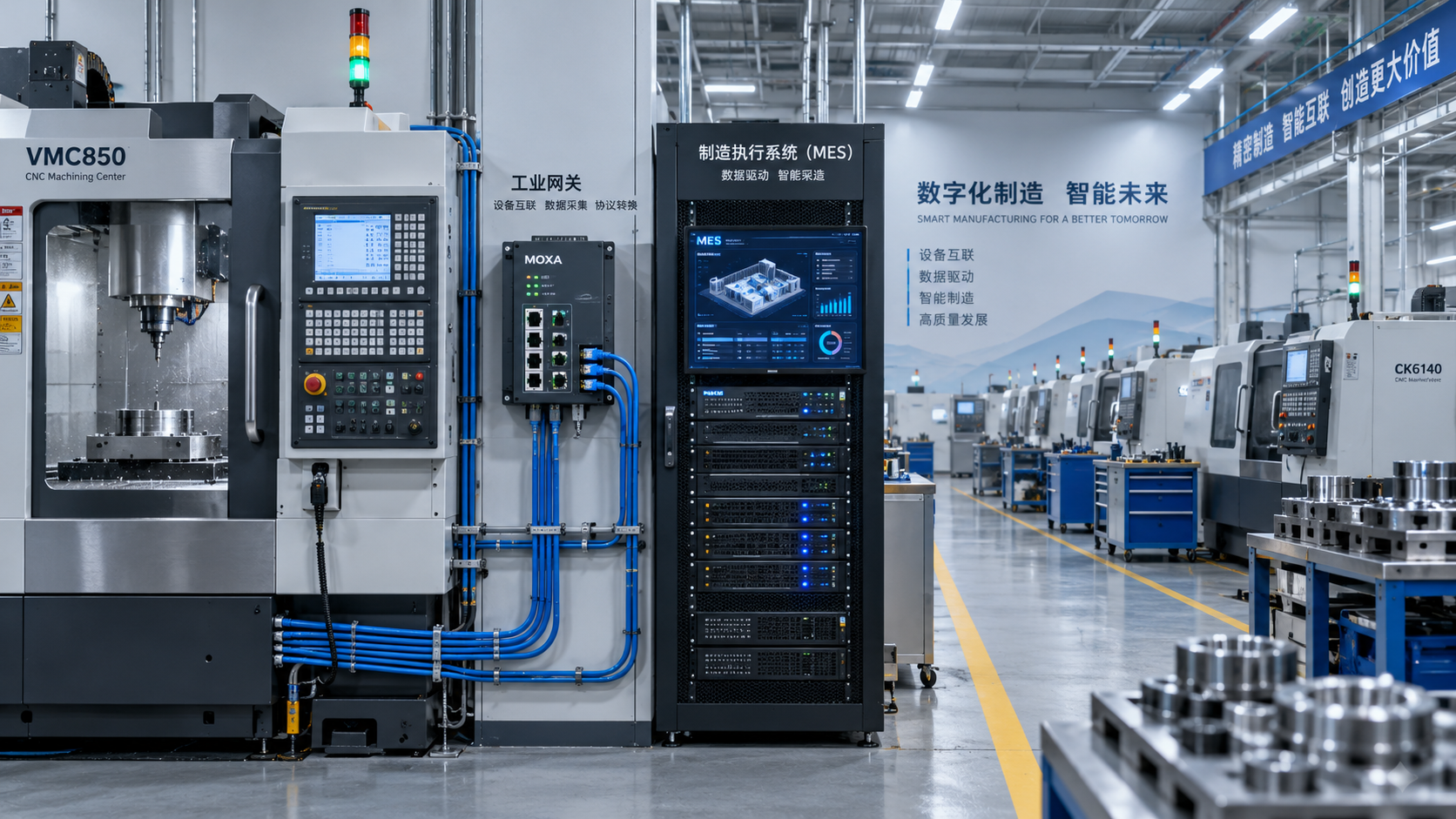
 Digital Manufacturing for Smart Factories: Connecting Legacy Machines to MESMachine Tool Industry Editorial Team
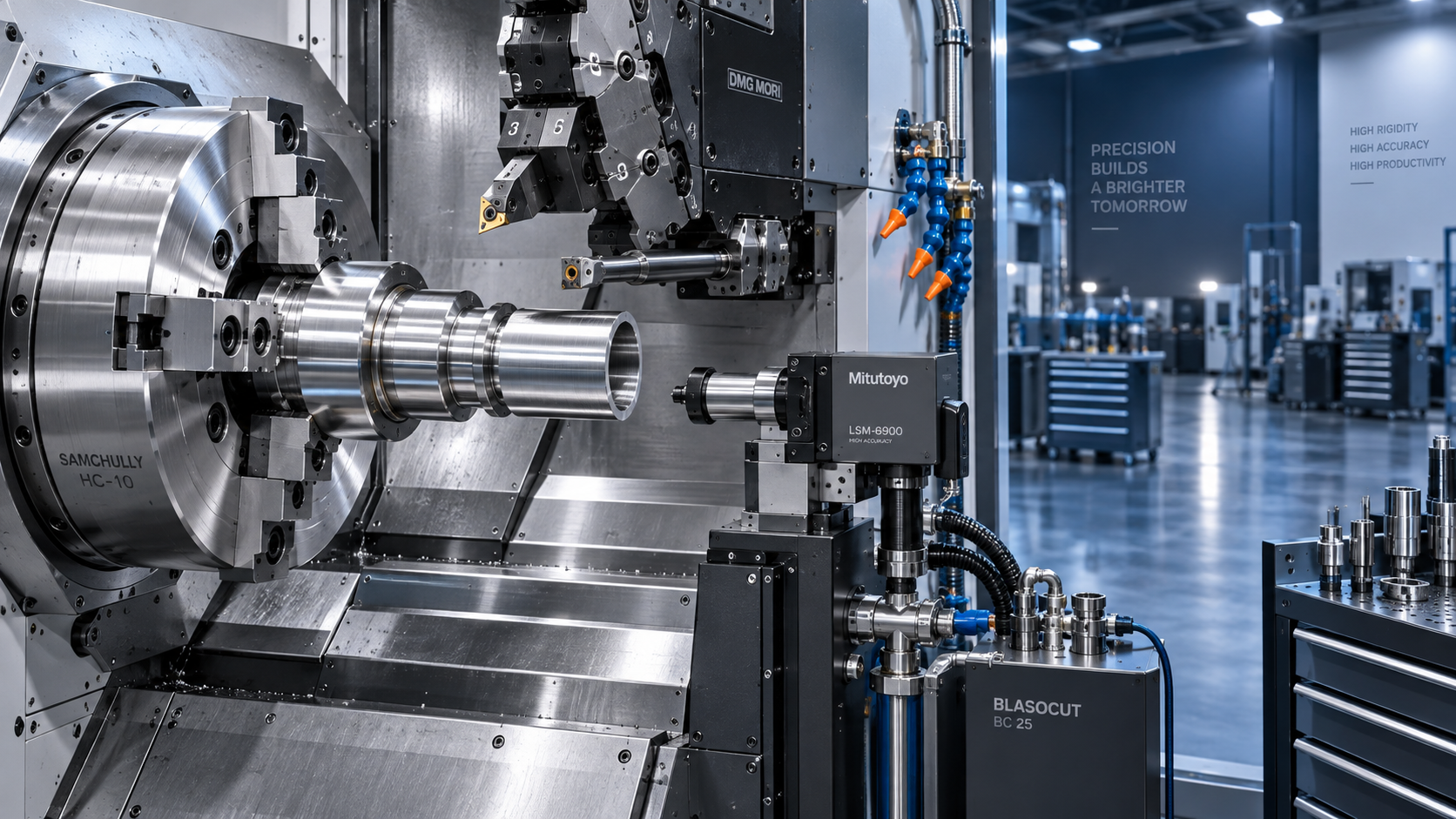
 How to Select a CNC Metal Lathe for Tight-Tolerance Shaft and Sleeve PartsCNC Machining Technology Center
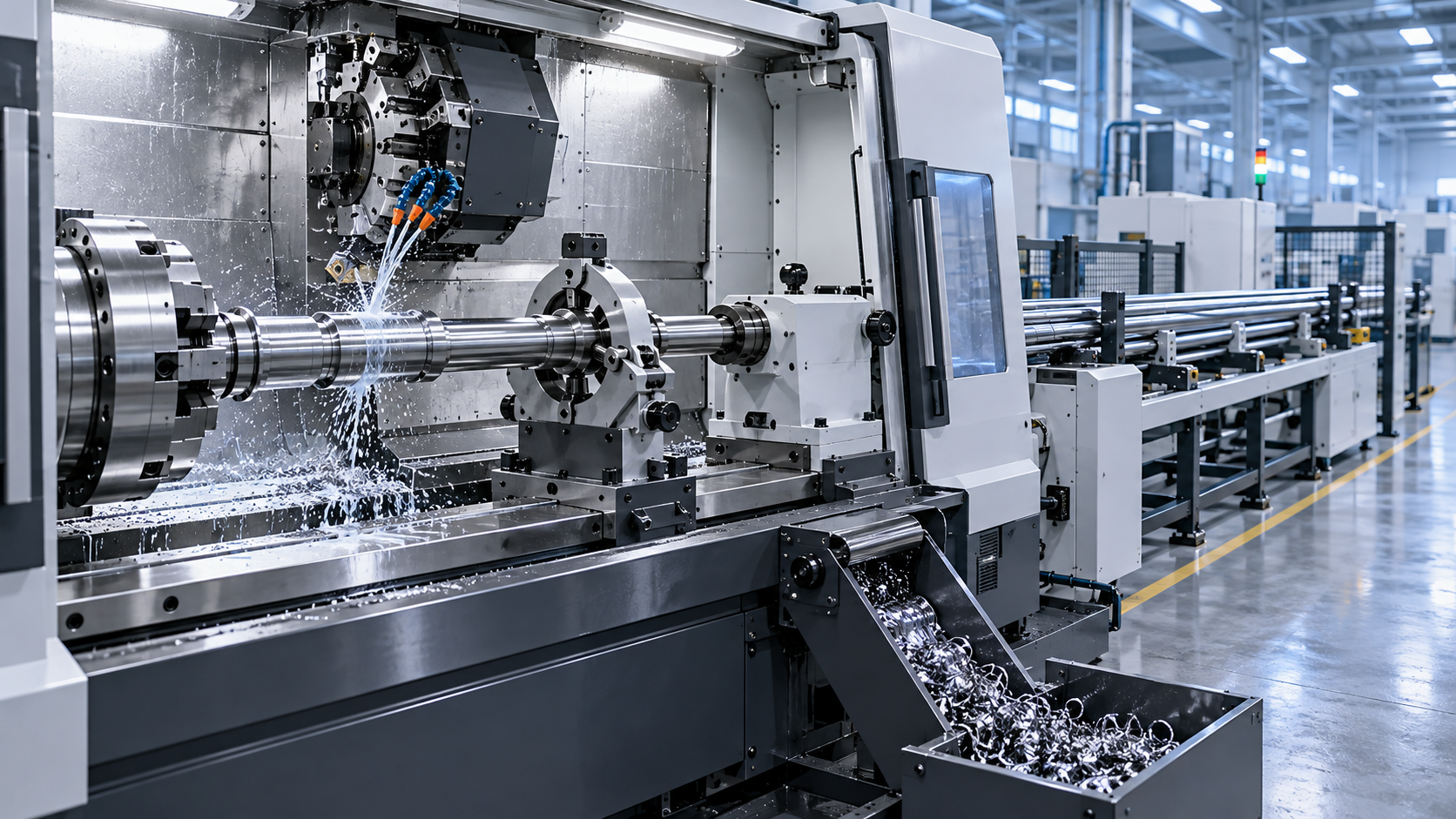
 How to Select an Industrial Lathe for High-Volume Shaft ProductionMachine Tool Industry Editorial Team
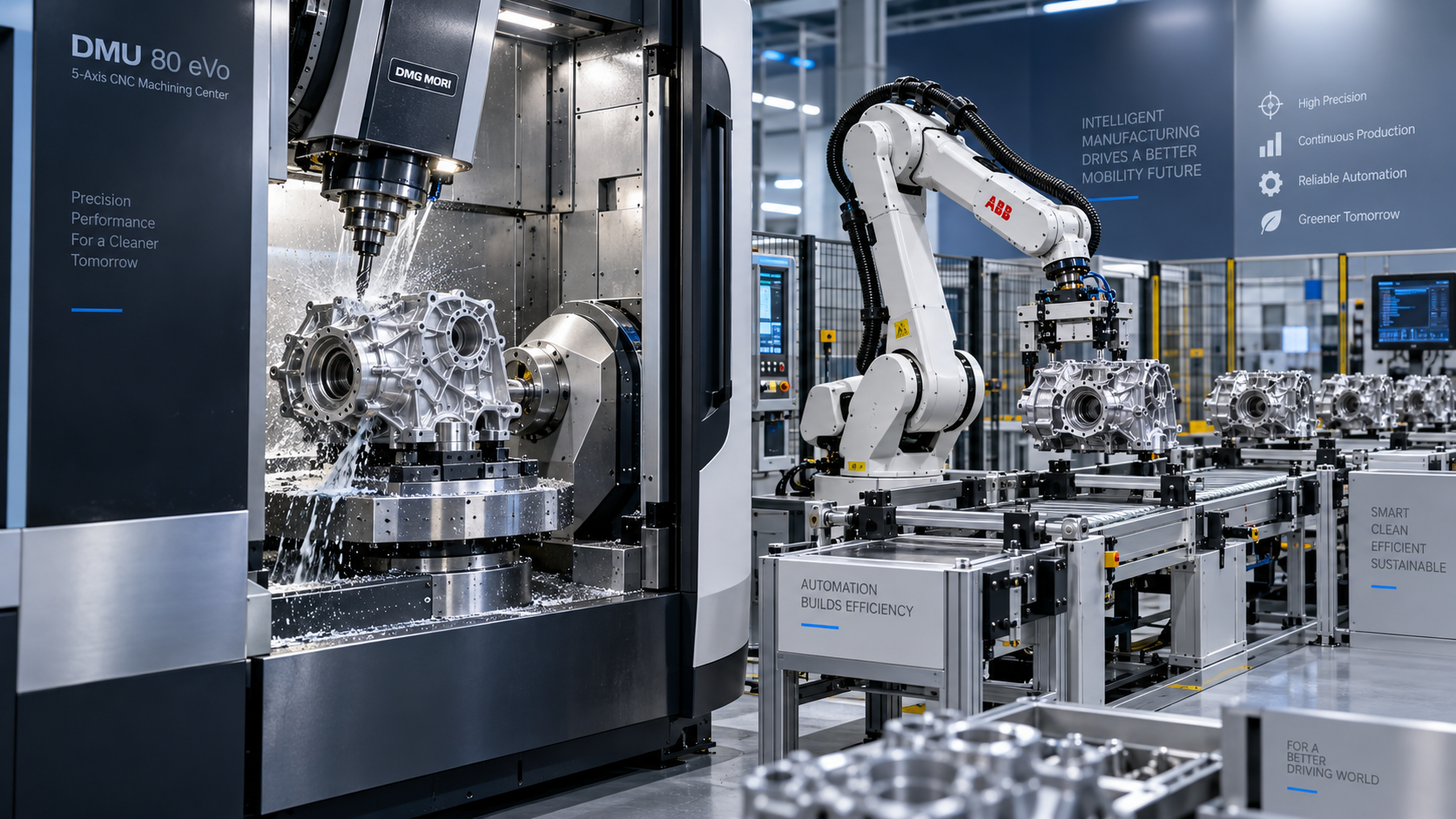
 Selecting Machine Tools for Automotive Parts: Accuracy, Throughput, and AutomationMachine Tool Industry Editorial Team
 Industrial Machining: Selecting Processes for Tight-Tolerance Metal PartsCNC Machining Technology Center
 Manufacturing Technology Trends That Improve Throughput and Quality ControlManufacturing Market Research Center

Aris Katos
Future of Carbide Coatings
15+ years in precision manufacturing systems. Specialized in high-speed milling and aerospace grade alloy processing.
▶
Is CNC Machining Hub Better Than Local Shops for Prototyping?Machine Tool Industry Editorial Team▶
German Hydraulic Parts Plant Sale Signals Local Supply ShiftMachine Tool Industry Editorial Team▶
How to Evaluate a Machine Tool Factory: 7 Checks Before Requesting a QuoteMachine Tool Industry Editorial Team▶
Shenwei CNC Dual-Spindle Transfer Machine Passes TÜV Rheinland Production-Line Integration CertificationMachine Tool Industry Editorial Team▶
Delta NC5 Series Gains TÜV SIL3 Certification, Enters BMW Production ValidationMachine Tool Industry Editorial Team
Mastering 5-Axis Workholding Strategies
Join our technical panel on Nov 15th to learn about reducing vibrations in thin-wall components.

Providing you with integrated sanding solutions
Before-sales and after-sales services
Comprehensive technical support