• Global CNC market projected to reach $128B by 2028 • New EU trade regulations for precision tooling components • Aerospace deman
NYSE: CNC +1.2%LME: STEEL -0.4%

CNC Programming mistakes that cause hidden scrap

In CNC machining, small CNC Programming errors can create hidden scrap that passes initial checks but fails later in assembly, performance, or quality audits. For operators and shop-floor users, understanding these mistakes is essential to protecting part accuracy, reducing waste, and keeping production stable. This article highlights the programming issues that silently raise costs and explains why they deserve closer attention.
Why hidden scrap from CNC Programming is more dangerous than obvious defects

Most operators notice obvious scrap quickly. A broken tool, a wrong offset, or a visible gouge usually stops attention immediately and triggers correction on the machine.
Hidden scrap is different. The part may look acceptable after machining, pass a quick visual check, and even measure within a few basic dimensions.
The problem appears later. The component may distort during secondary processing, fail to assemble, create vibration in service, or be rejected during final inspection.
When the root cause is CNC Programming, hidden scrap becomes especially costly because multiple parts may be affected before anyone realizes the process is drifting.
For shop-floor users, the key point is simple: not every programming mistake causes instant failure. Some mistakes quietly reduce process capability and part reliability.
What operators are really trying to prevent when reviewing CNC Programming
Operators usually do not care about theory alone. They want to know which programming mistakes lead to repeated adjustments, unstable dimensions, tool wear, and unexplained downstream rejects.
They also want to know whether the issue comes from the code itself, the posted toolpath, fixture assumptions, offsets, or a mismatch between program logic and real cutting conditions.
In practice, the biggest concern is repeatability. If one part is good and the next three are marginal, the machine user needs a structured way to trace the cause.
That is why strong CNC Programming is not only about geometry. It must also reflect tool behavior, machine limits, material response, setup variation, and inspection strategy.
Wrong datum or work offset logic can create scrap that looks random
One of the most common hidden problems is incorrect datum logic. The program may be built around one origin, while the actual setup references another face or feature.
This does not always cause a dramatic crash. Instead, it can shift features slightly, change hole position, or stack up error across multiple operations.
On simple parts, the shift may remain unnoticed if only a few dimensions are checked. On complex parts, the issue may appear only during mating or assembly.
Another frequent problem is assuming G54, G55, or local coordinate shifts are being called correctly when the setup sheet and the code are not fully aligned.
Operators should verify not only where zero is set, but also whether the program redefines coordinates mid-cycle, especially in multi-operation and multi-face machining.
If dimensions seem inconsistent but tool wear and machine condition look normal, offset logic should be one of the first places to investigate.
Poor tool compensation handling often causes hidden size and form errors
Tool length and cutter compensation mistakes are classic sources of scrap. However, hidden scrap often comes from subtle misuse rather than complete failure of compensation calls.
For example, a radius compensation entry move may be too short, causing the control to behave unexpectedly or forcing a compromised path near a wall or corner.
Likewise, if wear compensation is used to fix a geometry problem that actually belongs in the program, variation can spread across the batch.
Another issue appears when the posted program assumes a nominal tool size, but the actual tool edge condition changes cutting load and effective diameter during production.
Operators should pay attention when dimensions drift in one direction, especially on profiles, pockets, or bores that depend heavily on compensation stability.
A good rule is to separate geometry correction from wear correction. If wear offsets become extreme, the program or tool strategy may be wrong.
Unsafe lead-in, lead-out, and approach moves can damage surfaces without immediate rejection
Not every programming mistake affects final dimensions directly. Some affect the way the tool enters and exits the cut, leaving marks or stress that matter later.
A poor lead-in move can leave witness lines on sealing surfaces, burr formation on edges, or local overcut at corners that is missed in routine checks.
In finishing operations, approach angle and exit strategy often determine whether surface quality remains consistent across the whole part rather than only at measured points.
On thin-wall features, an aggressive first contact can push the wall, causing spring-back or temporary deflection that hides true geometry until later inspection.
When unexplained cosmetic or sealing issues appear, operators should review the actual toolpath entry and exit, not just the main contour dimensions.
Feed rate and spindle commands that ignore real cutting conditions raise hidden risk
A program may be mathematically correct and still create scrap if feed and speed values do not match the material, tool reach, holder rigidity, or machine behavior.
This often shows up as chatter, tapered walls, inconsistent bore finish, or thermal growth effects rather than obvious programming alarms or collisions.
One hidden danger is carrying proven parameters from one machine to another without adjusting for spindle condition, axis response, or fixturing stiffness.
Another is using one feed rate for roughing and semi-finishing zones where engagement changes sharply, especially in corners, deep pockets, or narrow ribs.
For operators, the lesson is that CNC Programming must reflect process reality. If cutting sounds unstable, the code may still be the source even when dimensions first appear acceptable.
Failure to account for machine dynamics can distort accuracy on complex paths
High-speed paths, tight arcs, and frequent directional changes can expose machine limits that are not obvious in the CAM system or on the setup sheet.
If acceleration, deceleration, and look-ahead behavior are ignored, the machine may round corners, hesitate, or leave inconsistent tool marks on demanding features.
This is especially important in multi-axis machining, contour work, and precision finishing where the programmed path and the executed path are not perfectly identical.
A posted code file may look correct, but servo behavior and control smoothing can influence the final part shape more than expected.
Operators should pay close attention to recurring form issues on curves, blended surfaces, and small radii. These are often linked to motion behavior, not only tool wear.
Programmer assumptions about fixturing often become operator headaches
Some hidden scrap starts before the cycle begins. The program may assume perfect clamping access, ideal stock condition, or a rigid support that the real setup does not provide.
When that happens, the operator may make small practical adjustments just to run the job. Those adjustments can quietly change part behavior during machining.
Examples include insufficient support under thin sections, clamping near a finishing surface, or using stock that varies more than the toolpath expects.
The result may be movement, distortion, or leftover material in local areas. Because the code itself appears normal, these problems are easy to misclassify.
Users should compare the original process intent with the actual setup on the machine. If the setup differs, hidden scrap risk increases even with a good program.
Missing or weak in-process checks allow CNC Programming mistakes to spread
Hidden scrap becomes expensive when the first bad part is not identified early. That often happens because inspection points are too limited or placed too late in the process.
If only final size is checked, important clues such as stock condition after roughing, feature position after indexing, or surface stability after semi-finishing may be missed.
Operators can reduce this risk by adding practical in-process checks at stages where programming assumptions are most likely to fail.
Examples include checking rough stock left on critical walls, validating first-hole position before drilling a full pattern, or confirming angular relationships after rotary positioning.
These checks do not need to be complex. They only need to detect errors before a full batch is completed with the same hidden fault.
Simulation helps, but it does not replace machine-side verification
CAM simulation and digital verification are useful, but many hidden scrap causes still live outside a clean virtual model.
Simulation may not fully reflect tool deflection, thermal effects, spindle condition, fixture compliance, chip packing, or local material inconsistency.
That is why operators should treat simulation as one layer of protection, not the final proof that the program is production-safe.
On the machine, dry runs, single-block review, safe-height confirmation, and first-piece measurement remain essential parts of CNC Programming validation.
The best shops combine offline confidence with on-machine discipline. That combination catches both coding mistakes and process mismatch before scrap multiplies.
A practical checklist operators can use to catch hidden scrap early
Before running a new or revised program, confirm the work offset strategy matches the real setup and that every tool call matches the tool list and holder condition.
Review compensation logic carefully. Check entry moves, exit moves, and any wear values that seem unusually large for the expected operation.
Compare feed and speed commands with actual material, stick-out, and rigidity. If the machine or fixture differs from the original process, do not assume old values are safe.
Watch the first part closely at transitions, corners, deep features, and thin walls. These areas often reveal hidden programming weakness before measured dimensions do.
Use in-process verification at the steps where a wrong assumption would spread the most damage. Catching one early sign can save a full production lot.
How better CNC Programming communication reduces scrap across the shop
Many hidden scrap problems continue because operators, programmers, and inspectors see only part of the picture and do not close the feedback loop quickly.
If an operator notices unusual sound, changing load, repeated burrs, or unstable finish, that information should return to programming before the issue becomes normalized.
Likewise, programmers should document critical assumptions clearly, including datum strategy, stock model, clamp-sensitive areas, and expected in-process check points.
When communication improves, CNC Programming becomes a controlled process rather than a file that is simply posted and sent to the machine.
That shift matters because hidden scrap rarely comes from one mistake alone. It usually comes from a small coding issue combined with weak verification and incomplete feedback.
Conclusion
Hidden scrap caused by CNC Programming is dangerous because it often escapes early detection while quietly reducing quality, stability, and profitability.
For operators and machine users, the most valuable response is not guesswork but structured attention to offsets, compensation, toolpath transitions, cutting conditions, machine dynamics, and setup assumptions.
When these areas are checked carefully, many costly downstream failures can be prevented before they affect assembly, audits, or customer performance.
Good CNC Programming is not only about making the machine move. It is about making every part repeatable, inspectable, and reliable in real production conditions.
PREVIOUS ARTICLE
Recommended for You
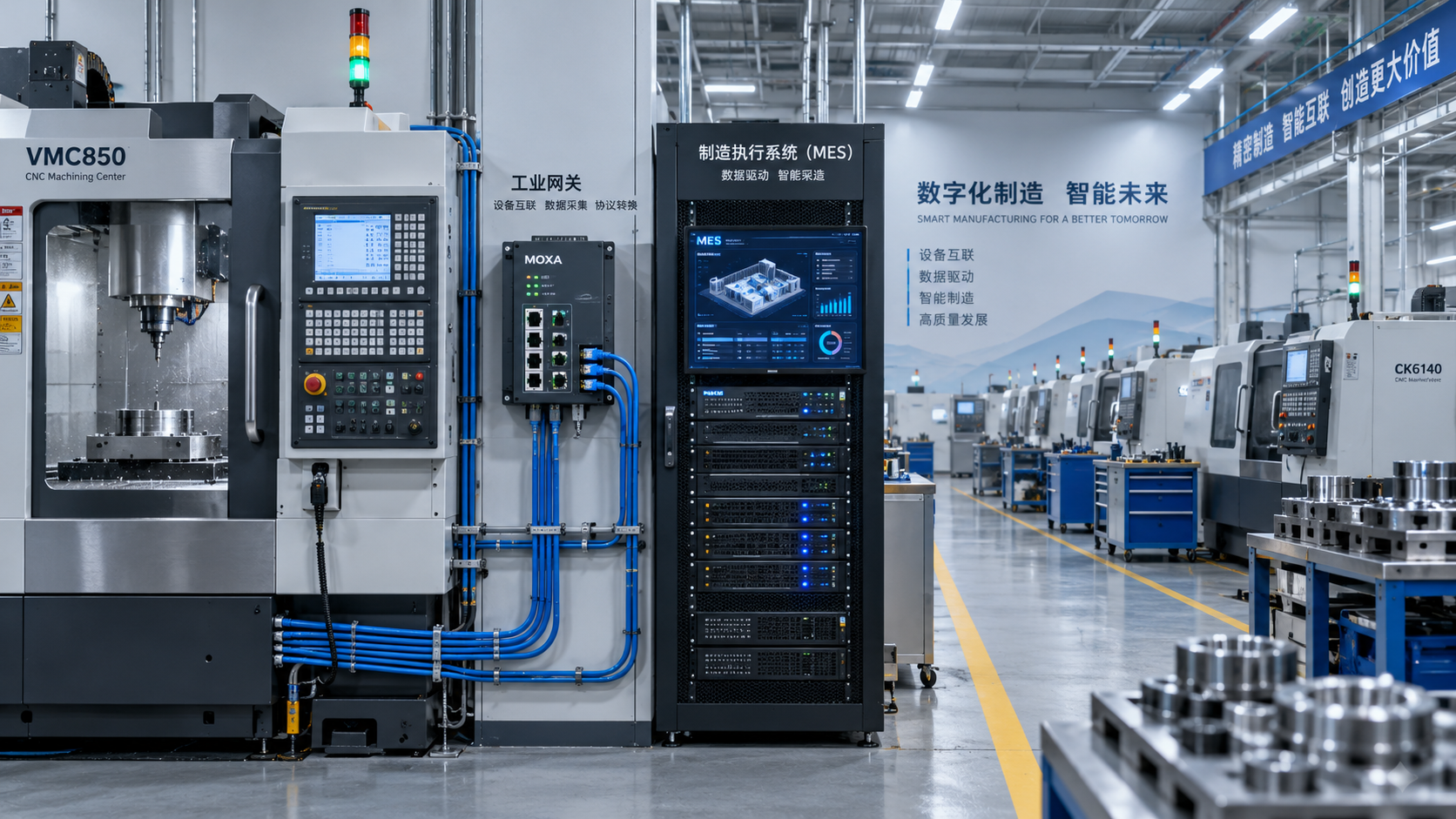
 Digital Manufacturing for Smart Factories: Connecting Legacy Machines to MESMachine Tool Industry Editorial Team
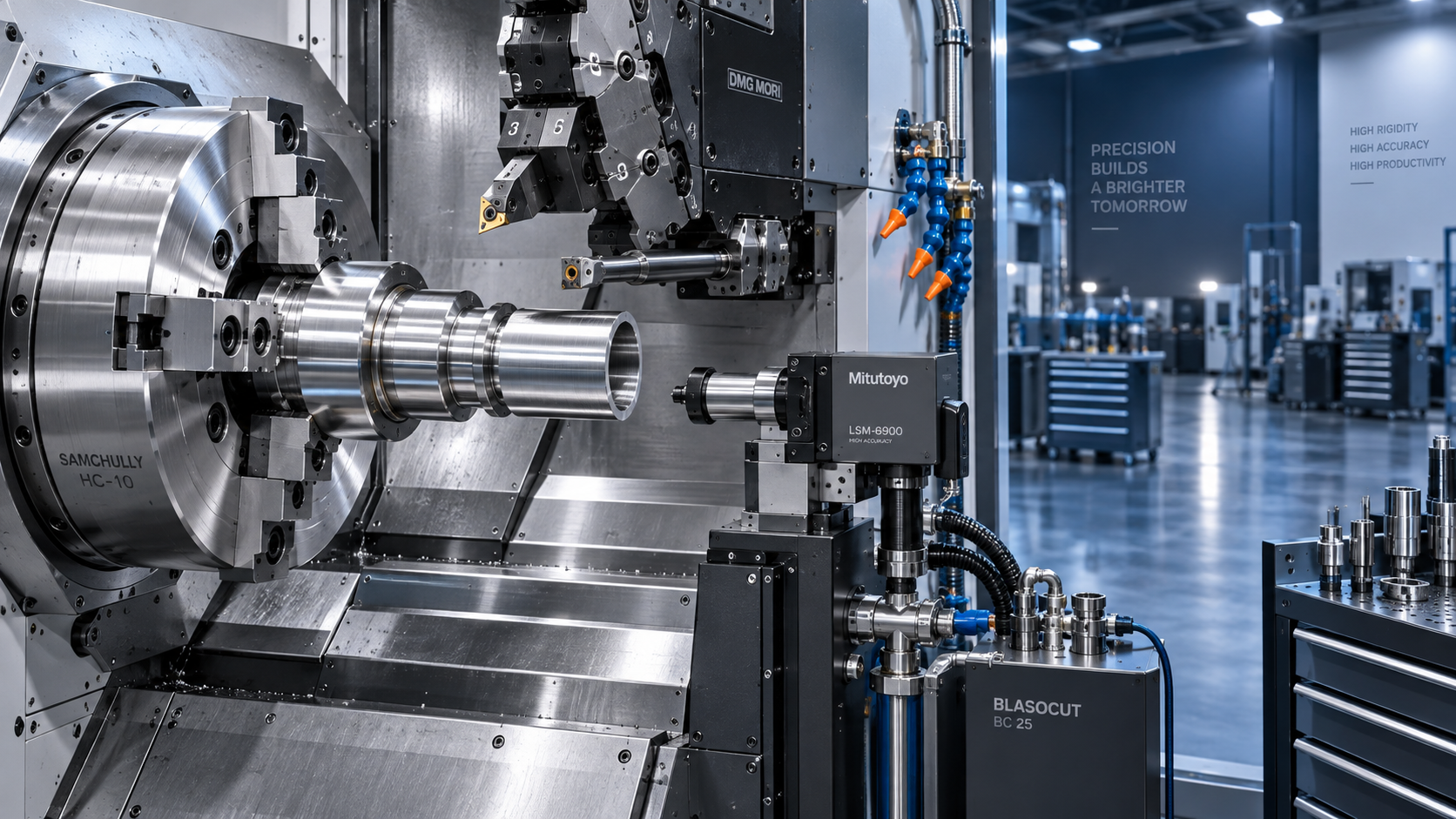
 How to Select a CNC Metal Lathe for Tight-Tolerance Shaft and Sleeve PartsCNC Machining Technology Center
 How to Select an Industrial Lathe for High-Volume Shaft ProductionMachine Tool Industry Editorial Team
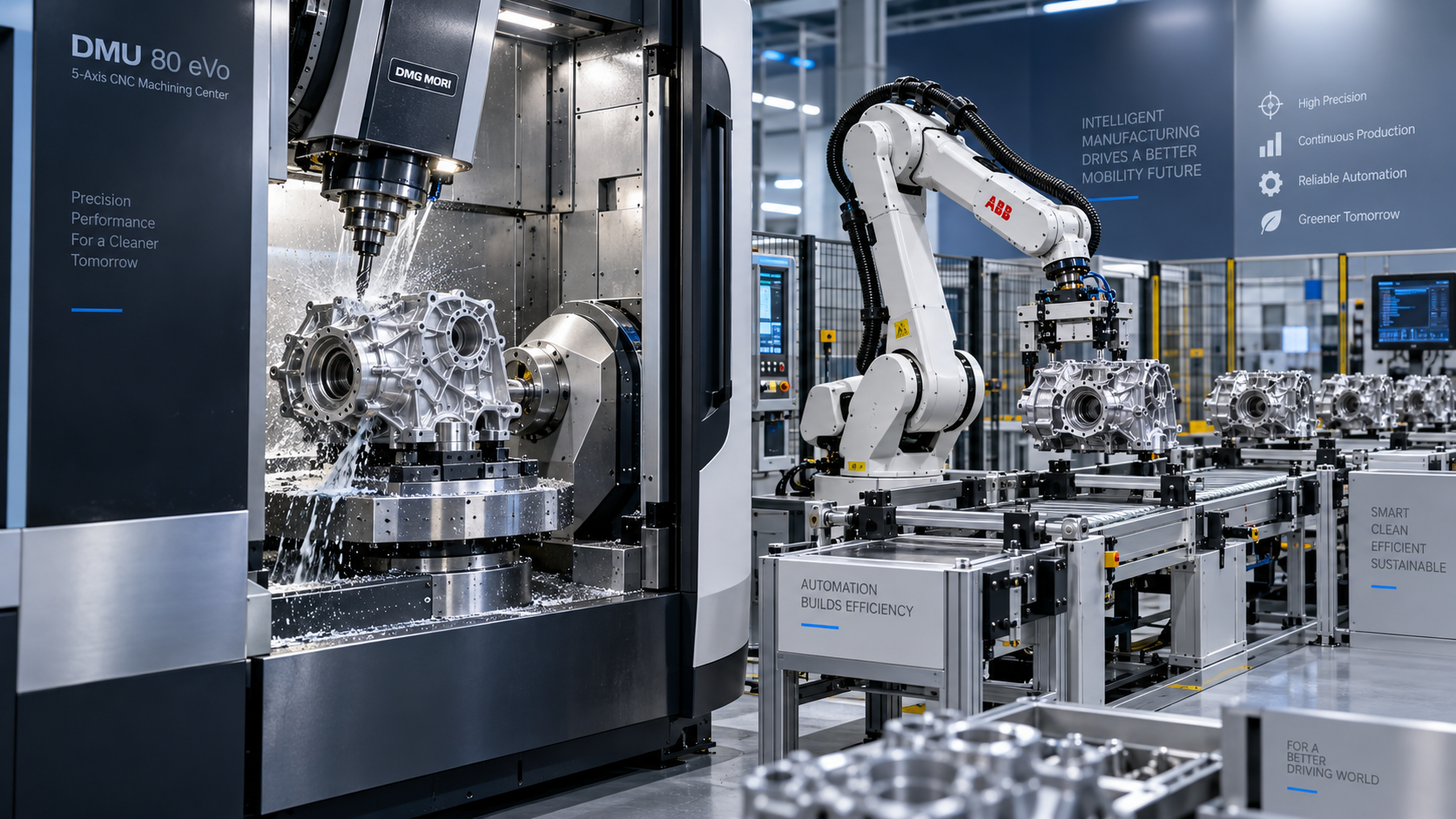
 Selecting Machine Tools for Automotive Parts: Accuracy, Throughput, and AutomationMachine Tool Industry Editorial Team
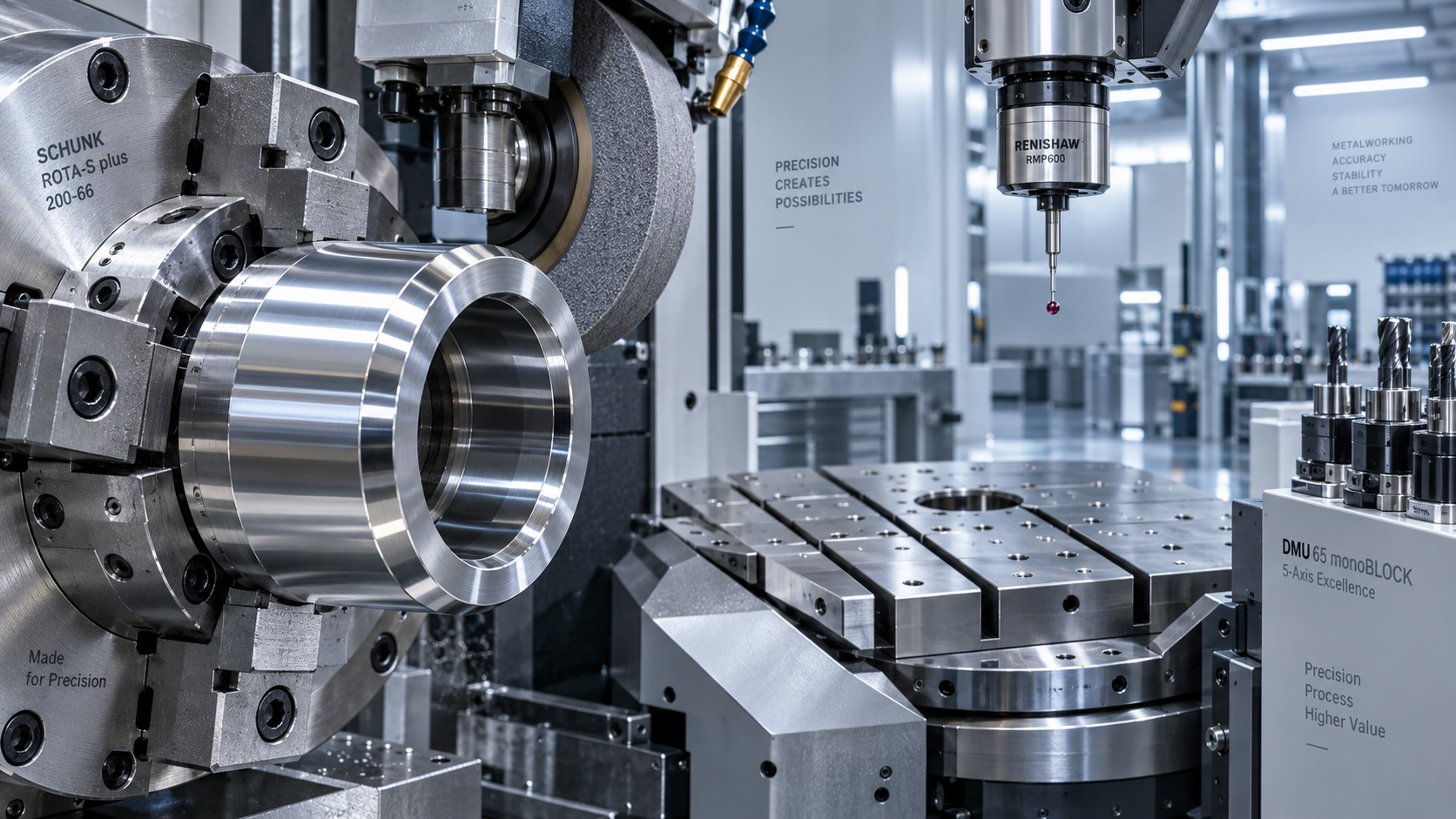
 Industrial Machining: Selecting Processes for Tight-Tolerance Metal PartsCNC Machining Technology Center
 Manufacturing Technology Trends That Improve Throughput and Quality ControlManufacturing Market Research Center



Aris Katos
Future of Carbide Coatings
15+ years in precision manufacturing systems. Specialized in high-speed milling and aerospace grade alloy processing.
▶
Is Learning CNC Programming Worth It for Shop Owners Seeking Higher Margins?CNC Machining Technology Center▶
How to Select CNC Equipment for High-Mix, Low-Volume ProductionCNC Machining Technology Center▶
Can CNC Machining Inconel Control Tool Wear in High-Temperature Aerospace Parts?CNC Machining Technology Center▶
How Automated Precision Machining Maintains Tolerance in High-Mix ProductionCNC Machining Technology Center▶
CNC Programming Explained: From CAD Models to Reliable Shop-Floor ToolpathsCNC Machining Technology Center
Mastering 5-Axis Workholding Strategies
Join our technical panel on Nov 15th to learn about reducing vibrations in thin-wall components.

Providing you with integrated sanding solutions
Before-sales and after-sales services
Comprehensive technical support