• Global CNC market projected to reach $128B by 2028 • New EU trade regulations for precision tooling components • Aerospace deman
NYSE: CNC +1.2%LME: STEEL -0.4%

Is Industrial Automation worth the upfront cost
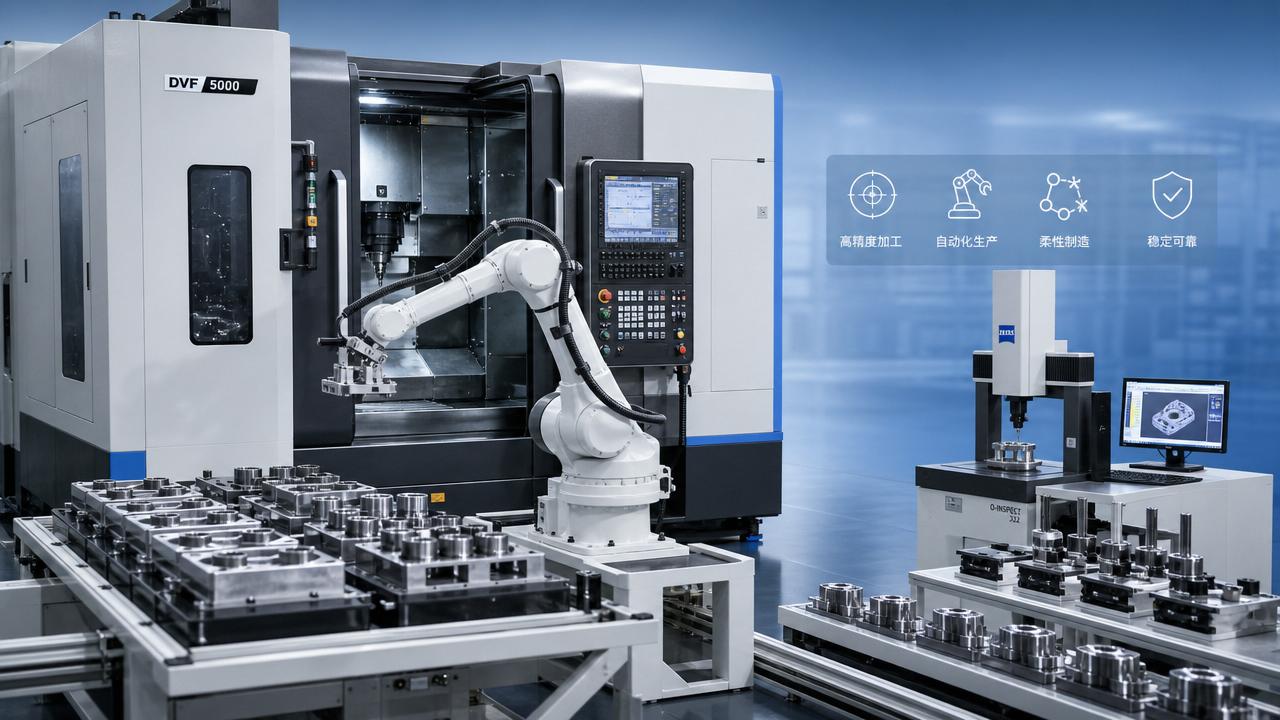
Is Industrial Automation worth the upfront cost? For financial decision-makers in manufacturing, the short answer is yes in many cases, but not for every process. In CNC machining and precision production, automation creates value when it removes chronic labor bottlenecks, raises machine utilization, reduces scrap, and improves delivery reliability.
The real question is not whether Industrial Automation is good in theory. It is whether a specific automation project will produce a measurable return within an acceptable payback period, while also lowering operational risk. For financial approvers, the decision should rest on throughput, labor economics, quality impact, and long-term competitiveness.
What financial approvers really need to know before funding Industrial Automation
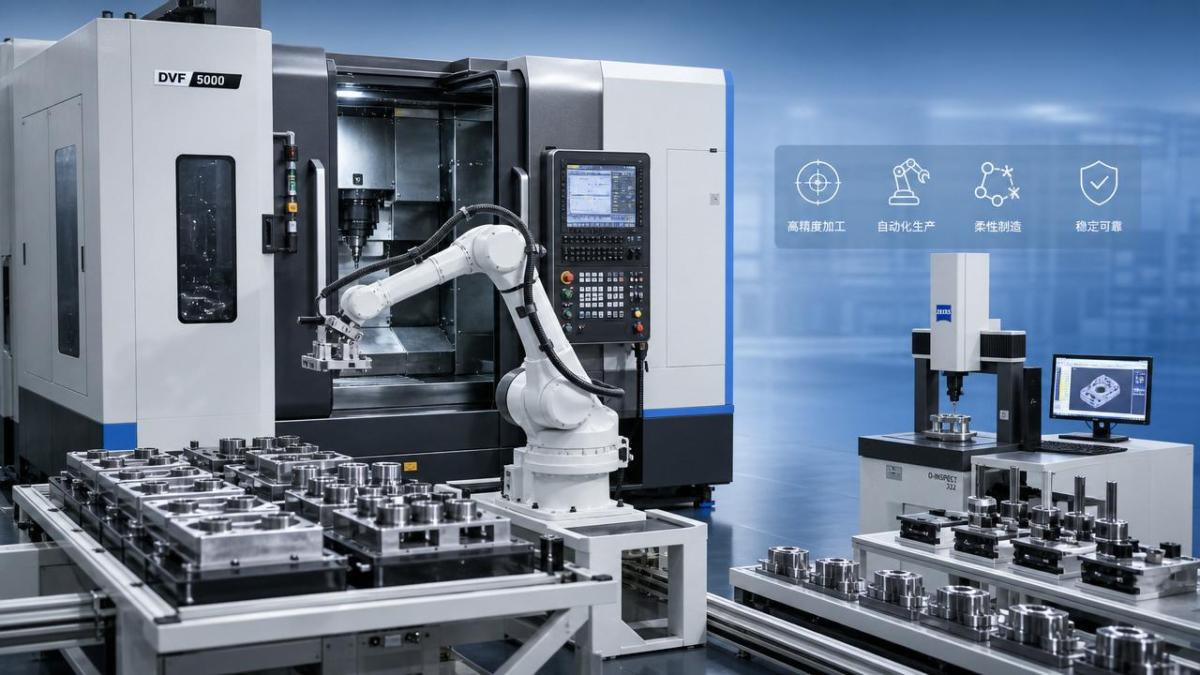
When someone searches “Is Industrial Automation worth the upfront cost,” they are usually not looking for a definition. They want to know whether the capital expense will pay back fast enough to justify approval.
For finance leaders in manufacturing, the core concern is simple: will this investment improve profit, cash flow, and resilience more effectively than alternative uses of capital? That includes comparing automation against adding labor, outsourcing production, buying another machine, or delaying expansion.
In CNC machining and precision manufacturing, the answer often depends on where the bottleneck is. If output is constrained by operator availability, unstable quality, excessive setup time, or poor machine uptime, automation may generate a strong return.
If the process already runs efficiently, labor cost is low, product mix changes constantly, or demand is uncertain, the return may be slower. The value of Industrial Automation is highest when it solves a clearly measured business problem rather than when it is adopted simply because competitors are doing it.
Where Industrial Automation usually pays back fastest in CNC and precision manufacturing
Not all automation projects deliver equal value. Financial decision-makers should prioritize applications where process economics are already well understood and the current pain points are visible in production data.
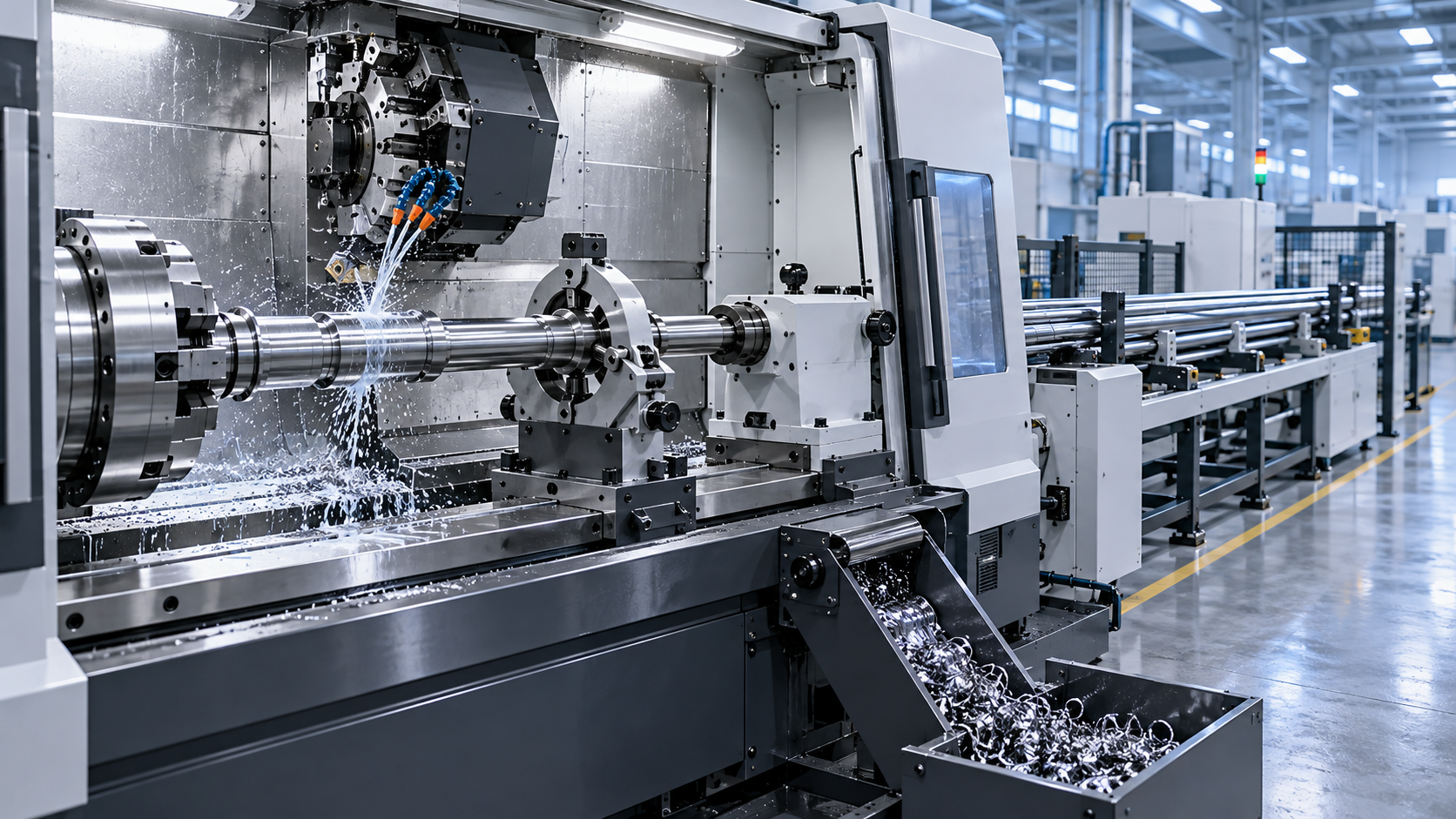
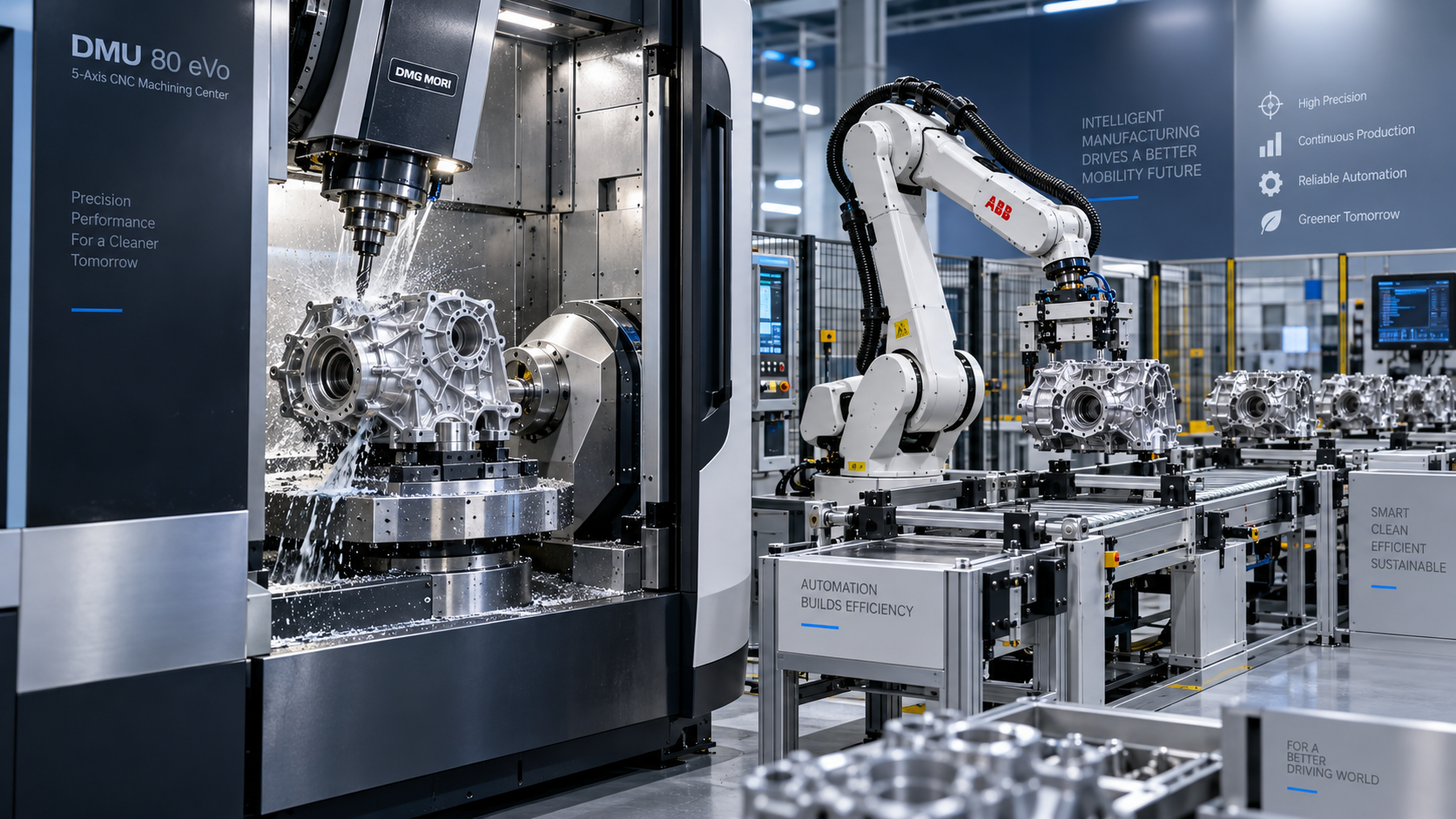
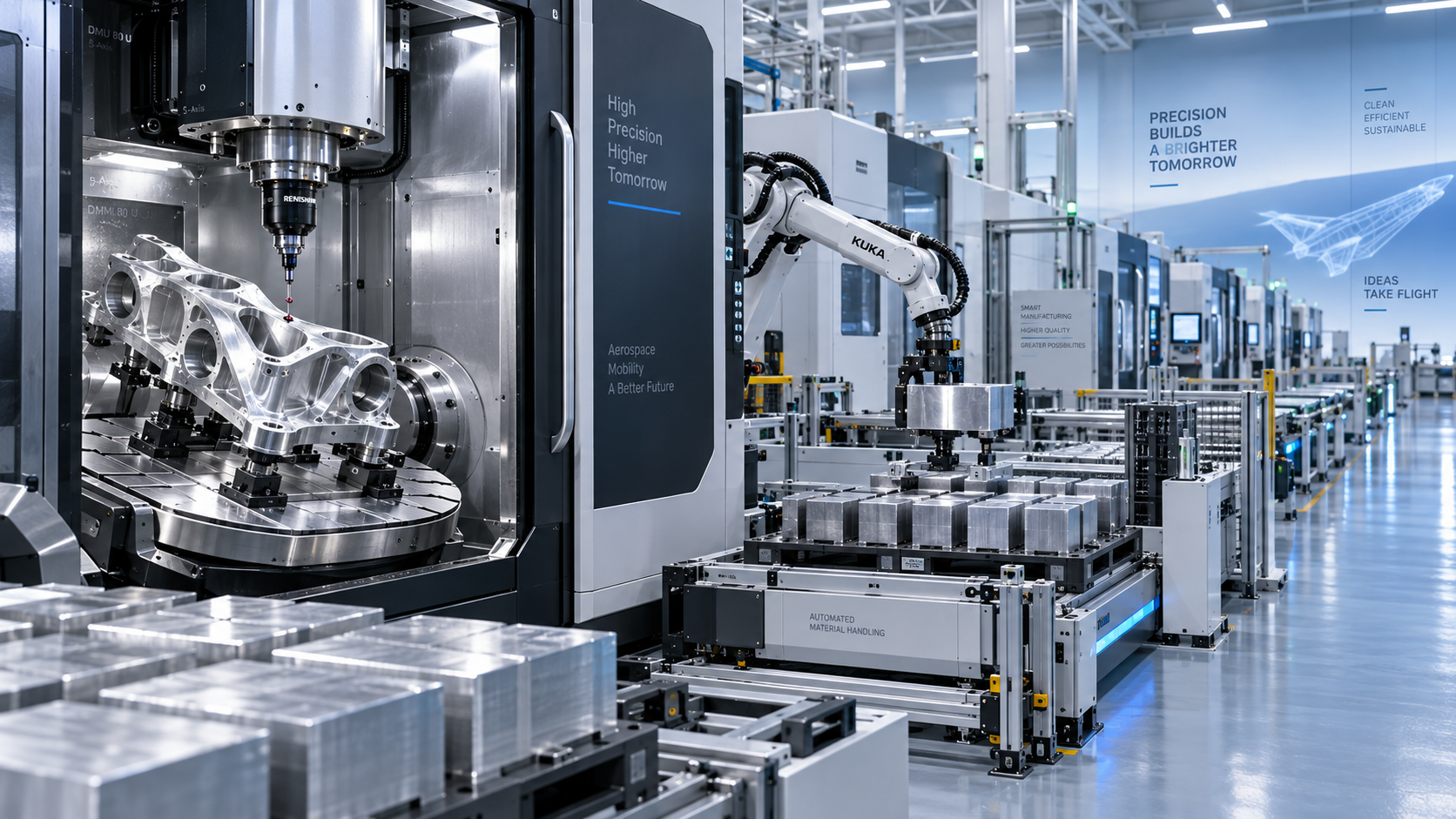
Machine tending is one of the clearest examples. Loading and unloading CNC lathes, machining centers, or multi-axis systems often depends on repetitive manual labor. Automating that task can extend spindle utilization, reduce idle time, and enable unattended or lightly attended shifts.
Another fast-payback area is part handling between operations. In facilities producing shafts, discs, housings, and precision structural parts, delays often happen not during cutting but during transfer, staging, inspection, and reloading. Automation compresses those non-cutting intervals.
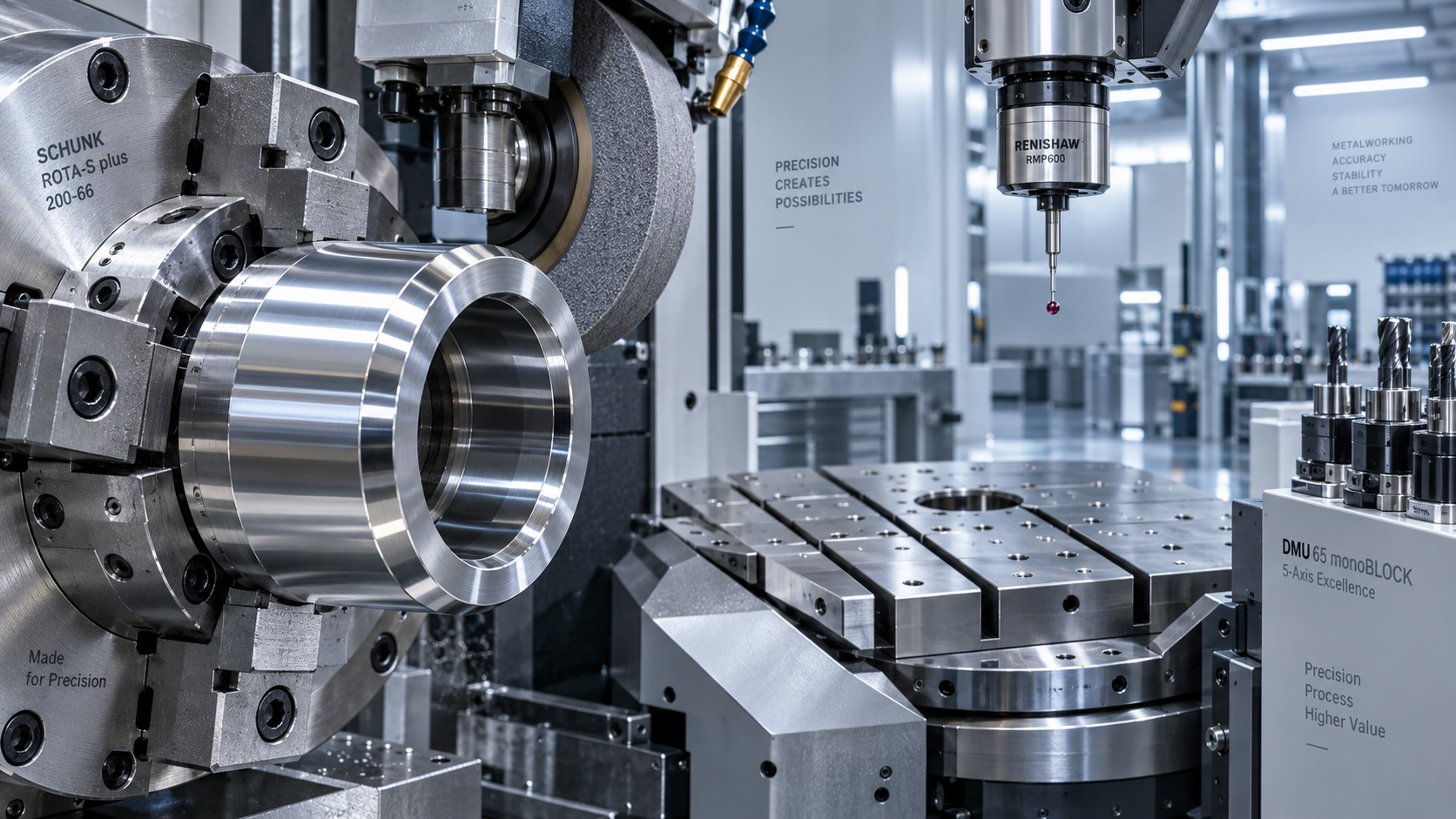
Automated inspection can also generate strong ROI, especially in industries where dimensional consistency matters. Aerospace, automotive, and electronics manufacturers pay a high price for scrap, rework, delayed shipments, and customer claims. Inline or near-line measurement helps detect problems earlier.
Tool management and fixture automation are often overlooked. But when operators spend too much time changing setups, searching for tools, or compensating for variation, hidden labor and downtime costs accumulate. Automation reduces those indirect losses, which are rarely visible on a basic equipment quote.
Flexible production cells are especially relevant for manufacturers managing medium-volume, high-mix work. If designed properly, these cells improve scheduling stability and reduce dependence on highly experienced operators for every production step.
How to evaluate ROI beyond the purchase price
A common mistake in capital approval is evaluating Industrial Automation mainly by its upfront price. The purchase cost matters, but a financially sound decision requires looking at total economic impact over the equipment’s useful life.
Start with direct labor savings, but do not stop there. In many machining operations, labor reduction alone does not justify the project. The stronger business case often comes from increased output without proportional headcount growth.
Ask how many additional machine hours become productive after automation. If a CNC machine currently sits idle while operators are busy elsewhere, automation may unlock capacity that already exists on the shop floor. That avoids or delays the need for additional machine purchases.
Then measure scrap and rework reduction. In precision manufacturing, even small defect rates can be expensive because material, machine time, tooling, and downstream processes are all affected. Better consistency often creates financial value larger than expected.
Next, quantify scheduling and delivery improvements. Late deliveries can damage customer relationships, trigger penalties, or push urgent jobs into overtime. Automation increases process predictability, which has real commercial value even if it does not appear directly in a simple ROI spreadsheet.
Maintenance and integration costs must also be included. Robots, conveyors, vision systems, software, fixtures, and safety systems all create lifecycle expenses. A low initial quote can become a weak investment if support, programming, and downtime risks were underestimated.
For financial approvers, the most useful model includes capital cost, installation, training, software, tooling changes, maintenance, expected uptime, depreciation, tax treatment, labor impact, throughput gain, quality improvement, and risk reduction.
What numbers should go into the business case
A practical automation investment case should be built from operating data, not broad assumptions. That makes internal approval easier and reduces the risk of overpromising results.
Use baseline metrics such as labor hours per part, spindle utilization, cycle time, setup time, scrap rate, rework hours, on-time delivery rate, overtime cost, and unplanned downtime. These numbers reveal whether the current process has enough inefficiency for automation to capture.
Then estimate future-state metrics conservatively. It is better to approve a project on realistic gains than on aggressive assumptions that create disappointment later. Many successful Industrial Automation projects are justified by moderate improvements across several categories, not dramatic change in just one.
Payback period is still important, especially in uncertain markets. Many manufacturers target 18 to 36 months depending on strategic urgency and capital availability. But payback should not be the only filter.
Net present value and internal rate of return provide a better picture when benefits extend over many years. Automation that stabilizes labor exposure, supports customer growth, and protects quality may deserve approval even if its simple payback is not the shortest among all options.
Scenario analysis is especially useful. Compare a base case, conservative case, and upside case. This helps finance teams understand how the investment performs if demand softens, staffing pressures continue, or quality costs rise.
Why labor economics alone no longer explains the value of Industrial Automation
Many companies still frame automation as a way to replace labor. That is too narrow for today’s manufacturing environment. In CNC machining and precision production, the bigger issue is often labor dependency, not just labor cost.
Skilled operators are difficult to recruit, train, and retain in many regions. When production depends heavily on a small number of experienced people, the business becomes vulnerable to turnover, absenteeism, and wage pressure.
Industrial Automation reduces that exposure by standardizing repetitive tasks and allowing skilled employees to focus on setup, process optimization, quality control, and troubleshooting. In other words, automation can improve labor productivity without assuming that headcount will disappear.
This distinction matters to finance leaders. A project may be worthwhile even if it does not cut payroll immediately. If it supports growth without equivalent labor additions, protects output during staffing shortages, and lowers overtime dependency, it creates strong financial value.
That is especially true in regions where labor availability is more volatile than labor rates. A machine that cannot run because no operator is available is a far more expensive problem than a spreadsheet line item on wages.
What risks should financial decision-makers watch closely
Industrial Automation does not fail because automation itself is flawed. It usually fails because the project scope, process selection, or implementation plan was weak. That is why risk review is just as important as ROI review.
The first major risk is automating an unstable process. If part variation, tool wear, upstream inconsistency, or fixture design problems are not controlled, automation may simply reproduce errors faster. The process should be stable before it is automated deeply.
The second risk is overengineering. Some manufacturers buy complex systems when a simpler robotic cell, pallet system, or semi-automated loading solution would deliver better returns with less disruption. More technology does not automatically mean more value.
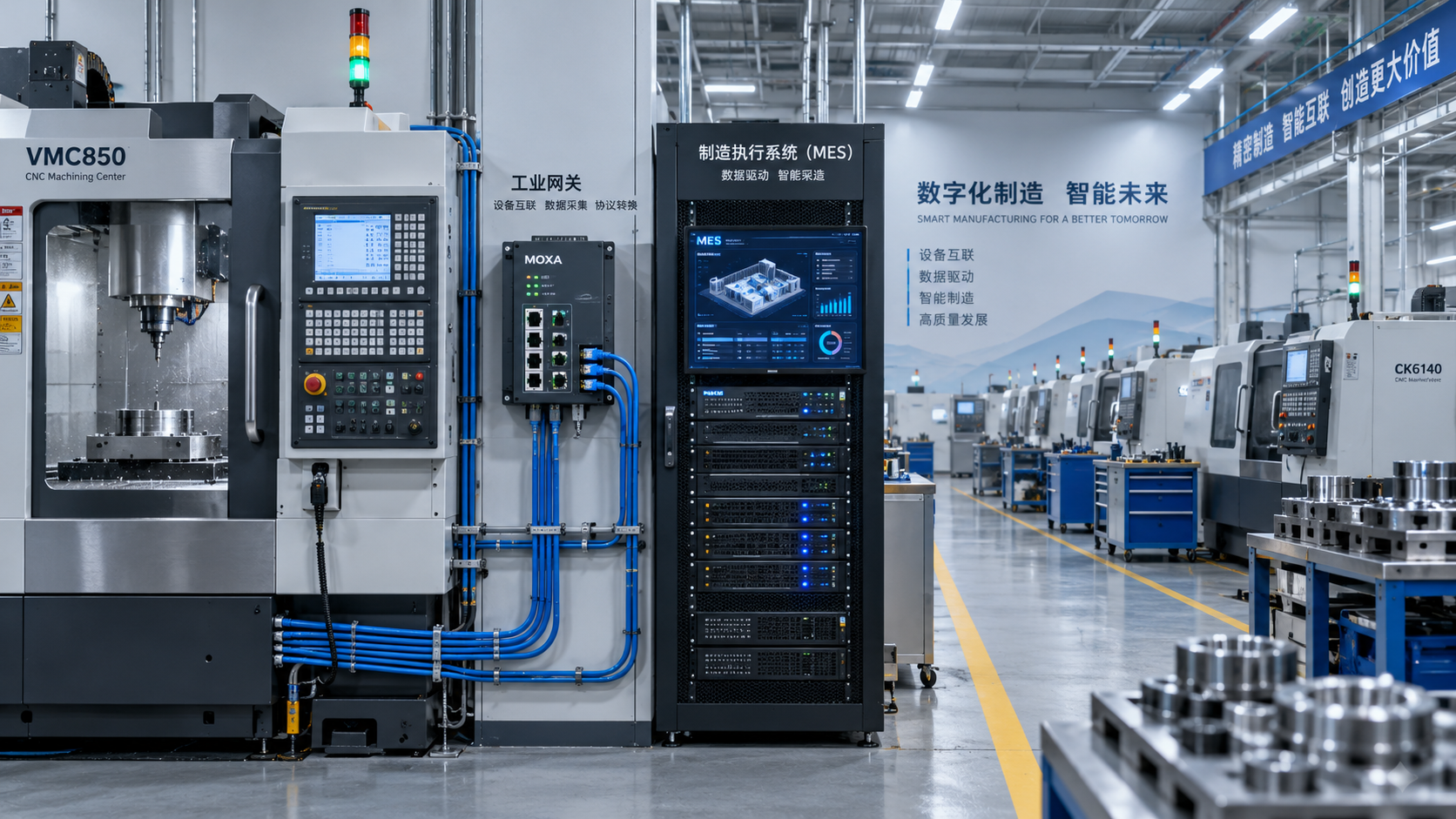
Integration risk is another concern. CNC equipment, robots, sensors, software platforms, and quality systems must work together reliably. If internal engineering capacity is limited, that should be reflected in vendor selection, support contracts, and project timelines.
Demand volatility also matters. A highly specialized automation line may struggle to pay back if product mix changes or customer programs shift. In uncertain markets, flexible cells often provide a safer capital profile than rigid dedicated systems.
Finally, do not underestimate change management. Operators, programmers, maintenance teams, and supervisors all affect the outcome. Even technically strong systems can underperform when training, ownership, and process discipline are weak.
How to tell whether your facility is a good candidate for Industrial Automation
Financial approvers do not need to be automation engineers, but they do need a practical screening framework. A facility is usually a strong candidate when several business conditions appear at the same time.
One sign is repeated labor shortage in critical machine operations. Another is low machine utilization caused by manual loading, inconsistent staffing, or excessive waiting between cycles. A third is recurring quality loss tied to human variability in repetitive steps.
Frequent overtime, unstable delivery performance, and delayed expansion due to workforce constraints are also strong indicators. In these cases, automation is not just a cost-saving tool. It becomes a capacity and risk-management strategy.
Product volume and mix matter as well. High-volume, repeatable parts are obvious automation candidates, but many medium-mix CNC environments can also benefit if fixturing, programming, and handling are designed for changeover efficiency.
On the other hand, if batch sizes are tiny, process routing changes daily, and part geometry varies heavily without standardization, full automation may not be the best first step. In that situation, targeted semi-automation or digital workflow improvements may offer better returns.
How finance teams can approve smarter automation investments
The best approvals happen when finance, operations, engineering, and production leaders evaluate the project together. Industrial Automation should not be treated as a standalone equipment purchase. It is an operating model decision.
Ask operations to show the current bottleneck with data. Ask engineering to define the technical scope and process limits clearly. Ask production leaders how staffing, shifts, quality, and scheduling will change after implementation.
Then require a phased plan. Pilot cells, modular deployment, or automation in one constrained product family often produce better financial control than a large, all-at-once rollout. Early wins also improve internal confidence and help refine assumptions.
Vendor evaluation should include application experience, integration support, service capability, spare parts access, training quality, and willingness to commit to performance targets. A cheaper vendor with weaker support can create a much more expensive project over time.
Finance teams should also define post-installation review milestones. Measure actual throughput, uptime, labor impact, scrap reduction, and delivery performance against the approval case. This closes the loop and improves the quality of future capital decisions.
Final verdict: is Industrial Automation worth the upfront cost?
For many manufacturers in CNC machining, precision machine tools, and automated production, Industrial Automation is worth the upfront cost when it addresses a proven constraint and is evaluated on total business impact rather than purchase price alone.
The strongest cases are usually not based on labor savings alone. They are built on higher machine utilization, more stable quality, lower dependency on scarce labor, better delivery performance, and the ability to grow without adding equal operational complexity.
For financial decision-makers, the right question is not “How expensive is automation?” It is “What is the cost of staying manual in a market that demands precision, speed, resilience, and scale?”
If your plant faces labor bottlenecks, inconsistent output, rising quality costs, or missed capacity opportunities, Industrial Automation may be one of the most financially responsible investments available. The key is to approve the right project, in the right process, with realistic assumptions and disciplined execution.
PREVIOUS ARTICLE
Recommended for You
 Digital Manufacturing for Smart Factories: Connecting Legacy Machines to MESMachine Tool Industry Editorial Team
 How to Select a CNC Metal Lathe for Tight-Tolerance Shaft and Sleeve PartsCNC Machining Technology Center
 How to Select an Industrial Lathe for High-Volume Shaft ProductionMachine Tool Industry Editorial Team
 Selecting Machine Tools for Automotive Parts: Accuracy, Throughput, and AutomationMachine Tool Industry Editorial Team
 Industrial Machining: Selecting Processes for Tight-Tolerance Metal PartsCNC Machining Technology Center
 Manufacturing Technology Trends That Improve Throughput and Quality ControlManufacturing Market Research Center
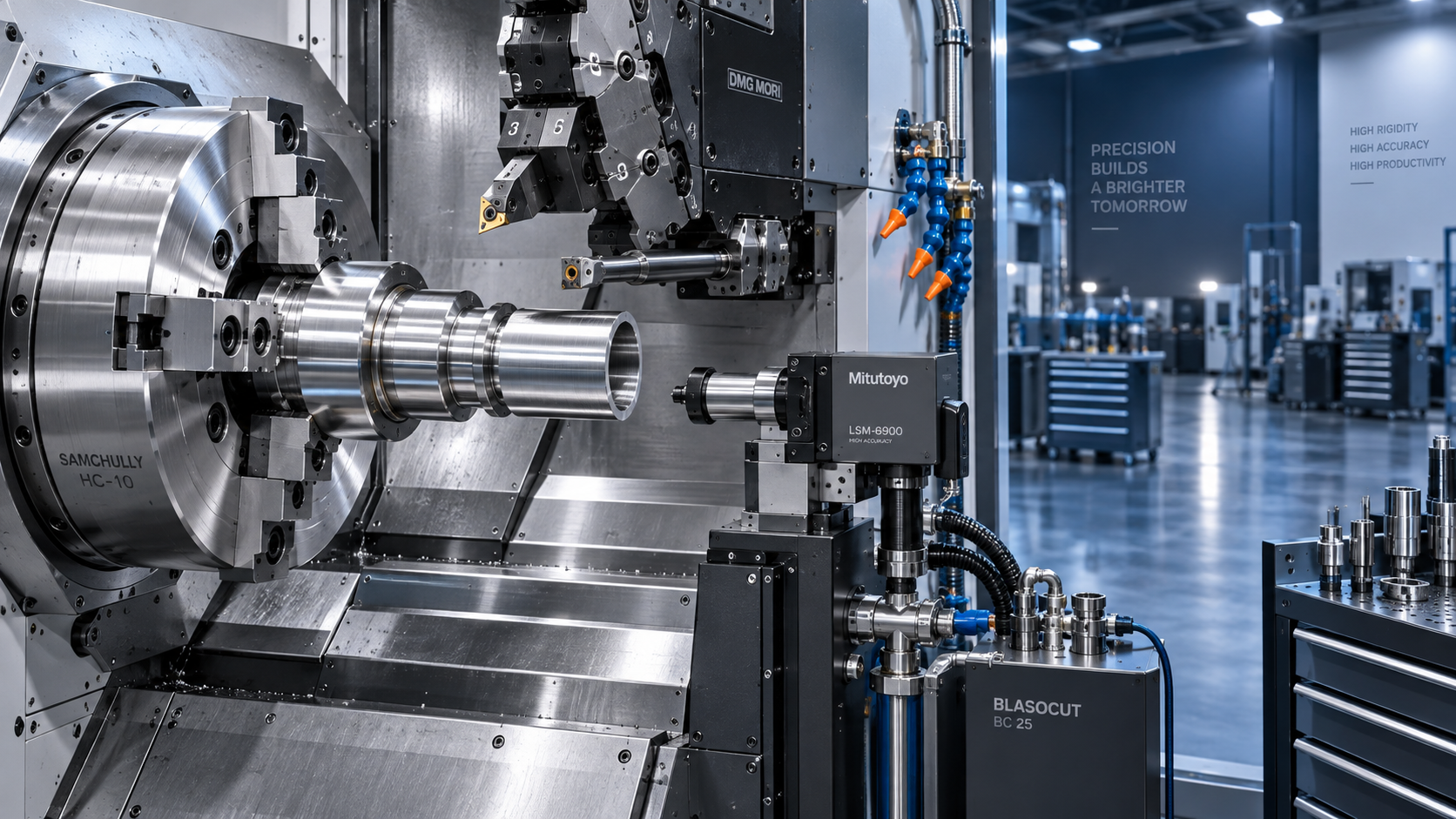

Aris Katos
Future of Carbide Coatings
15+ years in precision manufacturing systems. Specialized in high-speed milling and aerospace grade alloy processing.
▶
What Production Volume Justifies a CNC Turning Investment?Manufacturing Market Research Center▶
What to check before investing in Industrial RoboticsManufacturing Market Research Center▶
What to check before investing in Industrial RoboticsManufacturing Market Research Center▶
Is Industrial Automation worth it for rising labor costsManufacturing Market Research Center▶
When does Industrial Automation actually pay for itself?Manufacturing Market Research Center
Mastering 5-Axis Workholding Strategies
Join our technical panel on Nov 15th to learn about reducing vibrations in thin-wall components.

Providing you with integrated sanding solutions
Before-sales and after-sales services
Comprehensive technical support