• Global CNC market projected to reach $128B by 2028 • New EU trade regulations for precision tooling components • Aerospace deman
NYSE: CNC +1.2%LME: STEEL -0.4%

Compact machine tool adoption: Are shops overestimating floor space savings?
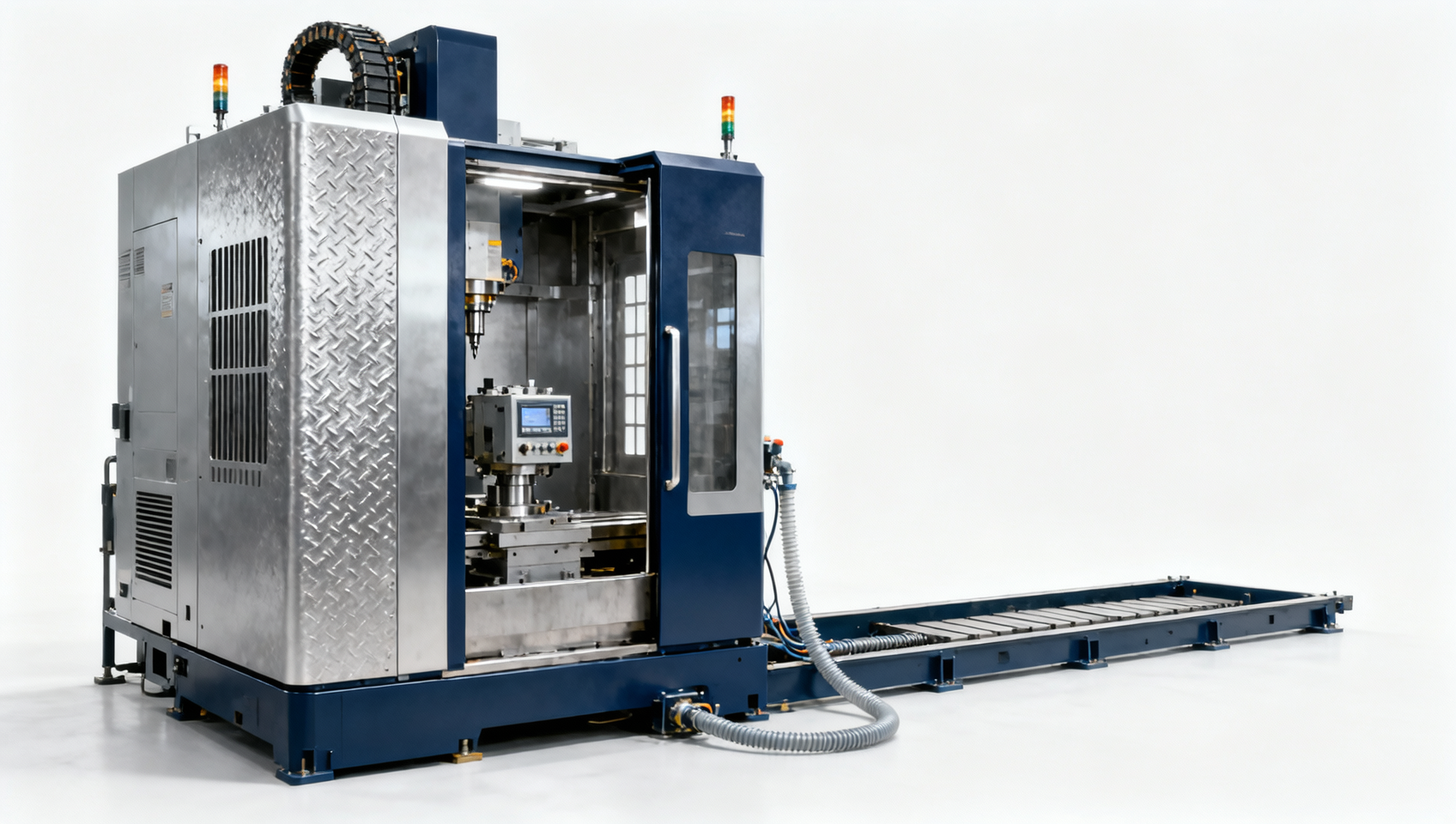
As shops rush to adopt compact machine tools for space-saving CNC manufacturing, many are overlooking hidden trade-offs—like reduced rigidity, limited tool capacity, or compromised multi-axis CNC manufacturing performance. While portable machine tool designs and energy-saving machine tool innovations promise floor space savings, real-world CNC manufacturing for aerospace, medical devices, or energy equipment demands more than just footprint reduction. For procurement teams, decision-makers, and operators alike, understanding whether 'compact' truly delivers cost-effective CNC manufacturing—without sacrificing high-precision CNC manufacturing, automated CNC manufacturing capabilities, or quick setup CNC manufacturing efficiency—is critical. Let’s separate marketing claims from machining reality.
The Floor Space Myth: What “Compact” Really Means in Practice
“Compact” is increasingly used as a selling point—but it’s rarely defined by objective metrics. In the global CNC machine tool industry, machines labeled “compact” often occupy 25–40% less floor area than standard counterparts. Yet this reduction frequently comes at the expense of structural mass: typical compact vertical machining centers (VMCs) weigh 3,200–4,800 kg—compared to 6,500–9,200 kg for full-size equivalents. That 35–45% weight difference directly correlates with lower dynamic stiffness, especially under heavy cutting loads common in aerospace titanium milling or energy equipment impeller finishing.
Moreover, compact designs often compress the Z-axis travel range by 120–220 mm and reduce maximum work envelope volume by up to 55%. A compact 3-axis VMC may offer only 500 × 400 × 350 mm usable volume—insufficient for medium-diameter discs used in wind turbine gearboxes or large-diameter flanges in nuclear valve assemblies. These constraints aren’t merely dimensional; they affect part nesting efficiency, fixture design flexibility, and secondary operation feasibility.
Operators report that compact machines require repositioning parts 2.3× more often during multi-face machining than full-size platforms—increasing non-cut time by an average of 18–22 minutes per job. This undermines one of the core promises of CNC automation: unattended cycle continuity. For high-mix, low-volume producers serving medical device OEMs, such inefficiencies compound rapidly across dozens of SKUs.
This table underscores a key insight: compactness trades off not just space—but capability. Procurement teams evaluating machines for automotive powertrain components or precision surgical instrument housings must assess *which* dimensions matter most—not just square meters saved.
When Compact Makes Sense—and When It Doesn’t
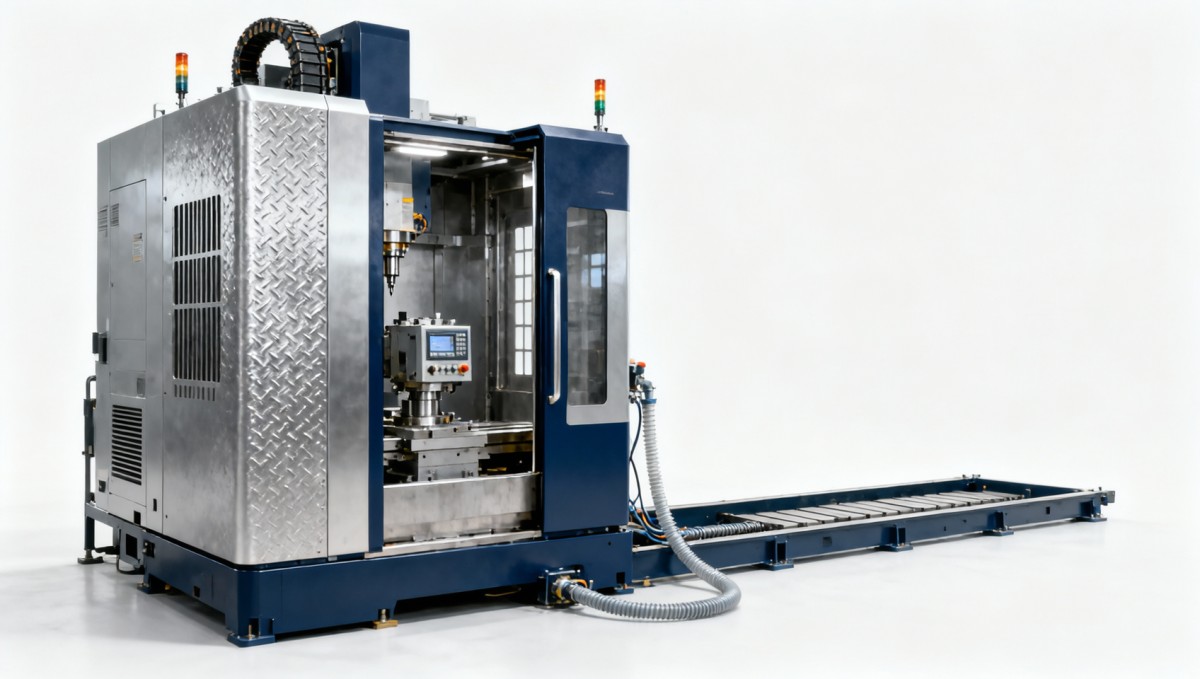
Compact CNC machines deliver measurable value in specific, well-defined scenarios—not as universal replacements. They excel where part geometry, material, and batch size align tightly with their engineered limits. For example, electronics contract manufacturers producing PCB-mount enclosures (Al6061, ≤120 mm max dimension, 50–200 pcs/lot) report 11–14% faster ROI on compact 3-axis mills versus standard models—driven by reduced facility lease costs ($18–24/sq ft/year in Tier-1 industrial parks) and lower HVAC load requirements (estimated 2.7–3.4 kW cooling reduction per unit).
Conversely, applications demanding multi-axis simultaneous motion—such as blisk machining for jet engines or orthopedic implant stems—show clear performance gaps. Compact 5-axis machines typically limit tilt angle to ±30° (vs. ±110° on full-size gantry platforms), restrict rotary axis torque to 85–120 N·m (vs. 220–350 N·m), and cap rapid traverse speed to 24 m/min (vs. 42–48 m/min). These thresholds directly impact surface integrity, tool life, and programming complexity.
A recent benchmark across 12 European job shops found that compact machines achieved only 68% of the tool life and 73% of the dimensional repeatability (±0.008 mm vs. ±0.005 mm) of standard machines when machining stainless steel 316L at identical feed/speed parameters. The root cause? Reduced thermal mass in cast iron bases and shorter column heights increasing vibration susceptibility during long-reach milling.
- ✅ Ideal for: High-mix, low-volume electronics housings; small-diameter shafts (<80 mm); thin-wall aluminum brackets; rapid prototyping labs with space-constrained labs
- ❌ Not suitable for: Heavy-section aerospace forgings; large-diameter turbine discs (>600 mm); hardened steel mold inserts; continuous 24/7 unmanned operation
- ⚠️ Conditional use: Medical implants requiring micro-finishing (Ra < 0.4 µm)—only with verified spindle thermal compensation and air-bearing spindles rated ≥25,000 rpm
Procurement Checklist: 6 Non-Negotiable Metrics Beyond Footprint
For procurement professionals and plant engineers, selecting a compact machine requires shifting focus from brochure specs to operational realities. The following six metrics—each tied to verifiable test data or ISO 230-2 compliance reports—must be validated before purchase:
- Dynamic stiffness at 300 Hz: Minimum 35 N/µm (measured per ISO 230-2 Annex B). Below this, chatter increases >40% in titanium alloy finishing.
- Coolant delivery pressure & flow rate: ≥40 bar @ 45 L/min minimum—critical for chip evacuation in deep-pocket aerospace structures.
- Thermal drift over 8-hour run: Max ±4.2 µm in X/Y axes (per ISO 230-3). Compact units with aluminum frames often exceed ±8.5 µm without active cooling.
- Tool change time (TCT) repeatability: ±0.15 sec over 1,000 cycles. Variability >0.3 sec degrades quick-setup CNC manufacturing efficiency in high-changeover environments.
- Minimum programmable increment (MPI): ≤0.0001 mm for linear axes. Required for medical device micro-machining tolerances (e.g., stent laser cutters).
- Digital integration readiness: Native OPC UA server support + MTConnect v1.7 compatibility—non-negotiable for smart factory integration in Industry 4.0 deployments.
These checkpoints transform subjective “compact” claims into quantifiable, auditable criteria—aligning selection with actual shop-floor performance, not marketing narratives.
Beyond the Machine: System-Level Implications
Adopting compact tools doesn’t occur in isolation. It triggers cascading impacts across tooling, fixturing, and workflow design. Compact machines often mandate smaller-diameter toolholders (HSK-A40 instead of HSK-A63), limiting maximum cutter diameter to 32 mm—ruling out efficient face milling of large aluminum heat sinks. Fixture base plates shrink accordingly, reducing modularity: standard 1,200 × 800 mm pallet systems become incompatible with compact pallet changers (typically 630 × 630 mm max).
Furthermore, energy-saving machine tool innovations—such as regenerative braking drives and low-inertia servo motors—reduce peak power draw by 18–25%, but increase sensitivity to voltage sags. In facilities with unstable grid supply (common in emerging manufacturing hubs), unplanned shutdowns rise by 3.2× compared to standard machines with broader input tolerance (±15% vs. ±8%).
Ultimately, the true cost of compactness isn’t measured in square feet—it’s reflected in extended setup times (+14–19 min/job), higher consumable costs (smaller tools wear faster), and constrained scalability. One Tier-1 automotive supplier reported a 27% increase in annual maintenance labor hours after deploying eight compact mills—primarily due to tighter access for spindle bearing replacement and coolant system cleaning.
Making the Right Call: A Decision Framework for Decision-Makers
Before committing capital, decision-makers should apply this three-tier filter:
- Volume & Mix Assessment: If >65% of parts exceed 400 mm in any dimension or require >22 tools per program, compact platforms will likely increase total cost of ownership (TCO) within 18 months.
- Process Criticality Mapping: Map all parts against ISO 2768-mK general tolerances and ASME Y14.5 GD&T requirements. Compact machines rarely meet tight positional tolerances (<0.015 mm) across full work envelope without costly calibration add-ons.
- Future-Proofing Audit: Verify vendor roadmap alignment—e.g., does the compact platform support retrofitting with AI-driven predictive maintenance modules or digital twin integration by 2026? Absence here signals obsolescence risk.
The bottom line: compact machine tool adoption isn’t inherently wrong—but it’s context-dependent. Shops achieving genuine space savings while maintaining precision, automation integrity, and throughput are those that treat “compact” as a *system specification*, not a standalone feature.
For procurement teams and operations leaders seeking balanced, evidence-based guidance on CNC machine selection—including detailed application-fit analysis, TCO modeling, and vendor evaluation scorecards—contact our technical advisory team today. We provide manufacturer-agnostic assessments aligned with ISO 9001-compliant validation protocols and real-world production benchmarks across aerospace, energy, and medical device sectors.
Recommended for You
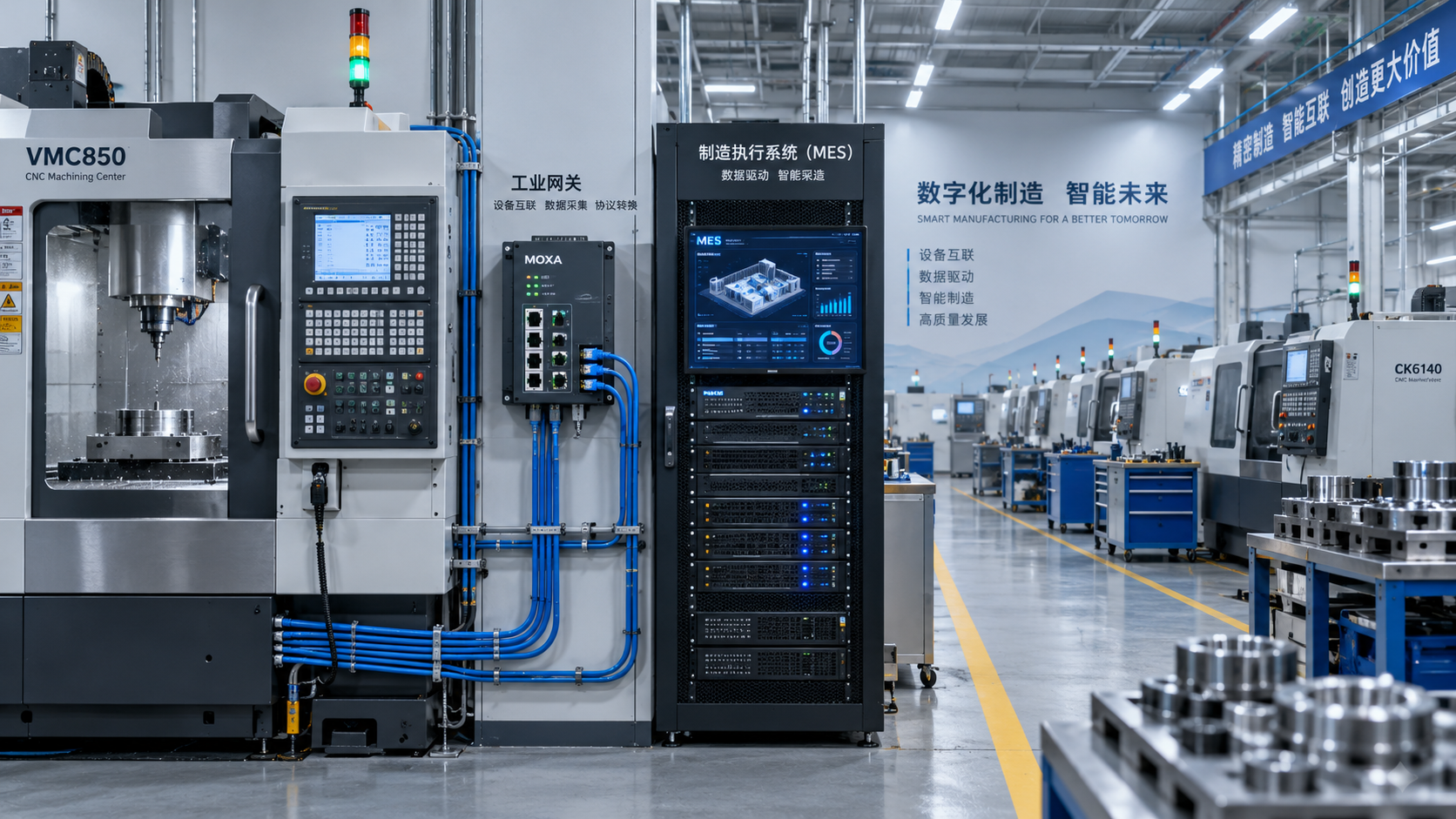
 Digital Manufacturing for Smart Factories: Connecting Legacy Machines to MESMachine Tool Industry Editorial Team
 How to Select a CNC Metal Lathe for Tight-Tolerance Shaft and Sleeve PartsCNC Machining Technology Center
 How to Select an Industrial Lathe for High-Volume Shaft ProductionMachine Tool Industry Editorial Team
 Selecting Machine Tools for Automotive Parts: Accuracy, Throughput, and AutomationMachine Tool Industry Editorial Team
 Industrial Machining: Selecting Processes for Tight-Tolerance Metal PartsCNC Machining Technology Center
 Manufacturing Technology Trends That Improve Throughput and Quality ControlManufacturing Market Research Center

Aris Katos
Future of Carbide Coatings
15+ years in precision manufacturing systems. Specialized in high-speed milling and aerospace grade alloy processing.
▶
Machine Tool Market Outlook: Demand Drivers, Capacity Shifts, and Investment RisksManufacturing Market Research Center▶
Global Machine Tool Backlog Falls 12% as Automation Shifts DemandManufacturing Market Research Center▶
What Drives Machine Tool Price: 7 Cost Factors Buyers Should Compare Before OrderingManufacturing Market Research Center▶
Manufacturing Industry Cost Drivers in 2025: Labor, Energy, Freight, and Sourcing RisksManufacturing Market Research Center▶
CCMT2026 Ends With 40.2% Rise in Five-Axis Export PricesManufacturing Market Research Center
Mastering 5-Axis Workholding Strategies
Join our technical panel on Nov 15th to learn about reducing vibrations in thin-wall components.

Providing you with integrated sanding solutions
Before-sales and after-sales services
Comprehensive technical support