• Global CNC market projected to reach $128B by 2028 • New EU trade regulations for precision tooling components • Aerospace deman
NYSE: CNC +1.2%LME: STEEL -0.4%

The Machine Tool Market is shifting, so what matters now?
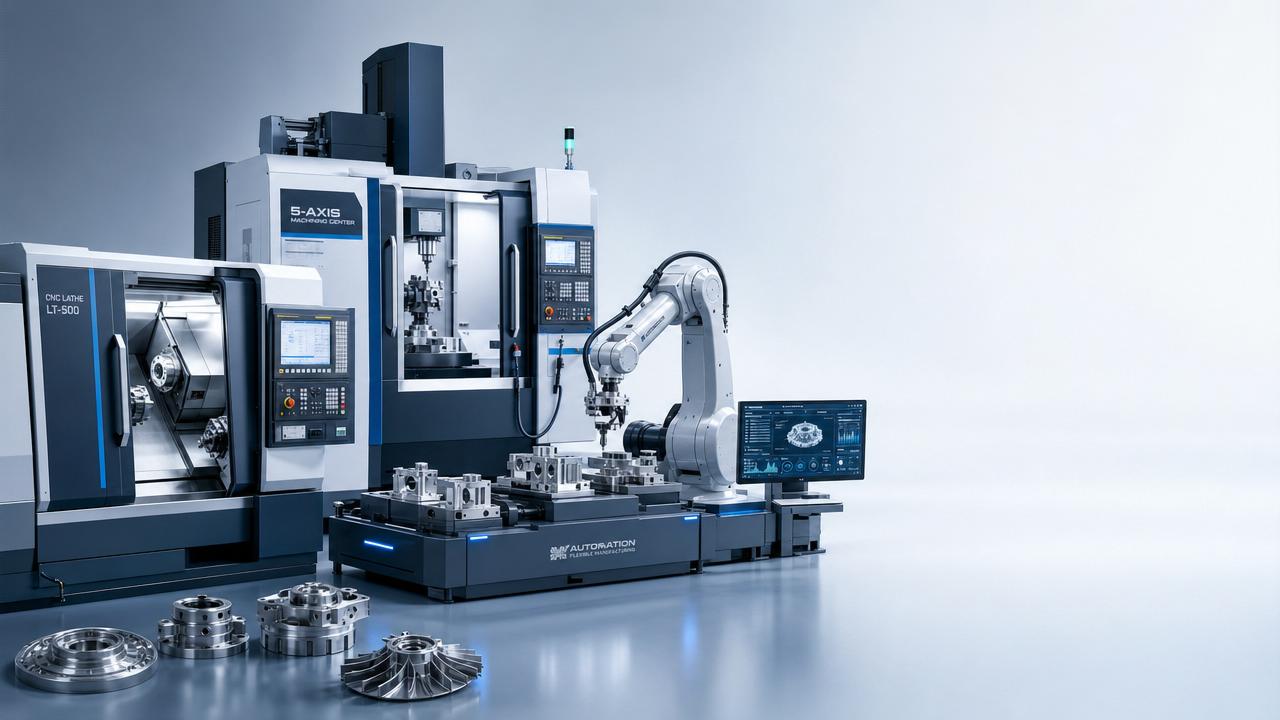
The Machine Tool Market is shifting under pressure from automation, digital manufacturing, and supply chain realignment. Capacity alone no longer defines competitiveness in this industry.
Today, the Machine Tool Market rewards precision, flexibility, software integration, lifecycle cost control, and resilient sourcing. These factors now shape investment logic across modern manufacturing.
As CNC lathes, machining centers, and multi-axis systems spread across automotive, aerospace, energy, and electronics, strategic evaluation must move beyond output volume.
What the Machine Tool Market Includes
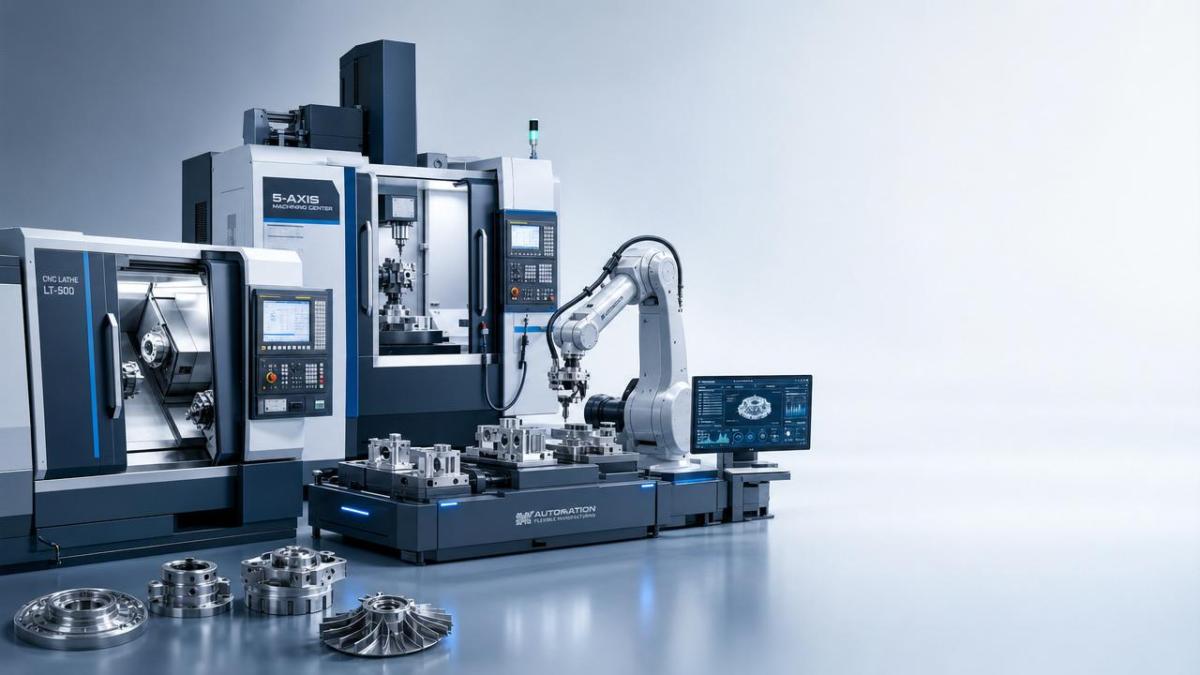
The Machine Tool Market covers equipment used to cut, shape, drill, mill, grind, and finish industrial materials with high repeatability and controlled accuracy.
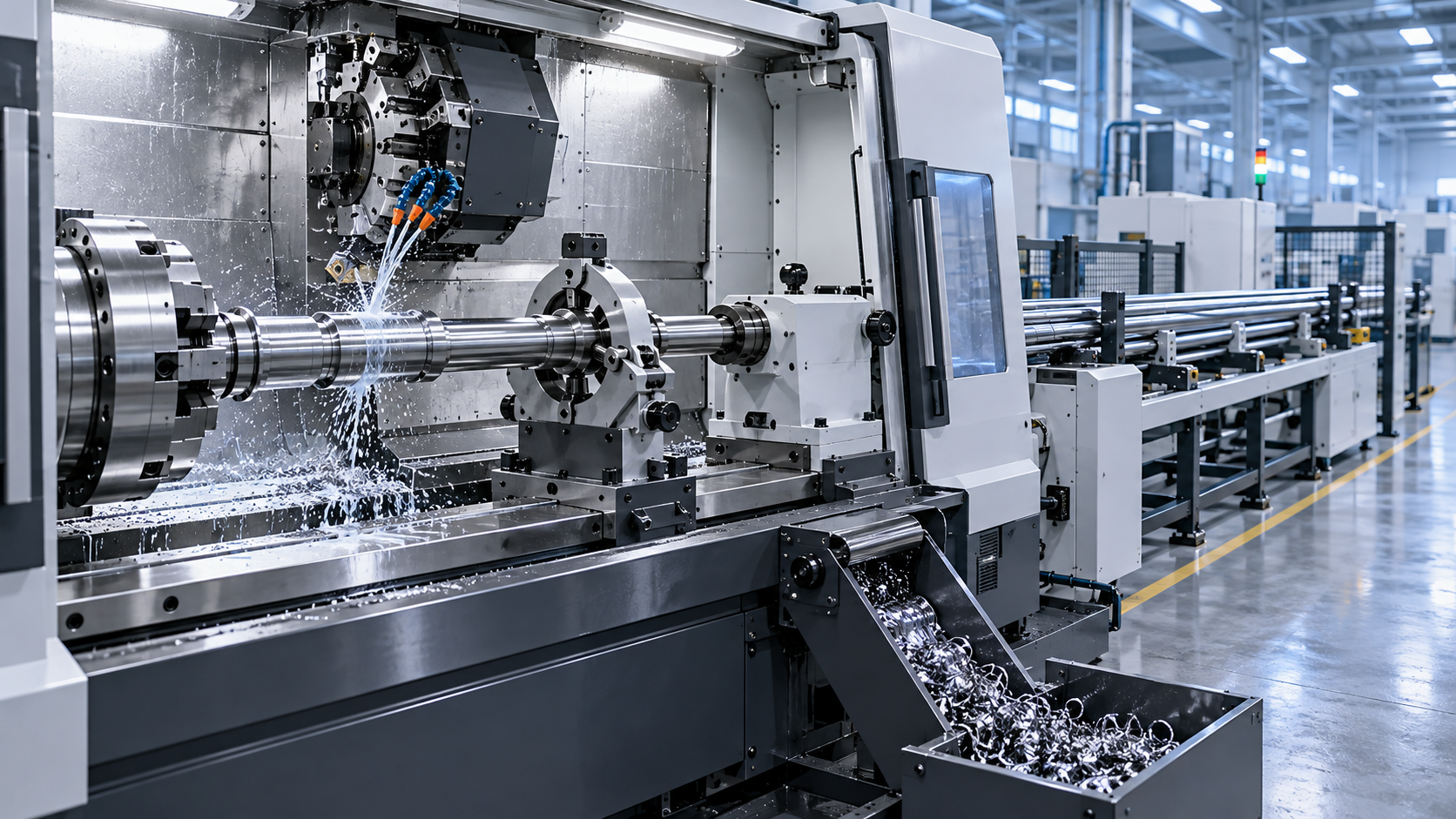
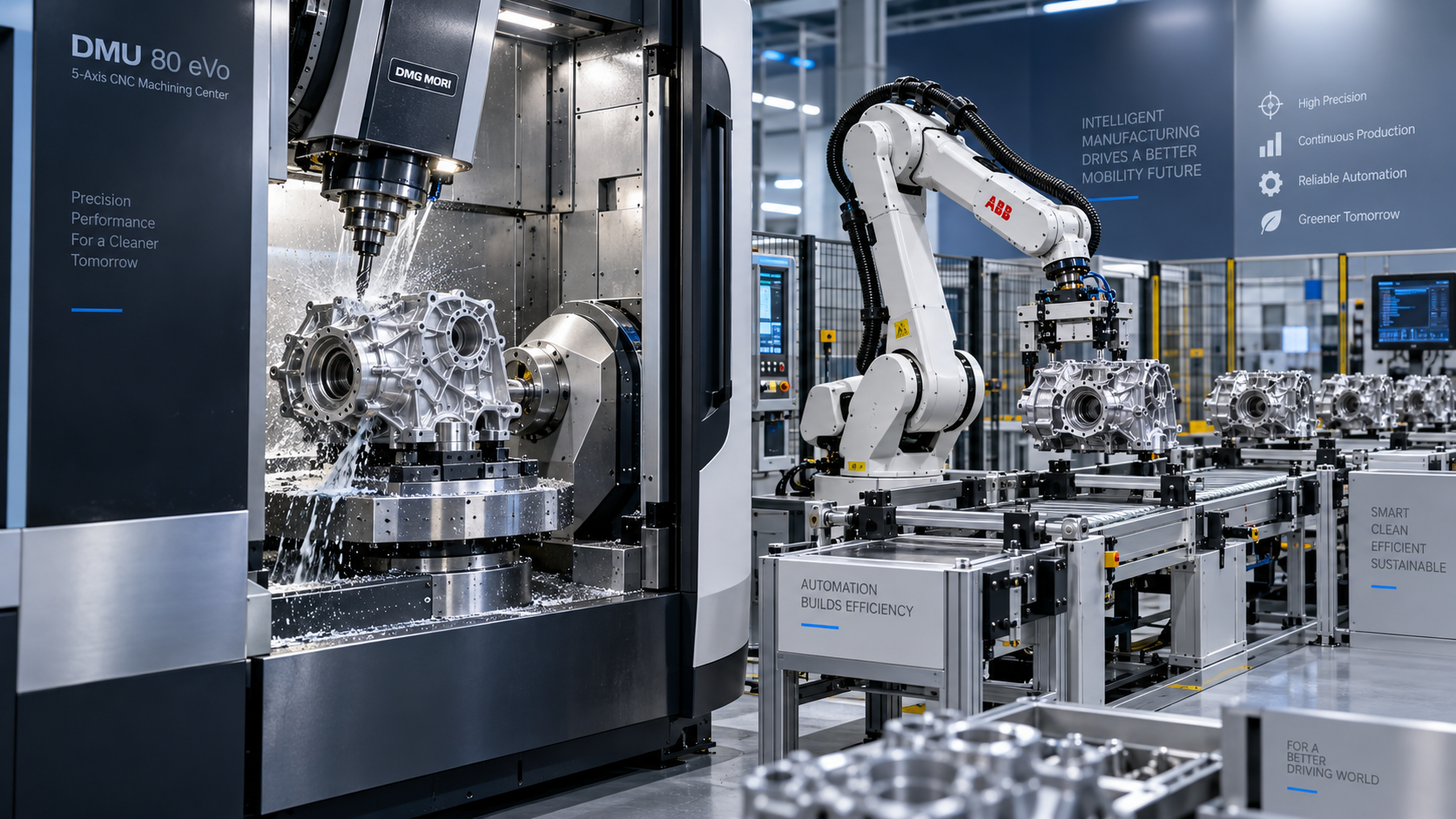
Its core segments include CNC lathes, vertical and horizontal machining centers, grinding machines, EDM systems, multi-axis platforms, and automated production cells.
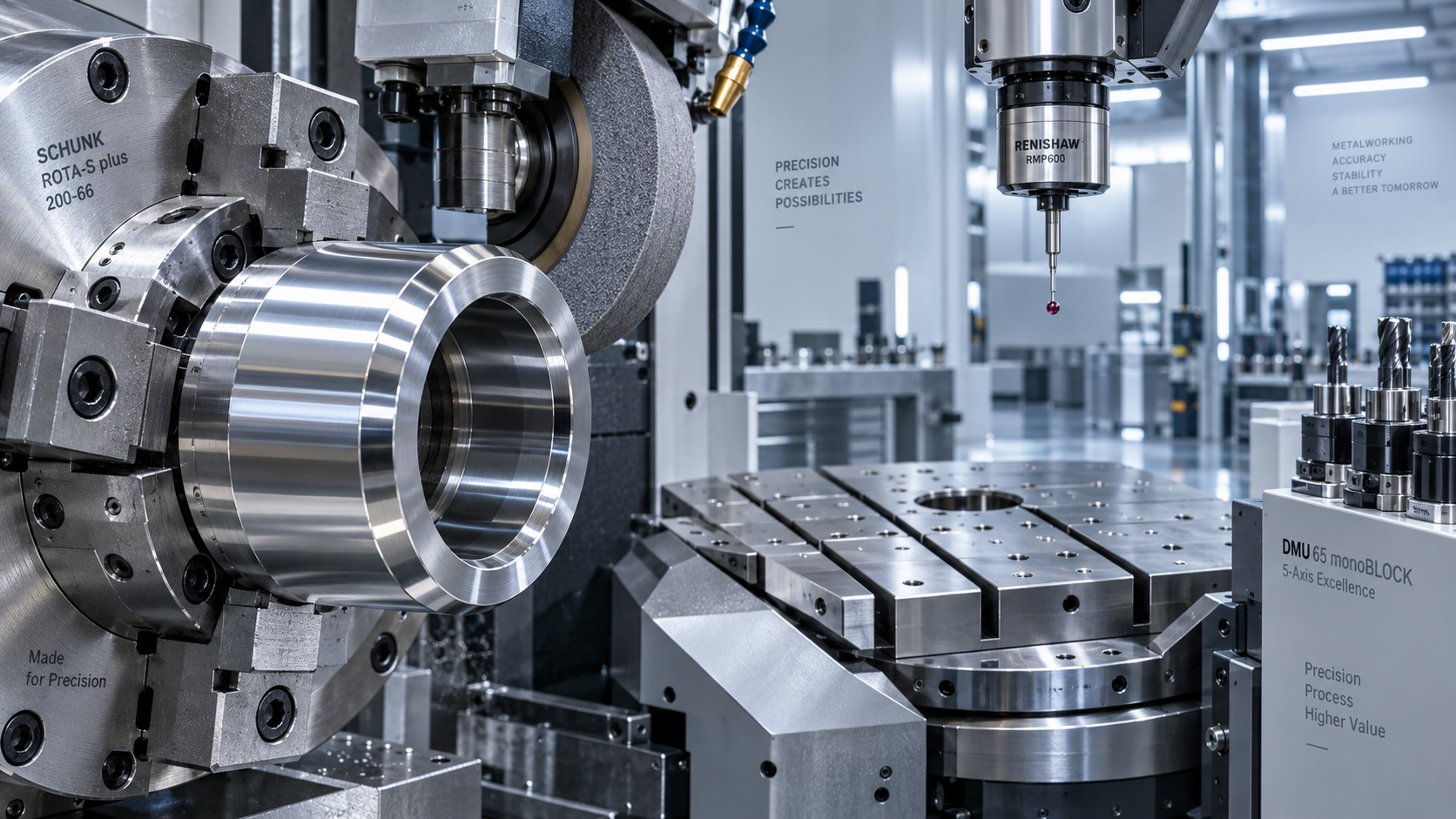
The market also includes tooling, fixtures, control systems, spindles, measurement devices, software, maintenance services, and retrofit solutions.
In practical terms, the Machine Tool Market supports every stage of precision manufacturing. It connects machine hardware with data, workflow planning, and quality assurance.
This is why market analysis must include both equipment performance and ecosystem capability. Buyers increasingly evaluate total production architecture, not isolated machines.
Current Signals Reshaping Industry Direction
Several forces are changing the Machine Tool Market at the same time. Together, they are redefining how value is created and where competitive advantage can last.
- Automation is moving from optional upgrade to baseline production requirement.
- Digital integration now influences scheduling, diagnostics, traceability, and energy management.
- Supply chain diversification is changing sourcing decisions for machines and components.
- Labor constraints are increasing interest in unattended and semi-autonomous machining.
- Demand volatility is pushing factories toward more flexible and reconfigurable systems.
These signals affect both machine builders and end users. They also influence investment timing, plant layout, service planning, and cross-border equipment trade.
Key market changes at a glance
Why Precision, Flexibility, and Integration Matter Now
The Machine Tool Market is no longer judged only by spindle speed or table size. Decision quality now depends on how machines perform inside real production environments.
Precision matters because industries are producing tighter-tolerance parts. Aerospace structures, EV components, connectors, and energy systems require highly stable machining performance.
Flexibility matters because product cycles are shorter. Factories need rapid changeover, multi-part capability, and software-supported process adjustment without excessive downtime.
Integration matters because disconnected assets create invisible losses. Machine data, tool life tracking, inspection records, and scheduling information must work together.
In the evolving Machine Tool Market, equipment that fits smart factory workflows can outperform larger but isolated systems. This is a structural change, not a temporary trend.
Business Value Across Manufacturing Segments
The value of the Machine Tool Market becomes clear when viewed through production outcomes. Better machines support quality, throughput, predictability, and cost control.
- Automotive production benefits from cycle time stability and scalable automation.
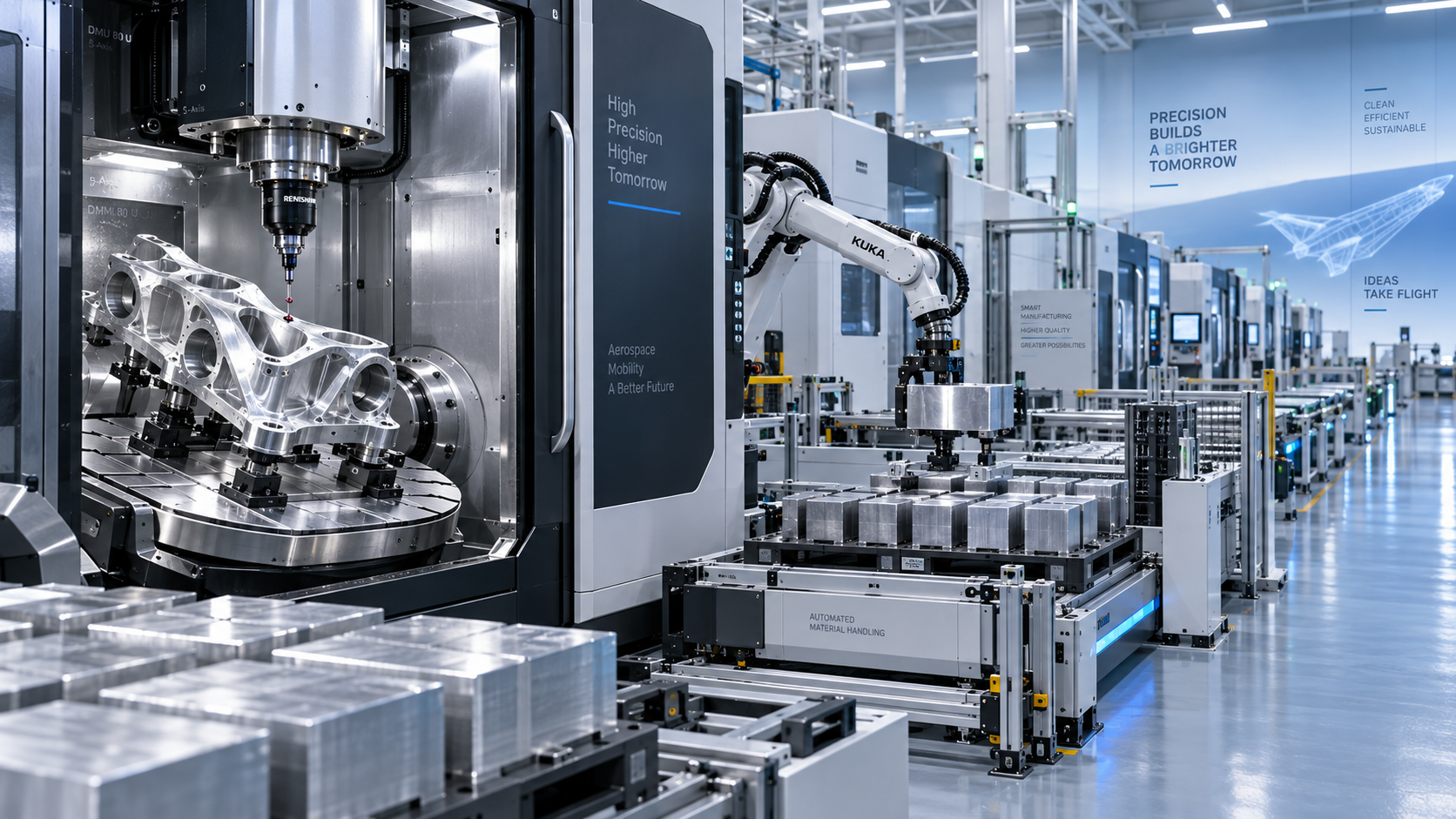
- Aerospace machining depends on repeatable accuracy and advanced multi-axis capability.
- Electronics manufacturing requires fine tolerance control and clean process consistency.
- Energy equipment production needs durable machines for complex and heavy-duty parts.
- General industrial fabrication relies on flexible systems that handle mixed-volume orders.
Beyond output, modern machine tools improve traceability and process confidence. That strengthens compliance, customer assurance, and long-term production planning.
Representative application paths
How Global Competition Is Changing the Machine Tool Market
The Machine Tool Market remains global, but its competitive map is becoming more layered. Regional strengths now interact with trade policy, localization, and technology specialization.
China continues expanding scale, supply depth, and manufacturing adoption. Germany maintains strength in high-end engineering, process quality, and industrial system integration.
Japan remains influential in reliability, precision, and component quality. South Korea continues building capability through advanced manufacturing and export-oriented industrial development.
At the same time, more markets are encouraging regional production capacity. This affects import patterns, technical partnerships, service coverage, and local assembly strategies.
For this reason, the Machine Tool Market should be evaluated through both product capability and geographic resilience. A strong supplier network now has strategic value.
Practical Evaluation Priorities
When reviewing opportunities in the Machine Tool Market, several practical criteria deserve close attention. These indicators often reveal long-term performance better than brochure specifications.
- Check process capability under real material and tolerance conditions.
- Compare software openness, connectivity standards, and data export options.
- Review tooling compatibility, fixture requirements, and changeover efficiency.
- Assess service response, spare parts access, and preventive maintenance support.
- Estimate total lifecycle cost, not only acquisition price.
- Consider future automation expansion and plant integration potential.
These steps reduce hidden risk. They also align machine investment with production strategy, quality targets, and digital transformation goals.
Strategic Next Steps in a Shifting Market
The Machine Tool Market is moving toward smarter, more connected, and more adaptive production systems. Market relevance now depends on fit, not just size.
A useful next step is to map current production needs against future requirements. Include accuracy, automation level, product mix, staffing constraints, and digital readiness.
Then compare machine platforms using measurable criteria such as uptime, process stability, integration capacity, and service continuity across regions.
In today’s Machine Tool Market, informed decisions come from combining technical insight with market awareness. That approach improves resilience and supports sustainable manufacturing growth.
For anyone tracking CNC machining, precision manufacturing, and industrial trade, staying close to these shifts is now essential for sound long-term positioning.
PREVIOUS ARTICLE
NEXT ARTICLE
Recommended for You
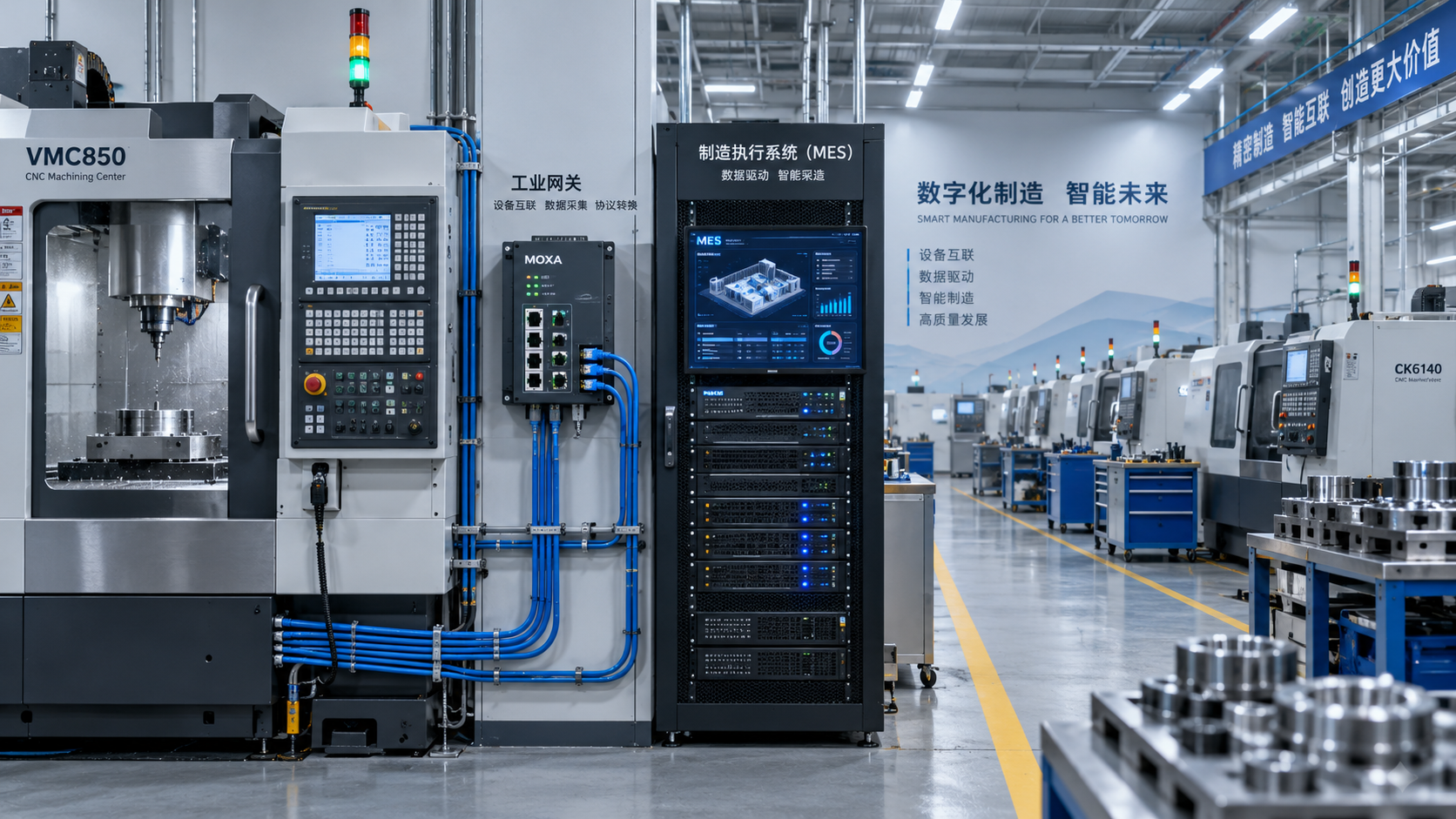
 Digital Manufacturing for Smart Factories: Connecting Legacy Machines to MESMachine Tool Industry Editorial Team
 How to Select a CNC Metal Lathe for Tight-Tolerance Shaft and Sleeve PartsCNC Machining Technology Center
 How to Select an Industrial Lathe for High-Volume Shaft ProductionMachine Tool Industry Editorial Team
 Selecting Machine Tools for Automotive Parts: Accuracy, Throughput, and AutomationMachine Tool Industry Editorial Team
 Industrial Machining: Selecting Processes for Tight-Tolerance Metal PartsCNC Machining Technology Center
 Manufacturing Technology Trends That Improve Throughput and Quality ControlManufacturing Market Research Center

Aris Katos
Future of Carbide Coatings
15+ years in precision manufacturing systems. Specialized in high-speed milling and aerospace grade alloy processing.
▶
Machine Tool Market Outlook: Demand Drivers, Capacity Shifts, and Investment RisksManufacturing Market Research Center▶
Global Machine Tool Backlog Falls 12% as Automation Shifts DemandManufacturing Market Research Center▶
What Drives Machine Tool Price: 7 Cost Factors Buyers Should Compare Before OrderingManufacturing Market Research Center▶
Manufacturing Industry Cost Drivers in 2025: Labor, Energy, Freight, and Sourcing RisksManufacturing Market Research Center▶
CCMT2026 Ends With 40.2% Rise in Five-Axis Export PricesManufacturing Market Research Center
Mastering 5-Axis Workholding Strategies
Join our technical panel on Nov 15th to learn about reducing vibrations in thin-wall components.

Providing you with integrated sanding solutions
Before-sales and after-sales services
Comprehensive technical support