• Global CNC market projected to reach $128B by 2028 • New EU trade regulations for precision tooling components • Aerospace deman
NYSE: CNC +1.2%LME: STEEL -0.4%

What the Machine Tool Market signals for 2026

The Machine Tool Market is sending clear signals for 2026: demand is shifting toward smarter automation, higher precision, and more resilient global supply chains. For business evaluation, these signals matter because machine tools sit at the center of industrial capacity, productivity, and export competitiveness.
Across automotive, aerospace, energy, medical, and electronics production, the Machine Tool Market reflects how factories are preparing for tighter tolerances, labor pressure, and digital integration. It also shows where capital is flowing, which technologies are maturing, and how regional manufacturing strategies are evolving.
Machine Tool Market definition and strategic scope

The Machine Tool Market covers equipment used to cut, shape, drill, grind, mill, and finish metal or advanced materials with controlled precision. It includes CNC lathes, machining centers, grinders, EDM systems, multi-axis platforms, tooling systems, fixtures, and production automation.
In practical terms, the Machine Tool Market measures more than equipment sales. It reveals the health of industrial investment, the pace of factory modernization, and the ability of supply chains to deliver high-value parts consistently.
By 2026, the market will be assessed through several connected indicators:
- adoption of smart CNC systems and digital controls
- demand for high-precision and multi-axis machining
- growth of automation-ready production lines
- regional shifts in sourcing and localized manufacturing
- investment in service, retrofitting, and lifecycle optimization
Key industry signals shaping the Machine Tool Market for 2026
The strongest Machine Tool Market signals for 2026 point to structural change rather than a short demand cycle. Companies are not only replacing old machines. They are redesigning production around flexibility, data visibility, and precision at scale.
One clear outcome is that the Machine Tool Market increasingly rewards systems that reduce setup time, improve repeatability, and connect with wider factory software. Standalone capacity is no longer enough in many production environments.
Another important signal is product mix. Demand is broadening from standard machining to specialized capability, including five-axis machining, hard turning, fine grinding, hybrid production, and in-line inspection.
Regional direction
Asia remains central to volume, component ecosystems, and installation growth. Germany and Japan continue to influence the premium end of the Machine Tool Market through engineering depth, process reliability, and advanced control technologies.
North America is showing renewed focus on domestic production capacity, especially in strategic sectors. This creates demand for machine tools that support reshoring, quick commissioning, and dependable service support.
Business value behind Machine Tool Market movements
The Machine Tool Market matters because machine tool capability often determines the ceiling of manufacturing performance. Better equipment does not only improve output. It affects lead time, scrap rates, quality consistency, and the economics of complex part production.
For 2026 planning, several business meanings stand out:
- Capital spending is moving toward fewer but smarter machines.
- Lifecycle cost is becoming as important as purchase price.
- Production flexibility now influences equipment selection strongly.
- Tooling, software, and service ecosystems shape final returns.
This means the Machine Tool Market should be read as an indicator of industrial confidence and technical ambition. When orders shift toward automated and data-enabled systems, the market is signaling longer-term modernization, not just immediate replacement demand.
Why this matters beyond machining
The impact reaches the broader industrial economy. Better machine tools strengthen component quality in vehicles, turbine systems, semiconductor equipment, industrial pumps, medical devices, and infrastructure hardware.
As a result, the Machine Tool Market acts as a cross-sector signal. It helps explain where advanced manufacturing capacity is expanding and where competitive pressure is likely to intensify.
Typical application scenarios and demand patterns
Different industries read the Machine Tool Market through different operating needs. Some prioritize precision, others throughput, traceability, surface finish, or uptime. The common theme is a need for reliable production under tighter technical requirements.
These patterns show why the Machine Tool Market is fragmenting into value-based segments. Commodity capacity still exists, but the fastest growth often appears in applications that require engineering precision, automation compatibility, and verified process performance.
Practical evaluation points for 2026
Reading the Machine Tool Market well requires more than watching shipment volume. A stronger evaluation combines technical, commercial, and operational factors.
- Check whether demand is driven by expansion, replacement, or reshoring.
- Compare machine sales with tooling, controls, and service revenue.
- Track adoption of automation interfaces and remote diagnostics.
- Measure how regional policy affects local production investment.
- Review lead times for core components such as spindles and controls.
- Assess whether energy efficiency is influencing equipment replacement.
A frequent mistake is treating all demand as equal. In the Machine Tool Market, an increase in low-complexity orders does not send the same signal as rising demand for integrated, high-accuracy systems with digital support.
Another caution involves service depth. In many cases, aftermarket support, training, application engineering, and software updates determine real production value after installation.
Operational next steps informed by the Machine Tool Market
The 2026 outlook suggests several practical priorities. First, align equipment strategy with actual part complexity and future tolerance demands. Second, evaluate digital compatibility before making capital decisions. Third, consider supply chain resilience alongside technical performance.
It is also useful to map which production areas benefit most from automation-ready machine tools. High-mix lines, repeatable precision work, and labor-sensitive operations often show the fastest operational gains.
The Machine Tool Market for 2026 is not signaling simple expansion. It is signaling selective upgrading. The strongest opportunities appear where precision, automation, data integration, and regional manufacturing security come together.
For ongoing industry tracking, focus on equipment launches, control system development, regional investment plans, and sector-specific order patterns. These indicators provide a clearer reading of where the Machine Tool Market is heading and which industrial capabilities are becoming most valuable.
PREVIOUS ARTICLE
Recommended for You
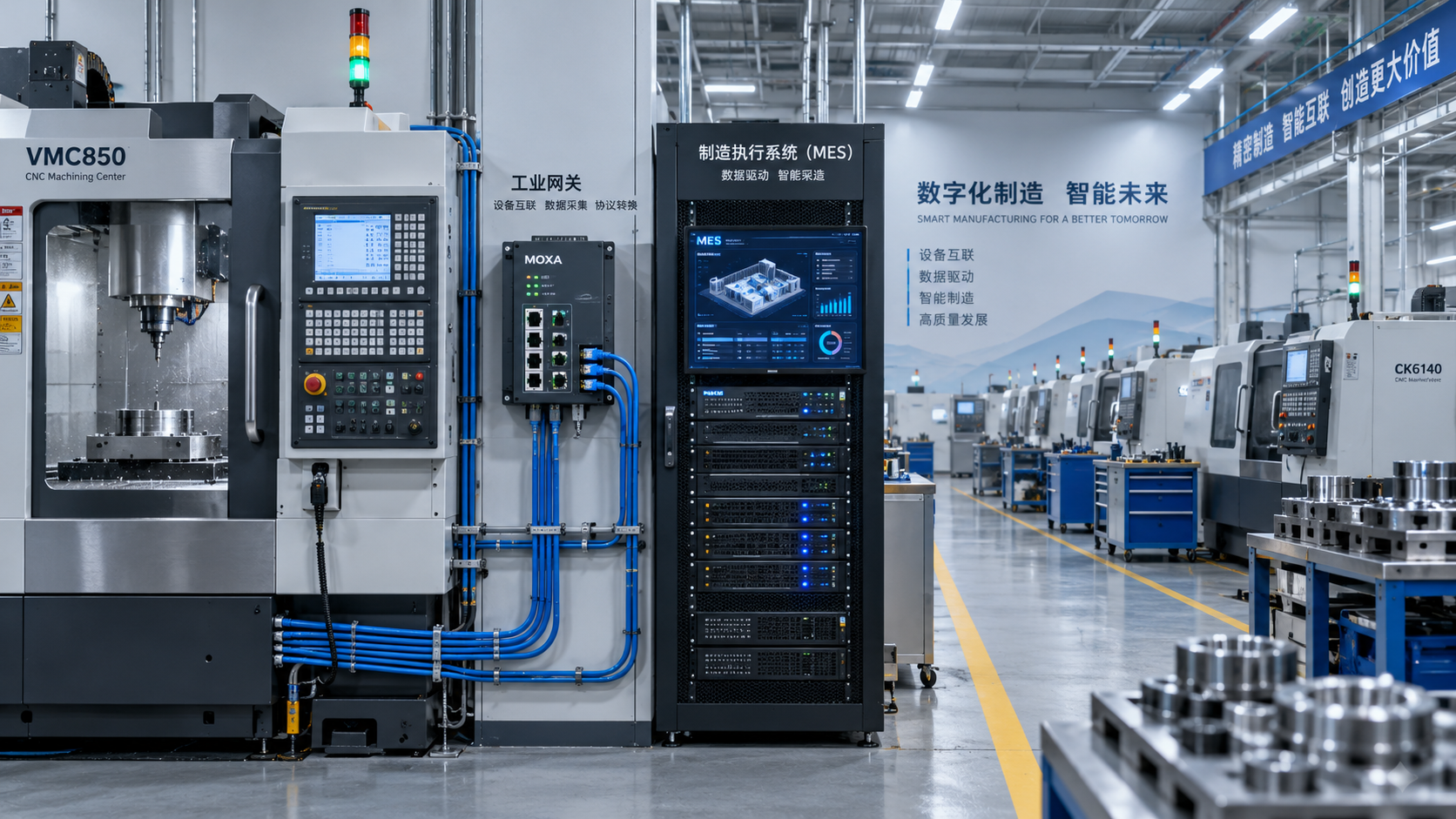
 Digital Manufacturing for Smart Factories: Connecting Legacy Machines to MESMachine Tool Industry Editorial Team
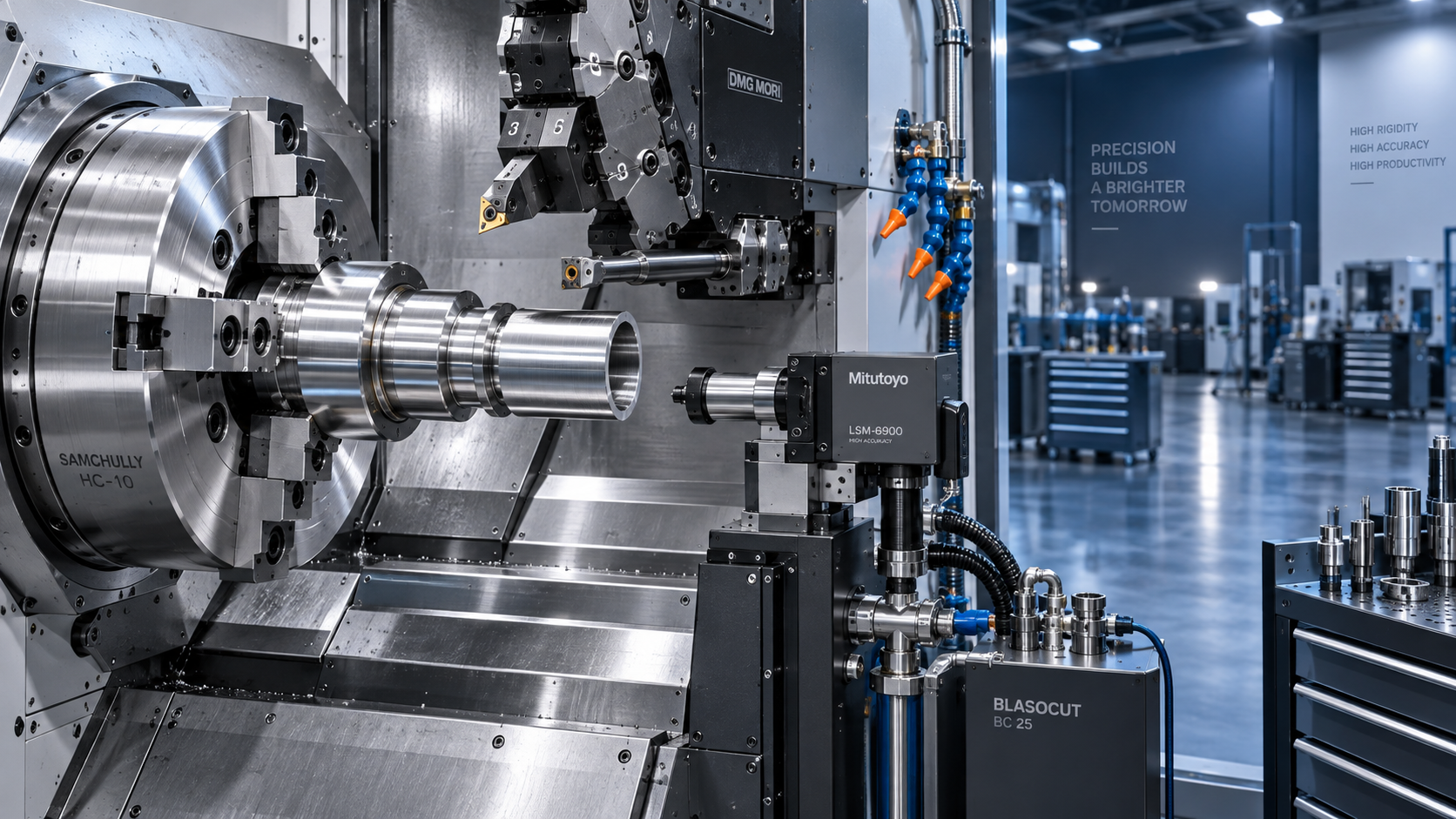
 How to Select a CNC Metal Lathe for Tight-Tolerance Shaft and Sleeve PartsCNC Machining Technology Center
 How to Select an Industrial Lathe for High-Volume Shaft ProductionMachine Tool Industry Editorial Team
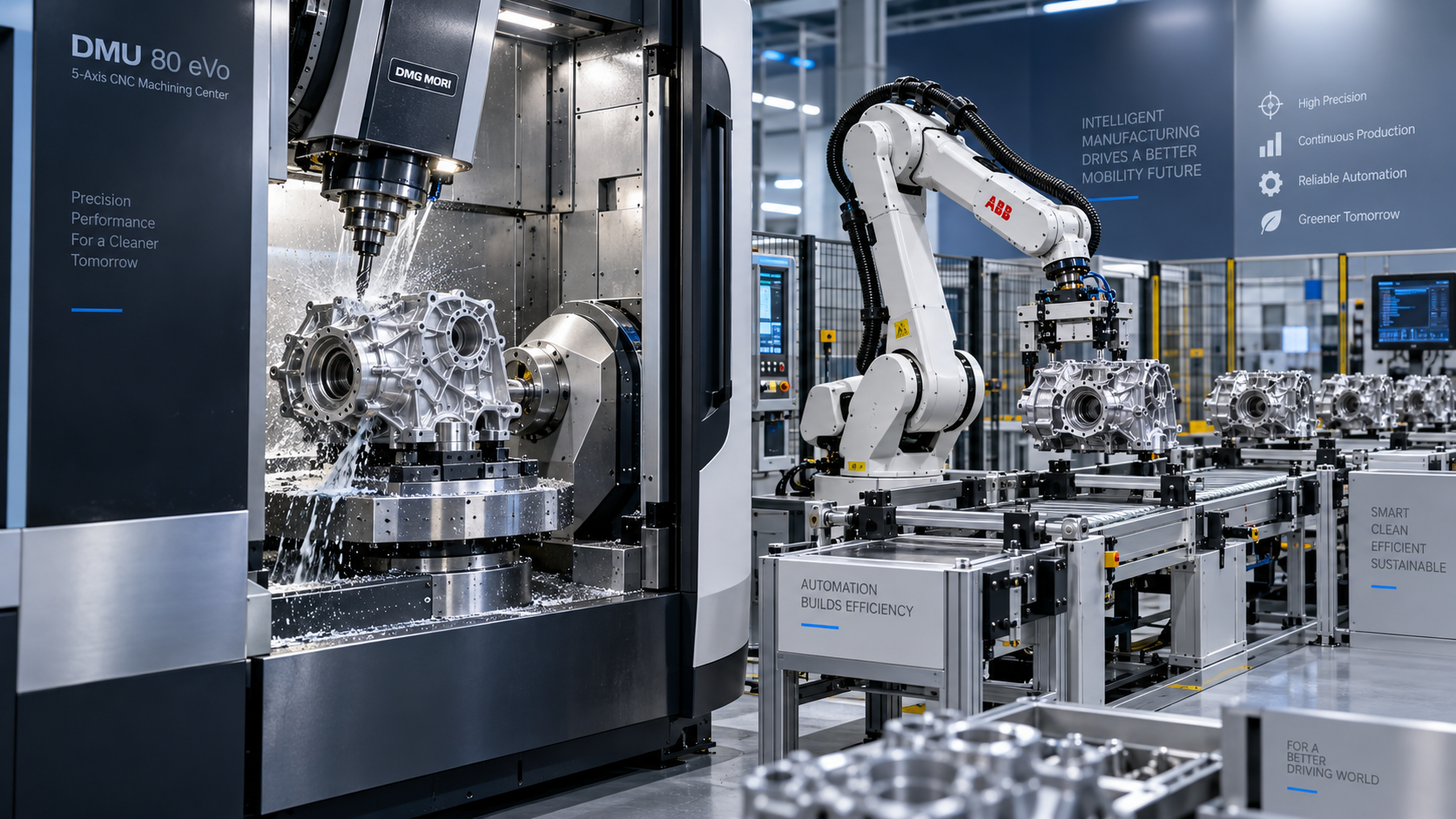
 Selecting Machine Tools for Automotive Parts: Accuracy, Throughput, and AutomationMachine Tool Industry Editorial Team
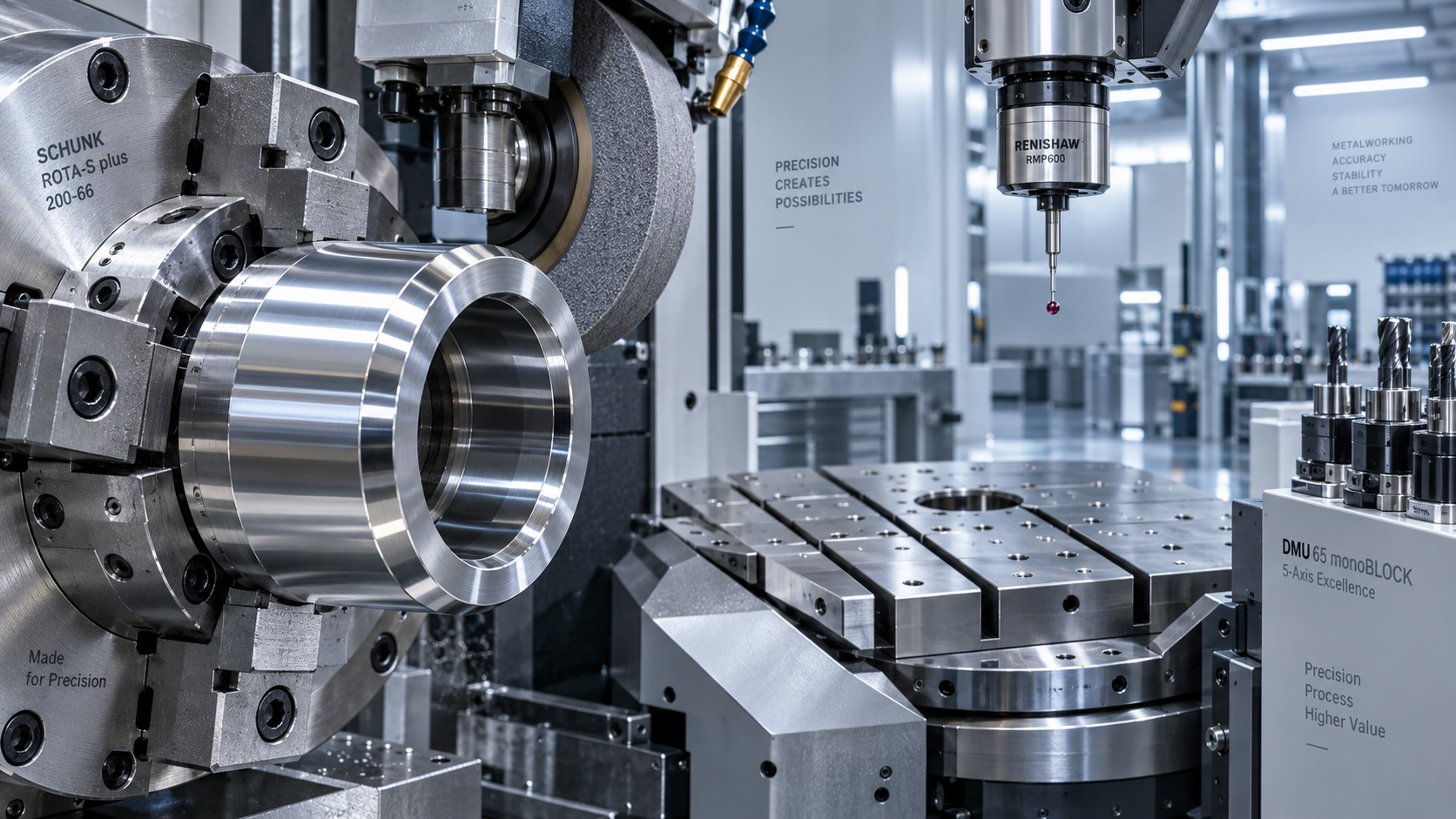
 Industrial Machining: Selecting Processes for Tight-Tolerance Metal PartsCNC Machining Technology Center
 Manufacturing Technology Trends That Improve Throughput and Quality ControlManufacturing Market Research Center



Aris Katos
Future of Carbide Coatings
15+ years in precision manufacturing systems. Specialized in high-speed milling and aerospace grade alloy processing.
▶
Machine Tool Market Outlook: Demand Drivers, Capacity Shifts, and Investment RisksManufacturing Market Research Center▶
Global Machine Tool Backlog Falls 12% as Automation Shifts DemandManufacturing Market Research Center▶
What Drives Machine Tool Price: 7 Cost Factors Buyers Should Compare Before OrderingManufacturing Market Research Center▶
Manufacturing Industry Cost Drivers in 2025: Labor, Energy, Freight, and Sourcing RisksManufacturing Market Research Center▶
CCMT2026 Ends With 40.2% Rise in Five-Axis Export PricesManufacturing Market Research Center
Mastering 5-Axis Workholding Strategies
Join our technical panel on Nov 15th to learn about reducing vibrations in thin-wall components.

Providing you with integrated sanding solutions
Before-sales and after-sales services
Comprehensive technical support