• Global CNC market projected to reach $128B by 2028 • New EU trade regulations for precision tooling components • Aerospace deman
NYSE: CNC +1.2%LME: STEEL -0.4%

What is changing the Machine Tool Market in 2026?
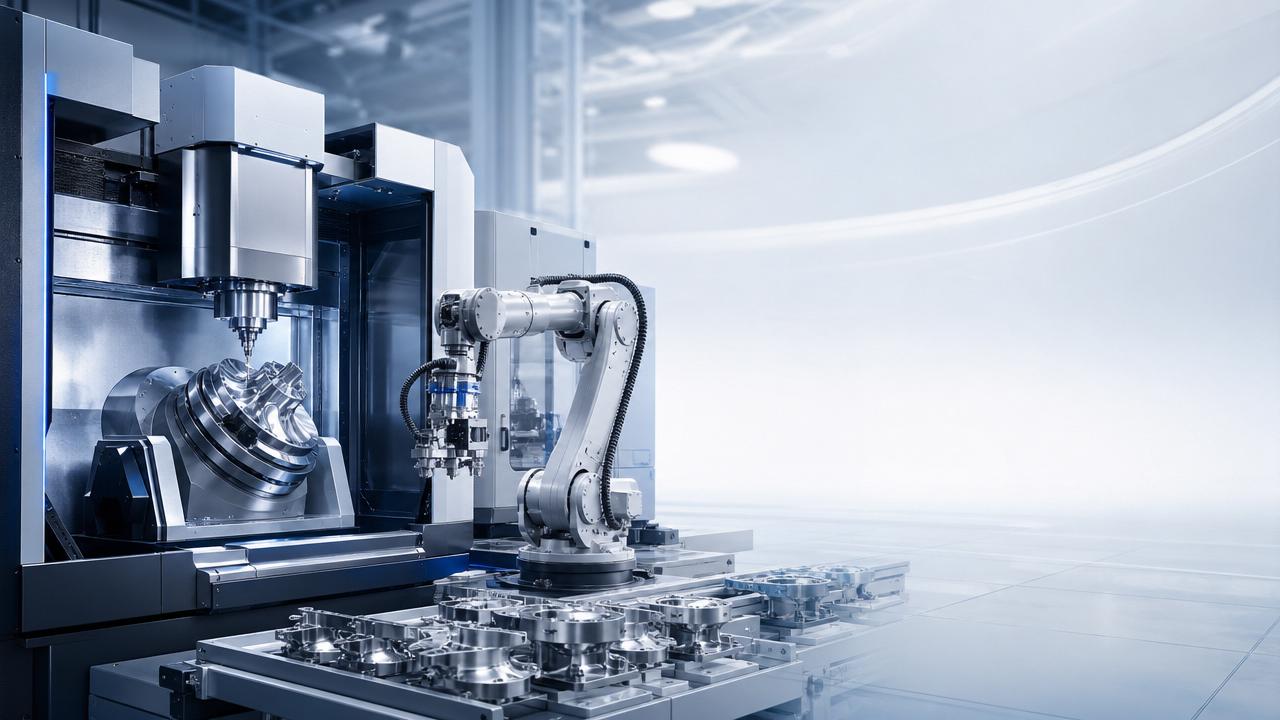
The Machine Tool Market is entering 2026 under stronger structural pressure than in recent years. Automation expansion, digital manufacturing, energy transition, and regional supply realignment are no longer separate trends.
They are now shaping investment timing, equipment specifications, and sourcing decisions across global manufacturing. As a result, the Machine Tool Market is becoming more technology-driven, regionally diverse, and strategically important.
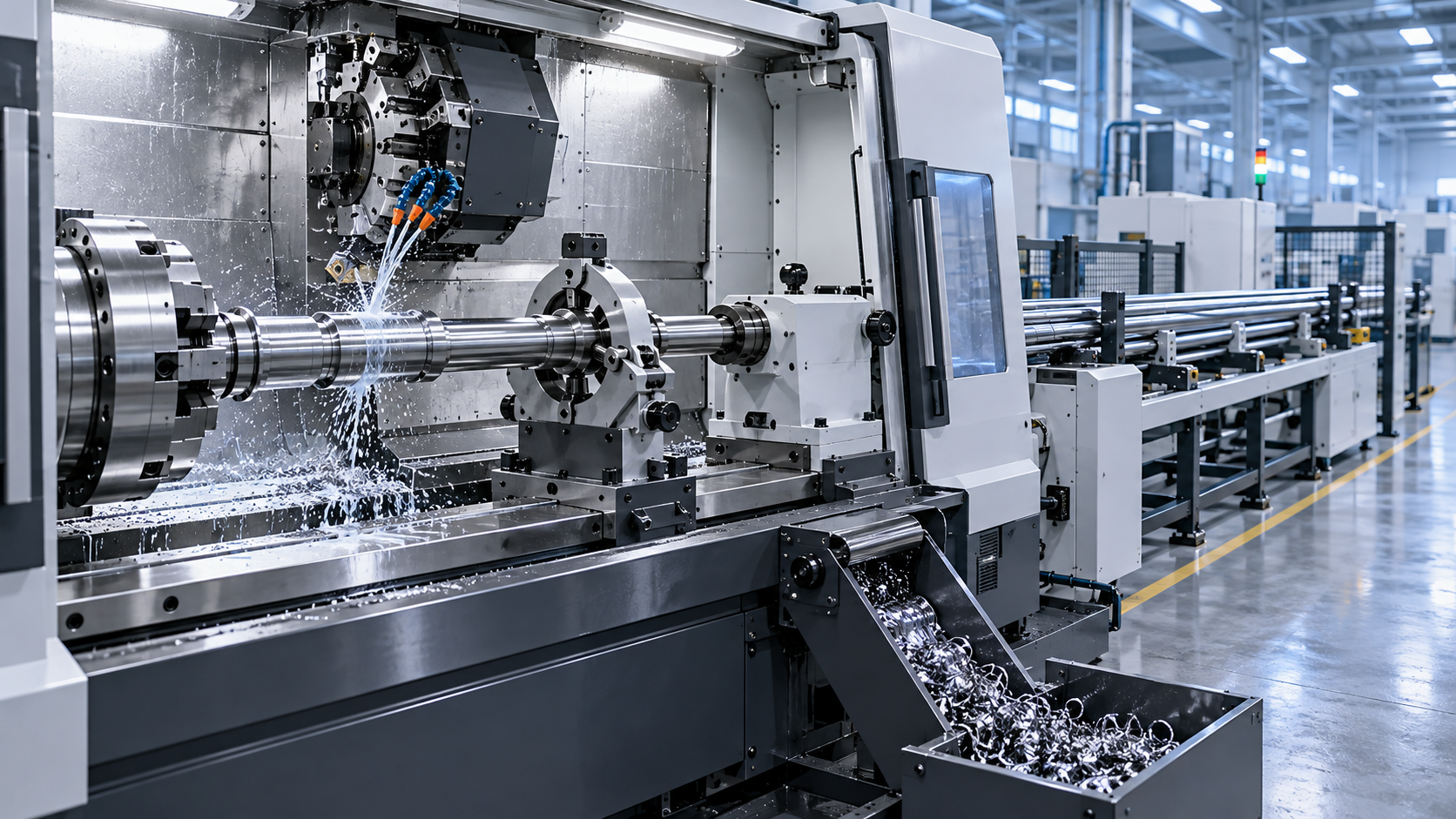
This shift matters because machine tools sit at the center of precision production. CNC lathes, machining centers, grinding systems, and multi-axis platforms support automotive, aerospace, electronics, energy, and general industrial output.
In 2026, the key question is not whether demand exists. The real issue is which forces are changing the Machine Tool Market fastest, and how those forces affect competitiveness, risk, and long-term capacity planning.
Machine Tool Market fundamentals in 2026
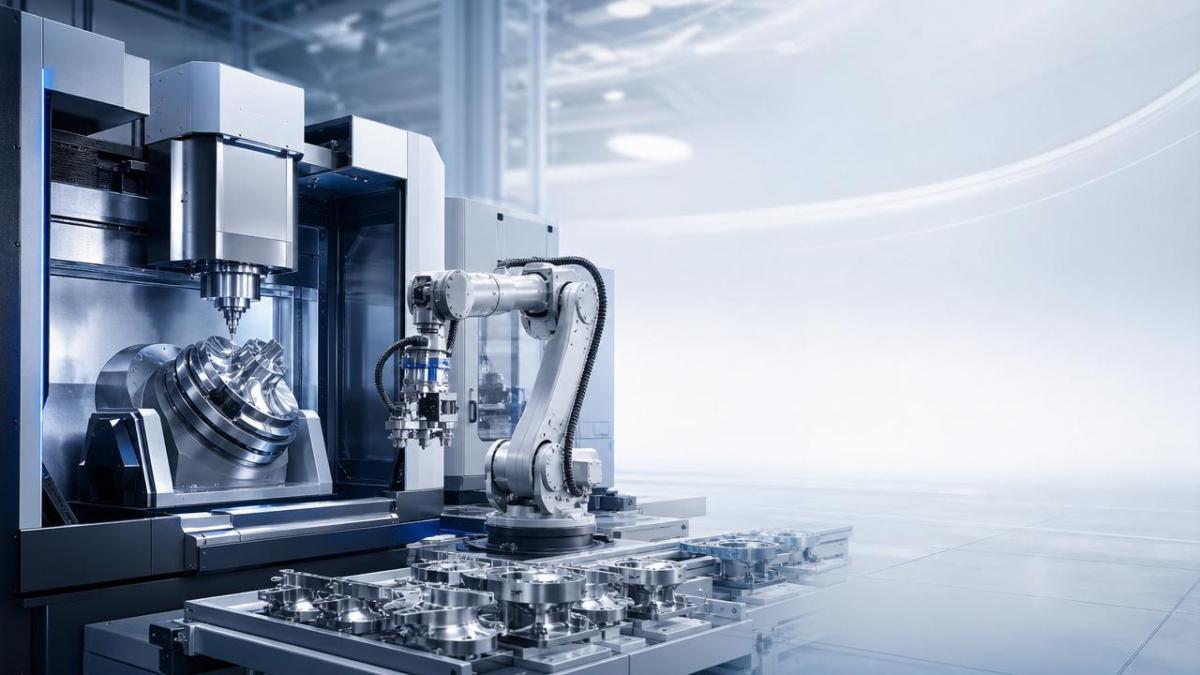
The Machine Tool Market includes equipment used to cut, shape, finish, and machine metal or advanced materials with high repeatability. Core segments include CNC turning, milling, machining centers, grinding, EDM, and automated transfer systems.
The market also extends beyond the machine itself. Controls, spindles, tooling, fixtures, software, robotics, inspection systems, and maintenance services increasingly define total value and purchase decisions.
What changes the market most is not volume alone. It is the combination of product complexity, labor availability, production flexibility, compliance pressure, and digital integration requirements.
That is why the 2026 Machine Tool Market cannot be measured only by unit sales. It must also be read through automation depth, software capability, precision demand, and lifecycle efficiency.
Core forces reshaping the Machine Tool Market
Several structural drivers are changing the Machine Tool Market at the same time. Their combined effect is stronger than any single growth factor.
- Rising demand for automated and unattended machining
- Faster adoption of digital twins, monitoring, and predictive maintenance
- Regionalization of production and supply chain diversification
- Higher precision requirements in EV, aerospace, and electronics components
- Energy efficiency and sustainability targets in factory investment
- Shortage of skilled labor in programming, setup, and maintenance
Automation is one of the strongest growth engines. Factories want fewer manual interventions, shorter setup times, and more stable output across mixed production runs.
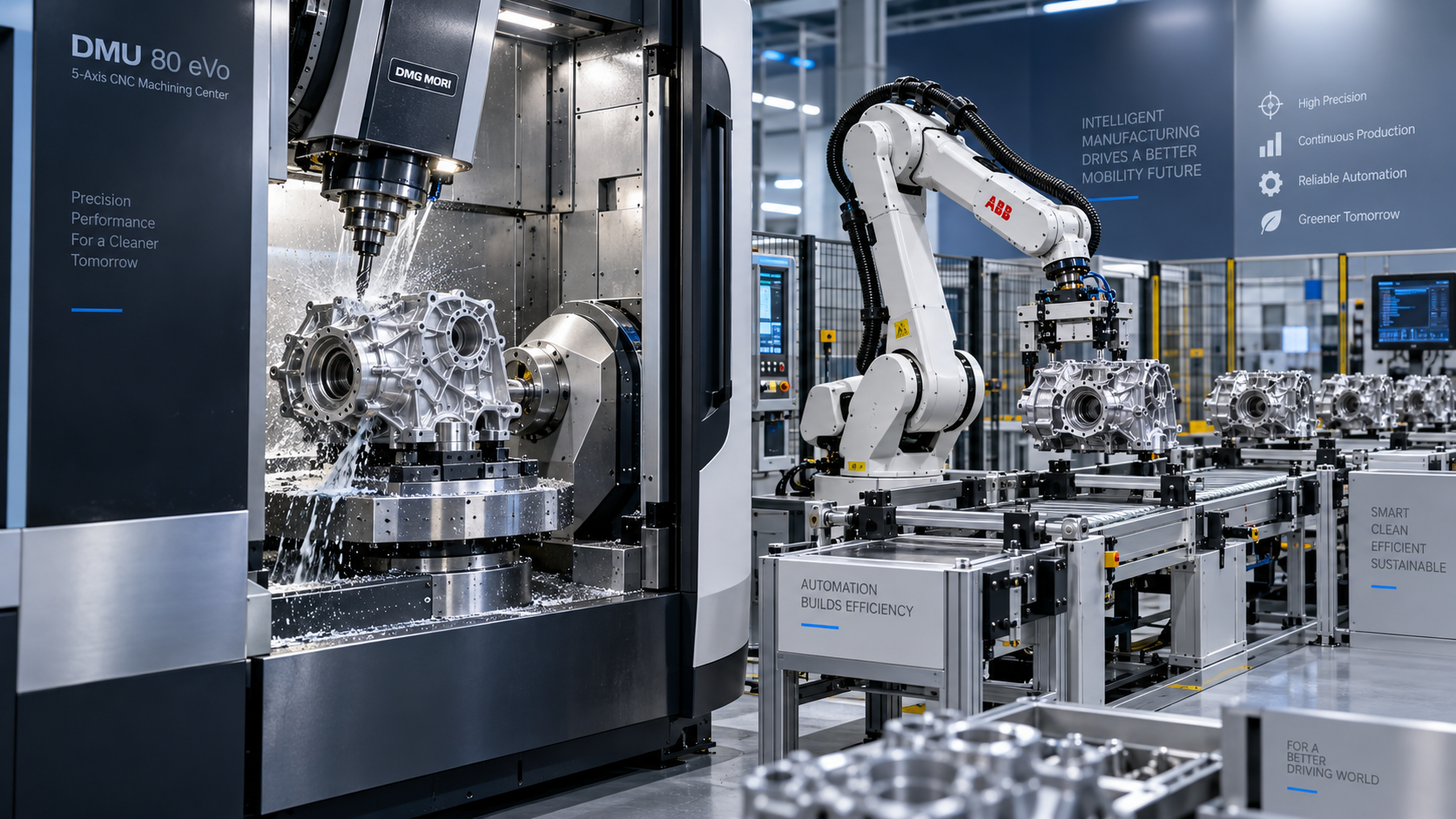
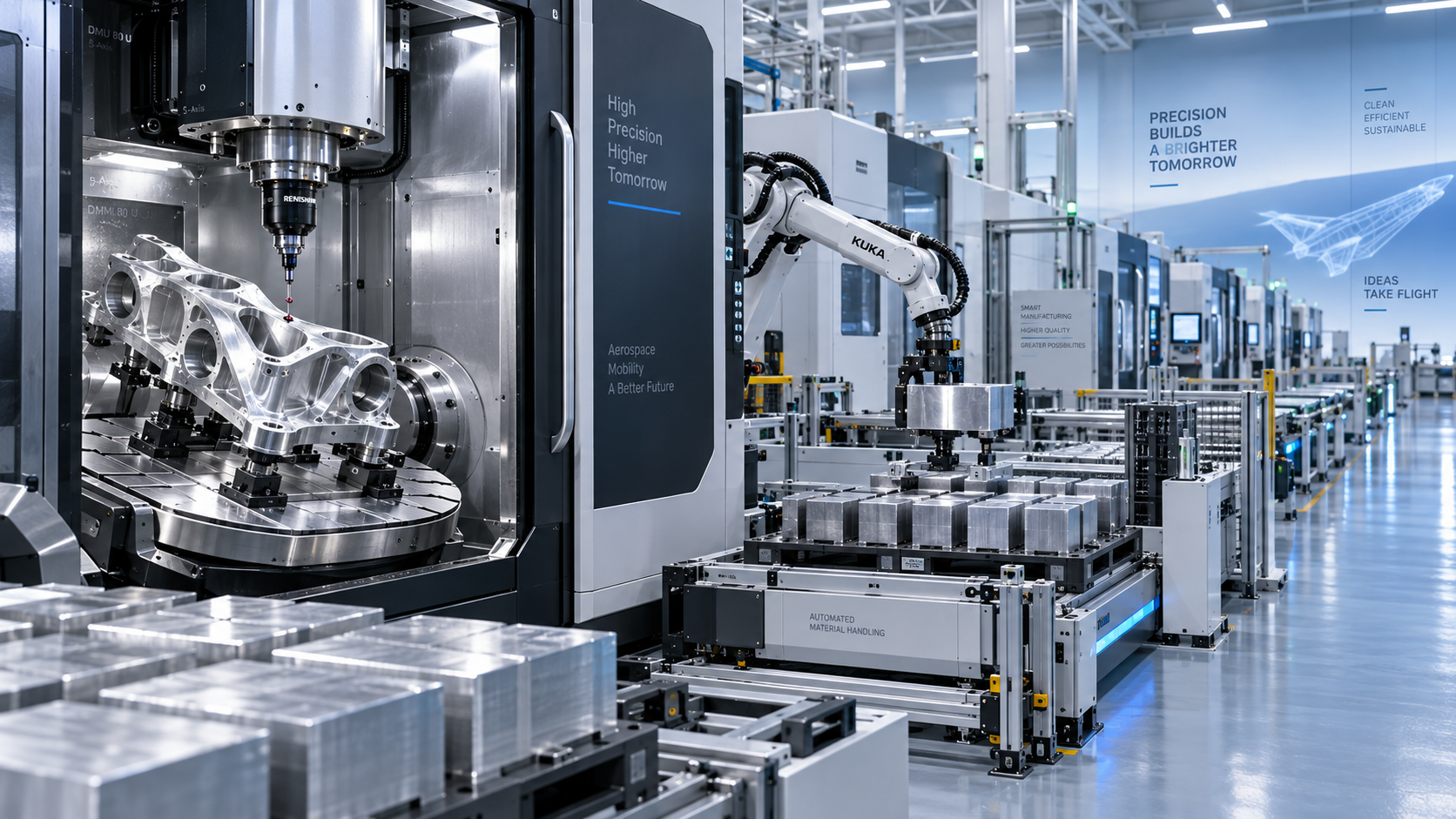
This is pushing the Machine Tool Market toward integrated cells. Machines are increasingly purchased with robots, pallet changers, tool monitoring, and software connectivity rather than as isolated assets.
Another major force is the changing product mix. Electric vehicles need different part families than internal combustion systems, while aerospace and energy applications require more difficult materials and tighter tolerances.
At the same time, buyers are watching total operating cost more closely. Energy use, machine uptime, service access, and spare parts availability now influence equipment comparisons as much as spindle speed.
Regional competition and supply chain shifts
The Machine Tool Market in 2026 is also being reshaped by geography. Production capacity, technology depth, and trade exposure vary widely across major regions.
Nearshoring and friend-shoring are changing buying patterns. More companies want regional machine support, faster installation, and backup sourcing for critical components such as controls, bearings, and drives.
This does not reduce globalization. Instead, it creates a more layered Machine Tool Market, where local service capability matters as much as international manufacturing scale.
Trade policy also matters. Tariffs, export controls, and technology restrictions can quickly affect machine availability, lead time, and pricing across strategic sectors.
Technology adoption and business value
Technology is changing the Machine Tool Market by shifting value from pure hardware to integrated performance. The most competitive systems now combine cutting capability with data visibility and process control.
High-impact technologies
- AI-assisted process optimization for cycle time and tool life
- Condition monitoring for spindles, vibration, and thermal stability
- Digital simulation for setup reduction and collision prevention
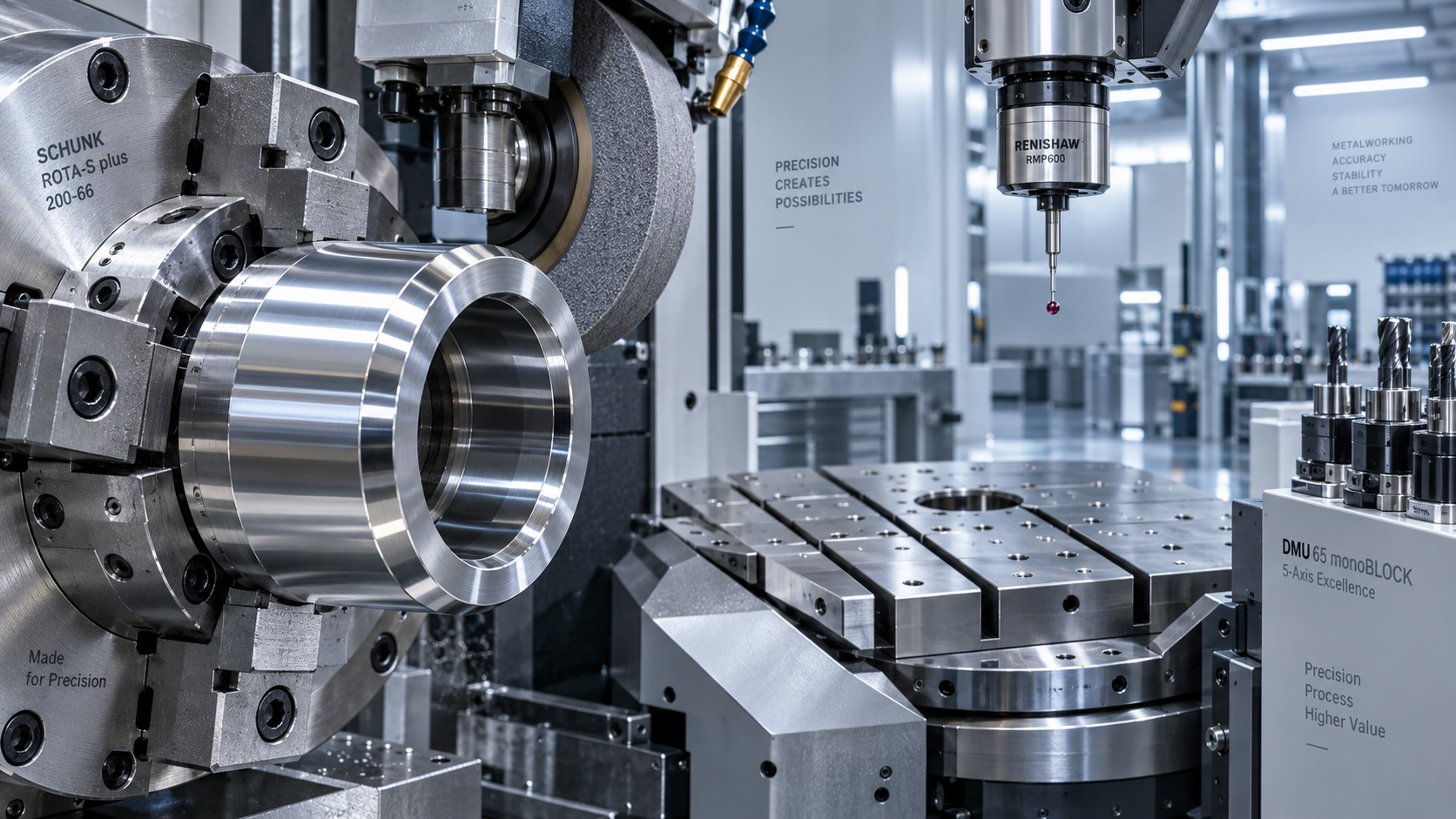
- Closed-loop measurement for higher dimensional consistency
- Robotic loading for lights-out production
These capabilities improve output quality and reduce process variability. They also help offset labor shortages by making operation less dependent on constant manual adjustment.
The business value is measurable. Better monitoring lowers unplanned downtime, while simulation and automation reduce scrap, setup waste, and delivery delays.
For the Machine Tool Market, this means product differentiation is becoming more software-led. Buyers increasingly compare interface usability, connectivity standards, and analytics features alongside mechanical specifications.
Where demand is expanding fastest
Demand in the Machine Tool Market is not evenly distributed. The strongest momentum comes from sectors where precision, throughput, and traceability are all critical.
General manufacturing remains important, but growth is shifting toward applications with higher technical barriers. That trend supports premium equipment, process integration, and specialized tooling ecosystems.
As a result, the Machine Tool Market is rewarding suppliers that can align hardware, software, and application engineering around specific production environments.
Practical evaluation points for 2026
A clear evaluation framework is essential because headline growth does not reveal actual equipment suitability. The Machine Tool Market contains strong opportunities, but also hidden cost and execution risks.
- Check whether demand is driven by replacement, expansion, or reshoring.
- Compare automation compatibility, not only machine purchase price.
- Review controller openness and factory software integration options.
- Assess service network strength, parts lead time, and training depth.
- Estimate energy use, uptime, and tool consumption across lifecycle cost.
- Validate performance in target materials and required tolerance ranges.
It is also useful to monitor financing conditions. Higher borrowing costs can delay projects, even when the long-term case for automation remains strong.
Another important factor is implementation speed. In the 2026 Machine Tool Market, value often depends on how quickly equipment reaches stable production after delivery.
Outlook for the Machine Tool Market
The Machine Tool Market is changing in 2026 because manufacturing itself is changing. Precision demand is rising, labor is tighter, product cycles are shorter, and supply resilience has become a strategic priority.
This creates a market where advanced automation, digital control, and reliable support ecosystems matter more than ever. Regional competition will stay intense, but technical integration will decide much of future value.
The most useful next step is to track the market through application needs, regional dynamics, and total lifecycle performance rather than through equipment volume alone. That approach gives a clearer view of where the Machine Tool Market is heading next.
PREVIOUS ARTICLE
Recommended for You
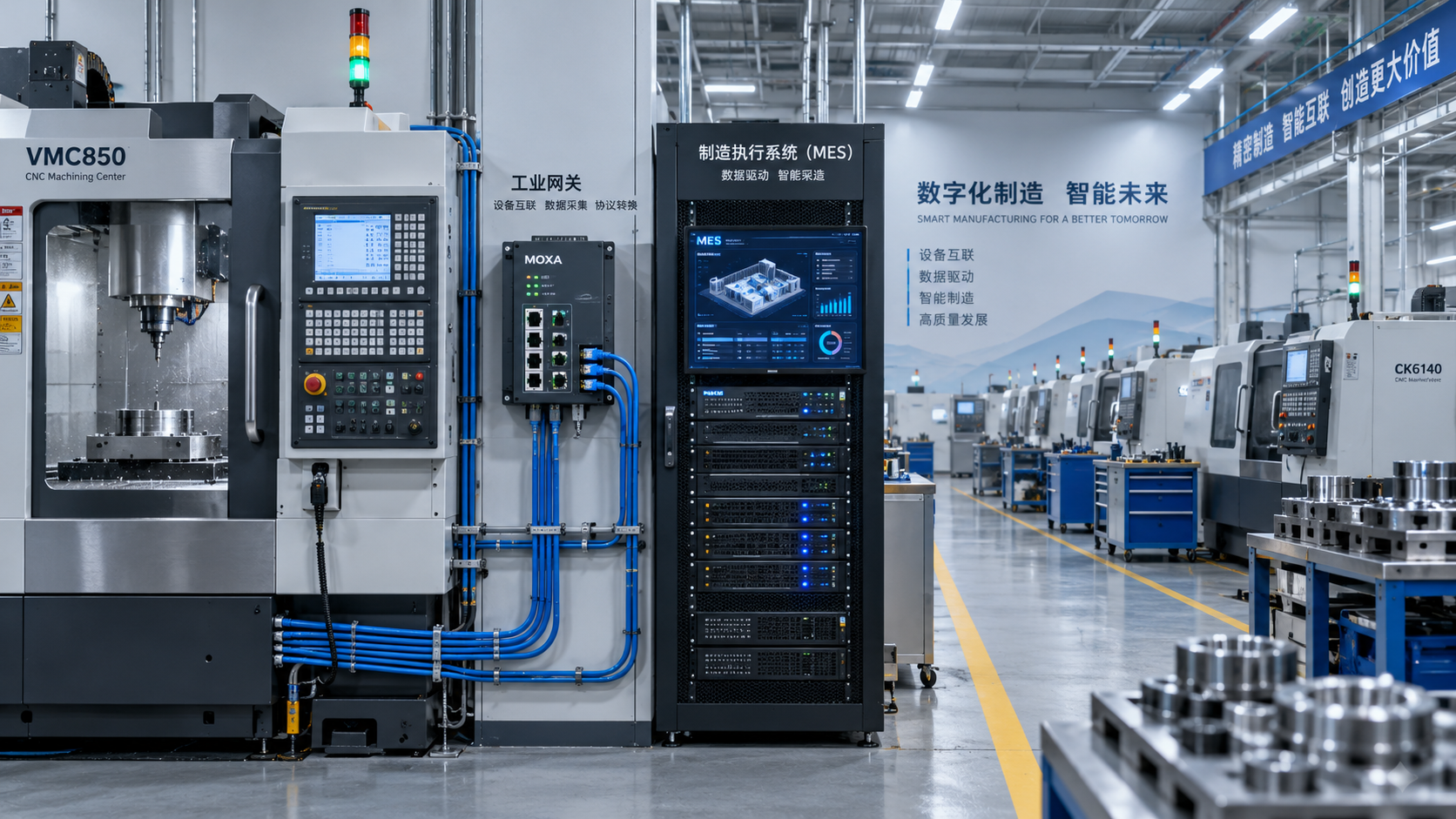
 Digital Manufacturing for Smart Factories: Connecting Legacy Machines to MESMachine Tool Industry Editorial Team
 How to Select a CNC Metal Lathe for Tight-Tolerance Shaft and Sleeve PartsCNC Machining Technology Center
 How to Select an Industrial Lathe for High-Volume Shaft ProductionMachine Tool Industry Editorial Team
 Selecting Machine Tools for Automotive Parts: Accuracy, Throughput, and AutomationMachine Tool Industry Editorial Team
 Industrial Machining: Selecting Processes for Tight-Tolerance Metal PartsCNC Machining Technology Center
 Manufacturing Technology Trends That Improve Throughput and Quality ControlManufacturing Market Research Center

Aris Katos
Future of Carbide Coatings
15+ years in precision manufacturing systems. Specialized in high-speed milling and aerospace grade alloy processing.
▶
Machine Tool Market Outlook: Demand Drivers, Capacity Shifts, and Investment RisksManufacturing Market Research Center▶
Global Machine Tool Backlog Falls 12% as Automation Shifts DemandManufacturing Market Research Center▶
What Drives Machine Tool Price: 7 Cost Factors Buyers Should Compare Before OrderingManufacturing Market Research Center▶
Manufacturing Industry Cost Drivers in 2025: Labor, Energy, Freight, and Sourcing RisksManufacturing Market Research Center▶
CCMT2026 Ends With 40.2% Rise in Five-Axis Export PricesManufacturing Market Research Center
Mastering 5-Axis Workholding Strategies
Join our technical panel on Nov 15th to learn about reducing vibrations in thin-wall components.

Providing you with integrated sanding solutions
Before-sales and after-sales services
Comprehensive technical support