• Global CNC market projected to reach $128B by 2028 • New EU trade regulations for precision tooling components • Aerospace deman
NYSE: CNC +1.2%LME: STEEL -0.4%

Where the Machine Tool Market is softening in 2026

The Machine Tool Market is entering 2026 with visible softening across selected regions, equipment categories, and downstream industries. That shift matters because weaker demand does not spread evenly.
Some buyers will face oversupply and better pricing, while others may still see tight delivery on strategic models, controls, and precision components.
In the global CNC and precision manufacturing ecosystem, timing and application fit are becoming more important than broad market sentiment.
This article maps where the Machine Tool Market is softening in 2026, which scenarios deserve closer attention, and how to adjust sourcing decisions with less risk.
Where regional demand is weakening first in the Machine Tool Market

The Machine Tool Market rarely moves in one direction everywhere. In 2026, softening appears strongest where export manufacturing, property-linked investment, or general industrial production remain under pressure.
Parts of Europe are showing slower replacement cycles for standard machining centers and turning equipment. Energy costs, cautious credit conditions, and muted industrial output are limiting fresh capital expenditure.
In some East Asian segments, domestic competition is intensifying. That creates price pressure in mid-range CNC equipment, especially where local capacity expanded faster than end-market demand.
North America presents a mixed picture. Aerospace and defense programs remain more resilient, but general job shops and discretionary factory expansion are becoming more selective.
Emerging markets tied to automotive exports may also experience a softer Machine Tool Market. When vehicle production plans slow, equipment refresh decisions are often delayed first.
Core signals that regional softness is real
- Longer quotation validity from machine tool suppliers
- Higher discount flexibility on standard CNC models
- Rising availability of showroom or inventory units
- Delayed expansion plans in metals, auto parts, and contract machining
- More aggressive cross-border offers from global equipment brands
Which end-use scenarios are softening faster than others
The Machine Tool Market in 2026 is not weakening evenly across applications. Standardized, volume-driven sectors are showing softer demand earlier than high-specification or regulated industries.
Scenario 1: Automotive component lines under slower investment
Automotive remains a major consumer of CNC lathes, transfer solutions, machining centers, and automation cells. Yet new line approvals are slowing in several regions.
Uncertainty around model mix, EV transition pacing, and supplier margin pressure is reducing urgency for broad equipment replacement. Softness is strongest in conventional component programs.
Scenario 2: General job shops delaying standard machine upgrades
Smaller and mid-sized subcontract machining environments often react quickly to demand uncertainty. They may postpone purchases of vertical machining centers, entry-level five-axis units, or auxiliary automation.
This scenario creates one of the softest pockets in the Machine Tool Market. Suppliers may compete harder on price, tooling bundles, and financing terms.
Scenario 3: Electronics and precision parts with selective caution
Electronics-related precision manufacturing can remain active, but demand is highly segmented. High-value components may stay resilient while commodity-related machining softens.
That means the Machine Tool Market may weaken in standard high-speed milling applications but stay firmer in ultra-precision or specialized process chains.
Scenario 4: Aerospace and energy holding firmer than expected
Not all sectors are soft. Aerospace structures, turbine components, and certain energy equipment categories continue to support demand for advanced multi-axis and large-format systems.
However, even here, buyers are scrutinizing lead time certainty, software integration, and long-term service value more closely than before.
How demand differences change sourcing choices across applications
A softer Machine Tool Market creates opportunity only when application requirements are matched correctly. Price alone is not a reliable signal of value.
The table shows why the 2026 Machine Tool Market should be read by scenario, not by headline sentiment alone. Different applications create different leverage points.
What to do when the Machine Tool Market softens in your scenario
When demand weakens, the best response is structured selection rather than broad delay. A softer Machine Tool Market can improve total project economics if timing is managed carefully.
Practical adaptation steps
- Separate essential process capacity from optional expansion plans.
- Benchmark at least three machine configurations, not just three prices.
- Ask for lead time, spindle origin, controller version, and service response details.
- Review whether inventory machines meet fixture, automation, and software requirements.
- Use soft market conditions to negotiate installation, training, and spare parts packages.
In the CNC machine tool industry, supporting elements often matter as much as the base machine. Tooling, fixtures, probes, automation interfaces, and digital monitoring should be priced together.
For integrated manufacturing lines, a softer Machine Tool Market can also create opportunities to test alternative suppliers from China, Japan, Germany, or South Korea.
Common misreads when market softness looks larger than it is
One common error is assuming every machine category will become cheap. High-precision grinders, advanced five-axis systems, and specialized aerospace platforms may remain relatively firm.
Another mistake is reading quotation discounts as proof of equal value. In a soft Machine Tool Market, weaker suppliers may cut price while reducing support quality.
There is also a tendency to delay too long. If production recovery returns suddenly, standard machines may stay available, but key accessories or control options can tighten quickly.
A final blind spot involves localization risk. Some low-price offers depend on imported spares, overseas commissioning, or limited software compatibility with existing factory systems.
Questions worth asking before committing
- Is the discount driven by real overcapacity or by outdated specification?
- Will the machine fit future automation and smart factory plans?
- Are local service engineers and spare inventories confirmed?
- Does lower pricing offset lifetime maintenance and downtime exposure?
A grounded next step for navigating the 2026 Machine Tool Market
The 2026 Machine Tool Market is softening most clearly in standard equipment, automotive-linked production, and general subcontract machining. More specialized applications remain comparatively stable.
That makes scenario-based evaluation essential. The best decisions come from linking regional weakness, end-use demand, and technical fit before entering commercial negotiation.
Start by mapping current projects into soft, mixed, and resilient demand scenarios. Then compare machine offers by application suitability, service depth, and integration readiness.
In a changing Machine Tool Market, disciplined analysis can turn uncertainty into better sourcing outcomes, stronger cost control, and more reliable manufacturing capacity planning.
PREVIOUS ARTICLE
Recommended for You
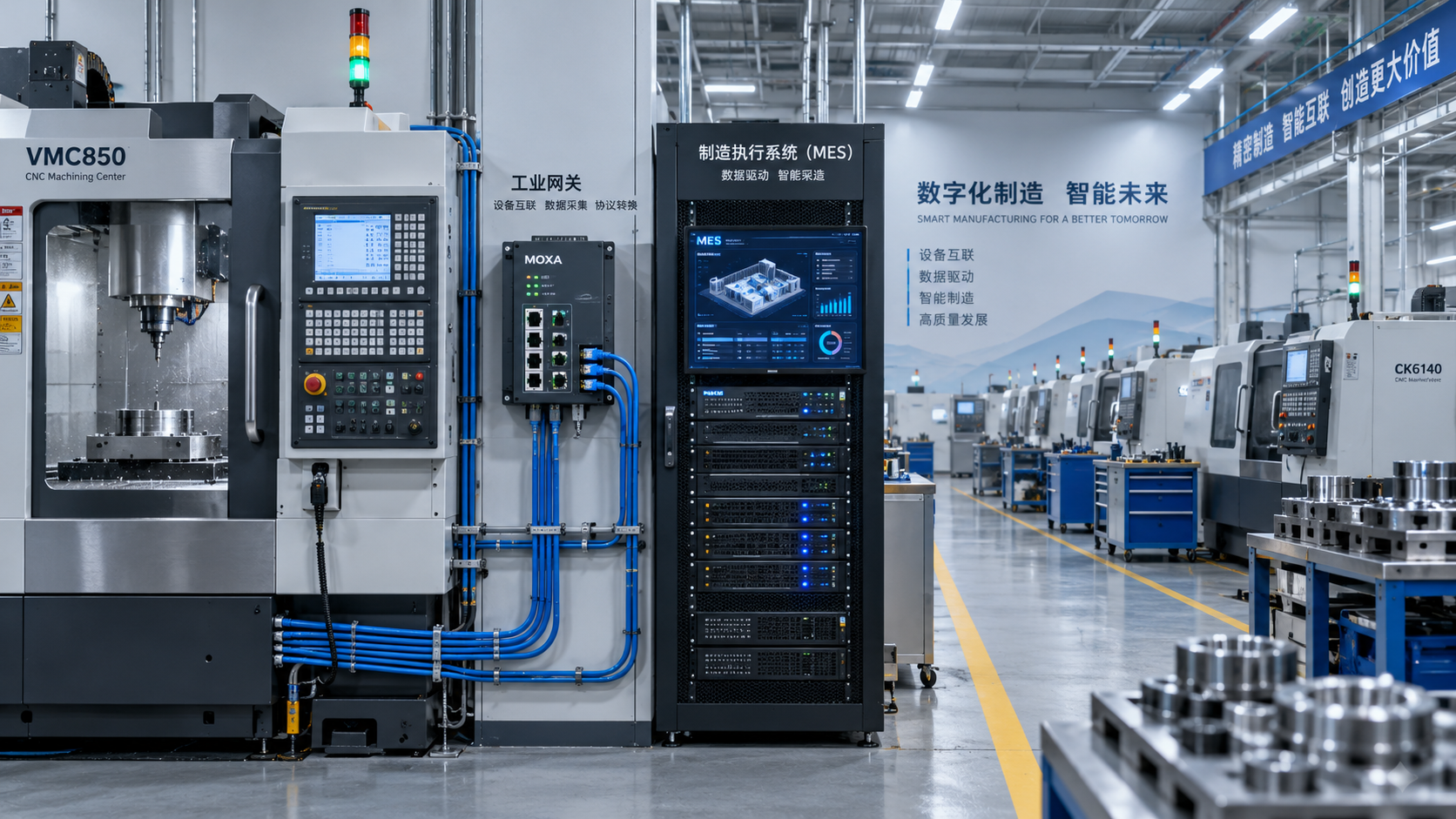
 Digital Manufacturing for Smart Factories: Connecting Legacy Machines to MESMachine Tool Industry Editorial Team
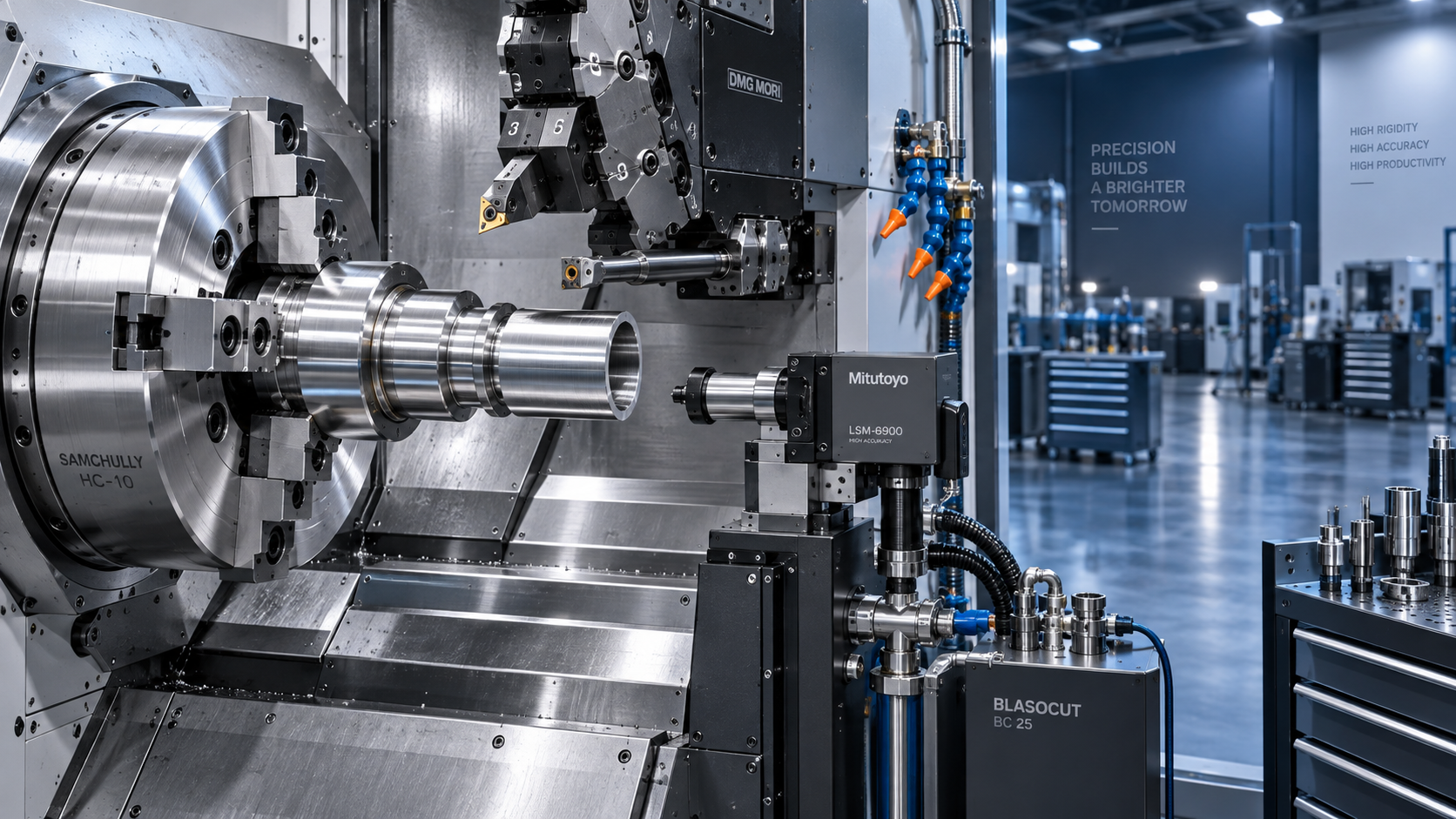
 How to Select a CNC Metal Lathe for Tight-Tolerance Shaft and Sleeve PartsCNC Machining Technology Center
 How to Select an Industrial Lathe for High-Volume Shaft ProductionMachine Tool Industry Editorial Team
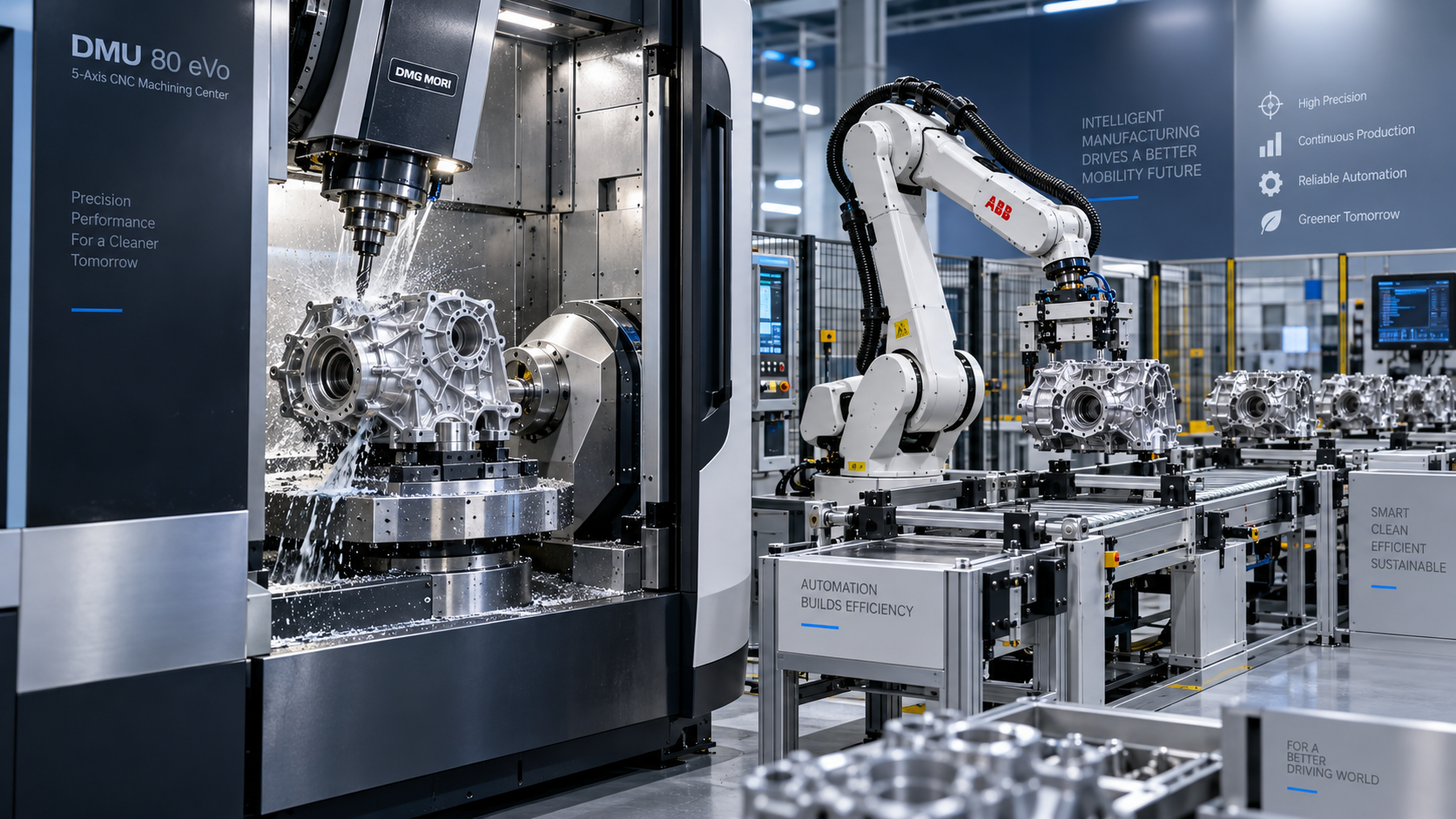
 Selecting Machine Tools for Automotive Parts: Accuracy, Throughput, and AutomationMachine Tool Industry Editorial Team
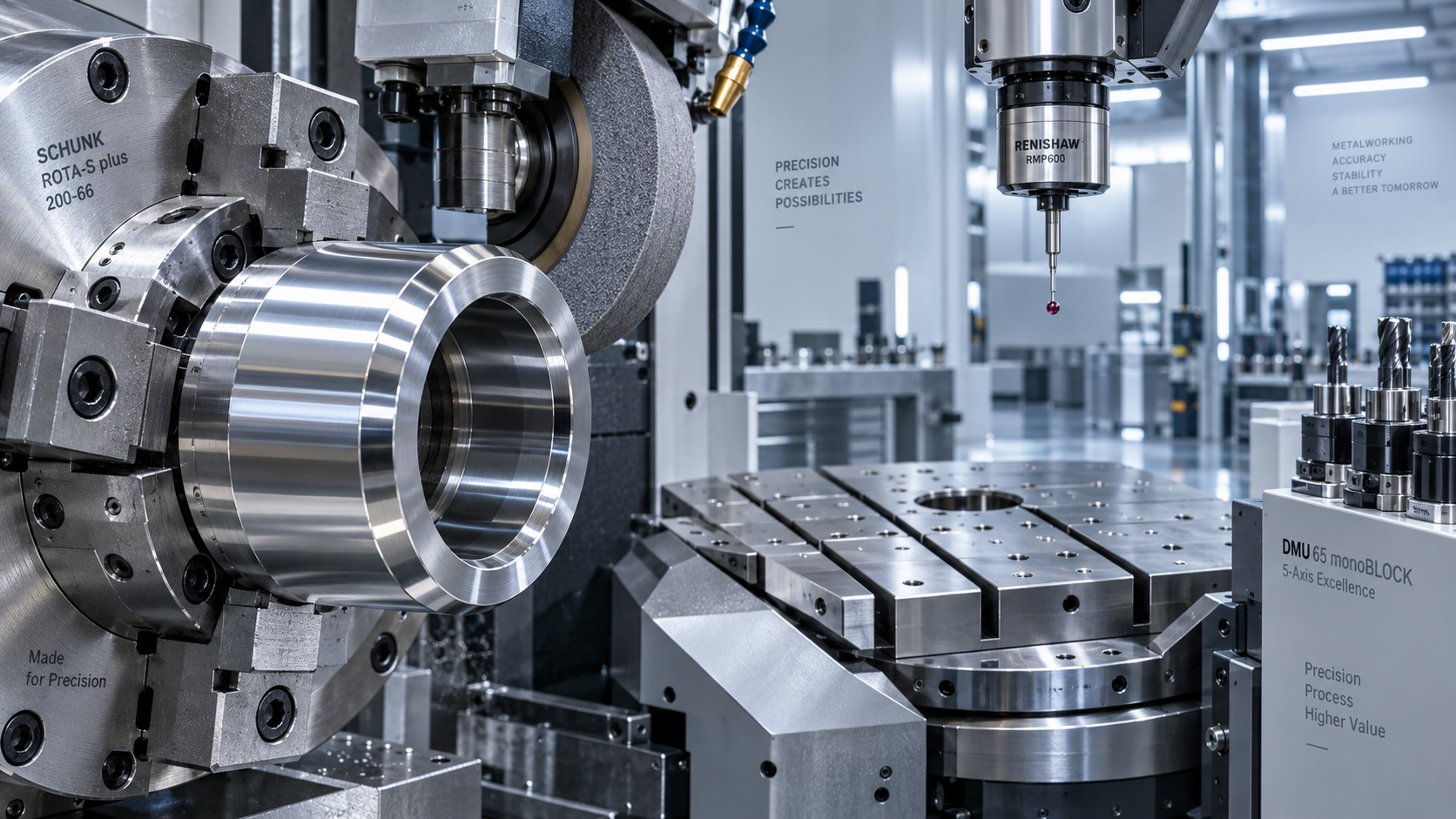
 Industrial Machining: Selecting Processes for Tight-Tolerance Metal PartsCNC Machining Technology Center
 Manufacturing Technology Trends That Improve Throughput and Quality ControlManufacturing Market Research Center



Aris Katos
Future of Carbide Coatings
15+ years in precision manufacturing systems. Specialized in high-speed milling and aerospace grade alloy processing.
▶
Machine Tool Market Outlook: Demand Drivers, Capacity Shifts, and Investment RisksManufacturing Market Research Center▶
Global Machine Tool Backlog Falls 12% as Automation Shifts DemandManufacturing Market Research Center▶
What Drives Machine Tool Price: 7 Cost Factors Buyers Should Compare Before OrderingManufacturing Market Research Center▶
Manufacturing Industry Cost Drivers in 2025: Labor, Energy, Freight, and Sourcing RisksManufacturing Market Research Center▶
CCMT2026 Ends With 40.2% Rise in Five-Axis Export PricesManufacturing Market Research Center
Mastering 5-Axis Workholding Strategies
Join our technical panel on Nov 15th to learn about reducing vibrations in thin-wall components.

Providing you with integrated sanding solutions
Before-sales and after-sales services
Comprehensive technical support