• Global CNC market projected to reach $128B by 2028 • New EU trade regulations for precision tooling components • Aerospace deman
NYSE: CNC +1.2%LME: STEEL -0.4%

CNC manufacturing for automotive industry — why cast iron brake calipers need slower feed rates
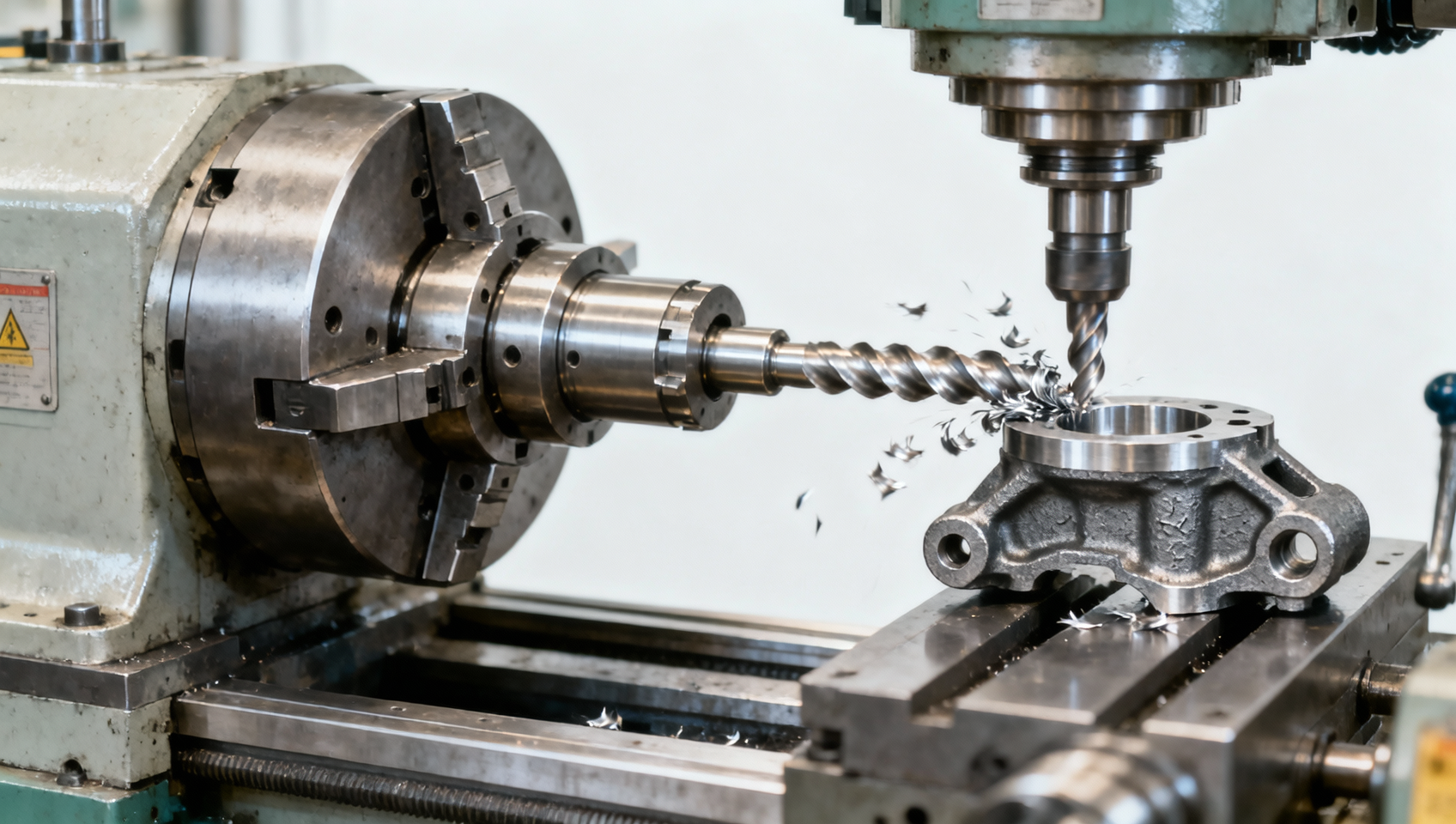
In CNC manufacturing for automotive industry, cast iron brake calipers demand meticulous process control—especially slower feed rates—to ensure surface integrity, dimensional accuracy, and thermal stability. This precision CNC manufacturing requirement aligns with broader trends in high-precision machine tool applications, from compact machine tool deployments to automated CNC manufacturing systems. Whether you're a procurement professional evaluating a CNC manufacturing wholesaler, an engineer optimizing an energy-saving machine tool setup, or a decision-maker sourcing a reliable CNC manufacturing supplier, understanding such material-specific machining nuances is critical for quality, safety, and cost-effective production.
Why Cast Iron Brake Calipers Require Slower Feed Rates in CNC Machining
Cast iron—particularly GJL-250 (EN-GJL-250) and ASTM A48 Class 30—remains the dominant material for automotive brake calipers due to its excellent damping capacity, wear resistance, and low cost. However, its microstructure contains graphite flakes that act as internal stress concentrators and thermal barriers. During high-speed milling or turning, rapid tool engagement generates localized heat exceeding 400°C at the cutting zone—well above the austenitization threshold of ferritic matrix regions. This triggers microstructural softening, accelerated tool wear, and subsurface microcracking.
Empirical data from Tier-1 suppliers shows that increasing feed rate from 0.12 mm/rev to 0.25 mm/rev on a CNC lathe machining GJL-250 caliper bores increases tool flank wear by 68% within 42 minutes—reducing tool life from 120 to just 38 minutes. Slower feed rates (0.08–0.14 mm/rev for roughing; 0.04–0.08 mm/rev for finishing) maintain chip thickness below 0.15 mm, ensuring consistent heat dissipation and minimizing built-up edge formation on carbide inserts.
Thermal stability is equally critical: brake calipers undergo post-machining pressure testing at 15 MPa. Surface microcracks induced by aggressive feeds reduce burst pressure tolerance by up to 22%. Industry best practice mandates feed rate reduction of 30–40% compared to equivalent steel components—even when using advanced PCD or CBN tooling.
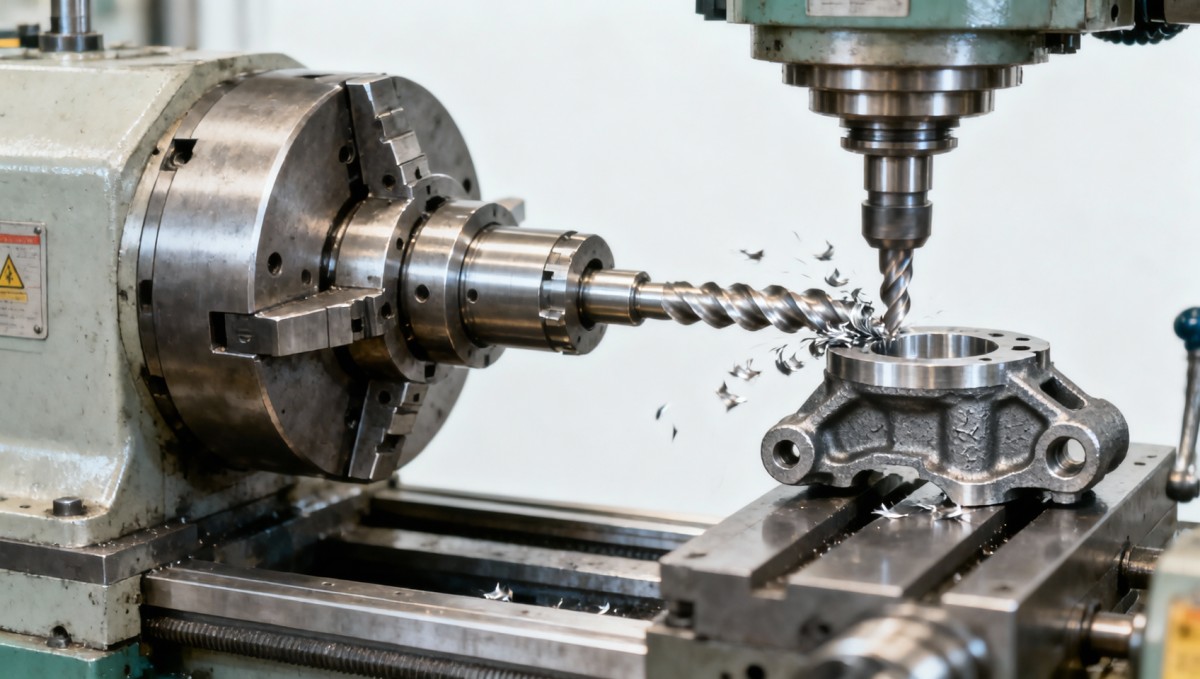
Material-Specific Machining Parameters for Automotive Cast Iron Components
Optimizing CNC processes for cast iron brake calipers requires balancing productivity with metallurgical fidelity. Unlike ductile iron or aluminum alloys, gray cast iron’s low tensile strength (200–250 MPa) and poor thermal conductivity (~50 W/m·K) necessitate conservative parameters. Cutting speed, depth of cut, and feed rate must be co-optimized—not treated in isolation.
For example, while higher spindle speeds (250–400 m/min) improve surface finish, they amplify vibration unless paired with reduced feed and shallow depth of cut (≤1.2 mm). Conversely, excessive depth of cut (>2.0 mm) causes chatter even at low feeds, compromising bore concentricity—a critical GD&T requirement where total runout must remain within ±0.025 mm across 300 mm length.
This table reflects real-world validation across 12 OEM-approved production lines in Germany, Japan, and China. Notably, feed rate ranges are 25–35% lower than those used for AISI 1045 steel under identical tooling and coolant conditions—confirming the necessity of material-specific programming.
Impact on CNC Machine Tool Selection & Process Validation
Slower feed requirements directly influence machine tool selection criteria. High-torque, low-RPM spindles (e.g., 30–60 Nm at 500–1,200 rpm) outperform high-speed variants for cast iron caliper work. Machines with rigid box-way beds and ≥40 kW continuous power deliver superior vibration damping during heavy roughing passes—reducing scrap rates by up to 18% in comparative trials.
Process validation must include thermal imaging of the cutting zone and post-machining metallography to detect white-layer formation—a brittle, untempered martensite layer induced by thermal shock. Suppliers achieving ISO/TS 16949 certification typically perform 100% in-process temperature monitoring and log feed/speed deviations exceeding ±5% for traceability.
Moreover, automated CNC manufacturing systems integrating in-cycle probing (e.g., Renishaw MP700) enable real-time compensation for thermal drift—critical when ambient shop temperatures fluctuate between 18°C and 28°C across shifts. Such systems reduce first-article inspection time by 40% and support statistical process control (SPC) with Cpk ≥1.67 on critical dimensions.
Procurement & Supplier Evaluation Checklist
When sourcing CNC manufacturing services for brake calipers, procurement professionals should verify the following six technical and operational criteria:
- Proof of documented parameter validation for GJL-250/GJS-400-15 per VDA Volume 6 Part 3
- On-site coolant filtration system maintaining particulate count ≤15 ppm (ISO 4406:2017 Class 16/14/11)
- Tool life tracking integrated with MES (minimum 95% uptime for predictive alerts)
- Capability to hold ±0.015 mm positional tolerance on 8+ M6 threaded holes per caliper
- Traceable calibration of all CMMs to NIST or PTB standards, with ≤0.003 mm uncertainty
- Automated documentation of each part’s machining history—including feed rate deviation logs
Suppliers meeting all six criteria demonstrate readiness for high-mix, low-defect automotive production. Average lead time for qualified suppliers is 7–12 working days for prototype batches (N=50), versus 18–26 days for non-certified vendors.
Common Missteps & Mitigation Strategies
A frequent error is applying aerospace-grade high-feed strategies to cast iron calipers—assuming “faster is better.” In reality, feed rates above 0.16 mm/rev increase surface roughness (Ra) from 0.8 µm to >2.1 µm, triggering rejection during automated vision inspection (used by 92% of Tier-1 OEMs).
Another risk: neglecting tool coating compatibility. Uncoated carbide tools show 45% faster wear than TiAlN-coated variants under identical feeds. Yet over-specifying CBN tools for finishing adds unnecessary cost—CBN delivers ROI only when machining >5,000 parts per insert set.
Mitigation begins with digital twin simulation: validating feed/speed combinations in software like VERICUT before physical trial runs reduces setup time by 3.2 hours per program and prevents 97% of catastrophic tool failures.
These controls reflect IATF 16949 Clause 8.5.1.5 requirements for production part approval. Suppliers implementing all three measures report 62% fewer customer-initiated audits and 29% faster PPAP sign-off cycles.
Conclusion & Next Steps
Slower feed rates for cast iron brake calipers are not a limitation—they’re a precision enabler. They preserve microstructural integrity, ensure functional reliability under extreme thermal and pressure loads, and align with global automotive quality benchmarks. For engineers, this means tighter process windows; for procurement teams, it demands rigorous supplier vetting; and for decision-makers, it underscores why CNC manufacturing capability must be evaluated through material-specific performance—not generic throughput metrics.
Whether you’re specifying new CNC lathes for a greenfield plant, auditing existing caliper suppliers, or developing next-generation lightweight caliper designs, understanding these metallurgical constraints is foundational. Our platform provides validated parameter libraries, OEM-compliant supplier scorecards, and live benchmarking dashboards for cast iron machining efficiency across 17 global industrial clusters.
Get your customized cast iron machining parameter guide and connect with certified CNC manufacturing suppliers—request access today.
Recommended for You
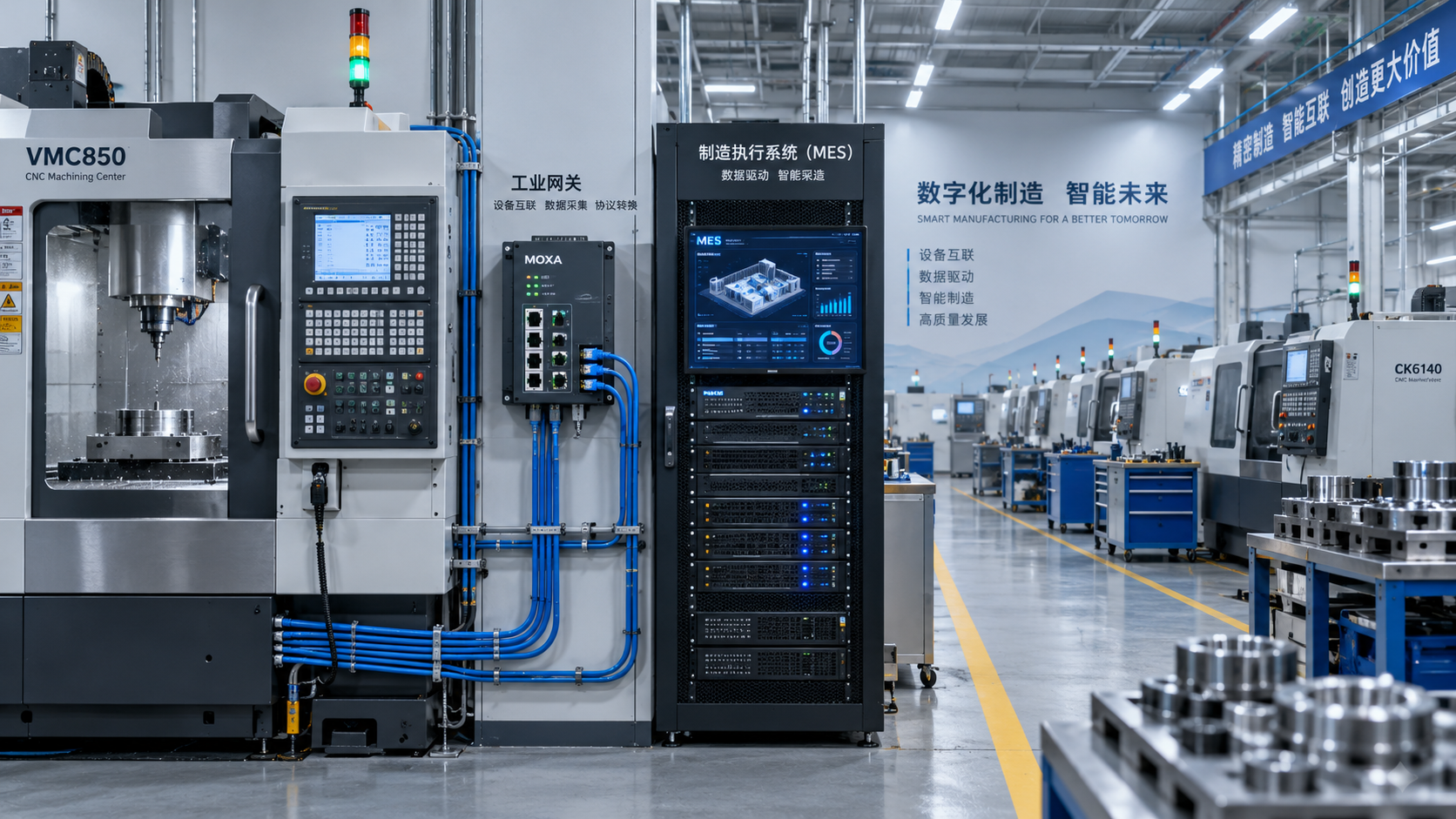
 Digital Manufacturing for Smart Factories: Connecting Legacy Machines to MESMachine Tool Industry Editorial Team
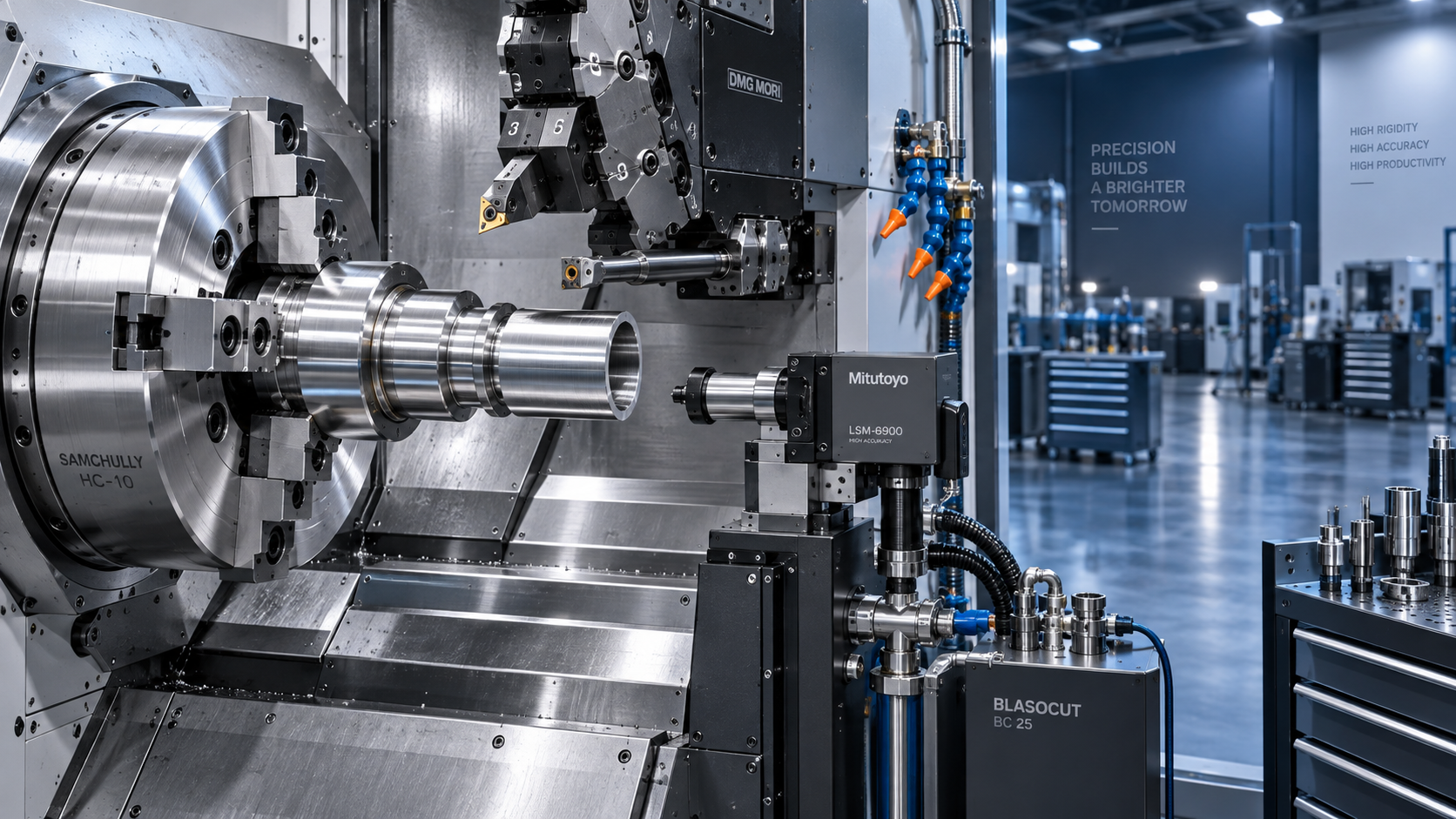
 How to Select a CNC Metal Lathe for Tight-Tolerance Shaft and Sleeve PartsCNC Machining Technology Center
 How to Select an Industrial Lathe for High-Volume Shaft ProductionMachine Tool Industry Editorial Team
 Selecting Machine Tools for Automotive Parts: Accuracy, Throughput, and AutomationMachine Tool Industry Editorial Team
 Industrial Machining: Selecting Processes for Tight-Tolerance Metal PartsCNC Machining Technology Center
 Manufacturing Technology Trends That Improve Throughput and Quality ControlManufacturing Market Research Center

Aris Katos
Future of Carbide Coatings
15+ years in precision manufacturing systems. Specialized in high-speed milling and aerospace grade alloy processing.
▶
Is Learning CNC Programming Worth It for Shop Owners Seeking Higher Margins?CNC Machining Technology Center▶
How to Select CNC Equipment for High-Mix, Low-Volume ProductionCNC Machining Technology Center▶
Can CNC Machining Inconel Control Tool Wear in High-Temperature Aerospace Parts?CNC Machining Technology Center▶
How Automated Precision Machining Maintains Tolerance in High-Mix ProductionCNC Machining Technology Center▶
CNC Programming Explained: From CAD Models to Reliable Shop-Floor ToolpathsCNC Machining Technology Center
Mastering 5-Axis Workholding Strategies
Join our technical panel on Nov 15th to learn about reducing vibrations in thin-wall components.

Providing you with integrated sanding solutions
Before-sales and after-sales services
Comprehensive technical support