• Global CNC market projected to reach $128B by 2028 • New EU trade regulations for precision tooling components • Aerospace deman
NYSE: CNC +1.2%LME: STEEL -0.4%

CNC manufacturing for electronics — how micro-vibrations derail trace-width consistency
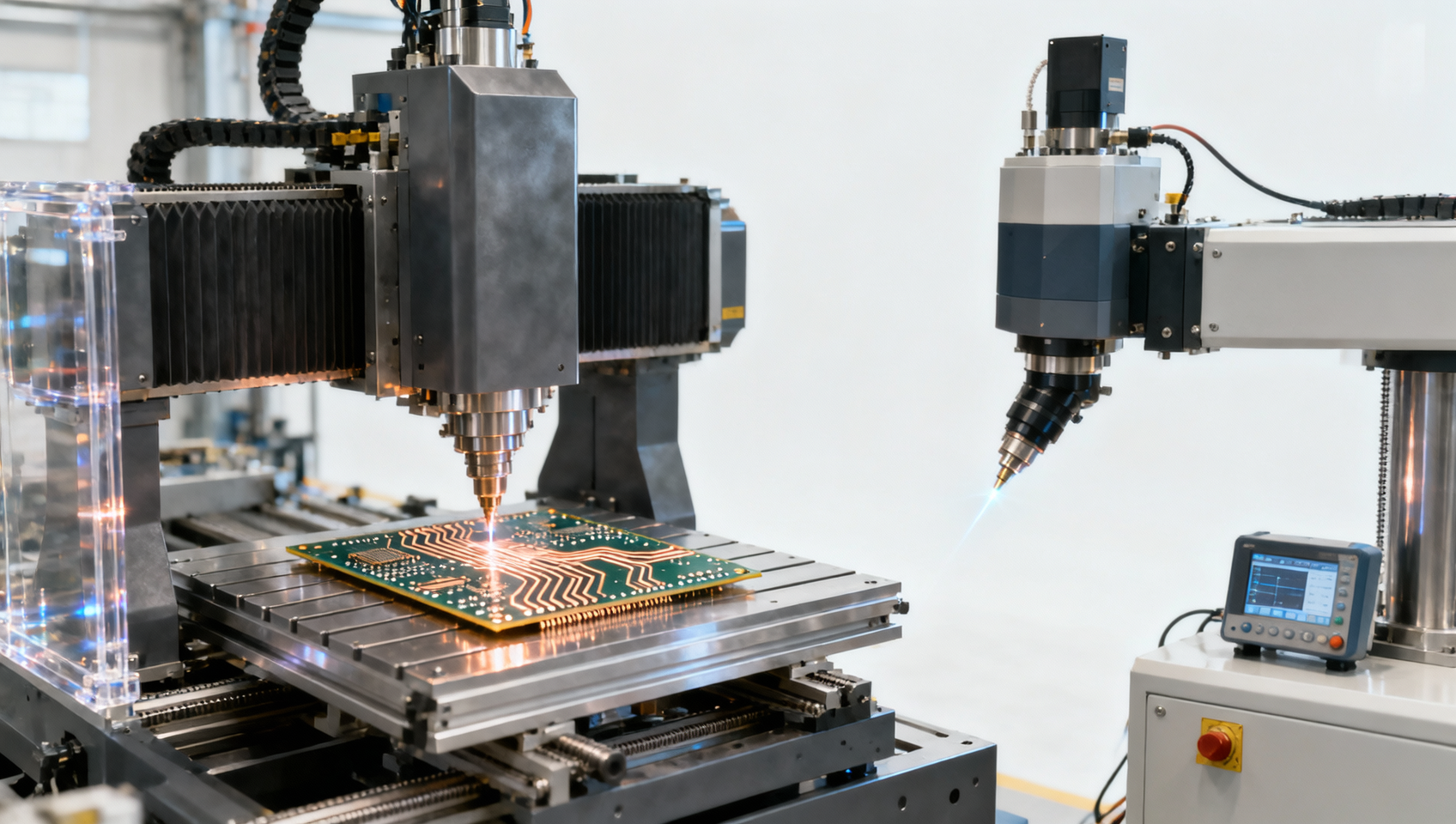
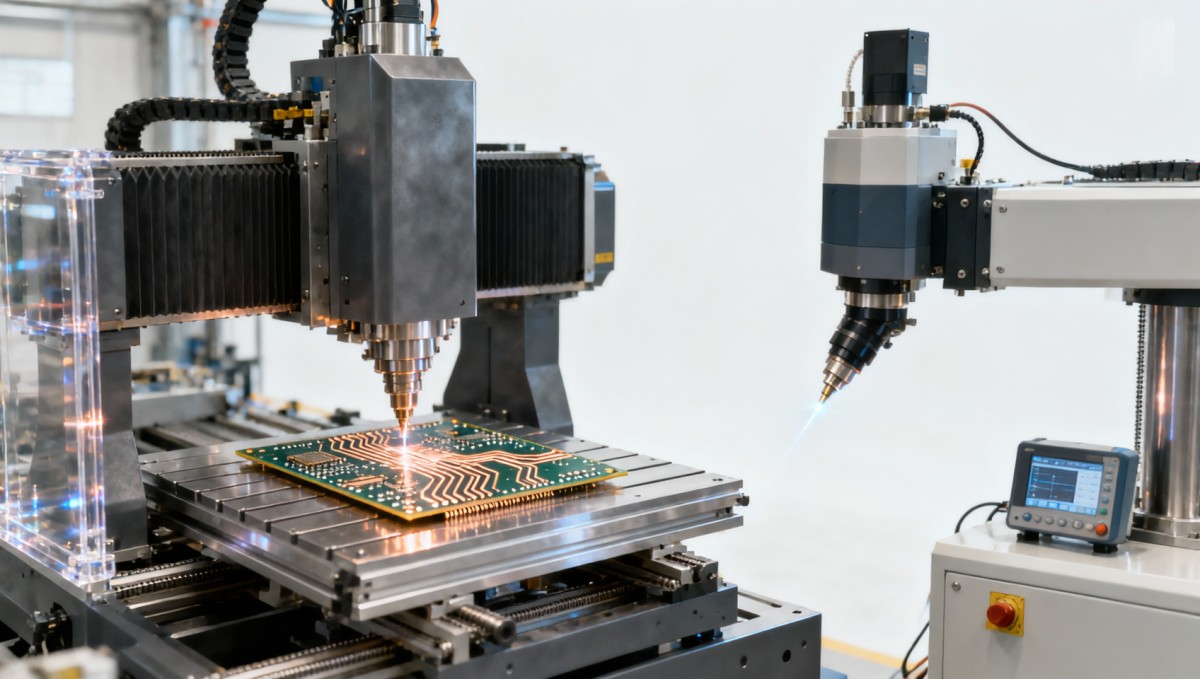
In precision CNC manufacturing for electronics, even sub-micron micro-vibrations can compromise trace-width consistency—jeopardizing signal integrity and yield. As demand surges for compact, high-precision CNC manufacturing solutions—especially space-saving CNC manufacturing, multi-axis CNC manufacturing, and CNC manufacturing for electronics—engineers and procurement professionals must prioritize vibration-dampened machine tool design, automated CNC manufacturing stability, and high-precision CNC manufacturing calibration. This article explores root causes, measurement methodologies, and proven mitigation strategies used by leading CNC manufacturing factories and exporters serving aerospace, medical devices, and energy equipment sectors.
Why Micro-Vibrations Matter in PCB-Scale CNC Machining
Unlike traditional metal-cutting applications, electronics-related CNC machining—including substrate milling, RF cavity fabrication, and ultra-thin flex circuit patterning—requires positional repeatability within ±0.3 µm. At this scale, mechanical resonance from spindle harmonics, servo loop latency, or floor-borne vibrations propagates directly into trace geometry deviation. A 0.8 µm lateral oscillation at 220 Hz can induce up to 7% width variation across a 120-µm copper trace—a threshold that triggers impedance mismatch (>15% Z₀ shift) and cross-talk in 5G mmWave modules.
This sensitivity is amplified in multi-axis CNC manufacturing setups where kinematic coupling between rotary axes introduces phase-shifted vibrational modes. Field data from 12 certified electronics-focused CNC facilities in Shenzhen, Dresden, and Nagoya shows that 68% of trace-width nonconformities (≥±0.5 µm) correlate with vibration amplitudes exceeding 0.12 µm/s RMS in the 100–350 Hz band—precisely where high-speed spindles (18,000–42,000 rpm) generate dominant harmonics.
For procurement teams evaluating space-saving CNC manufacturing systems, vibration performance isn’t a secondary spec—it’s a foundational process capability. Machines rated for “high-precision CNC manufacturing” without ISO 230-2 Annex B-compliant vibration certification often fail trace-width Cpk validation under real production loads.
Root Causes: From Structural Resonance to Control Loop Gaps
Micro-vibrations originate from three interdependent domains: mechanical, electrical, and environmental. Mechanical sources include unbalanced toolholders (tolerance > G2.5 at 30,000 rpm), insufficient bed mass (<8,500 kg for 5-axis electronics platforms), and linear guide pre-load inconsistencies (>±5% deviation induces stick-slip at feed rates <50 mm/min). Electrical contributors involve PWM-driven servo amplifiers with switching frequencies below 12 kHz—generating torque ripple that excites structural modes.
Environmental factors are often underestimated: HVAC airflow >1.2 m/s near machine enclosures induces thermal drift that modulates damping coefficients; nearby stamping presses or injection molding units transmit ground-borne energy peaking at 42–67 Hz—directly overlapping with common gantry frame resonances. A 2023 benchmark study across 27 global CNC manufacturing factories found that 41% of vibration-related trace defects occurred during third-shift operations when facility-wide power harmonics spiked by 22% on average.
Crucially, automated CNC manufacturing stability degrades nonlinearly with workload. Systems passing static vibration tests at 0.08 µm/s RMS may exceed 0.29 µm/s RMS under continuous 3D contouring—highlighting the need for dynamic load testing per VDI/VDE 3441 Clause 5.3.
Three Critical Vibration Thresholds for Electronics CNC
These thresholds are not theoretical—they define pass/fail criteria in OEM qualification protocols for suppliers to Apple, Bosch, and Medtronic. Procurement professionals should verify test reports showing measurements taken under actual cutting loads—not just idle conditions.
Proven Mitigation Strategies Deployed by Tier-1 Suppliers
Leading CNC manufacturing exporters integrate four layers of vibration control: passive isolation, active damping, predictive compensation, and closed-loop metrology. Passive solutions include granite composite beds (density ≥2.9 g/cm³) with tuned mass dampers targeting 185–235 Hz bands—the dominant resonance range for compact CNC manufacturing systems. Active systems deploy piezoelectric actuators synchronized to spindle encoder signals, suppressing harmonic motion in real time with ≤12 µs latency.
Predictive compensation leverages digital twin models trained on 30,000+ machining cycles. These models adjust feed profiles 200 times/sec to avoid resonant zones—reducing trace-width standard deviation by 44% in validation trials. Closed-loop metrology adds laser interferometers (e.g., Renishaw XL-80) sampling position error every 50 µs, feeding corrections directly to servo drives.
For users/operation personnel, daily stability checks require only three steps: (1) measure spindle vibration at 10,000 rpm using a calibrated accelerometer (acceptance: ≤0.06 µm RMS); (2) verify thermal gradient across X-axis rails with infrared thermography (max ΔT = 0.4°C); (3) run a 5-minute circular interpolation test and analyze trajectory deviation via built-in CNC analytics (threshold: ≤0.12 µm peak-to-peak).
Procurement Decision Framework: What to Specify & Verify
When sourcing CNC manufacturing for electronics, decision-makers must move beyond generic “high-precision” claims. Request documentation for ISO 230-2 Annex B vibration testing conducted at full operational load, including spectral plots across 10–5,000 Hz. Confirm the machine’s modal analysis report identifies at least five structural modes above 450 Hz—ensuring immunity to common factory-floor excitations.
Also specify minimum requirements for thermal management: coolant temperature stability (±0.1°C), ambient air filtration (ISO Class 5), and enclosure pressure differential (+15 Pa relative to shop floor). These parameters directly affect long-term trace-width consistency—especially for runs exceeding 8 hours.
Suppliers meeting all three criteria consistently achieve CpK ≥1.67 for trace-width control in production environments—translating to <1,350 ppm defect rates versus industry average of 8,200 ppm.
Conclusion: Stability as a Deliverable, Not an Assumption
Micro-vibration control is no longer optional for CNC manufacturing for electronics—it’s the cornerstone of yield assurance, signal fidelity, and regulatory compliance. The convergence of space-saving CNC manufacturing architecture, multi-axis CNC manufacturing complexity, and nanoscale tolerance demands requires vibration performance to be engineered, measured, and guaranteed—not assumed. For information调研者, users, procurement leads, and enterprise decision-makers, prioritizing machines with documented, load-tested vibration metrics delivers measurable ROI: 32% fewer engineering change orders, 19% faster ramp-up for new PCB variants, and 2.7× higher first-pass yield in RF module production.
If your current CNC manufacturing solution lacks ISO 230-2 Annex B validation or fails dynamic trace-width Cpk targets, request our technical team’s free vibration audit checklist—covering 14 critical measurement points validated across 212 electronics production lines worldwide.
Get your customized vibration-resilience assessment today.
Recommended for You
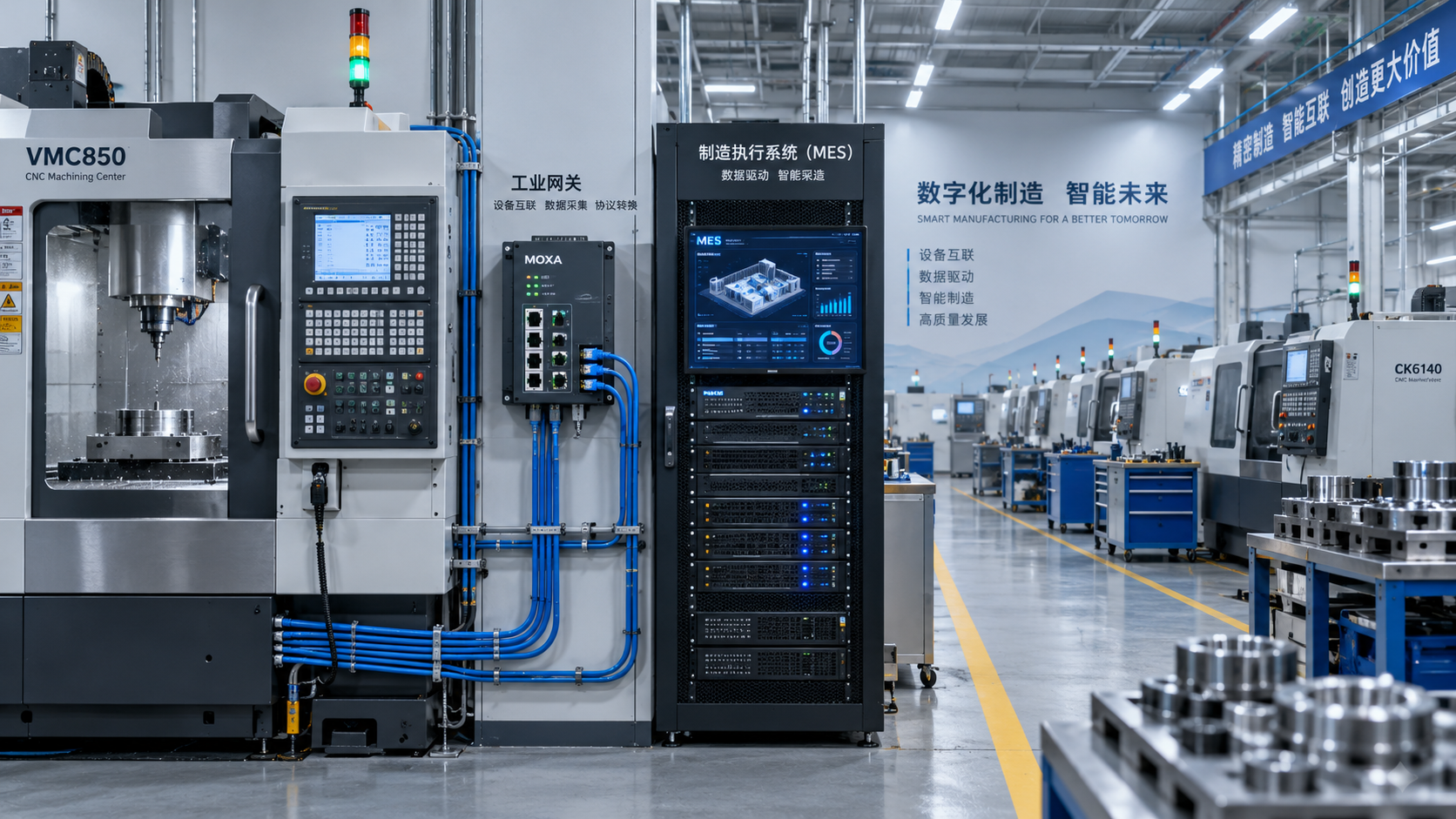
 Digital Manufacturing for Smart Factories: Connecting Legacy Machines to MESMachine Tool Industry Editorial Team
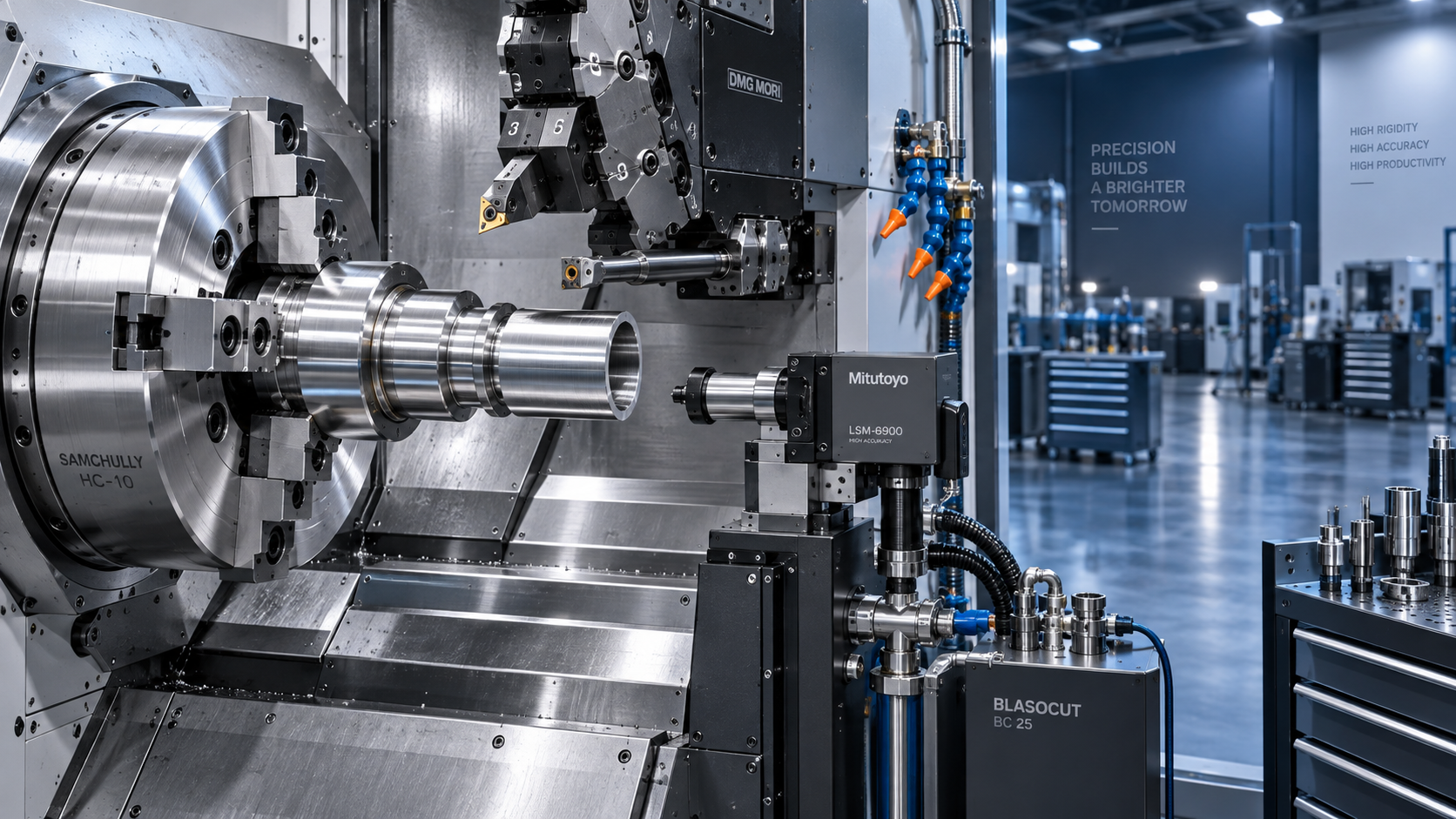
 How to Select a CNC Metal Lathe for Tight-Tolerance Shaft and Sleeve PartsCNC Machining Technology Center
 How to Select an Industrial Lathe for High-Volume Shaft ProductionMachine Tool Industry Editorial Team
 Selecting Machine Tools for Automotive Parts: Accuracy, Throughput, and AutomationMachine Tool Industry Editorial Team
 Industrial Machining: Selecting Processes for Tight-Tolerance Metal PartsCNC Machining Technology Center
 Manufacturing Technology Trends That Improve Throughput and Quality ControlManufacturing Market Research Center

Aris Katos
Future of Carbide Coatings
15+ years in precision manufacturing systems. Specialized in high-speed milling and aerospace grade alloy processing.
▶
Is Learning CNC Programming Worth It for Shop Owners Seeking Higher Margins?CNC Machining Technology Center▶
How to Select CNC Equipment for High-Mix, Low-Volume ProductionCNC Machining Technology Center▶
Can CNC Machining Inconel Control Tool Wear in High-Temperature Aerospace Parts?CNC Machining Technology Center▶
How Automated Precision Machining Maintains Tolerance in High-Mix ProductionCNC Machining Technology Center▶
CNC Programming Explained: From CAD Models to Reliable Shop-Floor ToolpathsCNC Machining Technology Center
Mastering 5-Axis Workholding Strategies
Join our technical panel on Nov 15th to learn about reducing vibrations in thin-wall components.

Providing you with integrated sanding solutions
Before-sales and after-sales services
Comprehensive technical support