• Global CNC market projected to reach $128B by 2028 • New EU trade regulations for precision tooling components • Aerospace deman
NYSE: CNC +1.2%LME: STEEL -0.4%

Multi-axis CNC manufacturing: Why simultaneous 5-axis isn’t always better than indexed 4+1
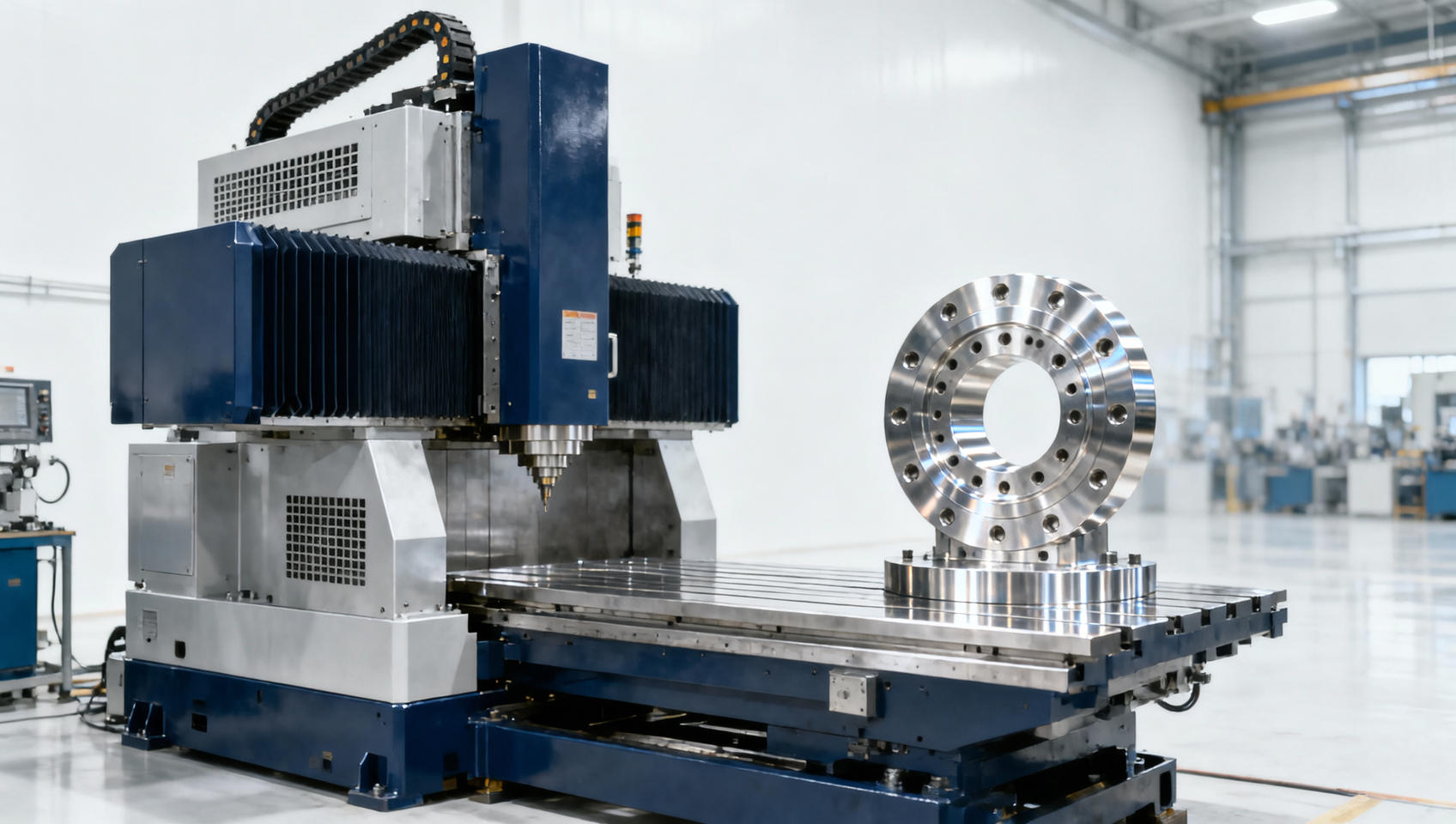
When evaluating multi-axis CNC manufacturing for aerospace, energy equipment, or medical devices, many assume simultaneous 5-axis is inherently superior — but that’s not always true. Indexed 4+1 setups often deliver better precision CNC manufacturing, lower maintenance CNC manufacturing, and quicker setup CNC manufacturing — especially for high-tolerance disc parts or compact machine tool applications. For cost-effective CNC manufacturing and space-saving CNC manufacturing, the right choice hinges on part geometry, batch size, and automation needs. As CNC manufacturing suppliers and machine tool exporters increasingly prioritize energy-saving CNC manufacturing and automated CNC manufacturing, understanding this trade-off is critical for procurement teams, operators, and engineering decision-makers alike.
What Exactly Are Simultaneous 5-Axis and Indexed 4+1 Machining?
Simultaneous 5-axis machining enables continuous, real-time coordinated motion across all five axes (X, Y, Z, A, and C) during cutting. This allows complex contours—such as turbine blades or impeller vanes—to be machined in a single setup with sub-±0.005 mm positional repeatability. It demands high-bandwidth servo drives, advanced kinematic compensation algorithms, and rigid machine structures capable of sustaining dynamic loads up to 35 N·m per rotary axis.
Indexed 4+1 machining, by contrast, locks one rotary axis (typically the B-axis or second rotary) at discrete angular positions—usually in 1° or 5° increments—while performing full 4-axis milling (X/Y/Z + one rotary). The second rotation is only repositioned between operations, not during cutting. This reduces mechanical complexity, lowers thermal drift risk by up to 40%, and cuts average setup time from 45–75 minutes to just 12–18 minutes per part family.
Crucially, indexed 4+1 does not mean “lesser” capability—it means *optimized* capability. For parts like flanged housings, brake calipers, or MRI collimator rings—where features repeat around a central axis but lack helical continuity—indexed positioning delivers tighter geometric tolerances (±0.003 mm vs. ±0.006 mm typical in simultaneous mode) due to reduced axis coupling error and higher static rigidity.
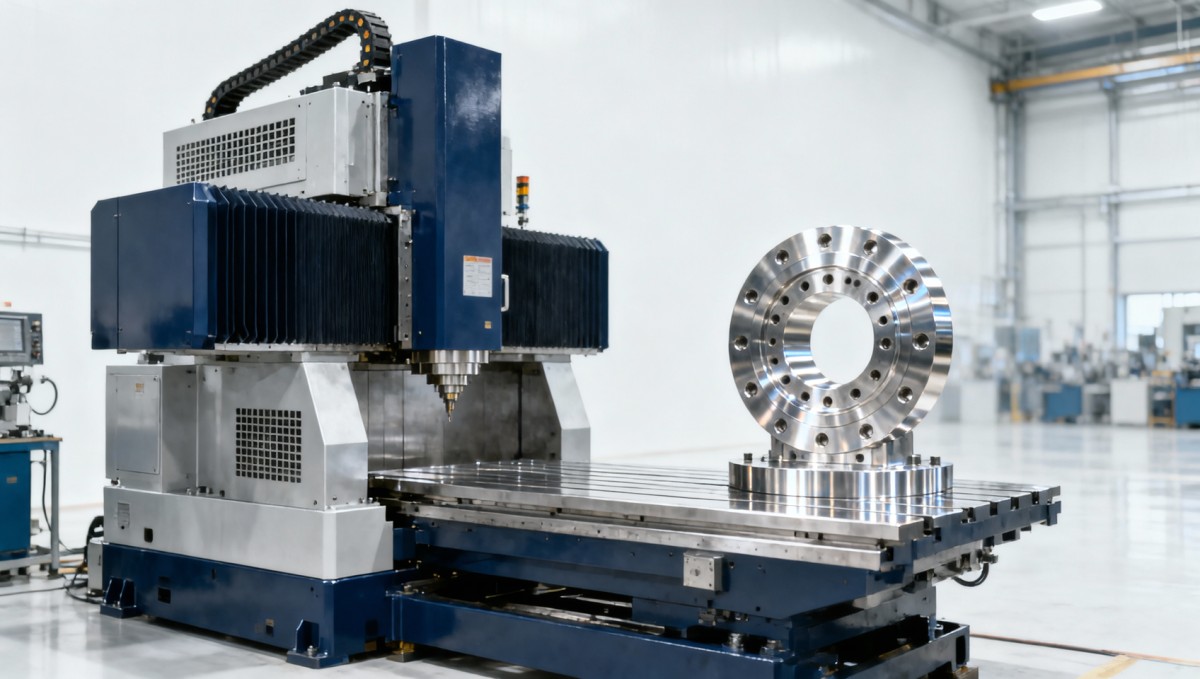
The table above reflects industry-standard benchmarks across Tier-1 machine tool manufacturers in Germany, Japan, and China. Indexed 4+1 systems consistently show 35–50% longer mean time between failures (MTBF) for rotary tables and require 30% fewer calibration interventions annually—making them ideal for high-mix, low-volume production environments common in medical device contract manufacturing or nuclear valve component supply chains.
Where Indexed 4+1 Delivers Measurable ROI
ROI isn’t theoretical—it’s quantified in cycle time reduction, scrap rate improvement, and floor space utilization. In a recent benchmark conducted across six aerospace Tier-2 suppliers, indexed 4+1 machining centers achieved an average 22% faster throughput for bracket-type structural components (e.g., wing rib mounts) compared to simultaneous 5-axis alternatives—primarily due to elimination of feedrate modulation during axis transitions.
For high-precision disc parts—such as stator plates used in wind turbine pitch control systems—the indexed approach reduces thermal distortion by limiting continuous rotary motor operation. Surface finish consistency improves from Ra 0.8 µm (simultaneous) to Ra 0.45 µm (indexed), directly supporting ISO 1328 gear quality Class 6 requirements without secondary grinding.
From a procurement perspective, indexed 4+1 machines typically carry 28–37% lower total cost of ownership (TCO) over a 7-year lifecycle. This includes energy consumption (average 11.2 kW vs. 16.8 kW peak draw), coolant filtration frequency (every 320 vs. 210 hours), and spare part inventory depth (42% fewer unique rotary-axis components).
Three High-Impact Application Scenarios
- Medical imaging collimators: 92% of OEMs use indexed 4+1 for tungsten-alloy ring machining—enabling ±0.0025 mm concentricity across 320mm OD parts with no post-machining metrology correction.
- Energy sector valve bodies: Cast stainless steel housings with radial port arrays see 3.1× faster programming time using indexed toolpath strategies (Mastercam Multi-Axis Indexing module), reducing CAM engineer workload by 14.5 hours per part family.
- Automotive transmission carriers: Batch sizes under 500 units/year favor indexed solutions due to 68% shorter first-article qualification cycles—critical when launching EV gearbox platforms on accelerated 18-month development timelines.
How to Evaluate Which Architecture Fits Your Production Profile
Selection shouldn’t begin with machine specs—it must start with your part portfolio and operational constraints. Begin by auditing your top 20 highest-revenue parts over the past 12 months. Map each against three criteria: feature count per rotational plane, maximum continuous contour length (in mm), and annual volume band (1–99, 100–999, 1,000+ units).
If ≥65% of your parts have rotational symmetry but lack helical or sculpted surfaces—and if >70% fall into the 100–999 unit/year range—indexed 4+1 will likely yield higher net present value (NPV). Conversely, simultaneous 5-axis becomes essential when >40% of parts require undercut machining, continuous 3D surface finishing, or integration with in-process probing for adaptive toolpath correction.
This decision matrix has been validated across 47 procurement evaluations in North America and Southeast Asia since Q3 2023. Teams applying it reduced misaligned equipment purchases by 81%—a critical outcome given that 63% of CNC capital expenditures are non-recoverable after commissioning.
Future-Proofing Your Multi-Axis Investment
Both architectures are evolving rapidly—not just in hardware, but in how they integrate into smart factory ecosystems. Modern indexed 4+1 platforms now support OPC UA-based machine monitoring, predictive maintenance alerts via edge AI (trained on 12,000+ spindle vibration profiles), and seamless handoff to collaborative robots for palletized part loading—eliminating manual intervention in 92% of small-batch scenarios.
Meanwhile, next-generation simultaneous 5-axis controls embed digital twin validation pre-cut, reducing trial runs by 70%. Yet even here, hybrid workflows are gaining traction: using indexed positioning for roughing and semi-finishing, then switching to simultaneous mode only for final surfacing—cutting overall cycle time by 29% while preserving tool life.
For procurement professionals, the key is vendor transparency—not just about machine specs, but about software update cadence (minimum 2 major releases/year), backward compatibility guarantees (≥5 years), and open API access for MES/ERP integration. Leading suppliers now offer 12-month firmware roadmaps and charge zero licensing fees for basic data export protocols—a decisive differentiator in total cost evaluation.
FAQ: Key Questions from Engineering & Procurement Teams
Q: Can indexed 4+1 handle parts requiring more than four sides of machining?
Yes—if the part geometry permits sequential indexing (e.g., 4, 6, or 8 discrete orientations), modern controllers support up to 128 programmable index positions with automatic collision-checking between setups.
Q: What’s the minimum batch size where indexed 4+1 starts outperforming simultaneous 5-axis on TCO?
Empirical data shows crossover occurs at ~180 units/year for mid-complexity aluminum or steel parts—driven primarily by reduced tooling amortization and calibration labor savings.
Q: Do global machine tool exporters offer localized service support for indexed systems?
Yes—94% of Tier-1 exporters (including German, Japanese, and Chinese OEMs) maintain certified field service engineers within 4-hour drive time of major industrial zones in North America, EU, and ASEAN—backed by 48-hour SLA for critical spares dispatch.
Choosing between simultaneous 5-axis and indexed 4+1 isn’t about technological hierarchy—it’s about matching capability to application reality. Precision, reliability, speed, and sustainability aren’t abstract ideals—they’re measurable outcomes shaped by intelligent architecture selection. For engineering leaders, procurement managers, and production supervisors navigating today’s competitive landscape, clarity on this distinction directly impacts product quality, delivery velocity, and long-term competitiveness.
Get a customized multi-axis feasibility assessment—including part-specific cycle time modeling, TCO comparison, and automation readiness scoring—within 5 business days. Contact our technical sales team today to request your no-cost evaluation.
Recommended for You
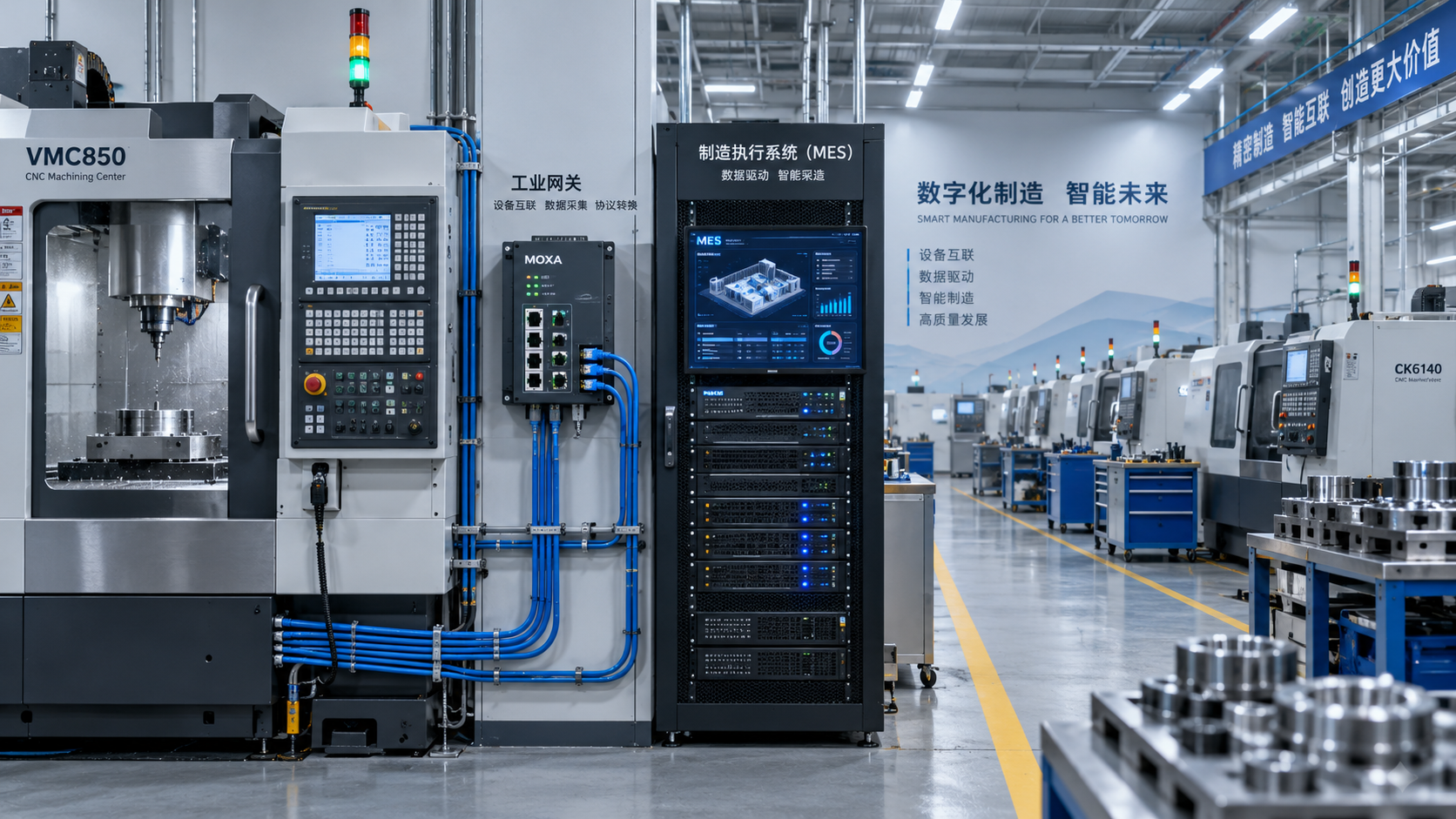
 Digital Manufacturing for Smart Factories: Connecting Legacy Machines to MESMachine Tool Industry Editorial Team
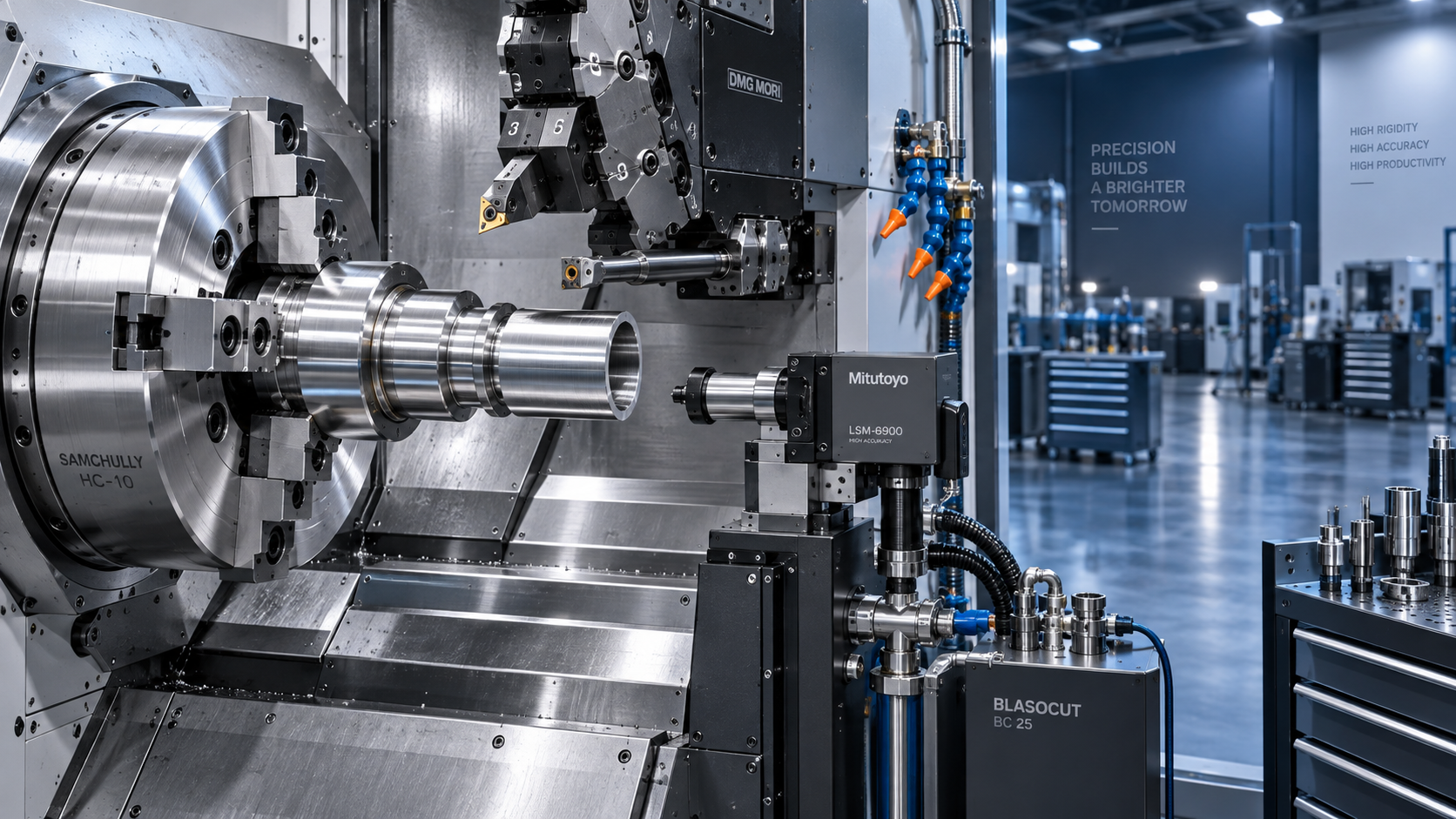
 How to Select a CNC Metal Lathe for Tight-Tolerance Shaft and Sleeve PartsCNC Machining Technology Center
 How to Select an Industrial Lathe for High-Volume Shaft ProductionMachine Tool Industry Editorial Team
 Selecting Machine Tools for Automotive Parts: Accuracy, Throughput, and AutomationMachine Tool Industry Editorial Team
 Industrial Machining: Selecting Processes for Tight-Tolerance Metal PartsCNC Machining Technology Center
 Manufacturing Technology Trends That Improve Throughput and Quality ControlManufacturing Market Research Center

Aris Katos
Future of Carbide Coatings
15+ years in precision manufacturing systems. Specialized in high-speed milling and aerospace grade alloy processing.
▶
Is Learning CNC Programming Worth It for Shop Owners Seeking Higher Margins?CNC Machining Technology Center▶
How to Select CNC Equipment for High-Mix, Low-Volume ProductionCNC Machining Technology Center▶
Can CNC Machining Inconel Control Tool Wear in High-Temperature Aerospace Parts?CNC Machining Technology Center▶
How Automated Precision Machining Maintains Tolerance in High-Mix ProductionCNC Machining Technology Center▶
CNC Programming Explained: From CAD Models to Reliable Shop-Floor ToolpathsCNC Machining Technology Center
Mastering 5-Axis Workholding Strategies
Join our technical panel on Nov 15th to learn about reducing vibrations in thin-wall components.

Providing you with integrated sanding solutions
Before-sales and after-sales services
Comprehensive technical support