• Global CNC market projected to reach $128B by 2028 • New EU trade regulations for precision tooling components • Aerospace deman
NYSE: CNC +1.2%LME: STEEL -0.4%

High-speed CNC manufacturing: Where acceleration limits now trump top RPM ratings
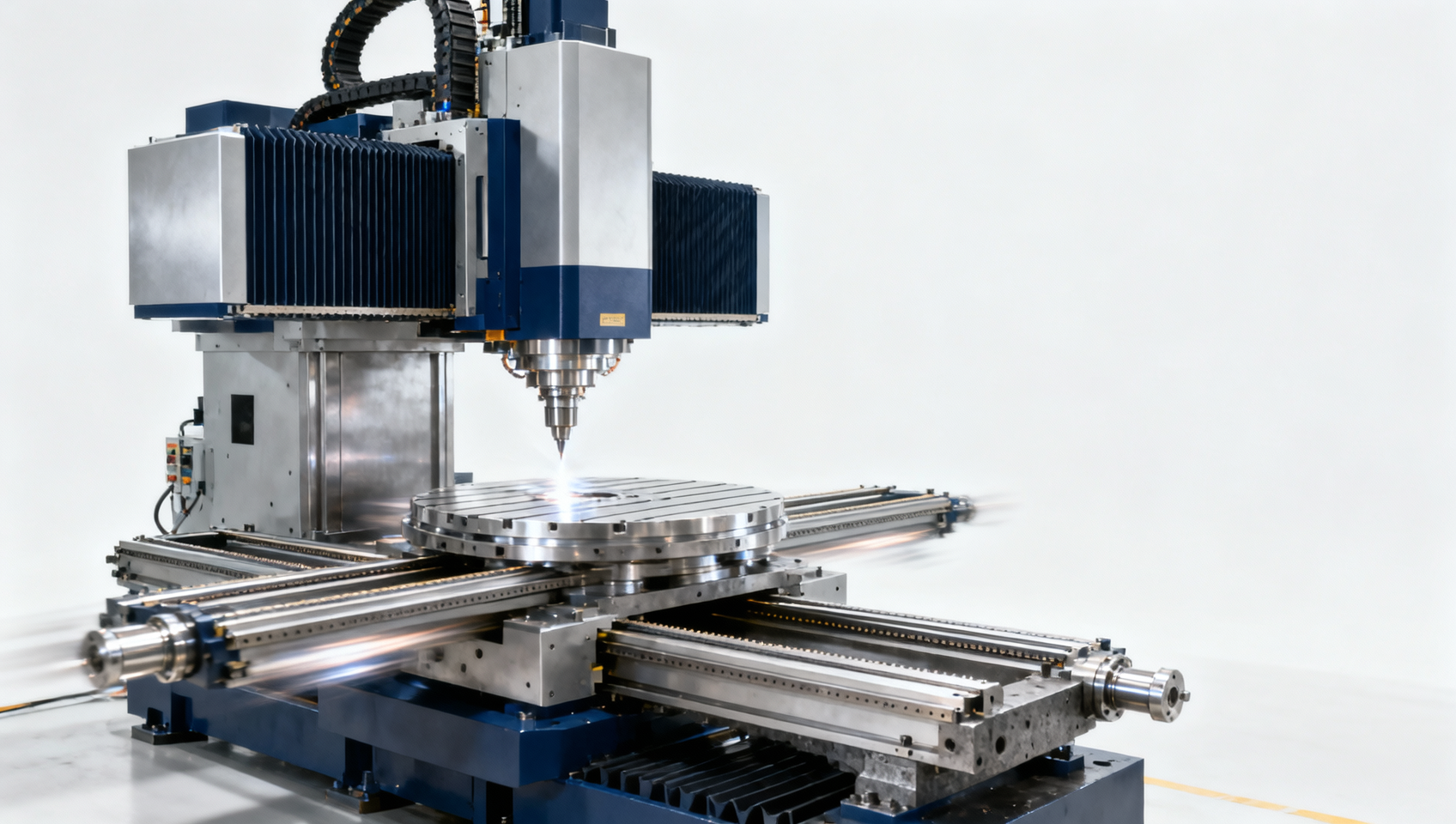
In high-speed CNC manufacturing, acceleration limits—not just top RPM—now define true performance, especially for aerospace, medical devices, and electronics where precision CNC manufacturing meets quick setup and low maintenance demands. As compact machine tool designs gain traction in space-saving CNC manufacturing environments, global CNC manufacturing wholesalers and exporters increasingly prioritize energy-saving CNC manufacturing solutions backed by automated machine tool intelligence and multi-axis CNC manufacturing flexibility. Whether you're a procurement professional sourcing from a CNC manufacturing factory or a decision-maker evaluating machine tool suppliers for automotive or energy equipment applications, understanding this shift is critical to achieving cost-effective, high-precision results.
Why Acceleration Limits Are the New Benchmark for High-Speed CNC Machines
Top spindle RPM has long served as the headline metric for high-speed CNC machines—yet real-world machining efficiency hinges less on peak rotational speed and more on how rapidly the machine can change direction, reposition tools, or modulate feed rates mid-cut. Modern aerospace components, such as turbine blade roots or thin-walled titanium housings, demand rapid acceleration profiles of up to 1.5 g (14.7 m/s²) during contouring cycles. Similarly, medical implant production requires sub-millisecond servo response times to maintain ±2 µm positional repeatability across 5-axis simultaneous motion.
This paradigm shift reflects deeper system-level integration: high-torque direct-drive motors, low-inertia ball screws or linear motors, rigid cast-iron bed structures with damping coefficients >0.08, and advanced motion controllers capable of real-time jerk-limited trajectory planning. A machine rated at 24,000 RPM but limited to 0.6 g acceleration will underperform a 18,000 RPM model delivering 1.2 g—particularly in high-mix, low-volume production common in electronics enclosures or custom energy equipment housings.
Global OEMs like DMG MORI (Germany), Okuma (Japan), and Hwacheon (South Korea) now publish acceleration specs alongside RPM in technical datasheets—typically specifying X/Y/Z axis values between 0.8–1.6 g, with rotary table acceleration ranging from 30–60 deg/s². These figures directly impact cycle time reduction: increasing acceleration from 0.9 g to 1.3 g cuts non-cutting time by 22–35% in typical mold cavity roughing sequences.
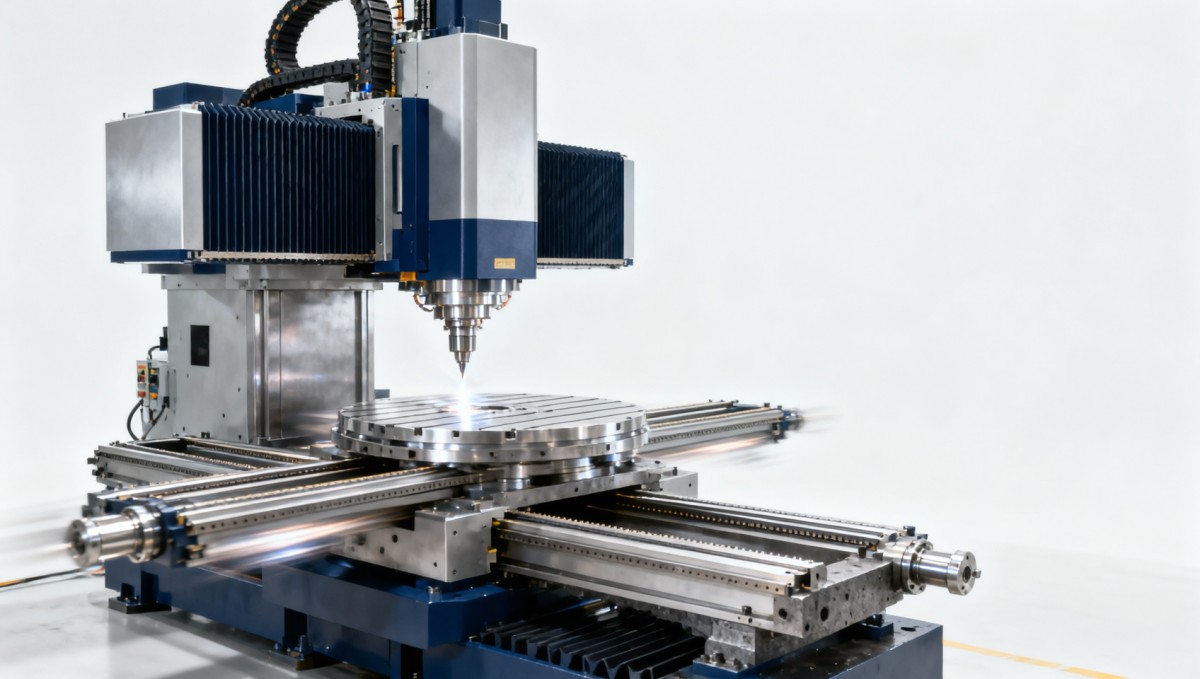
The table above illustrates why procurement professionals must evaluate acceleration metrics alongside traditional specs. For automotive gear housing production—a high-volume application requiring aluminum and steel variants—the optimized machine delivers measurable ROI through faster throughput, extended tool life (due to consistent chip load), and reduced thermal drift during extended shifts.
Key Acceleration Metrics That Matter Across Applications
Not all acceleration data is created equal. Decision-makers should distinguish between three distinct parameters: linear axis acceleration (X/Y/Z), rotary axis acceleration (A/B/C), and dynamic torque response (measured in N·m/ms). Each carries specific implications for part geometry, material behavior, and process stability.
For aerospace structural parts machined from Inconel 718, minimum recommended linear acceleration is 1.1 g to sustain feed rates >8 m/min during trochoidal milling—otherwise, corner rounding increases scrap rate by 17%. In contrast, PCB drilling for high-frequency electronics demands Z-axis acceleration ≥2.0 g to prevent drill bit deflection during 0.1 mm depth-of-cut transitions.
Multi-axis CNC manufacturing flexibility further complicates evaluation: simultaneous 5-axis motion introduces coupling effects that reduce effective acceleration by 15–25% versus single-axis movement. Leading suppliers now provide “coupled acceleration envelopes” showing achievable g-forces across full work envelope quadrants—validated via laser interferometry per ISO 230-2:2023.
- Minimum acceptable X/Y acceleration for complex shaft components: 0.9–1.2 g
- Required B-axis acceleration for turbine vane machining: ≥45 deg/s² (with ≤0.005° positioning error)
- Dynamic torque rise time threshold for stable micro-milling: ≤0.8 ms (critical for medical stent production)
- Thermal growth compensation interval: ≤15 minutes for acceleration-critical setups
How to Evaluate Acceleration Performance During Supplier Selection
Procurement teams and plant engineers should move beyond brochure claims and request verified test reports. Reputable CNC manufacturing factories provide third-party validation—including SGS or TÜV-certified motion profiling under load conditions matching your target workpiece mass (e.g., 30–120 kg for energy equipment frames).
Four critical verification steps are non-negotiable:
- Request raw encoder data logs from a standardized “acceleration ramp test” (0→100% max speed in 0.3 sec, repeated 500×)
- Confirm servo tuning settings are locked—not user-adjustable—to ensure consistency across shifts
- Verify thermal compensation algorithms activate within 90 seconds of startup (required for ±0.008 mm accuracy in first 10 minutes)
- Validate ATC acceleration separately: magazine-to-spindle transfer must achieve ≥1.0 g to avoid vibration-induced tool holder runout
This procurement decision matrix enables objective comparison across vendors. For example, Chinese OEMs often meet acceleration thresholds but show higher thermal drift—making them ideal for discrete-part shops with scheduled maintenance windows, while German and Japanese systems excel in continuous-operation scenarios like automotive engine block lines.
Future-Proofing Your Investment: Integration with Smart Factory Infrastructure
High acceleration capability gains full value only when integrated into digital workflows. Machines with edge-computing-enabled motion controllers (e.g., Siemens SINUMERIK ONE or Fanuc 31i-B5) support predictive acceleration calibration—adjusting servo gains based on real-time spindle load, ambient temperature (±0.5°C resolution), and tool wear signals from acoustic emission sensors.
Such intelligence reduces unplanned downtime by 31% in energy equipment manufacturers running 24/7 operations. Moreover, acceleration-optimized machines generate richer operational data: cycle time variance drops from ±8.2% to ±1.7%, enabling tighter production scheduling and improved OTD (on-time delivery) performance.
As smart factory adoption grows—projected at 22% CAGR through 2028 per MarketsandMarkets—the ability to correlate acceleration performance with MES/ERP data becomes a strategic differentiator. Forward-looking buyers now specify OPC UA compliance for acceleration-related variables (e.g., “AxisActualAccel”, “ServoTorqueResponseTime”) as mandatory in RFQs.
Conclusion: Prioritize Acceleration Intelligence, Not Just Speed
The era of judging high-speed CNC machines solely by top RPM is over. Acceleration limits—measured, verified, and integrated—are now the definitive indicator of real-world productivity, precision, and adaptability across aerospace, medical, electronics, automotive, and energy equipment manufacturing. For information researchers, this means updating benchmarking criteria. For operators, it translates to smoother motion control and longer tool life. For procurement professionals, it demands new evaluation protocols and supplier qualification checklists. And for enterprise decision-makers, it represents a tangible lever for reducing cost-per-part and accelerating ROI—especially in facilities deploying flexible production lines or transitioning to Industry 4.0 standards.
If your next machine tool investment targets accelerated throughput without compromising micron-level accuracy, request our free Acceleration Readiness Assessment Kit—including vendor scorecard templates, test protocol checklists, and thermal drift mitigation guidelines tailored to your application.
Get your customized assessment today.
Recommended for You
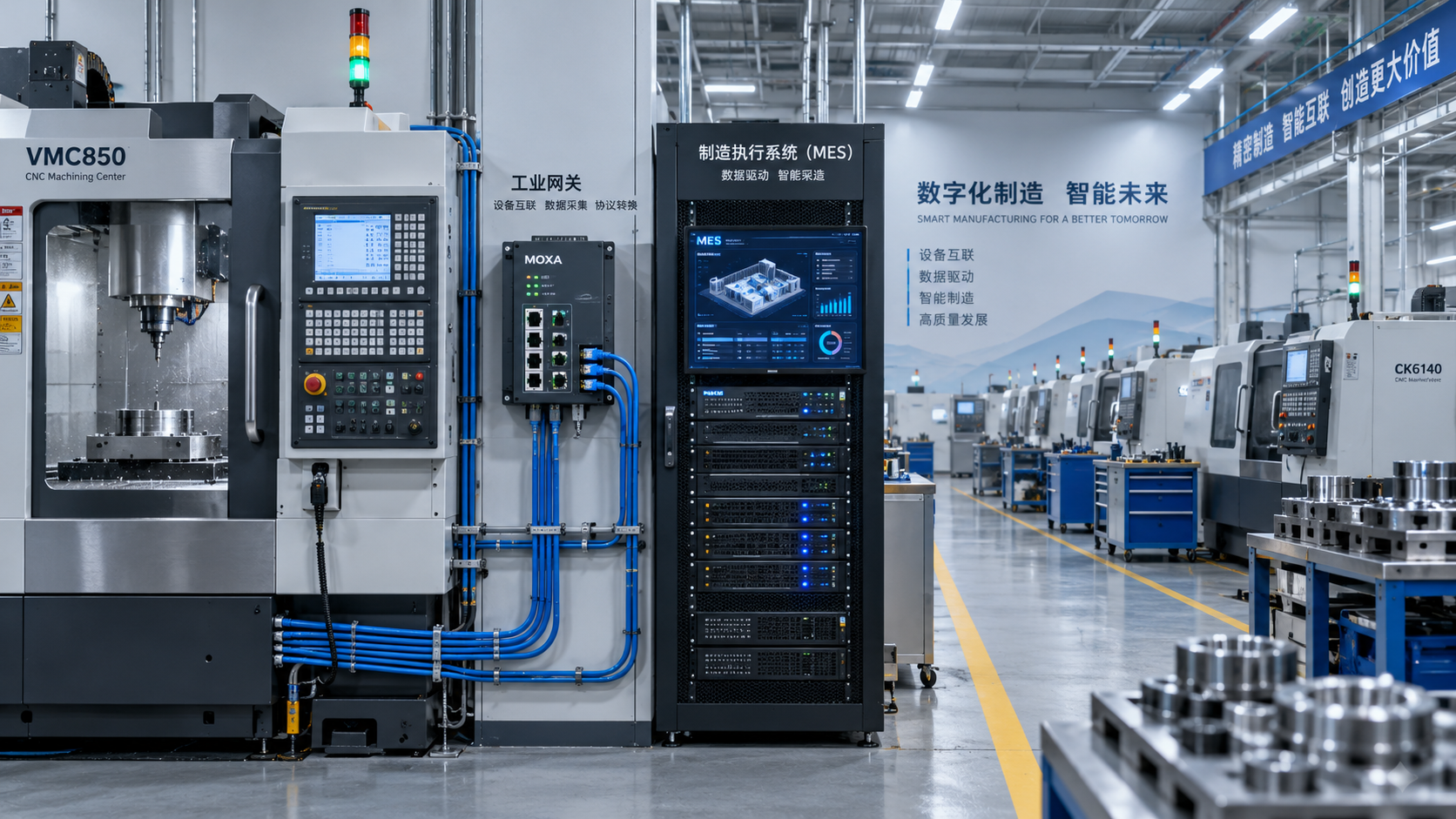
 Digital Manufacturing for Smart Factories: Connecting Legacy Machines to MESMachine Tool Industry Editorial Team
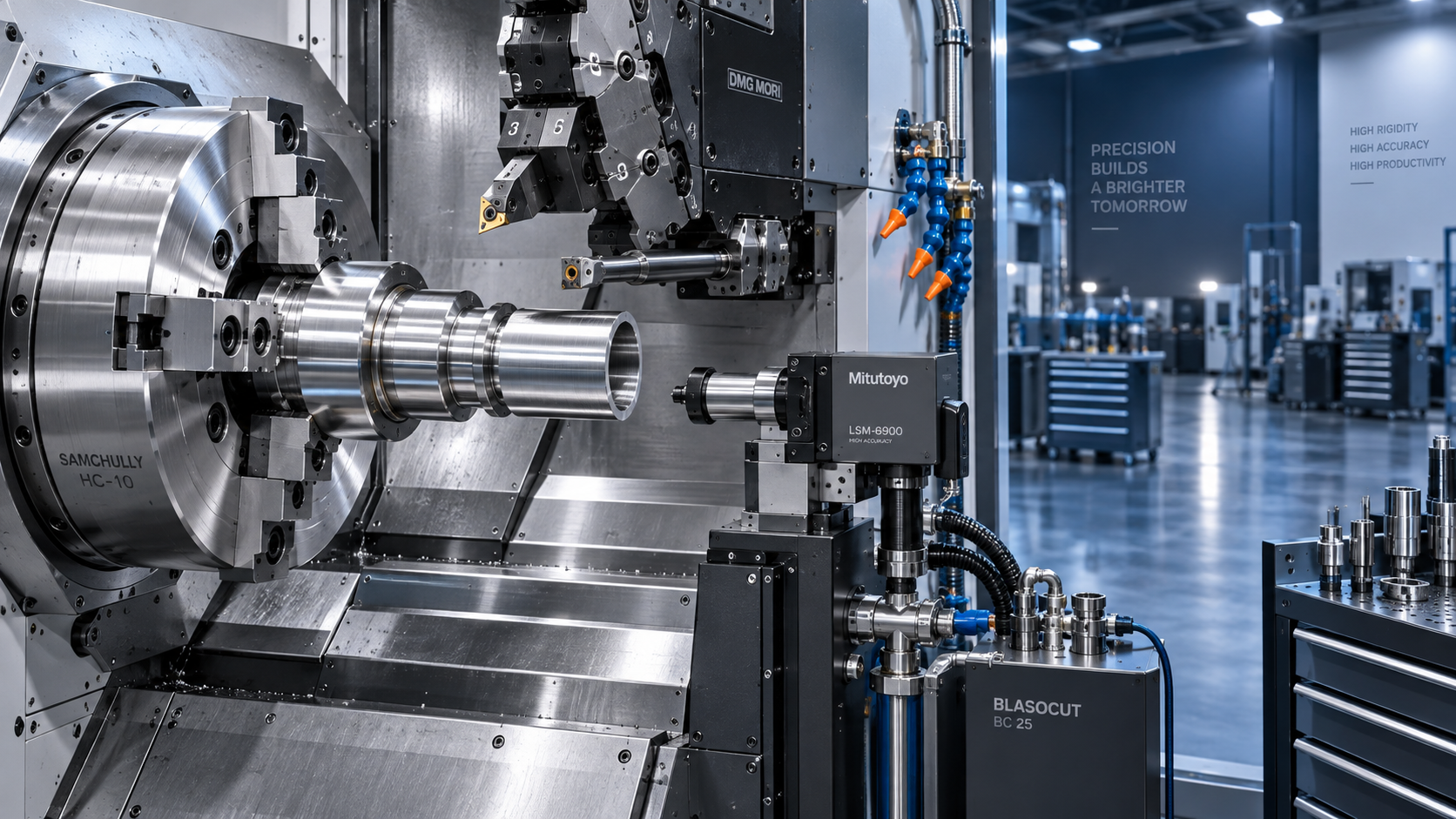
 How to Select a CNC Metal Lathe for Tight-Tolerance Shaft and Sleeve PartsCNC Machining Technology Center
 How to Select an Industrial Lathe for High-Volume Shaft ProductionMachine Tool Industry Editorial Team
 Selecting Machine Tools for Automotive Parts: Accuracy, Throughput, and AutomationMachine Tool Industry Editorial Team
 Industrial Machining: Selecting Processes for Tight-Tolerance Metal PartsCNC Machining Technology Center
 Manufacturing Technology Trends That Improve Throughput and Quality ControlManufacturing Market Research Center

Aris Katos
Future of Carbide Coatings
15+ years in precision manufacturing systems. Specialized in high-speed milling and aerospace grade alloy processing.
▶
Is Learning CNC Programming Worth It for Shop Owners Seeking Higher Margins?CNC Machining Technology Center▶
How to Select CNC Equipment for High-Mix, Low-Volume ProductionCNC Machining Technology Center▶
Can CNC Machining Inconel Control Tool Wear in High-Temperature Aerospace Parts?CNC Machining Technology Center▶
How Automated Precision Machining Maintains Tolerance in High-Mix ProductionCNC Machining Technology Center▶
CNC Programming Explained: From CAD Models to Reliable Shop-Floor ToolpathsCNC Machining Technology Center
Mastering 5-Axis Workholding Strategies
Join our technical panel on Nov 15th to learn about reducing vibrations in thin-wall components.

Providing you with integrated sanding solutions
Before-sales and after-sales services
Comprehensive technical support