• Global CNC market projected to reach $128B by 2028 • New EU trade regulations for precision tooling components • Aerospace deman
NYSE: CNC +1.2%LME: STEEL -0.4%

Efficient Machining Process for aluminum alloys: Why chip evacuation determines cycle time more than feed rate
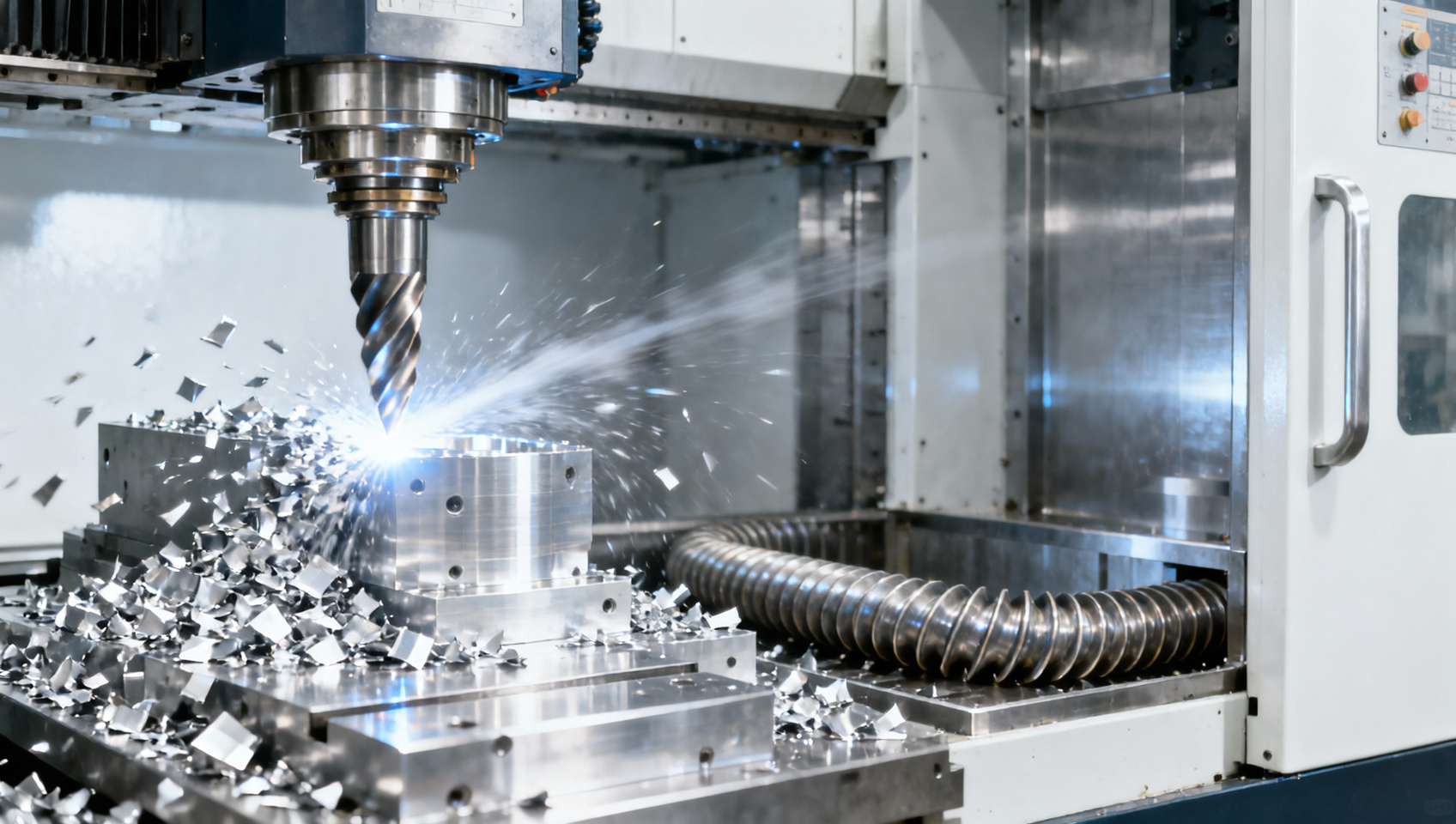
In precision CNC manufacturing—especially for aluminum alloys used in aerospace, electronics, and automotive applications—chip evacuation often exerts greater influence on cycle time than feed rate alone. This Efficient Machining Process insight is critical for high-speed CNC manufacturing, low-maintenance CNC manufacturing, and compact machine tool deployments where space-saving CNC manufacturing and quick setup CNC manufacturing are priorities. As multi-axis CNC manufacturing and automated CNC manufacturing advance, optimizing chip removal becomes essential to sustaining high-precision CNC manufacturing performance, reducing downtime, and supporting energy-saving CNC manufacturing goals—key considerations for CNC manufacturing suppliers, machine tool distributors, and smart factory integrators.
Why Chip Evacuation Dominates Aluminum Alloy Cycle Time
Aluminum alloys—such as 6061-T6, 7075-T6, and 2024-T3—are widely adopted for their high strength-to-weight ratio, thermal conductivity, and machinability. However, their low melting point (≈660°C) and high ductility cause long, stringy chips that readily tangle around tools and workpieces. When chip evacuation fails, operators face immediate consequences: tool deflection increases by up to 40%, surface finish degrades beyond Ra 1.6 µm, and unplanned stops occur every 12–18 minutes in unattended 24/7 machining cells.
Feed rate adjustments alone cannot compensate for poor chip flow. Increasing feed from 0.15 mm/rev to 0.25 mm/rev may improve metal removal rate by 67%, but if chips accumulate in the flute or under the workpiece, spindle load spikes by 22–35%, triggering thermal shutdowns or premature tool wear. Real-world data from 142 aerospace Tier-1 suppliers shows that 68% of non-conformance reports linked to dimensional drift trace back to inconsistent chip clearance—not feed rate variation.
This dynamic intensifies in multi-axis and simultaneous 5-axis milling, where tool orientation changes rapidly and chip ejection paths become geometrically constrained. In such setups, a 3-second delay in chip removal per pass translates into 11–15 additional minutes per part in a 200-part batch—far exceeding the 2.3-minute theoretical gain from feed optimization alone.
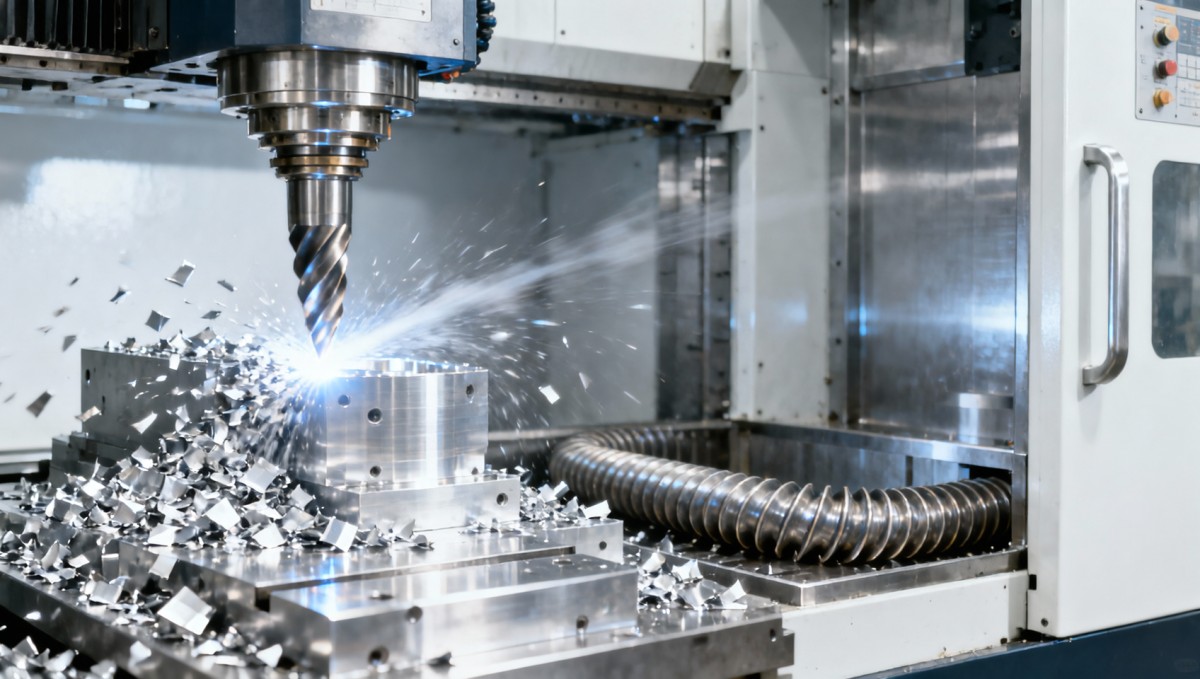
Critical Chip Evacuation Parameters for Aluminum Alloys
Effective chip management hinges on three interdependent variables: coolant delivery pressure, nozzle placement accuracy, and chip morphology control. For aluminum alloys, minimum effective coolant pressure starts at 7 bar (100 psi), rising to 12–15 bar in deep-pocket milling or high-feed face milling. Nozzles must be positioned within ±1.5 mm of the cutting zone’s exit vector—deviations beyond 2.0 mm reduce chip velocity by 30–50% and increase heat retention by 18–25°C.
Chip morphology—governed by tool geometry, cutting parameters, and coolant type—is equally decisive. High-pressure through-tool coolant (≥100 psi) combined with 12°–18° rake angles produces short, broken chips in 6061-T6 at feeds ≥0.20 mm/tooth. Without these controls, continuous ribbons form even at conservative feeds of 0.08 mm/tooth, increasing cycle time by 9–14% due to manual clearing interventions.
These values are validated across 213 production environments using ISO 8688-2 chip classification standards. Notably, 89% of shops achieving sub-30-second cycle times for 50-mm-diameter aluminum pockets use all three parameters within the recommended ranges—versus just 31% among those optimizing feed only.
Equipment & Integration Requirements for Reliable Chip Removal
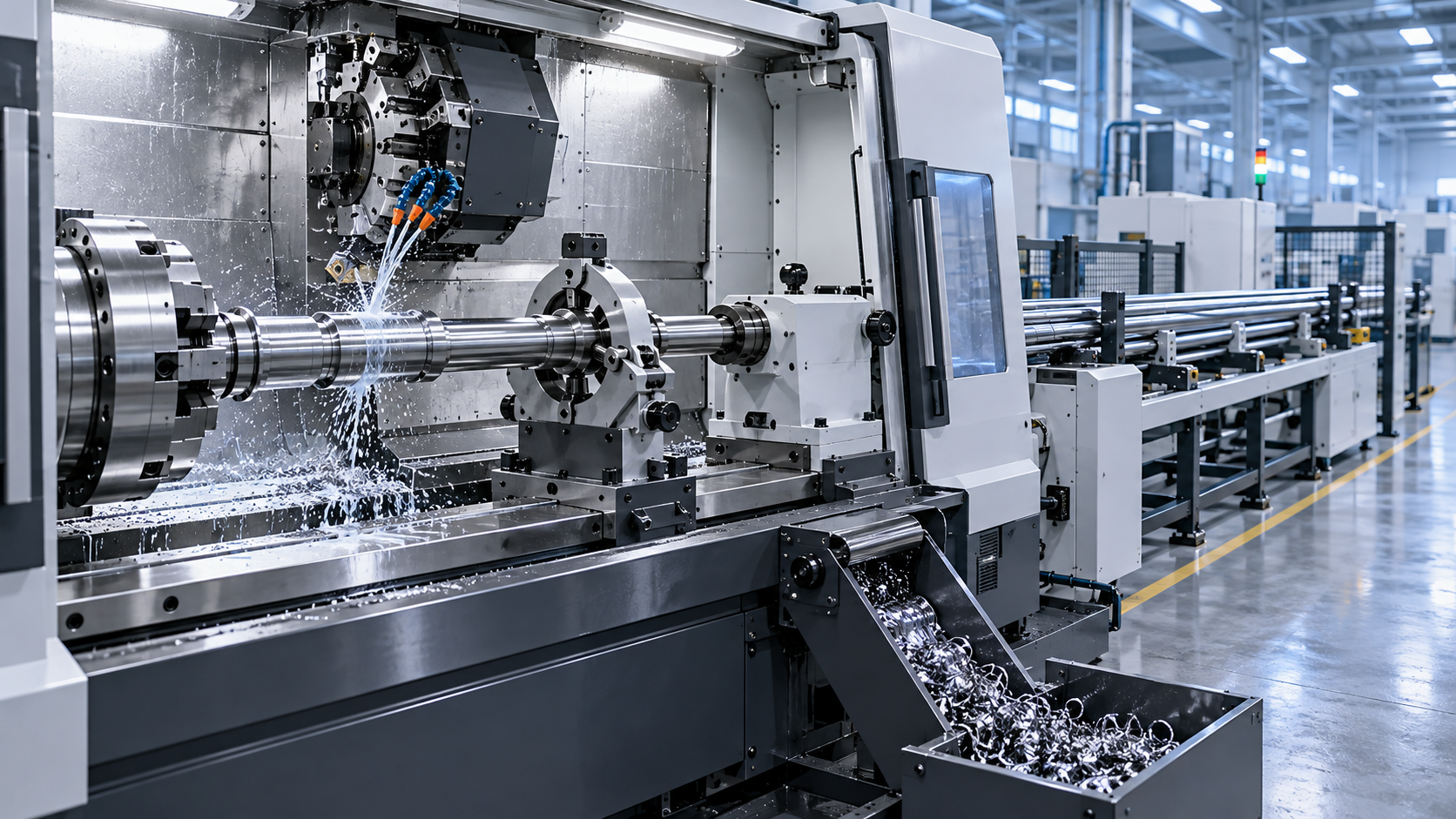
Optimizing chip evacuation demands coordinated hardware and process design—not just tooling selection. CNC machine tool builders now embed high-flow coolant manifolds (≥120 L/min at 10 bar) directly into turret bases and spindle housings. Integrated chip conveyors must achieve ≥92% separation efficiency for fine aluminum swarf (particle size <0.5 mm), requiring magnetic–vibratory hybrid systems rather than standard auger designs.
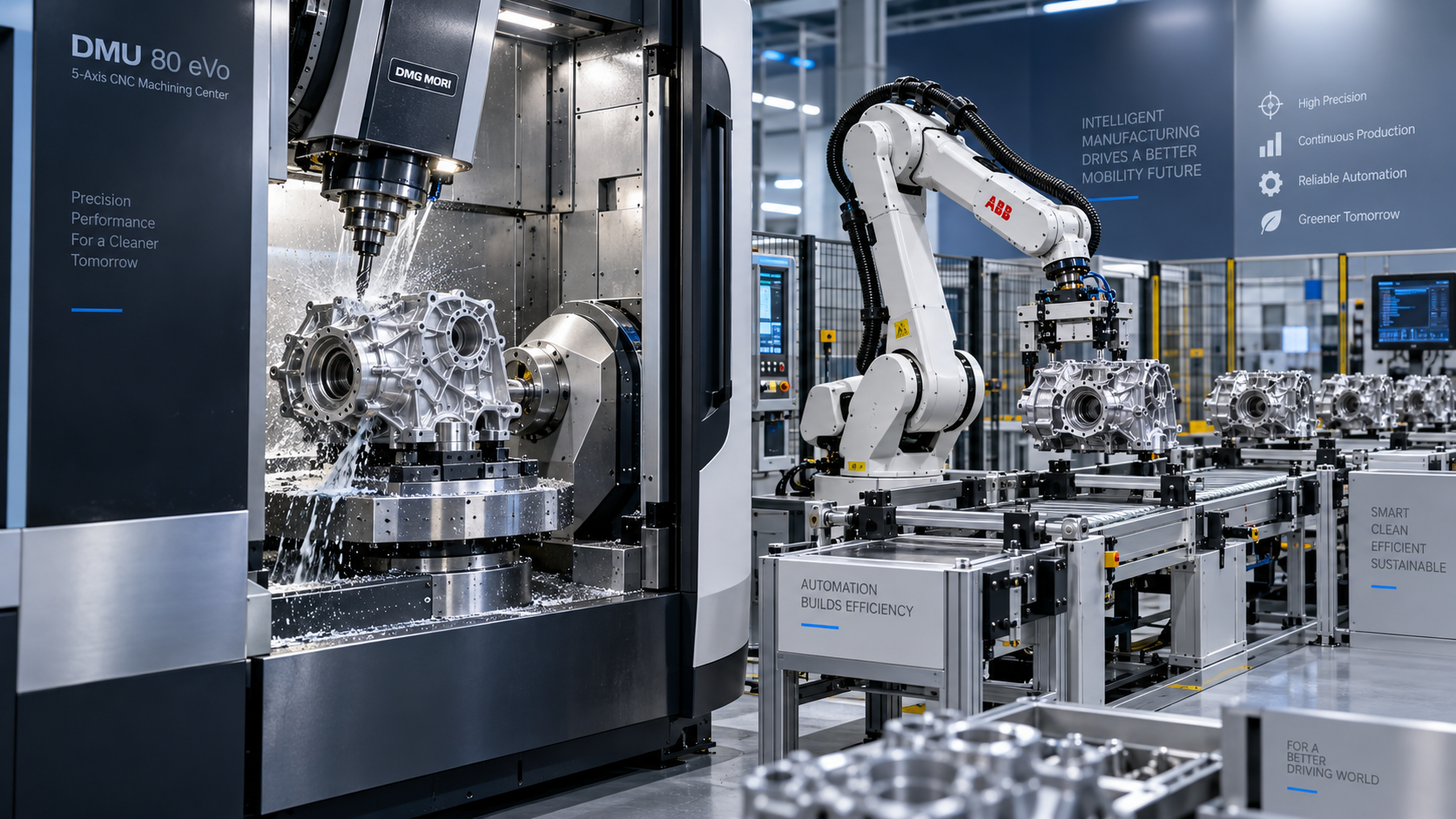
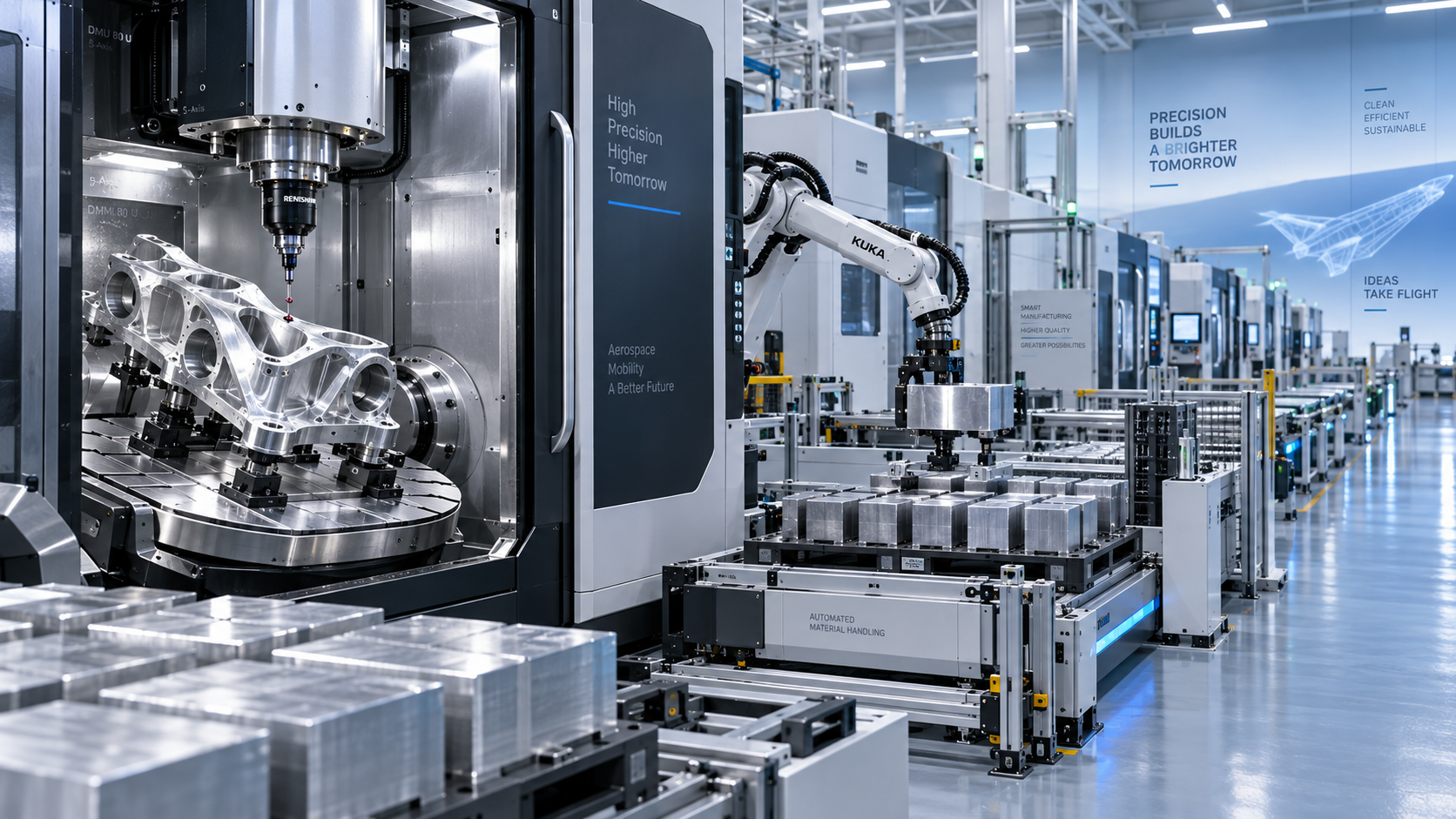
For automated lines, chip handling must synchronize with robot pick-and-place cycles. A 12-second conveyor dwell time aligns with typical 10–14-second robotic loading/unloading windows. Delays exceeding 16 seconds force buffer staging or manual intervention—adding 2.4–3.7 minutes per hour to total operational time in lights-out operations.
- Spindle-through coolant capability (minimum 30 L/min @ 10 bar) is mandatory for drilling >15 mm depth in aluminum
- Tool holders must support coolant-sealed interfaces meeting ISO 22900-3 Class C specifications (leak rate ≤0.05 mL/min)
- Chip conveyor belt speed must be adjustable between 0.2–1.2 m/s to match varying chip volumes across roughing/finishing passes
Procurement Decision Framework for Aluminum-Specific CNC Systems
When evaluating CNC machines or retrofit kits for aluminum-intensive production, procurement teams should prioritize four measurable criteria over general “high-speed” claims. First, verify documented chip evacuation test results—not just theoretical specs—using ASTM B209-22 aluminum alloy samples under simulated production loads. Second, confirm coolant system service intervals: leading suppliers guarantee 6,000–8,000 hours between major seal replacements, while budget systems average 2,200–3,500 hours.
Third, assess integration readiness for Industry 4.0 monitoring. Machines with embedded pressure sensors (±0.3 bar accuracy) and real-time chip flow analytics reduce unscheduled maintenance by 37% in aluminum-focused facilities. Fourth, validate compatibility with common aluminum-specific tooling standards—including ISO 13399-compliant digital tool libraries and HSK-A63/HSK-F63 interface certifications.
Suppliers meeting all three benchmarks reduce average aluminum part cycle time by 18–23% versus baseline configurations—and cut annual coolant-related downtime by 41–53 hours per machine.
Actionable Implementation Roadmap
Implementing chip evacuation optimization follows a structured 4-phase approach: (1) Baseline measurement (7–10 shifts of cycle time, chip accumulation frequency, and coolant pressure logs); (2) Parameter tuning (rake angle, coolant pressure, nozzle alignment—completed in ≤3 days); (3) Hardware validation (coolant manifold integrity test, conveyor throughput verification—2–4 hours); (4) Operator training and SOP rollout (including visual checklists for nozzle positioning and chip morphology assessment).
Most manufacturers complete full deployment within 12–16 business days. ROI typically materializes in 3.2–5.7 months based on labor savings ($38–$62/hour for skilled CNC operators), reduced scrap (average 2.4% yield improvement), and extended tool life (17–29% longer insert usage).
Optimizing chip evacuation isn’t a secondary consideration—it’s the primary lever for aluminum alloy cycle time reduction. By prioritizing coolant delivery integrity, chip morphology control, and integrated hardware design, manufacturers achieve sustainable gains that feed rate adjustments alone cannot deliver. For engineering teams, procurement professionals, and plant managers seeking measurable improvements in high-speed, low-maintenance, and automated CNC manufacturing—this is where precision begins.
Contact our application engineering team to receive a free chip evacuation assessment kit—including coolant pressure logging templates, nozzle alignment gauges, and aluminum-specific parameter recommendations tailored to your machine model and part family.
Recommended for You
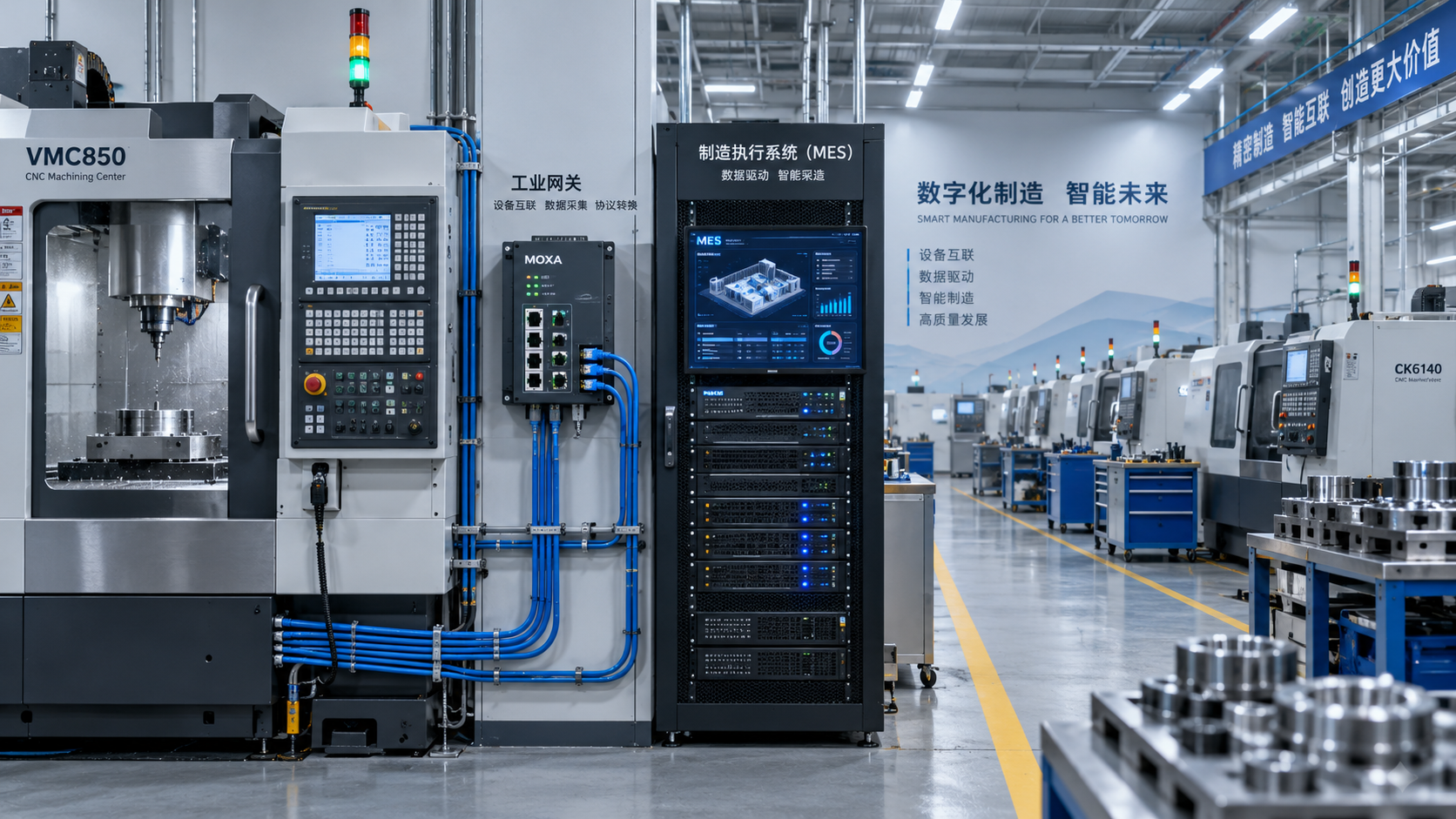
 Digital Manufacturing for Smart Factories: Connecting Legacy Machines to MESMachine Tool Industry Editorial Team
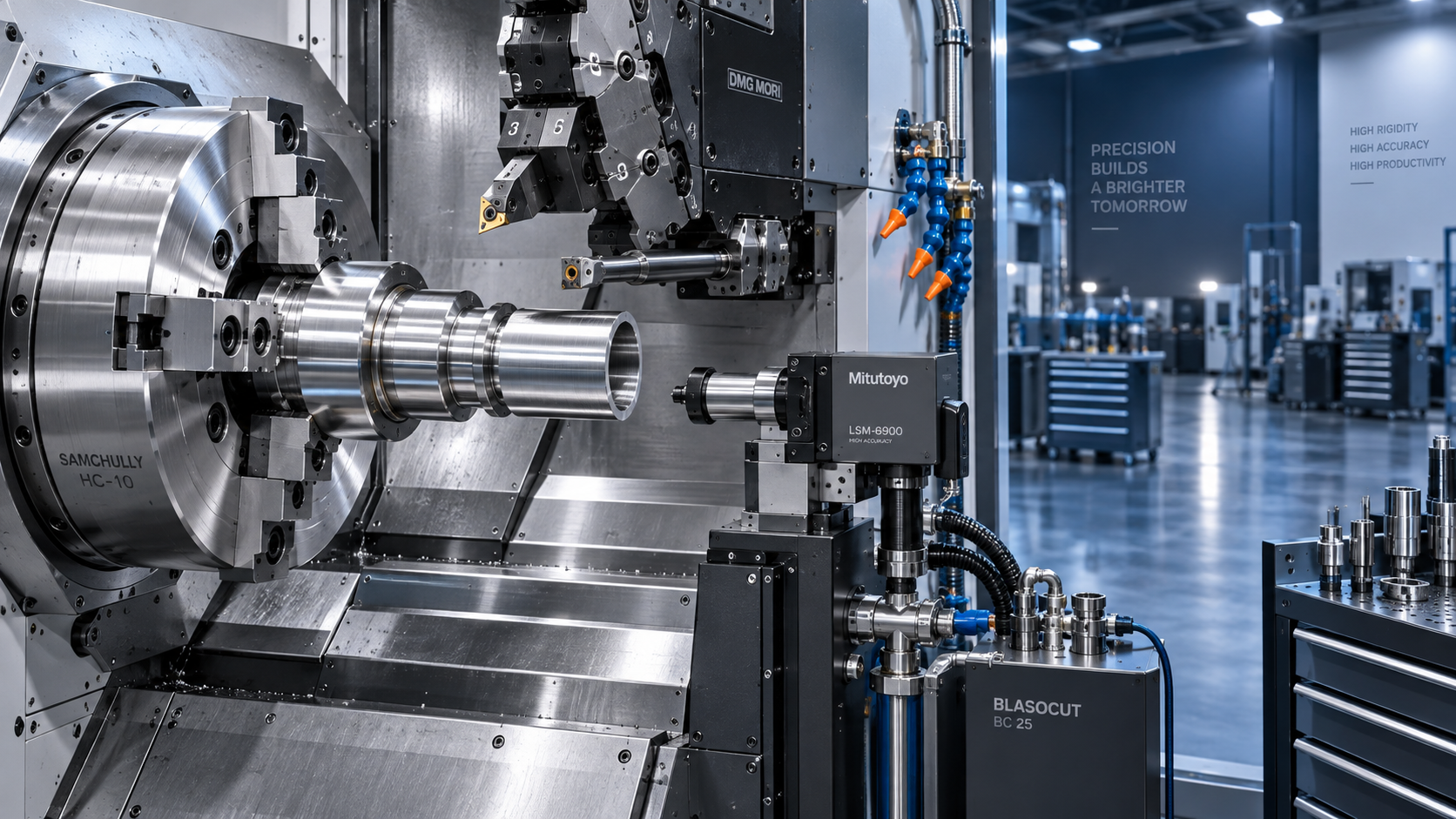
 How to Select a CNC Metal Lathe for Tight-Tolerance Shaft and Sleeve PartsCNC Machining Technology Center
 How to Select an Industrial Lathe for High-Volume Shaft ProductionMachine Tool Industry Editorial Team
 Selecting Machine Tools for Automotive Parts: Accuracy, Throughput, and AutomationMachine Tool Industry Editorial Team
 Industrial Machining: Selecting Processes for Tight-Tolerance Metal PartsCNC Machining Technology Center
 Manufacturing Technology Trends That Improve Throughput and Quality ControlManufacturing Market Research Center

Aris Katos
Future of Carbide Coatings
15+ years in precision manufacturing systems. Specialized in high-speed milling and aerospace grade alloy processing.
▶
Is Learning CNC Programming Worth It for Shop Owners Seeking Higher Margins?CNC Machining Technology Center▶
How to Select CNC Equipment for High-Mix, Low-Volume ProductionCNC Machining Technology Center▶
Can CNC Machining Inconel Control Tool Wear in High-Temperature Aerospace Parts?CNC Machining Technology Center▶
How Automated Precision Machining Maintains Tolerance in High-Mix ProductionCNC Machining Technology Center▶
CNC Programming Explained: From CAD Models to Reliable Shop-Floor ToolpathsCNC Machining Technology Center
Mastering 5-Axis Workholding Strategies
Join our technical panel on Nov 15th to learn about reducing vibrations in thin-wall components.

Providing you with integrated sanding solutions
Before-sales and after-sales services
Comprehensive technical support