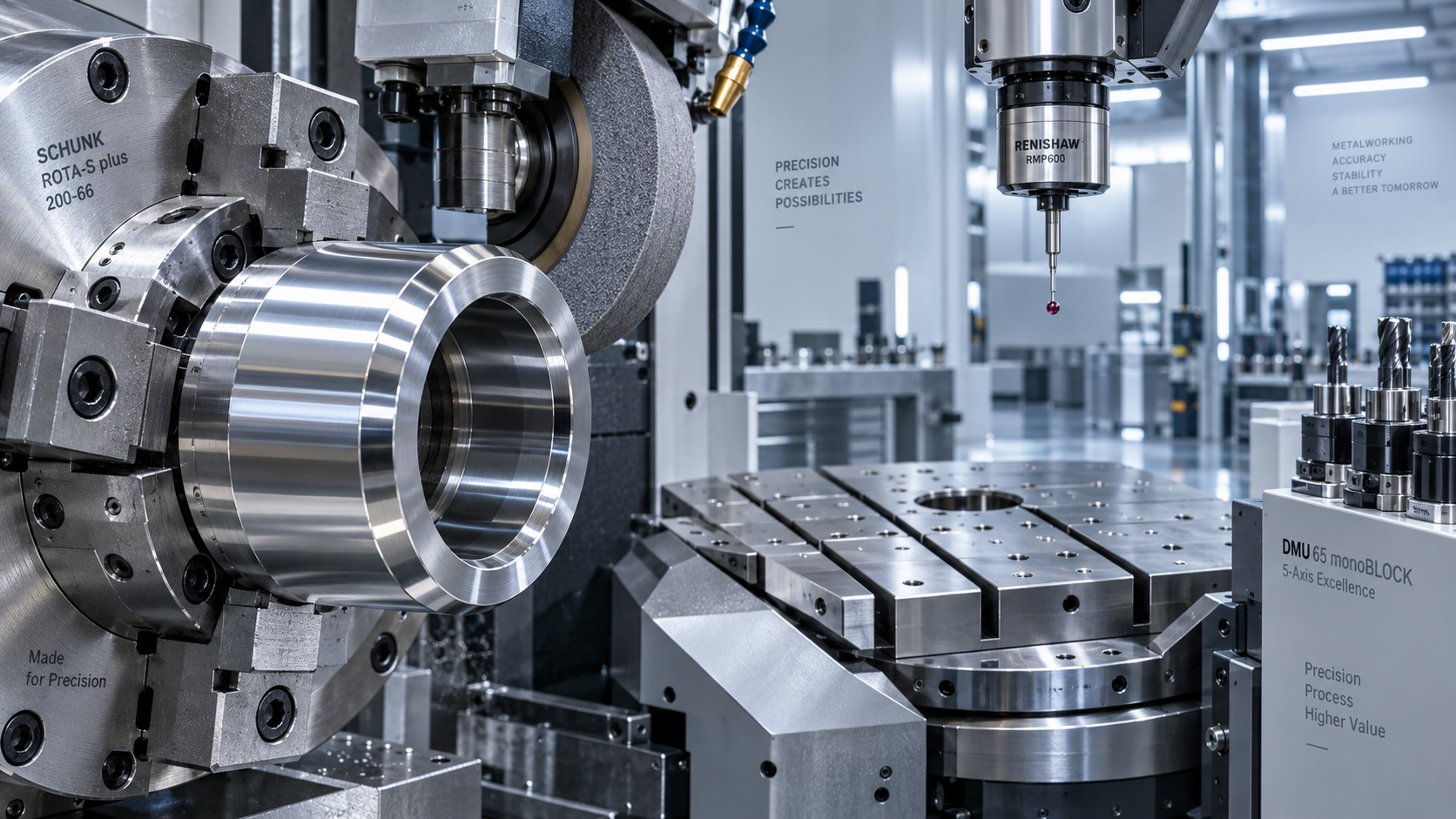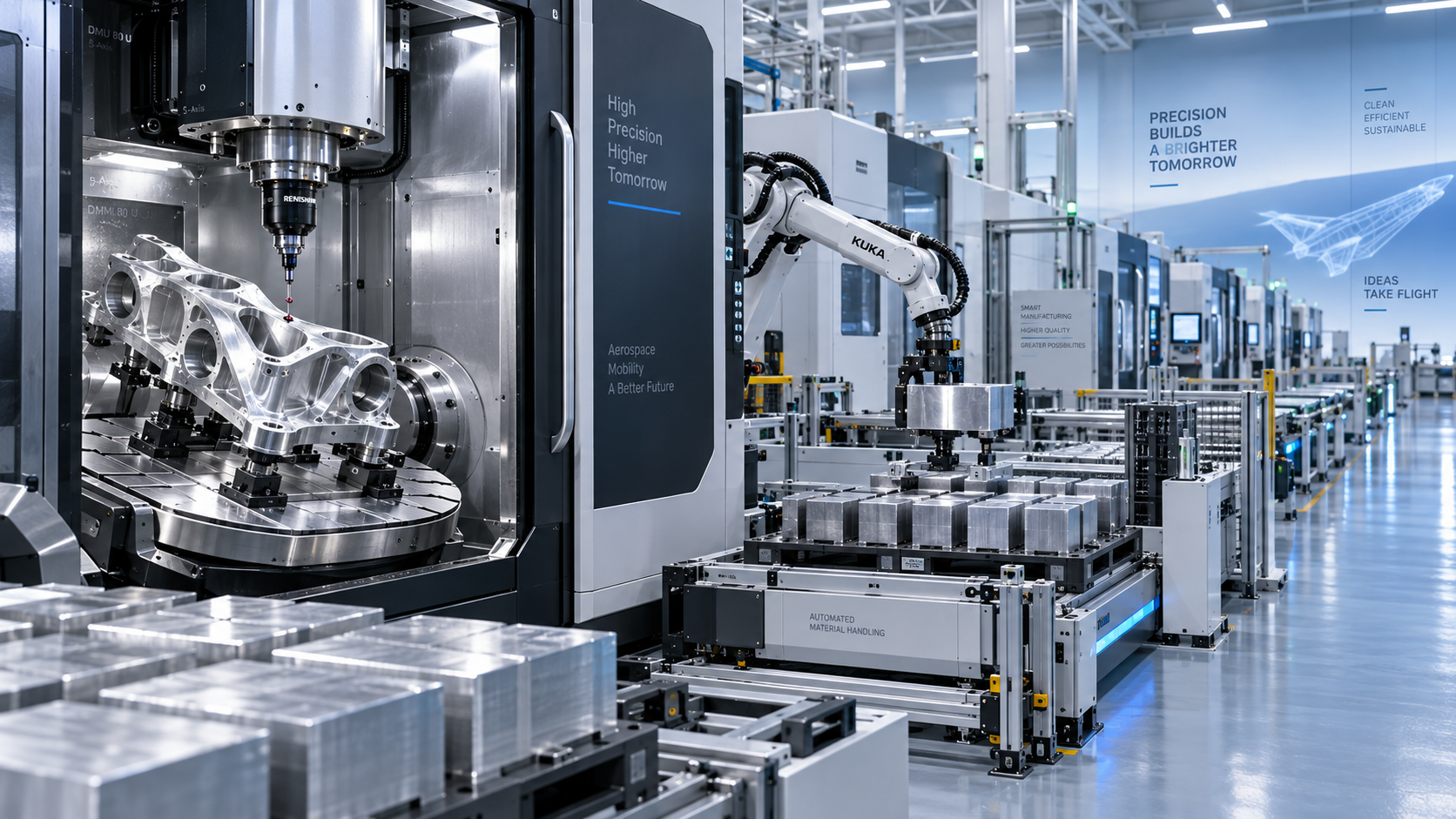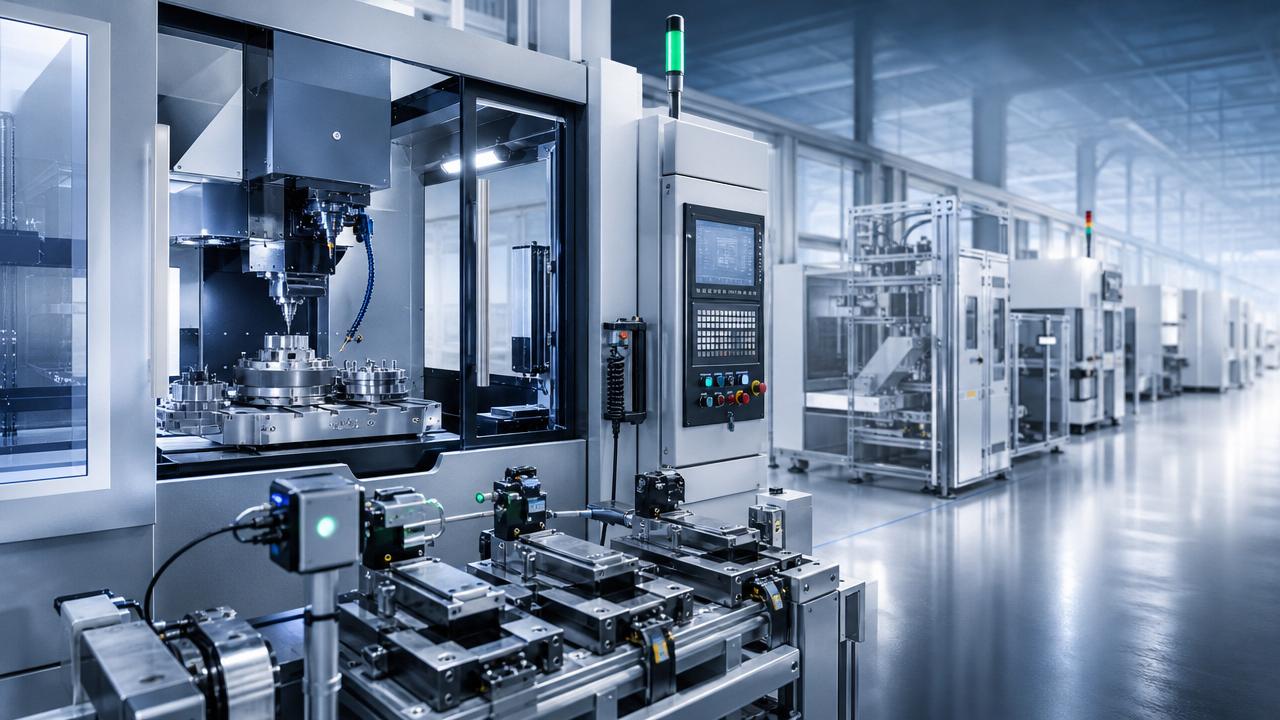
For after-sales maintenance teams, every minute of machine downtime can mean delayed orders, rising service costs, and frustrated customers.
Modern CNC industrial systems change that reality through real-time monitoring, smarter diagnostics, predictive maintenance, and more reliable automation across production environments.
What Maintenance Teams Really Need From CNC Industrial Systems
When technicians search for ways to improve uptime, they are rarely looking for abstract automation concepts or broad manufacturing trends.
They need faster fault detection, clearer alarm information, easier recovery procedures, and reliable evidence for decisions made under pressure.
A good CNC industrial system supports those needs by turning machine behavior into usable maintenance data before failure stops production.
For after-sales teams, the key value is not only preventing breakdowns, but shortening every step between problem discovery and restart.
Real-Time Monitoring Reduces Blind Troubleshooting
Traditional maintenance often starts after an operator reports abnormal noise, poor surface finish, servo alarms, or unexpected dimensional variation.
By that point, the technician may need to inspect mechanical, electrical, hydraulic, pneumatic, and control-related causes one by one.
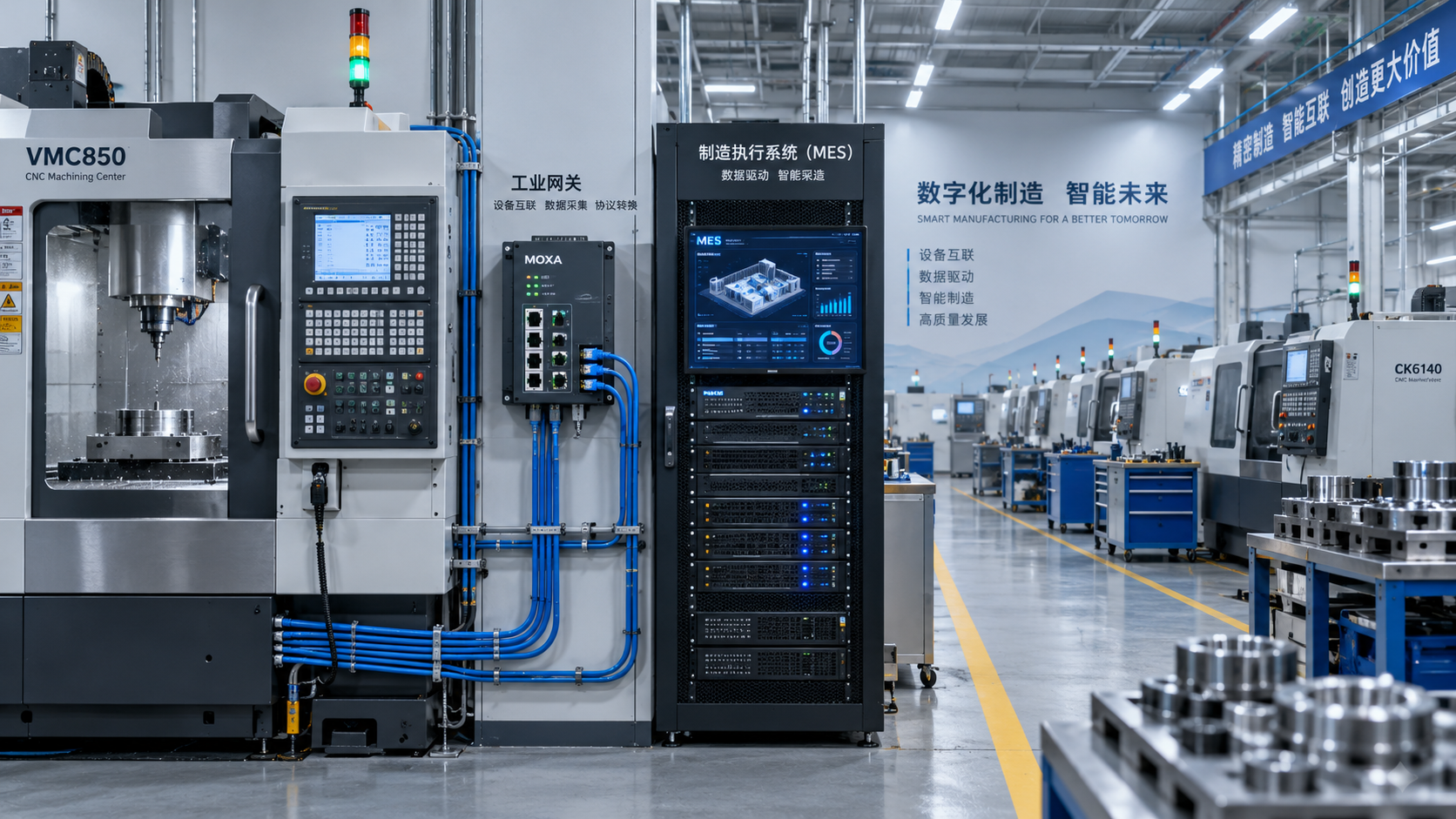
CNC industrial monitoring helps narrow that search by collecting spindle load, axis current, temperature, vibration, alarms, cycle times, and tool data.
Instead of relying only on experience, maintenance staff can compare real-time values with normal baselines from previous stable production runs.
If a spindle load rises gradually during the same operation, the system may indicate tool wear, lubrication issues, or fixture misalignment.
If servo current fluctuates on one axis, technicians can investigate guideways, ball screws, couplings, encoders, or drive parameters more directly.
This does not replace skilled judgment, but it prevents teams from wasting hours on components that are unlikely to be responsible.
Smarter Diagnostics Help Technicians Find Root Causes Faster
Alarm codes are useful, but they often describe symptoms rather than full causes, especially in complex machining centers and automated lines.
A CNC industrial system with diagnostic logic can connect alarms with machine status, program position, axis movement, and recent parameter changes.
For example, a tool change alarm may relate to air pressure, magazine position, sensor failure, mechanical interference, or PLC timing.
By showing related signals together, the system helps technicians confirm whether the issue is mechanical, electrical, pneumatic, or control-based.
This is especially valuable for after-sales teams supporting multiple customer sites, where machine conditions and operator habits may vary widely.
Remote diagnostic access can also reduce unnecessary site visits, allowing experts to review alarms, parameters, and ladder signals before dispatching parts.
When service teams arrive with better information, they can bring the right tools, replacement components, and recovery plan from the beginning.
Predictive Maintenance Turns Downtime Into Planned Service
The most expensive downtime is usually unplanned, because it interrupts production schedules and forces emergency decisions with limited information.
Predictive maintenance uses operating data to identify deterioration patterns before a component fails completely or quality problems become severe.
In CNC machines, useful indicators include spindle vibration, bearing temperature, lubrication frequency, servo load trends, backlash changes, and tool life data.
When these values drift beyond normal ranges, maintenance teams can plan inspections during shift changes, weekends, or scheduled production pauses.
This approach is particularly helpful for spindles, ball screws, hydraulic units, coolant systems, automatic tool changers, and chip evacuation systems.
Instead of replacing parts too early or waiting until failure, technicians can base maintenance timing on actual machine condition.
For after-sales teams, that improves customer trust because recommendations are supported by data rather than generic service intervals alone.
Automation Stability Directly Affects Machine Availability
Many uptime problems do not come from the CNC machine alone, but from the automation equipment connected around it.
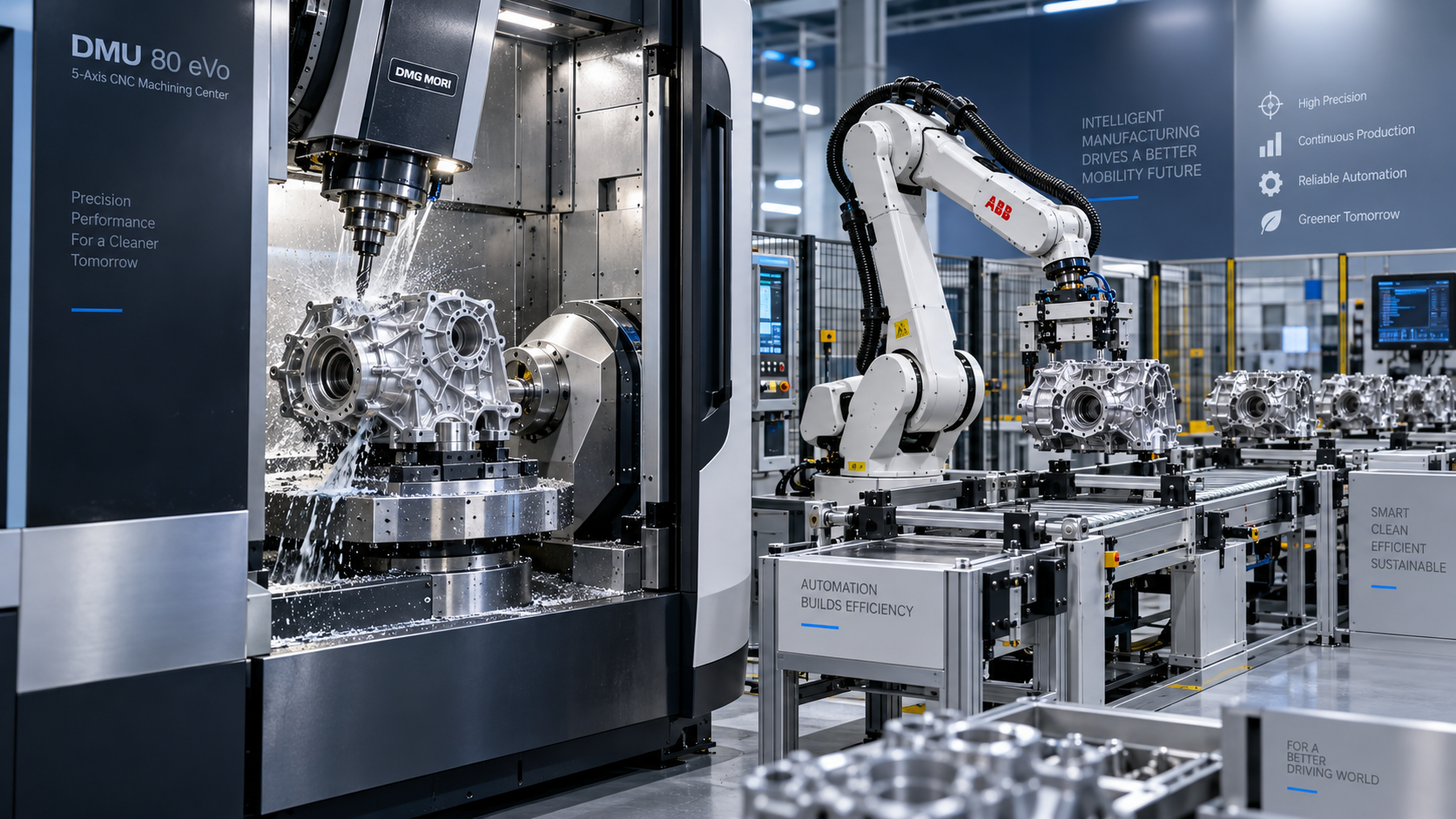
Robots, gantries, pallet changers, bar feeders, conveyors, measuring stations, and fixture systems can all stop a production cell.
A CNC industrial architecture improves uptime when it integrates these devices through stable communication, interlocks, and coordinated status monitoring.
Maintenance teams need visibility into the complete process, not only the machine tool screen where the final alarm appears.
If a robot wait signal remains active, the cause may be a door interlock, gripper sensor, part presence signal, or upstream delay.
Clear interface diagnostics reduce finger-pointing between machine suppliers, robot integrators, and factory automation teams during urgent downtime events.
For high-volume production, even small improvements in automation recovery time can protect many hours of monthly manufacturing capacity.
Standardized Maintenance Data Improves After-Sales Service Quality
After-sales maintenance teams often face another problem: knowledge is scattered across notebooks, individual technicians, chat records, and past service reports.
When experienced personnel are unavailable, newer technicians may repeat previous mistakes or spend extra time rediscovering known solutions.
CNC industrial systems can support better service documentation by recording alarms, actions, parameter backups, part replacements, and recovery results.
Over time, this creates a practical fault knowledge base linked to machine models, serial numbers, applications, and customer environments.
For example, repeated coolant pump overloads on one customer line may reveal filtration issues rather than pump quality problems.
Repeated positioning alarms after a specific program block may indicate fixture stress, thermal growth, or machining load beyond process limits.
Standardized data helps service managers assign the right technician, prepare accurate quotations, and reduce repeat visits for unresolved problems.
Remote Support Makes Uptime Less Dependent on Travel
For global manufacturing operations, waiting for an expert to travel can extend downtime far beyond the repair itself.
Secure remote access allows after-sales engineers to inspect machine status, review alarms, check PLC signals, and guide on-site technicians immediately.
This is especially useful when the local maintenance team can replace components but needs confirmation before changing parameters or drives.
Remote support can also help verify whether a reported fault is related to operation, programming, tooling, machine condition, or environment.
However, remote access must be managed carefully with user permissions, cybersecurity rules, customer approval, and clear service responsibility boundaries.
The goal is not uncontrolled access, but controlled technical visibility that helps authorized personnel solve downtime problems faster.
When implemented correctly, remote diagnostics reduce response time while keeping maintenance decisions traceable and professionally documented.
Better Parameter and Backup Management Prevents Long Recoveries
Some machine failures are repaired mechanically within hours, but recovery takes longer because parameters, offsets, programs, or PLC data are missing.
After drive replacement, control repair, battery failure, or accidental parameter change, a clean backup can determine restart speed.
A practical CNC industrial maintenance strategy should include scheduled backups for CNC parameters, servo settings, tool data, macros, and ladder versions.
Backups should be labeled by machine serial number, date, software version, and reason for change to avoid dangerous confusion.
Maintenance teams should also document baseline values after commissioning, major repair, accuracy adjustment, or automation interface modification.
When a fault occurs, technicians can compare current settings against known good configurations and identify unauthorized or accidental changes quickly.
This simple discipline often prevents long recovery delays after electrical faults, control board replacement, or incorrect operator intervention.
Process Visibility Helps Separate Machine Faults From Production Problems
Not every downtime event is caused by machine failure, and misdiagnosis can lead to unnecessary parts replacement and customer dissatisfaction.
Poor tool life, unstable clamping, incorrect cutting parameters, low-quality material, and inadequate coolant can all appear as machine problems.
CNC industrial data helps maintenance teams compare alarm history, cutting load, cycle behavior, tool changes, and part quality trends.
If downtime rises only on one material batch, the root cause may be workpiece condition rather than machine degradation.
If overload alarms happen after a program revision, the issue may be machining strategy, toolpath engagement, or feed rate selection.
This distinction is important for after-sales teams because it protects service credibility and prevents unnecessary warranty disputes.
By using process evidence, technicians can recommend corrective actions that address real causes instead of treating visible symptoms only.
How to Evaluate Whether a CNC Industrial System Will Improve Uptime
Maintenance teams should evaluate systems by practical service outcomes, not by the number of digital features listed in brochures.
The first question is whether the system provides the specific data needed for common faults on the machines being supported.
The second question is whether technicians can understand the interface quickly during stressful downtime situations without complex data analysis.
The third question is whether diagnostic information connects machine tool, automation, tooling, fixture, and environmental factors in one workflow.
The fourth question is whether remote access, backup management, alarm history, and maintenance records are secure, searchable, and easy to export.
Finally, teams should confirm supplier support, training quality, spare parts availability, and compatibility with existing factory communication standards.
A system that looks advanced but cannot simplify daily maintenance will have limited value for real shop-floor uptime.
Common Implementation Mistakes That Limit Uptime Gains
One common mistake is collecting too much data without defining which indicators matter for maintenance decisions and response priorities.
Another mistake is treating predictive maintenance as automatic repair, when technicians still need inspection routines and clear escalation rules.
Some companies also overlook operator training, even though operators are often the first people to notice abnormal machine behavior.
If operators ignore early warnings, bypass alarms, or fail to report repeated minor faults, system value decreases significantly.
Maintenance teams should also avoid undocumented parameter changes, temporary wiring modifications, and informal software updates during urgent troubleshooting.
These shortcuts may restore production briefly, but they create hidden risks and make later diagnosis much more difficult.
The best results come when digital tools, maintenance discipline, operator communication, and supplier support are managed together.
Conclusion: Uptime Improves When Maintenance Becomes More Predictable
CNC industrial systems improve shop-floor uptime by making machine conditions visible, faults easier to diagnose, and maintenance decisions more evidence-based.
For after-sales maintenance teams, the greatest value is faster response, fewer repeat failures, better remote support, and more planned service work.
These systems are not magic solutions, and they cannot compensate for poor maintenance habits, weak documentation, or inadequate technician training.
However, when properly implemented, they give service teams the information needed to act earlier, repair faster, and support customers more confidently.
The practical goal is simple: reduce uncertainty on the shop floor and keep CNC machines producing stable, accurate parts for longer periods.