• Global CNC market projected to reach $128B by 2028 • New EU trade regulations for precision tooling components • Aerospace deman
NYSE: CNC +1.2%LME: STEEL -0.4%

How CNC milling affects cost, speed, and part accuracy
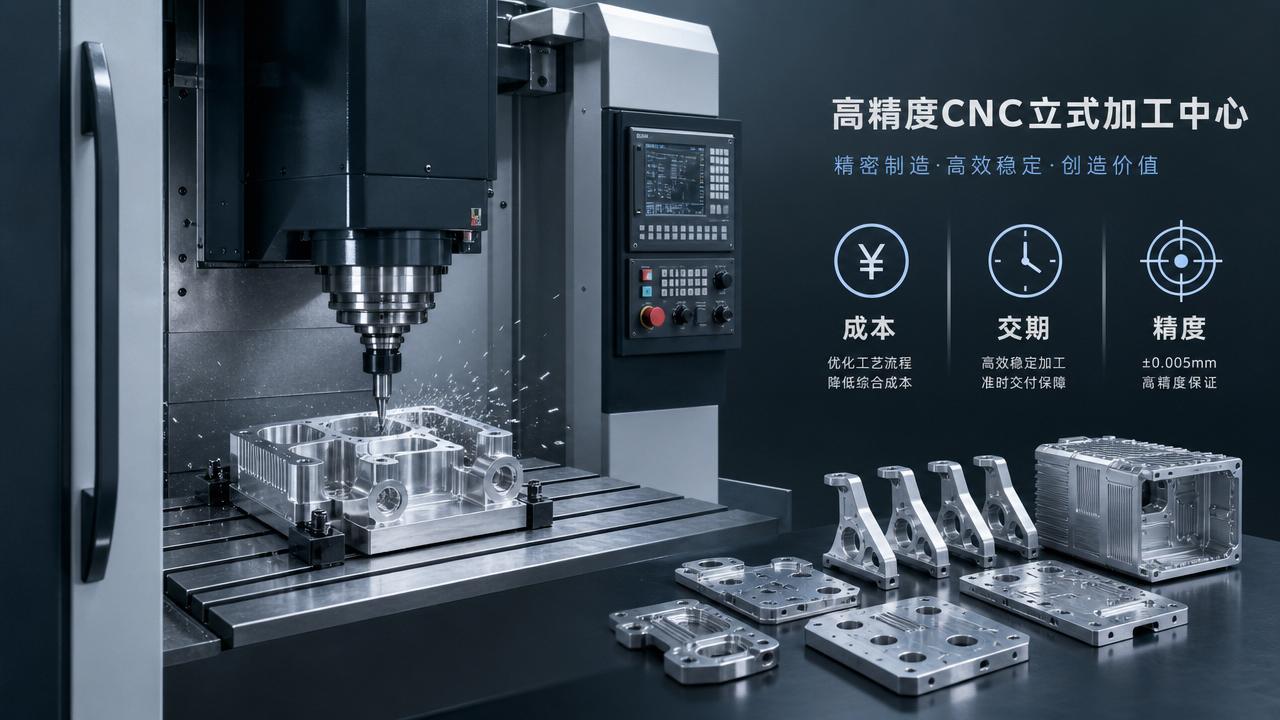
For sourcing decisions, CNC milling shapes three outcomes at once: cost, delivery speed, and part accuracy. Small design choices can change all three dramatically.
Material hardness, geometry complexity, tolerance requirements, and batch size all affect CNC milling performance. Clear scenario-based evaluation helps reduce quoting gaps and avoid quality surprises.
In global manufacturing, CNC milling is widely used for housings, brackets, plates, fixtures, heat sinks, and structural components across automotive, aerospace, electronics, and energy equipment.
When simple parts matter most, CNC milling mainly affects unit cost
For flat plates, basic brackets, and simple enclosures, CNC milling cost usually becomes the first decision factor. Accuracy is still important, but standard tolerances often meet the need.
In this scenario, CNC milling time depends on stock size, material removal volume, and fixture setup. Fewer tool changes and simpler clamping usually mean better pricing.
Aluminum often gives the best balance. It machines quickly, supports stable surface finish, and lowers spindle load. This improves CNC milling speed and reduces overall machining cost.
Core judgment points for basic milled parts
- Use standard thickness and common alloys when possible.
- Avoid deep pockets that increase tool wear and cycle time.
- Specify only necessary tolerances, not blanket tight tolerances.
- Reduce secondary operations through cleaner initial design.
When lead time is tight, CNC milling speed depends on process readiness
Urgent projects rarely fail because of spindle speed alone. They slow down because drawings are unclear, tooling is unavailable, or setup planning is incomplete.
For prototype launches, spare parts, or engineering changes, CNC milling lead time is strongly tied to manufacturability. Features that look minor in CAD may create major scheduling delays.
Thin walls, sharp inside corners, and nonstandard hole patterns often force slower feeds or extra setups. Each extra operation adds queue time, inspection time, and potential rework.
Fast-turn CNC milling works best under these conditions
- Complete 2D drawings match the 3D model.
- Critical dimensions are highlighted clearly.
- Material grade and finish requirements are fixed early.
- Inspection standards are defined before machining starts.
When these conditions are met, CNC milling can support short-cycle industrial supply without sacrificing control. Faster quoting and faster setup usually follow.
When precision assemblies are involved, CNC milling affects part accuracy most
Assemblies with bearings, sealing faces, mating surfaces, or alignment features demand more than dimensional compliance. CNC milling accuracy must stay stable across the full batch.
Here, machine capability matters more than headline capacity. Spindle condition, thermal stability, tool compensation, and probing routines all influence final part consistency.
High-accuracy CNC milling often requires slower cutting, more frequent inspection, and sometimes stress-relief steps. These increase cost and extend lead time, but reduce downstream assembly risk.
Accuracy-sensitive part types often include
- Motor housings and bearing seats
- Aerospace structural interfaces
- Precision tooling plates and jigs
- Electronic chassis with tight mounting references
In such cases, asking how CNC milling affects accuracy is more useful than asking only for the lowest quote. Stable capability usually saves more than initial price cuts.
Different CNC milling scenarios create very different sourcing priorities
A single quoting method does not fit every project. The same CNC milling supplier may be competitive in one scenario and unsuitable in another.
How to match CNC milling strategy to actual project needs
Better decisions come from matching the process to the part, not forcing every part into one cost model. CNC milling performance changes with each business scenario.
Recommended actions by scenario
- For cost-driven parts, simplify geometry and use commercial tolerances.
- For fast delivery, freeze the drawing package before RFQ.
- For accuracy-critical parts, request capability evidence and inspection flow.
- For repeat orders, review fixture reuse and batch planning options.
It also helps to compare CNC milling quotes beyond price. Check machining route, lead time assumptions, measurement methods, and included finishing steps.
A low quote can hide manual deburring, outsourced finishing, or limited inspection. Those gaps often appear later as delays, rejects, or assembly problems.
Common mistakes when judging how CNC milling affects results
One common mistake is treating every tolerance as equally critical. In reality, only certain datums, holes, and mating faces usually control part function.
Another mistake is assuming faster CNC milling always lowers total cost. Aggressive scheduling can increase scrap risk, overtime, and shipping premiums.
A third mistake is ignoring material behavior. Stainless steel, hardened alloys, and engineering plastics each respond differently during CNC milling, especially under tight tolerances.
Surface finish is also misunderstood. A fine Ra requirement may require additional passes or separate finishing, even when dimensional accuracy is already acceptable.
Warning signs worth checking early
- Large price differences without process explanation
- Lead times that ignore finishing or inspection
- No distinction between critical and noncritical dimensions
- No mention of tooling wear for hard materials
What to do next when evaluating CNC milling for industrial projects
Start by defining the dominant goal: lower cost, faster delivery, or tighter accuracy. This simple step improves CNC milling comparisons immediately.
Then review the drawing set for unnecessary complexity. Remove features that do not support function, assembly, or service life. Cleaner designs improve CNC milling efficiency.
Next, ask for a process-based quote breakdown. Good visibility into material, setup, machining, finishing, and inspection helps identify the real drivers behind CNC milling cost.
Finally, align technical requirements with production reality. When CNC milling choices match the actual application scenario, projects usually achieve stronger value, better timing, and more reliable quality.
PREVIOUS ARTICLE
Recommended for You
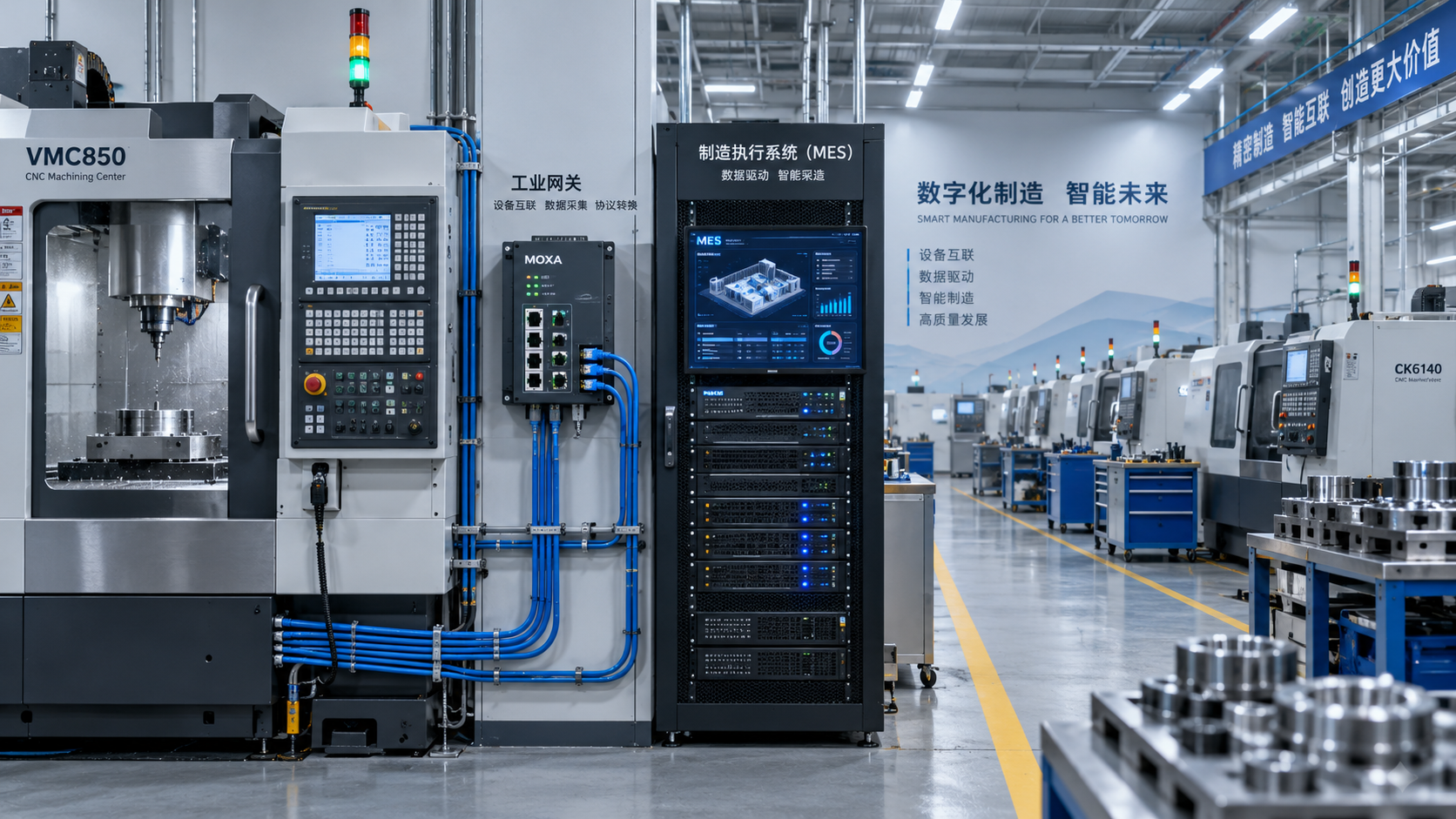
 Digital Manufacturing for Smart Factories: Connecting Legacy Machines to MESMachine Tool Industry Editorial Team
 How to Select a CNC Metal Lathe for Tight-Tolerance Shaft and Sleeve PartsCNC Machining Technology Center
 How to Select an Industrial Lathe for High-Volume Shaft ProductionMachine Tool Industry Editorial Team
 Selecting Machine Tools for Automotive Parts: Accuracy, Throughput, and AutomationMachine Tool Industry Editorial Team
 Industrial Machining: Selecting Processes for Tight-Tolerance Metal PartsCNC Machining Technology Center
 Manufacturing Technology Trends That Improve Throughput and Quality ControlManufacturing Market Research Center

Aris Katos
Future of Carbide Coatings
15+ years in precision manufacturing systems. Specialized in high-speed milling and aerospace grade alloy processing.
▶
Is Learning CNC Programming Worth It for Shop Owners Seeking Higher Margins?CNC Machining Technology Center▶
How to Select CNC Equipment for High-Mix, Low-Volume ProductionCNC Machining Technology Center▶
Can CNC Machining Inconel Control Tool Wear in High-Temperature Aerospace Parts?CNC Machining Technology Center▶
How Automated Precision Machining Maintains Tolerance in High-Mix ProductionCNC Machining Technology Center▶
CNC Programming Explained: From CAD Models to Reliable Shop-Floor ToolpathsCNC Machining Technology Center
Mastering 5-Axis Workholding Strategies
Join our technical panel on Nov 15th to learn about reducing vibrations in thin-wall components.

Providing you with integrated sanding solutions
Before-sales and after-sales services
Comprehensive technical support